

Table of Contents
The United States Air Force flies the most advanced combat aircraft ever built. It also flies tankers older than almost every person who maintains them, and the distance between those two facts is the service’s central problem.
As of September 30, 2024, the Air Force held 5,003 aircraft in its total active inventory, at an average age of 32.4 years. In 1994 that same figure was about 17 years.
The fleet has not stopped aging, and the budget does not reverse it. For fiscal 2027 the service asked to retire 149 aircraft and buy 108, a net loss of 41 airframes.
That arithmetic has run in the same direction for three decades. The Air Force is not replacing its fleet so much as shrinking it and keeping what remains in the air longer.
How a fleet ages 15 years in 30
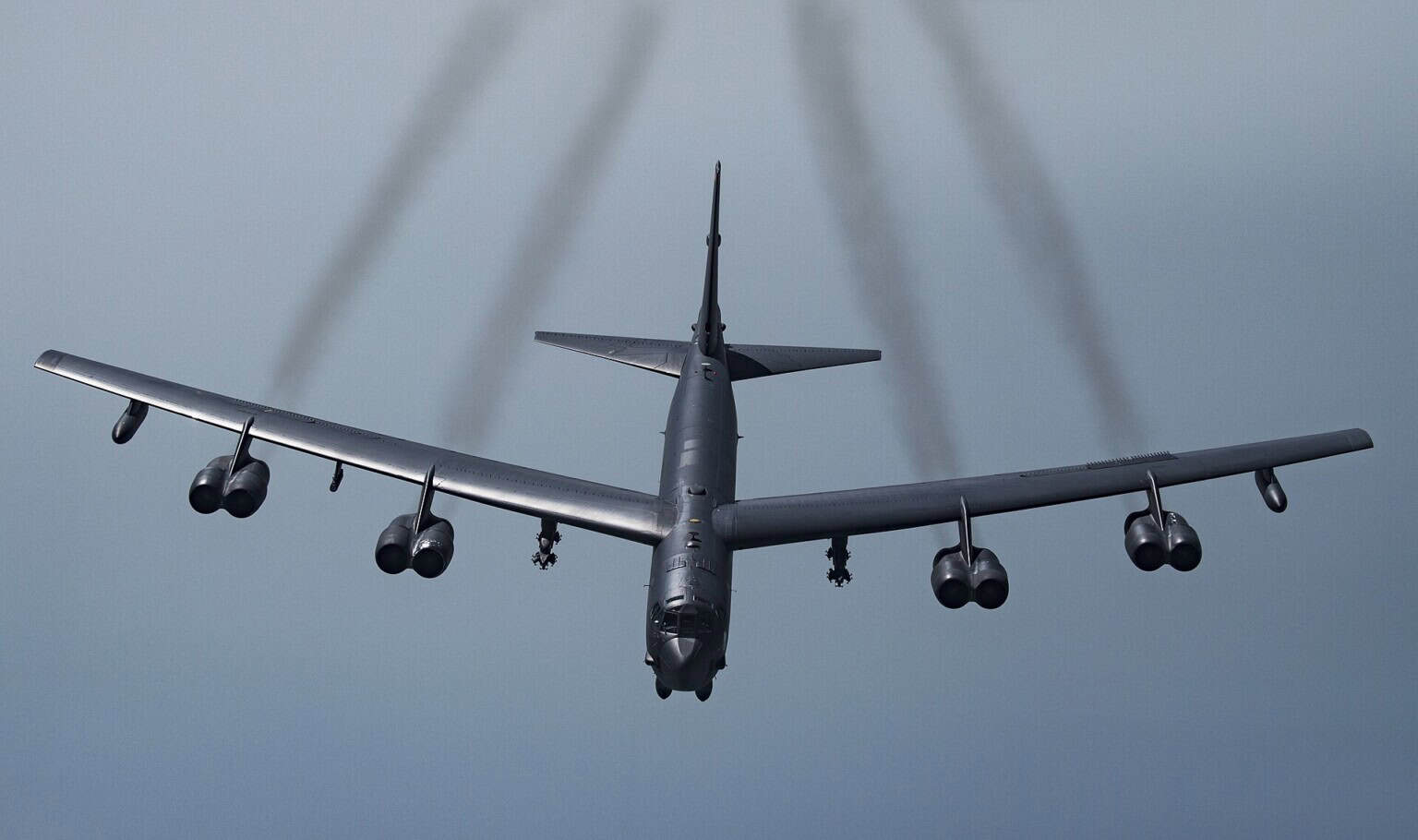
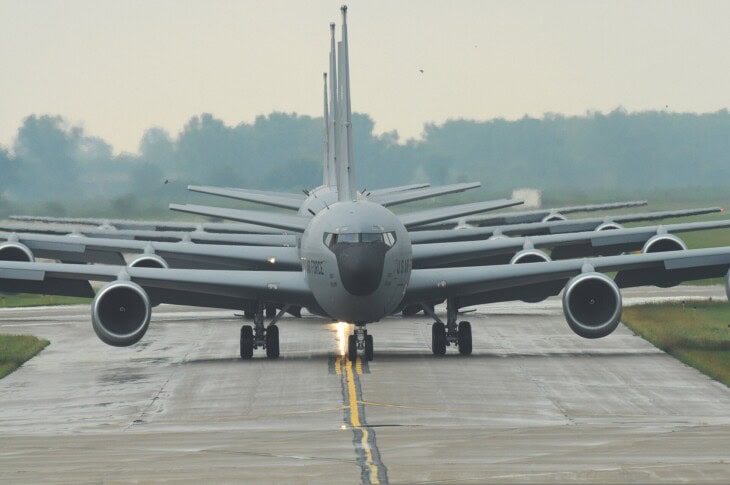
The Air Force bought most of what it flies today inside a compressed window. The KC-135 tanker force was delivered between 1957 and 1965, and the last B-52 Stratofortress rolled out of Wichita in October 1962.


Then the buying stopped. The Cold War ended just as the replacement generation reached production, and the procurement holiday of the 1990s cut those programs to a fraction of their planned size.
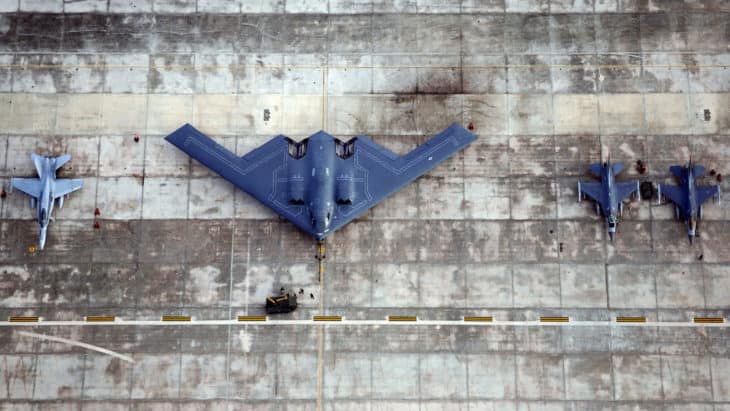
The B-2 Spirit is the clearest case. The Air Force planned 132 and bought 21, at a program unit cost above $2 billion each. Twenty remain after one was lost in a 2008 crash on Guam.
The F-22 Raptor followed the same path. Production was capped at 187 aircraft against an original requirement of 750, and the line closed in 2011.
Truncating a program does not remove the requirement it was meant to satisfy. It transfers that requirement to the aircraft already in service.
This is why the KC-135 and the B-52 are still flying missions their replacements were supposed to absorb in the 1990s. Every cancelled or truncated buy added years to the average, permanently.
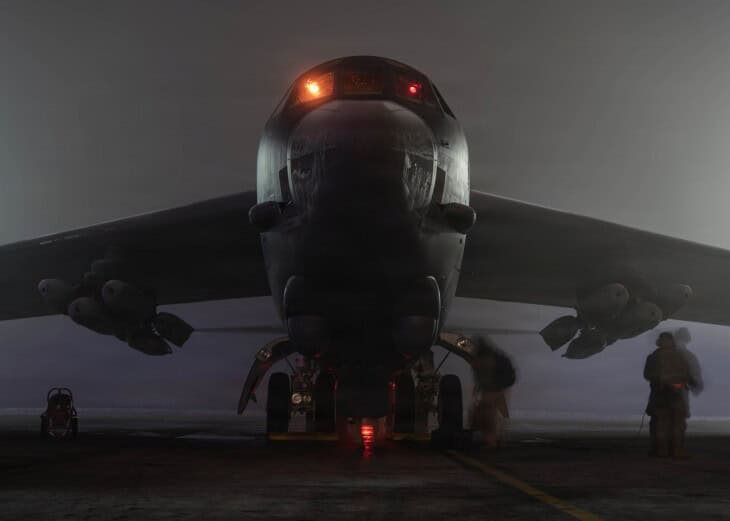
Two decades of counterinsurgency operations after 2001 finished the job. Flying hours were spent, airframes accumulated fatigue, and money that might have funded recapitalization went to operations instead.
The oldest fleets are the ones that fly every day
Fleet age figures need a stated measure before they mean anything. The numbers below are total active inventory and mean airframe age as of September 30, 2024, the most recent full-year set published in the Air & Space Forces Association almanac.
| Aircraft | Inventory | Average age |
|---|---|---|
| KC-135T Stratotanker | 51 | 64.73 years |
| KC-135R Stratotanker | 325 | 62.71 years |
| B-52H Stratofortress | 76 | 62.80 years |
| A-10C Thunderbolt II | 219 | 43.37 years |
| B-1B Lancer | 46 | 37.40 years |
| F-16C/D Fighting Falcon | 838 | 33.69 years |
| F-15E Strike Eagle | 218 | 32.42 years |
| B-2A Spirit | 20 | 28.75 years |
| C-130H/J Hercules | 276 | 19.50 years |
| F-22A Raptor | 185 | 19.01 years |
| F-35A Lightning II | 443 | 4.92 years |
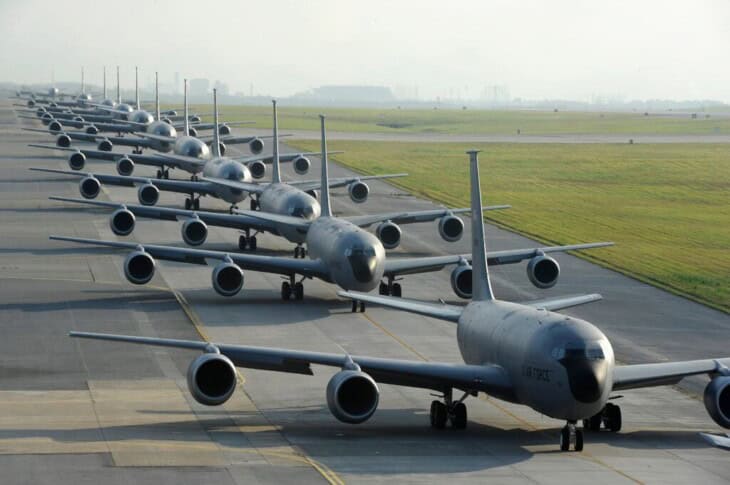
Two of the three oldest fleets are also among the largest. The 376 KC-135 tankers outnumber every bomber and F-22 in the inventory combined, and they average over 62 years.
The F-16C/D force is the largest in the Air Force at 838 aircraft. At 33.69 years it sits above the service-wide average, which means the backbone of the world’s best fighter jet fleets is itself part of the aging problem rather than a cure for it.
Only three fleets in the table pull the average down at all: the F-35A at 4.92 years, the F-22A at 19.01, and the C-130 force at 19.5.
The fleet aged 15 years in 30
In 1994 the average US Air Force aircraft was about 17 years old. Thirty years later it was 32.4. The fleet aged roughly half a year for every year that passed, which is precisely what happens when a service retires aircraft faster than it buys replacements.
Old aircraft do not simply get older. They get harder to fly.
Age shows up first in readiness. The Air Force’s mission-capable rate fell to 62 percent in 2025. In 1994, when the fleet averaged 17 years, it was 73 percent.
A mission-capable rate is the share of aircraft able to perform at least one assigned mission at a given moment. At 62 percent across roughly 4,900 aircraft, about 1,860 of them cannot fly their mission on any given day.
The cause is rarely dramatic. It is parts. Components for a 1962 airframe left production decades ago, the original vendors are gone, and the Air Force ends up commissioning small batches or pulling components from parked aircraft.
The bomber force is the extreme case. Its roughly 142 aircraft average close to 50 years, weighted by 76 B-52Hs at nearly 63 years apiece.
And the newest bomber design in service is not new. The B-2 was declared operational on January 1, 1997, which makes the most modern bomber the United States can fly today a design that reached squadron service nearly 30 years ago.
That is the figure worth sitting with. Every aircraft on the list of the best bombers in the world that carries a US flag entered service in the twentieth century.
Age constrains what the fleet can be asked to do, too. Structural limits, restricted flight envelopes and fleet-wide groundings after a fatigue finding all take aircraft off the board without anyone formally retiring them.
The 2027 budget makes the fleet newer by making it smaller
The fiscal 2027 request totals $338.8 billion, an all-time high for the service. It retires 149 aircraft and buys 108.
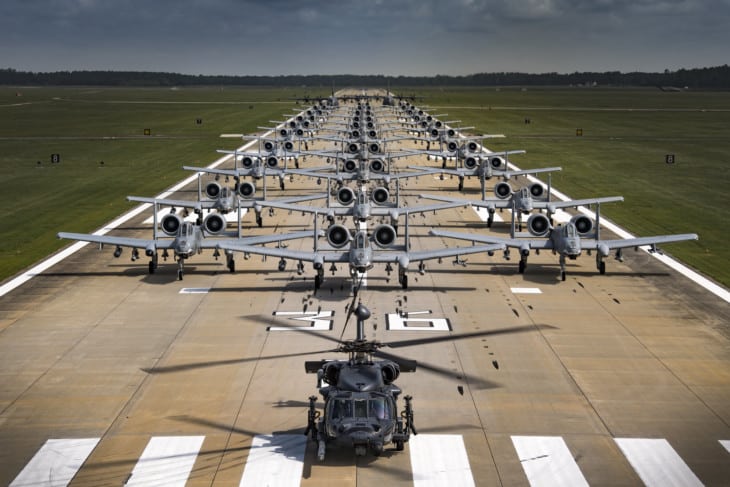
The retirement list is specific: 23 U-2s, which ends that fleet outright, 49 A-10 Thunderbolt IIs, 20 KC-135s, 20 F-15Es, 16 C-130Hs, six F-16s and 15 trainers.
Ending a fleet outright is not hypothetical here. The last EC-130H Compass Call flew its final mission on September 2, 2026, closing four decades of service, and the jet taking over the job costs roughly half as much per hour to operate.
Cutting the A-10 force nearly in half leaves 54 aircraft, enough for three squadrons, and keeps the type alive to 2030. The gap that opens is the real cost: Whiteman Air Force Base is the only candidate to trade its A-10s for 24 F-15Es, and those jets are not due to start arriving until fiscal 2031.
Sources and references used for research and fact-checking.
- Air & Space Forces Magazine, 2025 USAF & USSF Almanac: Equipment
- Air & Space Forces Magazine, 2027 Budget: U-2 to Retire, Air Force to Buy Over $30B in Aircraft
- Simple Flying, The US Air Force Is Quietly Shrinking Below 5,000 Aircraft For The 1st Time In Its History
- Air & Space Forces Magazine, Average Age of USAF Aircraft Drops Slightly, But Eight Fleets Now Exceed 50 Years Old
- Wikipedia, Northrop Grumman B-2 Spirit
- Wikipedia, Northrop Grumman B-21 Raider
- Wikipedia, Lockheed Martin F-22 Raptor
Get the Newsletter
The latest aviation news and stories sent to your inbox.
About the Author

Tim is the owner and lead editor of AeroCorner since 2019, overseeing aviation content covering aircraft, airlines, airports, and the broader aviation industry. Through years of researching, writing, editing, and publishing aviation-focused content, he has developed extensive practical knowledge of commercial aviation and air travel. Based in Asia and a frequent traveler himself, Tim also brings firsthand passenger experience to AeroCorner’s coverage. Outside of publishing, he has also explored aviation firsthand through hands-on flight training in New Zealand.