

Military Aircraft
Boeing B-17 Flying Fortress
ICAO: B17
The long-range bomber built to sustain strategic airpower for decades.
Updated: by Tim de Vries
The latest aviation news and stories sent to your inbox.
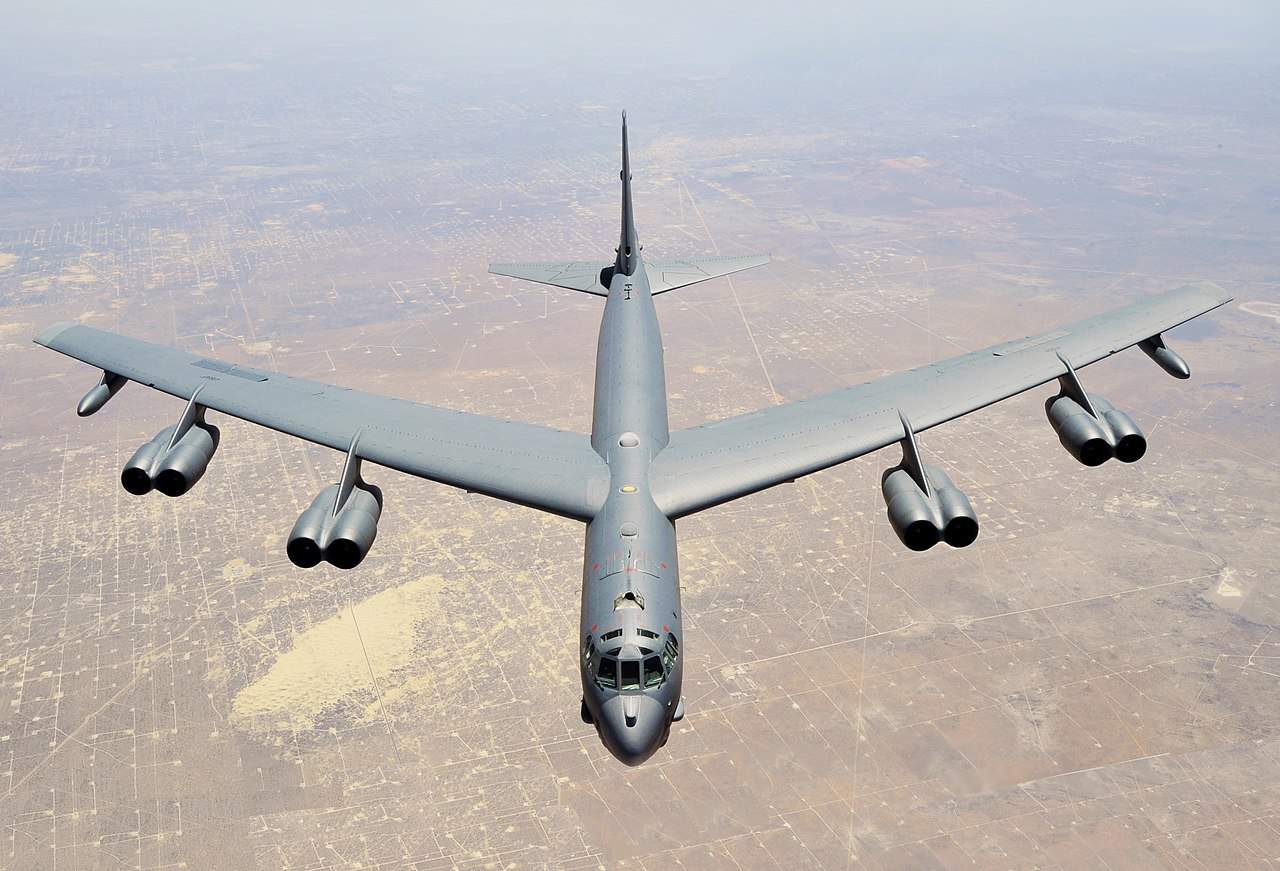
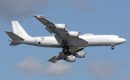
The Boeing B-52 Stratofortress is a long-range strategic bomber that has served the U.S. Air Force since 1955. Built for Cold War nuclear deterrence, it now flies conventional strike, close air support, and maritime missions. Only the B-52H version remains, and the Air Force plans to keep it in service past 2050.
Live Fleet Activity (B52)
Fetching live data…


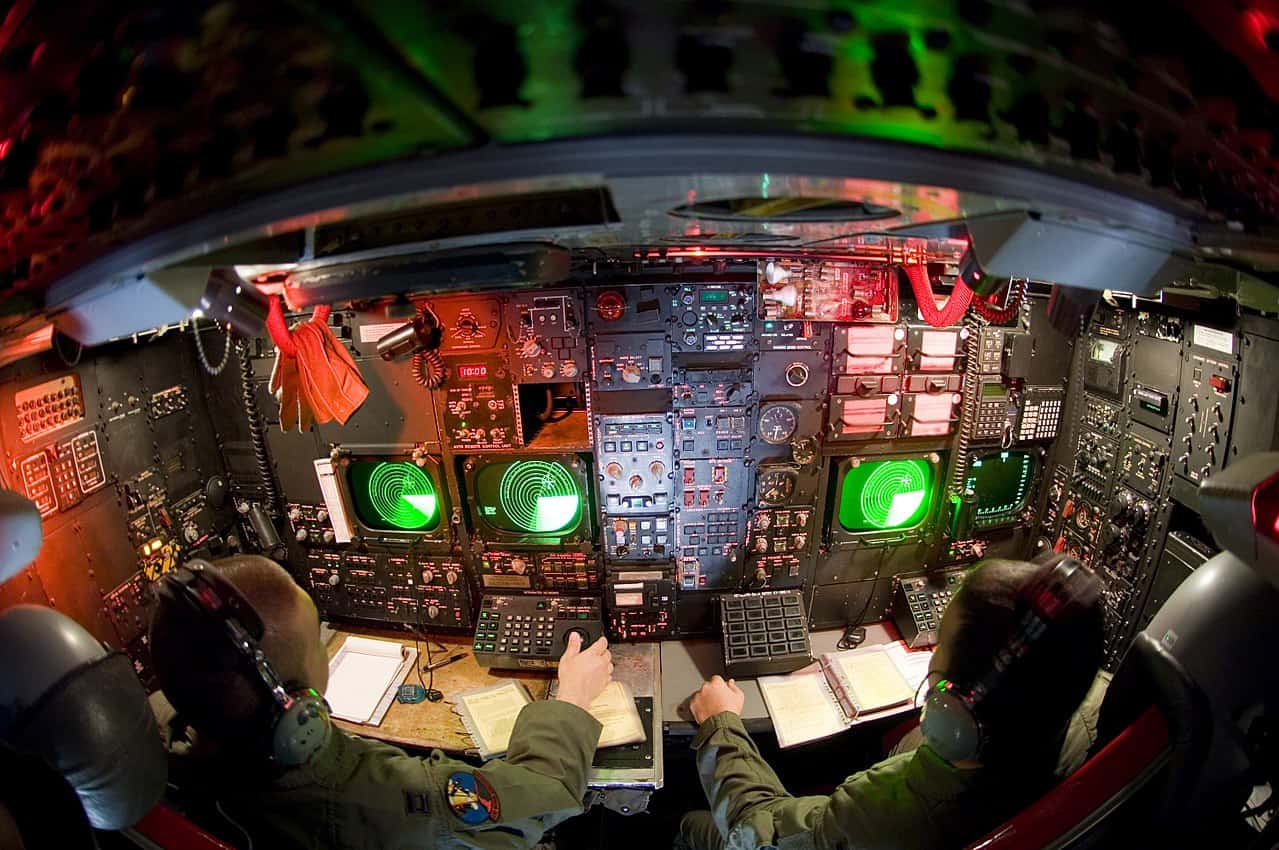

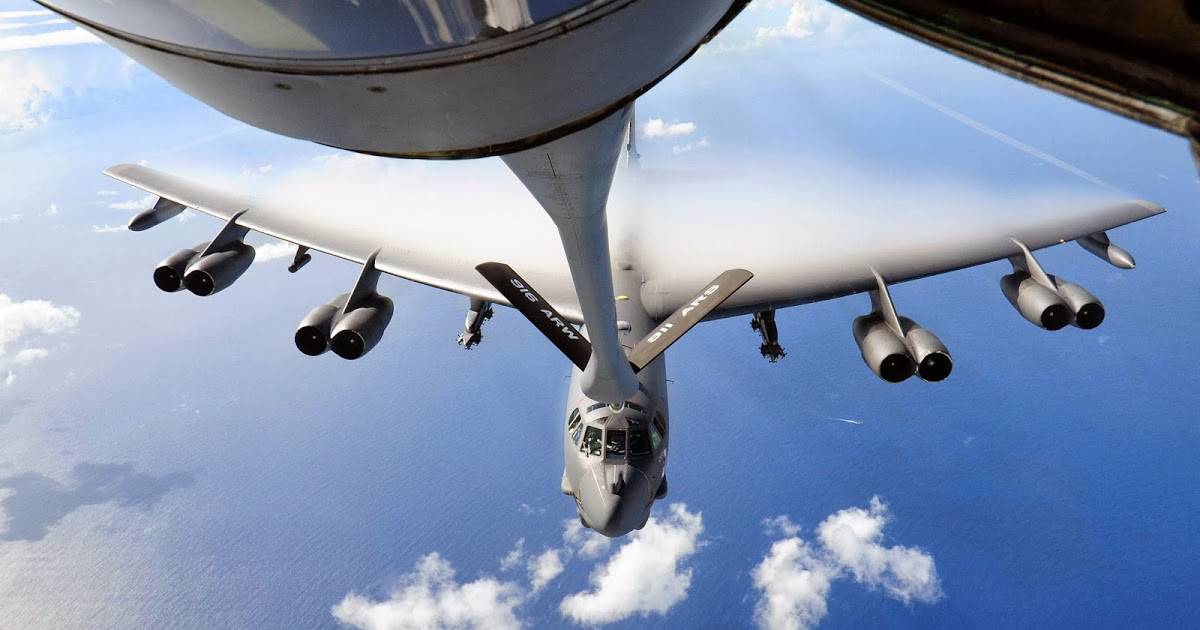
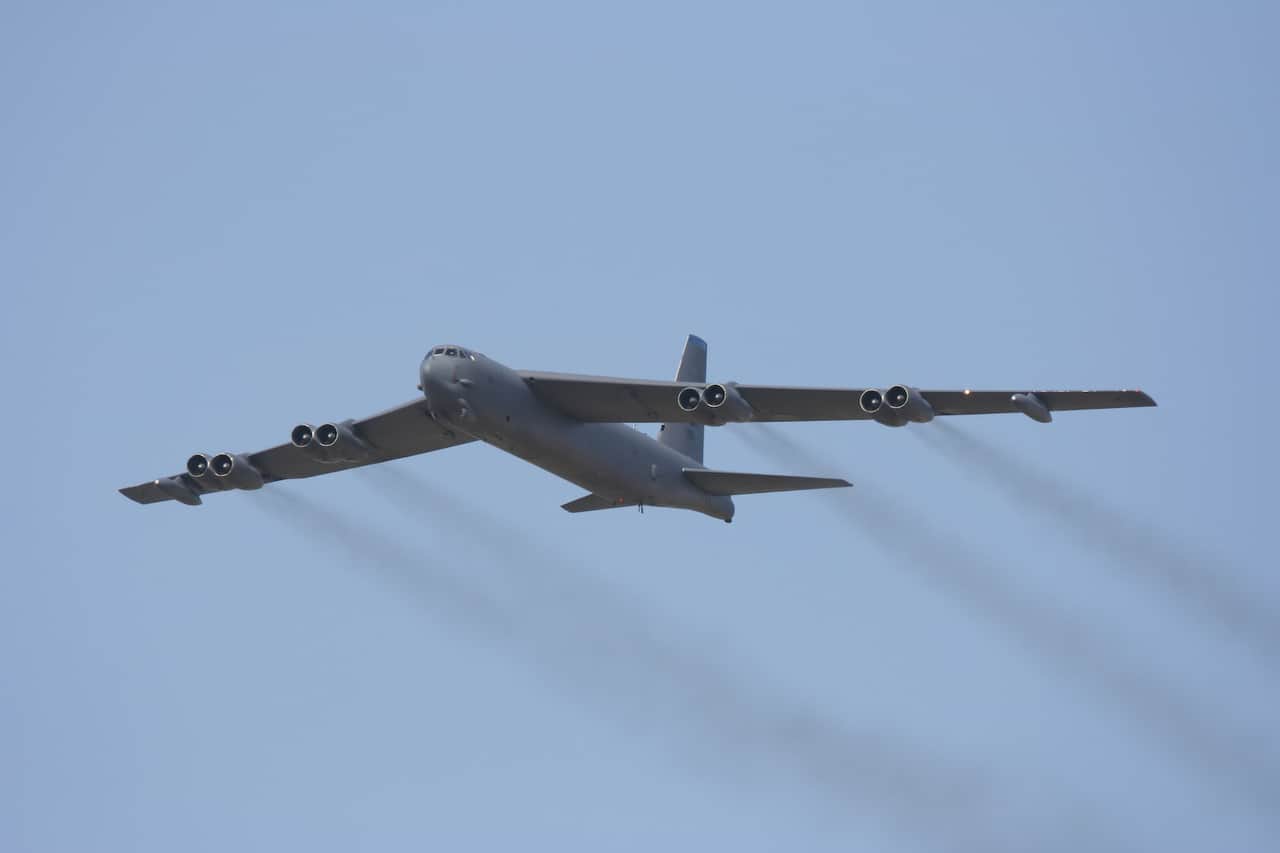


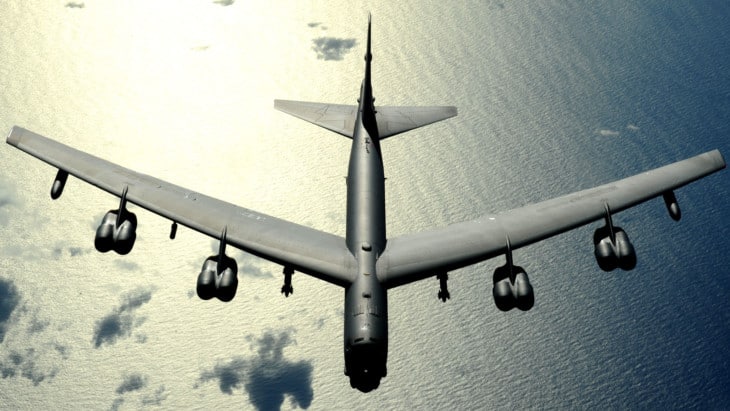
The Boeing B-52 Stratofortress is a long-range, subsonic strategic bomber that has flown for the U.S. Air Force since 1955. It was built to carry nuclear weapons deep into the Soviet Union from bases in the United States, and it has since become the Air Force’s workhorse for dropping conventional bombs and launching cruise missiles.
Boeing delivered 744 B-52s between 1952 and 1962. Only the final version, the B-52H, is still flying, and the Air Force intends to keep it in service past 2050, which would give the airframe a working life of roughly a century.
The full specification table for the aircraft is on this page. The sections below explain what those numbers mean and cover the history, weapons, and future of the type.
The Air Force asked for a new intercontinental bomber in 1946. Boeing’s early proposals used turboprop engines, but in 1948 the design team switched to eight jet engines slung under a thin, sharply swept wing, sketching the layout that survives today.
The prototype YB-52 first flew on April 15, 1952. The first operational aircraft reached Strategic Air Command in June 1955, and production ran through eight lettered variants, from the B-52A to the B-52H.
Each version added range, fuel, and updated systems. The B-52G introduced a lighter “wet” wing that carried fuel internally, and the B-52H, delivered in 1961 and 1962, swapped the earlier water-injected turbojets for quieter, more efficient turbofans.
The earlier B-52 models flew hard through the 1960s and 1970s and wore out. The B-52D fleet was retired after Vietnam, and the B-52G force was scrapped in the 1990s under the START arms-control treaty, which required the airframes to be visibly cut apart in the Arizona desert.
The B-52H models were the youngest and had the strongest wings, so they became the fleet the Air Force kept. Every B-52 flying today was built in 1961 or 1962, which makes the type older than most of the pilots’ grandparents.
Two aircraft, nicknamed “Ghost Rider” and “Wise Guy,” were even pulled out of long-term storage at Davis-Monthan Air Force Base and returned to active duty to replace jets lost to accidents and fire.
The B-52H is powered by eight Pratt & Whitney TF33 turbofans, grouped in four twin pods. That engine has been out of production for decades, and keeping the fleet supplied with spare parts has become expensive and slow.
In 2021 the Air Force chose the Rolls-Royce F130, a commercial business-jet engine, to replace all of them. The contract covers 608 engines plus spares. The aircraft keeps its eight-engine layout rather than moving to four larger engines, because re-plumbing the wing for four would cost more than it saves.
Re-engined aircraft, fitted with the new engines and a modern active-array radar, are redesignated B-52J. The upgrade has slipped from its original schedule and is now expected to reach initial operating capability around 2033.
The B-52H can carry about 70,000 pounds (31,751 kg) of ordnance across a bomb bay and two underwing pylons. That load can be free-fall bombs, precision-guided JDAMs, sea mines, or standoff cruise missiles.
An internal upgrade gave the bomb bay a rotary launcher that holds eight guided weapons, so the aircraft no longer has to hang everything on the wings. A fully loaded B-52 can put more guided bombs on target in one pass than any other aircraft in the U.S. inventory.
For the nuclear mission the B-52 now carries only air-launched cruise missiles, not gravity bombs. It can carry up to 20 AGM-86B missiles, and those are being replaced by the stealthy AGM-181 Long-Range Standoff weapon later this decade.
The panel lists a range of about 7,650 nautical miles, which is roughly 8,800 miles without refueling. Air Force tankers extend that to effectively unlimited, and B-52 crews have flown missions longer than 30 hours from the United States and back.
The listed top speed is around 565 knots, or 650 mph, which is Mach 0.84 at altitude. The B-52 is not fast by fighter standards and never was. It was designed to cruise high and far, then release weapons from a distance rather than fight its way in.
The service ceiling is 50,000 feet. In practice the aircraft spent much of the Cold War training to attack at low level to slip under radar, a punishing profile that fatigued the airframes and drove much of the later structural work.
The B-52 has no stealth and a very large radar signature, so it is easy to detect. Until 1991 the B-52H carried a 20 mm cannon in a remote-controlled tail turret, but the Air Force removed the guns to save weight and crew workload.
Today the aircraft relies on electronic jamming equipment, decoys, and, above all, on distance. Standoff cruise missiles let a B-52 strike targets from hundreds of miles away without entering defended airspace, and in a contested war it would be escorted by fighters or paired with stealth bombers like the B-2 Spirit.
The B-52 first went to war in June 1965, bombing targets in South Vietnam under Operation Arc Light. In December 1972, during Operation Linebacker II, more than 700 B-52 sorties struck Hanoi and Haiphong over 11 days, and 15 bombers were lost to surface-to-air missiles.
Since then the type has flown in the 1991 Gulf War, over Kosovo in 1999, and in Afghanistan and Iraq after 2001, mostly delivering precision-guided bombs for troops on the ground. More recently, B-52s fly “Bomber Task Force” missions to Europe, the Middle East, and the Pacific as a visible signal to rivals.
For context on where the B-52 sits among modern heavy bombers, see our roundup of the best bombers in the world and the guide to the main types of bomber aircraft.
The Air Force operates 76 B-52H bombers. Fifty-eight are flown by active-duty units at Minot Air Force Base in North Dakota and Barksdale Air Force Base in Louisiana, and 18 are flown by the Air Force Reserve at Barksdale.
All 76 are scheduled to be modernized to the B-52J standard. That plan makes the B-52 the only one of America’s three Cold War bombers, alongside the B-1B Lancer and the B-2, that the Air Force expects to keep flying into the 2050s.
The Air Force lists a unit cost of $84 million in fiscal 2012 dollars. That figure is a bookkeeping estimate for an aircraft that has not been built since 1962 and reflects decades of accumulated upgrades rather than an original sticker price.
The B-52 is still far cheaper to buy and operate than a stealth bomber, which is the main reason it has outlasted the aircraft designed to replace it. It appears regularly on lists of the most expensive military aircraft only when lifetime program costs are counted.
The U.S. Air Force has 76 B-52H Stratofortresses in service, split between active-duty squadrons at Minot and Barksdale Air Force Bases and an Air Force Reserve wing at Barksdale. All of them are planned for upgrade to the B-52J configuration.
A single B-52 can carry about 70,000 pounds of bombs or up to 20 cruise missiles and deliver them anywhere on Earth with tanker support. It has done this in every major U.S. conflict since 1965, and its long reach and heavy load give an opponent very little warning and no safe distance.
In its nuclear role the B-52H carries up to 20 AGM-86B air-launched cruise missiles, on an internal rotary launcher and two underwing pylons. The Air Force removed nuclear gravity bombs from B-52 tasking in 2017, so the aircraft is now a cruise-missile carrier only for that mission.
Not in a dogfight. The tail gun was removed in 1991, and the aircraft has no stealth, so it depends on electronic jamming, decoys, fighter escort, and long-range standoff missiles that let it strike without flying into enemy air defenses.
Every B-52 still flying is a B-52H built in 1961 or 1962, so the fleet is more than 60 years old. Two of them were returned to service from desert storage, one in 2016 and one in 2019, to keep the fleet at full strength.
No. The B-52 was ordered in 1946, first flew in 1952, and entered service in 1955, a decade after World War II ended. The four-engine bombers used in that war were the B-17 Flying Fortress and the B-24 Liberator, and the B-29 Superfortress late in the Pacific campaign.
No. The B-52 has a large radar cross-section and is easy to detect. Stealth is the job of the B-2 Spirit and the incoming B-21 Raider, while the B-52 survives by launching cruise missiles from outside defended airspace.
The B-52H has a top speed of about 650 mph (Mach 0.84) and a service ceiling of 50,000 feet. Normal cruise is closer to 440 knots, since the aircraft is built for range and endurance rather than speed.
Sources and references used for research and fact-checking.
.jpg)