
Mid Size Passenger Jets
The mid-size Classic jet built for expanding short-haul networks.
The latest aviation news and stories sent to your inbox.
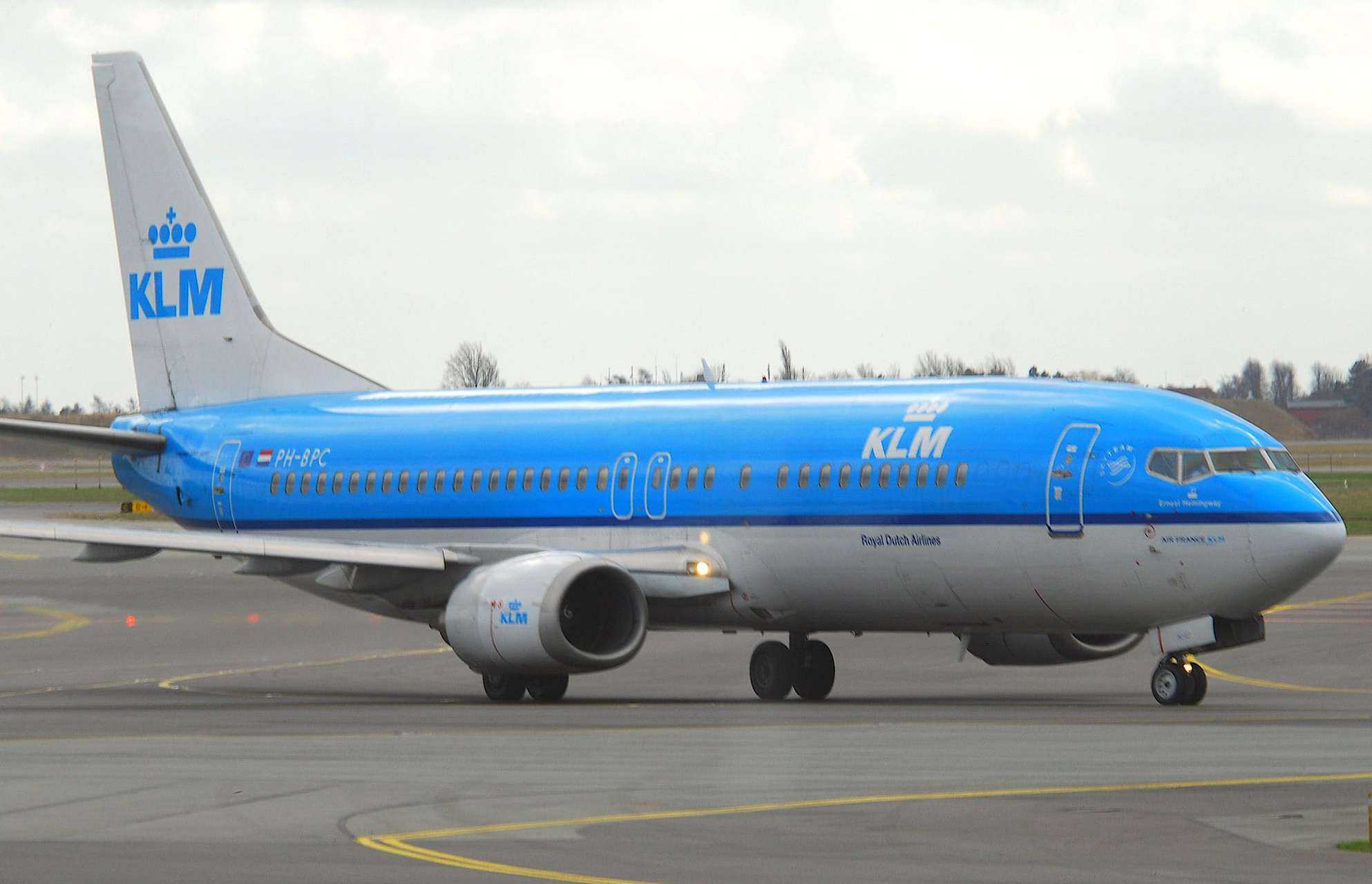
The Boeing 737-400 was developed as a stretched member of the 737 Classic family. Entering service in the late 1980s, it offered increased capacity compared with earlier variants. The aircraft became widely used on short and medium-haul routes.
Live Fleet Activity (B734)
Fetching live data…
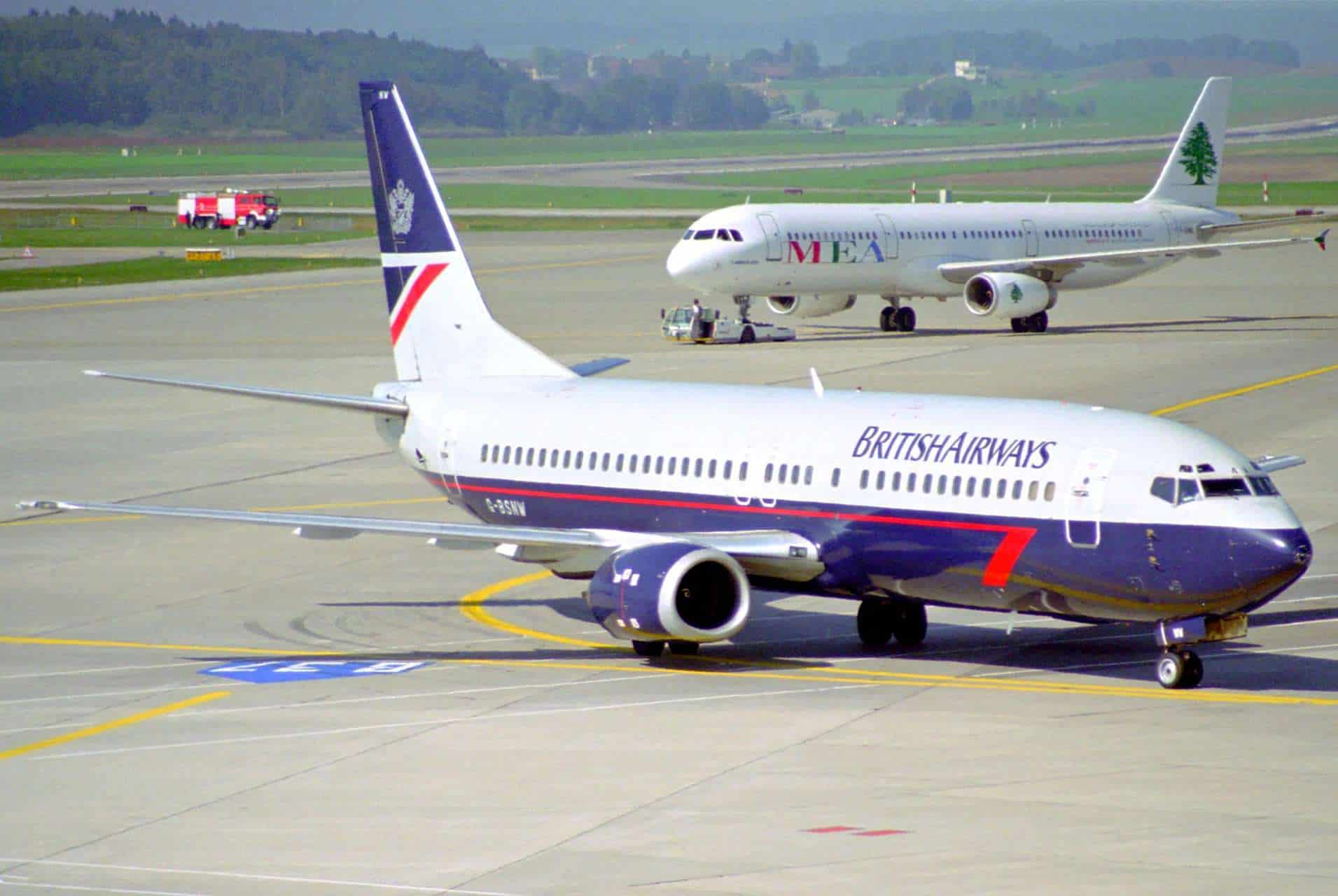
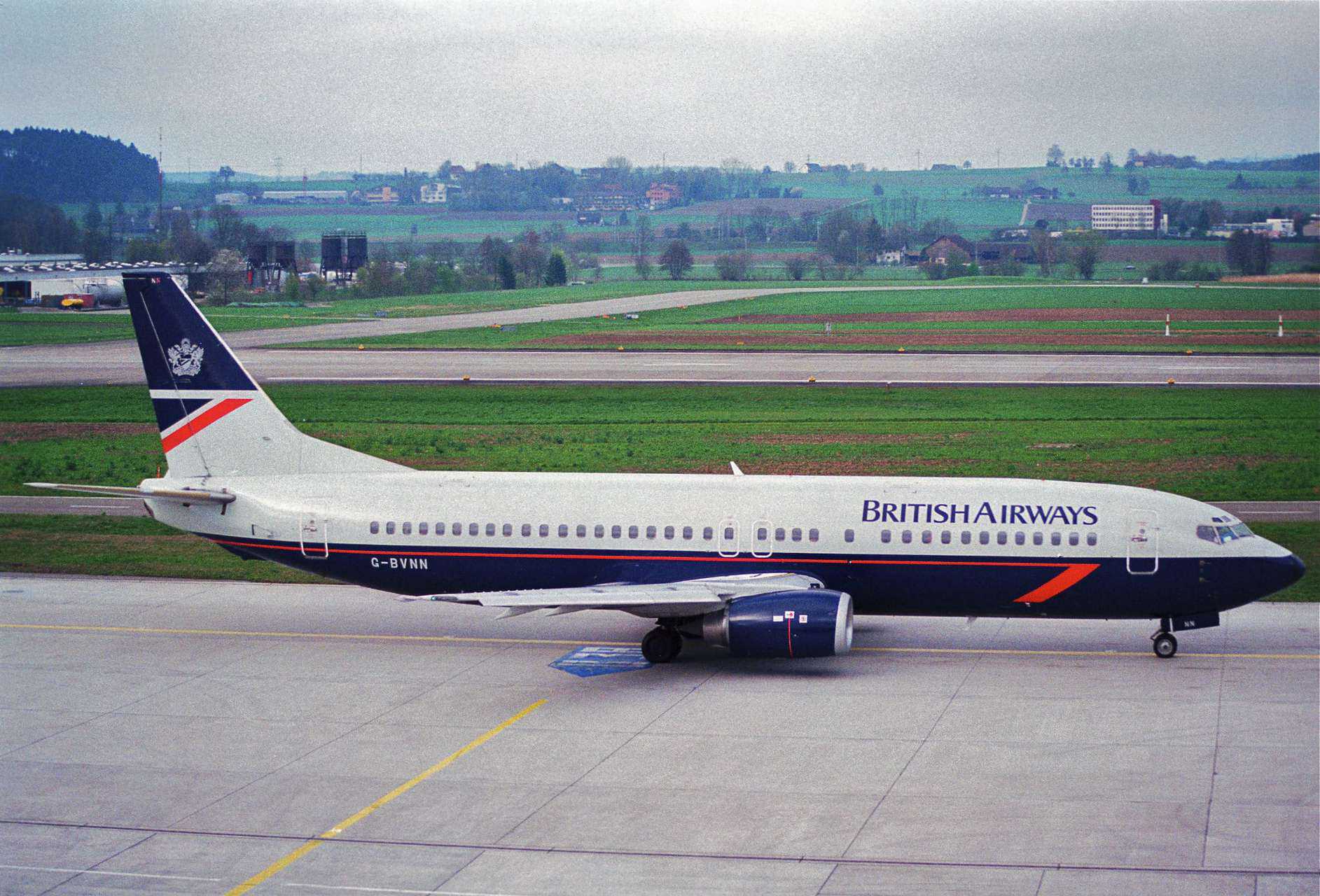
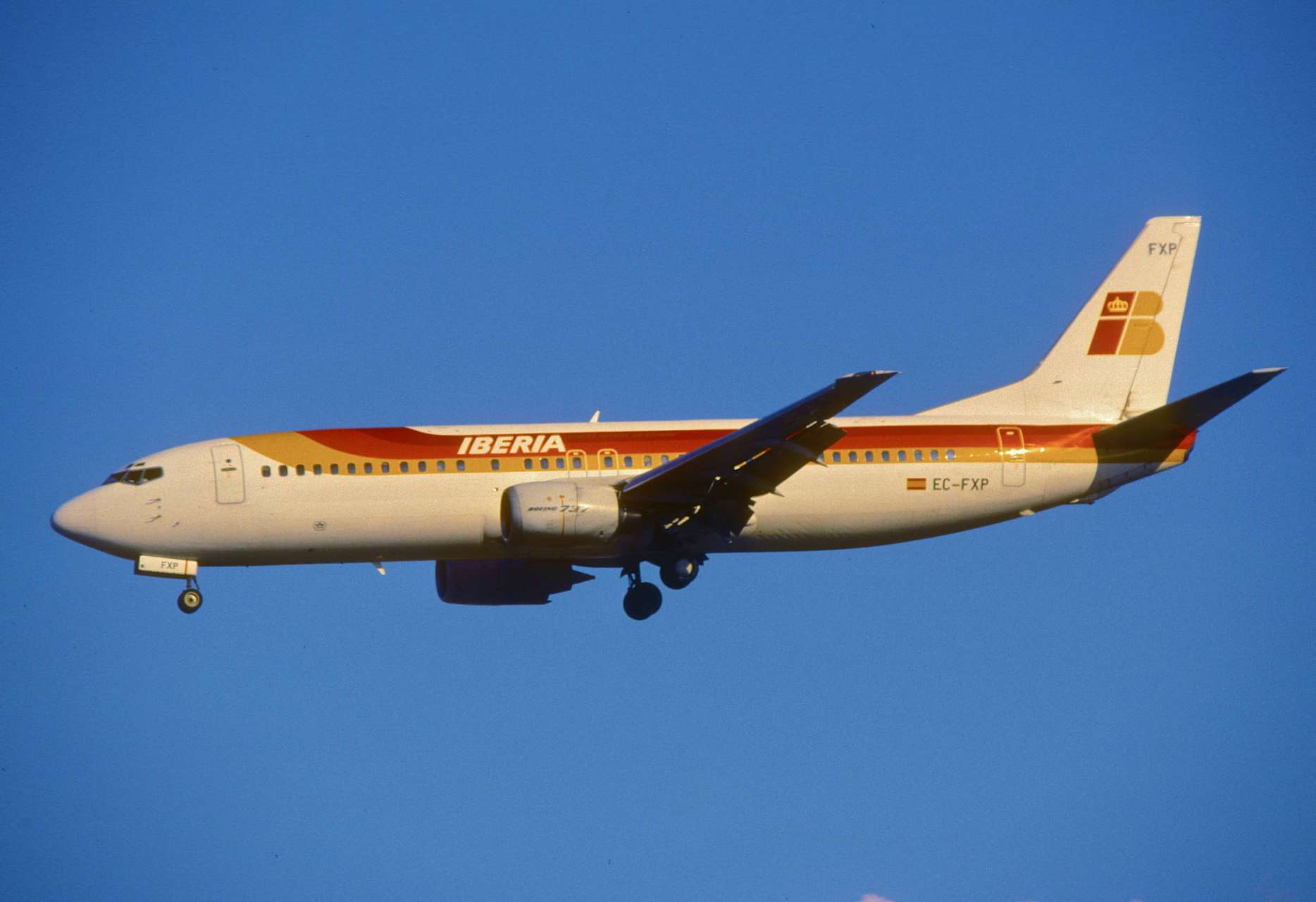
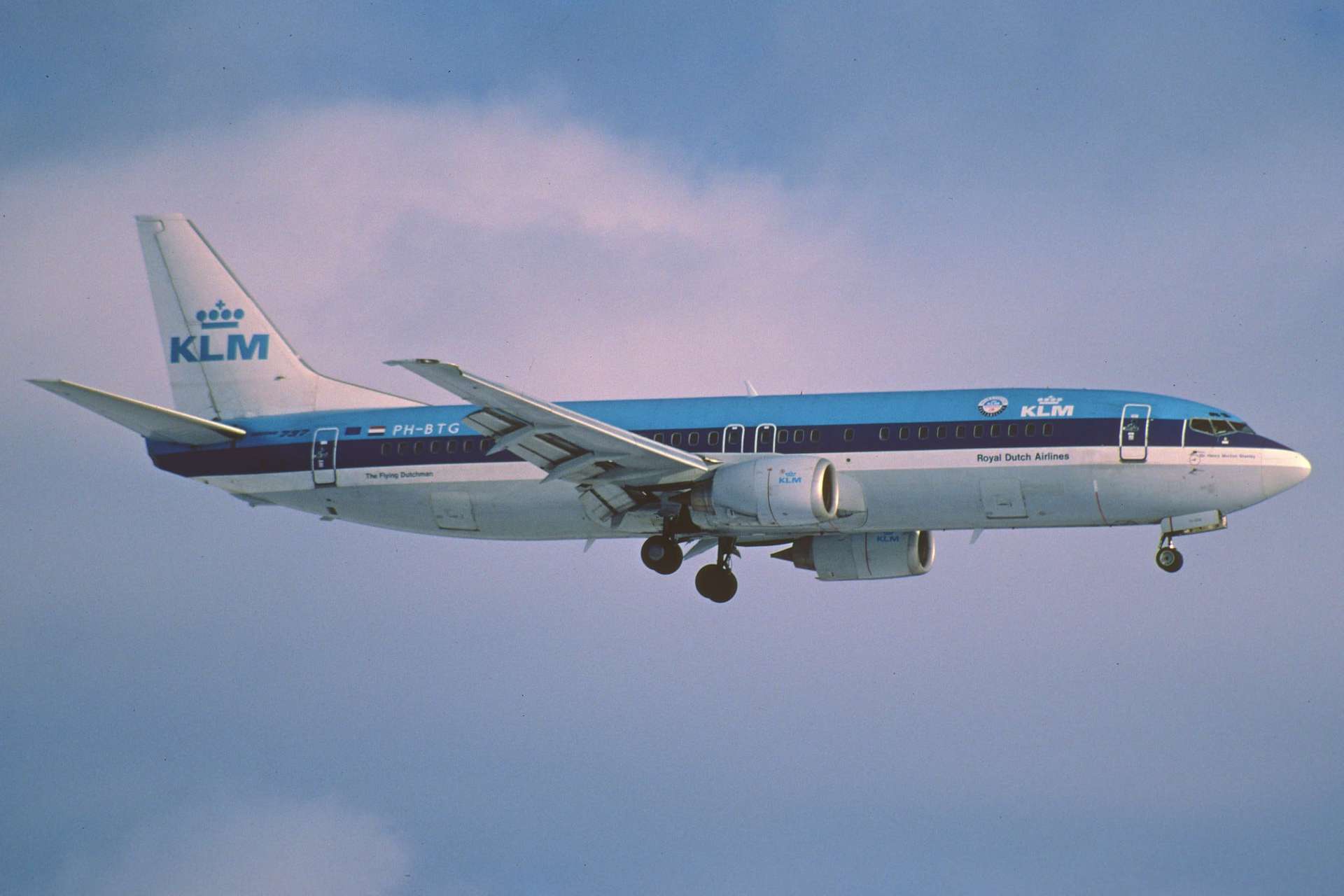
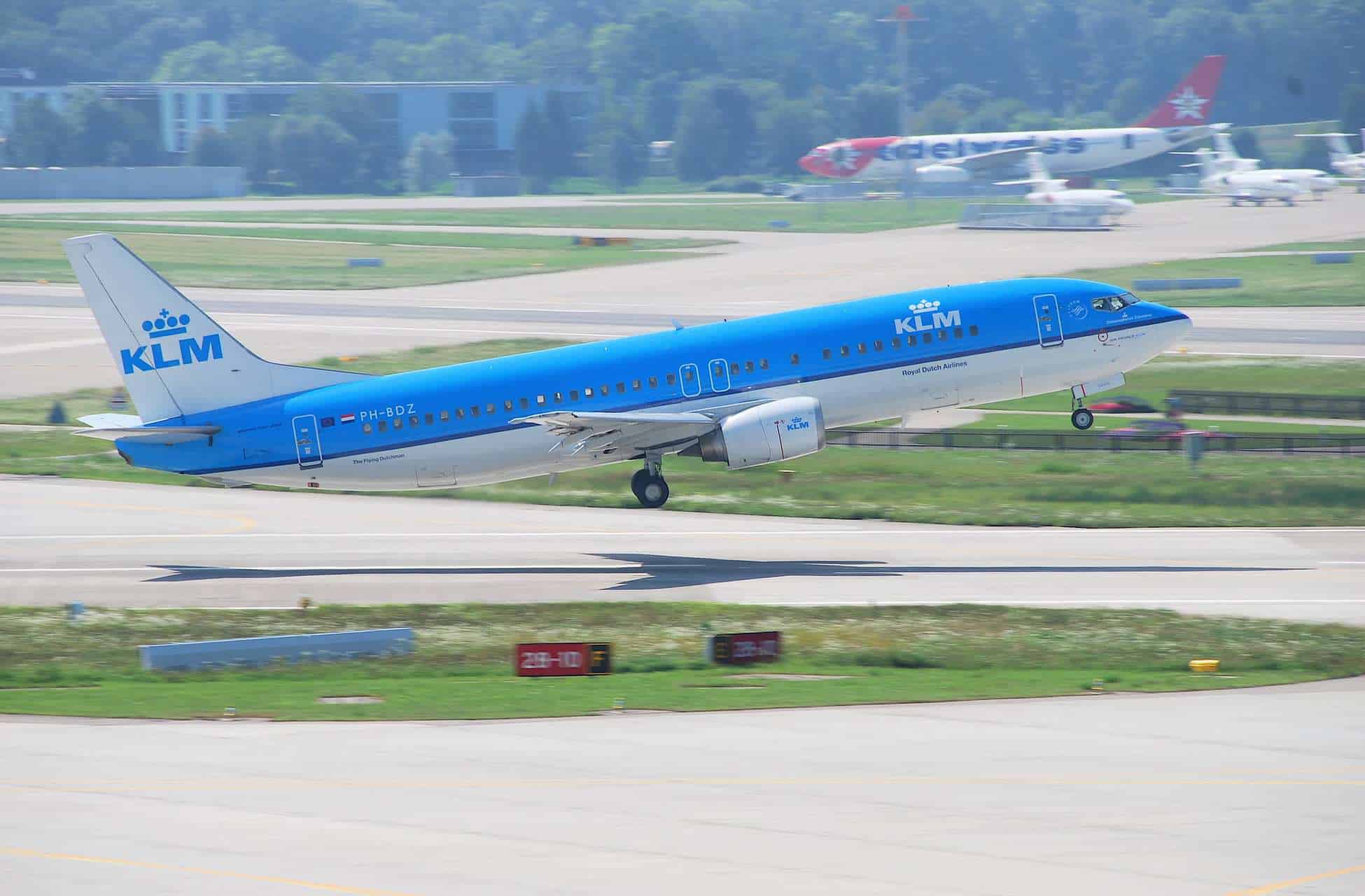

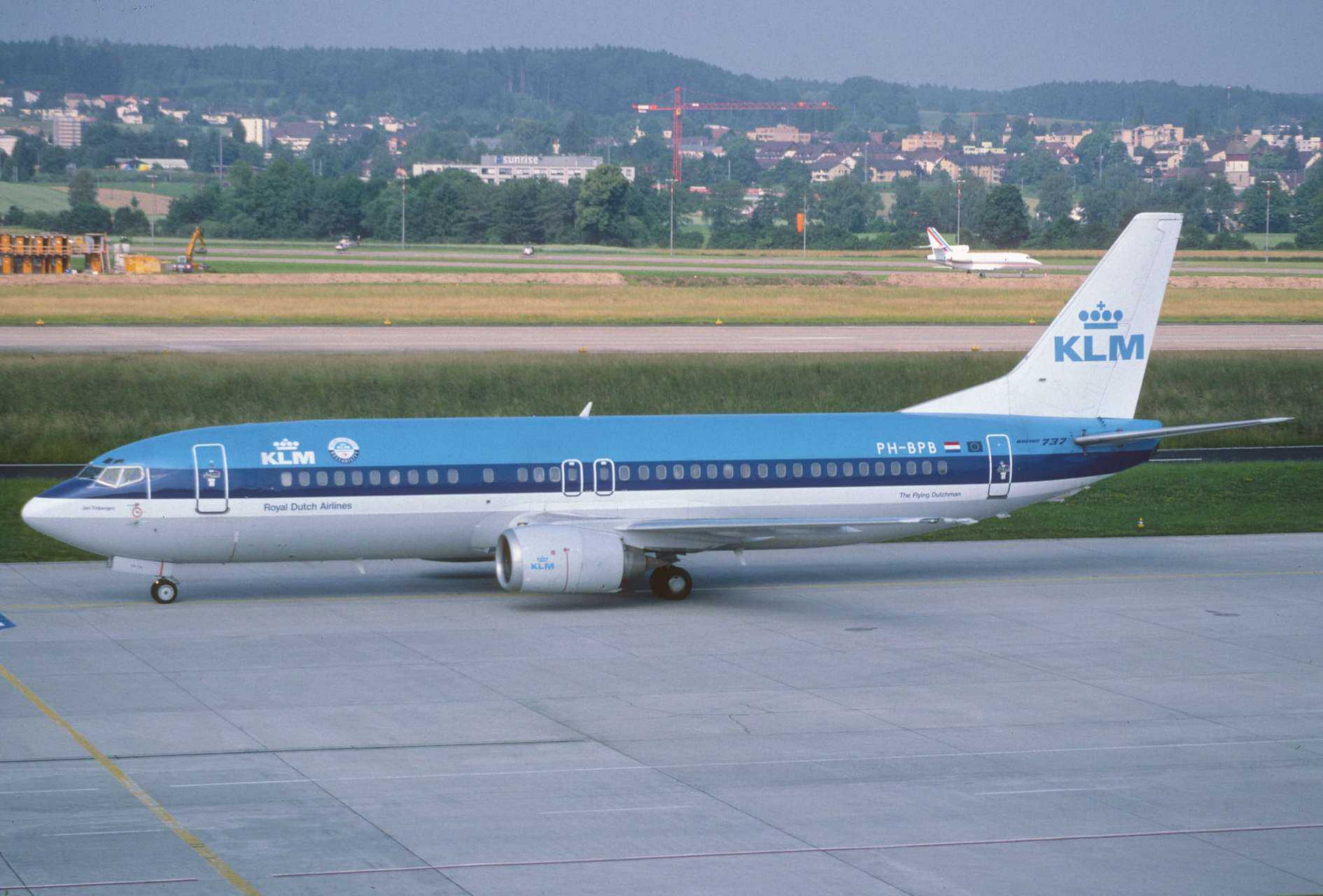
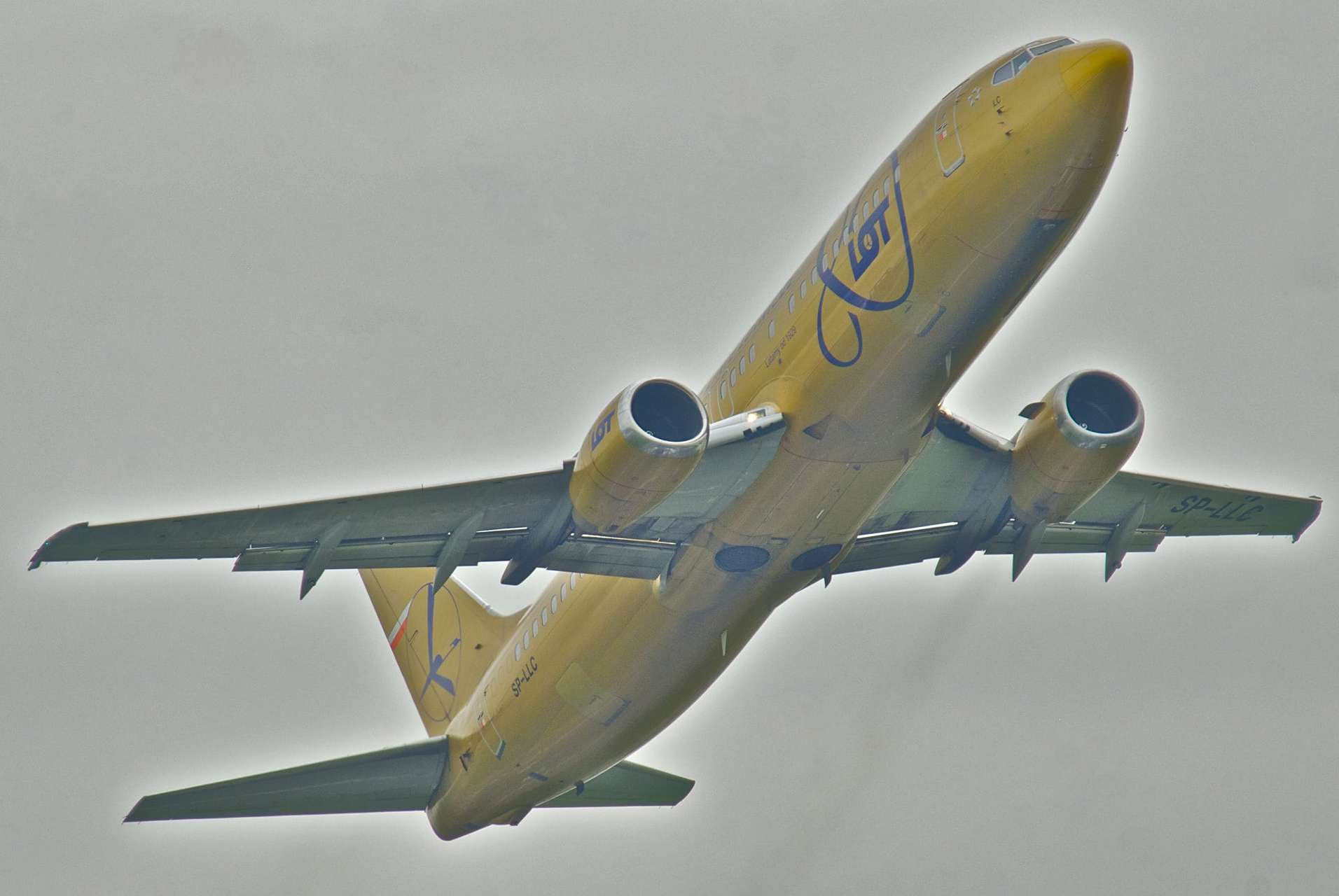
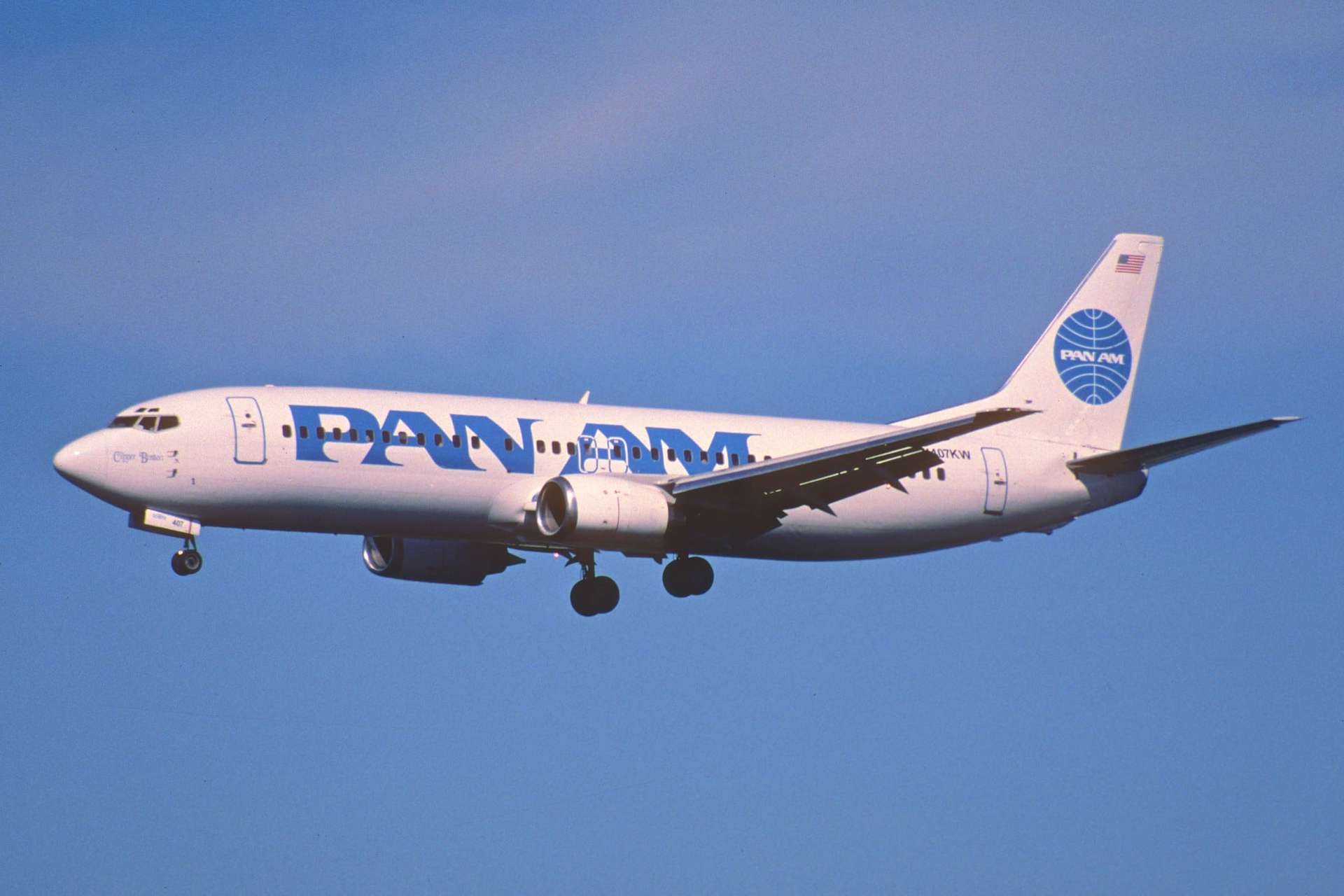
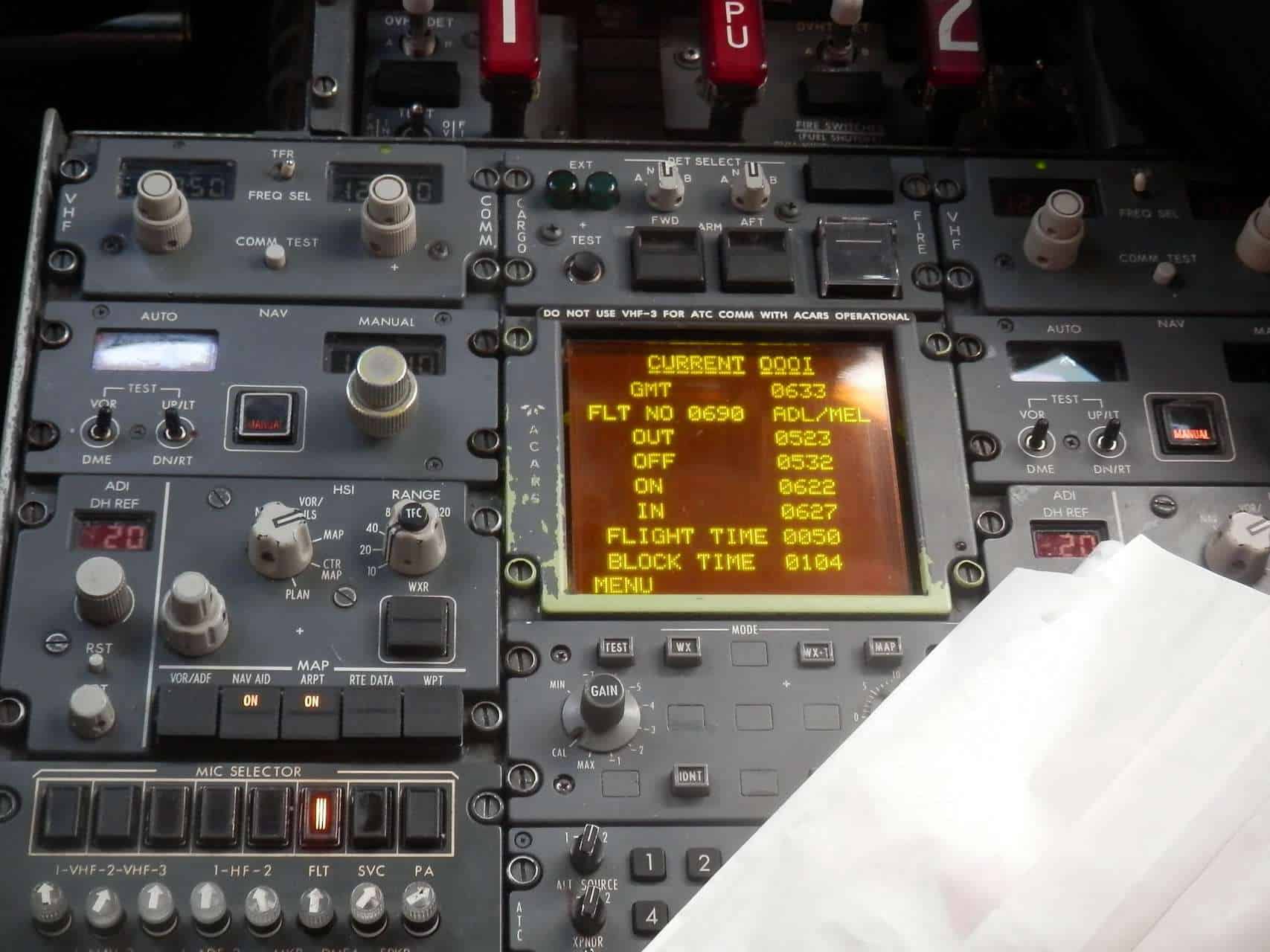

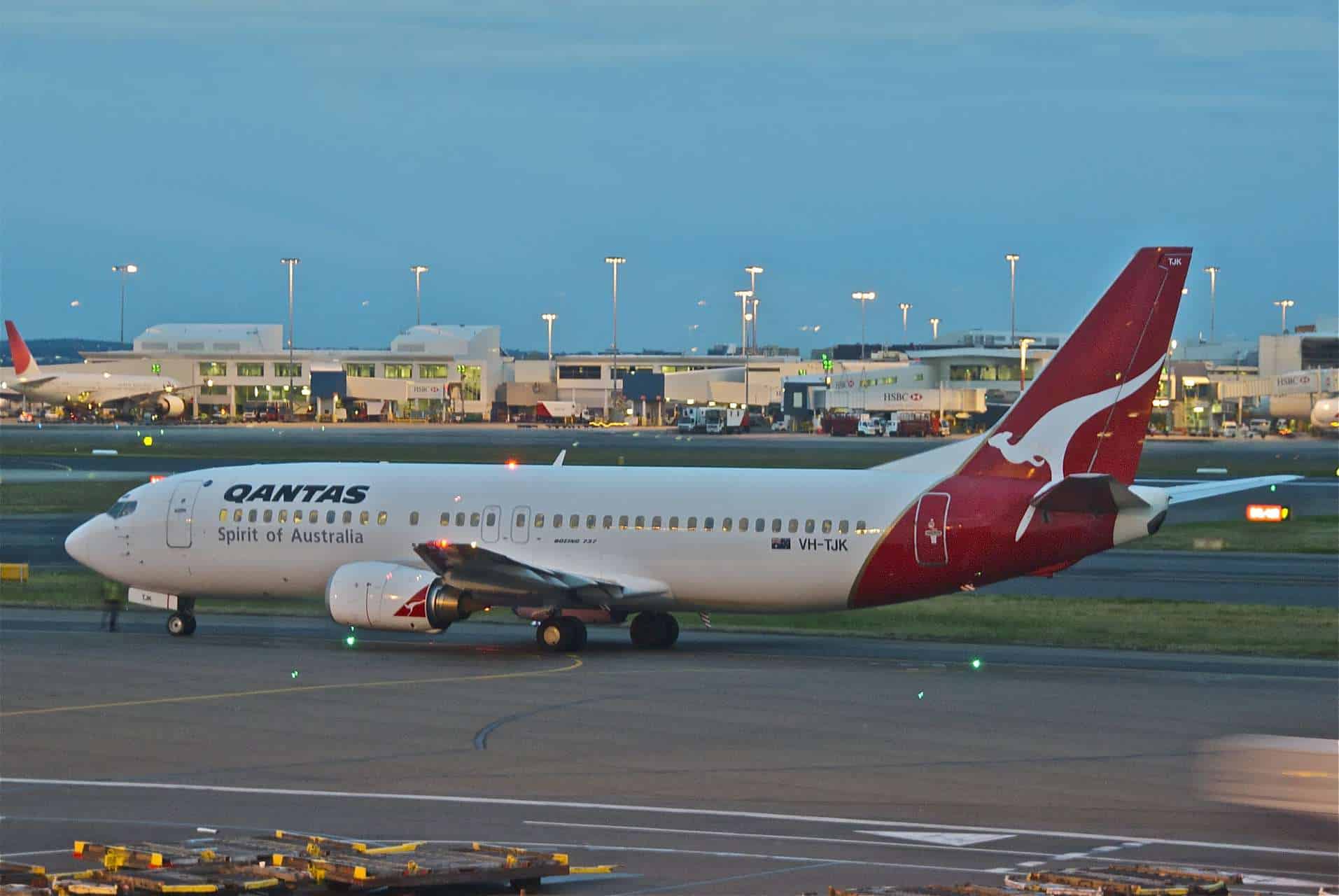
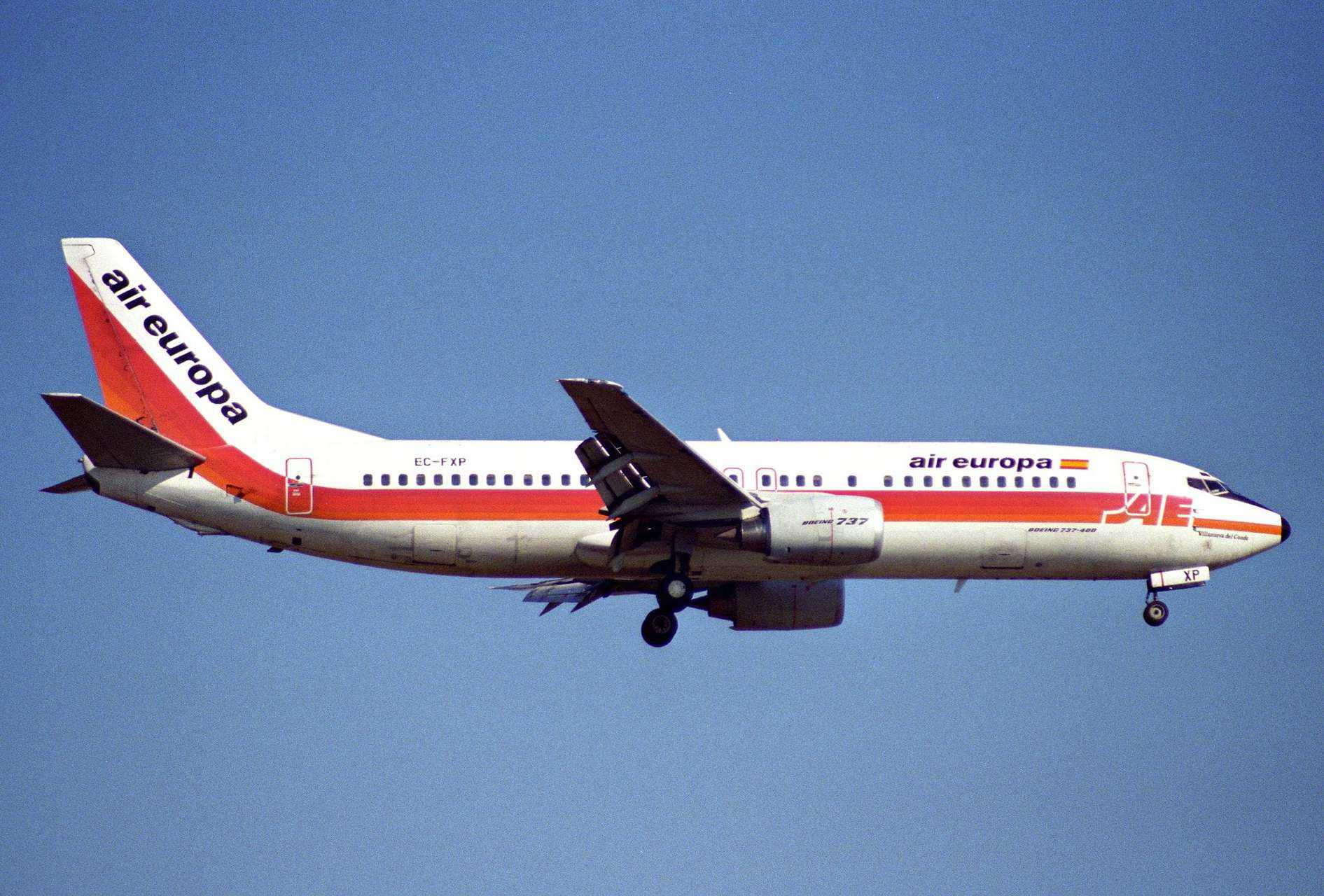
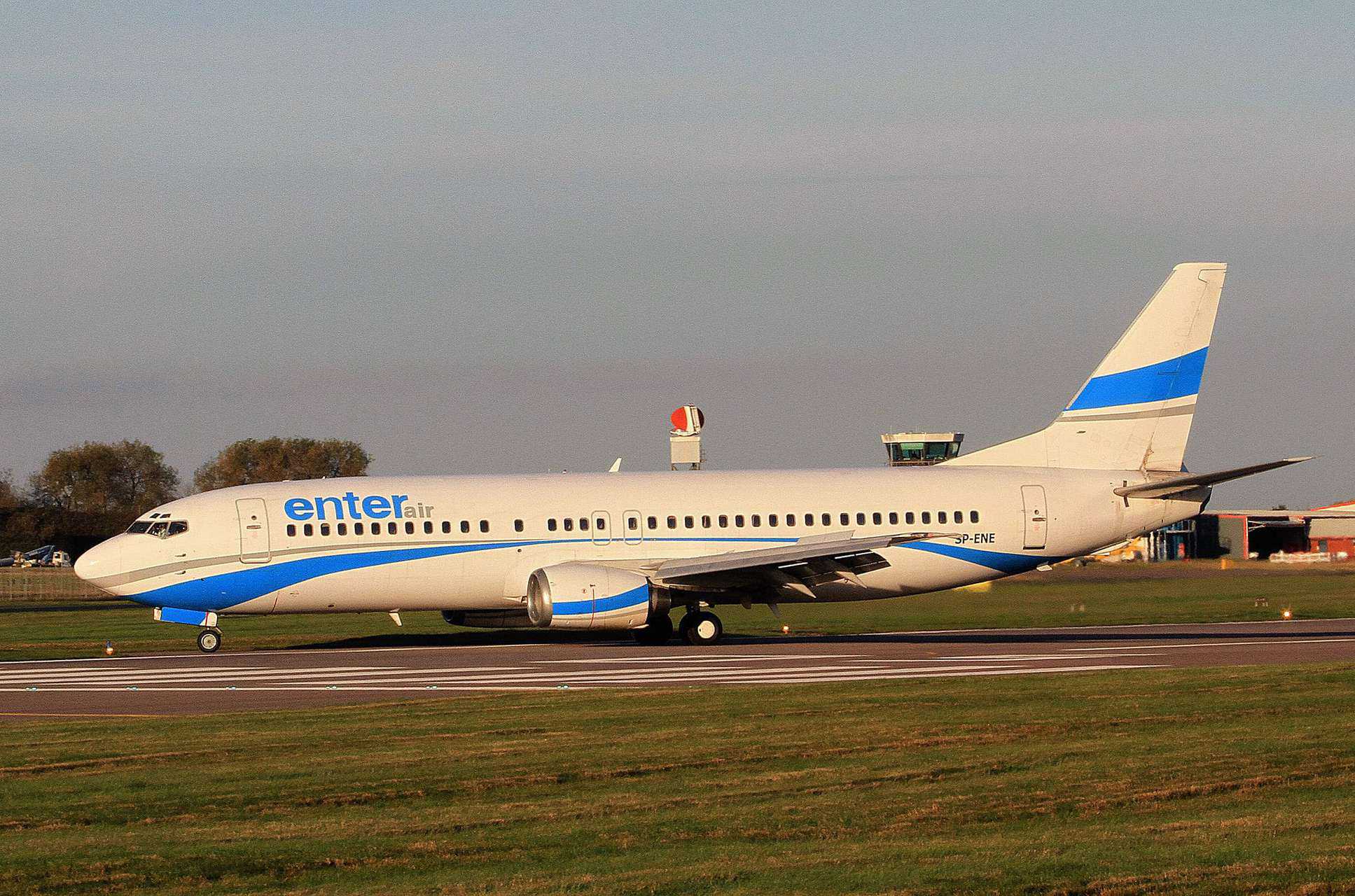

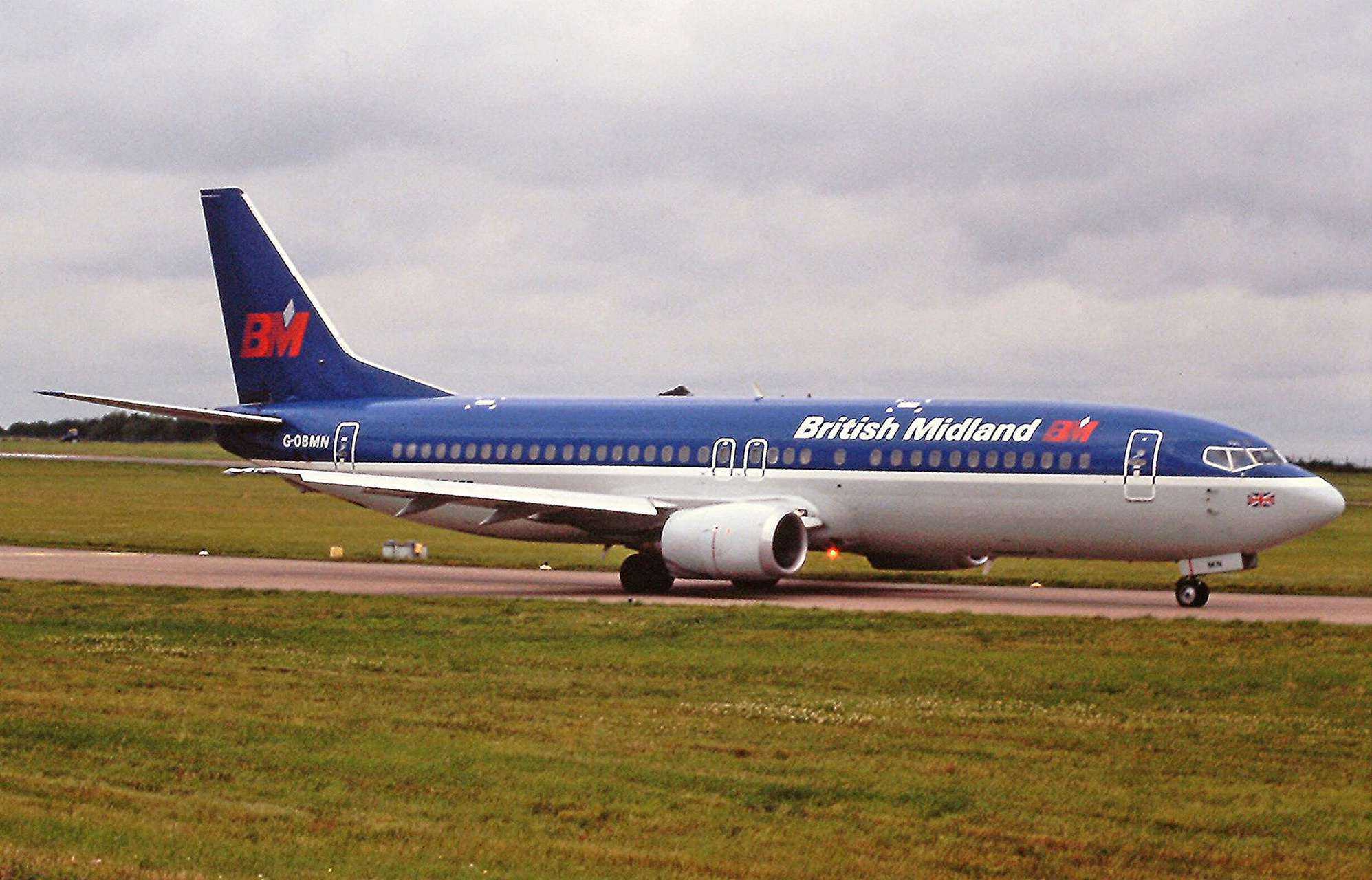
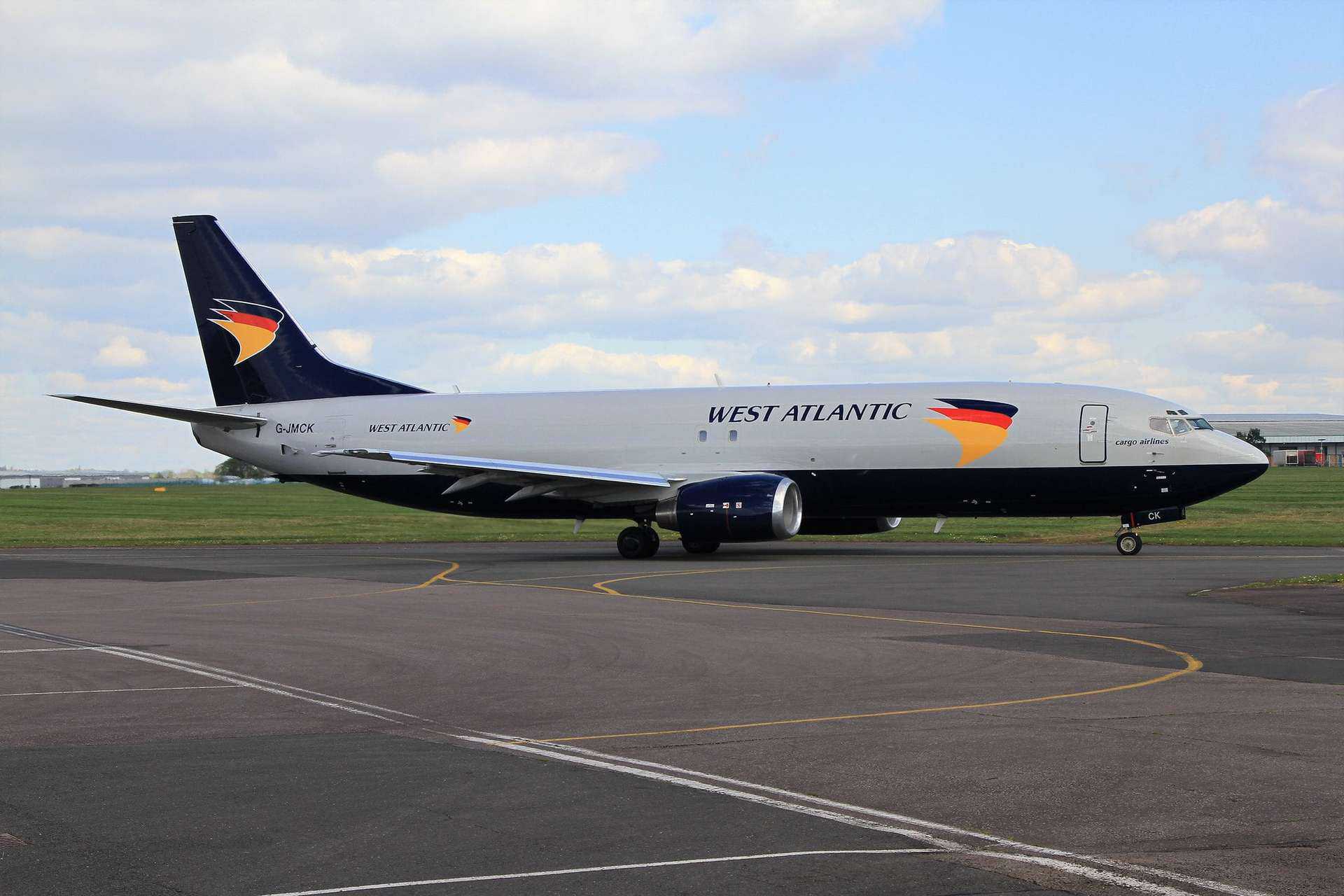
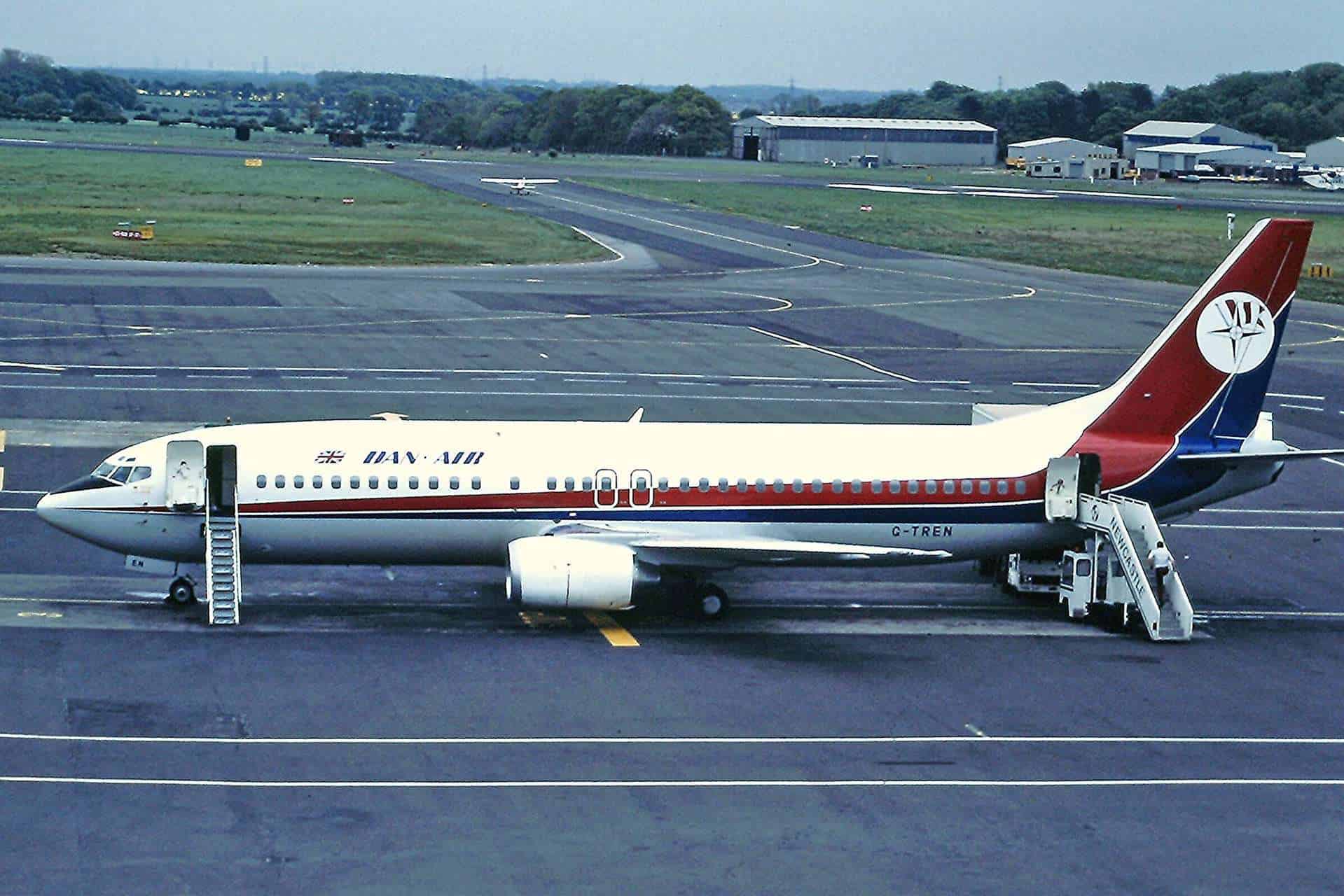

The 737-400 first flew in 1988 and entered service later that year. It was designed as a larger successor to the 737-300, retaining the same wing and engine configuration. The aircraft features a conventional low-wing design with two underwing-mounted turbofan engines.
Powered by two CFM56-3 turbofan engines producing approximately 23,500 pounds of thrust (105 kN) each, the 737-400 cruises at around 450 knots (835 km/h). Maximum takeoff weight is roughly 150,000 pounds (68,040 kg). Seating typically ranges from 146 to 168 passengers depending on layout.
The 737-400 operated extensively in North America and Europe. Many aircraft have since been retired or converted to cargo service. The model represents a key stage in the evolution of the 737 program prior to the Next Generation series.
The Boeing 737-400 sat in the lineup of the 737-200 to 500 range, which were created to compete with replace the less efficient 737-200 Boeing line. Piedmont Airlines initially ordered 25 of them from Boeing in June of 1986. It was a more lengthened design of the powerful 737-300 and the first one was in the air in February 1988 and entered actual service for Piedmont in September.
The Boeing 737-400 has a maximum cruising speed of 912 km/hour. It weighs over 38 tons when empty, and a maximum takeoff weight of 138,500 pounds. With a wingspan of over 94 feet, and a height of 36.5 feet, the 737-400 is a formidable aircraft. It is manned by a flight crew of 2 and has two powerful turbofan engines and a maximum range of around 3,500 kilometers. It can hold over 20 thousand liters of fuel.
The interior of the airplane is spacious, with larger compartments than many of its competitors. With reduced seating from the maximum, the 737-400 can offer more spacious room than some of its competitors, as well as its predecessors. This does not increase the cost of flights however, marking an innovation in the aviation technology.
It is currently flown by Alaska Airlines and PEOPLExpress in the U.S. However, internationally the 737-400 is still a widely popular airline, used in countries like Poland, Belgium, Brazil, Canada, China, France, Iceland, and many other nations around the world.
The main competitor to the 737-400 is the Airbus A320, which has more weight but also a longer range. The 737-400 also competes with the McDonnell Douglas MD-81. However, there are several key differences between the 737-400 and its predecessors. The 737-300 fuselage was 3.05 meters shorter than the 400, thus the newer model could seat more passengers, making it much more economical and cost-efficient. It stretched the previous 737-300 a total of over 10 feet. There are other smaller innovations as well such as a strengthened wing spar and a customized tail bumper to prevent rotation and bounce during the plane’s movement.
The 737-400 has been used both for civilian and freight, being an incredible aircraft in both respects. As a cargo airplane for Alaska Airlines, it can fit 9 large pallets, and one medium-to-large pallet, and has a range of 2,370 miles. The vast majority of the 737-400s employed in civilian air travel have a range of 144 to 147 seats. Most of the 737-400 airliners now sell for between 2 and 4 million and are used around the world for travel and freight.
Sources and references used for research and fact-checking.