
Mid Size Passenger Jets
The early 737 variant built for expanding short-haul jet networks.

The latest aviation news and stories sent to your inbox.
The Boeing 737-200 was an extended version of the original 737-100. Entering service in 1968, it offered increased capacity and range. The aircraft became widely adopted by airlines worldwide.
Live Fleet Activity (B732)
Fetching live data…
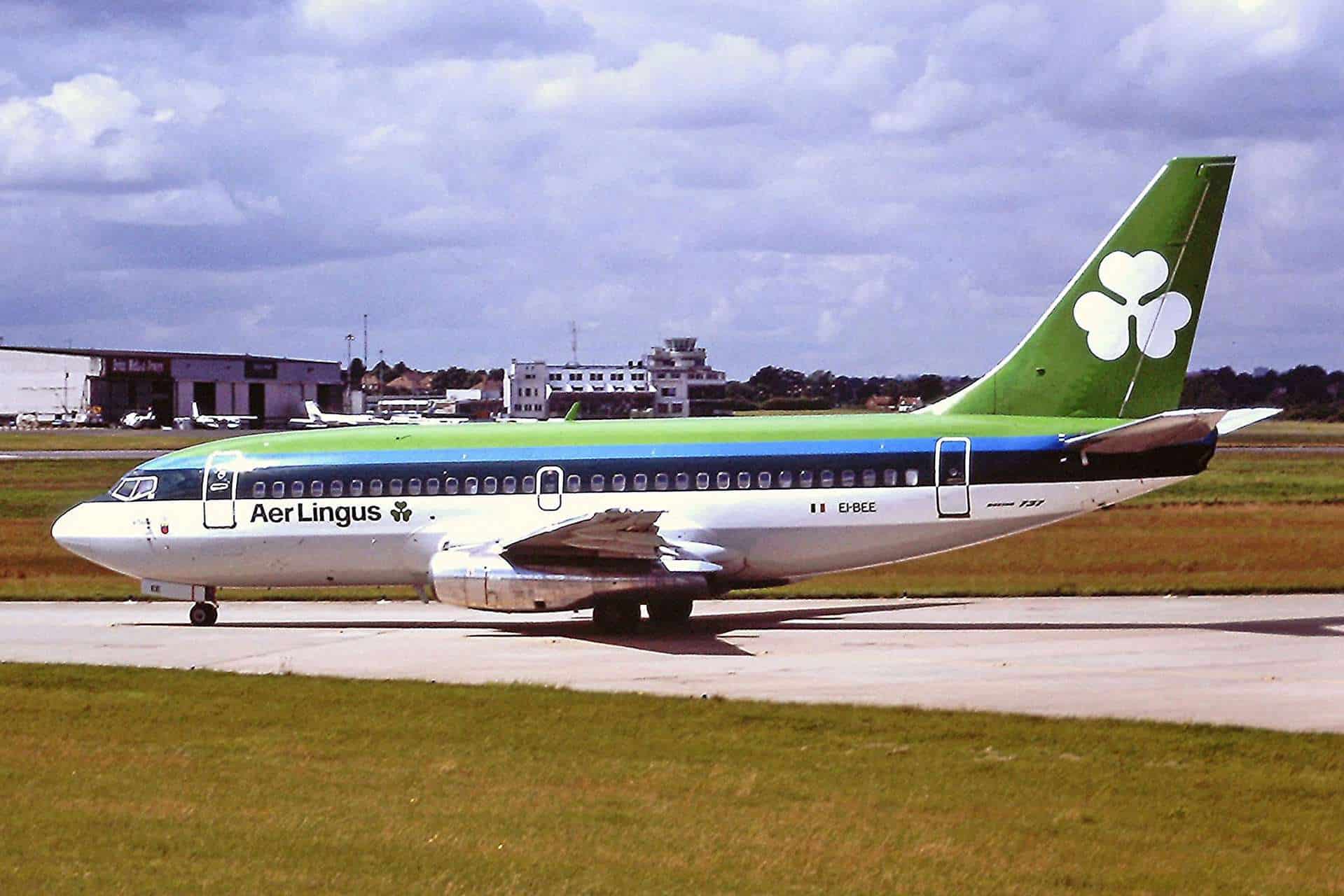


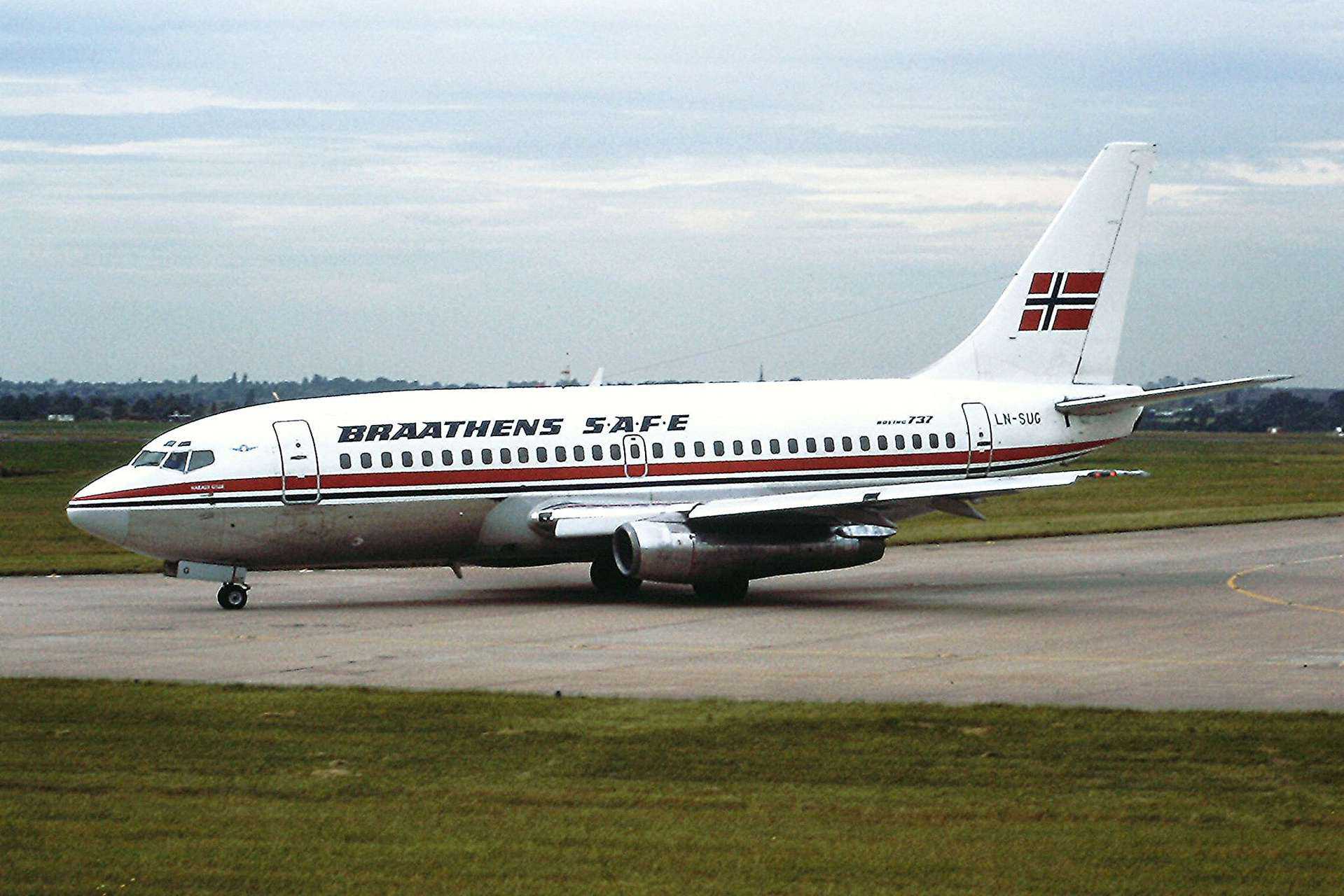
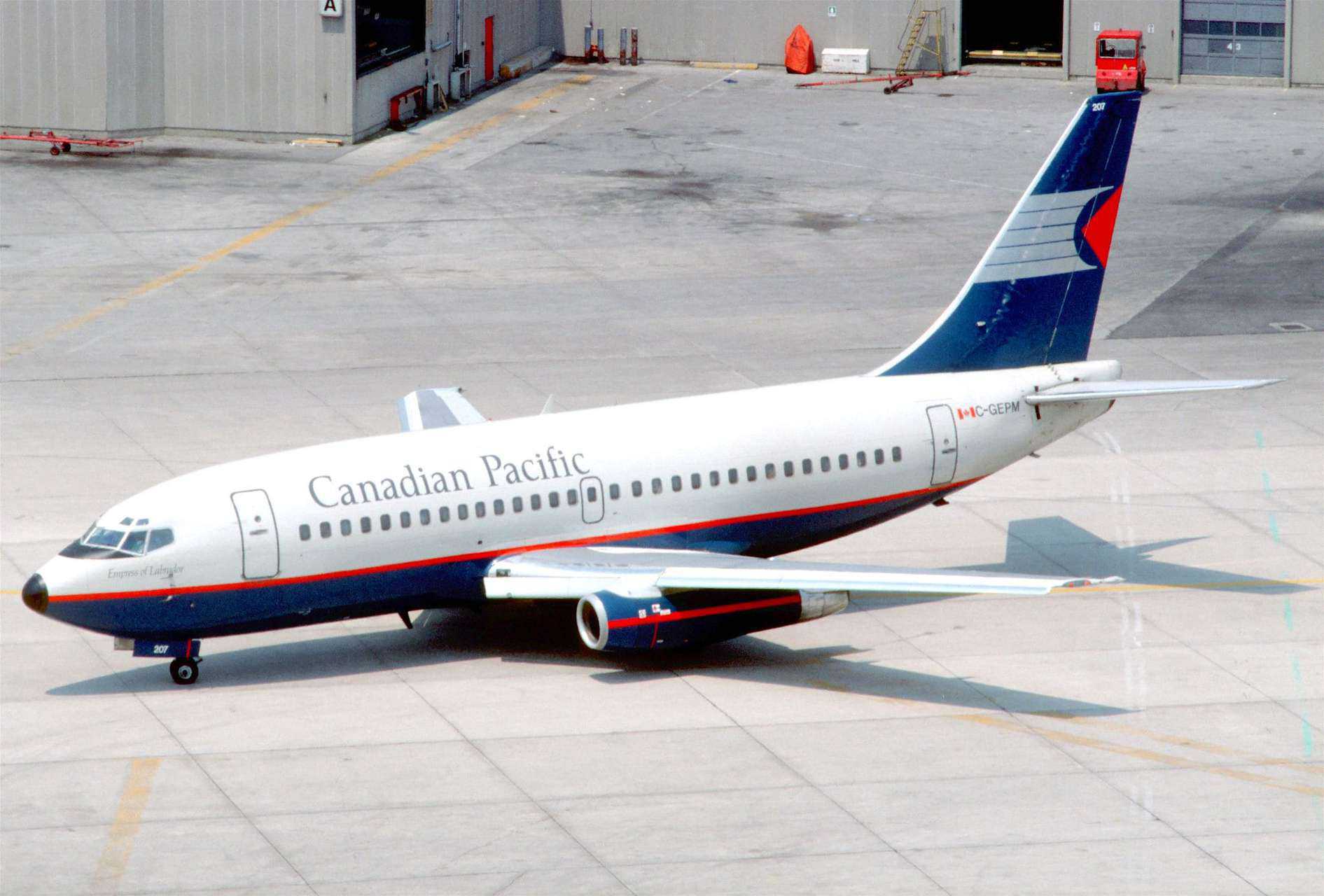
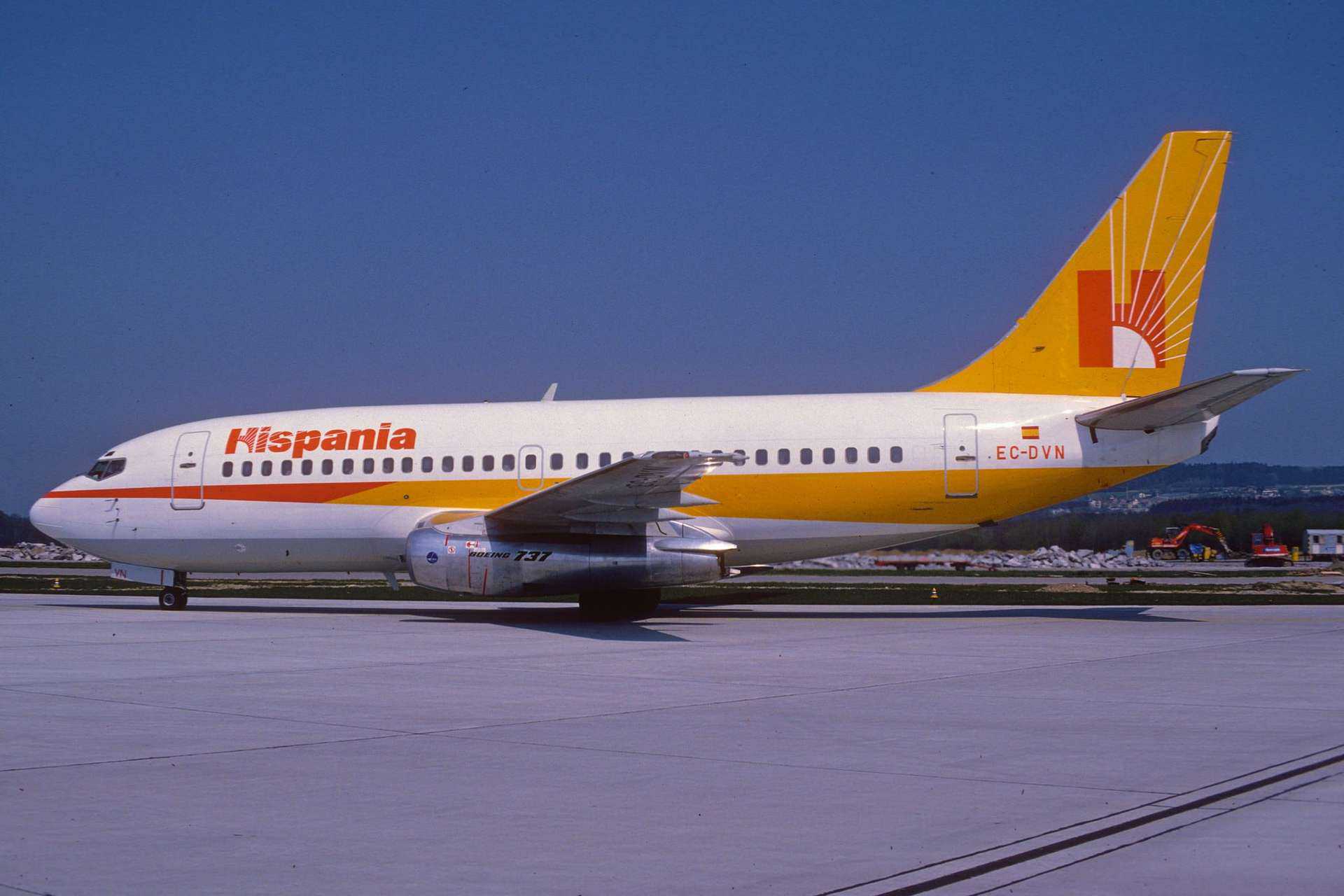
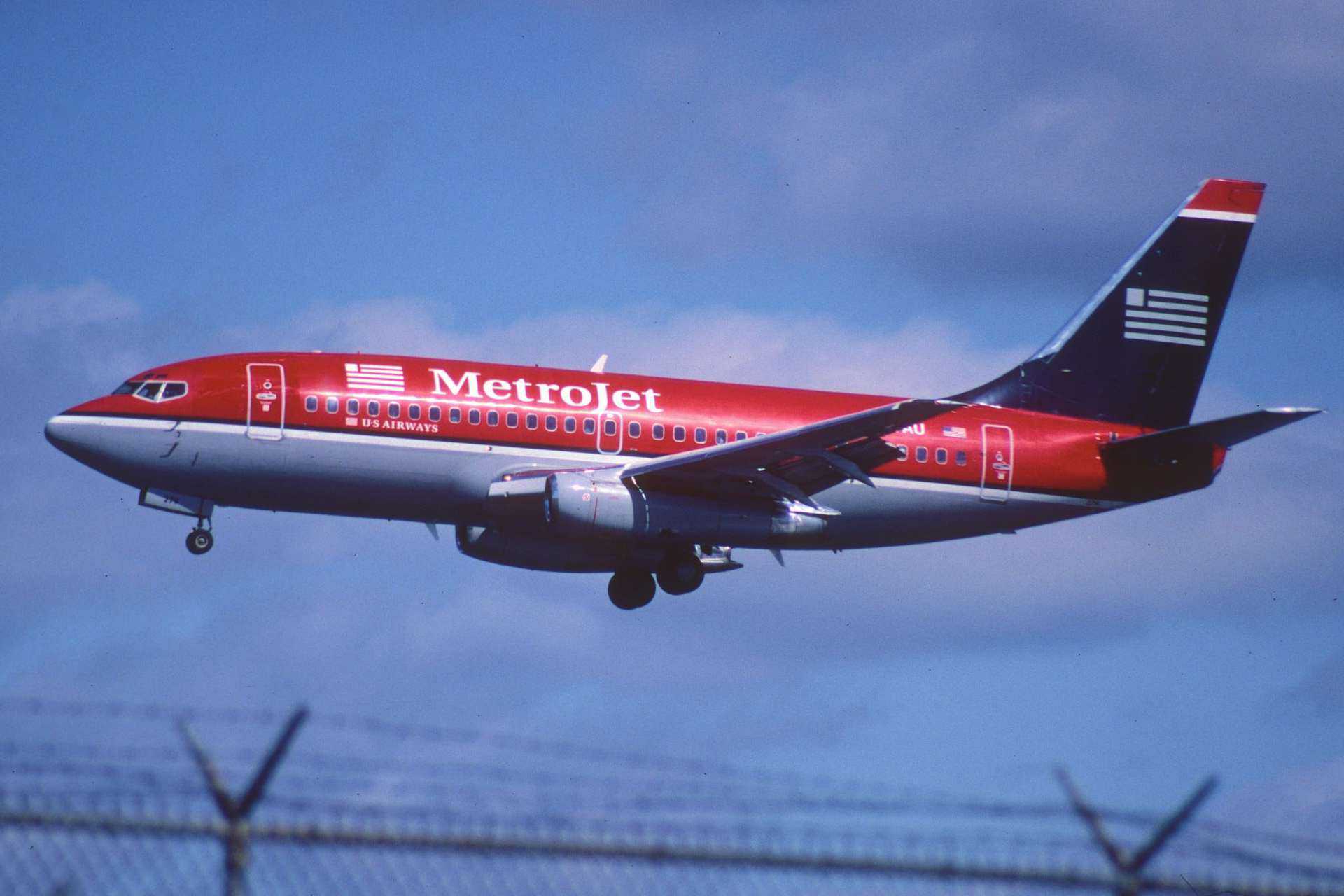
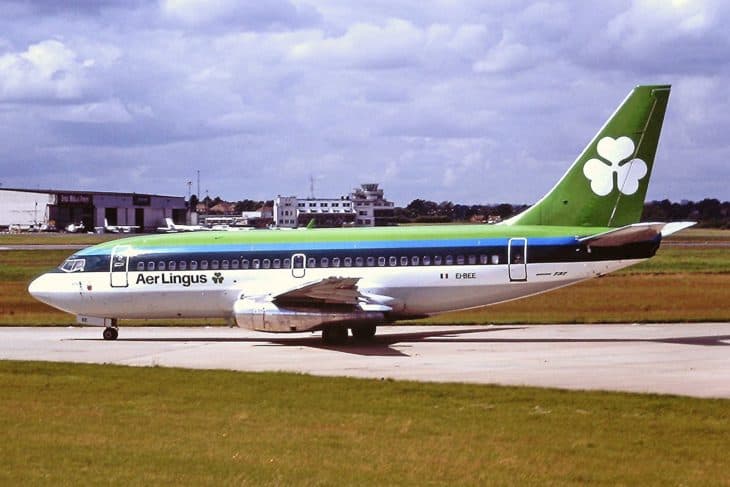
The 737-200 first flew in 1967 alongside the -100 and entered service in 1968. Its longer fuselage allowed greater passenger capacity. The aircraft retained the low-wing design and rear-mounted systems layout typical of early 737 models.
Powered by two Pratt & Whitney JT8D turbofan engines producing approximately 14,500 pounds of thrust (64 kN) each, the 737-200 cruised at around 450 knots (835 km/h). Maximum takeoff weight exceeded 115,000 pounds (52,160 kg). Seating typically ranged from 100 to 130 passengers.
The 737-200 achieved strong global sales and served in both passenger and combi roles. Some variants were equipped for gravel runway operations. The model played a significant role in expanding jet travel to regional markets.
Sources and references used for research and fact-checking.