
Mid Size Passenger Jets
The Boeing 737-900ER is the final and largest 737 Next Generation jet, a stretched narrow-body that added extra exit doors and long-range fuel options to the 737-900 and was delivered to airlines from April 2007 until production ended in 2019.
Updated: by Tim de Vries
The latest aviation news and stories sent to your inbox.
The Boeing 737-900ER is the longest and highest-capacity version of the 737 Next Generation family. Boeing added extra exit doors, a flat rear pressure bulkhead and optional auxiliary fuel tanks to fix the problems that held back the plain 737-900.
Live Fleet Activity (B739)
Fetching live data…
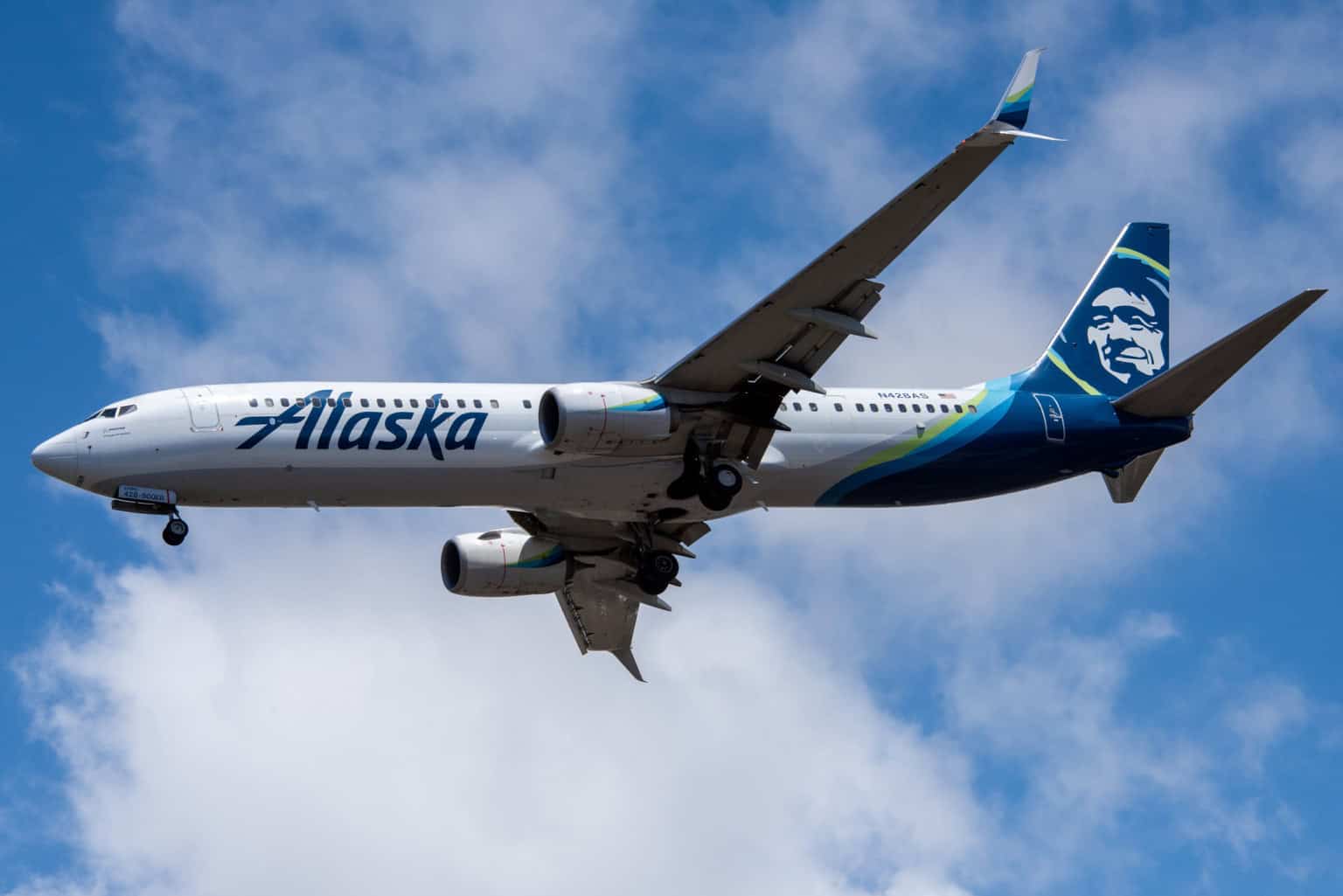
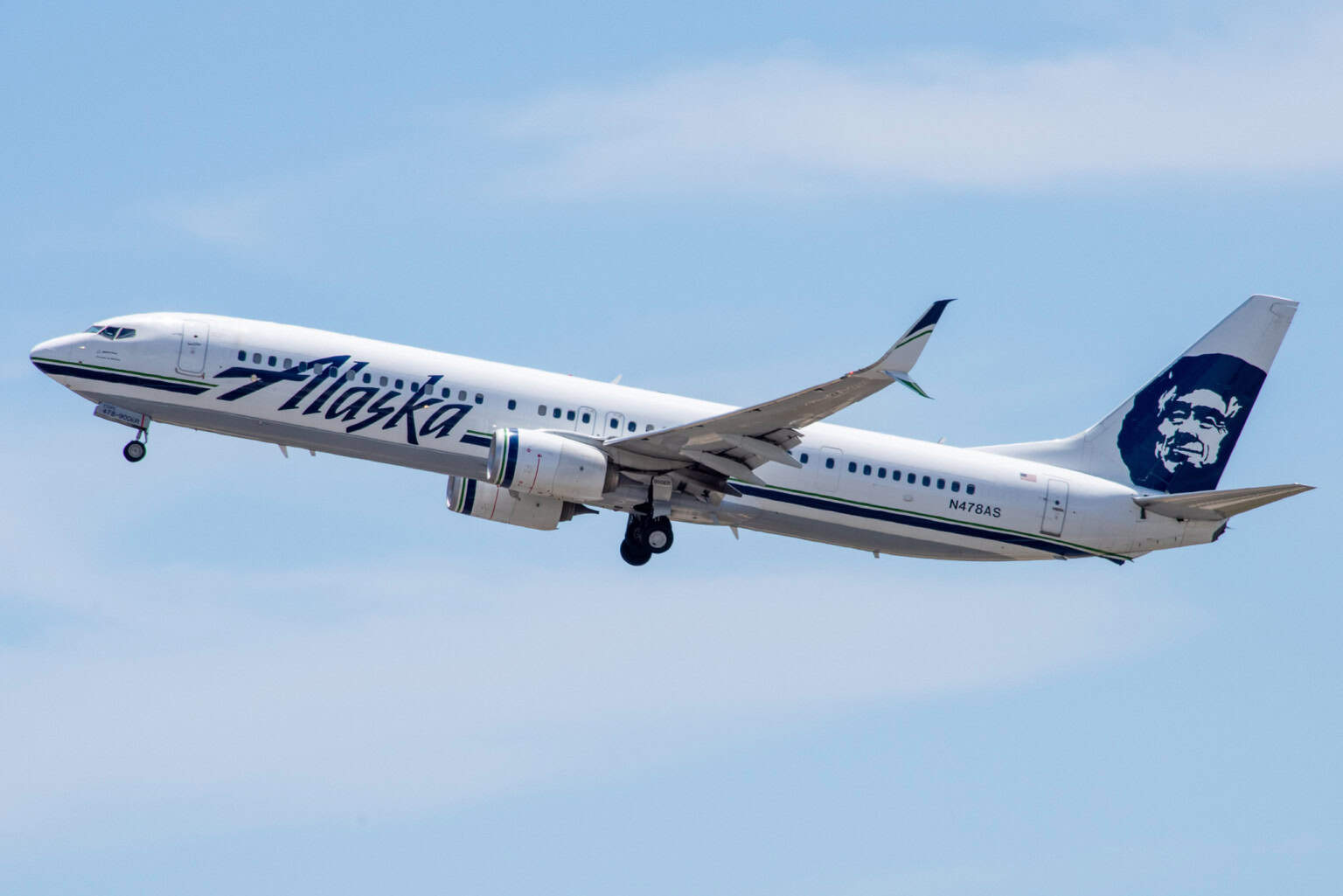
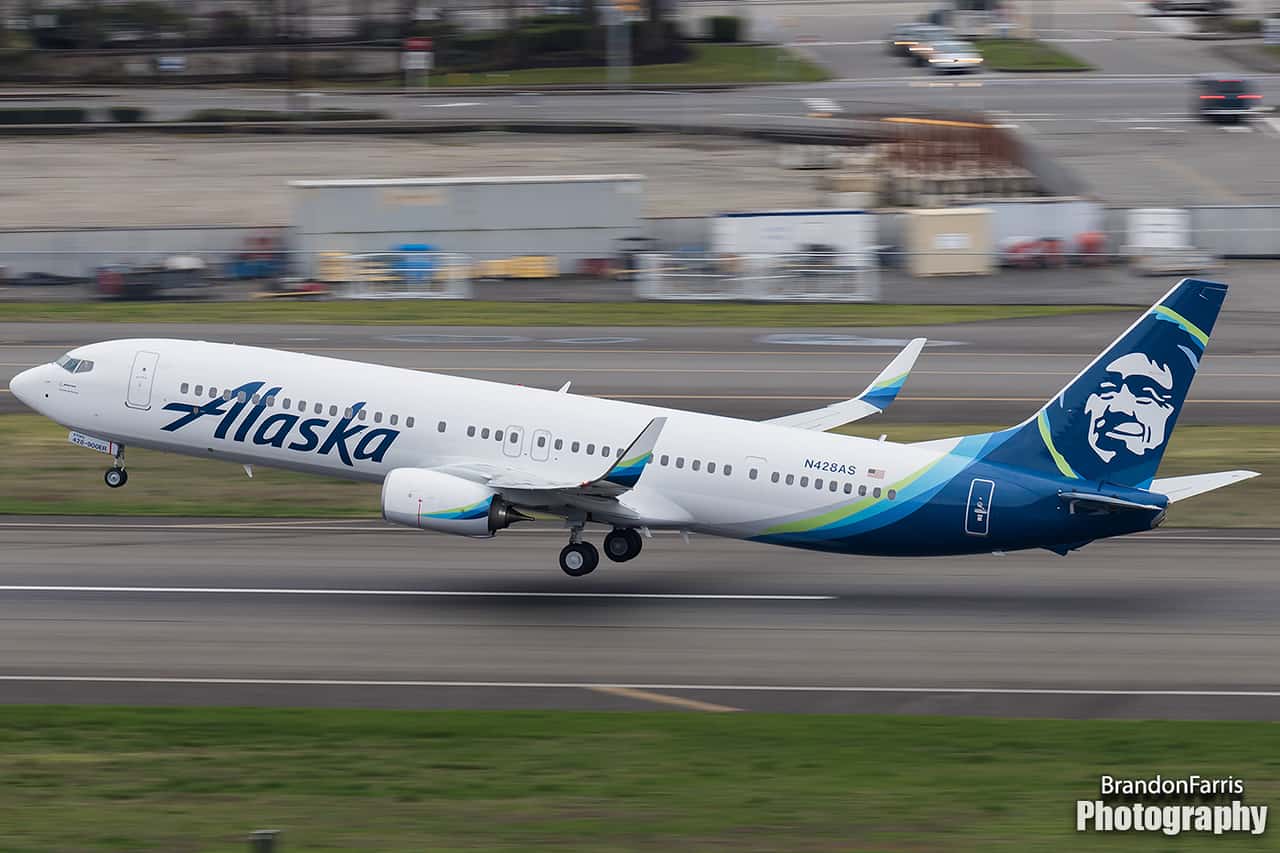
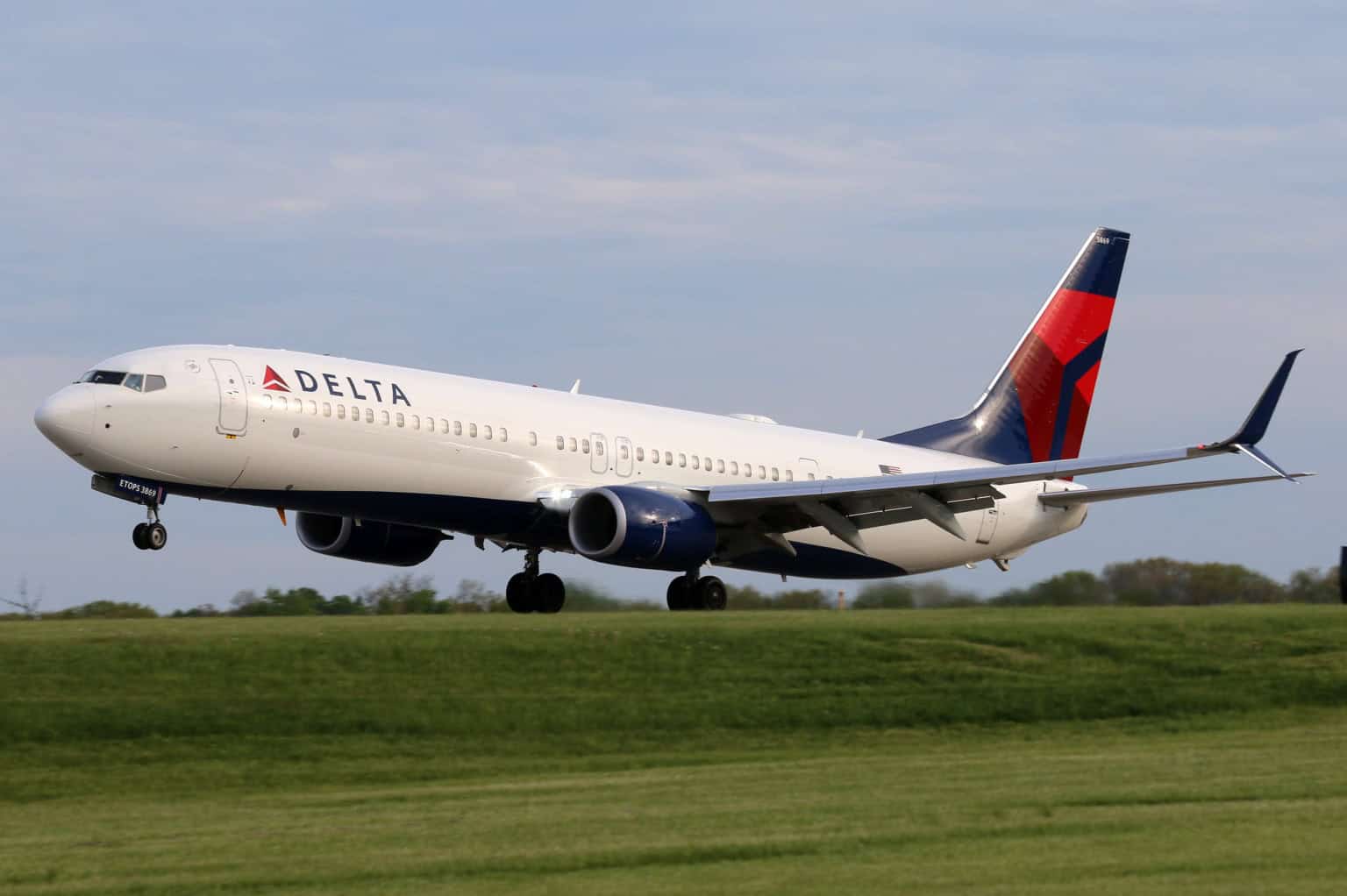
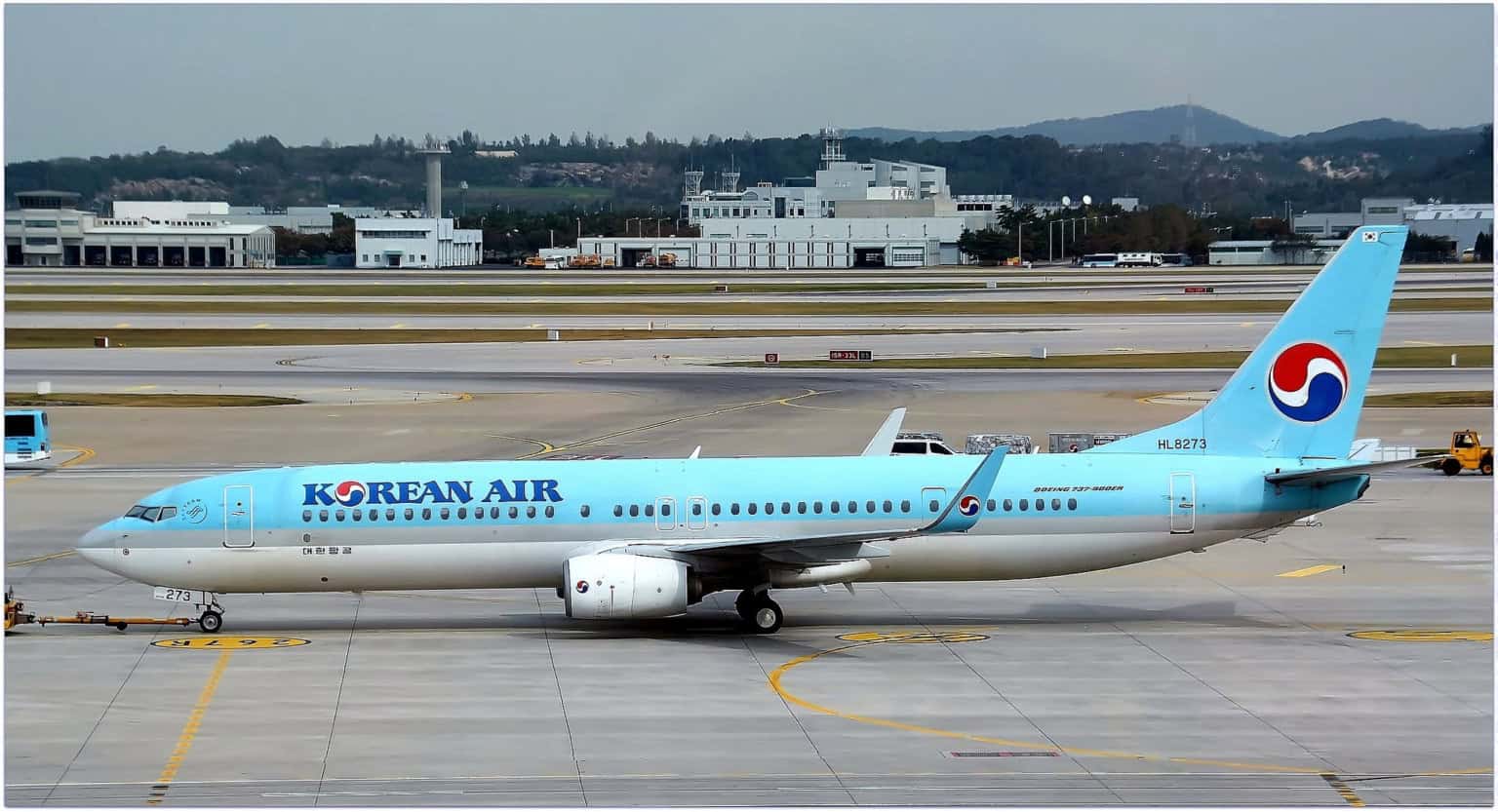
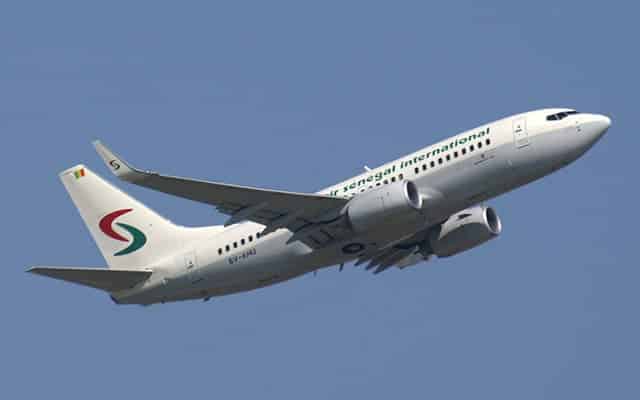
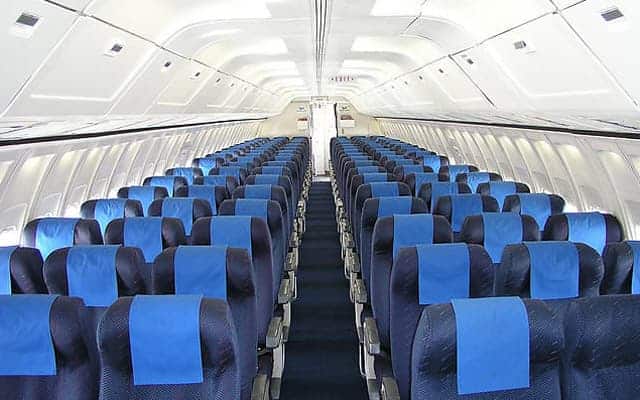

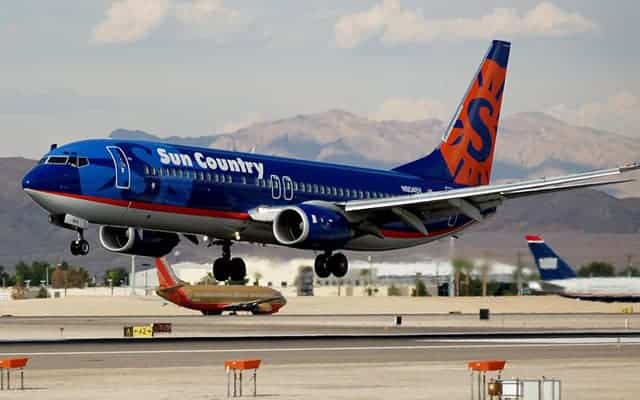
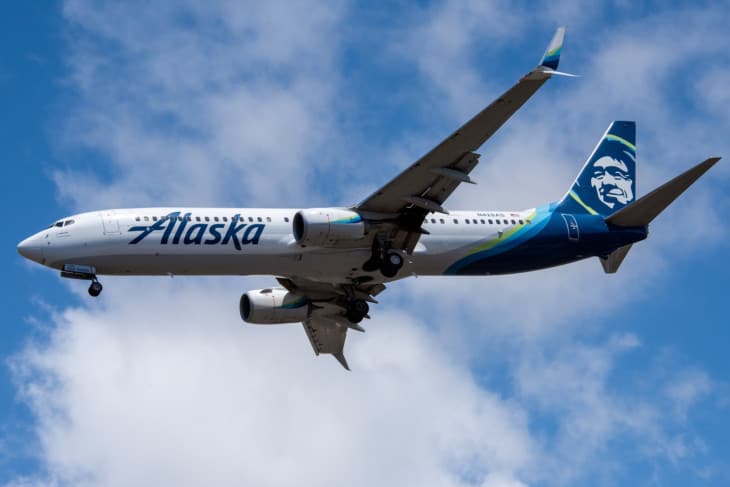
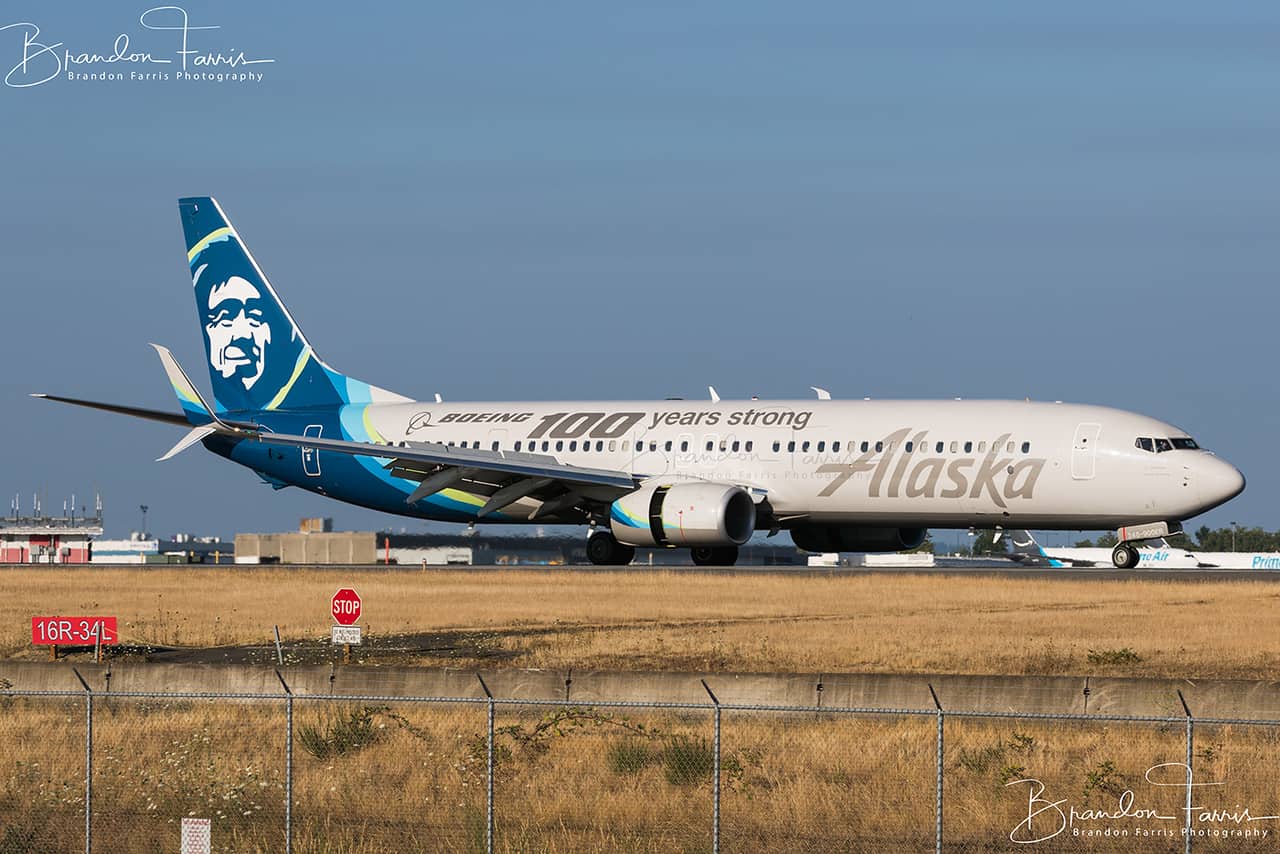
The Boeing 737-900ER is the final and largest variant of the 737 Next Generation family. Boeing launched it in July 2005 as the 737-900X, and it first flew in September 2006.
Lion Air took the first delivery on April 27, 2007. In all, 505 were delivered.
The full specification table for the aircraft is on this page, so this article explains the numbers instead of repeating them.
The original 737-900 flew on August 3, 2000, and Alaska Airlines received the first one in May 2001. Boeing built only 52 of them.
It was a 737-800 stretch that kept the same exit layout, which capped seating at 189 passengers. That limit is the main reason it never sold well.
The 900ER fixed this with an additional pair of exit doors and a flat rear pressure bulkhead. Together they raised the certified maximum seating well above the old cap.
Airlines that fly fewer seats can plug the extra doors. Boeing also offered up to two auxiliary fuel tanks in the cargo hold and fitted winglets as standard.
The seat counts in the panel are three example cabin layouts, not three classes on one aircraft. A real airline fits one layout, and that varies widely by carrier.
Airline pages sometimes quote different wingspans because of how winglets are counted, so compare against the panel here rather than a carrier fact sheet.
Delta Air Lines operates the 737-900ER, and Alaska Airlines and United Airlines fly 737-900 family aircraft. Lion Air was the launch customer.
The type suits dense domestic routes where an airline wants more seats than a 737-800 without moving to a wide-body.

No. The 737-900ER belongs to the Next Generation family, which came before the 737 MAX. The MAX is a later generation with new engines and a different design lineage.
Boeing stopped assembling passenger 737NGs in 2019, with the last deliveries in January 2020, as the MAX took over.

No. It is a Next Generation 737, built before the 737 MAX. Boeing ended passenger 737NG assembly in 2019 as the MAX replaced it.
It sold 505 times, far more than the 52 plain 737-900s, so airlines clearly valued the extra seats and exits. Passengers on a full domestic flight usually notice the layout more than the aircraft type.
The 900ER adds a pair of exit doors, a flat rear pressure bulkhead and optional auxiliary fuel tanks. Those changes raised the seating limit above the 189 seats of the plain 737-900.
Its exit layout matched the 737-800, which capped seating at 189. That left it little larger in practice than the aircraft it was stretched from, and Boeing replaced it with the 900ER.
Sources and references used for research and fact-checking.