Mid Size Passenger Jets
The Boeing 737-800 is the stretched, best-selling variant of the 737 Next Generation family, the default short- and medium-haul jet for full-service and low-cost carriers alike.
Updated: by Tim de Vries
The latest aviation news and stories sent to your inbox.
The Boeing 737-800 is a twin-engine, single-aisle airliner and the best-selling member of the 737 Next Generation family. It seats between 162 and 189 passengers and has become the backbone of short- and medium-haul fleets worldwide.
Live Fleet Activity (B738)
Fetching live data…

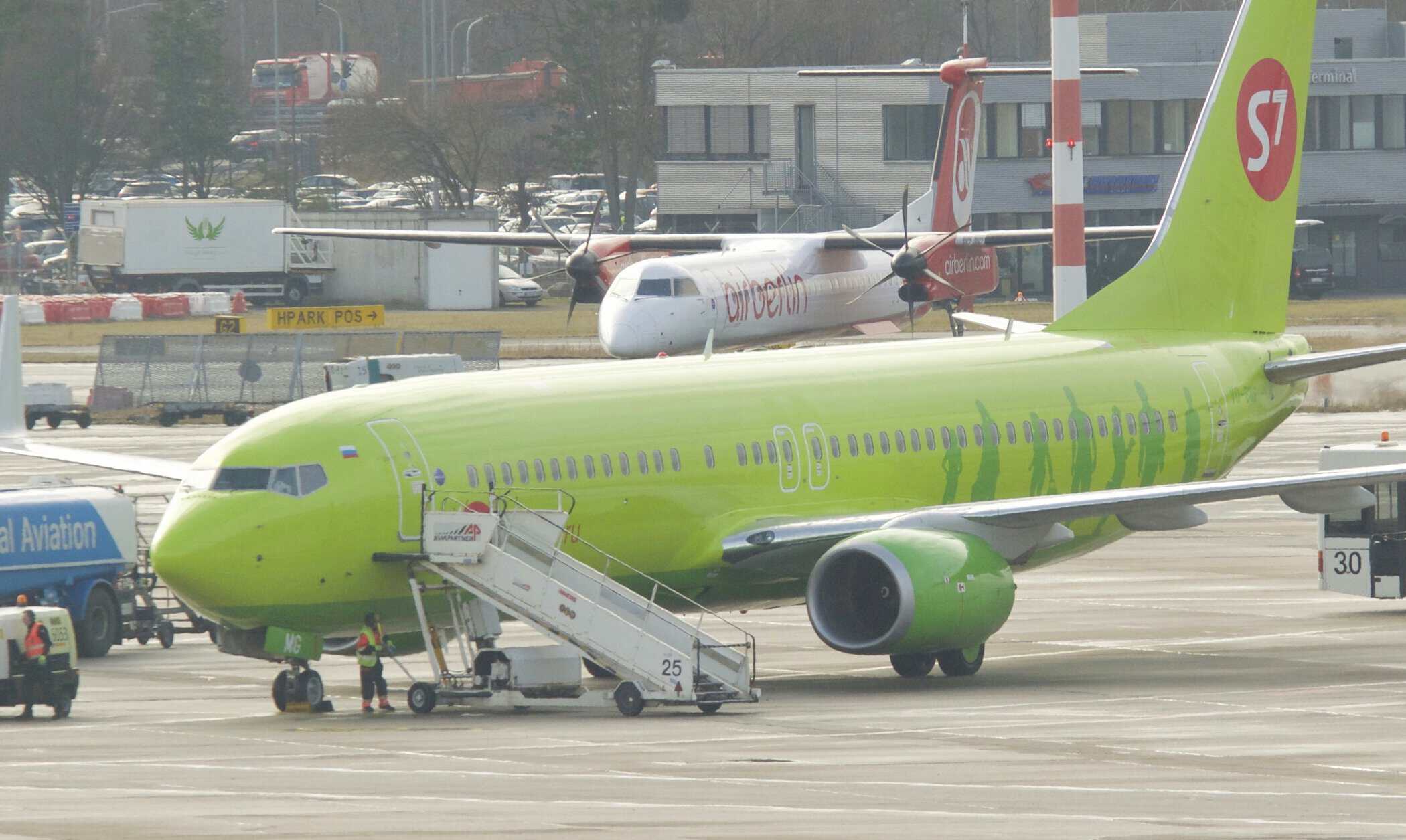

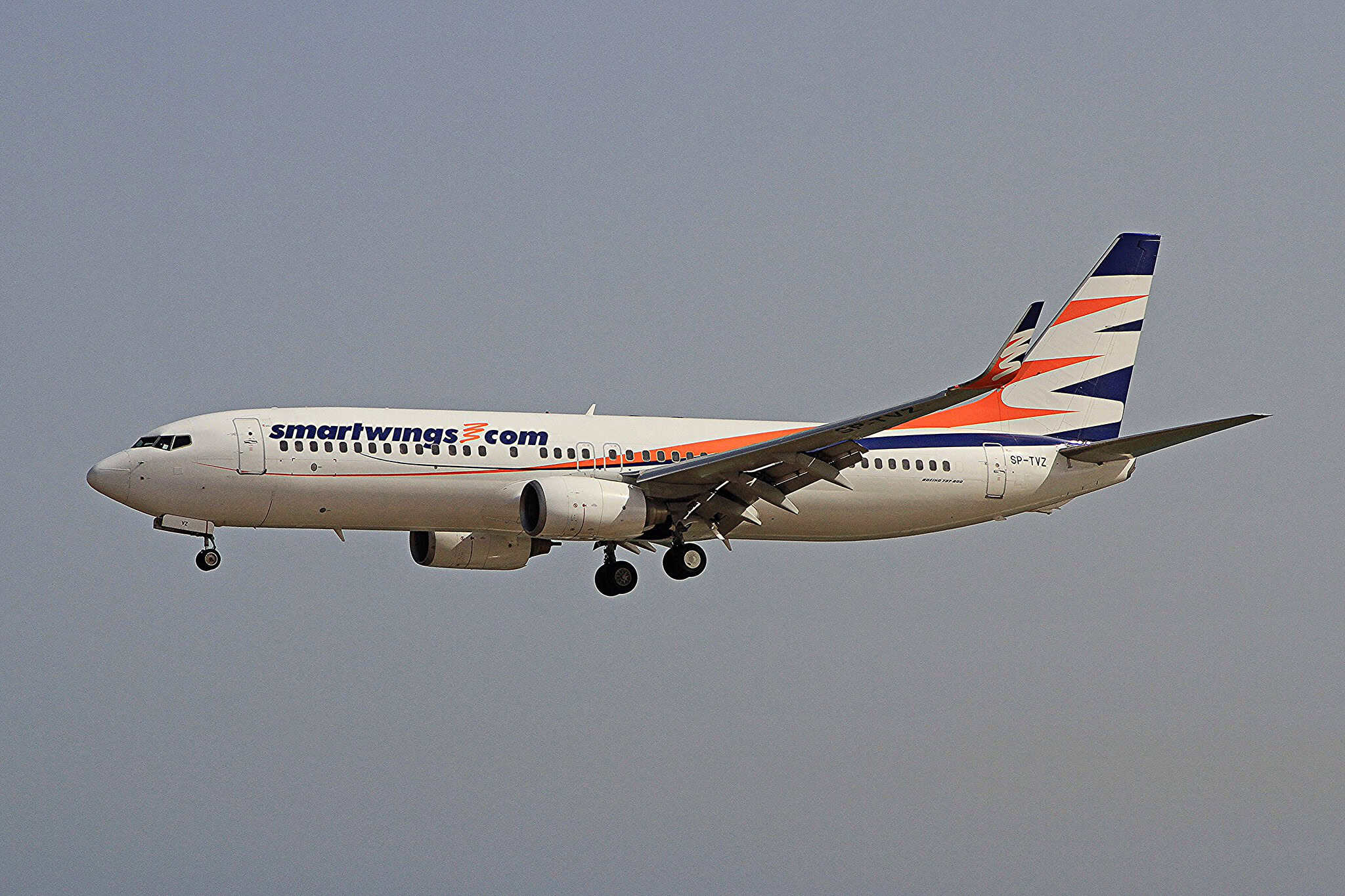
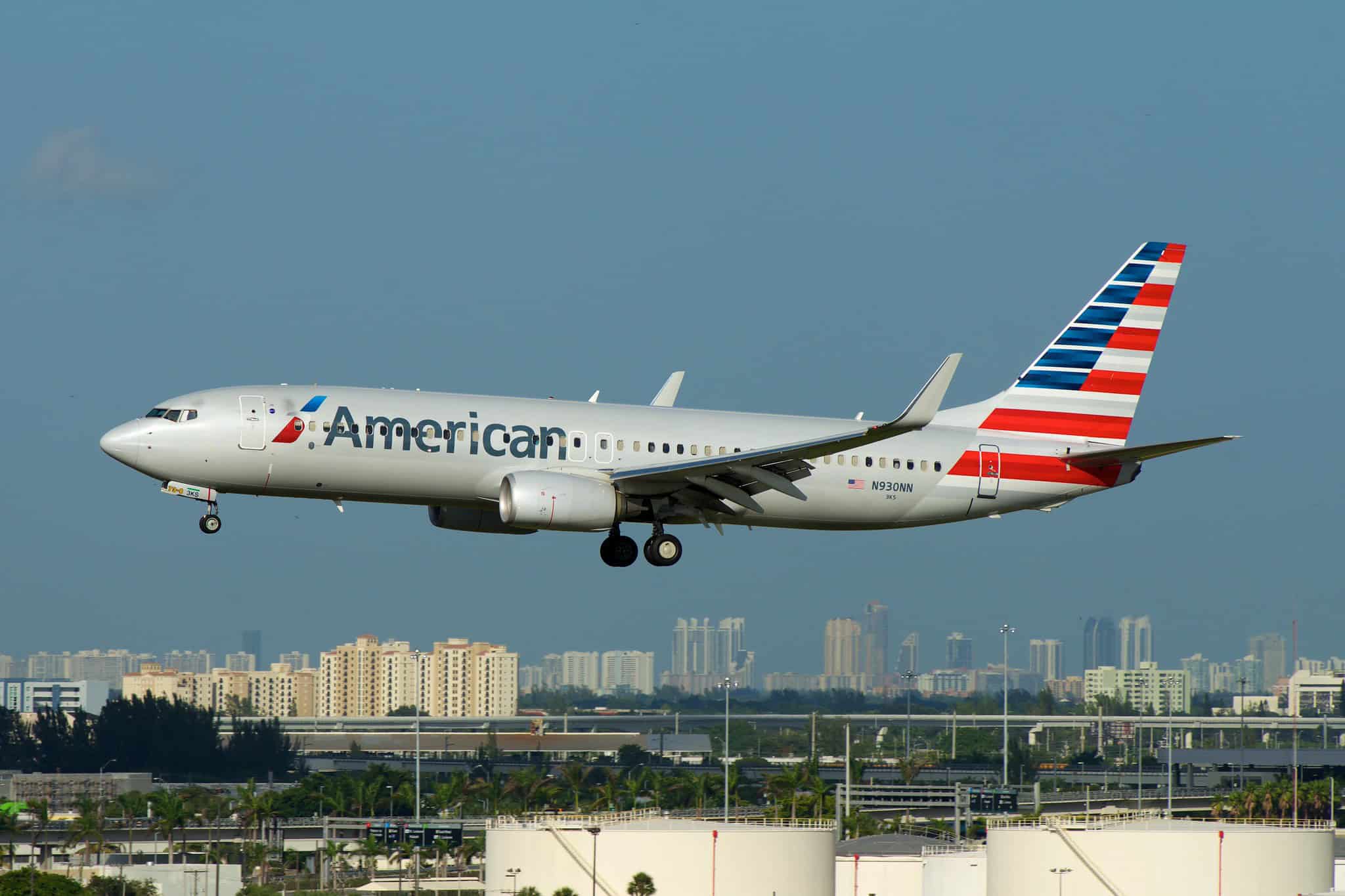


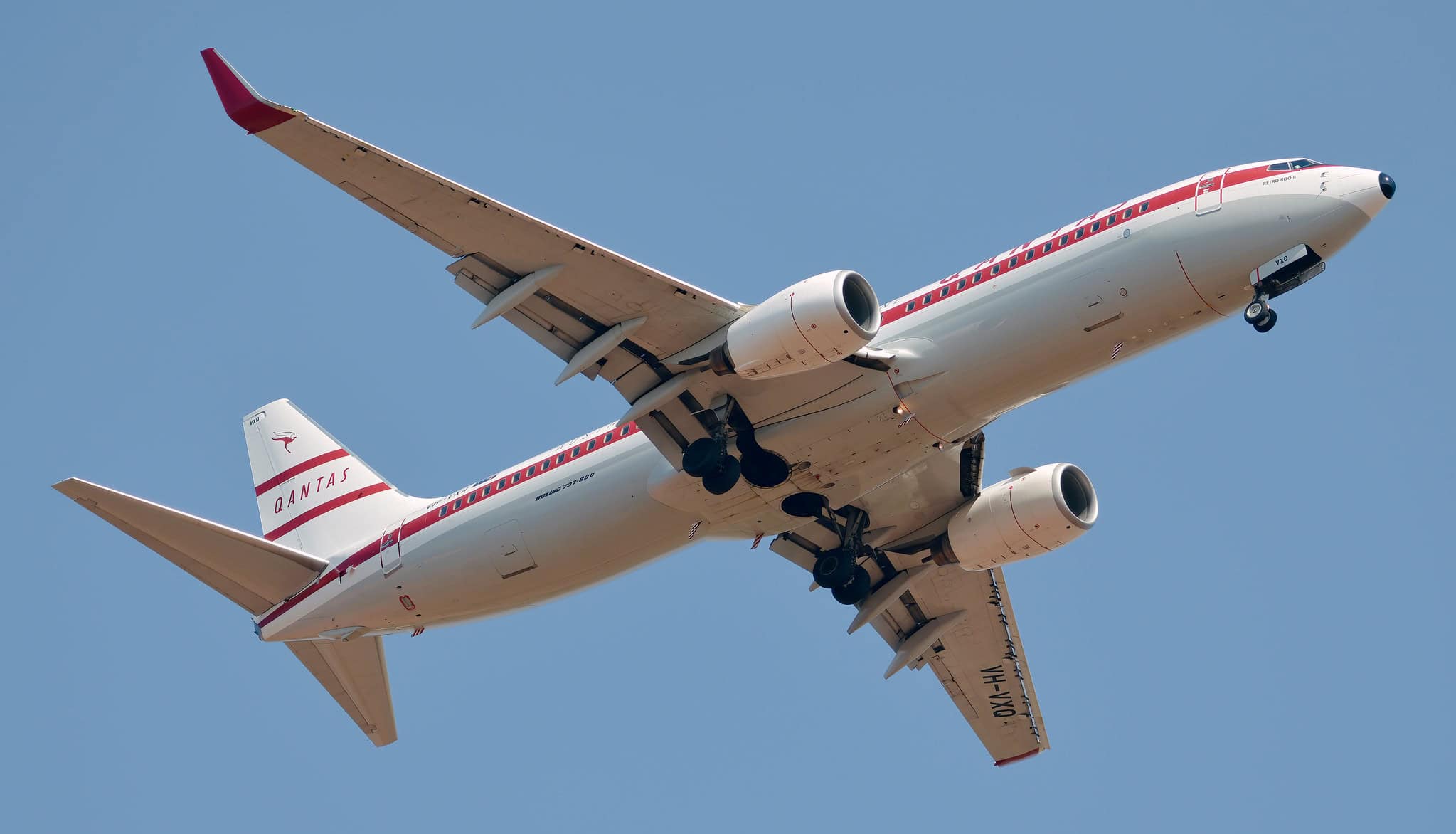

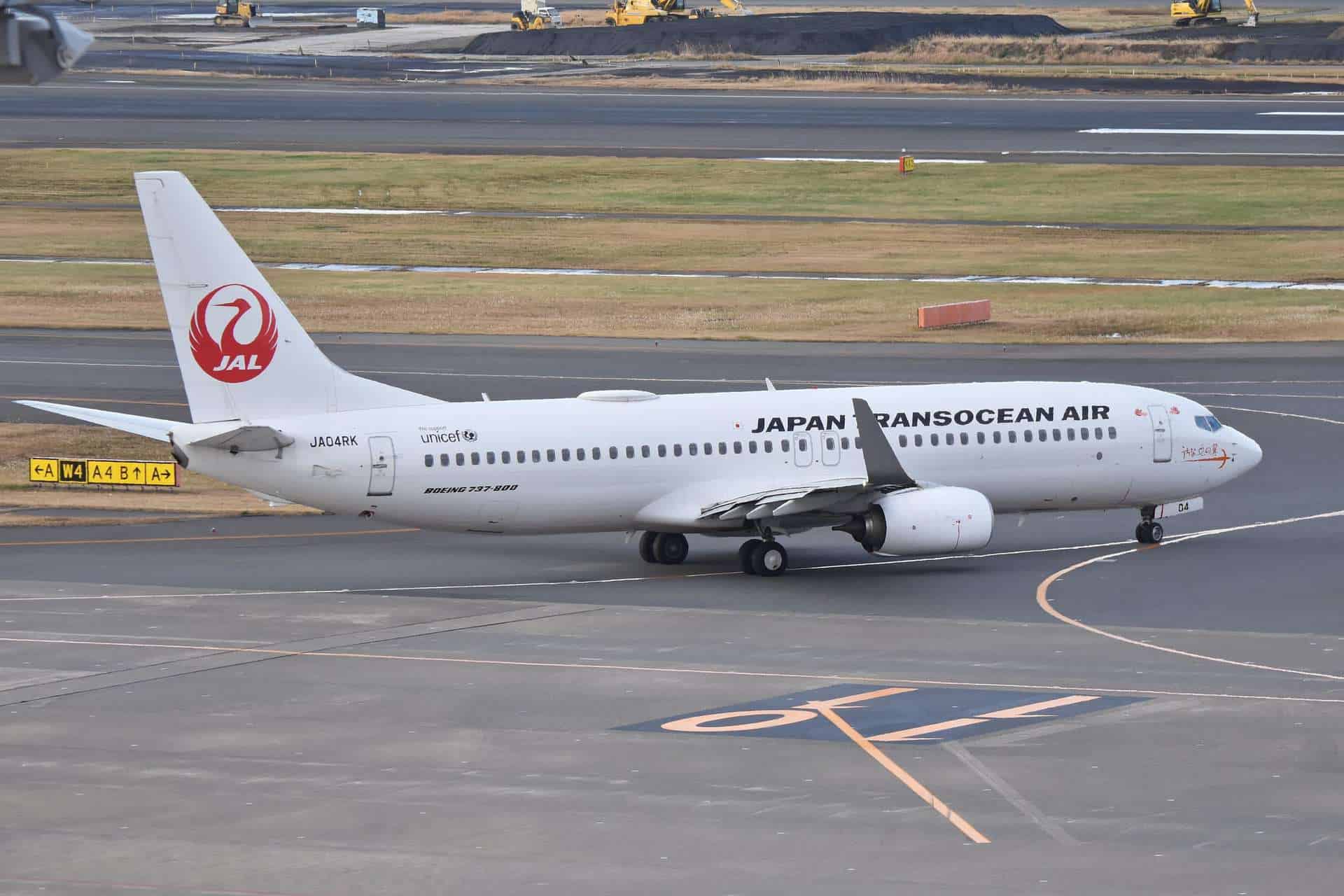
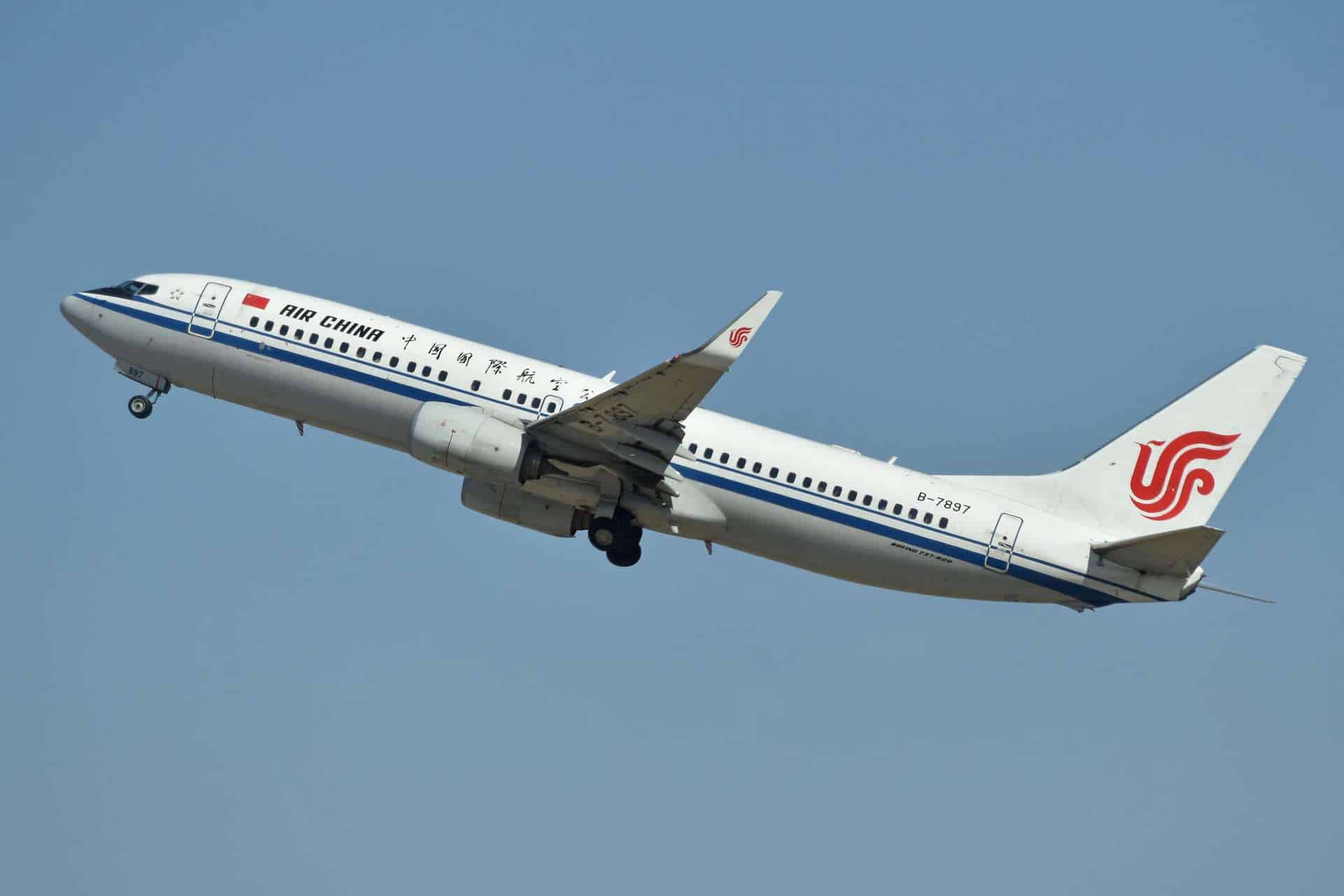

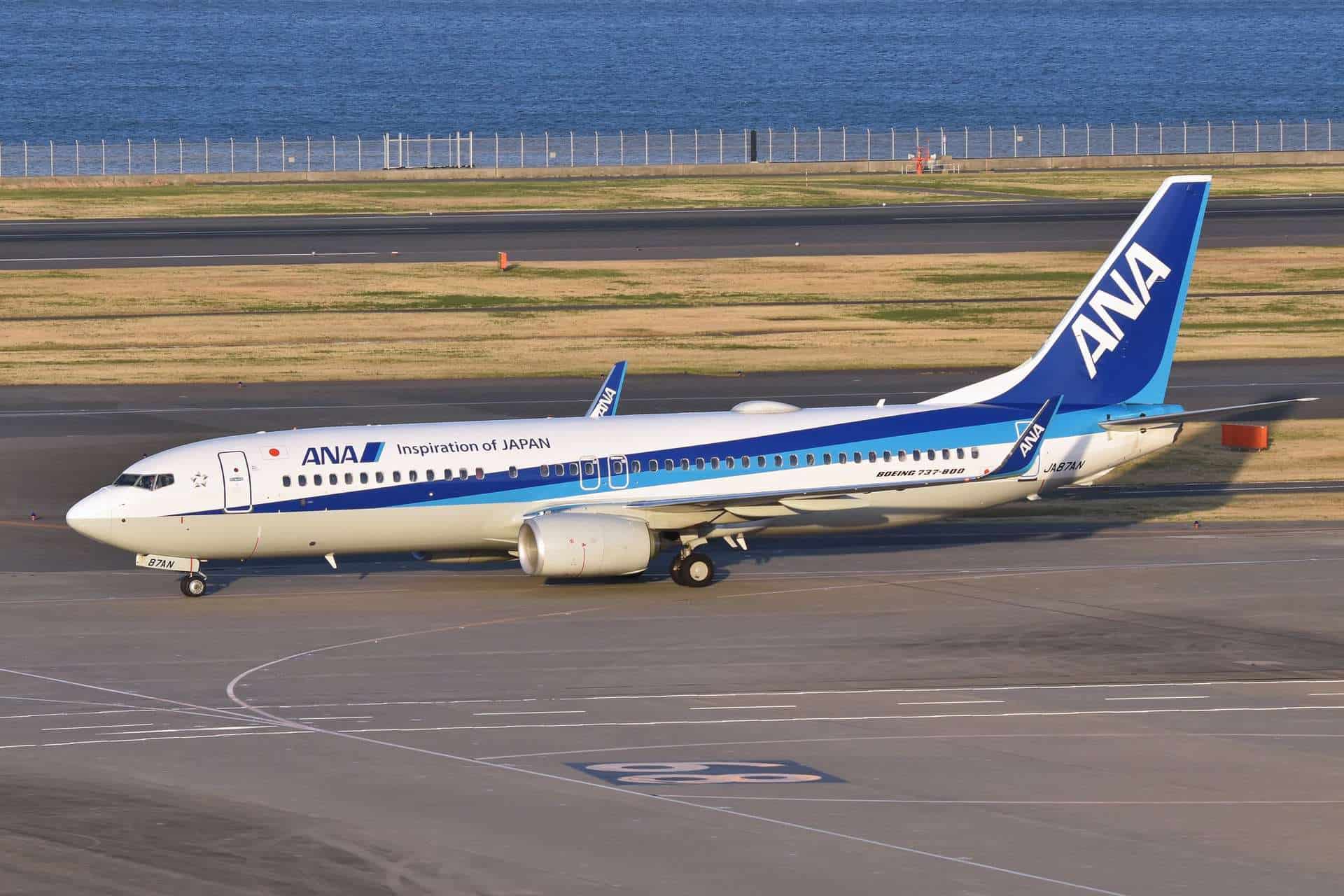
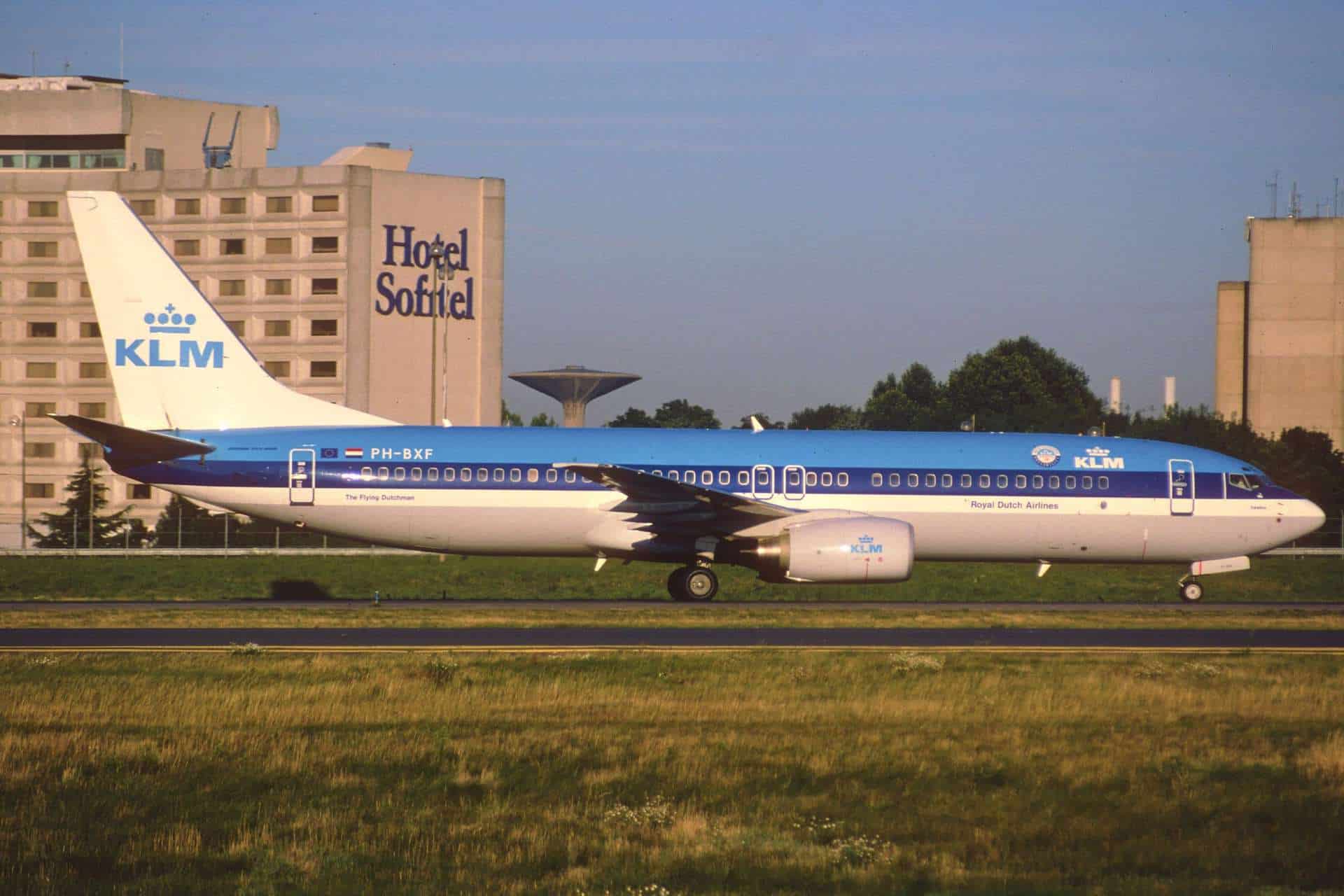
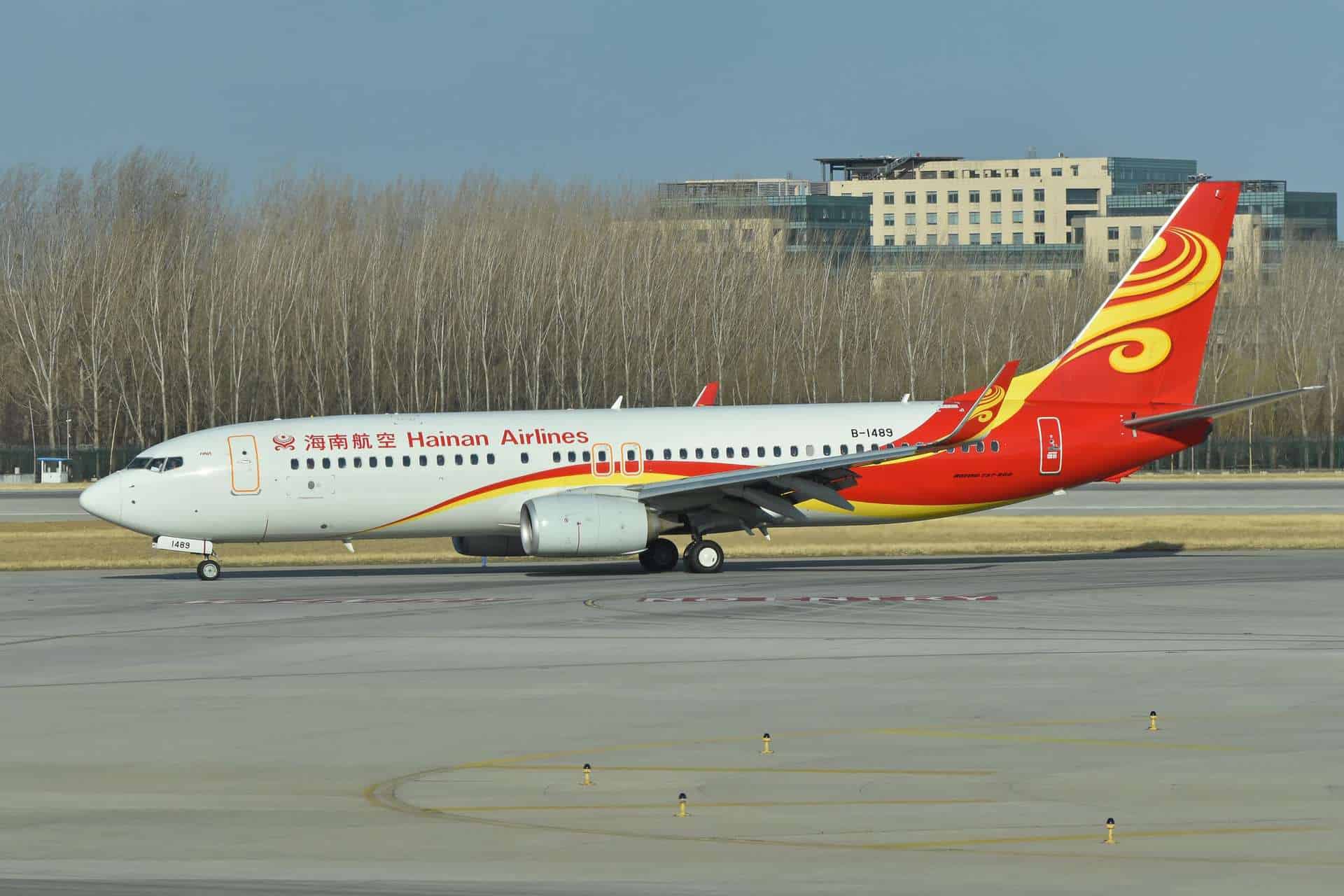
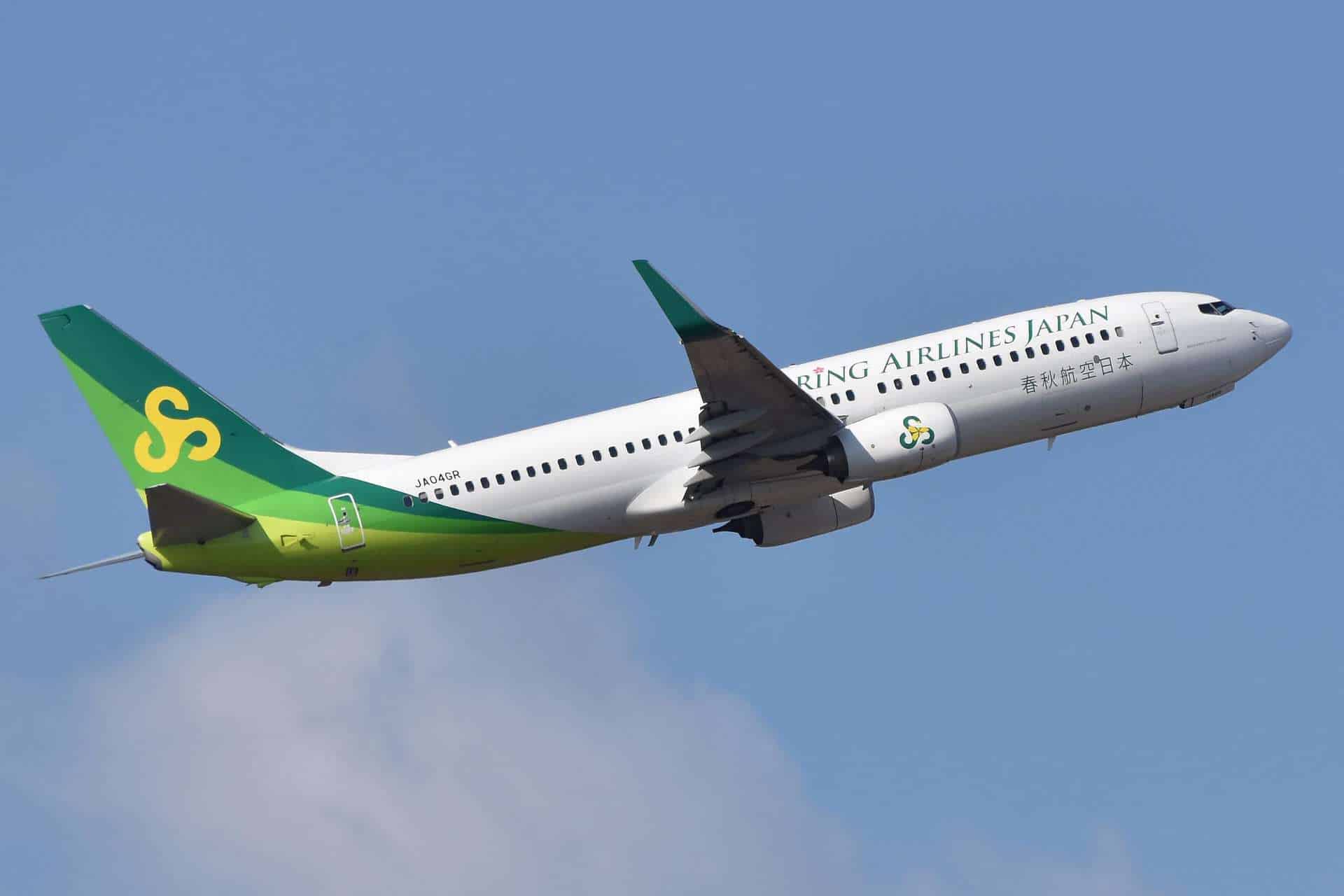
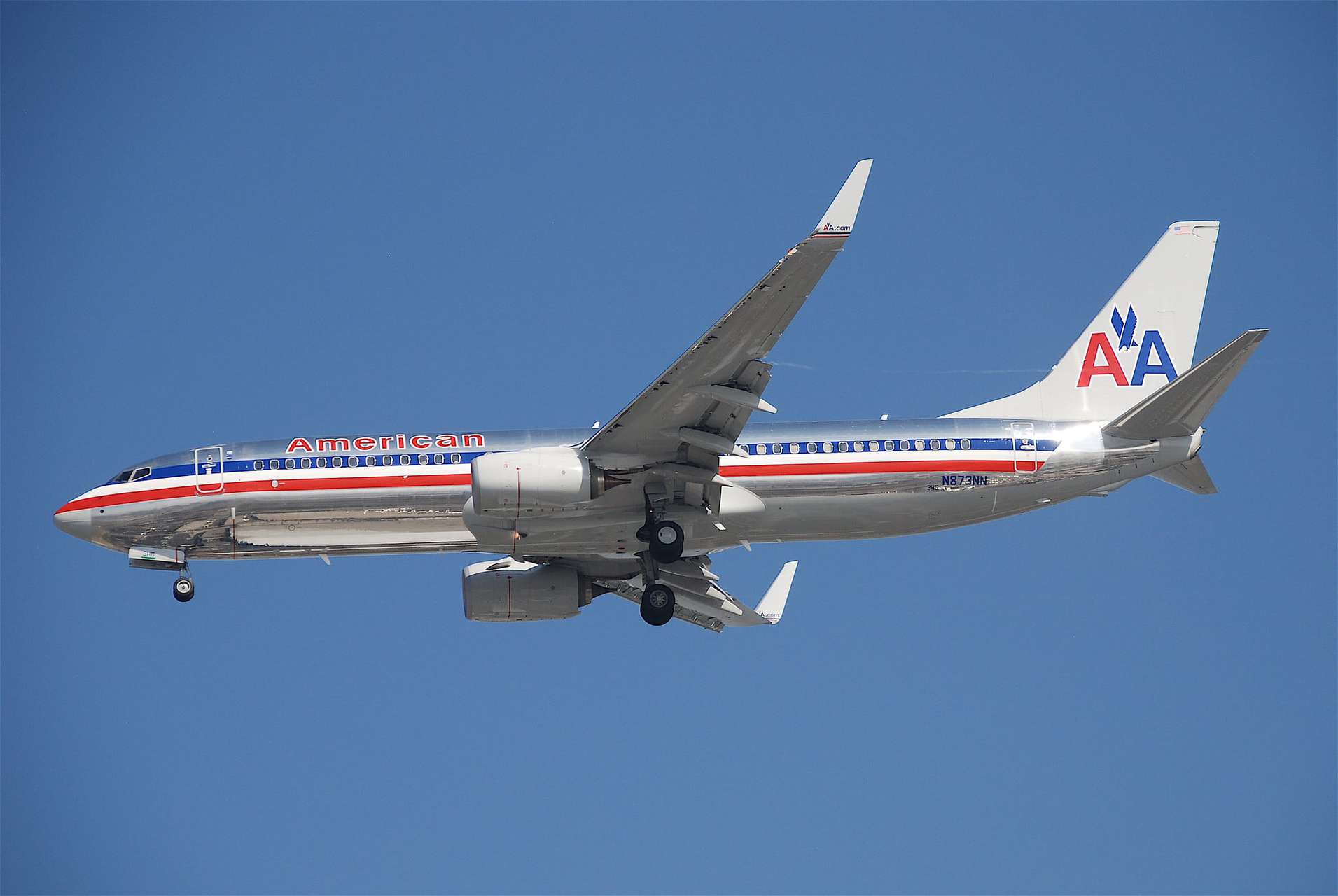

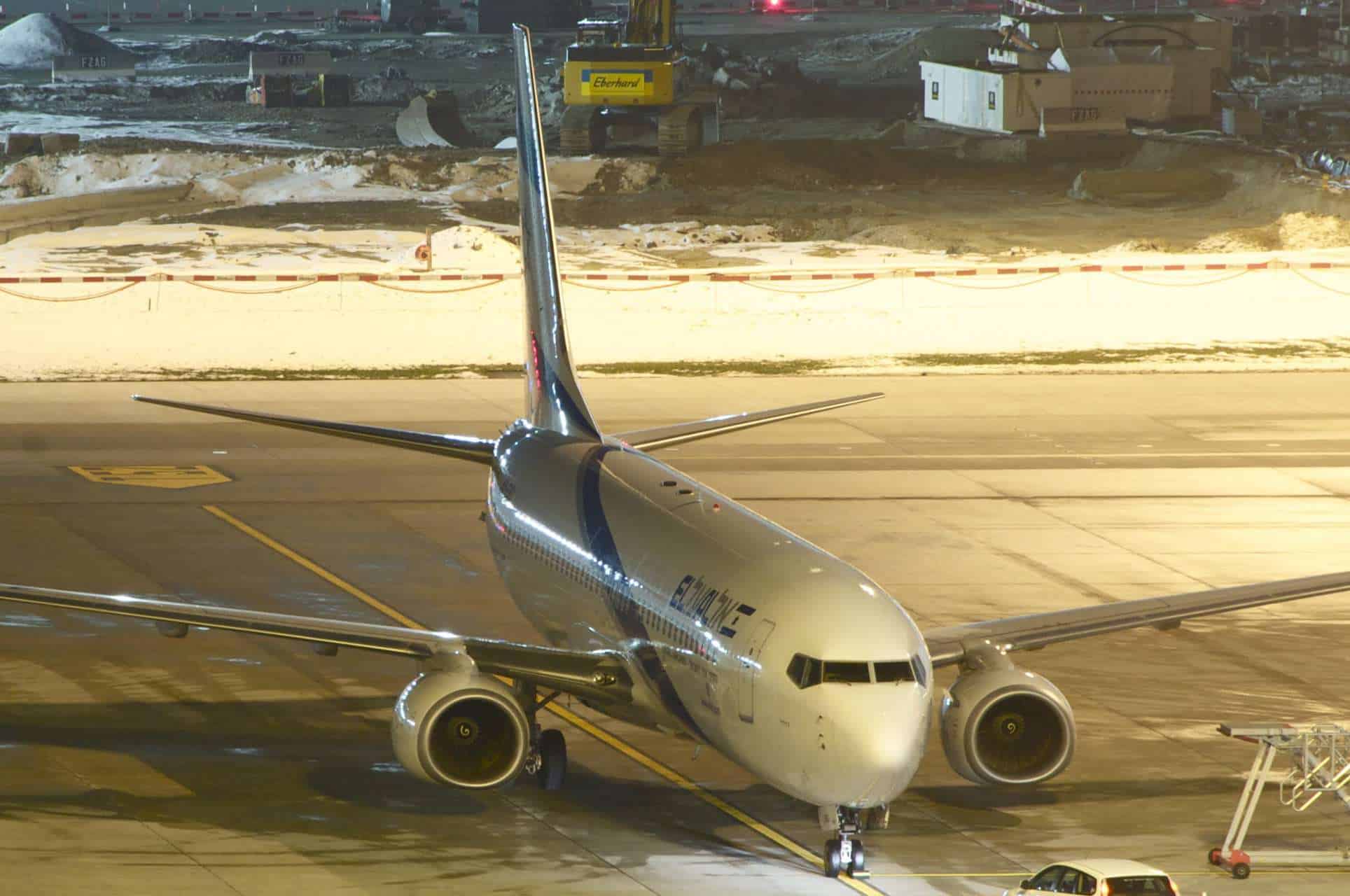
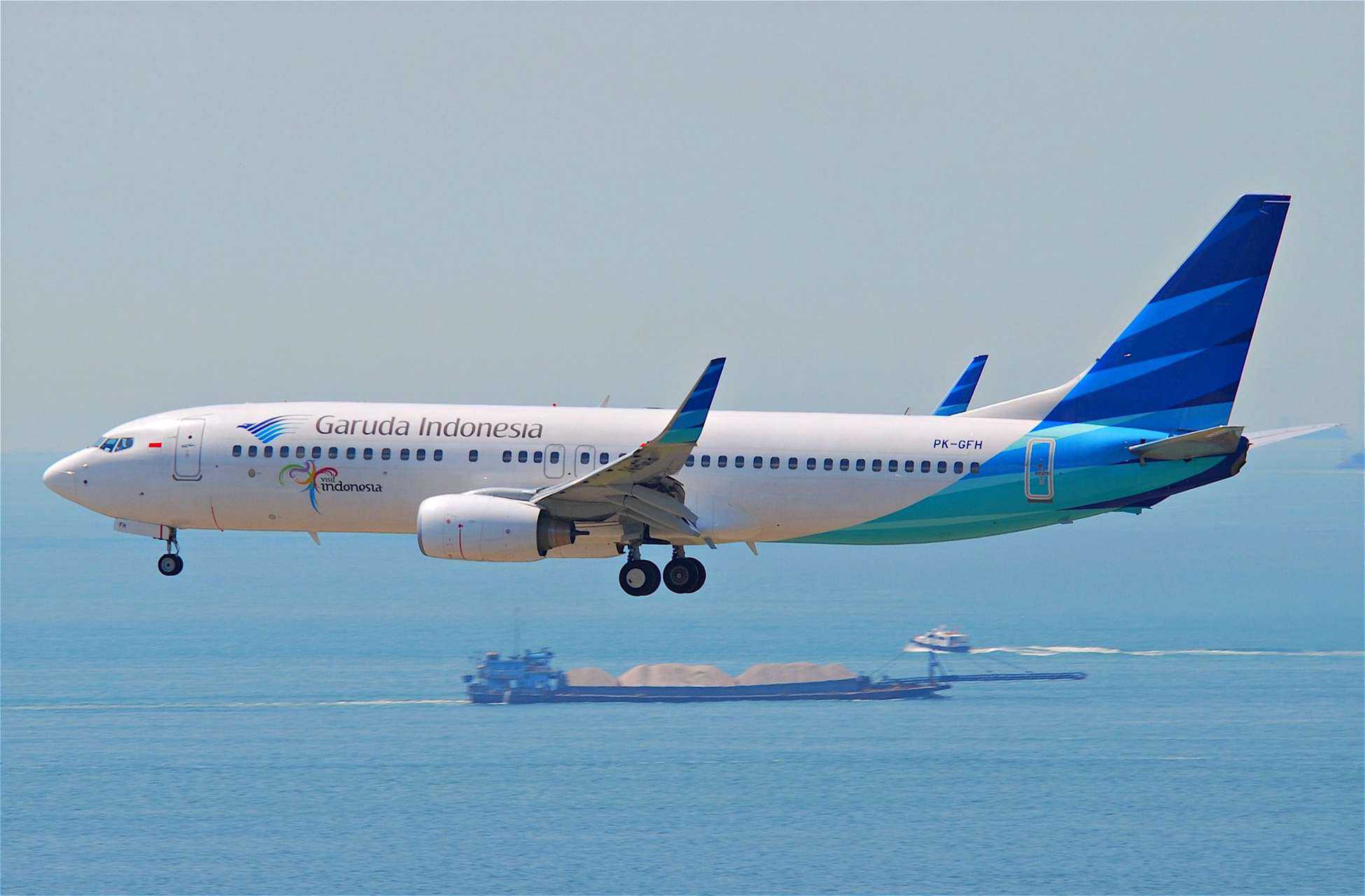
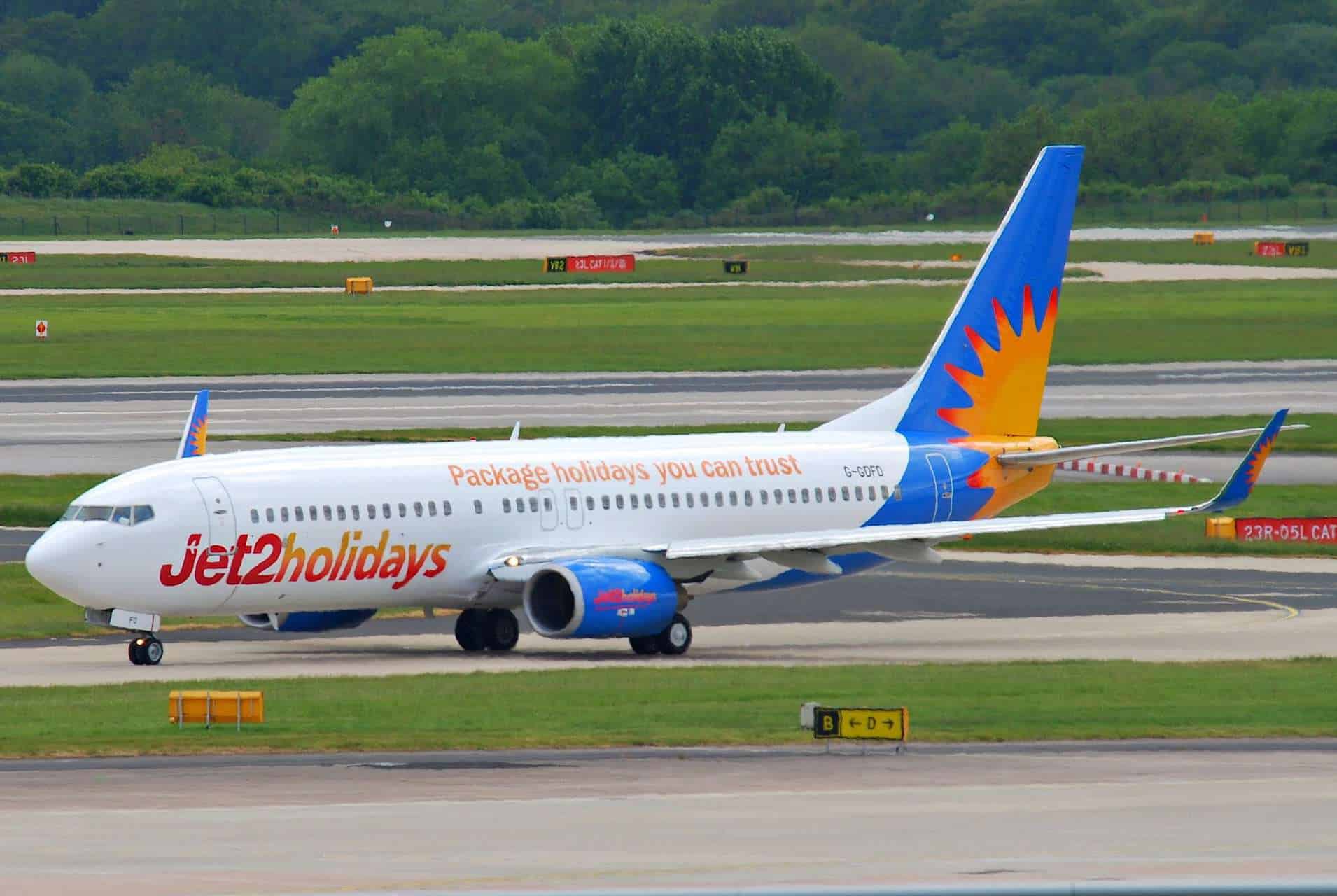
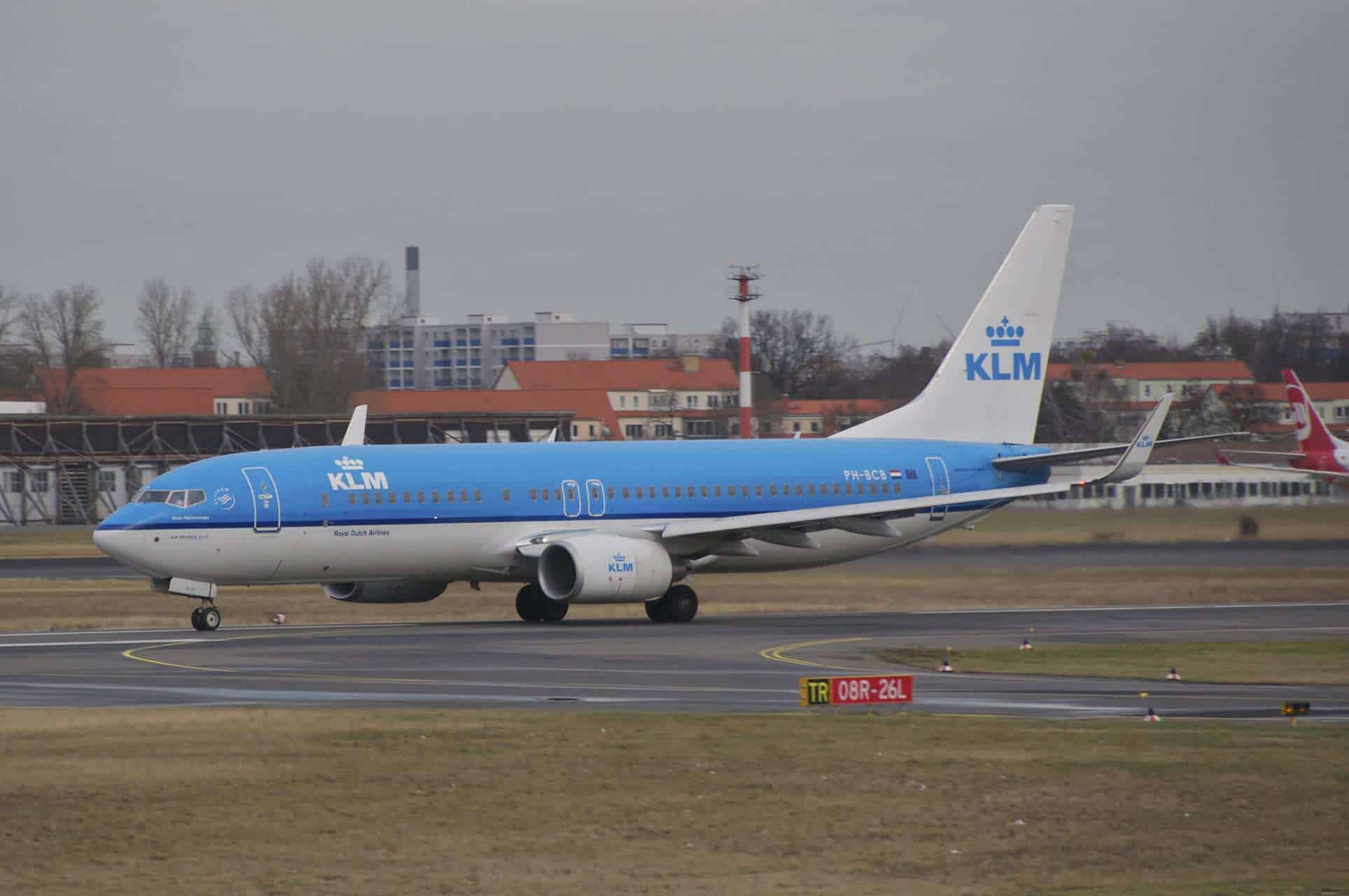
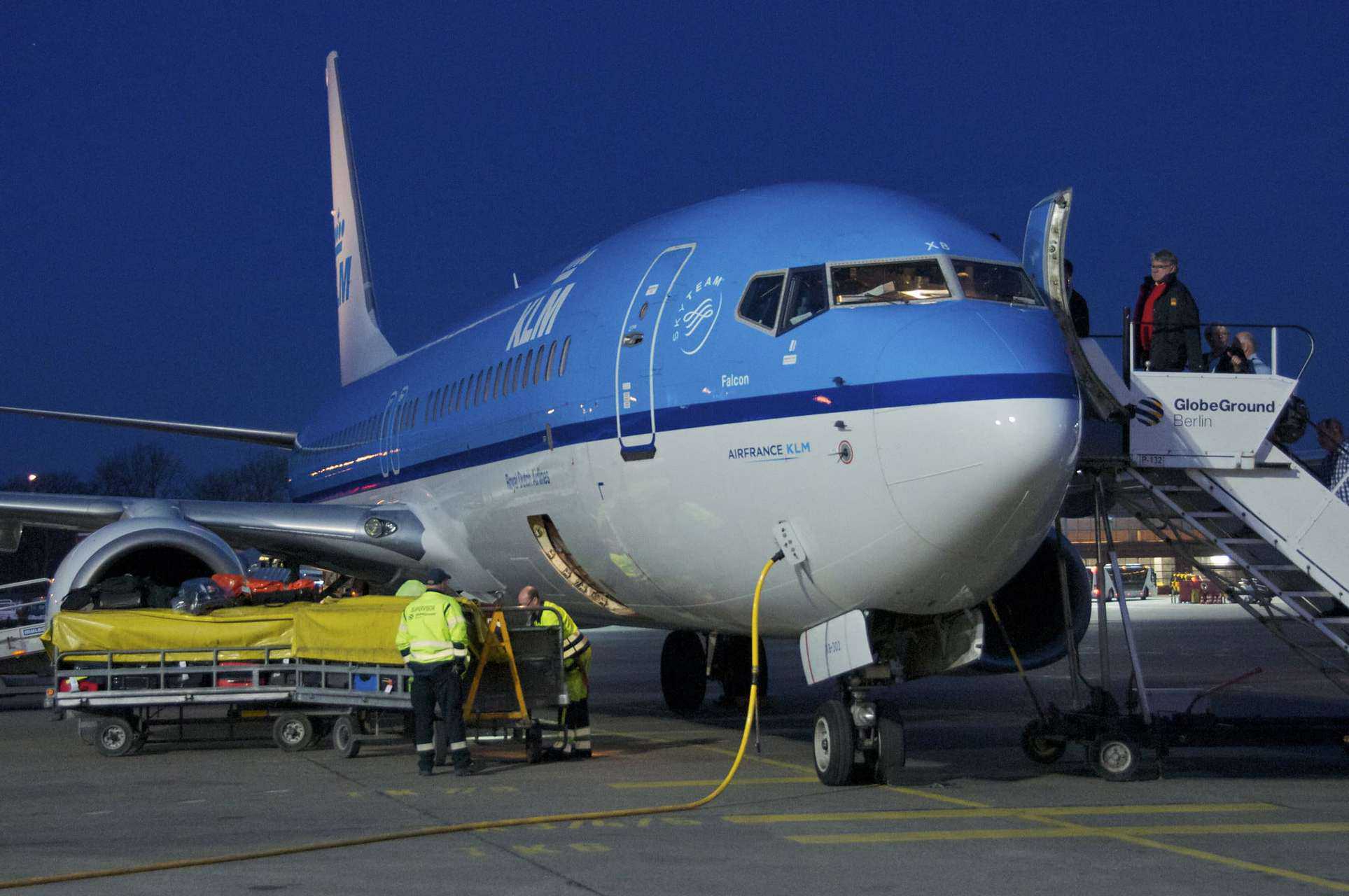

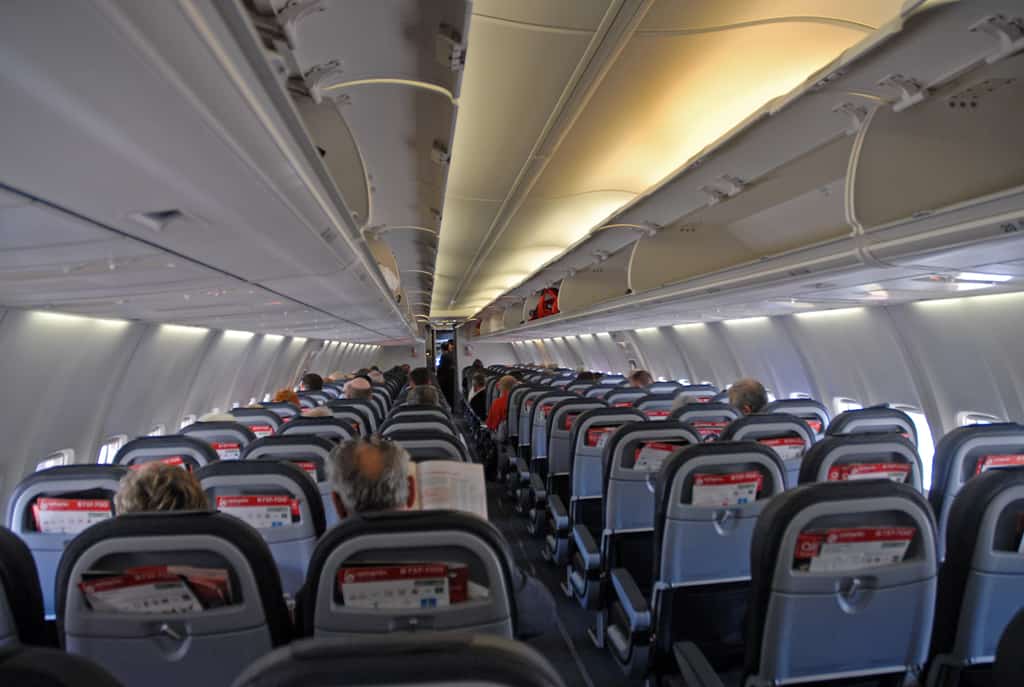
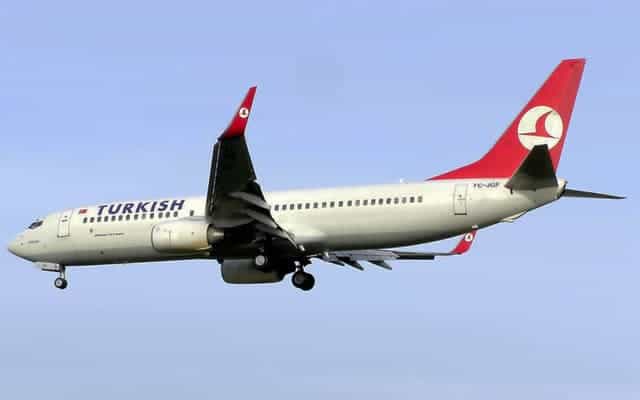
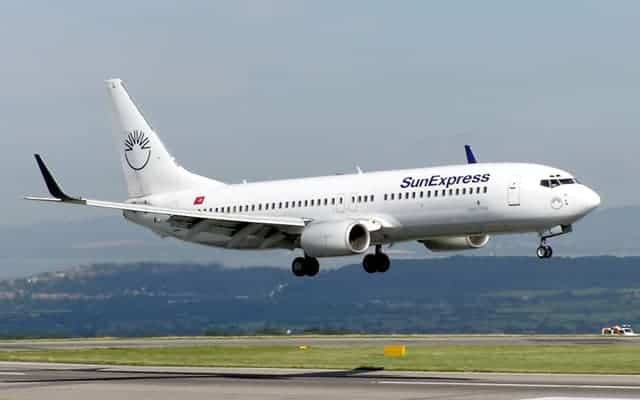
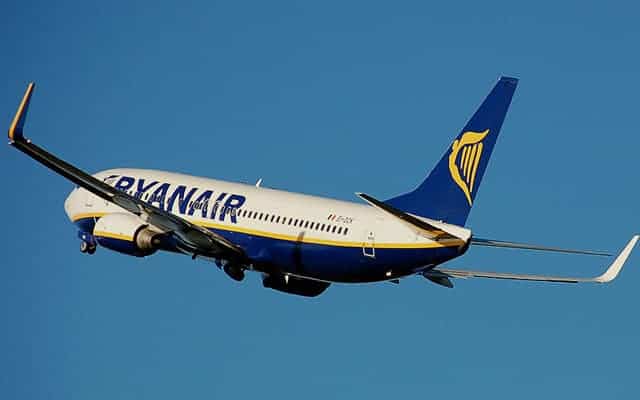
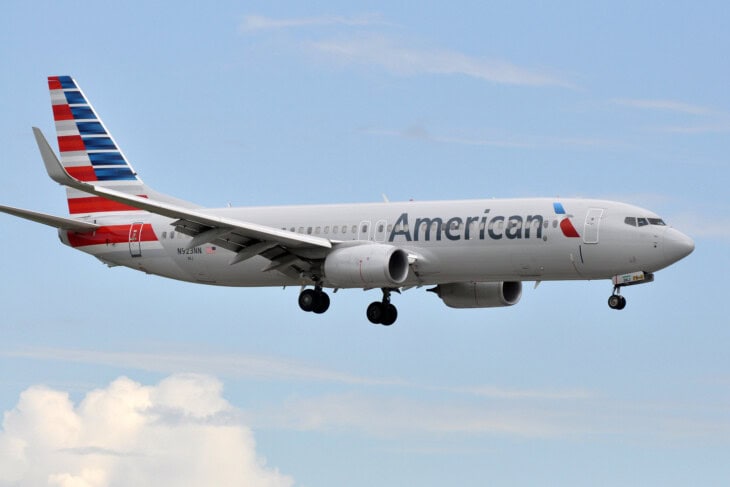
The Boeing 737-800 is the stretched, 189-seat member of Boeing’s 737 Next Generation family and the best-selling variant of it. Boeing delivered 4,989 of them to airlines between 1998 and 2019, which made it the default short- and medium-haul jet for full-service and low-cost carriers alike.
Production of the passenger version has ended, replaced by the 737 MAX 8, but the type remains in large-scale airline service. This page covers how the 737-800 came about, what the cabin is actually like, why its figures differ from source to source, and its safety record.
Boeing launched the 737-800 on September 5, 1994, as part of the Next Generation program that gave the 737 a new wing, new CFM56-7B engines and a glass flight deck. It was a stretch of the 737-700, sized to replace the 737-400 and to compete with the Airbus A320.
The prototype rolled out on June 30, 1997, and first flew on July 31, 1997. Launch customer Hapag-Lloyd Flug took the first delivery in April 1998.
The jet soon did more than replace the 737-400. After Boeing’s merger with McDonnell Douglas it filled the gap left by the discontinued MD-80 and MD-90, and many US airlines used it to retire their Boeing 727-200 trijets.
Boeing delivered 4,989 737-800s to airlines. Counting military and corporate versions, orders for the airframe reached 5,238, the most of any 737 Next Generation variant.
The military airframes are the P-8 Poseidon maritime patrol aircraft, based on the 737-800 with the stronger wing of the 737-900. The corporate version is the Boeing Business Jet BBJ2, launched in 1999.
Boeing stopped assembling passenger 737NGs in 2019. The last one assembled was a 737-800 for KLM, registered PH-BCL, and the final two Next Generation deliveries of any model went to China Eastern Airlines on January 5, 2020.
P-8 production continues, so 737-800-based airframes are still being built for navies.
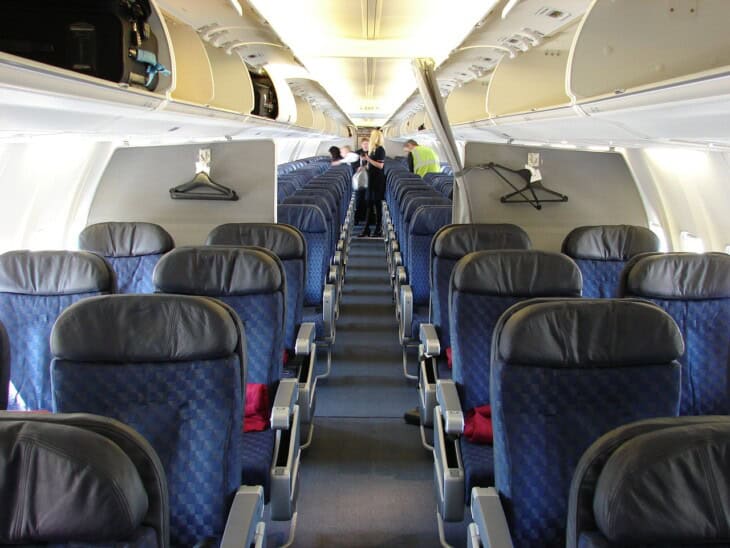
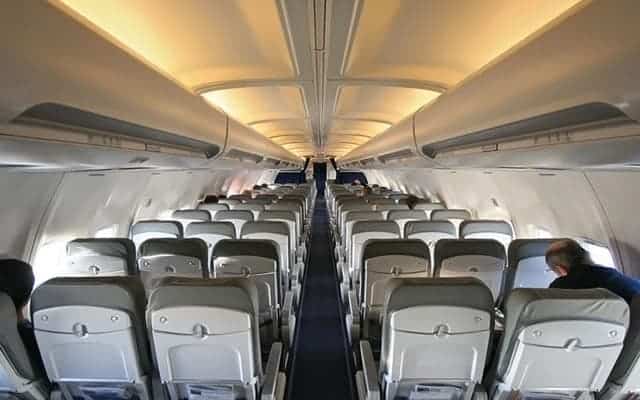
The 737-800 seats six abreast with a single aisle. Its cabin is 11 ft 7 in (3.54 m) wide, measured trim to trim, inside a fuselage that Boeing’s airport-planning drawings give as 12 ft 4 in (3.76 m) across.
Seat counts depend on who is quoting. Boeing’s marketing sheet gives 189 as the maximum, set by the number and type of emergency exits, while its airport-planning document lays out 160 in two classes and 184 in all economy.
Airlines land in between. Delta fits 160 seats and Alaska Airlines 159 or 161, while high-density low-cost operators fill the cabin to the 189-seat limit.
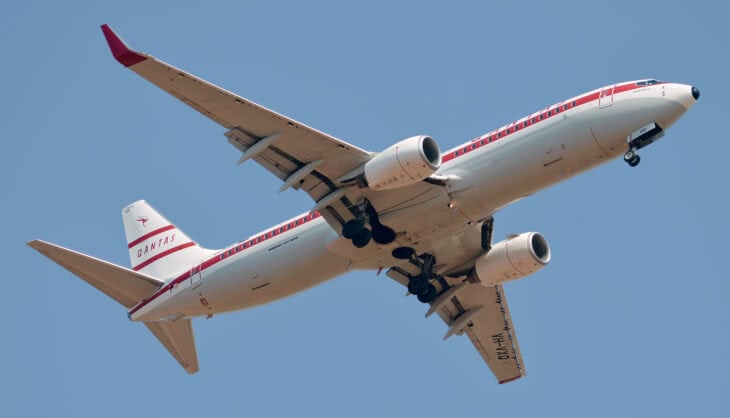
The Next Generation wing was a new design, 25% larger in area than the 737 Classic’s and 16 feet wider. It also gave the family 30% more fuel capacity.
Boeing publishes two spans for the 737-800. With blended winglets it spans 117 ft 5 in (35.79 m), the figure Boeing now quotes and the one in the specification table, while the bare wing spans 112 ft 7 in (34.32 m).
Blended winglets were an option on civilian 737NGs rather than standard. Split Scimitar winglets, with a second blade pointing down, became available for the 737-800 in 2014, and AeroCorner explains what both designs do in why planes have winglets.

Every 737-800 flies on two CFM International CFM56-7B turbofans, but airlines chose the thrust rating. The CFM56-7B24 is rated at 24,200 lbf and the -7B27 at 27,300 lbf, with the -7B26 in between.
That is why the specification table shows the -7B27 while an individual airline’s fleet may carry a lower rating.

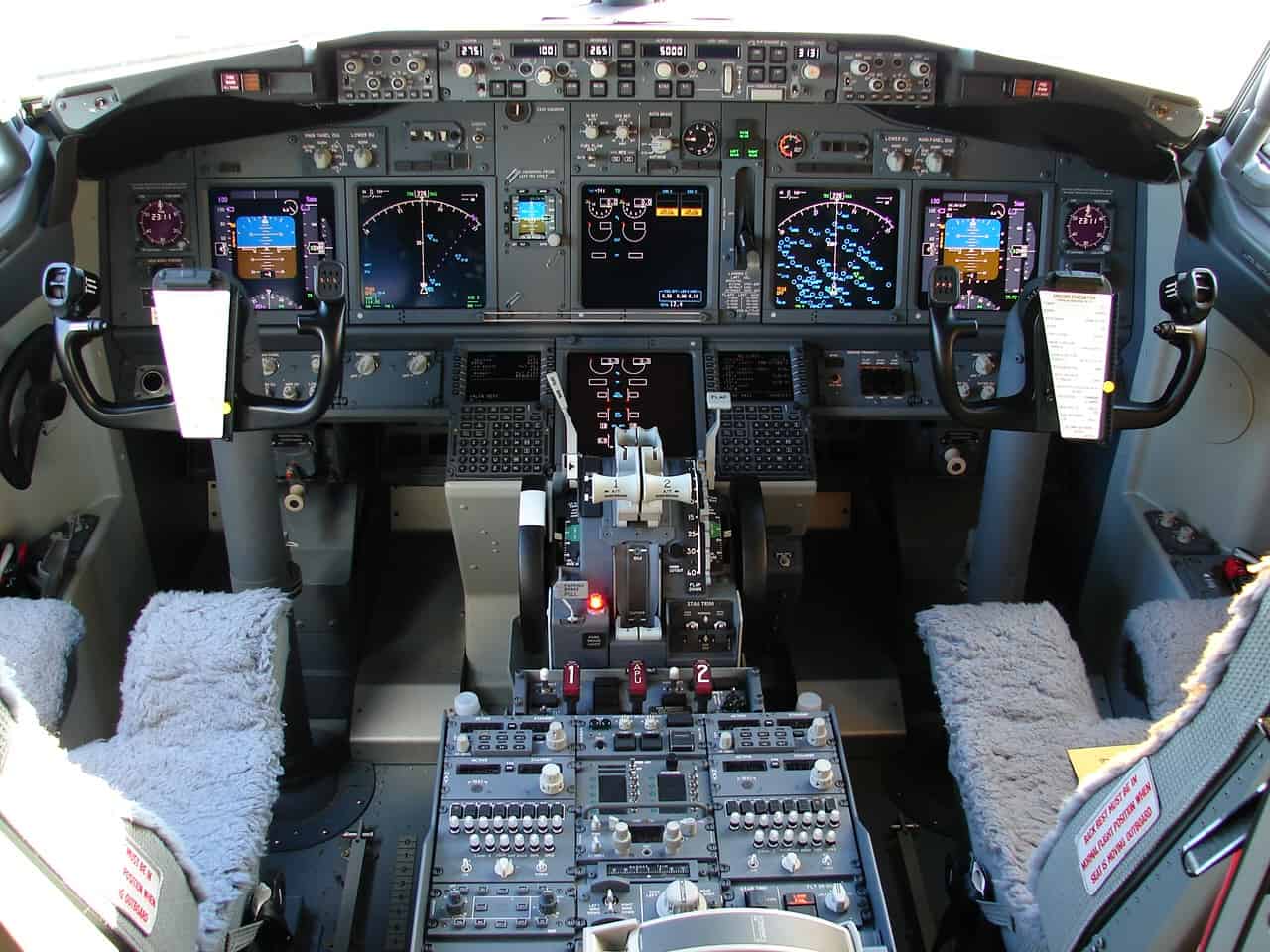
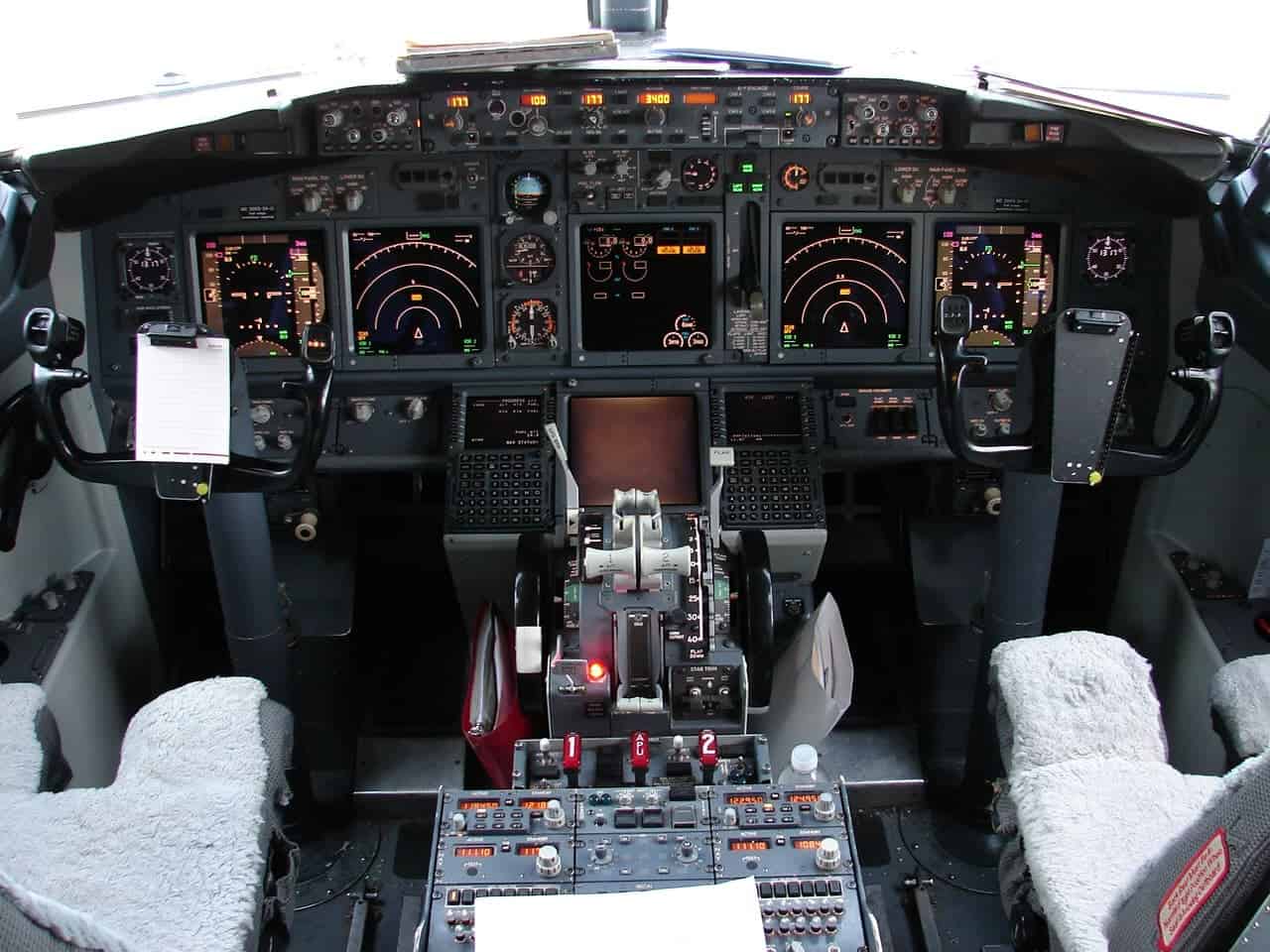
The two-pilot flight deck is built around Honeywell’s common display system of flat-panel LCDs, part of the modern avionics package that set the Next Generation apart from the 737 Classic.
The full specification table for the 737-800 is on this page. Three of its figures are quoted differently almost everywhere else, and the reason is the conditions behind them, not an error.
Range is the clearest case. The table’s 2,935 nm is the range with 162 passengers, while Boeing’s own page rounds the aircraft to “up to 2,800 nm”, and Boeing’s payload-range chart shows the answer moving by hundreds of miles with payload.
Takeoff weight is the second. Boeing certified the 737-800 at three maximum takeoff weights, 155,500 lb, 172,500 lb and the heaviest shown in the table, and each airline bought the one its routes needed.
Speed is the third. The table’s 452 kt is the long-range cruise speed at 39,000 feet, while the Mach 0.82 often quoted as the top speed is the maximum operating Mach number, a limit rather than a speed airlines fly day to day.
Runway figures need a condition too. The table’s 7,600 ft (2,320 m) takeoff run is at maximum weight at sea level on a day 20°C warmer than standard, so most departures need far less.
The 737-800 is one of the most widely used narrow-body airliners in the world. Ryanair alone has flown a fleet of more than 400, and American Airlines, Delta, Alaska, KLM, Qantas and Japan Airlines are among its many other operators.
Retired passenger jets have a second career as freighters. Boeing launched its own converted-freighter program, the 737-800BCF, in 2016, and other conversion houses offer the same.
Boeing replaced the 737-800 with the 737 MAX 8, launched in 2011 and introduced in 2017. The MAX is an updated, re-engined 737NG with more efficient CFM International LEAP-1B engines and a split-tip winglet, and its history is covered in AeroCorner’s Boeing 737 MAX explainer.
The 737 Next Generation family, of which the -800 is by far the largest part, had been involved in 22 hull-loss accidents as of January 2020, according to the Aviation Safety Network. With a fleet this large and more than two decades of flying, the rate is low, but several accidents are well known.
Turkish Airlines Flight 1951 crashed short of the runway at Amsterdam Schiphol on February 25, 2009. A faulty radio altimeter led the autothrottle to pull the engines to idle on approach, the crew noticed too late, and 9 of the 135 people on board died.
China Eastern Airlines Flight 5735 dived into terrain in southern China on March 21, 2022, killing all 132 on board. As of 2026, China’s aviation regulator has not published a final report.
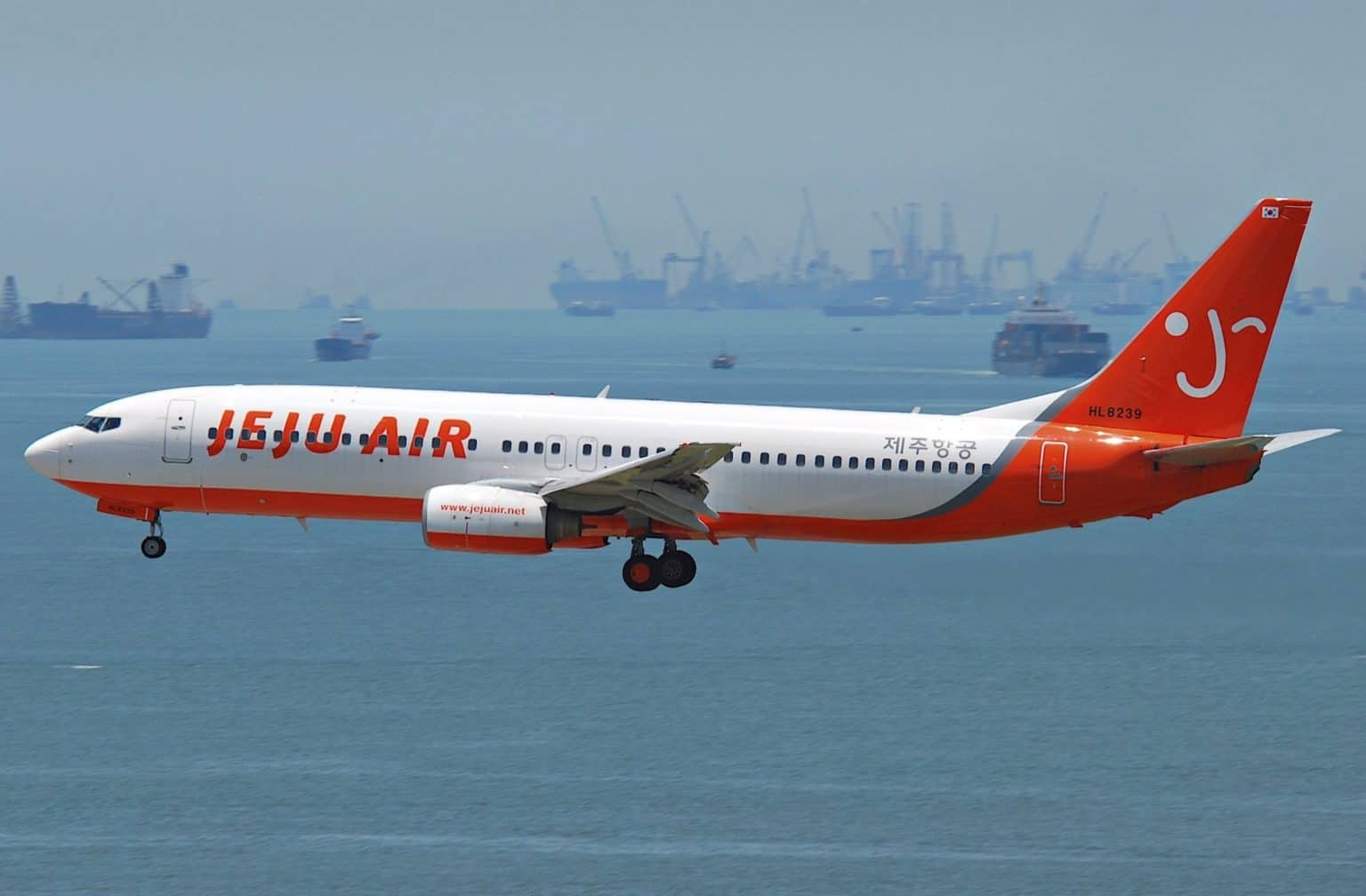
Jeju Air Flight 2216 struck birds on approach to Muan, South Korea, on December 29, 2024, belly-landed after a go-around, overran the runway and hit a concrete-cored berm, killing 179 of the 181 on board.
The investigation was still open in September 2026. South Korean media reported in July 2025 that investigators had found the crew shut down the less-damaged engine, a finding the victims’ families dispute.
Yes. The 737-800 has flown for more than 25 years in one of the largest fleets in aviation, and serious accidents are rare against that exposure. It is a different aircraft from the 737 MAX, and the MAX’s worldwide grounding in 2019 did not apply to it.
Airlines voted with their orders: Boeing delivered 4,989 737-800s to airlines, more than any other 737 Next Generation variant. It suited both full-service carriers and low-cost airlines, which is why the same type flies for Delta and for high-density operators.
It depends on the airline’s layout. Exit rows over the wing give the most legroom, and seats over the wing sit close to the aircraft’s center of gravity, where turbulence is felt least.
Yes. The best known are Turkish Airlines Flight 1951 in 2009, China Eastern Airlines Flight 5735 in 2022 and Jeju Air Flight 2216 in 2024, all described above.
Boeing’s 2018 list price for a new 737-800 was $102.2 million, and airlines ordering in volume paid well below list. New passenger 737-800s are no longer built, so today they are bought used, at prices that depend on age and condition.
The 737-800 is a stretched 737-700, with a longer fuselage that carries more passengers and more cargo. Both belong to the Next Generation family and fly on CFM56-7B engines.
Sources and references used for research and fact-checking.