Mid Size Passenger Jets
The original narrow-body jet that launched the 737 family.
The latest aviation news and stories sent to your inbox.
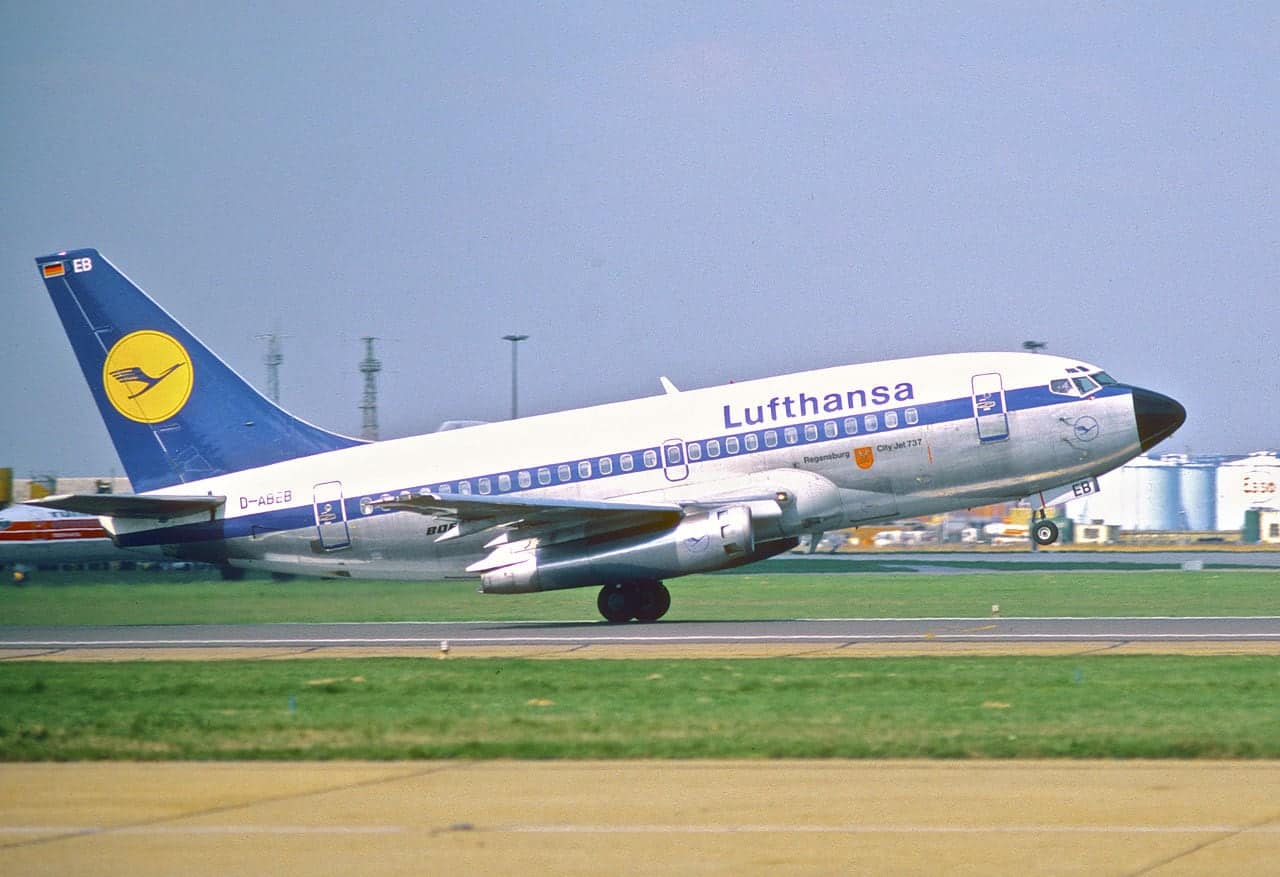
The Boeing 737-100 was the first member of the 737 series. Introduced in the late 1960s, it was designed for short-haul routes. The aircraft laid the foundation for one of the most successful commercial jet families in history.
Live Fleet Activity (B731)
Fetching live data…
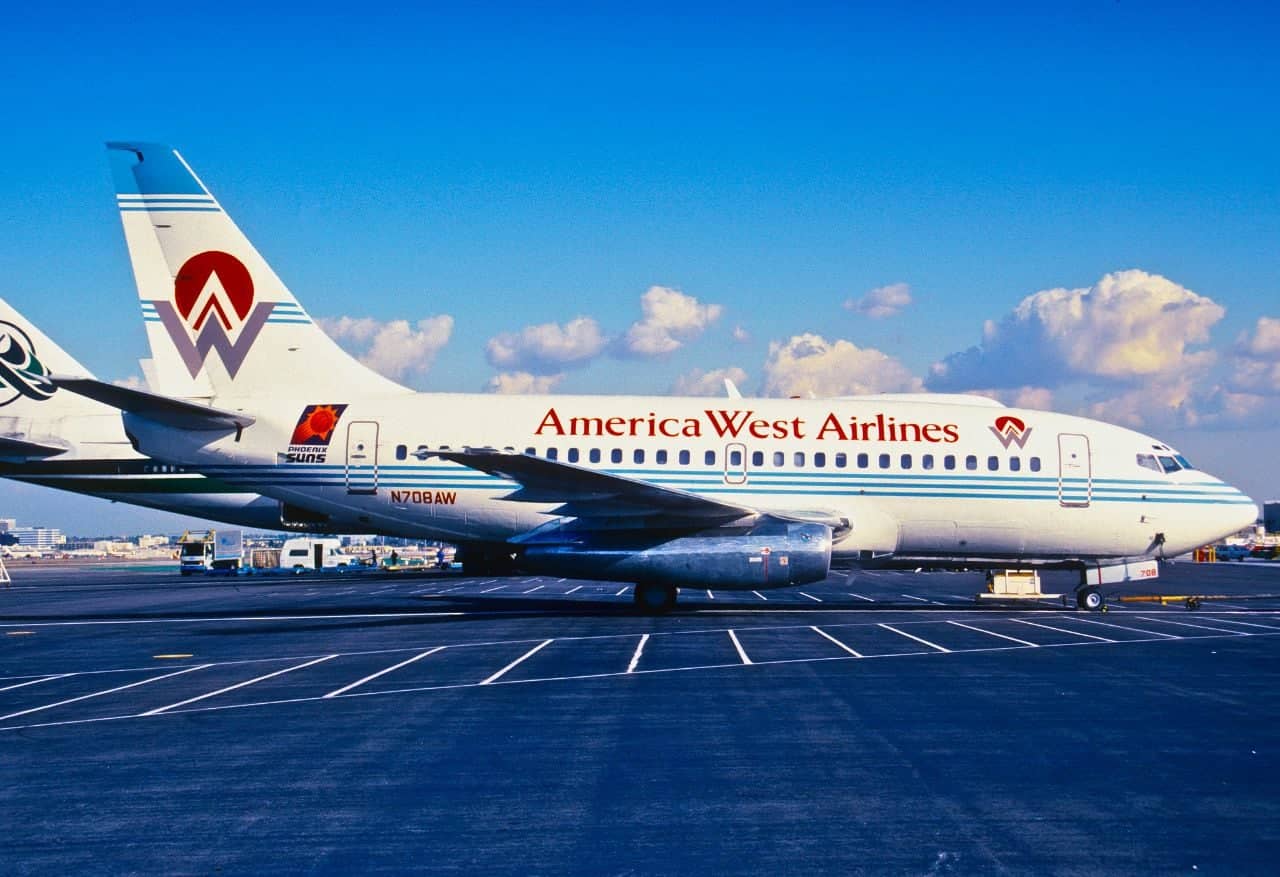


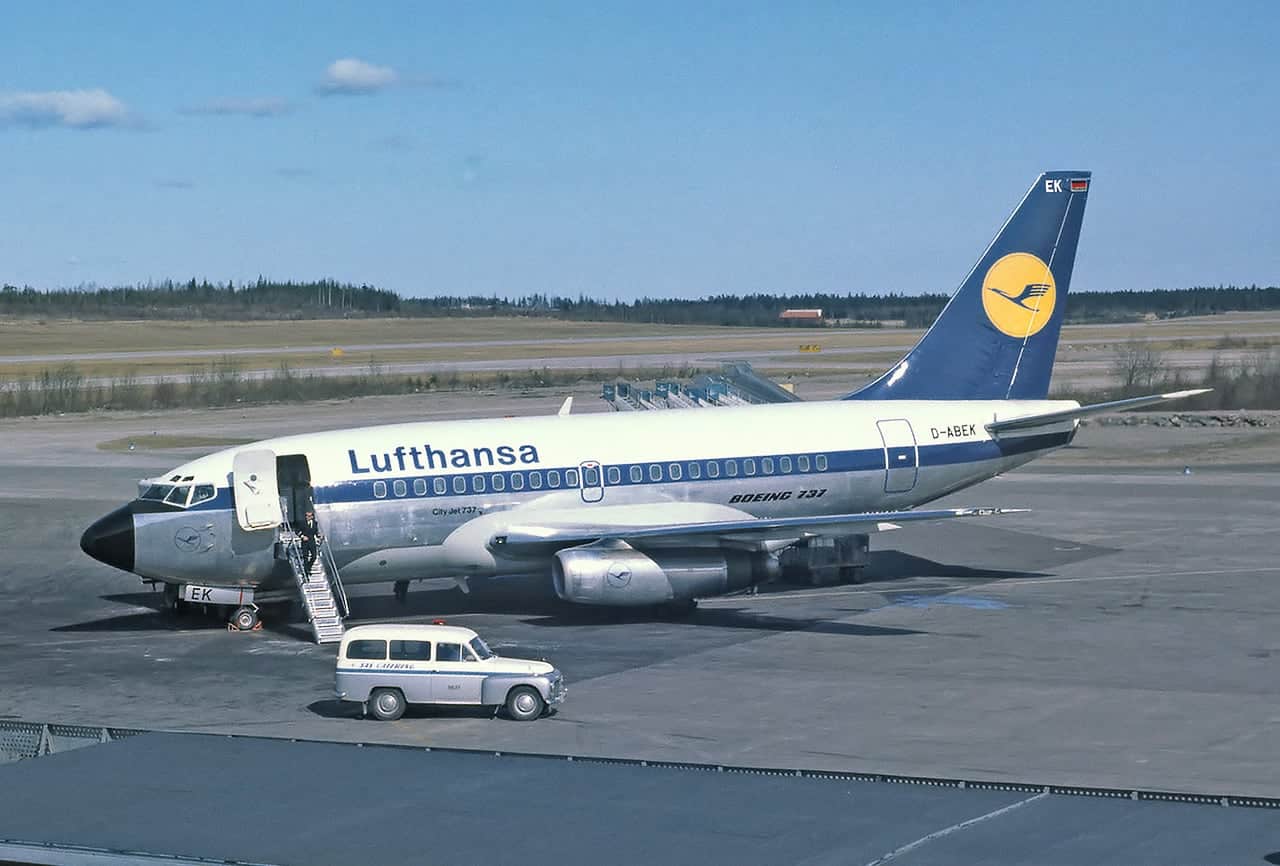
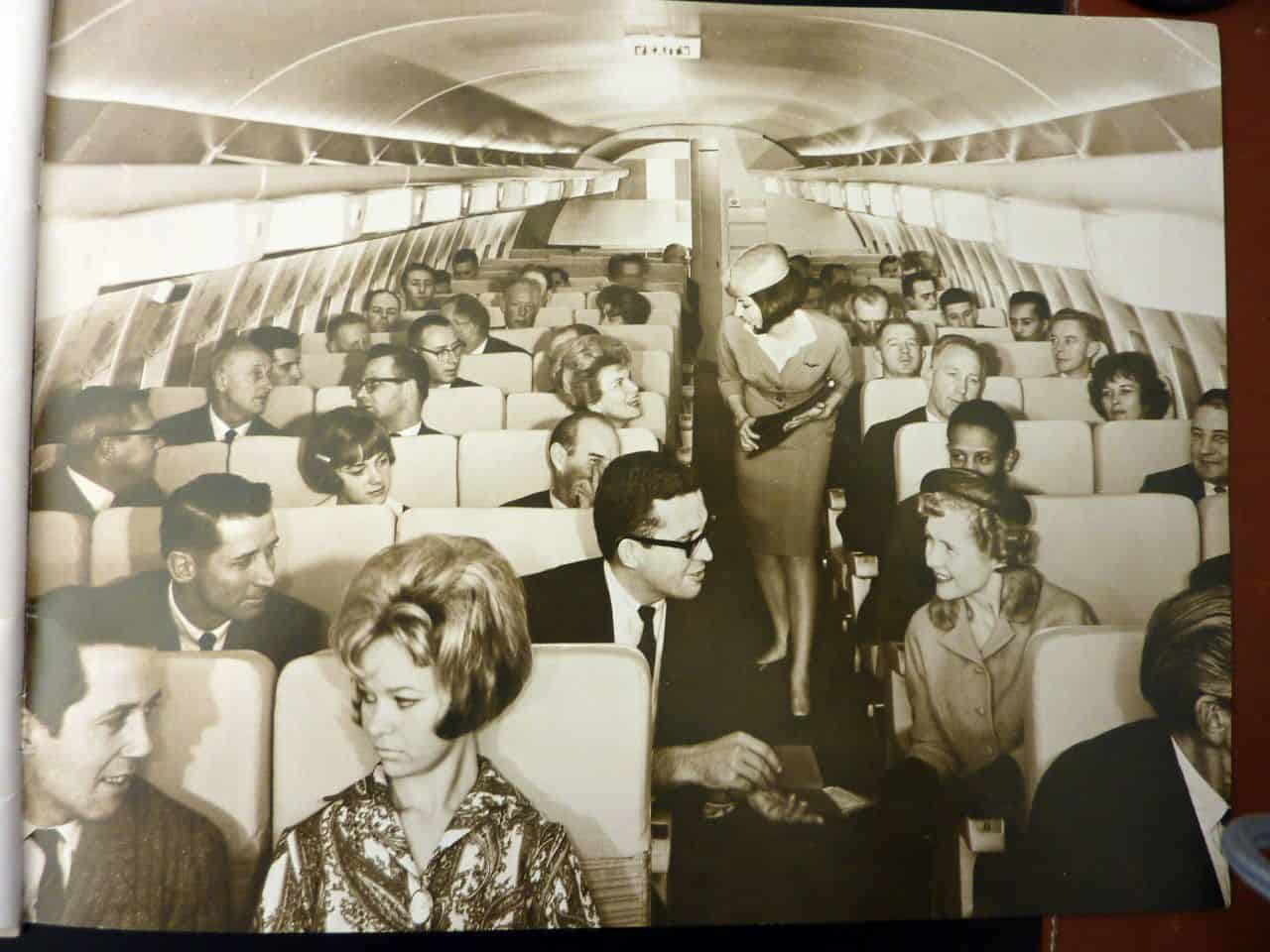
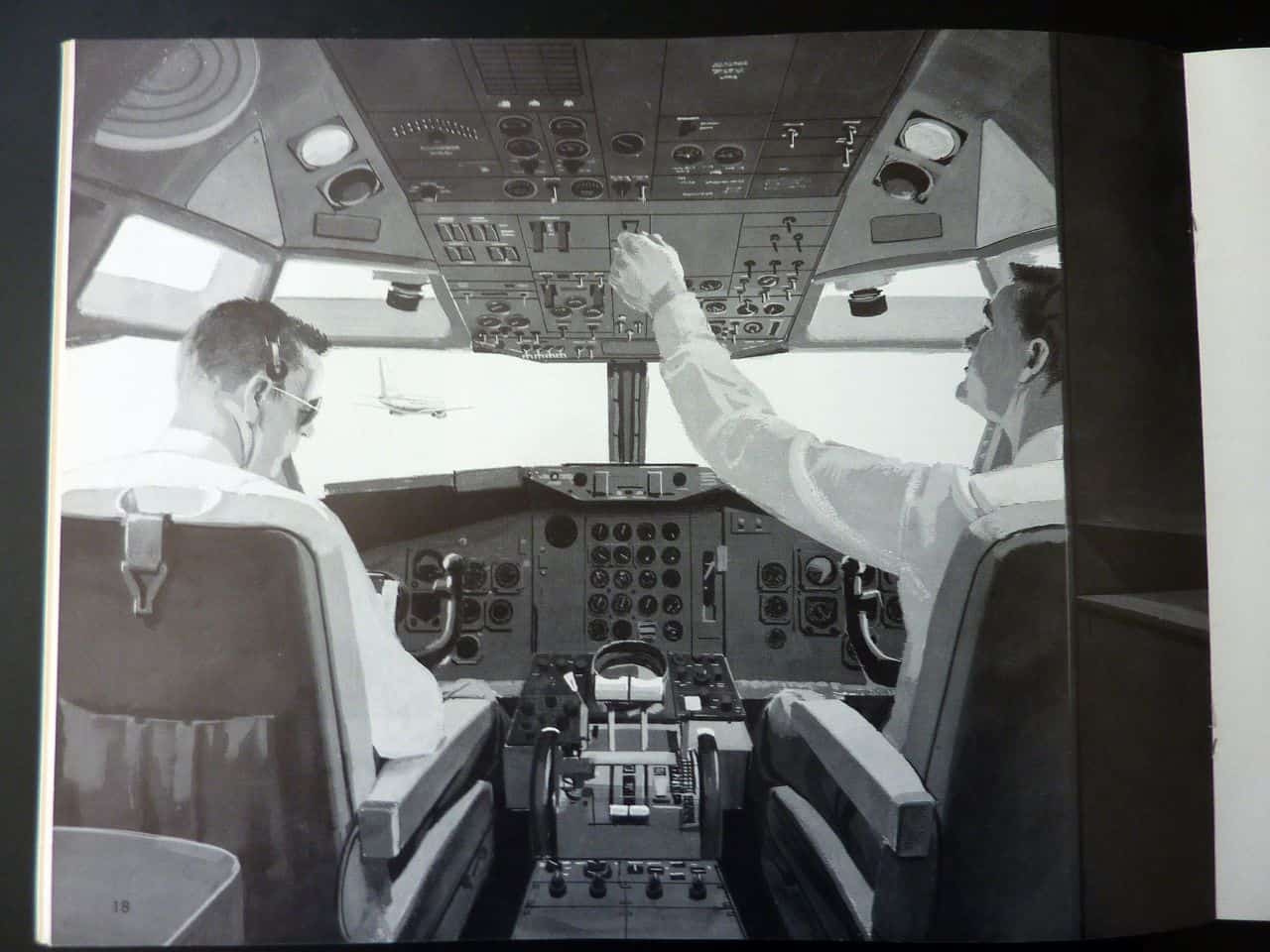
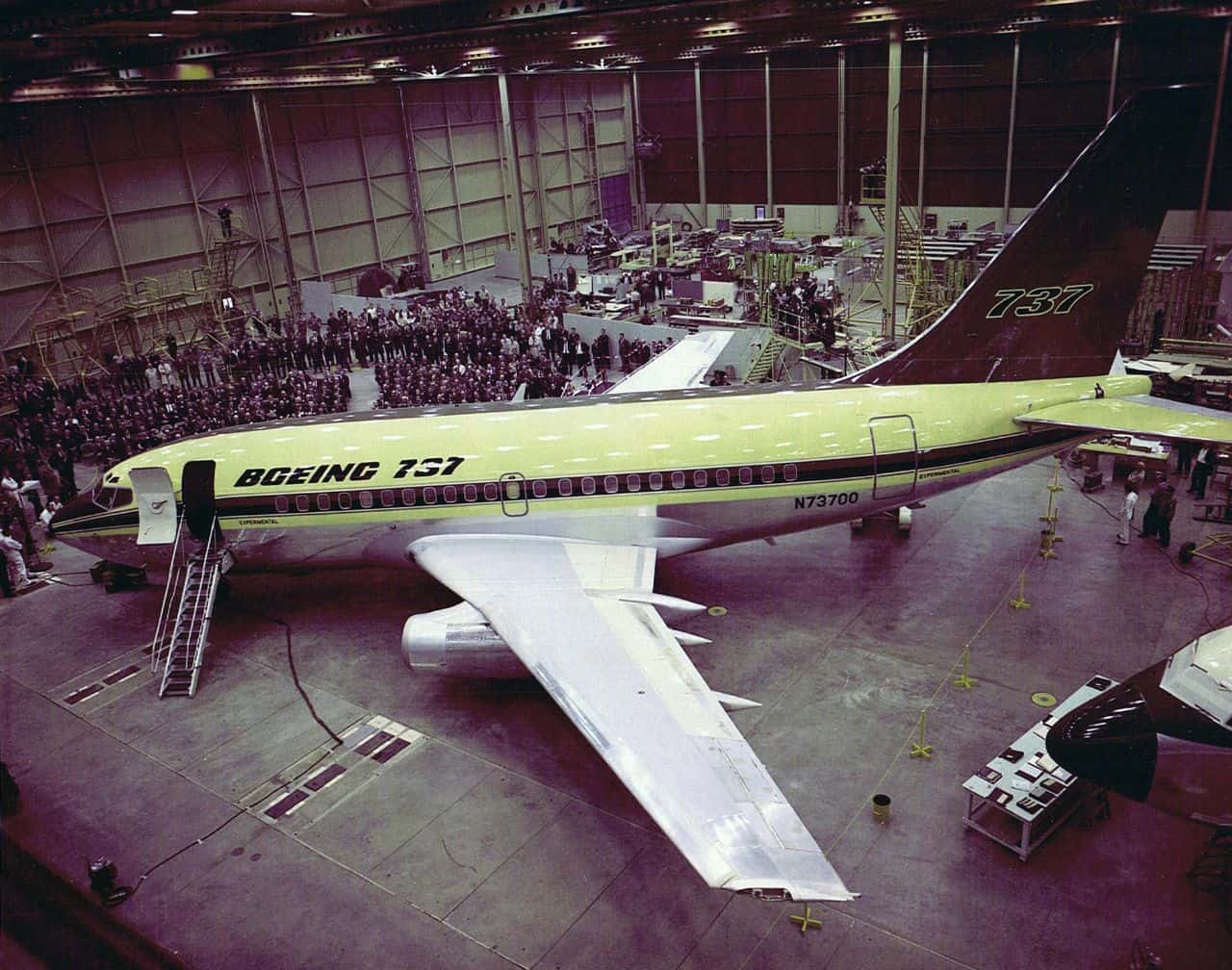

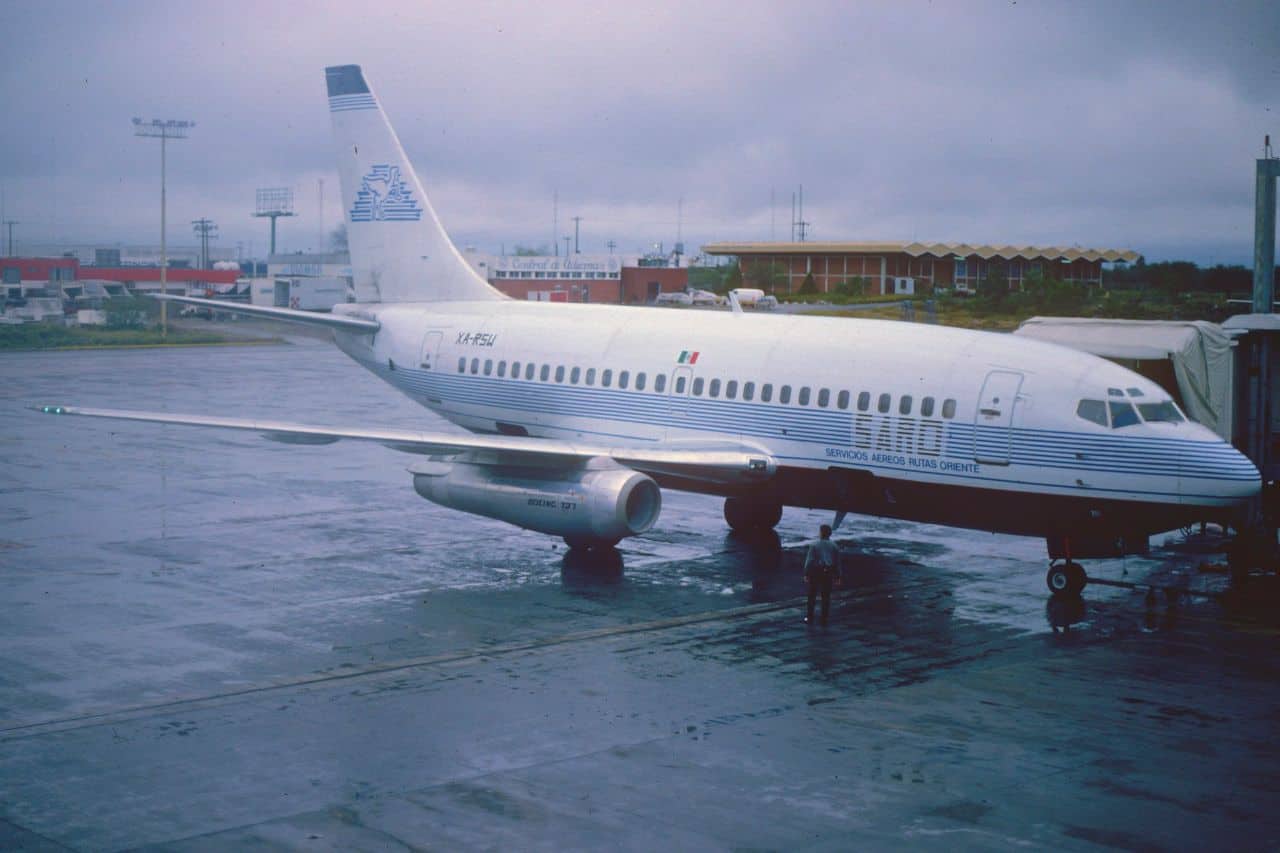
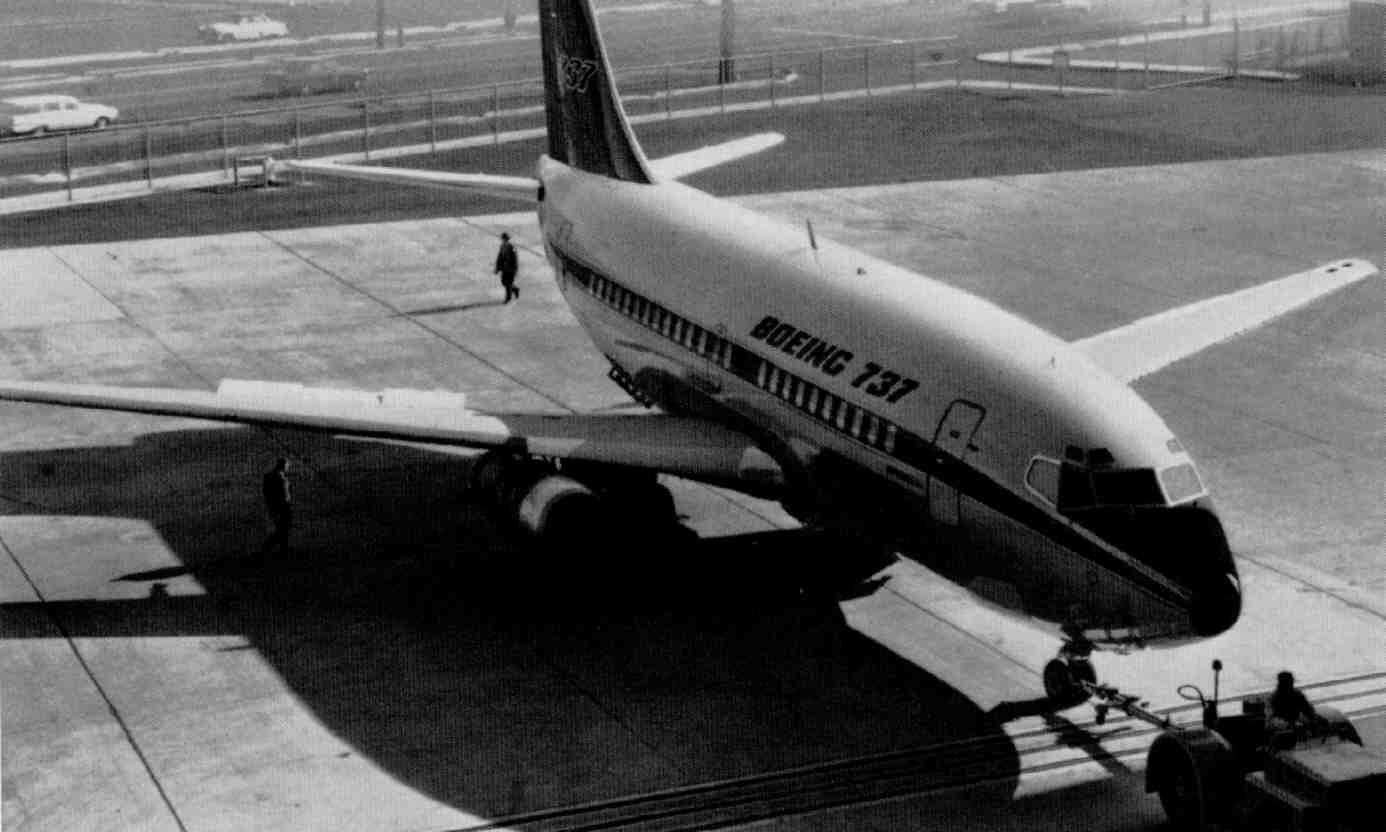
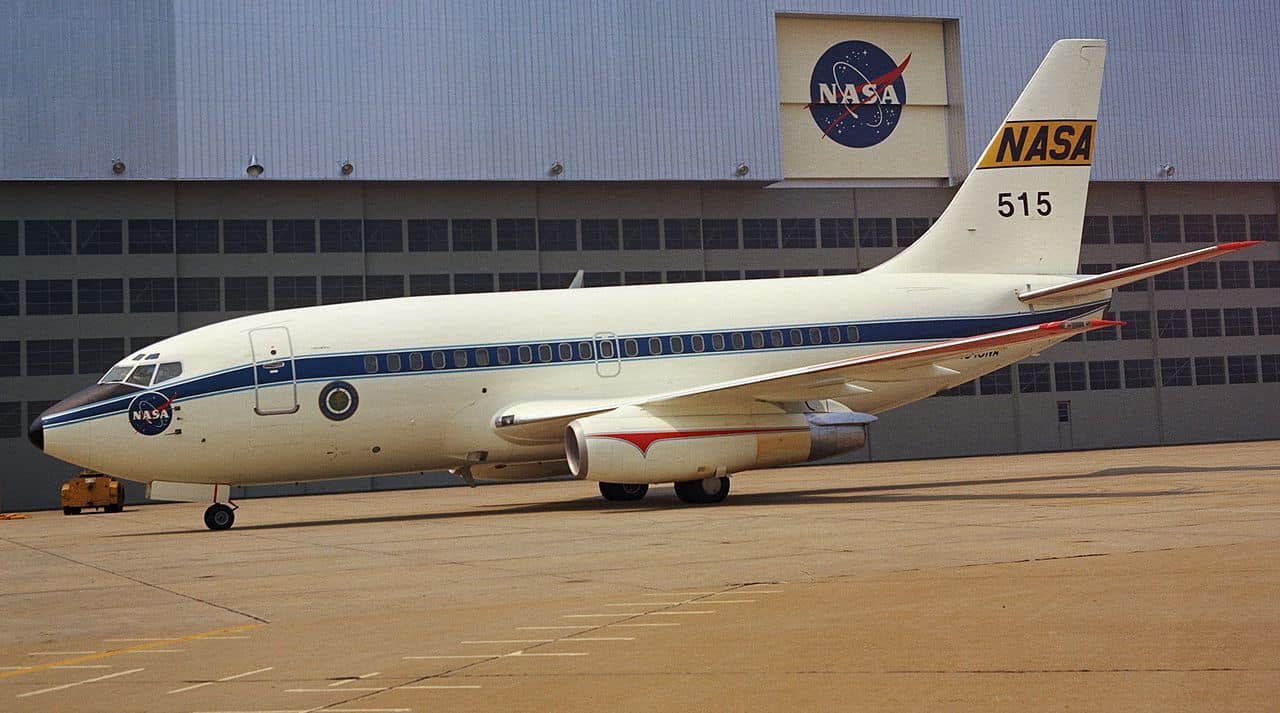
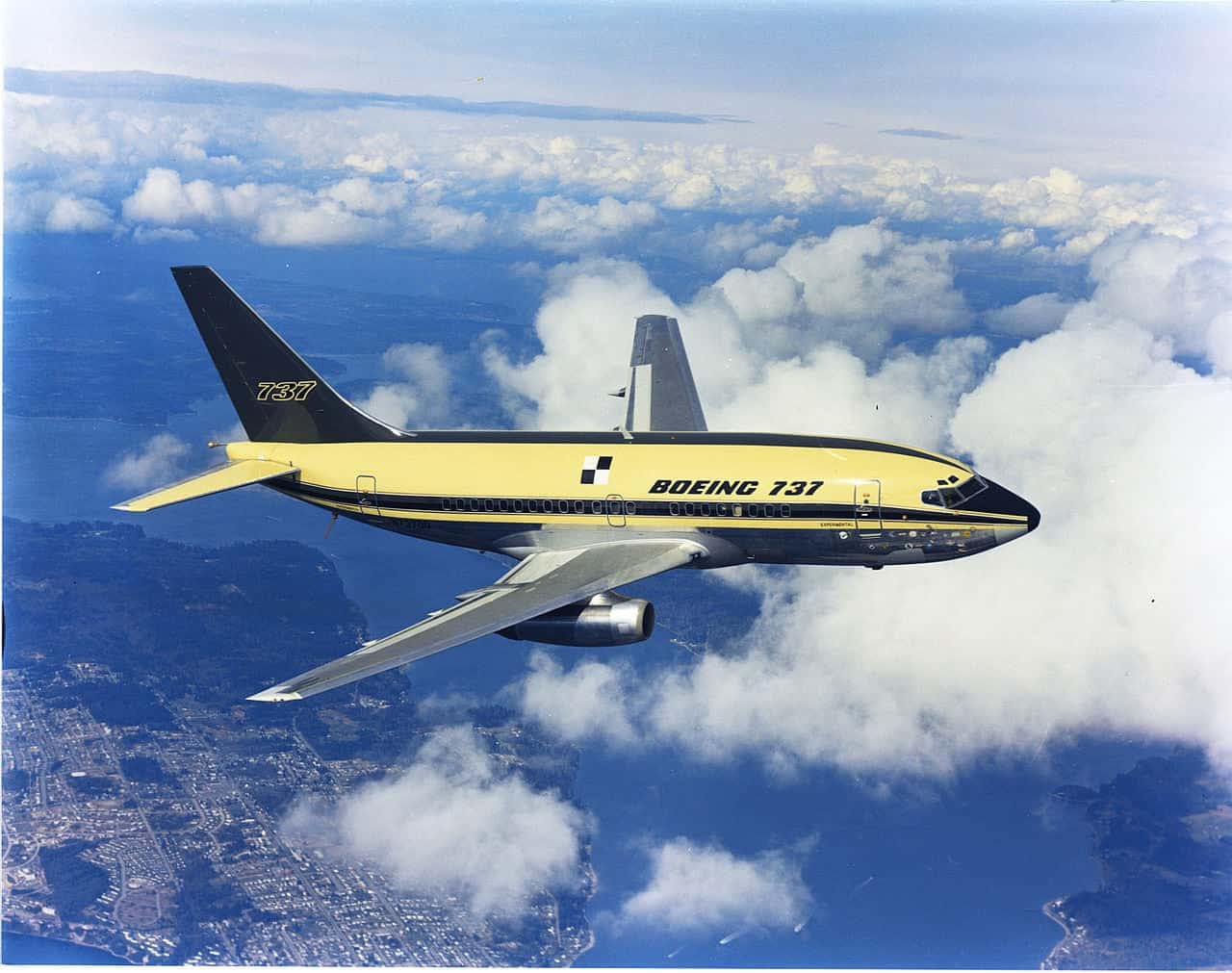
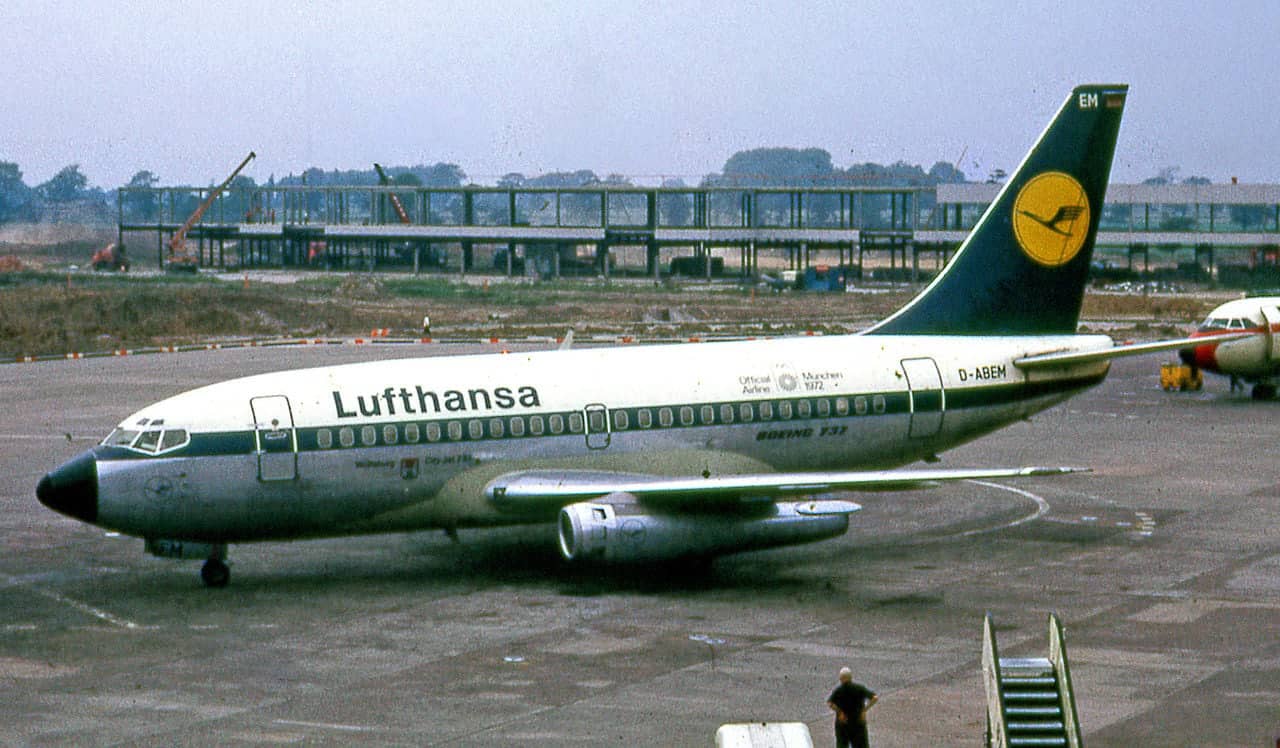
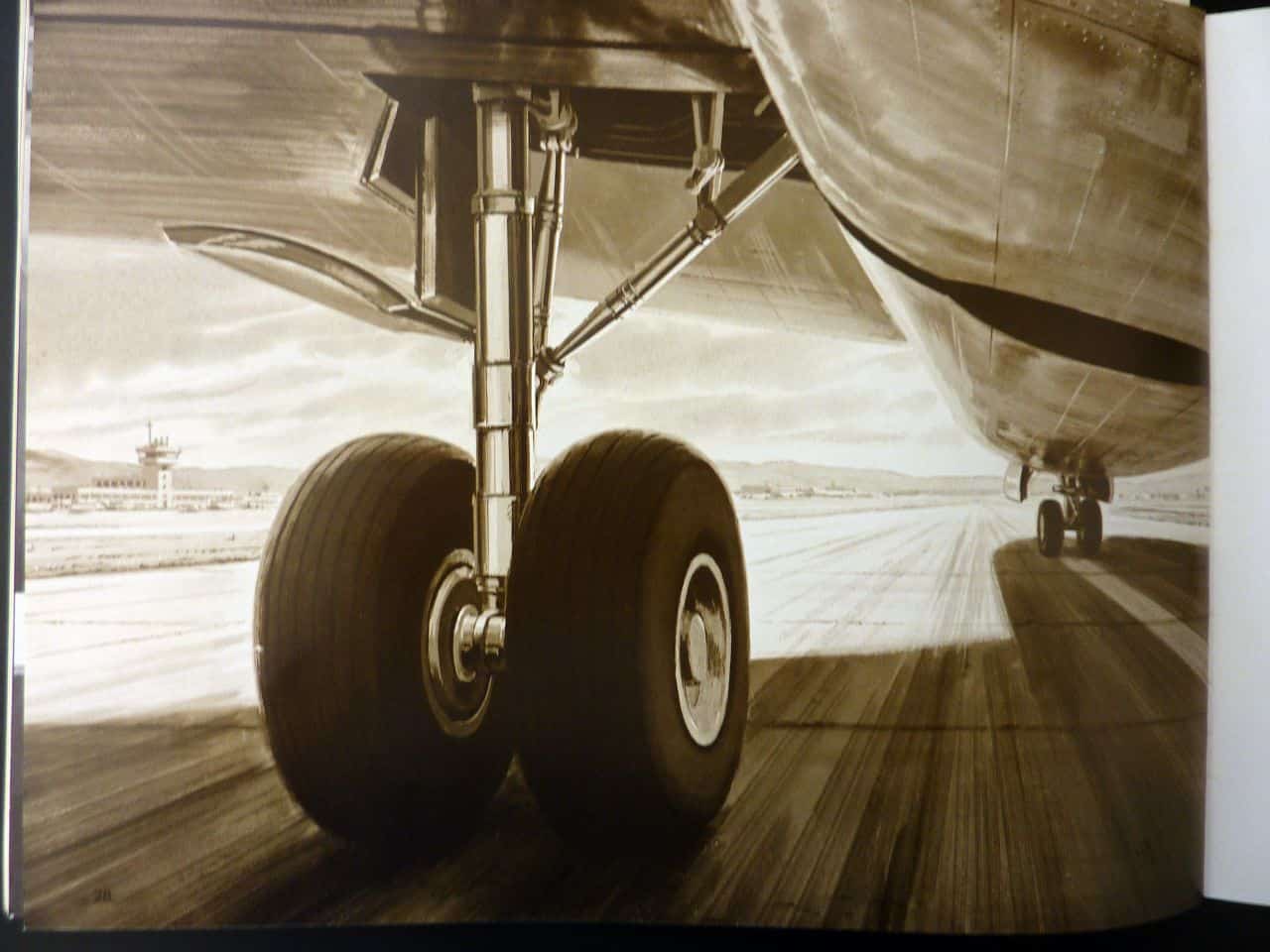
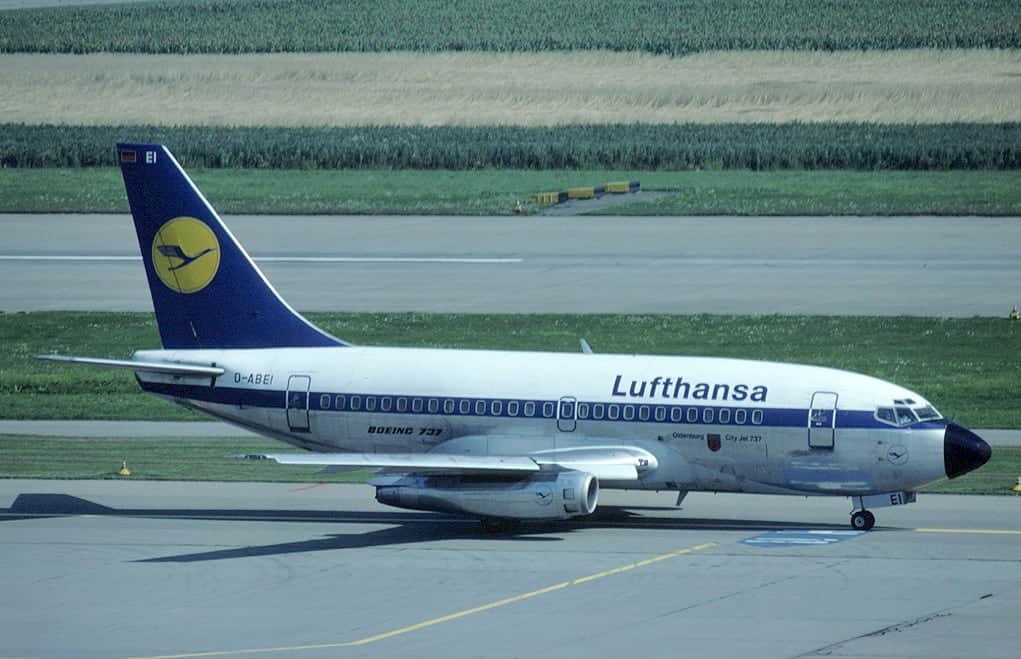

The 737-100 first flew in 1967 and entered service in 1968. It featured a short fuselage and twin underwing-mounted engines. The aircraft was optimized for operations from smaller airports with limited infrastructure.
Powered by two Pratt & Whitney JT8D turbofan engines producing approximately 14,000 pounds of thrust (62 kN) each, the 737-100 cruised at around 450 knots (835 km/h). Maximum takeoff weight was roughly 110,000 pounds (49,900 kg). Seating typically ranged from 85 to 100 passengers.
Production numbers were limited compared with later variants. The design nevertheless established the 737 platform’s basic configuration. It marked the beginning of a long-running aircraft lineage.
Sources and references used for research and fact-checking.