Mid Size Passenger Jets
The T-tailed trijet that brought jet service to short runways.
Updated: by Tim de Vries

The latest aviation news and stories sent to your inbox.
The Boeing 727 is the three-engine, T-tailed jet airliner Boeing built from 1962 to 1984 to serve airports too short for the 707. It first flew on February 9, 1963 and Boeing delivered 1,831 of the 1,832 built. This page covers the 727-100 and the longer 727-200, which the specification panel describes.
Live Fleet Activity (B727)
Fetching live data…
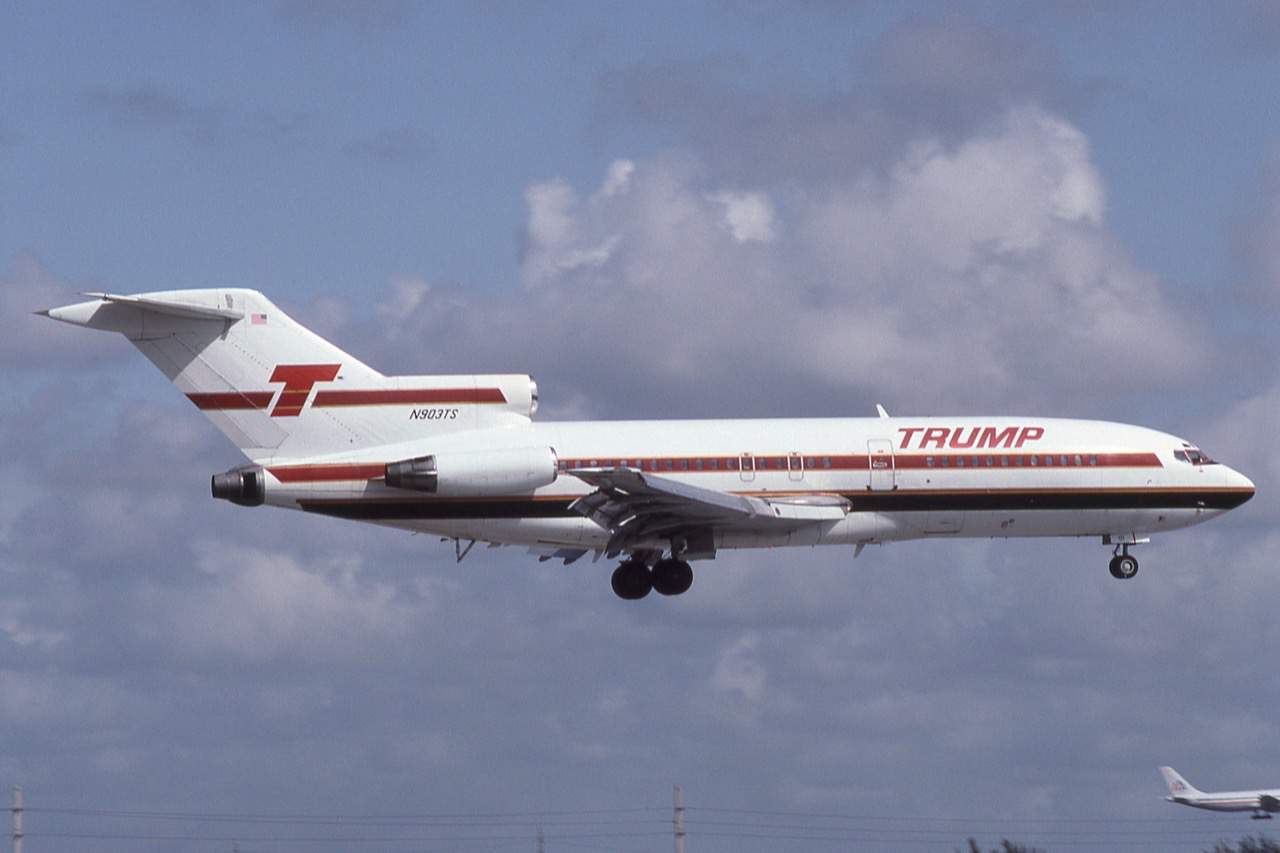
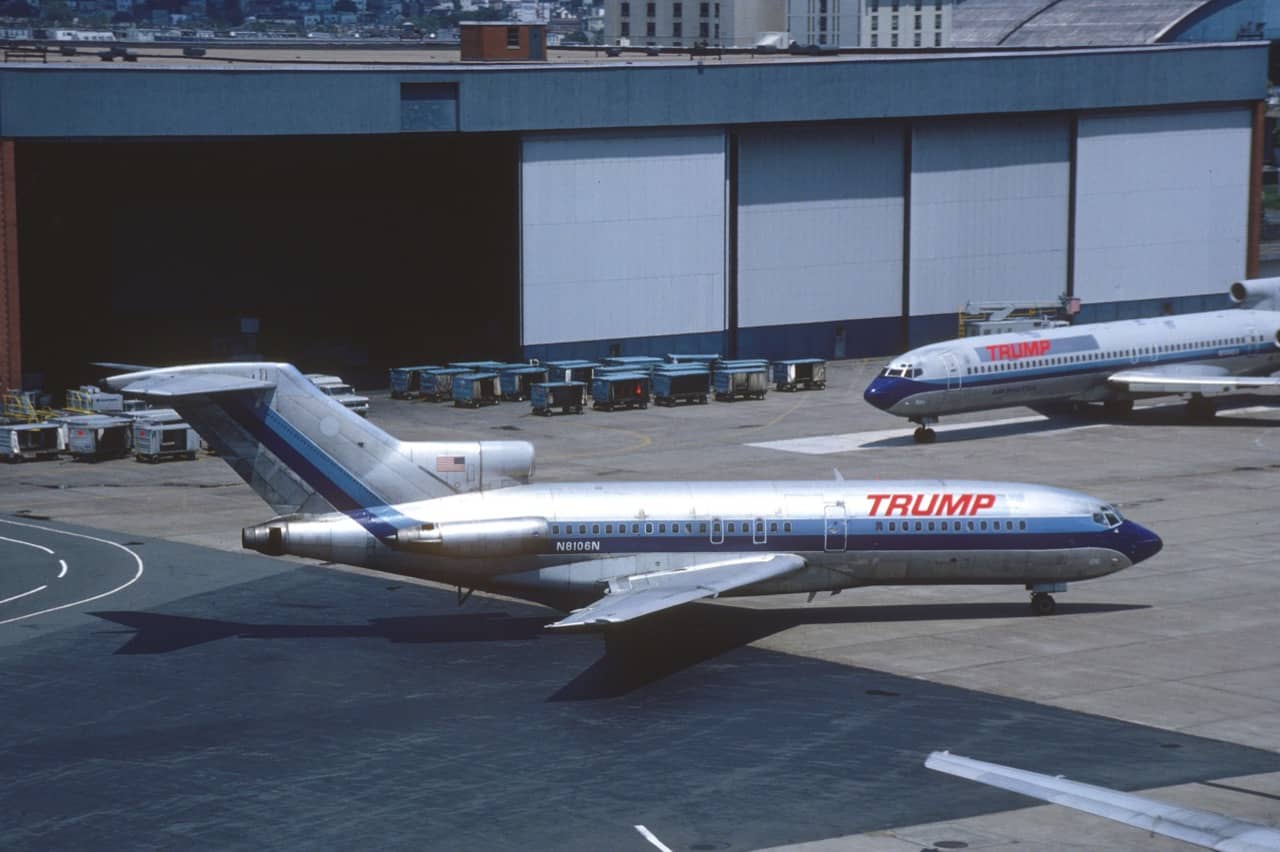

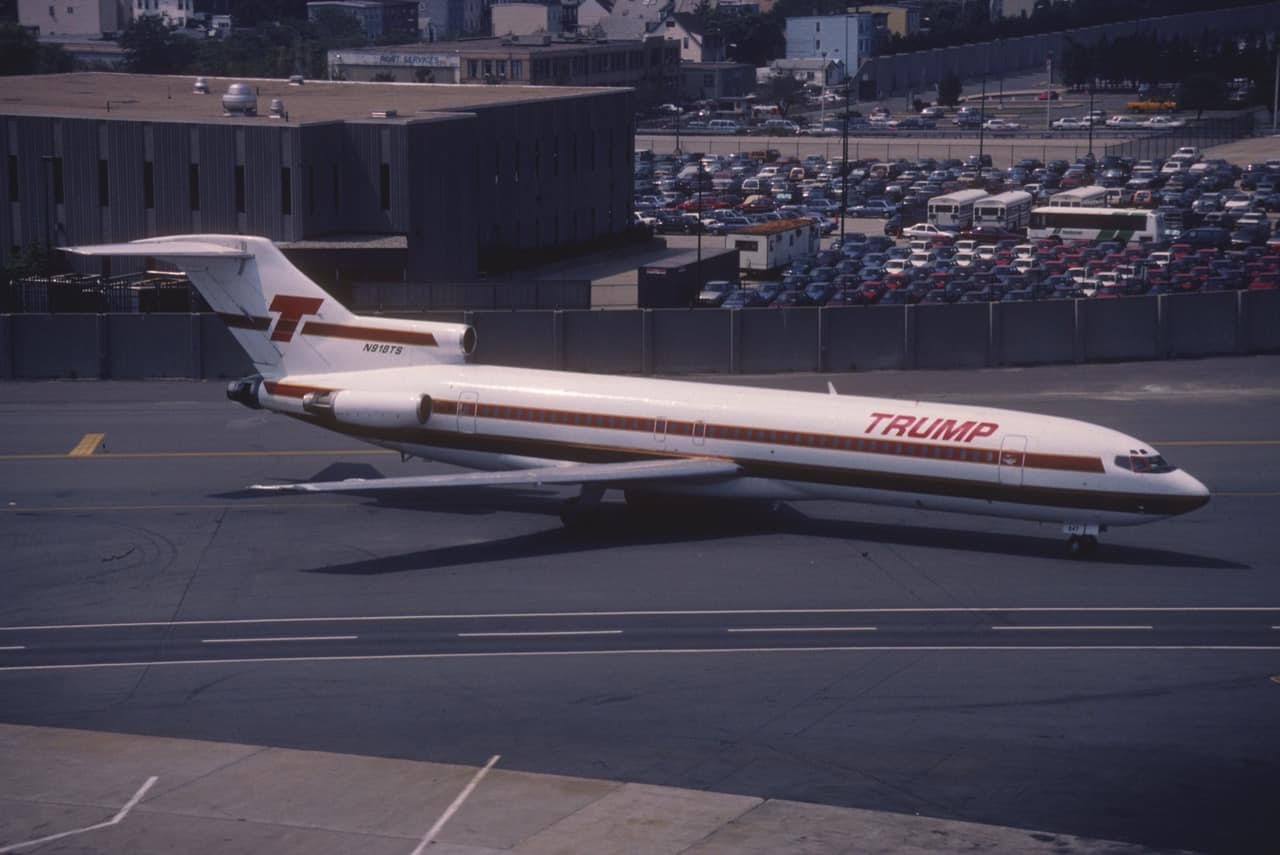

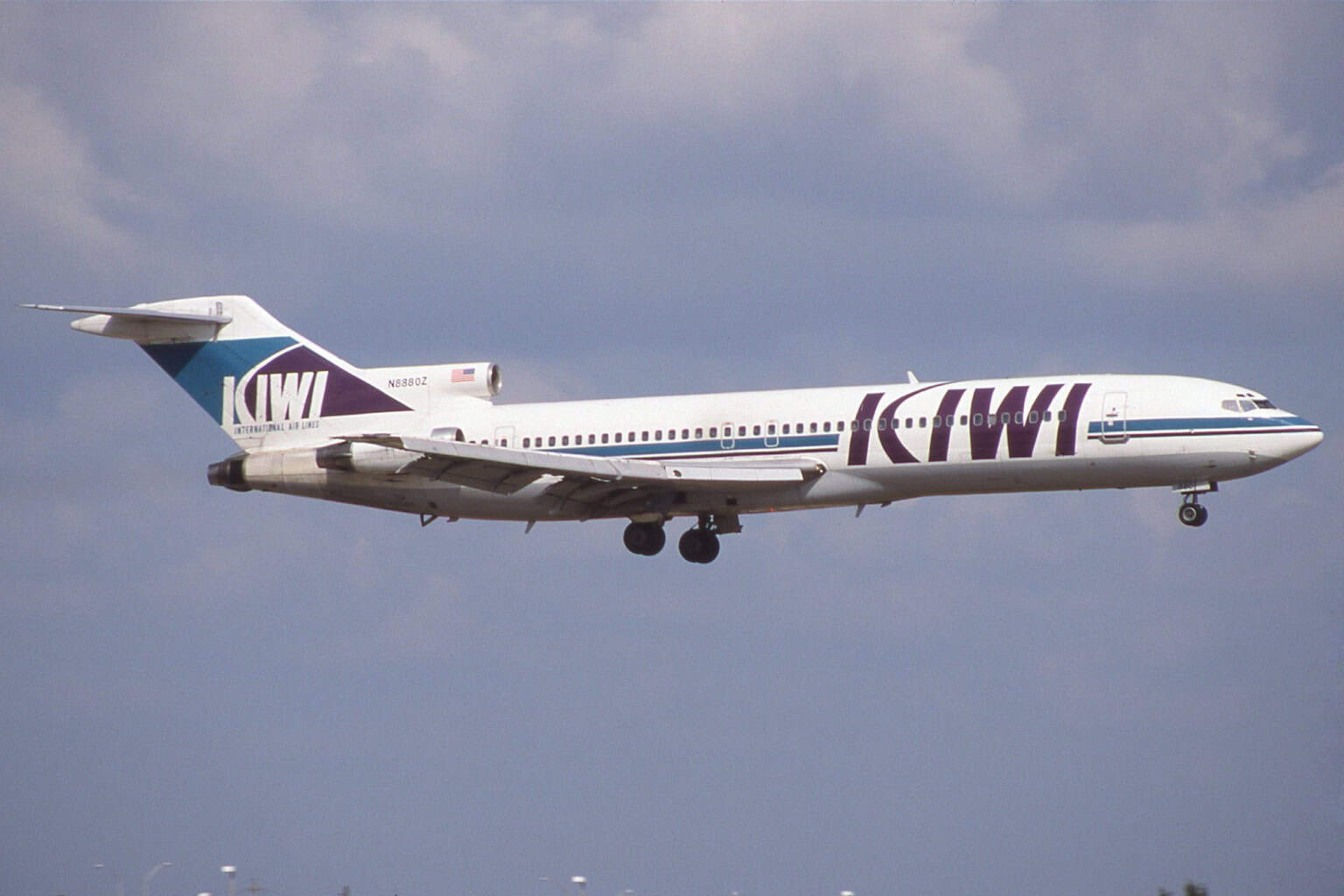


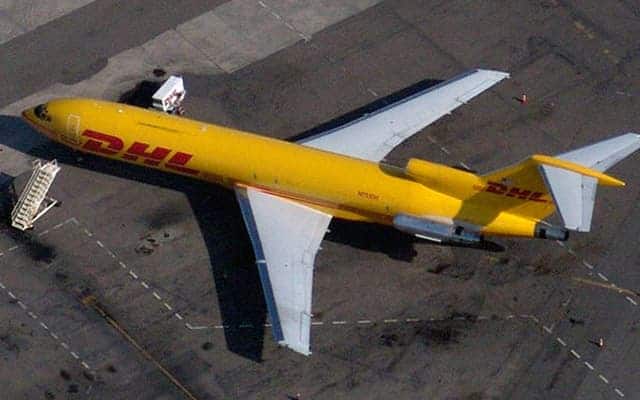
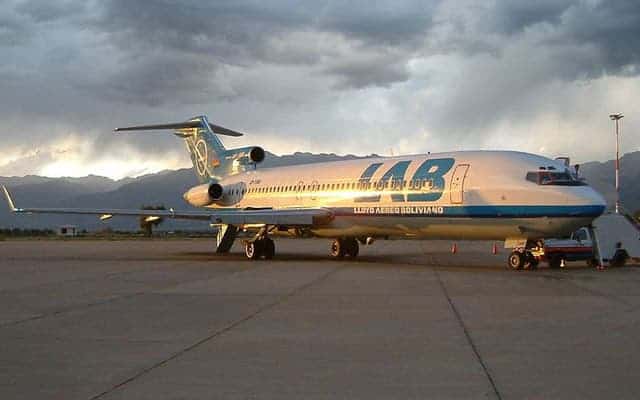
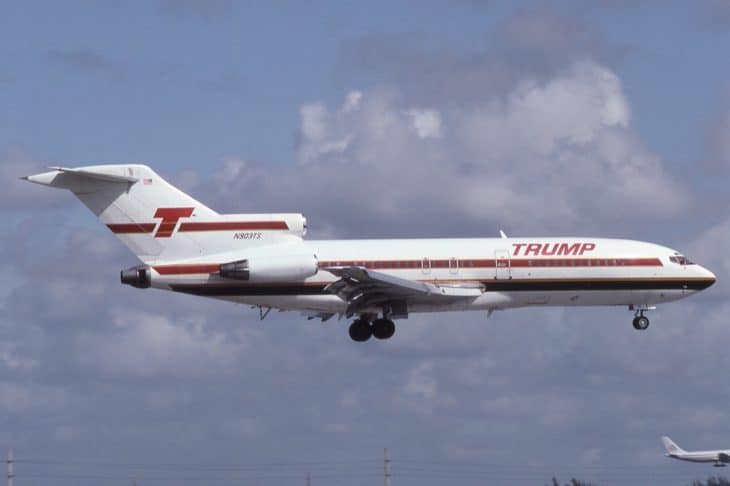
The Boeing 727 is a three-engine, T-tailed jet airliner built from 1962 to 1984. Boeing launched it on December 5, 1960 with 40 orders each from United Airlines and Eastern Air Lines.
It first flew on February 9, 1963 and Eastern flew the first passenger service on February 1, 1964. Boeing built 1,832, of which 1,831 were delivered.
The full specification table for the aircraft is on this page. The sections below explain what the 727 was built to do and why it disappeared.
The 727 was a compromise between three airlines. United wanted four engines for high airports such as Denver, American wanted two for efficiency, and Eastern wanted three for overwater routes in the Caribbean.
Eastern’s preference settled it, and Pratt & Whitney JT8D turbofans became the only engine. The center engine breathes through an S-shaped duct under the T-tail.
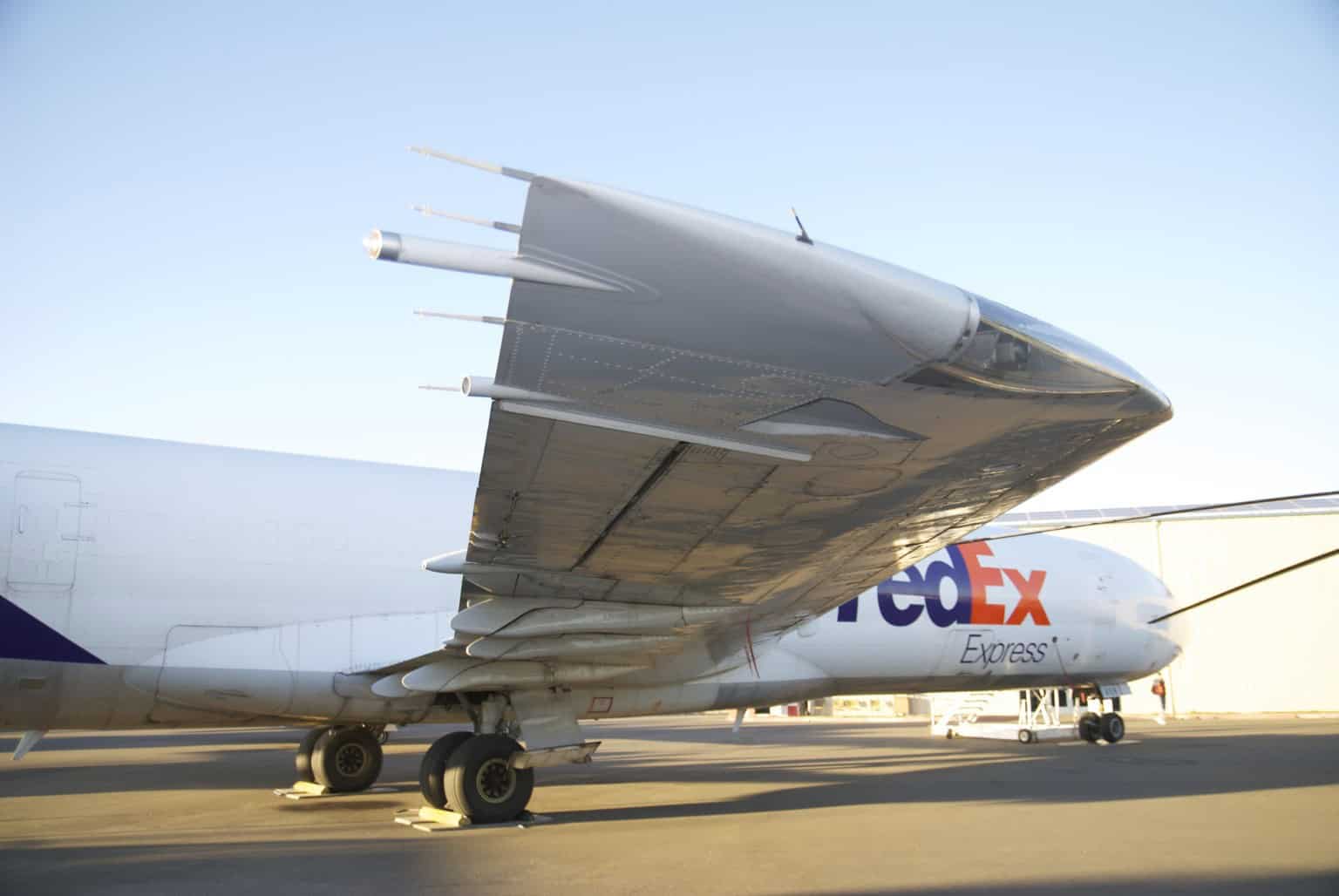
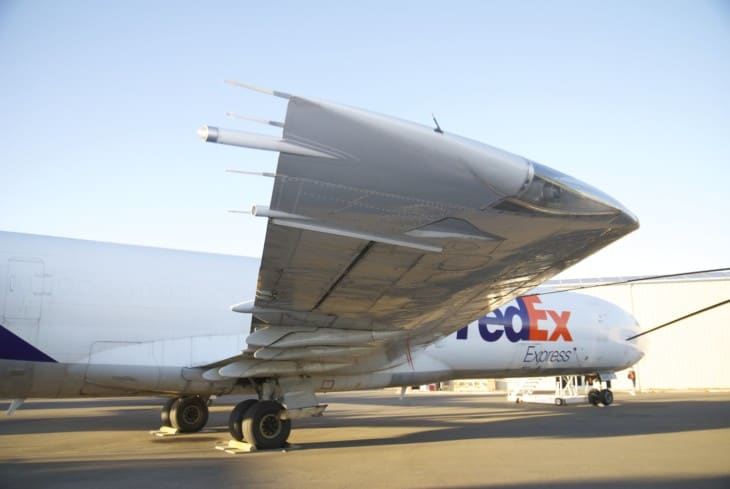
The goal was a jet that could use the shorter runways of smaller cities. Leading-edge Krueger flaps and slats plus triple-slotted flaps gave the wing enough lift to do it.
The 727-100 flew first and received FAA approval on December 24, 1963. Boeing delivered 407 of them, plus 164 convertible -100C aircraft, and offered a Quick Change (QC) freight-and-passenger version.
The 727-200 added 20 ft (6.1 m) to the fuselage, taking the length from 133 ft 2 in to 153 ft 2 in (46.68 m). It first flew on July 27, 1967 and Northeast Airlines took the first delivery on December 14, 1967.
The 727-200 Advanced arrived in 1970 and became the best seller, with 935 passenger examples. The last 727 Boeing completed was a 727-200F Advanced freighter, one of 15 built for Federal Express.
Six C-22 military transports were also built. Valsan Partners certified a Super 27 re-engine program in December 1988.
The 727 was the bigger airplane. A 727-200 stretches to 153 ft 2 in (46.68 m), while the 737-200 of the same era measures 100 ft 2 in.
The 727 also carried a third crew member, a flight engineer, where the 737 flew with two pilots. The two types share the six-abreast fuselage cross-section they inherited from the 707.
For where the 737 family went next, see our Boeing 737 MAX article.

The JT8D is a low-bypass turbofan, an early design that pushes out more noise than modern engines. Three of them sat at the tail, which made takeoffs loud for anyone near a runway.
Since December 31, 1999, Stage 2 jets like the 727 have needed hush kits to fly in U.S. airspace. FedEx’s kit sold to more than 60 customers, and American ordered 52 Raisbeck packages.
Some Australian airports banned 727s for noise from September 1, 2010.
The 727 had a built-in airstair in the rear fuselage.
On November 24, 1971 a man calling himself Dan Cooper hijacked Northwest Orient Flight 305 from Portland to Seattle, took a $200,000 ransom and jumped using that stair. Boeing later added the Cooper vane so the stair could not be lowered in flight.
The FBI suspended its active investigation on July 8, 2016. Our article on D. B. Cooper and the Cooper vane tells the story in full.

Production ended in September 1984. Airlines were moving to two-engine jets that needed two pilots instead of three, and the 727 burned more fuel and cost more to maintain.
Noise rules, lower traffic after 9/11 and flight engineer salaries pushed the retirements further. Delta flew its last scheduled 727 in April 2003 and FedEx retired its last in 2007.
The last scheduled passenger flight was an Iran Aseman Airlines service from Zahedan to Tehran on January 13, 2019.
Yes, a few. As of January 2026, Wikipedia lists commercial operators including Safe Air Company in Kenya, IFL Group and USA Jet Airlines in the United States, Air Class in Uruguay and Solar Cargo in Venezuela.
Others fly special roles. 2Excel Aviation operates two for Oil Spill Response in the UK, RTX Corporation uses one as a testbed and Zero Gravity Corporation operates one.
Aerosucre, one of the last cargo operators, had a 727 damaged at Barranquilla on December 12, 2025. These fleets are small and change often.

As of March 2024 the 727 had been involved in 353 incidents, including 120 hull-loss accidents with 4,211 fatalities. The deadliest was Mexicana Flight 940 on March 31, 1986, which killed 167 people.
One 727 is also a mystery. A former American Airlines jet took off from Angola in 2003 with its lights and transponder off and was never found. See the missing 727 from Angola.
No. Several other three-engine airliners flew. Our list of the best trijets covers them.
Yes. As of January 2026 a handful of cargo, test and special-mission 727s still fly, including aircraft in Kenya, Uruguay, Venezuela and the United States. Scheduled passenger service ended on January 13, 2019.
Boeing ended production in September 1984 after 1,832 aircraft. Airlines preferred two-engine jets with two pilots, and the 727’s fuel burn, noise and three-person crew made it costlier to run.
Yes. A 727-200 is 153 ft 2 in (46.68 m) long, against 100 ft 2 in for the 737-200. The 727 also carried a flight engineer in addition to two pilots.
Its three Pratt & Whitney JT8D engines are early low-bypass turbofans, which are much noisier than modern designs. Hush kits became mandatory for U.S. flights from December 31, 1999.
The first 727-100 flew on February 9, 1963. The longer 727-200 first flew on July 27, 1967.
Boeing built 1,832 and delivered 1,831. The count includes one Boeing-owned test aircraft.
Sources and references used for research and fact-checking.