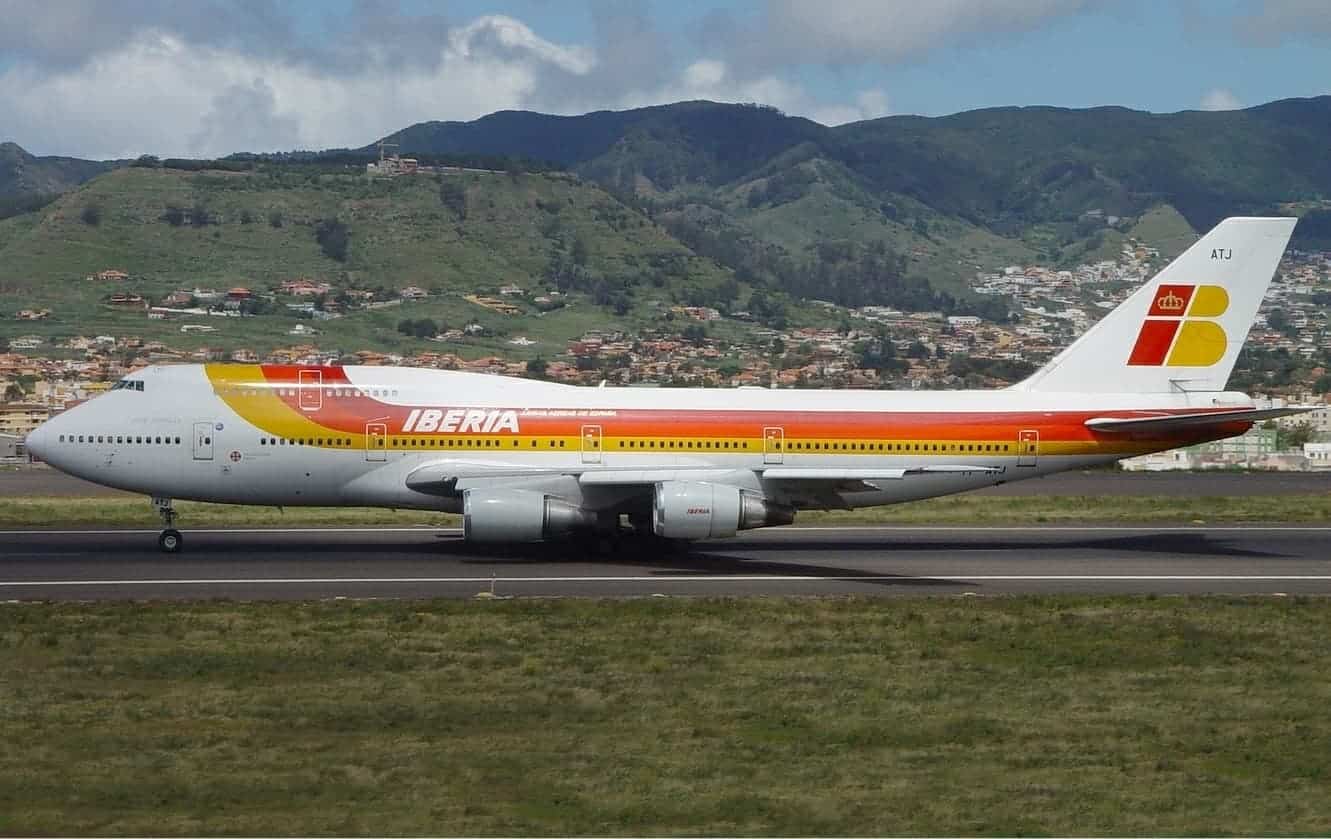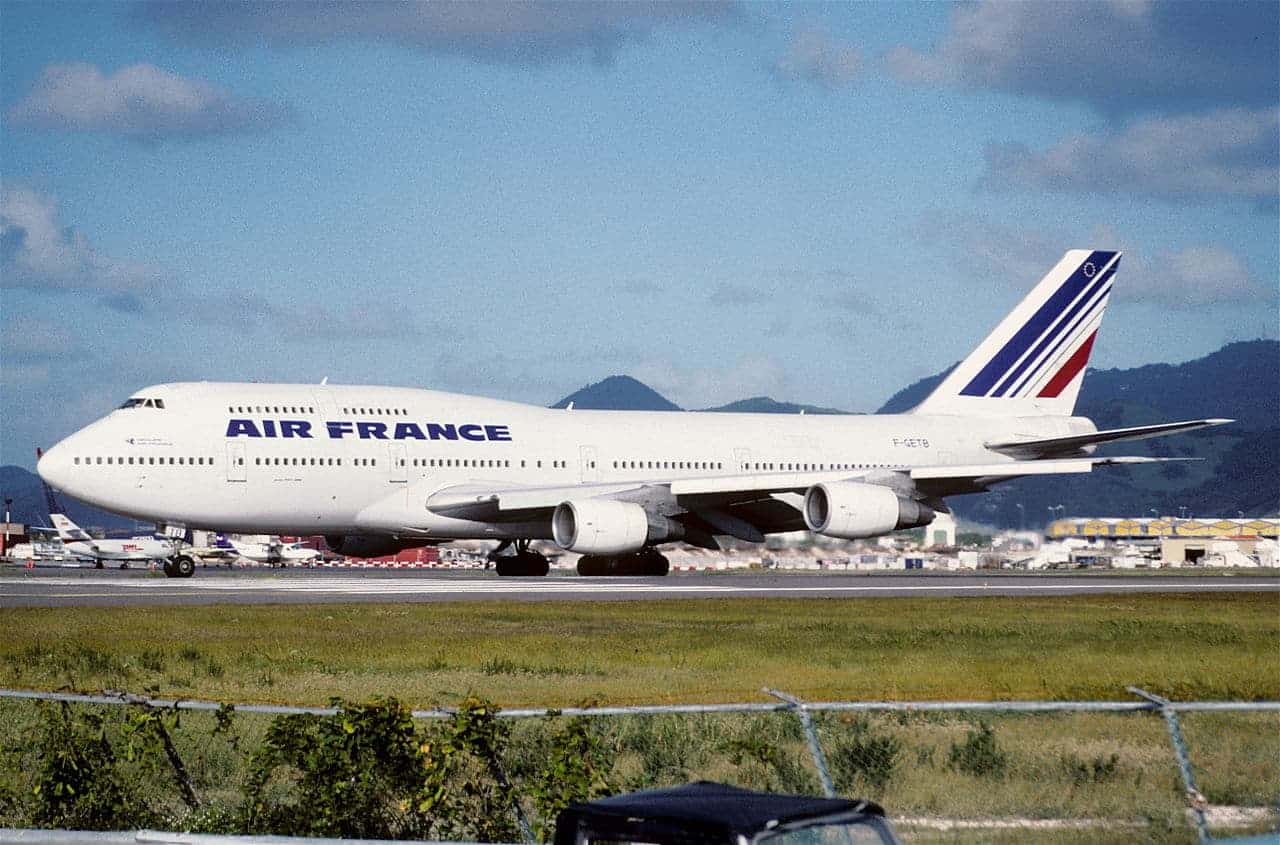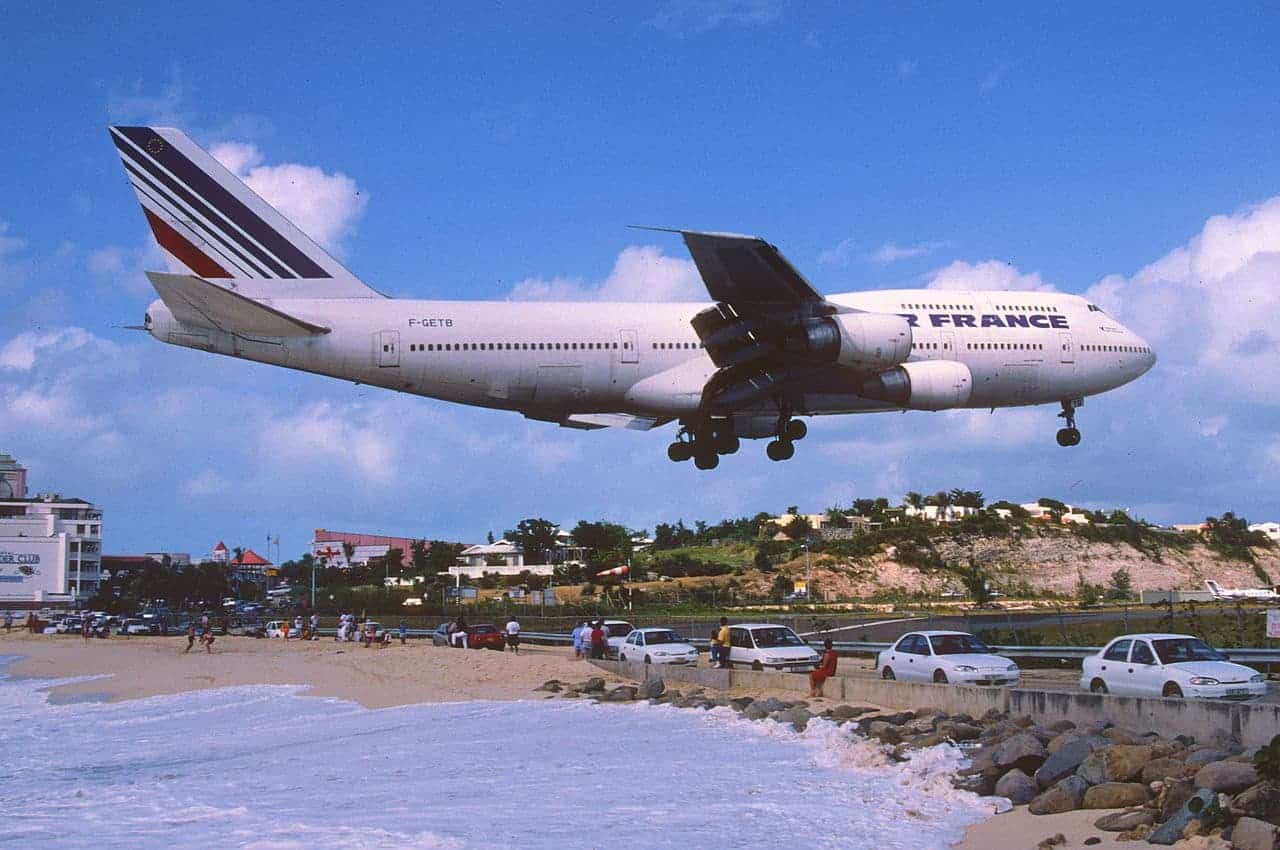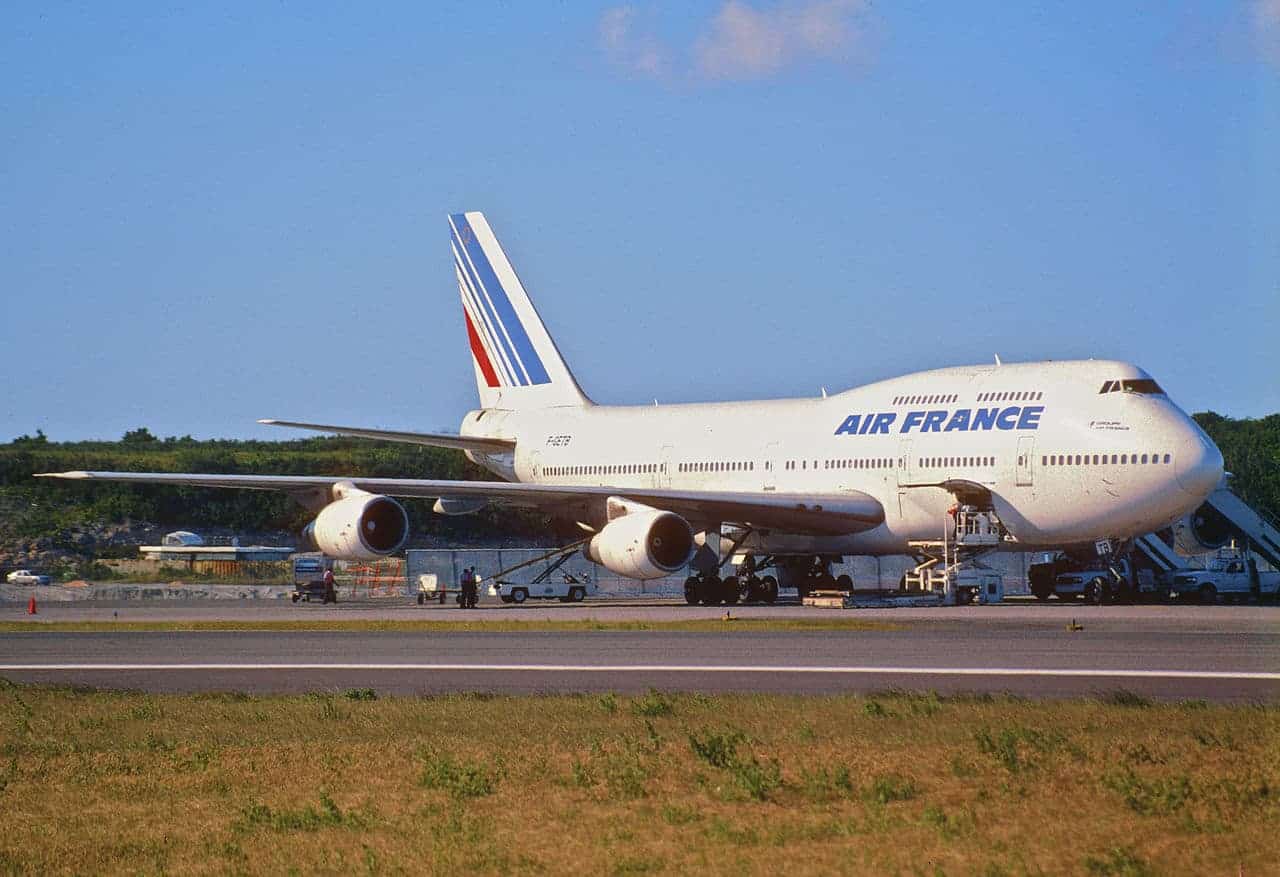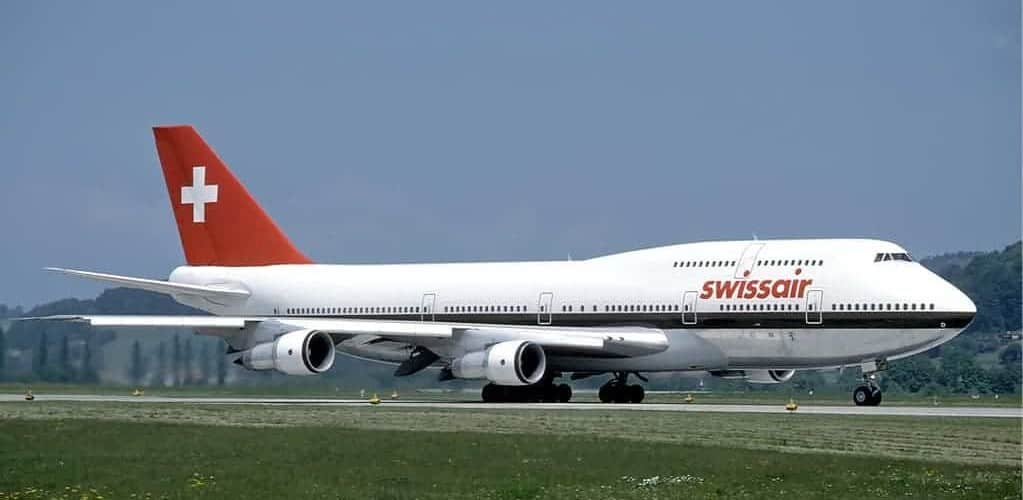
Boeing 747-300

The stretched upper-deck jumbo built to increase long-haul capacity.
Overview

Boeing United States ICAO: B743 1983–1990 Active $83 million (1982)

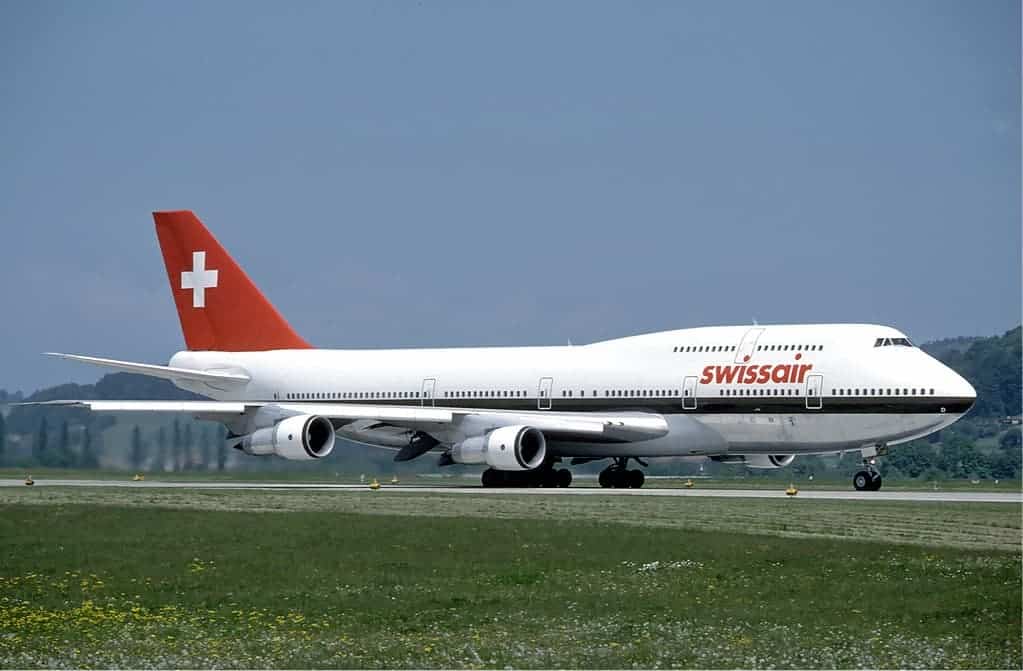
The Boeing 747-300 was introduced in the early 1980s as an enhanced version of earlier 747 models. It featured a stretched upper deck and improved systems. The aircraft entered service in 1983.

Live Fleet Activity (B743)

📡

Fetching live data…

Specifications

Units
Engine
4 × Pratt & Whitney JT9D-7 / Rolls-Royce RB211-524 / GE CF6
Engine type
Turbofan
Thrust
4 × 56,900 lbf · 253 kN
Avionics
Honeywell Avionics
Wing tips
No winglets
Seats
496
Crew
Cabin width
19 ft 11 in  ·  6.08 m
Cabin height
8 ft 4 in  ·  2.54 m
Cabin length
187 ft 0 in  ·  57.00 m
Exterior length
231 ft 10 in  ·  70.66 m
Tail height
63 ft 4 in  ·  19.30 m
Fuselage diameter
21 ft 4 in  ·  6.49 m
Wing span
195 ft 8 in  ·  59.64 m
Baggage volume
6,180 ft³  ·  175.0 m³
Gross weight
Empty weight
Max takeoff weight
753,000 lb  ·  341,500 kg
Max landing weight
564,000 lb  ·  256,000 kg
Max payload
146,000 lb  ·  66,500 kg
Fuel capacity
48,450 gal · 183,400 L · 146,700 kg (Jet A)
Max cruise speed
507 kt  ·  583 mph  ·  939 km/h
Maximum speed
Cruise speed
Approach speed
142 kt  ·  163 mph  ·  263 km/h
Range
6,330 nm  ·  7,280 mi  ·  11,720 km
Fuel burn
Ceiling
45,100 ft  ·  13,700 m
Rate of climb
2,000 ft/min  ·  10 m/s
Takeoff distance
10,800 ft  ·  3,300 m
Landing distance
6,900 ft  ·  2,110 m
(/) tap to zoom
(/)
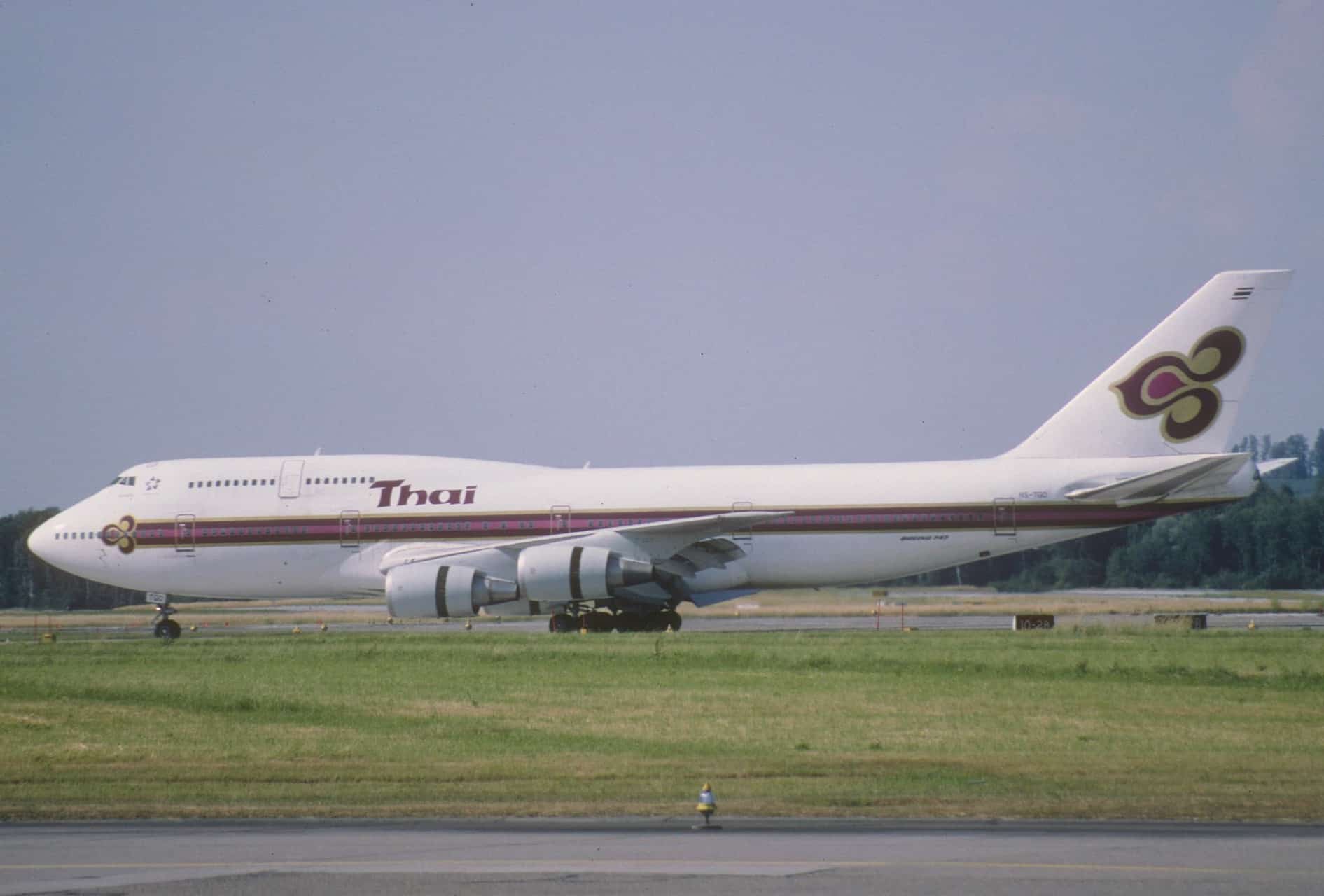
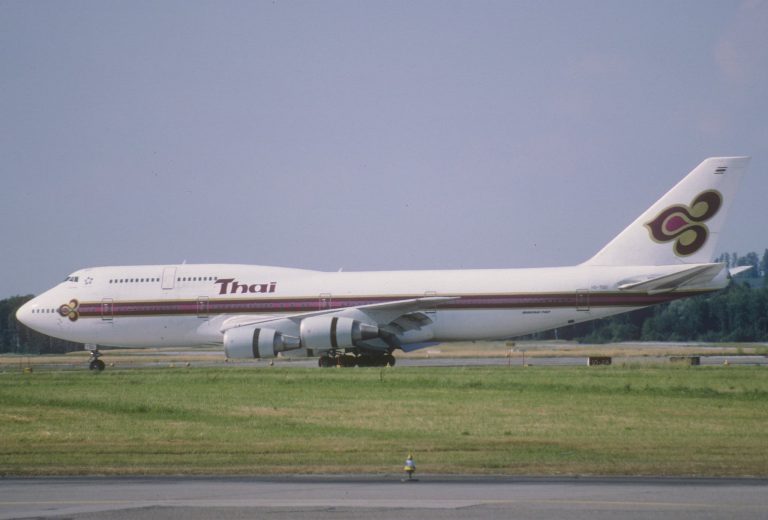
Thai Airways International Boeing 747 300

Live fleet activity details

📡
Fetching live data…
Flight Airline Reg Alt Speed Heading V/S

Operational Context

Boeing 747-300 — extended-deck widebody quadjet

The 747-300 first flew in 1982 and entered service in 1983. It incorporated a longer upper deck compared with the 747-200, increasing passenger capacity. The aircraft retained the four-engine layout and widebody cabin.

Powered by four high-bypass turbofan engines producing approximately 50,000 pounds of thrust (222 kN) each depending on engine type, the 747-300 cruised at around 490 knots (905 km/h). Maximum takeoff weight exceeded 830,000 pounds (376,480 kg). Passenger capacity typically exceeded 400 in high-density configurations.

The 747-300 served as a transitional variant before the more advanced 747-400. It offered incremental capacity improvements without major structural redesign. Production numbers were moderate compared with later models.