Jumbo Passenger Jets
Boeing 777-9
ICAO: B779
The Boeing 747-400 was the best-selling 747, a glass-cockpit jumbo with winglets and a two-pilot crew that flew 694 deliveries from 1989 to 2009 and carried a generation of passengers on the longest routes in the world.
Updated: by Tim de Vries
The latest aviation news and stories sent to your inbox.
The Boeing 747-400 is the version of the Queen of the Skies that airlines bought most. It added winglets, a longer wing, new engines and a two-pilot glass cockpit to the stretched-upper-deck 747-300, and it opened routes such as London to Sydney non-stop. Passenger examples are now rare, but the freighters keep flying.
Live Fleet Activity (B744)
Fetching live data…
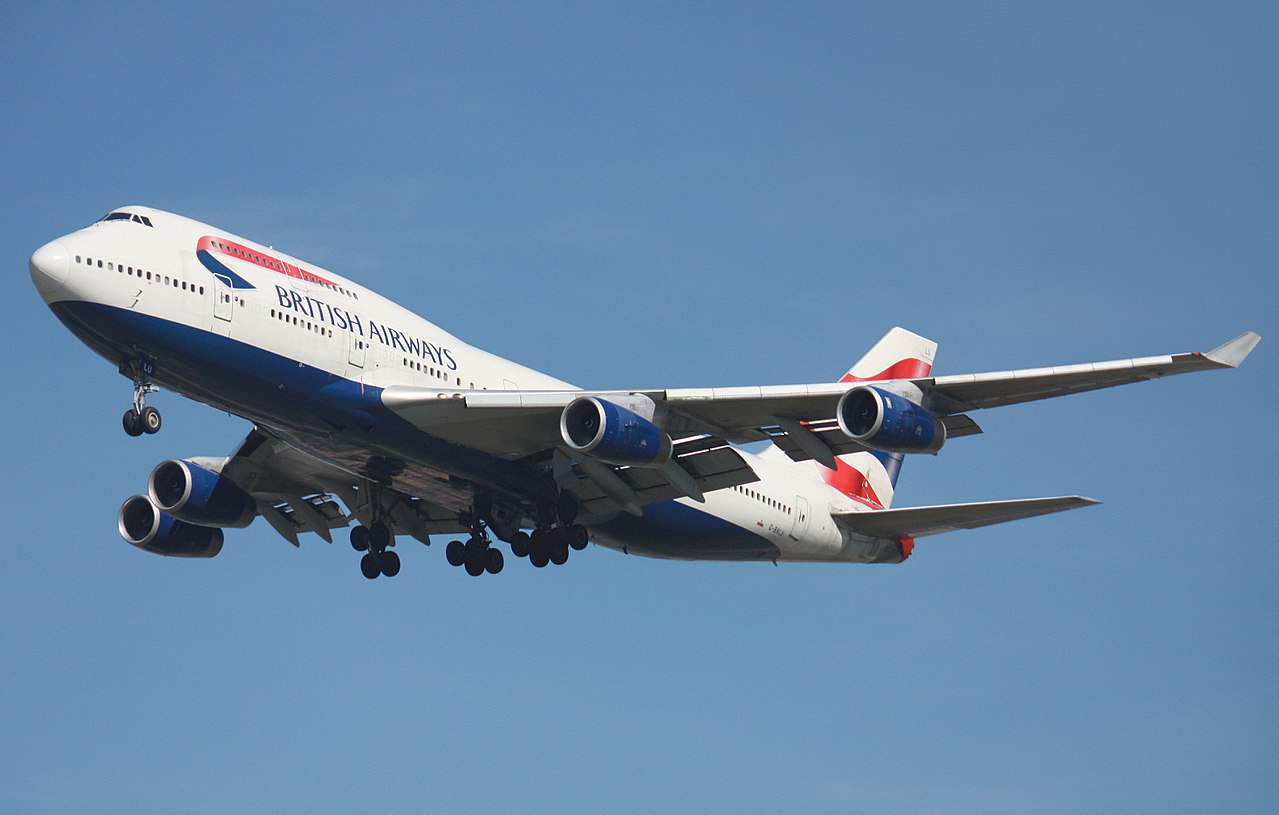
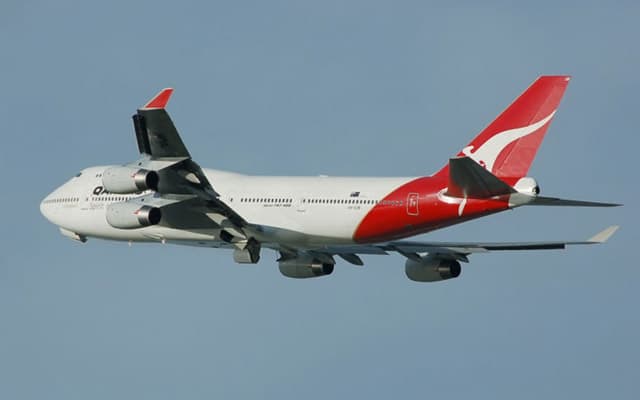

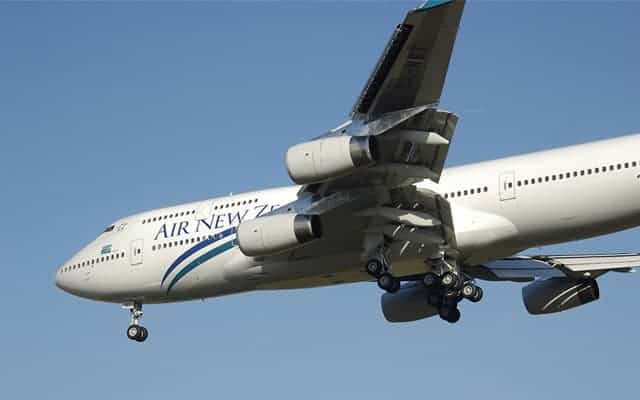


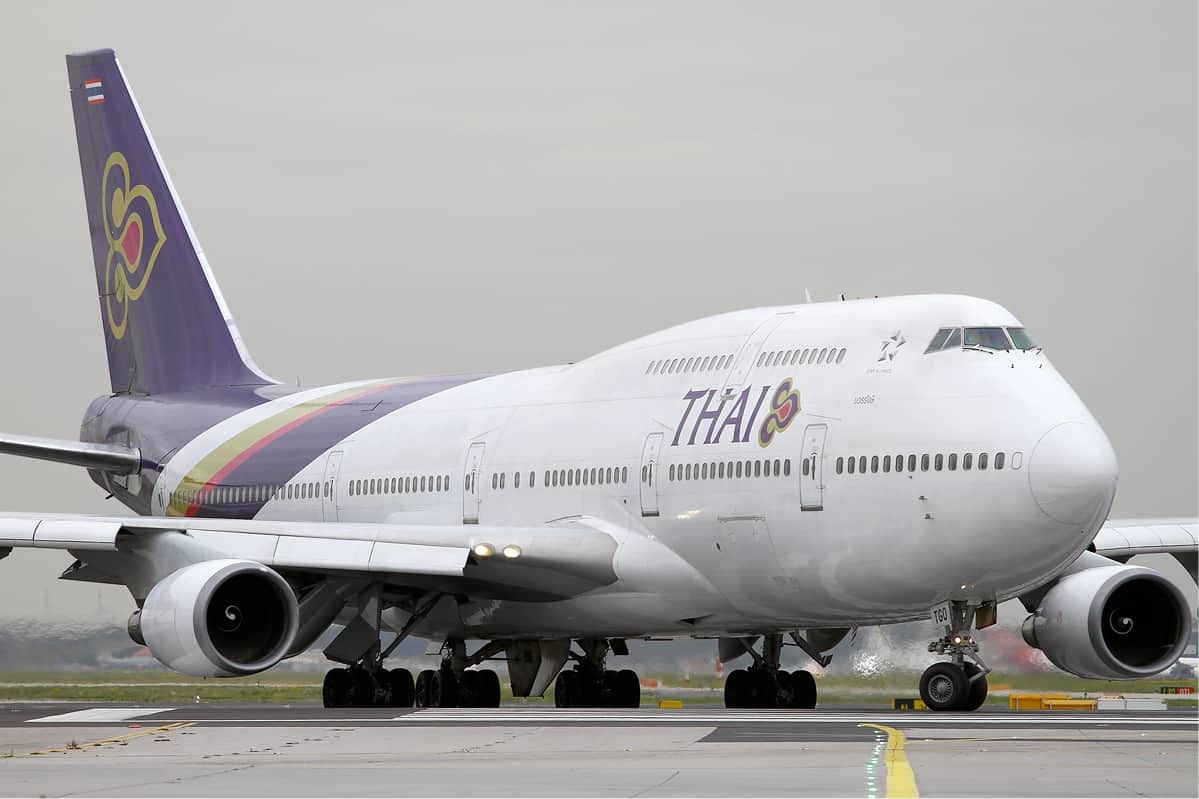
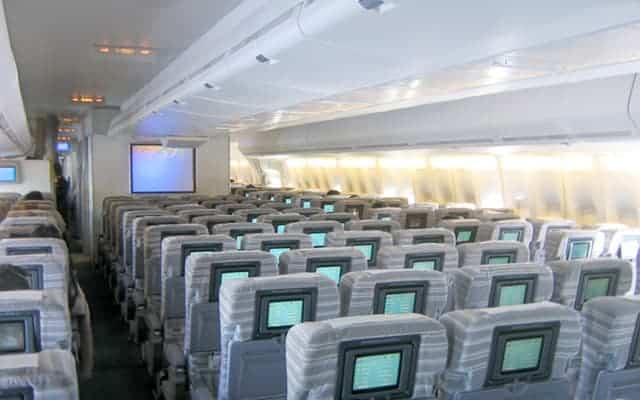
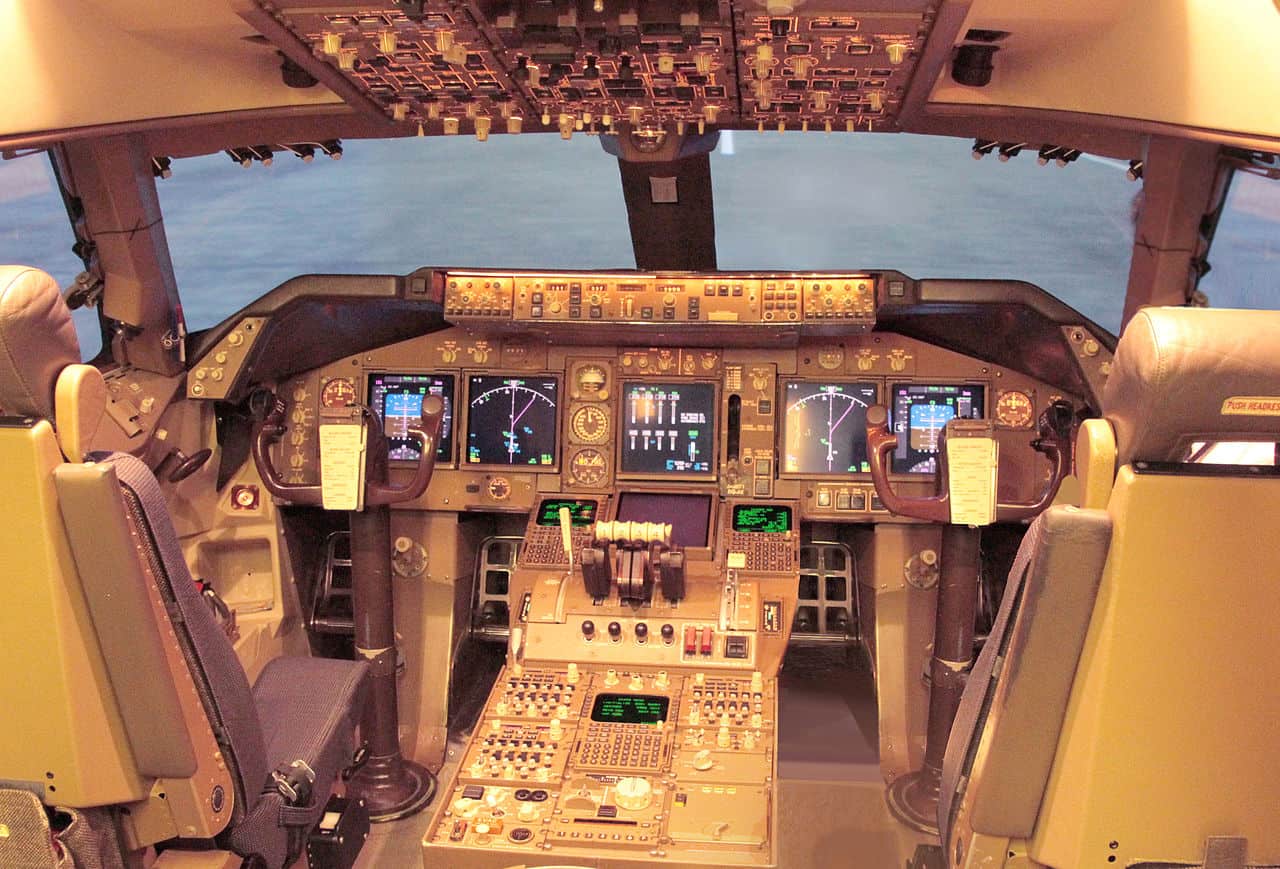
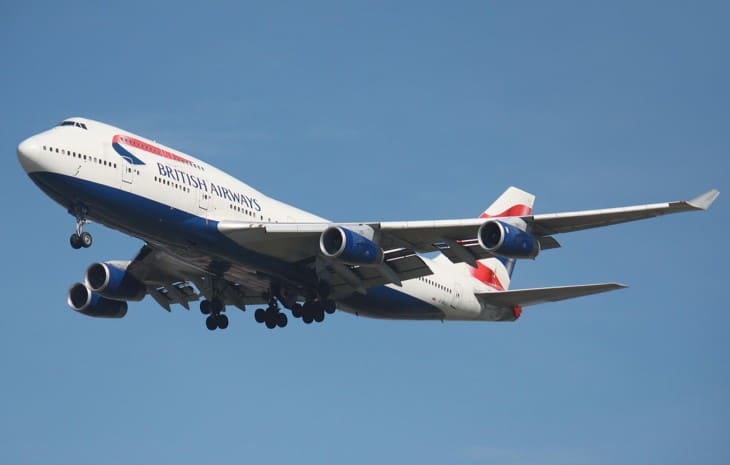
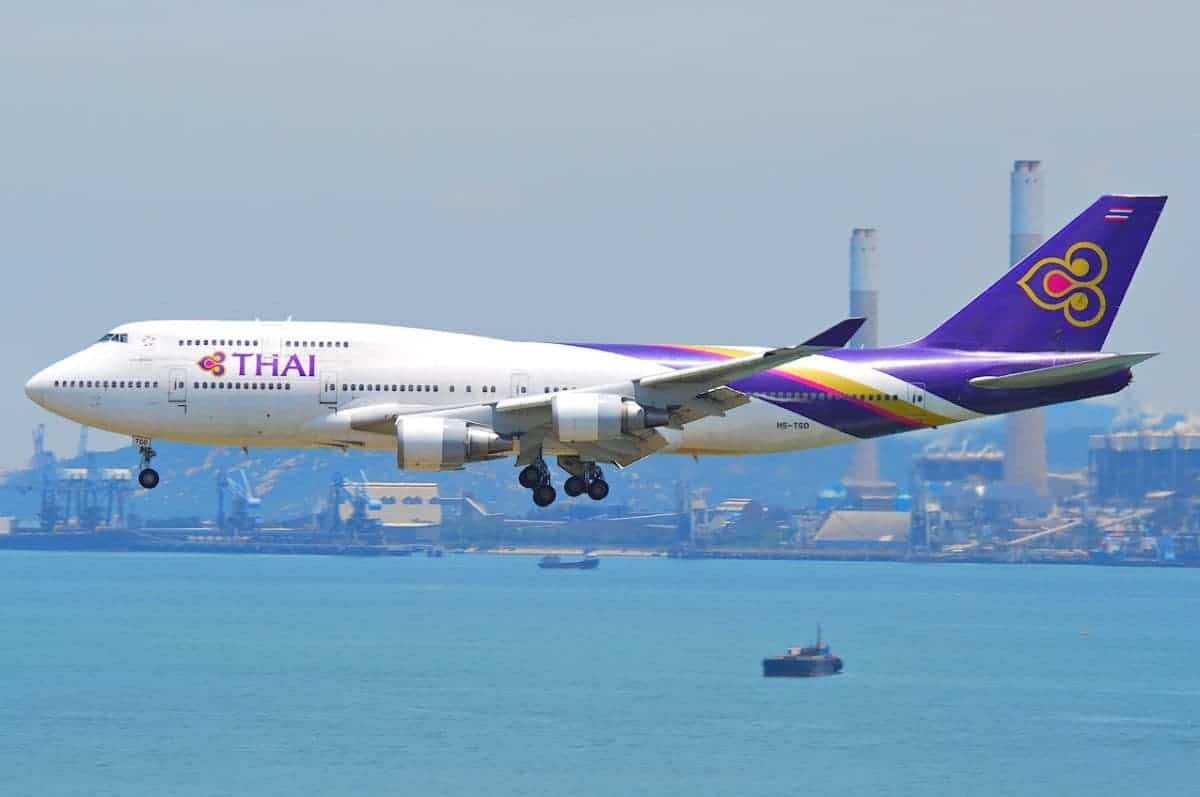
The Boeing 747-400 is the best-selling version of the 747. Boeing delivered 694 of them between 1989 and 2009, more than any other 747 variant.
It kept the stretched upper deck of the 747-300 and added a longer wing with winglets, new engines and a two-pilot glass cockpit. The full specification table for the aircraft is on this page, so this article explains what the numbers mean and how the jet got there.
Boeing announced the design as the “Advanced Series 300” at the Farnborough Airshow in September 1984. The goals were a 1,000 nautical mile range increase and a 10 percent cut in operating cost.
Northwest Airlines launched the program on October 22, 1985, with an order for 10 aircraft. Cathay Pacific, KLM, Lufthansa, Singapore Airlines and British Airways followed.
The first 747-400 rolled out of the Everett factory on January 26, 1988. It flew for the first time on April 29, 1988, from Paine Field to Boeing Field, and the flight lasted 2 hours and 26 minutes.
The FAA certified the jet with Pratt & Whitney engines on January 9, 1989. Northwest put it into service on February 9, 1989.
Engineers stretched the wing by 17 feet and fitted 6-foot winglets. The winglets add about 3 percent to long-range cruise, and new aluminum alloys made the longer wing 6,000 pounds lighter.
The cockpit lost its flight engineer station. Cathode-ray tube displays replaced the old gauges, and the simpler layout cut the number of switches, lights and gauges by about two-thirds.
A fuel tank in the horizontal tail added about 350 nautical miles of range. The landing gear gained carbon brakes, and the rudder gained more travel for crosswind landings.
Airlines could choose engines from three makers: the Pratt & Whitney PW4000, the General Electric CF6-80C2 or the Rolls-Royce RB211-524. The panel lists the thrust of the PW4062 version, 4 × 63,300 lbf (282 kN).

Wing span is 211 ft 5 in (64.44 m). Boeing footnotes that the figure is slightly larger with the tanks fully fueled.
The jet is 231 ft 10 in (70.66 m) long. Its tail height is 63 ft 8 in (19.41 m).
Boeing’s published range of 7,285 nm (13,490 km) assumes the heaviest standard takeoff weight, 875,000 lb (397,000 kg), with a full three-class passenger load. At lighter weights the same airplane flies fewer miles with a full cabin, so the figure is a design target, not a limit on any given day.
Fuel capacity is 57,300 gal (216,800 L). Boeing quotes the airplane at Mach 0.855 in cruise, and the speeds on the panel are conversions of Mach numbers at 35,000 feet.
The takeoff and landing distances on the panel are the maximum-weight figures from Boeing’s planning summary. A lightly loaded 747-400 needs noticeably less runway.

Boeing’s reference layout seats 416 passengers in three classes: 23 in first, 78 in business and 315 in economy. Airlines varied that widely, and several put business class on the upper deck.
An eight-bunk crew rest sits above the aft cabin. A second rest area sits behind the cockpit on the upper deck.
The Japanese domestic 747-400D had no winglets and seated up to 568 in two classes or 660 in one. Only 19 were built.
The passenger version formed the bulk of sales. The -400M Combi, which carried passengers forward and freight aft, entered service with KLM on September 12, 1989.
The 747-400F freighter has a short upper deck and a nose door. Cargolux received the first one in 1993, and Boeing delivered 126 of them.
The 747-400ER raised maximum takeoff weight to 910,000 pounds. Qantas was the only airline to order the passenger version, while the ERF freighter sold to cargo carriers.
About 79 passenger jets were later converted to freighters. Several others became the YAL-1 laser testbed, the Spirit of Mojave air launcher and Boeing’s Dreamlifter cargo carriers.
In 1989, the Qantas 747-400 VH-OJA flew non-stop from London to Sydney in 20 hours and 9 minutes. The distance was 18,001 km (11,185 miles), and it was a delivery flight with no passengers.
On February 9, 2020, a British Airways 747-400 crossed from New York to London in 4 hours and 56 minutes, pushed by the jet stream of Storm Ciara. That set a subsonic airliner speed record for the route.
The last passenger 747-400 was built in 2005 and delivered to China Airlines that April. The final 747-400 of any kind, a 747-400ERF, went to Kalitta Air on December 22, 2009.
Twin-engine jets such as the Boeing 777 and the Airbus A350 took over its routes, and the 2008 financial crisis and high fuel prices hurt demand and resale values for four-engine jets. The 747-8 followed it in 2011, but British Airways and Qantas chose the Airbus A380 for their big-jet capacity instead.
The pandemic finished off most of the fleet. British Airways retired its remaining 31 in 2020, Qantas retired its last in July 2020, and KLM ended passenger flights on October 25, 2020.
Yes, but the passenger fleet is nearly gone. As of October 2026, Lufthansa flies eight 747-400s, all based in Frankfurt, and reports say they will leave the fleet by 2027.
The first two are due to be grounded after the summer schedule ends on October 24, 2026. A farewell flight to New York is planned, and an Airbus A350-900 takes over that route from October 25.
Freighters carry on. Cargo carriers including Atlas Air and UPS Airlines still operate them, and several former passenger jets work as converted freighters.
The 747-400. Boeing delivered 694 of them from 1989 to 2009, the most of any 747 variant.
A 747-400 is no longer built, so there is no new price. Used values are low: FlightGlobal’s valuations head estimated a 26-year-old Delta 747-400 at about $8 million before a 2013 hailstorm damaged it.
Yes. Lufthansa still flies eight passenger 747-400s as of October 2026, with retirement expected by 2027, and freighters operate worldwide.
The 747-400 holds 57,300 gal (216,800 L) of fuel in its standard configuration. The 747-400ER can add one or two body tanks for more.
Boeing’s reference layout seats 416 in three classes. Airlines set their own layouts, and the high-density Japanese 747-400D seated up to 660.
Boeing quotes 7,285 nm (13,490 km) with a full three-class passenger load at maximum takeoff weight. A Qantas 747-400 flew 18,001 km (11,185 miles) non-stop in 1989 on a delivery flight without passengers.
The 747-8 is longer and uses only General Electric engines. The 747-400 offered three engine choices and a shorter fuselage.
Sources and references used for research and fact-checking.