Mid Size Passenger Jets
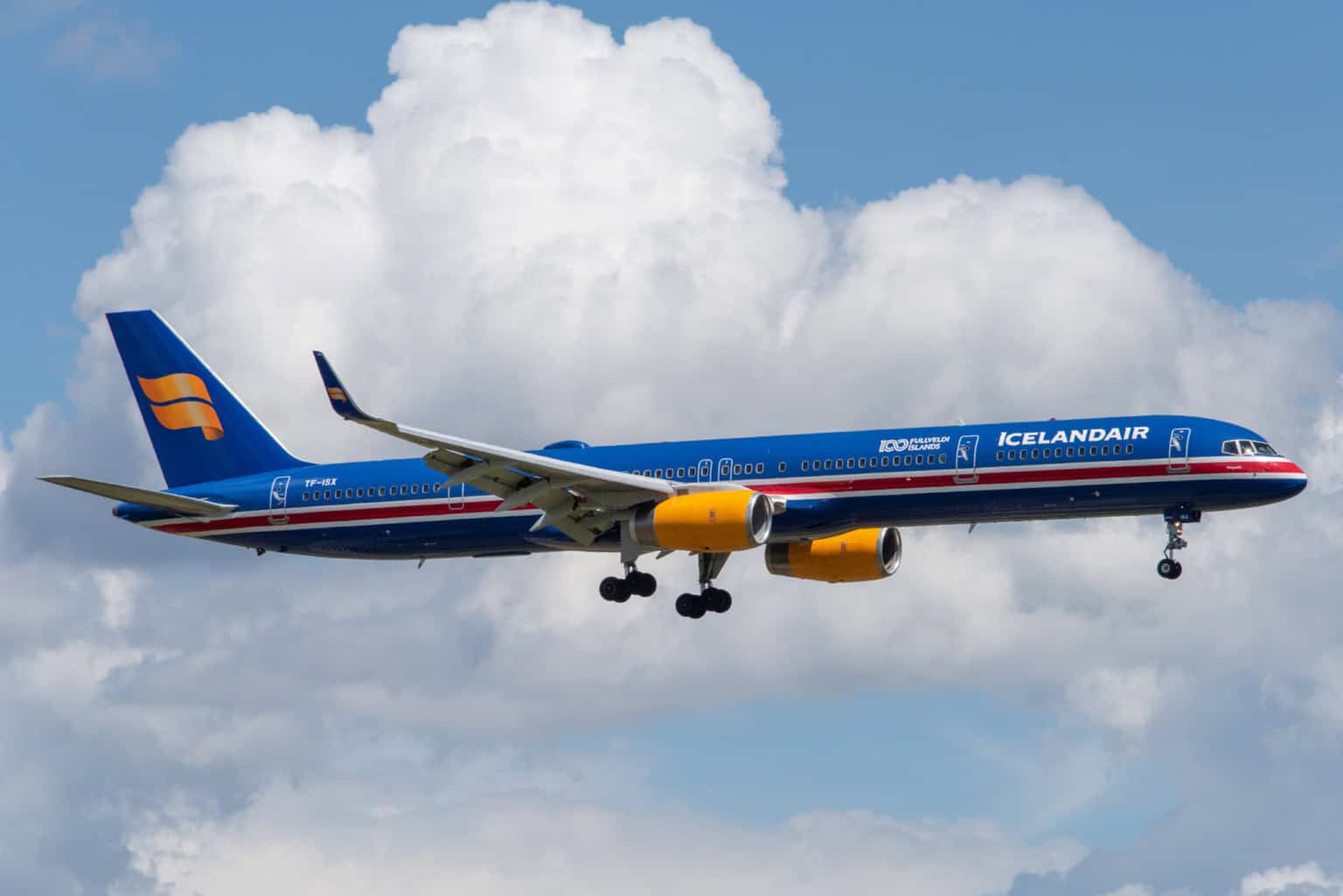
The Boeing 757-300 is the longest single-aisle twinjet ever built, a 55-aircraft stretch of the 757 that Condor launched for holiday charter routes and that Delta and United still fly.
Updated: by Tim de Vries
The latest aviation news and stories sent to your inbox.
The Boeing 757-300 is the stretched passenger version of the 757. It first flew on August 2, 1998, and entered service with Condor on March 19, 1999. Boeing built only 55, so it never matched the 757-200, but it carries about 50 more passengers on the same wing and remains the longest single-aisle twinjet ever built.
Live Fleet Activity (B753)
Fetching live data…


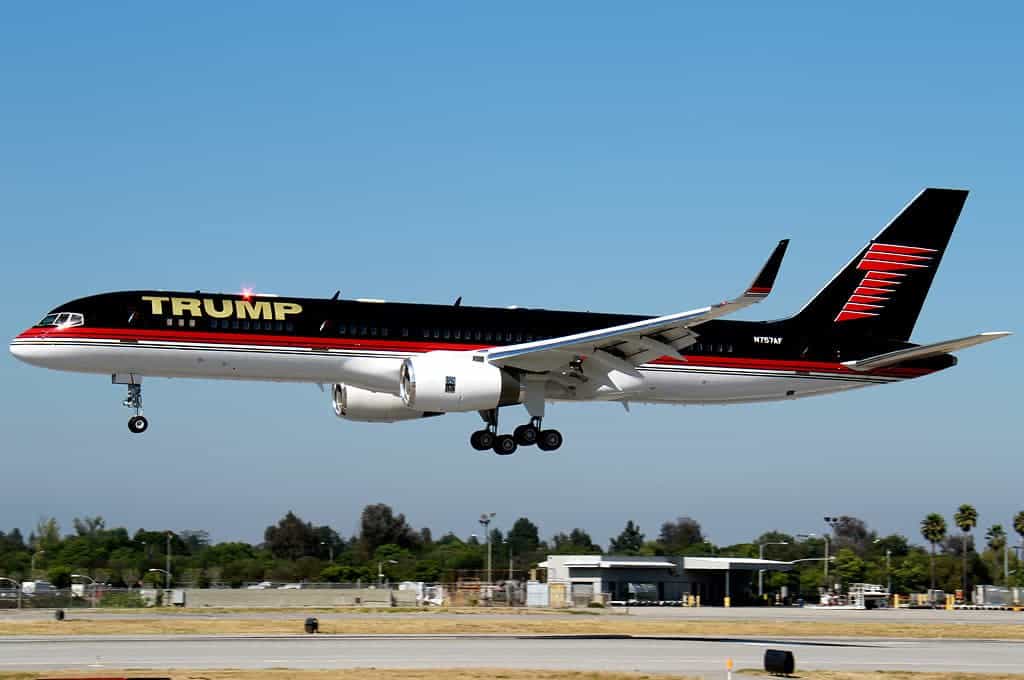



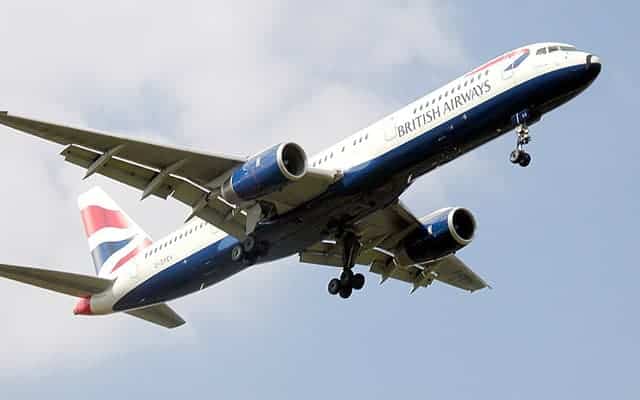
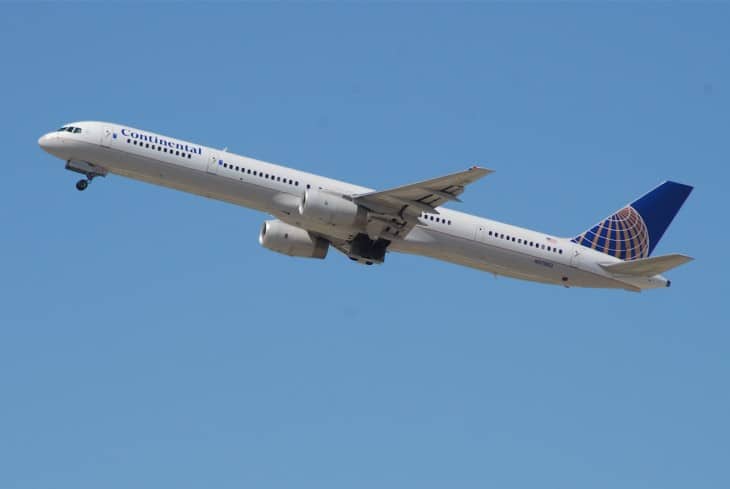
The Boeing 757-300 is the stretched passenger version of the 757 and the longest single-aisle twinjet ever built. It stretches the 757-200 fuselage by 23.4 feet (7.13 m), enough for about 50 more passengers and nearly 50 percent more cargo.
Boeing delivered only 55 of them, so it is a rare type. This page covers how it came about, how it differs from the 757-200, and where it still flies.
Boeing announced the 757-300 at the Farnborough Airshow in September 1996, after German charter airline Condor ordered 12. Condor wanted a high-density jet to replace its McDonnell Douglas DC-10s on holiday routes such as the Canary Islands.
Boeing also saw the stretch as a cheaper alternative to the 767-200. The design phase was meant to be the shortest in the company’s history, 27 months from launch to certification.
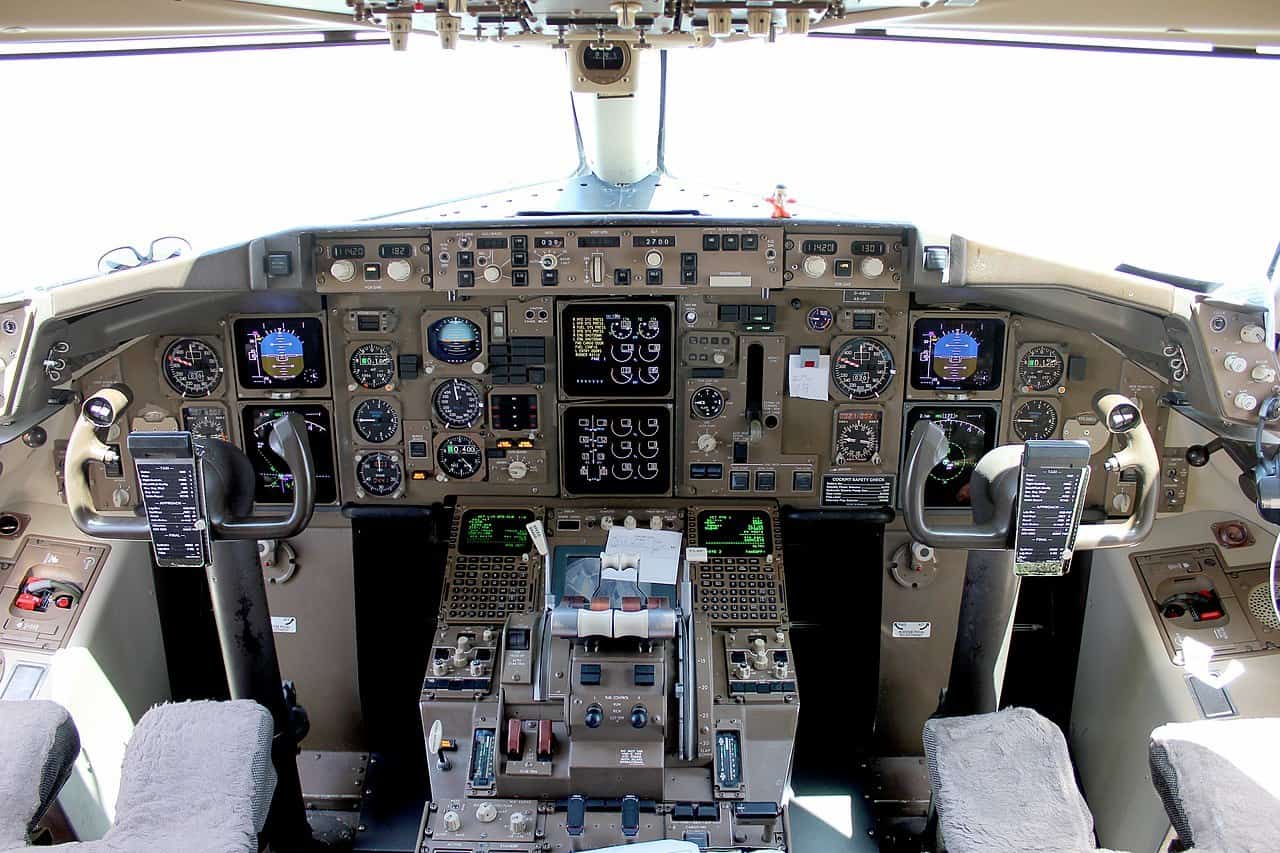
To save time and money, Boeing skipped a new cockpit. The stretch kept the 757 flight deck, but gained upgraded engines, newer avionics and an interior borrowed from the Next-Generation 737 and the 777.
The first 757-300 rolled out on May 31, 1998, and flew for the first time on August 2, 1998. It was certified in January 1999 and entered service with Condor on March 19, 1999.
The 757-300 shares the 757-200’s wing, so the extra length comes from plugs in the fuselage ahead of and behind the wing. The 757-300 measures 178 ft 7 in (54.43 m), per the specification panel on this page.
A pair of over-the-wing exits on each side joins the standard doors, and together they allow a maximum certified capacity of 295 passengers. Airlines typically fit about 243 seats in two classes.
Because the fuselage is so long, the 757-300 has a retractable tailskid on the rear fuselage to protect the tail if the nose rotates too far on takeoff. Boeing and Condor also had to develop zone-based boarding, since tests showed the longer cabin could add up to eight minutes to boarding.
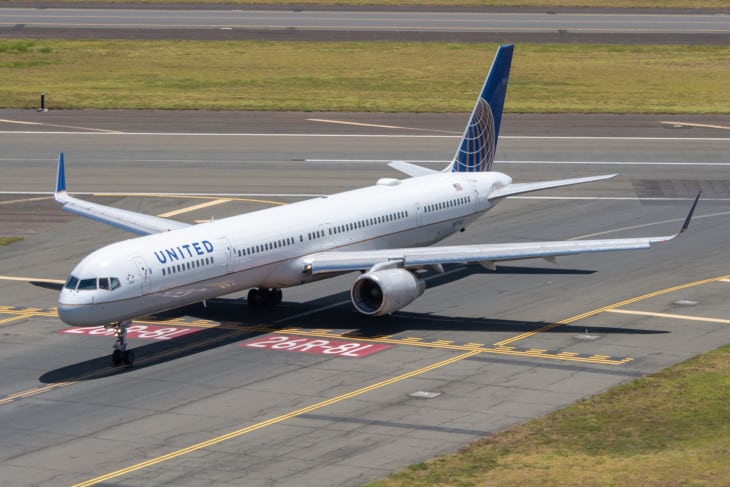
The full specification table for the aircraft is on this page. A few figures need context.
Two engine types were offered, the Rolls-Royce RB211-535E4B and the Pratt & Whitney PW2043. Both are high-bypass turbofans.
The stretch raised maximum takeoff weight but left fuel capacity unchanged. As a result the 757-300 flies a shorter maximum range than the 757-200, about 3,395 nm (3,910 mi).
The 757-300 left the factory without winglets. Continental became the first operator of the type with blended winglets in February 2009, as part of the retrofit program Aviation Partners developed for the 757.

Sales were slow from the start. The type was also ordered by American Trans Air, Arkia Israel Airlines, Continental, Icelandair and Northwest, and Boeing had hoped to replace the 767-200 at American and United. Neither airline was in a position to commit.
Airlines were also drifting toward the 737 and the Airbus A320 family. In October 2003, after Continental switched its remaining 757-300 orders to the Boeing 737-800, Boeing announced the end of 757 production.
The final 757 overall was a 757-200 built for Shanghai Airlines. Total 757-300 production was 55 aircraft.
Continental’s aircraft passed to United after the 2010 merger, and Northwest’s to Delta in 2008. Those two airlines have been the largest remaining operators of the type.
Condor, the launch customer, planned to stop flying the 757 after summer 2025, replacing it with Airbus A320neo-family jets. Treat any current fleet count with care, because the remaining jets are old and are being retired as airlines find replacements.
For the shorter sibling that most of the 757 family is made of, see the Boeing 757-200 page.
Boeing built 55 of them. That compares with 913 757-200s.
The maximum certified capacity is 295 passengers. Airlines typically configure about 243 seats in two classes.
It is the longest single-aisle twinjet ever built. Only the four-engine DC-8-61 and DC-8-63 were longer among single-aisle jets.
It entered service with Condor on March 19, 1999, after first flying on August 2, 1998.
Orders stayed slow, and airlines moved to the 737 and A320 family. After Continental switched its remaining orders to the 737-800 in 2003, Boeing ended 757 production.
The 757-300 is 23.4 feet (7.13 m) longer, carries about 50 more passengers and has a tailskid. It also flies a shorter maximum range than the 757-200.
Sources and references used for research and fact-checking.