
Mid Size Passenger Jets
The compact Next Generation jet built for lower-capacity short-haul routes.
The latest aviation news and stories sent to your inbox.
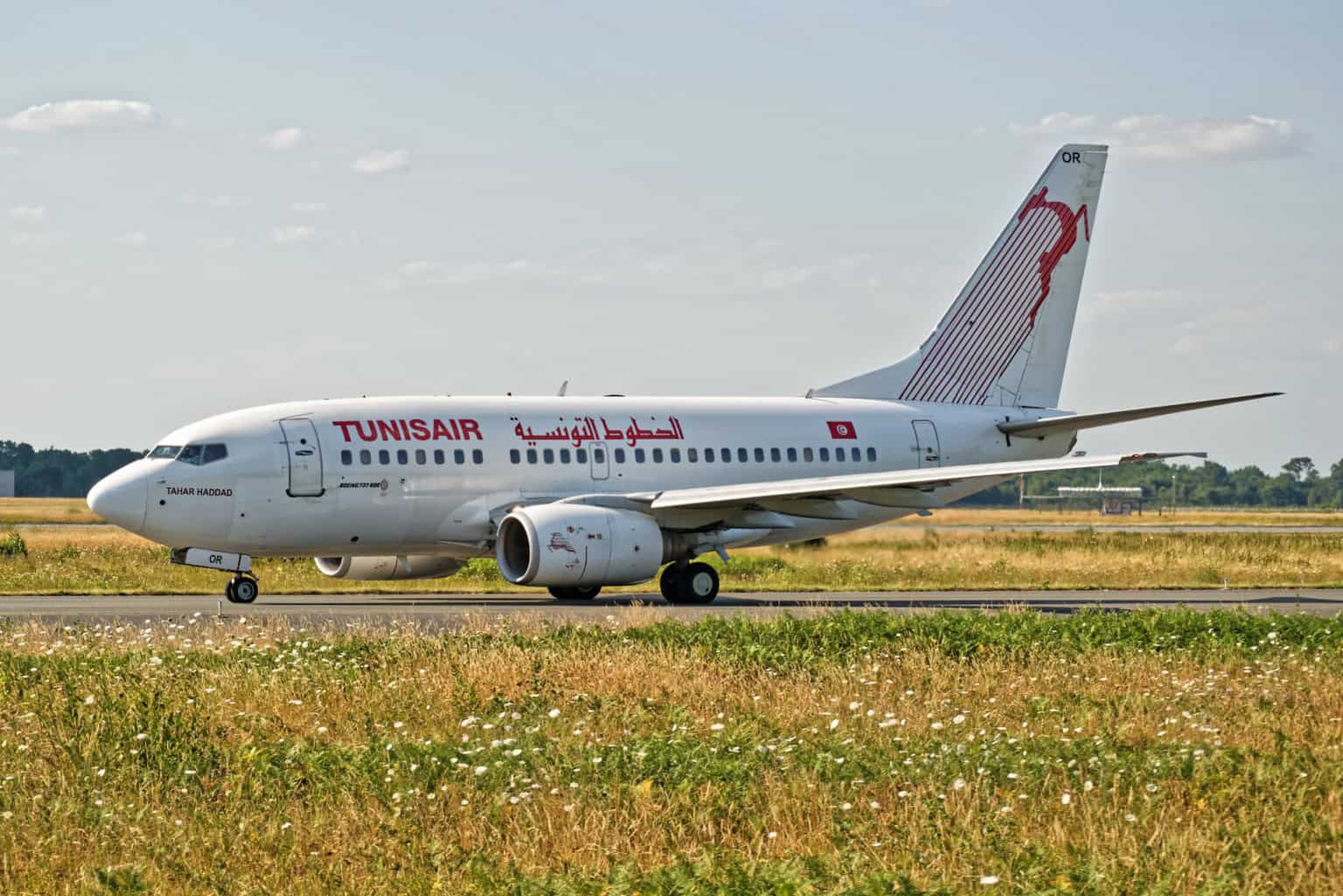
The Boeing 737-600 is the smallest member of the 737 Next Generation family. Developed as a modern replacement for earlier 737 Classic models, it entered service in the late 1990s. The aircraft was designed for short and medium-haul routes requiring lower seating capacity.
Live Fleet Activity (B736)
Fetching live data…
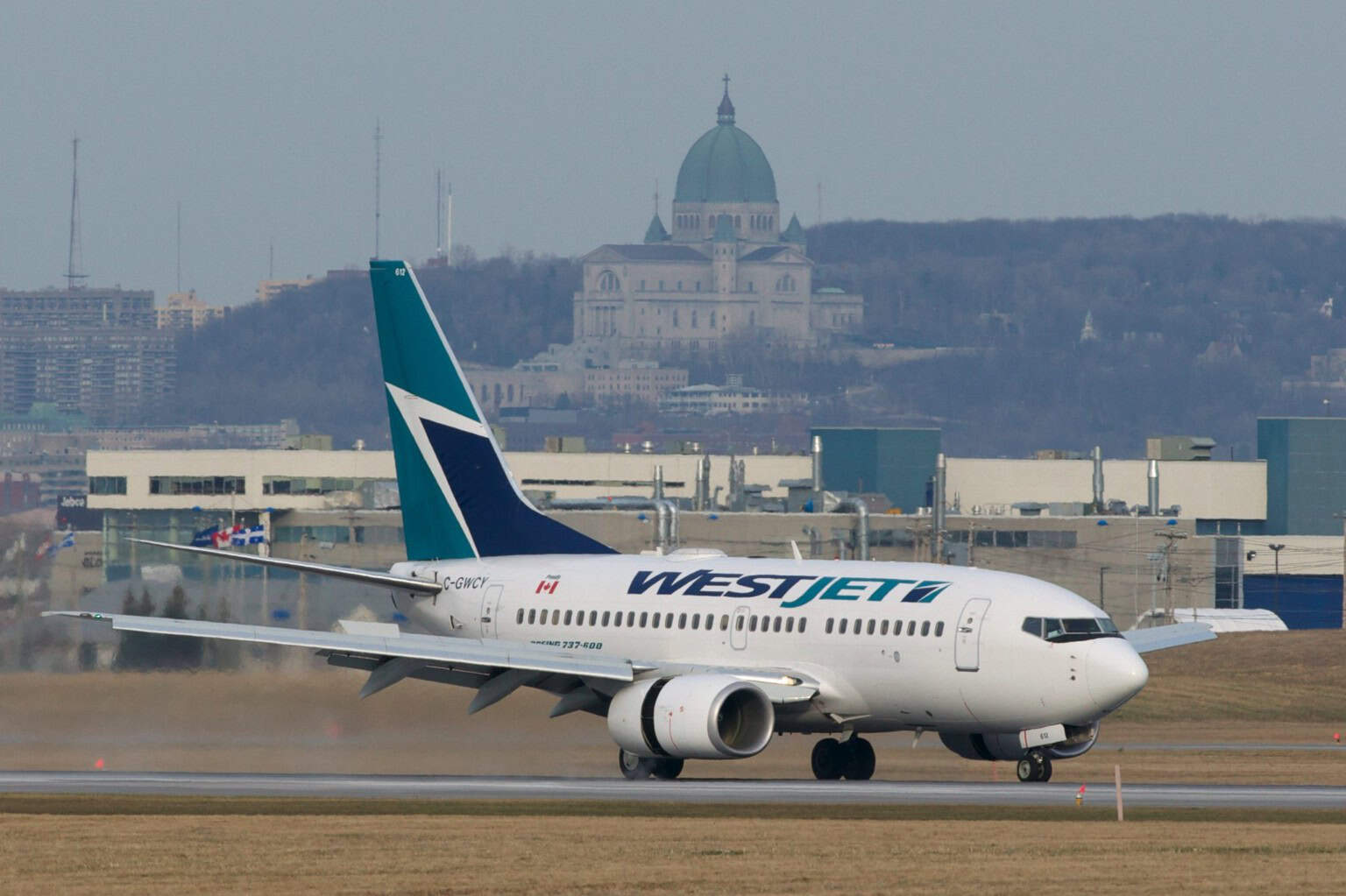


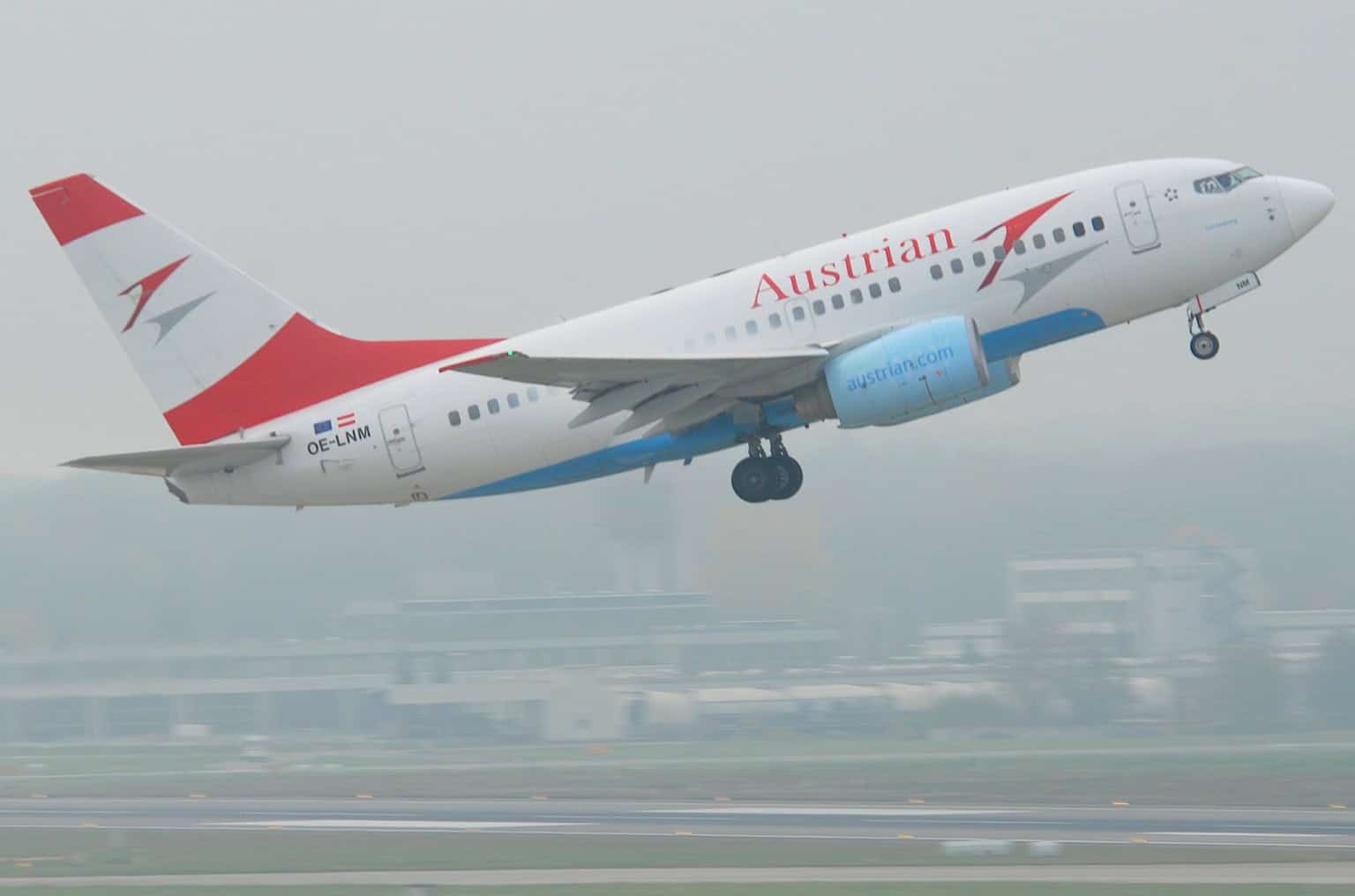


The 737-600 first flew in 1998 and entered airline service in 1999. It shares the updated wing, avionics, and CFM56 engines of the broader 737NG family. Compared with larger variants, it features a shorter fuselage optimized for smaller markets.
Powered by two CFM56-7B turbofan engines producing approximately 22,000 to 24,000 pounds of thrust (98 to 107 kN) each, the 737-600 cruises at around 460 knots (850 km/h). Maximum takeoff weight is roughly 145,500 pounds (66,000 kg). Typical seating capacity ranges from 108 to 130 passengers depending on configuration.
Sales were limited compared with other 737NG variants due to competition from regional jets and larger 737 models. Only a modest number were produced. The aircraft remains in limited service with select operators.
Sources and references used for research and fact-checking.