

Table of Contents
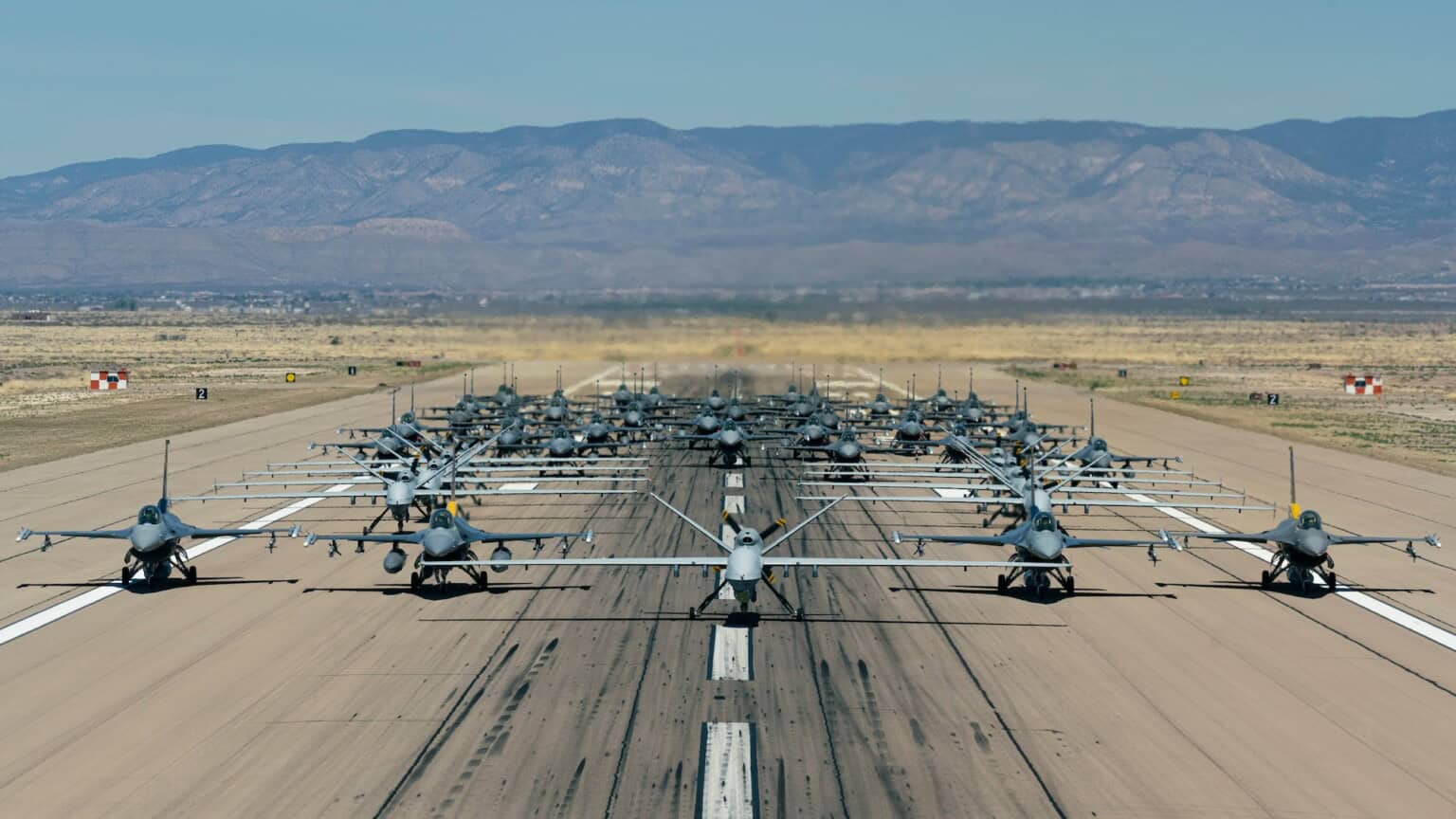
The largest air force in the world is the United States Air Force, with 5,004 aircraft in its active inventory as of 2026. No other single air arm on the planet comes close.
That is the answer to the question as most people mean it: one military service, counted by the number of aircraft it operates. But it is worth knowing that the second largest air force in the world is also American, and it is not the one you have heard about.
This ranking uses total active aircraft, counting fixed-wing and rotary-wing airframes alike. Every figure below is dated to 2026, and the two tables that follow are deliberately kept to one source each, for a reason explained in a moment.
| Rank | Air arm | Country | Active aircraft |
|---|---|---|---|
| 1 | United States Air Force | United States | 5,004 |
| 2 | United States Army aviation | United States | 4,333 |
| 3 | PLA Air Force | China | 3,733 |
| 4 | Russian Air Force | Russia | 3,677 |
| 5 | United States Navy | United States | 2,504 |
| 6 | Indian Air Force | India | 1,716 |
| 7 | United States Marine Corps | United States | 1,211 |
How this ranking works
The measure is total active aircraft in the inventory, not combat aircraft and not readiness. Fighters, bombers, tankers, transports, trainers, surveillance aircraft and helicopters all count as one airframe each. Two rankings are given because “air force” means two different things: a single military service, and a country’s entire military aviation fleet across all its branches. Table figures are never mixed between sources, because no two trackers count the same way.
Why the published numbers disagree so wildly
Search this question and you will be told the United States has 5,004 aircraft, or 13,032, or 13,683. All three are defensible. They are answers to different questions.
The 5,004 figure is the US Air Force alone, the service with the words in its name. The roughly 13,000 figure is every military aircraft the United States operates, adding the Army, the Navy, the Marine Corps and the Coast Guard.
Guinness World Records lists the United States at 13,683 aircraft, a country-level total on a slightly different accounting basis again. None of these sources is lying. They are drawing the boundary in different places.
The practical rule for a reader is simple: compare numbers within a single source, never across two. A Chinese fleet figure from one tracker set against an American one from another will produce a ranking that is pure noise.
No, the US Navy is not the second largest air force
This is the most repeated claim in the whole subject, and by aircraft count it is wrong. The US Navy operates 2,504 aircraft in 2026. The US Army operates 4,333, China’s PLA Air Force 3,733 and the Russian Air Force 3,677, so three air arms sit above the Navy on size. The Navy does rank second in the WDMMA table, but that table is ordered by capability rating, not by fleet size. The claim confuses a quality ranking with a headcount.
The US Army placing second by fleet size surprises people even more, and it comes down to helicopters. Around 94 percent of the Army’s 4,333 aircraft are rotary-wing, and it operates no combat attack jets at all.
Counting a Black Hawk as one aircraft and a B-2 as one aircraft is a blunt instrument, which is exactly why capability rankings exist alongside size rankings. If you want the ranking by fighting power rather than headcount, that is our separate list of the best air forces in the world, and it produces a very different top ten.
The largest air forces in the world by country
Most published lists actually rank countries, not services. Counted that way, the United States operates roughly a quarter of every military aircraft flying anywhere on Earth.
The global fleet stands at 52,231 active military aircraft across 161 nations, according to the FlightGlobal World Air Forces 2026 directory. The American share of that is about 25 percent, held by a country with roughly 4 percent of the world’s population.
| Rank | Country | Total military aircraft | Notable strength |
|---|---|---|---|
| 1 | United States | 13,032 | Stealth fleet, tankers, airlift |
| 2 | Russia | 4,237 | Heavy attack helicopter force |
| 3 | China | 3,529 | Fastest-growing fighter fleet |
| 4 | India | 2,183 | Large multirole fighter force |
| 5 | South Korea | 1,540 | Dense, modern, concentrated |
| 6 | Japan | 1,429 | Maritime patrol and air defence |
| 7 | Pakistan | 1,397 | Domestically built fighters |
| 8 | Turkey | 1,101 | Helicopters and drones |
| 9 | Egypt | 1,088 | Mixed Western and Russian fleet |
| 10 | France | 974 | Independent nuclear air arm |
1. United States: 13,032 aircraft
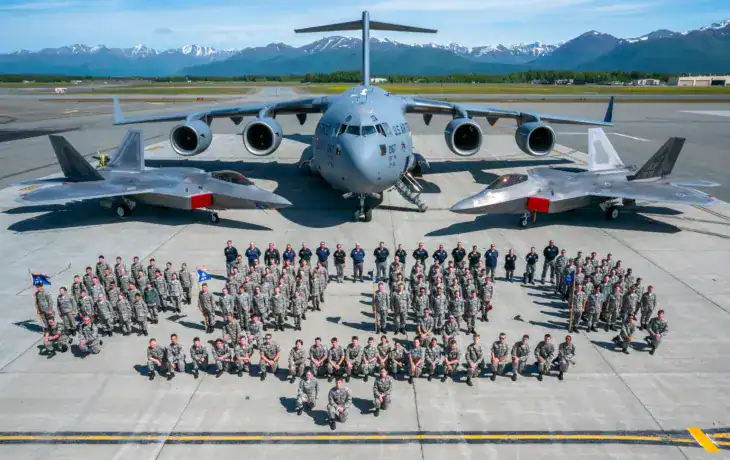
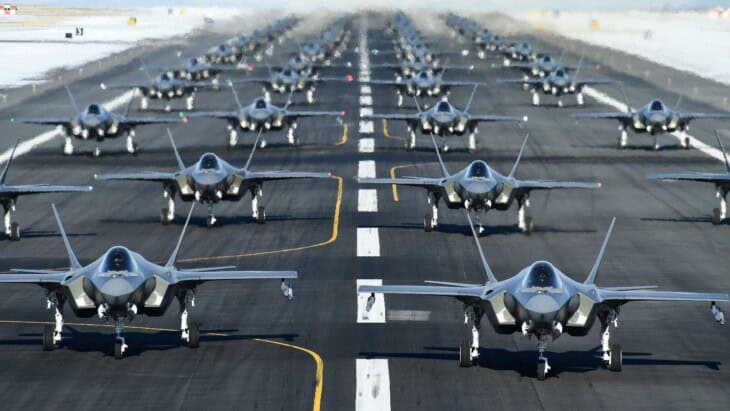
The United States operates more aircraft than the next six countries on this list combined. The fleet splits across four services: the Air Force at 5,004, Army aviation at 4,333, the Navy at 2,504 and the Marine Corps at 1,211.
What sets it apart is not just the count but the composition. The US operates the world’s largest fleets of stealth aircraft, aerial refuelling tankers and strategic airlifters, and the tankers are what turn a large air force into a global one.
Roughly 180 F-22 Raptors and an F-35 fleet now past 600 airframes give it a stealth force no other country can match in numbers. Those aircraft, and their rivals, are ranked in our guide to the best fighter jets in the world.
America's second air force is an army
If US Army aviation were counted as a standalone national air force, its 4,333 aircraft would make it the second largest air arm on Earth, ahead of China’s and Russia’s air forces. It has no fighters or bombers at all: about 94 percent of the fleet is helicopters.
2. Russia: 4,237 aircraft
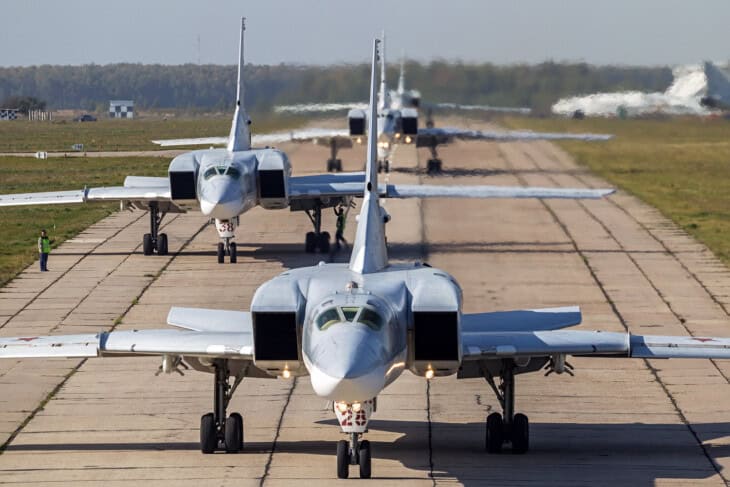
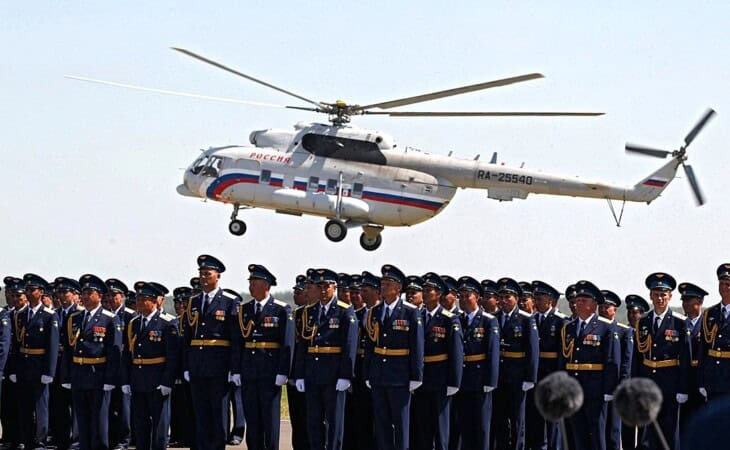
Russia holds second place by a comfortable margin, with roughly 80 percent of the fleet flown by the Russian Aerospace Forces and the remaining 20 percent by naval aviation.
The headline number flatters it somewhat. Russia fields more than 1,500 helicopters, and independent assessments put its genuinely modern fighter force at closer to 550 aircraft rather than the larger figures often quoted.
Attrition and sanctions since 2022 have also made Russian numbers the hardest on this list to pin down. The aircraft themselves are well documented in our rundown of the best Russian fighter jets.
3. China: 3,529 aircraft


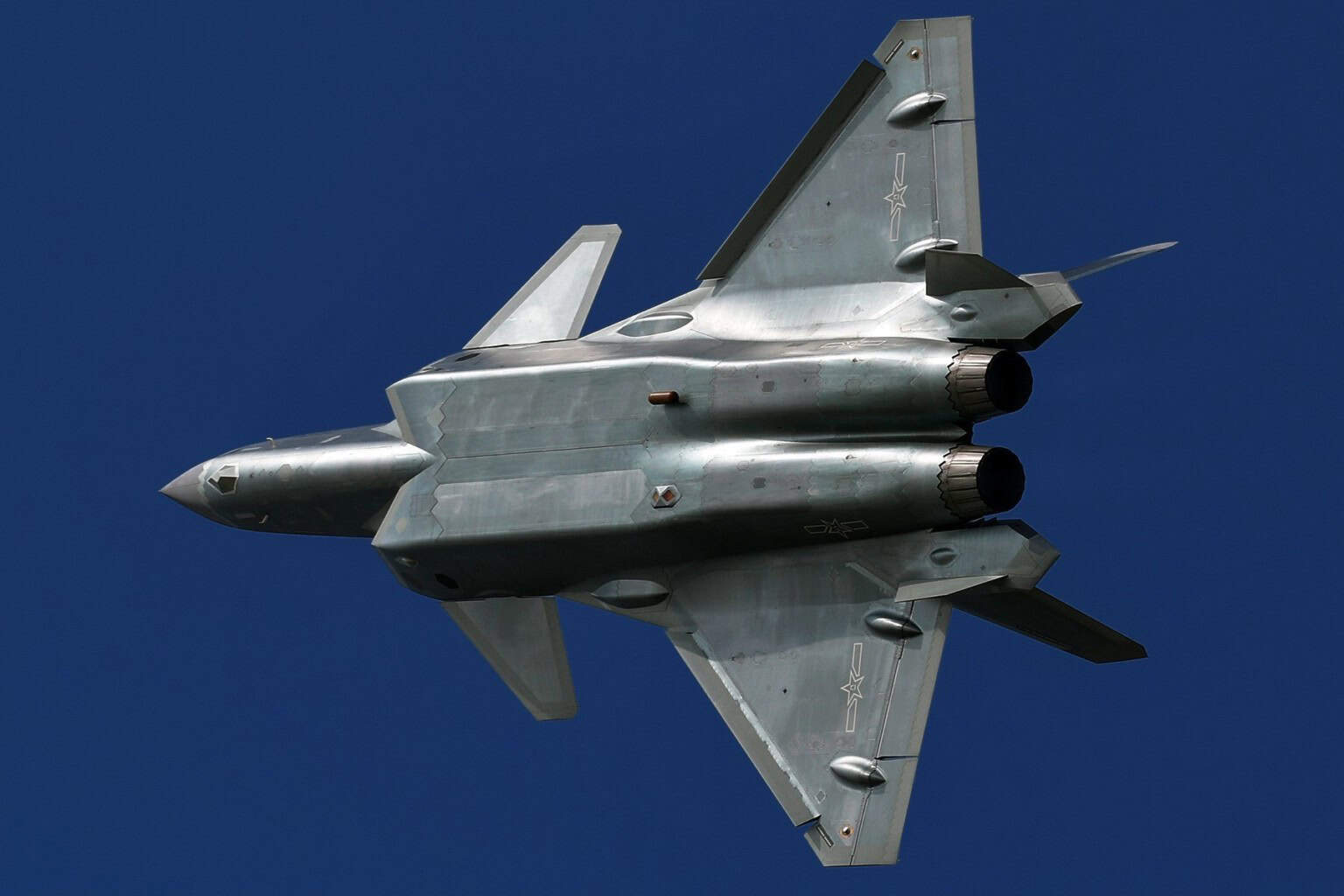


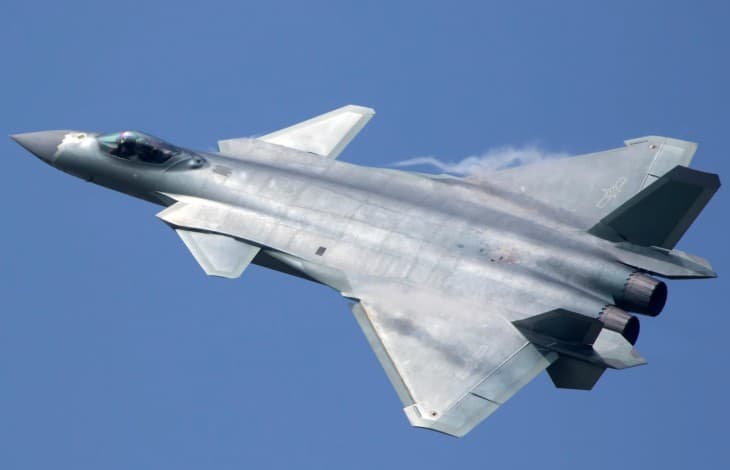
China is third by total fleet, but it is the only country on this list whose modern combat inventory is growing quickly enough to change the ranking within a decade.
The PLA Air Force alone accounts for 3,733 aircraft in the WDMMA count, a figure that exceeds the country total above precisely because the two datasets draw their boundaries differently. It is a clean illustration of why the sources should not be mixed.
China’s J-20 stealth fighter has passed 300 aircraft in service, a fleet larger than the American F-22 force. The wider Chinese inventory is covered in the best Chinese fighter jets.
4. India: 2,183 aircraft
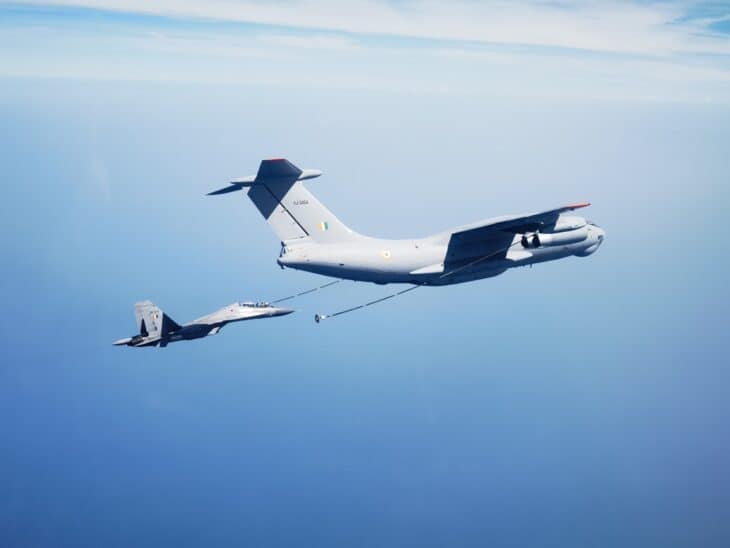

India operates the fourth largest fleet in the world, with 1,716 of those aircraft belonging to the Indian Air Force itself and the balance to army and naval aviation.
Its backbone is around 261 Su-30MKI multirole fighters, supplemented by 36 French Rafales and a slowly growing force of domestically built HAL Tejas jets.
Notably, the Indian Air Force places sixth in the WDMMA capability ranking, above China’s PLA Air Force in seventh, on the strength of fleet balance and modernisation rather than raw size.
5. South Korea: 1,540 aircraft
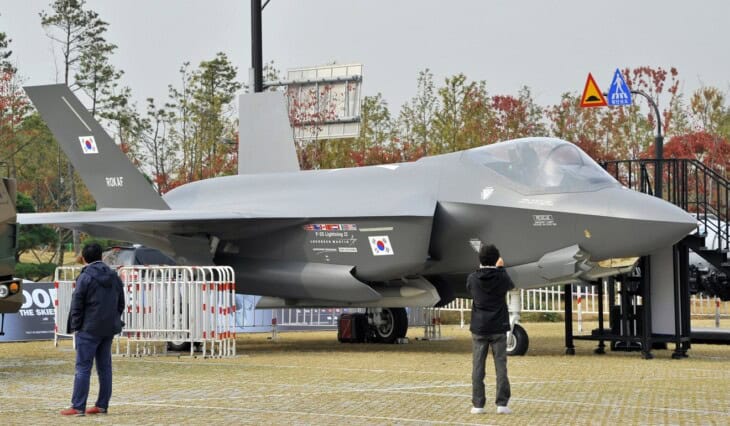
South Korea is the highest-ranked country here with no strategic ambitions beyond its own peninsula, and its fleet reflects that. Roughly 800 aircraft belong to the air force, concentrated on a front line barely 30 miles (48 km) from Seoul.
It has taken delivery of 40 F-35As with 20 more on order, and is one of very few countries developing its own fighter, the KF-21, with 40 due by 2028.
6. Japan: 1,429 aircraft
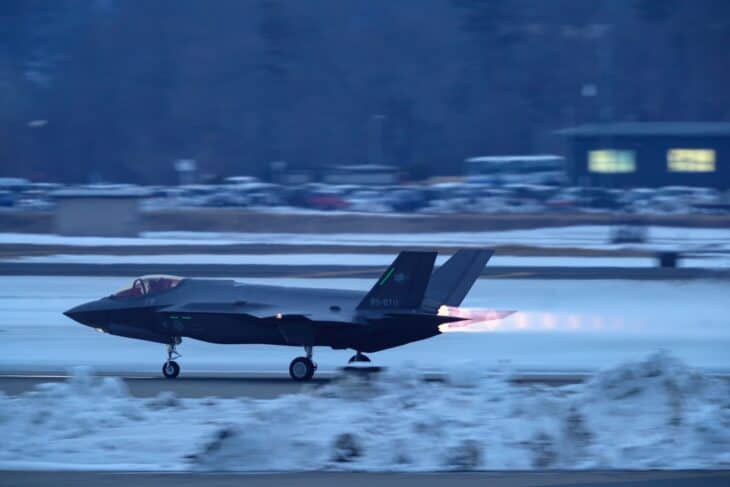

Japan’s 1,429 aircraft include more than 750 in the Air Self-Defense Force, with the rest spread across an unusually large maritime patrol and helicopter force.
Its fleet is shaped by geography rather than expeditionary planning: a long island chain demands persistent surveillance, interception and anti-submarine coverage rather than long-range strike.
7. Pakistan: 1,397 aircraft

.jpg)
Pakistan fields the seventh largest fleet in the world, an outsized position for its economy, and more than 140 of its fighters are JF-17 Thunders co-developed with China.
Size and capability part company sharply here. The Pakistan Air Force ranks 18th in the WDMMA capability table despite the country sitting seventh by fleet size, which is the gap between owning aircraft and owning modern ones.
8. Turkey: 1,101 aircraft

Turkey’s total is heavily weighted toward rotary-wing aviation. Its army operates around 400 aircraft of which more than 90 percent are helicopters, a profile explored further in our guide to the types of military helicopters.
The combat core is more than 160 F-16Cs. Turkey’s exclusion from the F-35 programme in 2019 left it with no clear stealth successor, which is why its domestic fighter and drone programmes have moved so fast.
9. Egypt: 1,088 aircraft


Egypt owns the most mixed inventory of any large air force, flying American, French, Russian and Chinese aircraft side by side.
Around 170 F-16A and F-16C fighters sit alongside Mirage and Rafale fleets. Sustaining four separate national supply chains is a logistical burden few air forces would willingly take on.
10. France: 974 aircraft
.jpg)
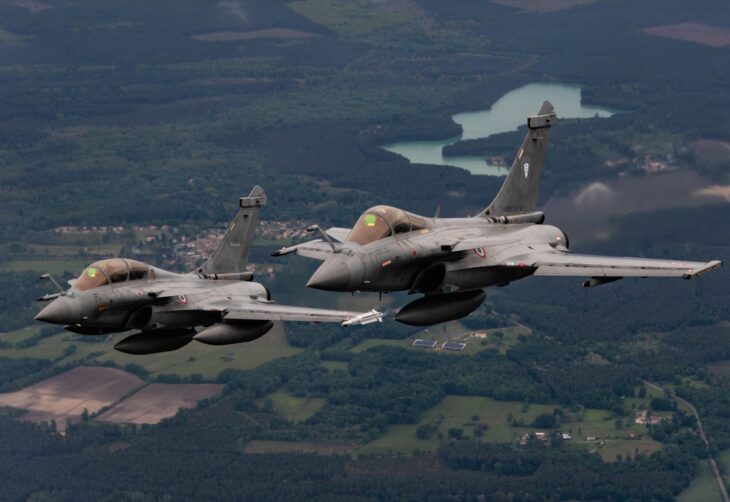
France closes the top ten and is the smallest fleet here by some distance, yet arguably the most self-sufficient one on the list.
It builds its own fighter, its own carrier aircraft and its own airborne nuclear deterrent, with 105 Rafale B and C jets in service. No other European country can do all three.
The near misses
Just outside the top ten sit Saudi Arabia with 917 aircraft, North Korea with 837, Taiwan with 720, Italy with 714 and the United Kingdom with 625.
North Korea is the odd entry among them. Its total is large but its fleet is largely 1950s and 1960s Soviet types, which is the clearest example on this page of why a headcount alone tells you very little.
But what about the RAF and Israel?
Two famous air forces are missing, and their absence is the point of the whole article.
The Royal Air Force belongs to a country ranking 15th by fleet size with 625 aircraft, well below Egypt and Pakistan. Israel ranks 17th with 597, below Algeria.
Both routinely appear in the top ten of capability rankings, because pilot training, sensor quality, munitions and readiness do not show up in an airframe count. Largest and best are genuinely different questions with genuinely different answers.
What will change this ranking
The top three are stable in the short term, but the composition beneath the totals is shifting faster than the totals themselves.
China is the only country adding modern combat aircraft fast enough to close a real gap, while Russia’s total is slowly eroding through attrition and constrained production.
The American figure will also drift downward on paper as legacy fleets retire faster than F-35 deliveries replace them, which narrows the count without narrowing the capability gap. Expect the order of the top five to hold through the late 2020s.
FAQ
Sources and references used for research and fact-checking.
- World Directory of Modern Military Aircraft (WDMMA), Global Air Powers Ranking (2026)
- FlightGlobal, 2026 World Air Forces directory
- GlobalFirepower, Military Aircraft Fleet Strength by Country (2026)
- World Directory of Modern Military Aircraft (WDMMA), United States Air Force (2026) Aircraft Inventory
- Guinness World Records, Largest air force by aircraft (current)
- Wikipedia, United States Air Force
Get the Newsletter
The latest aviation news and stories sent to your inbox.
About the Author

Tim is the owner and lead editor of AeroCorner since 2019, overseeing aviation content covering aircraft, airlines, airports, and the broader aviation industry. Through years of researching, writing, editing, and publishing aviation-focused content, he has developed extensive practical knowledge of commercial aviation and air travel. Based in Asia and a frequent traveler himself, Tim also brings firsthand passenger experience to AeroCorner’s coverage. Outside of publishing, he has also explored aviation firsthand through hands-on flight training in New Zealand.