

Military Aircraft
BAE Nimrod MRA4
ICAO: NIM
The advanced jet trainer built for military pilot development.
The latest aviation news and stories sent to your inbox.
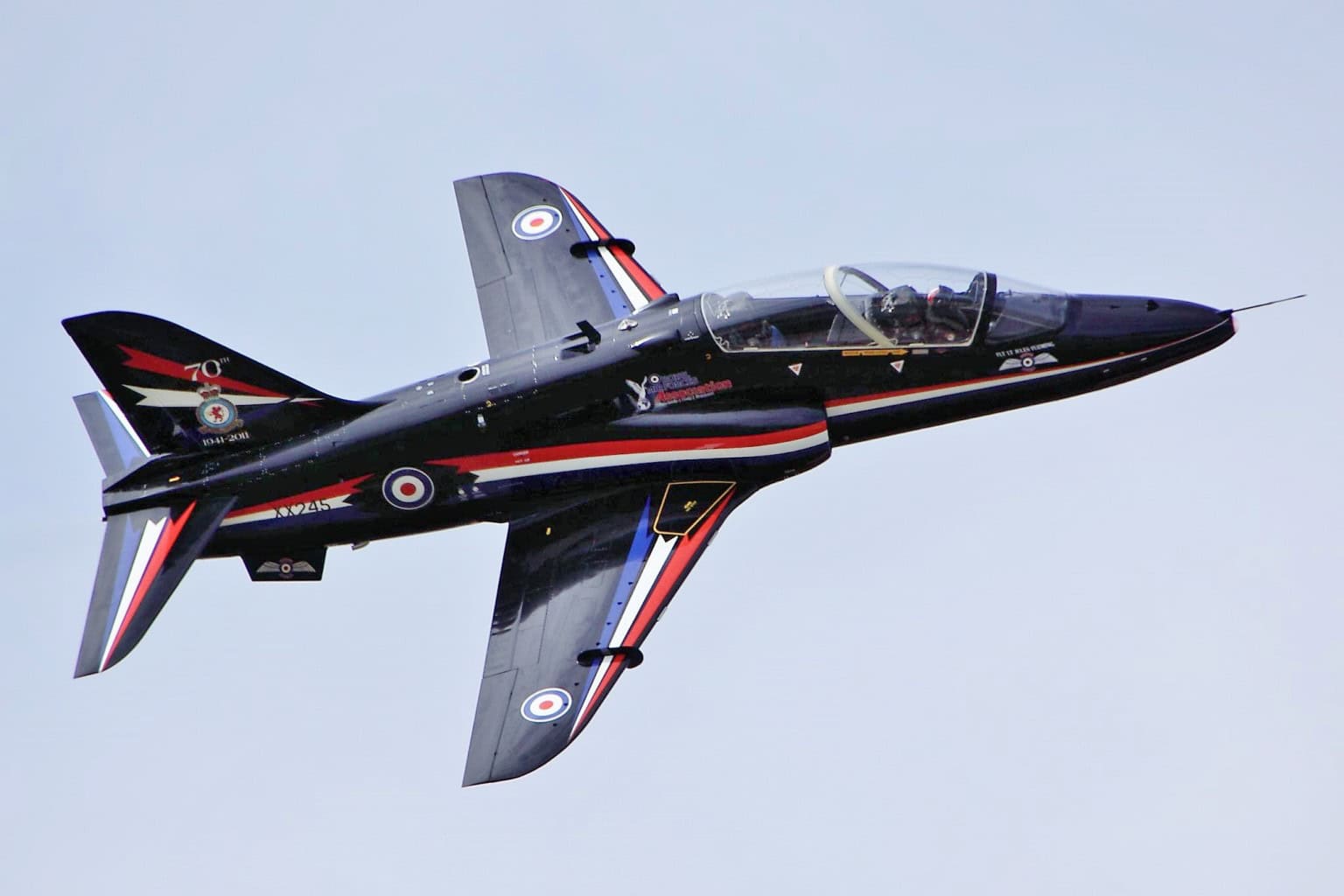
The BAE Hawk is a British jet trainer introduced in the 1970s. Designed for advanced flight instruction and light combat roles, it has been widely exported. The aircraft remains in service globally.
Live Fleet Activity (HAWK)
Fetching live data…
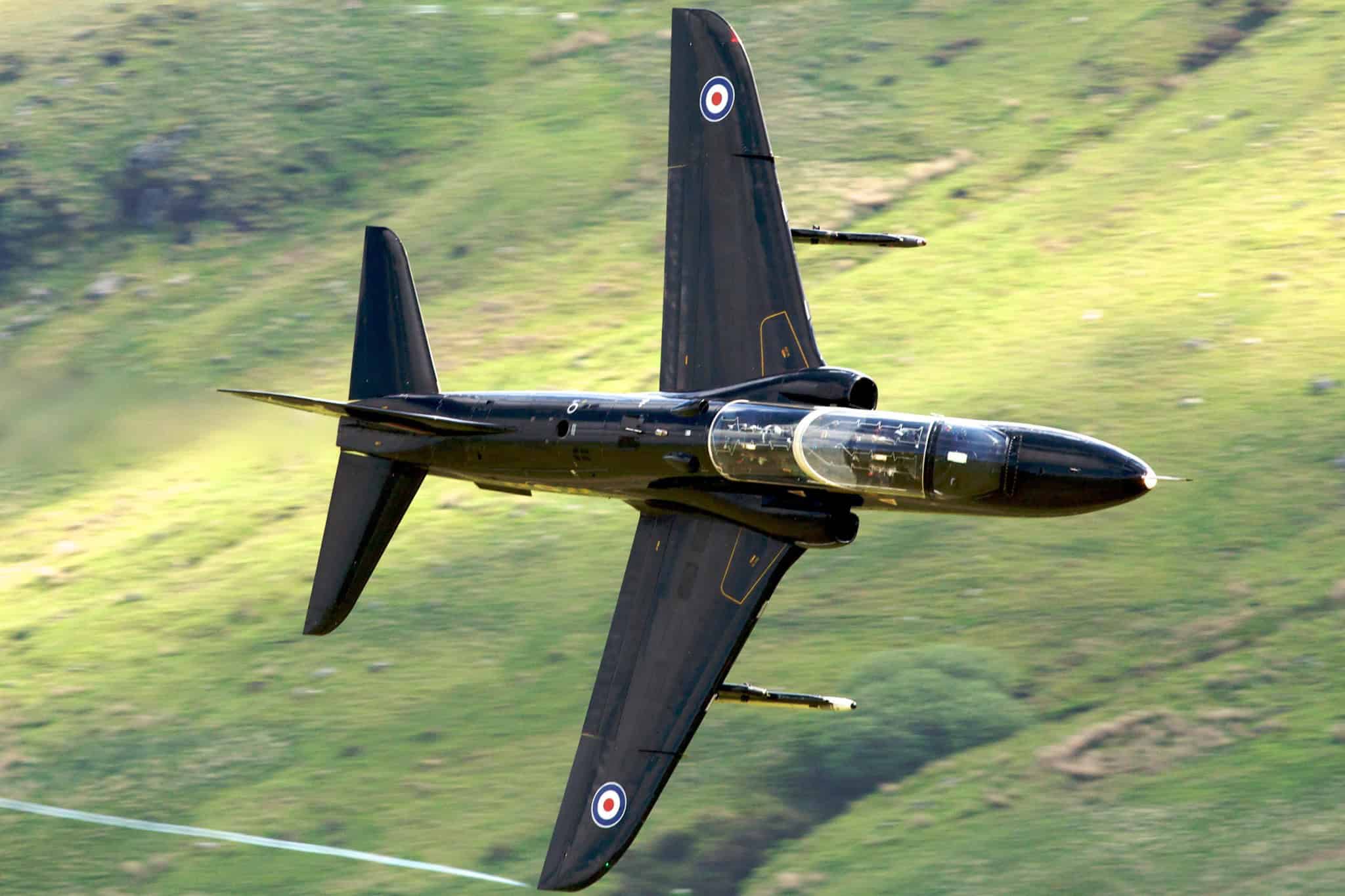


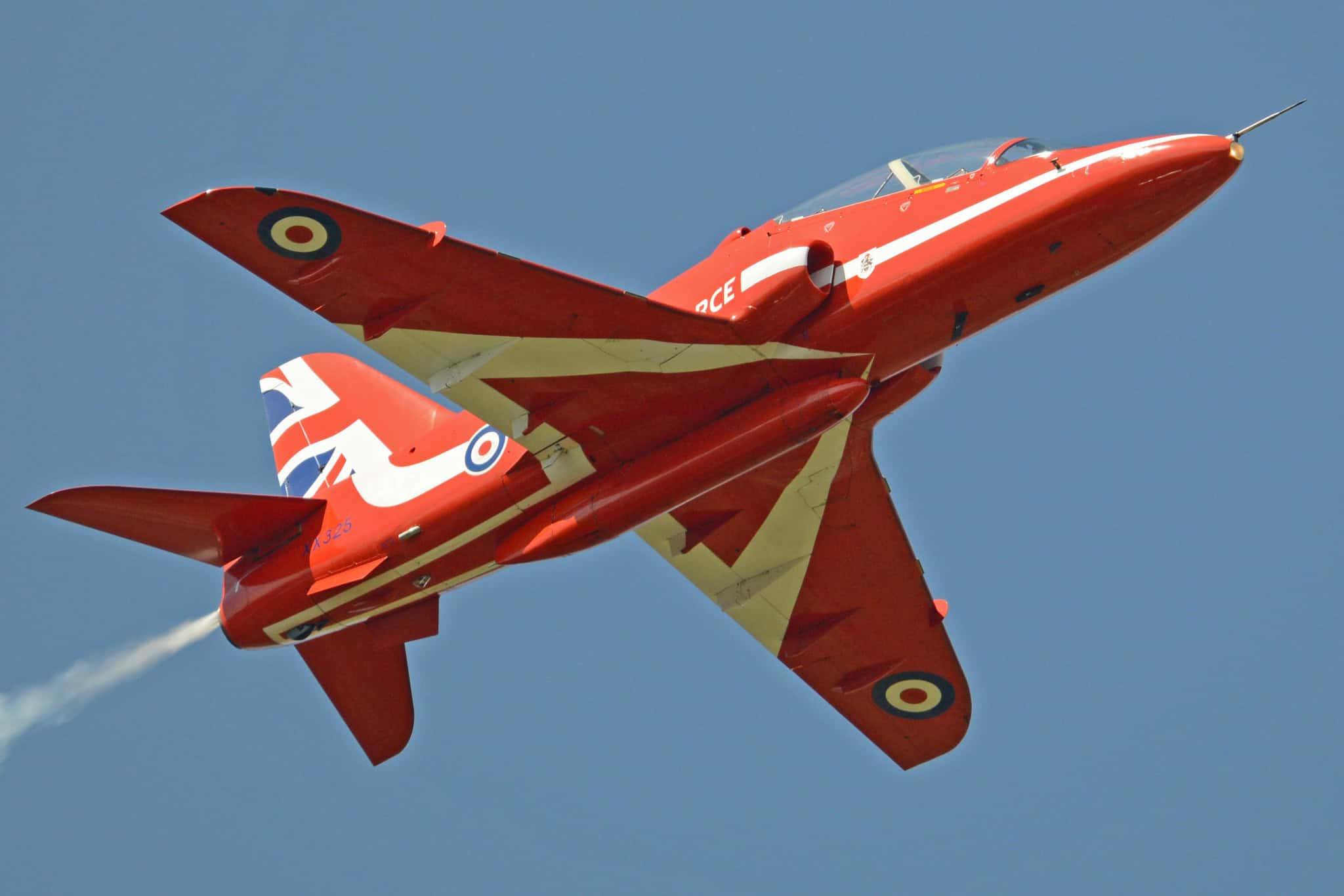
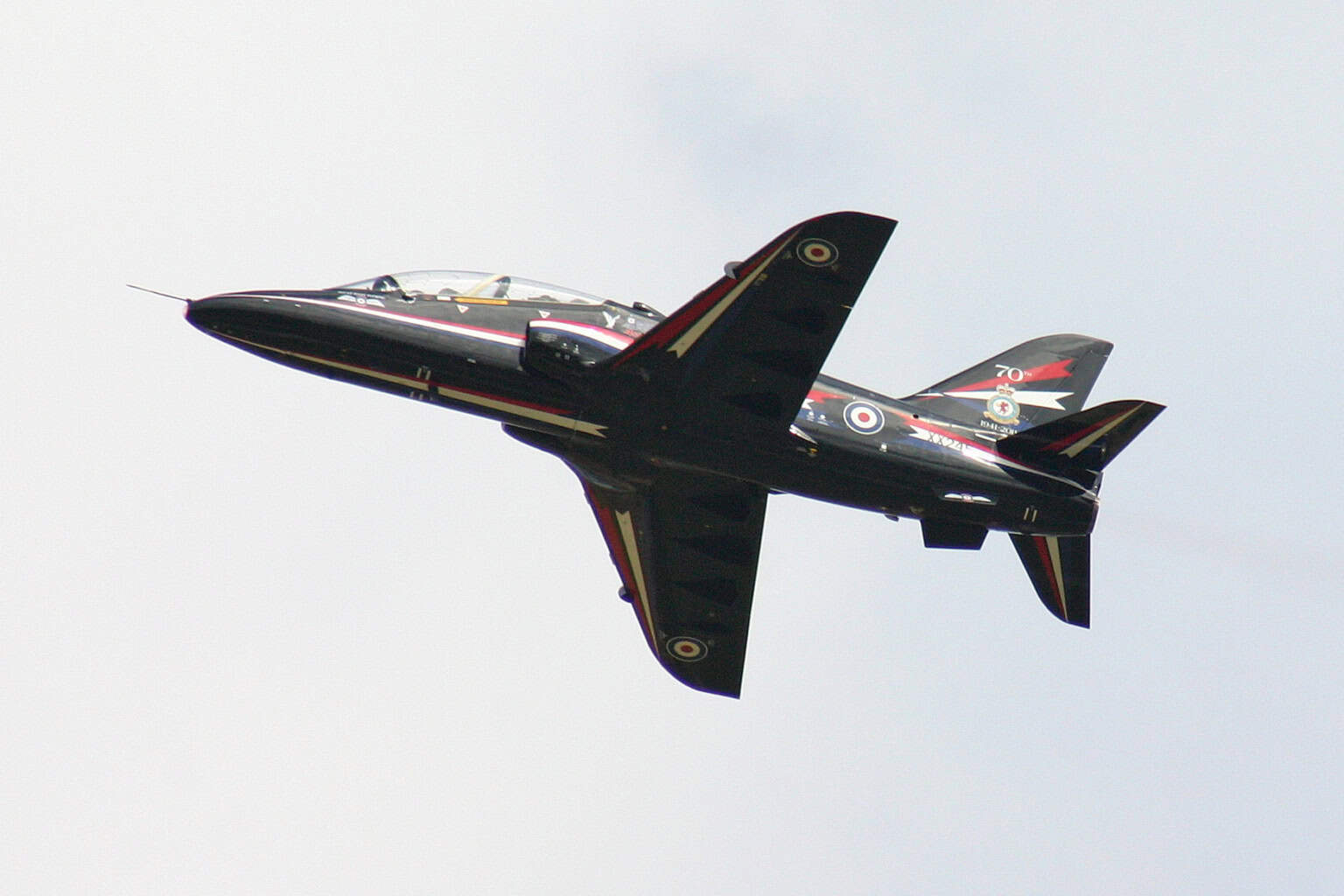
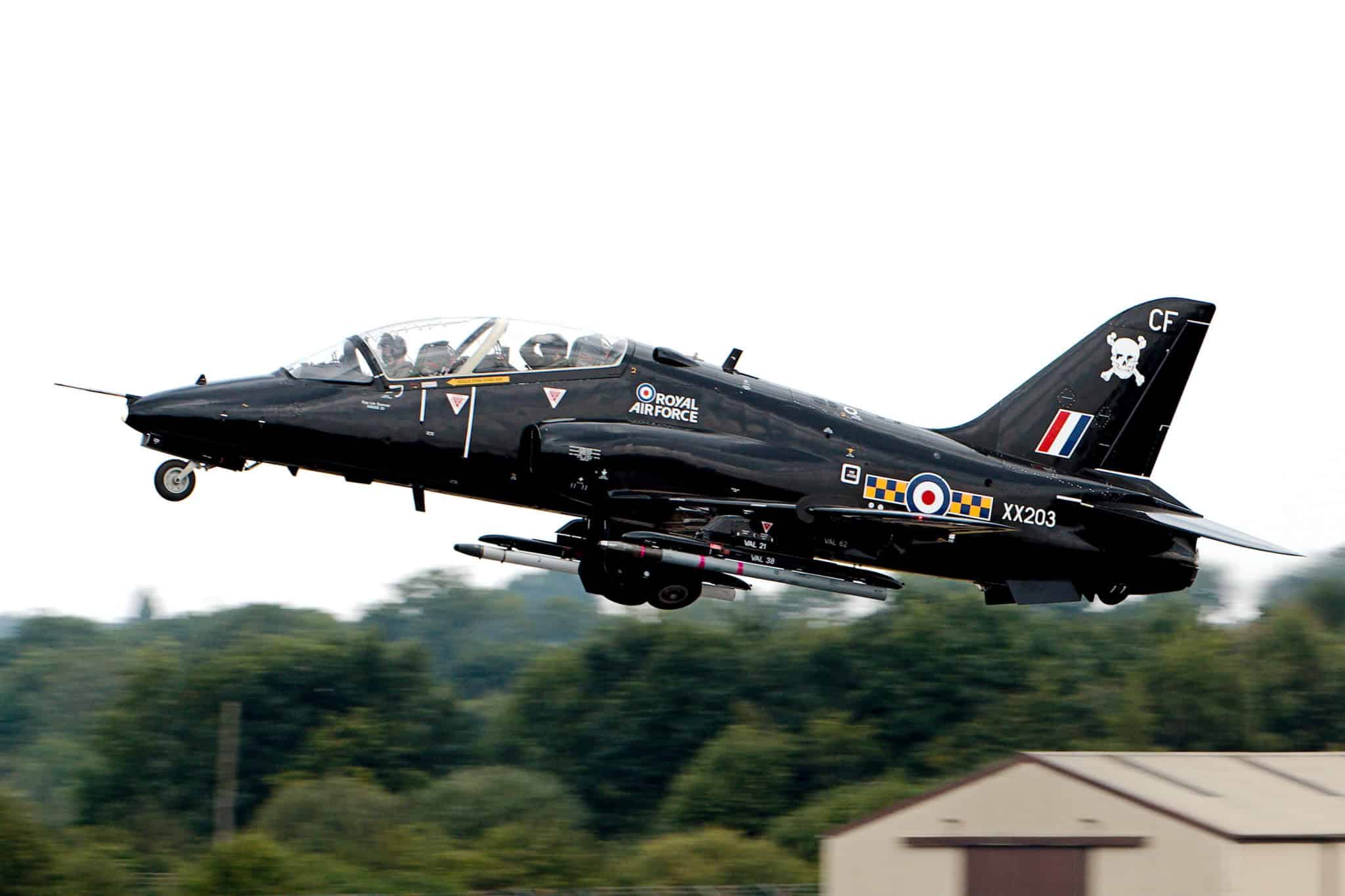


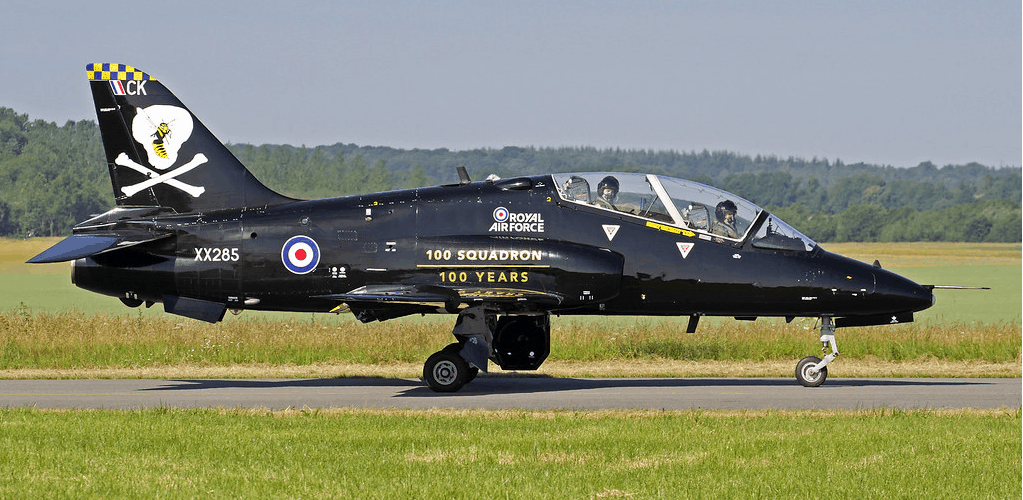

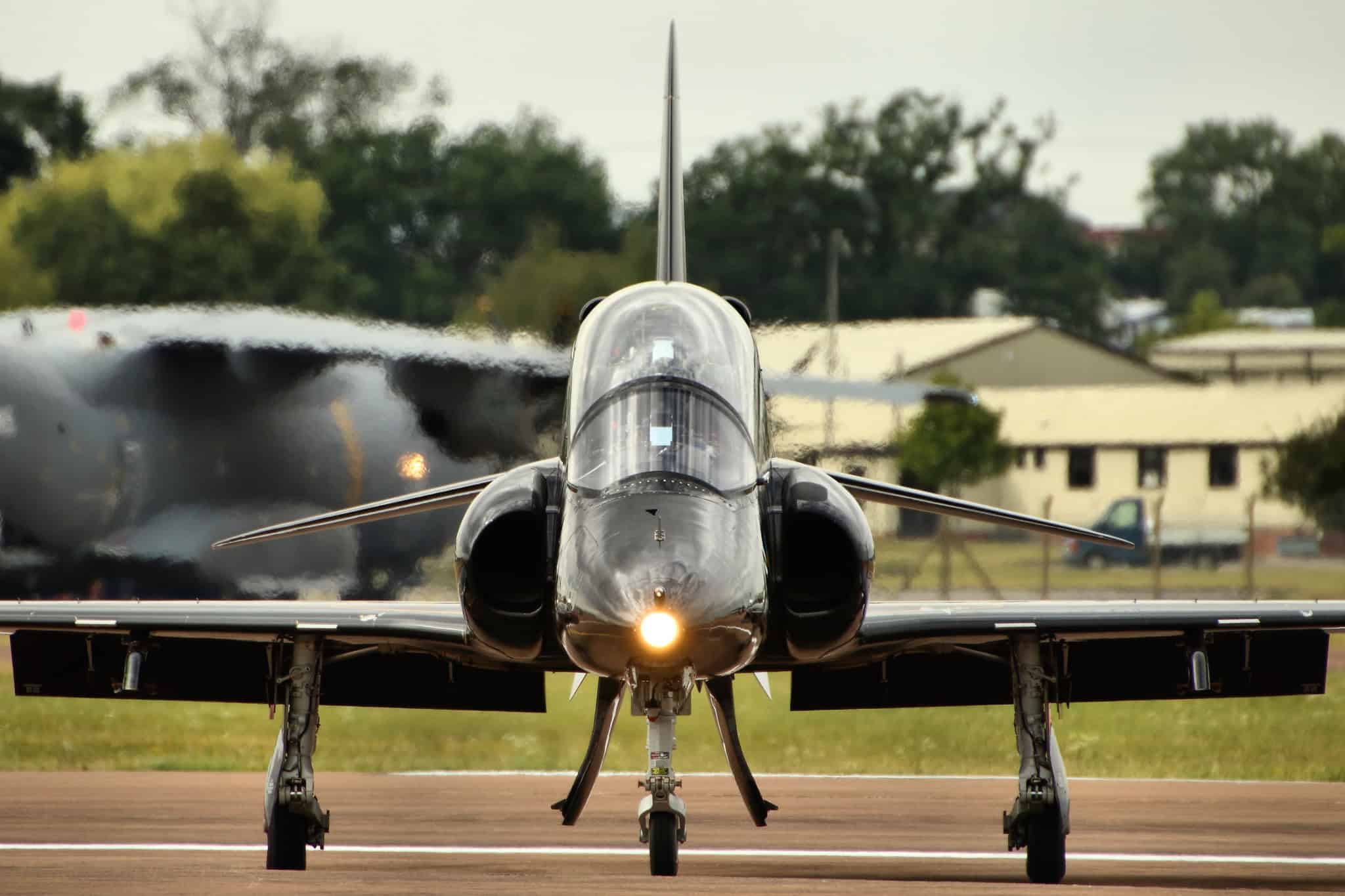
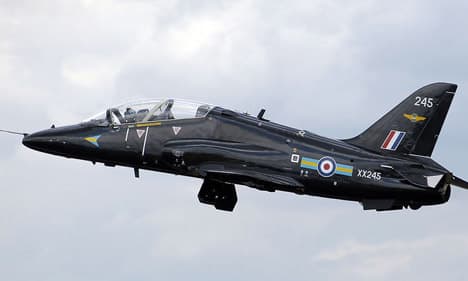
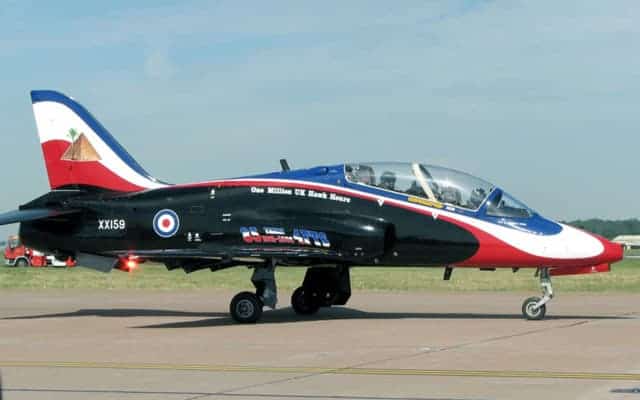
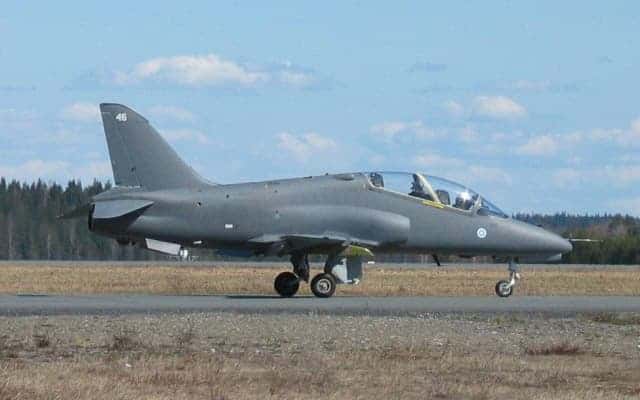
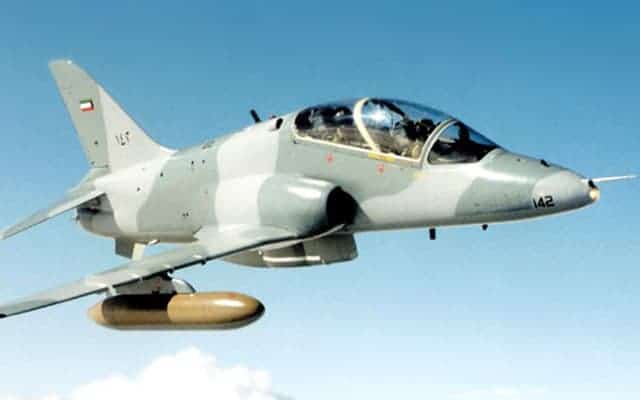
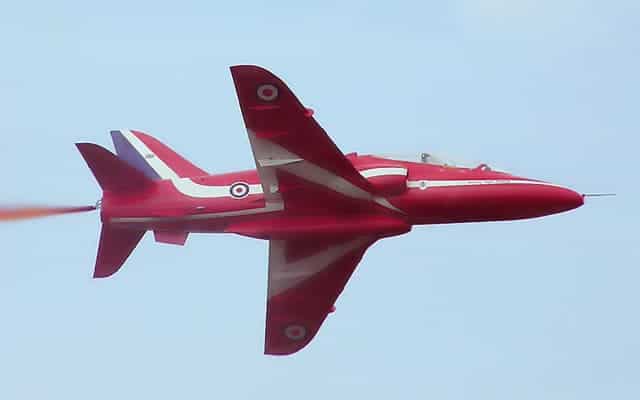
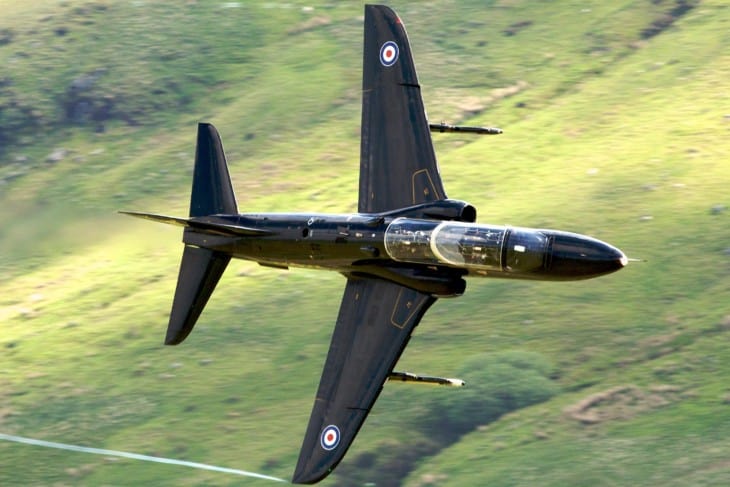
The Hawk first flew in 1974 and entered service in 1976. It features a tandem cockpit and swept-wing design. The aircraft was developed to prepare pilots for frontline fighters.
A single turbofan engine producing approximately 6,500 pounds of thrust (29 kN) powers the aircraft. Maximum speed approaches 620 mph (1,000 km/h). Maximum takeoff weight exceeds 20,000 pounds (9,072 kg).
The Hawk has served as a trainer and light attack platform. It remains a mainstay of pilot training programs worldwide. The aircraft continues in updated production versions.
Sources and references used for research and fact-checking.
.jpg)