

Fighter Jets
BAE Harrier II
ICAO: GR9
The strike aircraft designed for low-level penetration and all-weather attack
The latest aviation news and stories sent to your inbox.
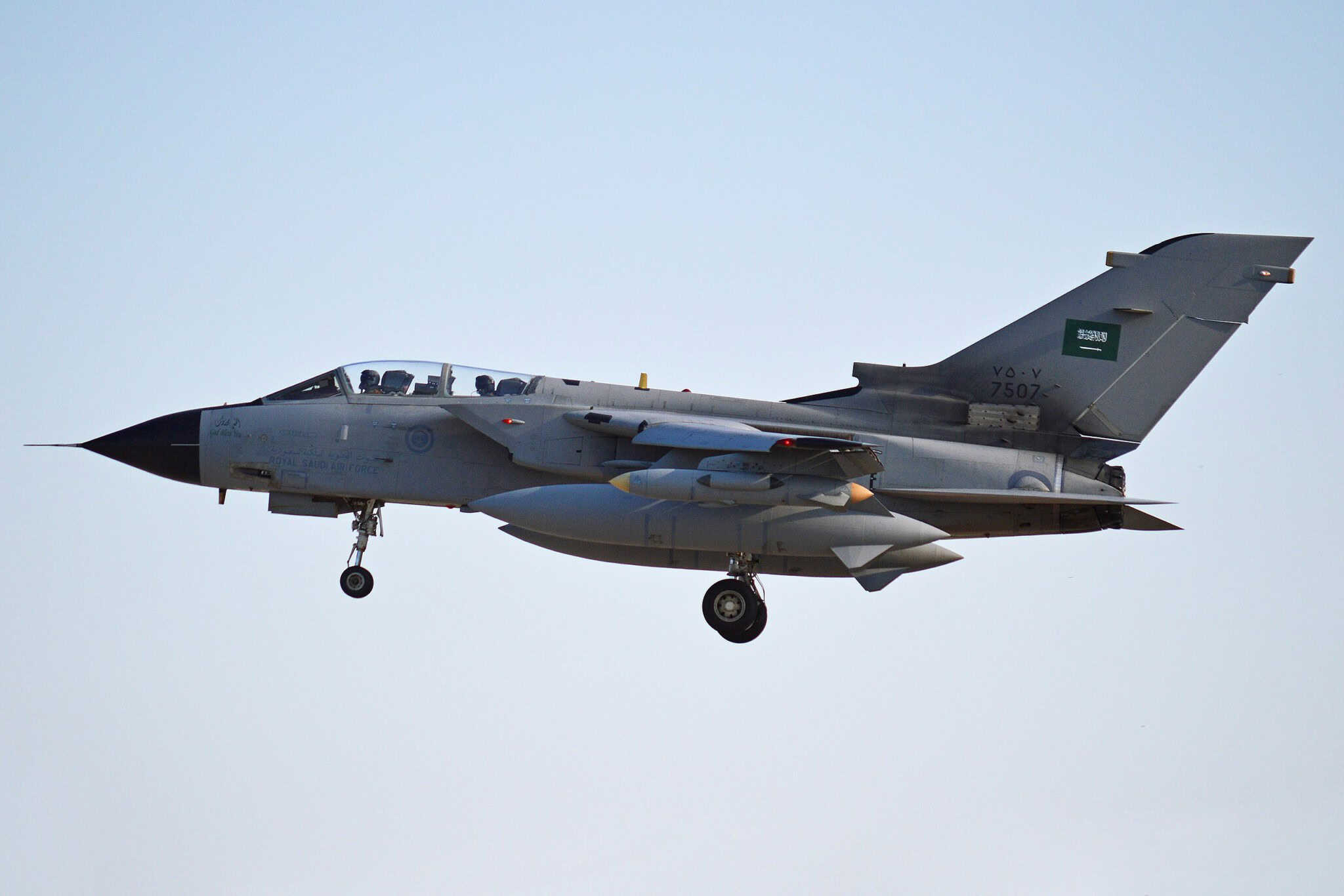
The Panavia Tornado IDS was developed as a multinational strike aircraft for high-speed, low-level missions in contested airspace. Built through cooperation between the United Kingdom, Germany, and Italy, it became one of NATO’s principal strike platforms during the Cold War. The IDS variant formed the backbone of the Tornado fleet.
Live Fleet Activity (TOR)
Fetching live data…

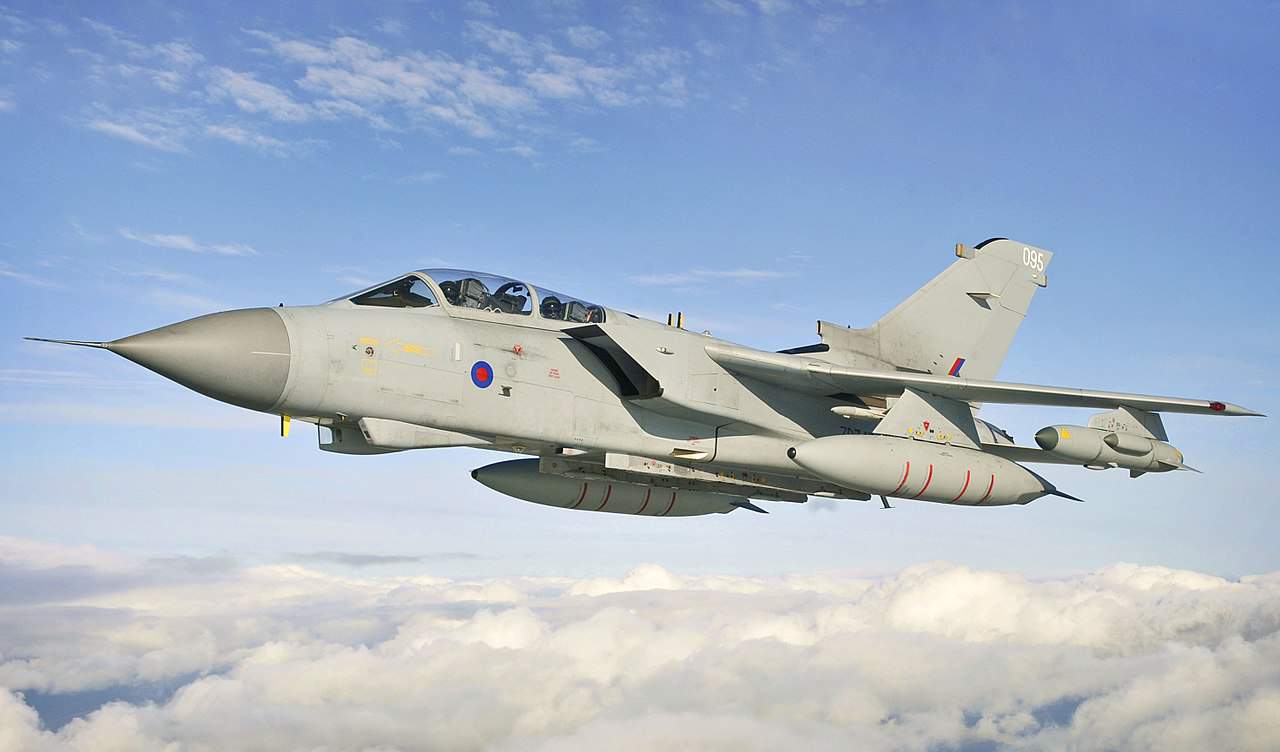
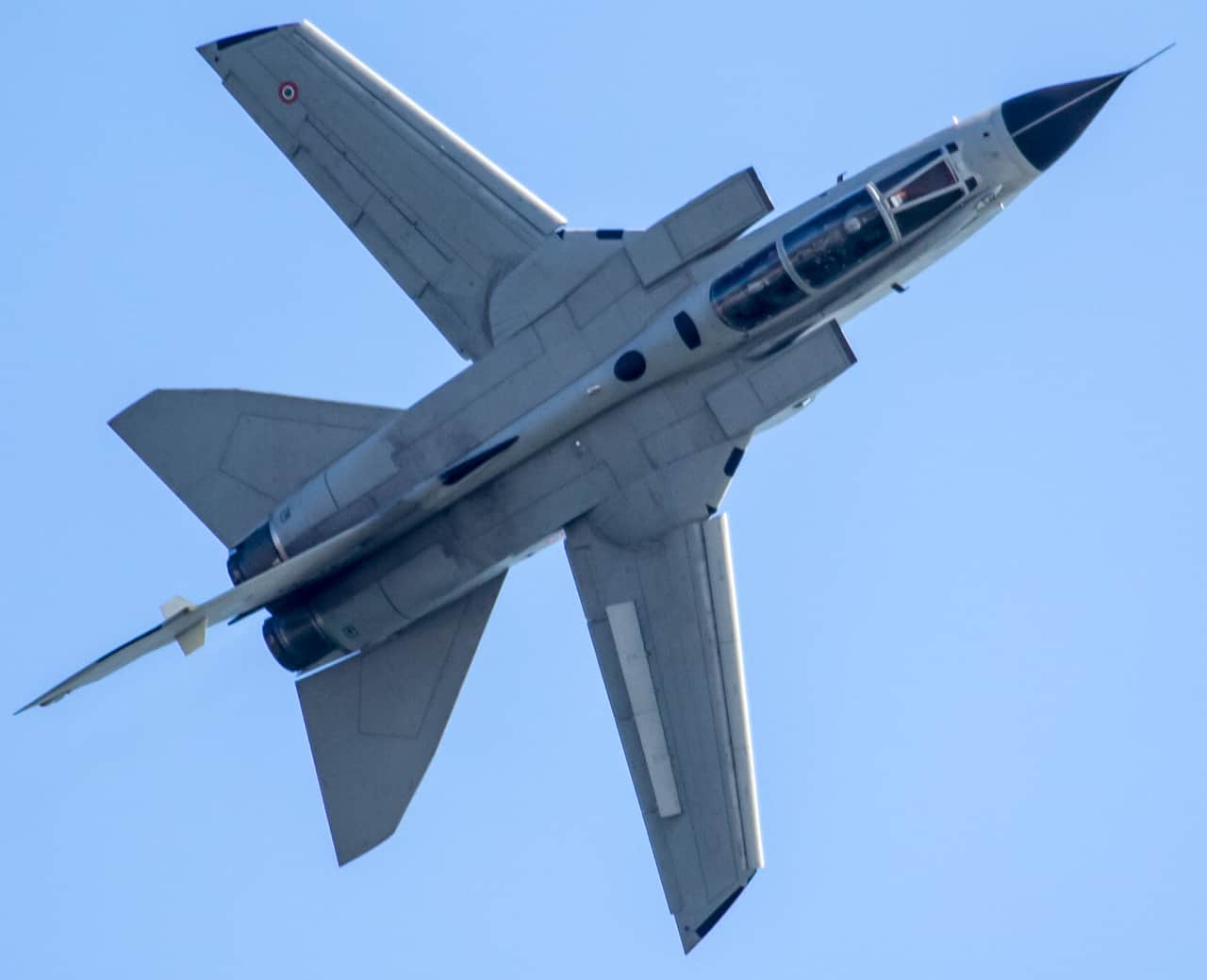
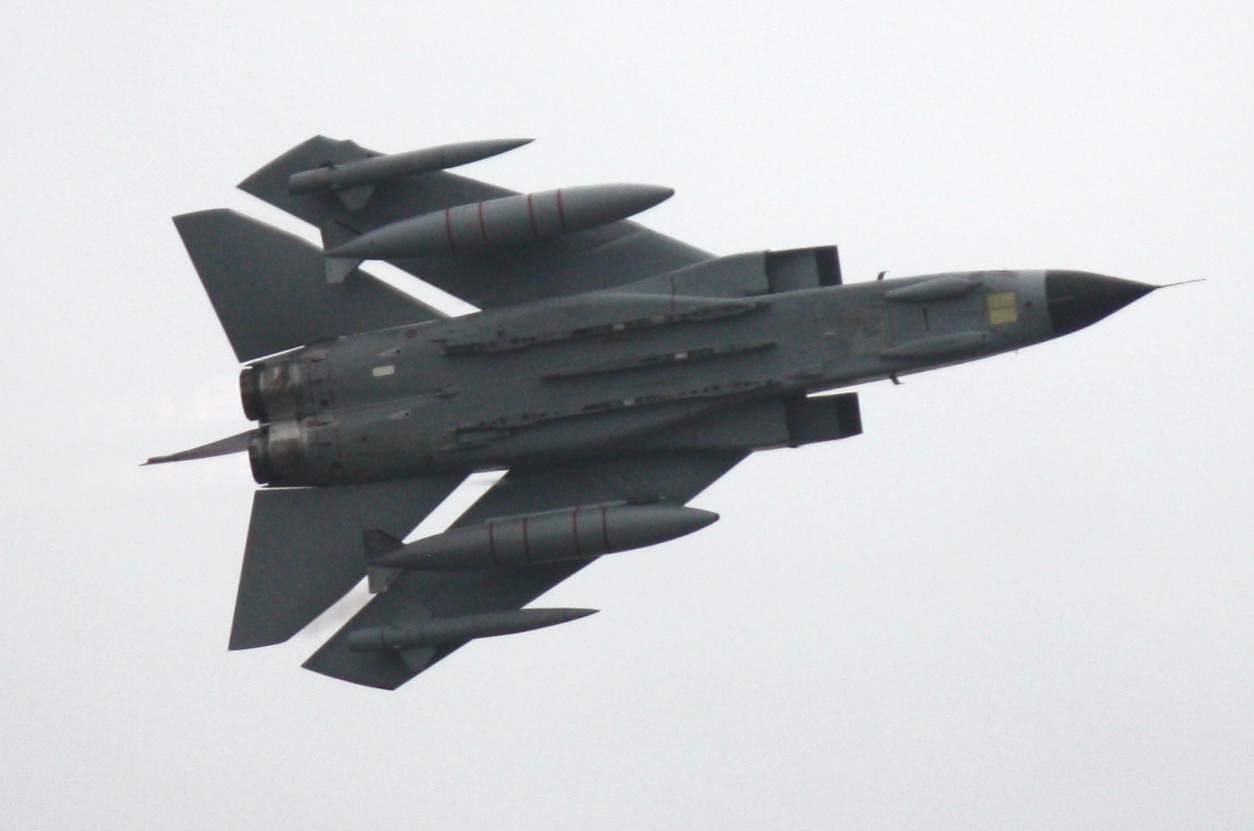


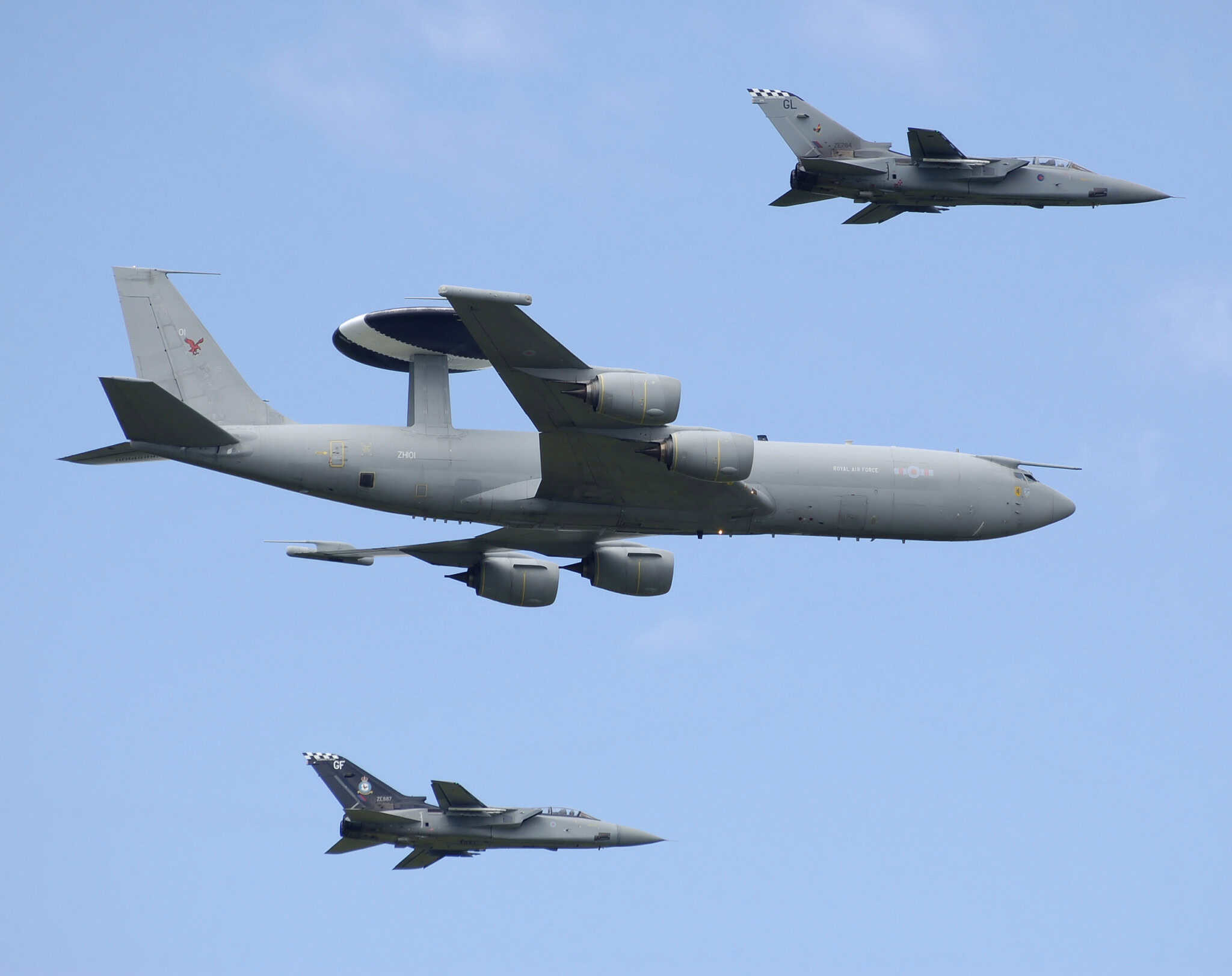


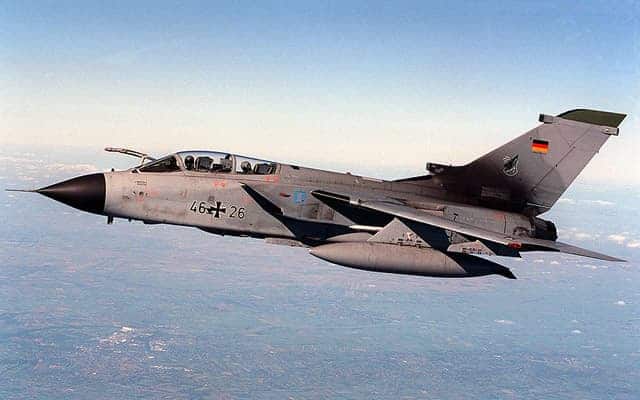
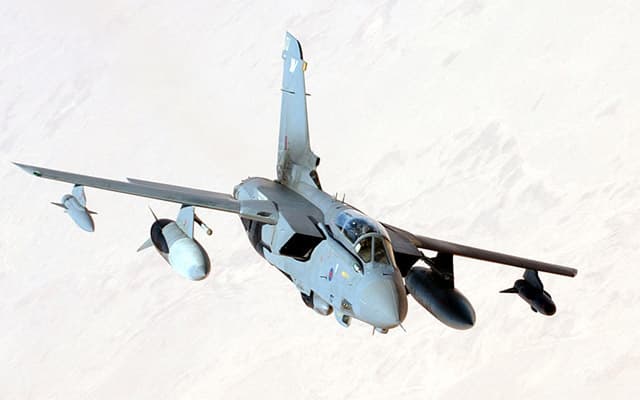
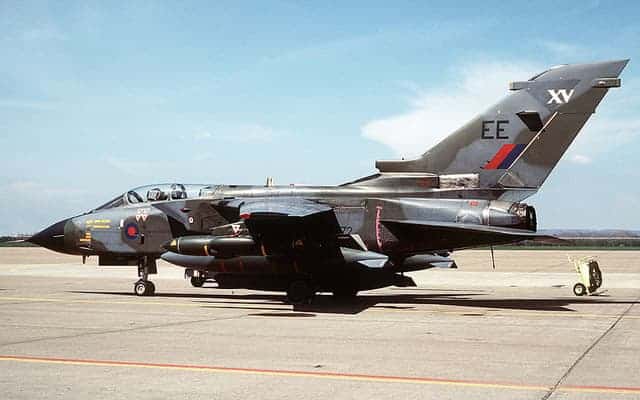

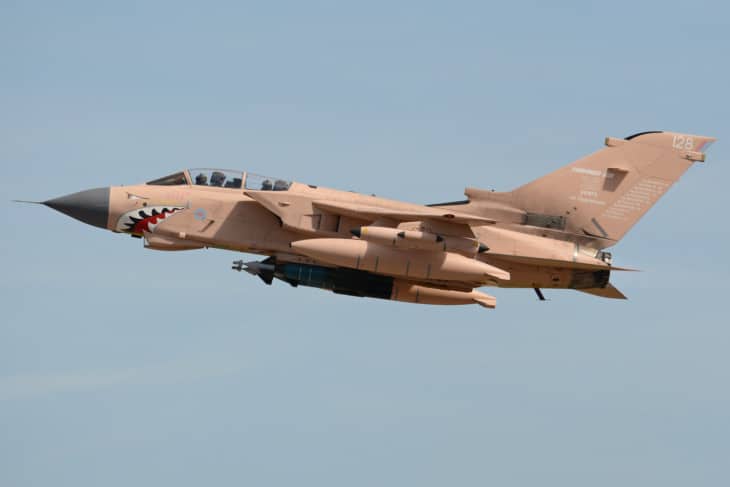
The Tornado program emerged in the late 1960s under the Multirole Combat Aircraft initiative, aimed at replacing several aging European strike aircraft. The prototype first flew in 1974, and the IDS variant entered service in 1979. Designed primarily for interdiction and deep strike missions, it featured a variable-sweep wing that allowed efficient high-speed dash at low altitude while retaining good takeoff and landing performance.
Powered by two Turbo-Union RB199 turbofan engines, each producing around 16,000 pounds of thrust (71 kN) with afterburner, the Tornado IDS could reach speeds of approximately Mach 2.2 at altitude. It had a combat radius exceeding 700 nautical miles (1,300 km) depending on loadout. The aircraft carried a wide array of conventional and precision-guided munitions, and later integrated advanced targeting pods and stand-off weapons.
The IDS saw combat in the 1991 Gulf War, operations over the Balkans, and later campaigns in the Middle East. Its ability to conduct low-level penetration in adverse weather made it particularly valuable during the Cold War. Though gradually retired in favor of newer platforms such as the Eurofighter Typhoon and F-35, the Tornado IDS remains a defining European strike aircraft of its era.
.jpg)