

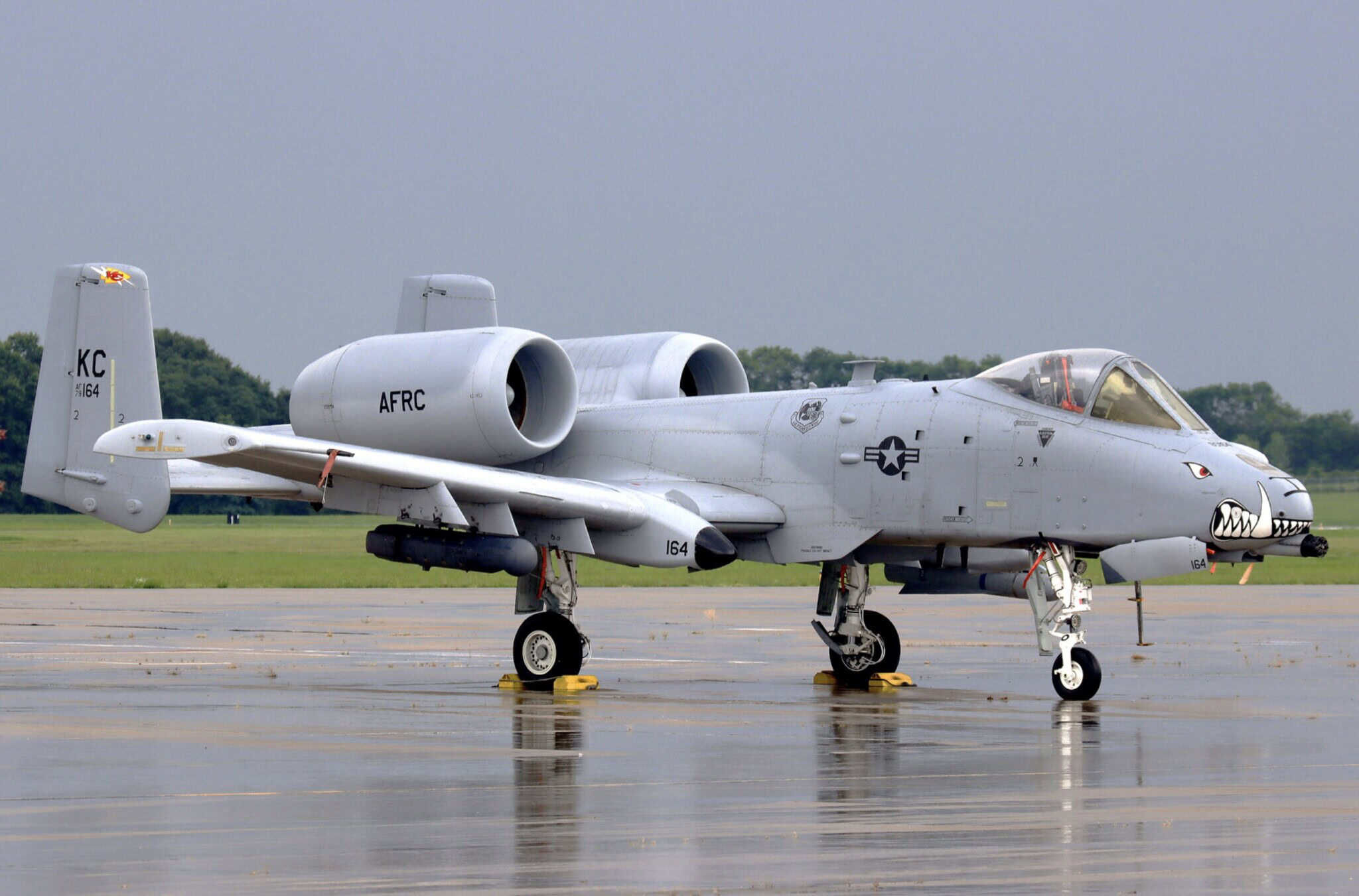
Whiteman Air Force Base in Missouri is the Air Force Reserve Command’s sole candidate location for a new F-15E Strike Eagle mission, Rep. Mark Alford of Missouri announced on July 29, 2026. The plan would give the 442nd Fighter Wing 24 Strike Eagles and end more than four decades of A-10 Thunderbolt II operations at the base.
What the Air Force approved, and what it did not
According to Alford’s office, the Department of the Air Force approved the enterprise definition, site survey criteria, and candidate location for the Reserve F-15E basing action. That is the opening move in the service’s strategic basing process, not the end of it.
Three steps remain. Air Force Reserve Command still has to name Whiteman its preferred location, complete an environmental impact analysis, and then issue a final decision.
A Department of the Air Force spokesperson told Air & Space Forces Magazine that the preferred location call is expected in 2027 and the final decision in 2029. Alford described the announcement as “the first in several steps” with “a lot of planning that has to go into this.”
Reality check
Nothing is locked in yet. A candidate location is a shortlist of one, and the basing action can still change during the environmental review. The final decision is not due until 2029, two Congresses and one presidential election from now.
1982
The Warthogs arrive. The 442nd Fighter Wing begins flying the A-10 at Whiteman, a mission it has held ever since.
July 29, 2026
Whiteman named sole candidate. The Air Force approves the candidate location for a 24-aircraft Reserve F-15E basing action.
2027
Preferred location decision. AFRC is expected to formally designate Whiteman, opening the environmental impact analysis.
2029
Final decision. The basing action is only settled once the environmental work is complete.
FY 2031
First Strike Eagles arrive. Aircraft begin transferring in from Seymour Johnson Air Force Base.
2032 to 2034
Initial, then full operational capability. The wing is not expected to be fully mission-ready on the type until 2034.

The Strike Eagles are hand-me-downs
The 24 jets would transfer from Seymour Johnson Air Force Base in North Carolina, which is converting to the newer F-15EX. That shuffle only works because the Air Force decided to buy far more EXs than it originally intended.
In its fiscal 2027 budget request the service more than doubled its planned F-15EX buy, from 129 aircraft to 267. Boeing builds both variants in St. Louis, so the jets and their replacements come from the same Missouri production line.
Passing used fighters down to the reserve component is standard practice. The active-duty force takes the new airframe, and the Guard and Reserve inherit the fleet it displaces, which is exactly what is happening to the F-15E Strike Eagle now.
The awkward years between the Warthog and the Eagle
The Air Force now plans to finish A-10 divestment around 2030, with Whiteman and Moody Air Force Base in Georgia holding the last operational jets, as The War Zone reported. Some members of Congress want to stretch that to fiscal 2033.
Either way, the arithmetic is uncomfortable. The A-10s leave around the turn of the decade and the Strike Eagles are not due to start arriving until fiscal 2031, with full operational capability three years after that.
A conversion gap is routine on a briefing slide and difficult in practice, especially for a Reserve wing. Its pilots and maintainers are part-timers with civilian careers, and holding that workforce together through several thin years is the real problem behind the announcement.
An F-15E is not an A-10 with a different badge
The word “replacement” oversells the similarity. The Warthog was designed around a 30 mm cannon, heavy armor, and the ability to loiter low and slow above troops in contact for long stretches.
The Strike Eagle is a fast two-seat strike fighter that carries a far larger weapons load over a much longer range. It supports ground forces from medium altitude with precision weapons and a targeting pod rather than from a few thousand feet with a gun.
That is the Air Force’s argument in a sentence. Against an opponent with modern surface-to-air missiles, it says, a low, slow gun pass is not survivable, so close air support has to be flown differently, and the aircraft that does it looks nothing like the one it succeeds.
Critics in Congress have made the opposite case for a decade, which is why the A-10 keeps outliving its own retirement dates. Whiteman’s transition is the clearest sign yet that this time the divestment is going through, even if the jets meant to follow are still five years out.
Sources and references used for research and fact-checking.
Get the Newsletter
The latest aviation news and stories sent to your inbox.
About the Author

Tim is the owner and lead editor of AeroCorner since 2019, overseeing aviation content covering aircraft, airlines, airports, and the broader aviation industry. Through years of researching, writing, editing, and publishing aviation-focused content, he has developed extensive practical knowledge of commercial aviation and air travel. Based in Asia and a frequent traveler himself, Tim also brings firsthand passenger experience to AeroCorner’s coverage. Outside of publishing, he has also explored aviation firsthand through hands-on flight training in New Zealand.