

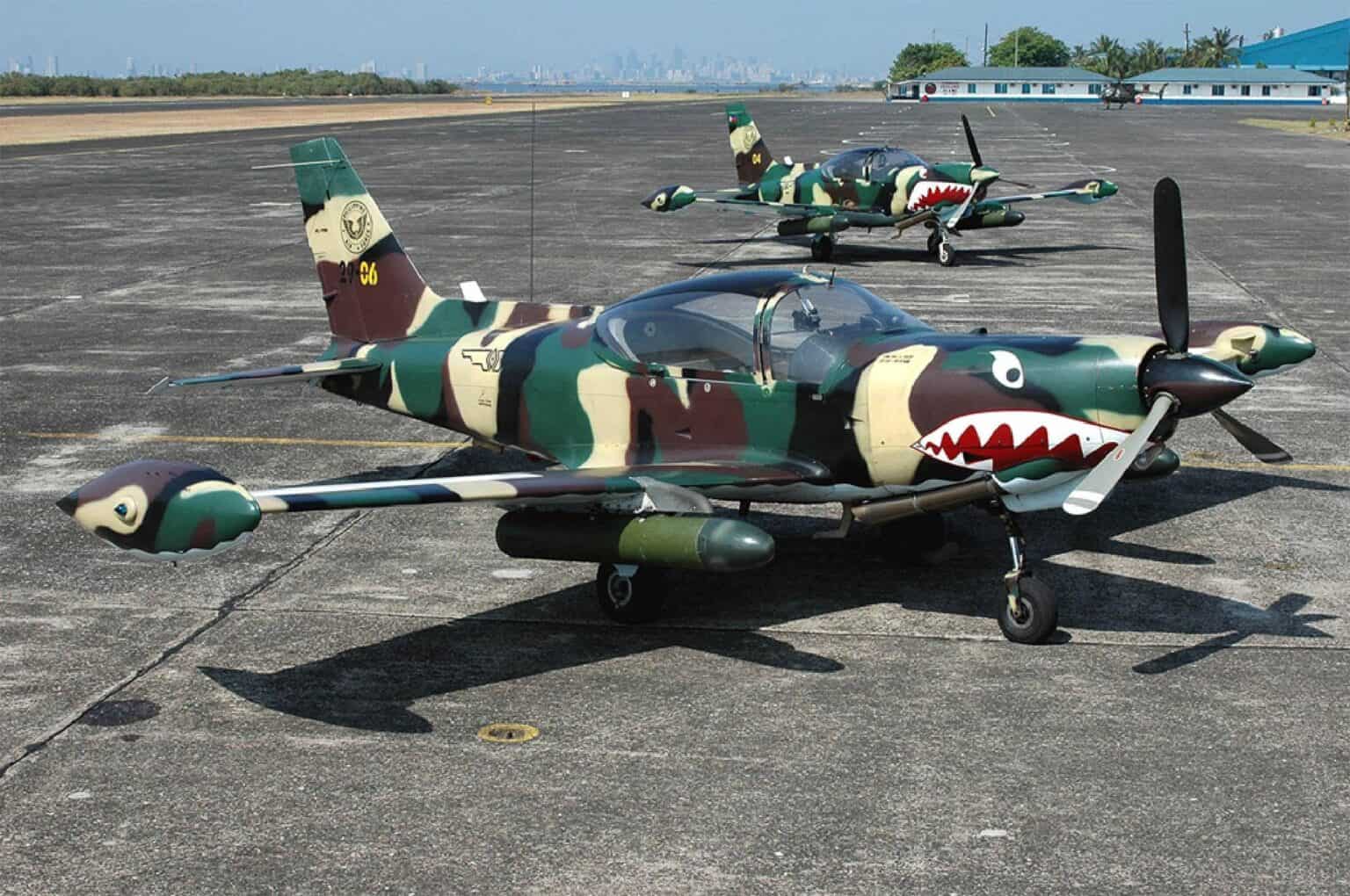
Four Philippine Air Force (PAF) pilots were killed on October 23, 2026, when two SF-260 trainer aircraft went down during a training flight at Fernando Air Base in Lipa City, Batangas. The Air Force has temporarily grounded its entire SF-260 fleet while it investigates.
It is the second fatal SF-260 accident in five months, and the second time this year the PAF has parked the type its student pilots train on.
What the Air Force has confirmed
According to the PAF, the accident happened at 3:51 p.m. on Friday, and both aircraft went down inside the base perimeter. The Air Force said no other casualties were reported.
PAF spokesperson Col. Alvin Jay Capinguian confirmed on Friday that two SF-260s had been involved in an incident and that response teams were sent to secure the area. The deaths of all four pilots were confirmed in an Air Force statement on Saturday, October 24.
“An investigation is underway to determine the cause of the accident, while all SF-260 aircraft have been temporarily grounded as a precautionary safety measure,” the statement said, as quoted by the Philippine Daily Inquirer.
The Air Force has not named the four pilots and, at the families’ request, asked the public to respect their privacy. According to the Manila Times, it also has not said how many people were aboard each aircraft.
Did the two trainers collide?
Local reporting says yes, but the Air Force statement quoted by local outlets does not use the word. The Daily Tribune reported a midair collision, and the Inquirer ran a frame from a defense video showing the two aircraft moments before they collided.
Residents quoted by Abante said the planes struck each other during flyby maneuvers. The PAF statement itself describes only an aviation accident involving two aircraft and gives no cause.
The Air Force has also not said which SF-260 variant was involved. Its fleet has included both the SF-260FH and the turboprop SF-260TP.
The SF-260 and its record in Philippine service
The SF-260 is a small, fully aerobatic low-wing trainer designed by Italian engineer Stelio Frati. It first flew on July 15, 1964, was built by SIAI-Marchetti and later Aermacchi, and is now marketed as the Leonardo SF-260.
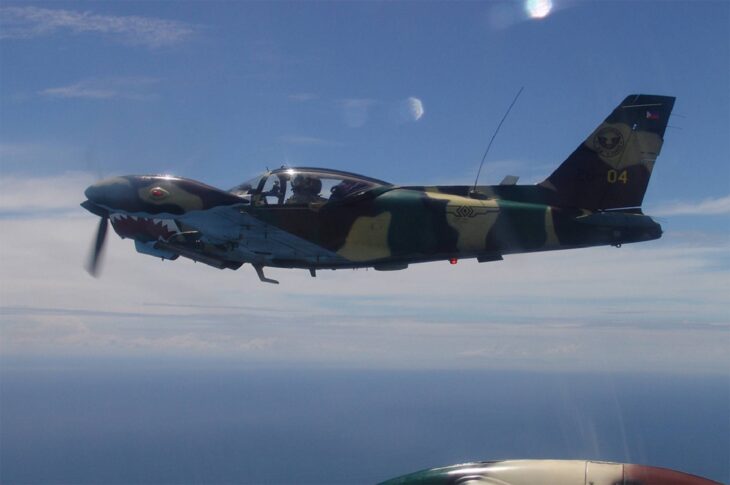

A total of 976 were built, prototypes included, before low-rate production ended in 2017. Most went to military customers, which often used it both as a trainer and as a light attack aircraft.
The PAF has flown SF-260s since the 1970s. It bought 18 new SF-260FH trainers in 2011 for 622.59 million pesos, assembled locally by Aerotech Industries Philippines at Clark. Its small SF-260TP fleet, kept since the 1990s, flew combat missions during the 2017 siege of Marawi.
Fernando Air Base in Lipa is the hub of that training: the flights that ended in the May 2026 and January 2015 accidents both departed from it.
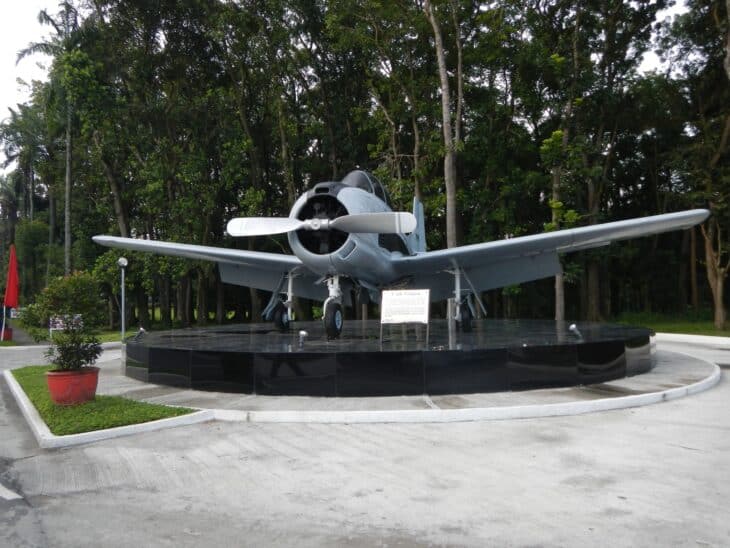

January 31, 2015
Nasugbu, Batangas. SF-260FH No. 1034, one of three aircraft flying from Fernando Air Base for a training mission and a Liberation Day exhibition flight, crashes about 1,000 feet (300 m) offshore. Both pilots are killed and the PAF grounds its SF-260s.
January 25, 2023
Pilar, Bataan. An SF-260TP on a training flight crashes into a rice field, killing both pilots. The armed forces ground the type pending the investigation.
April 24, 2023
Fernando Air Base. An SF-260FH crashes on a training flight after it “encountered problems” near a runway. Both pilots survive.
May 20, 2026
Tuba, Benguet. One of 11 SF-260s on a navigation flight from Fernando Air Base to Baguio crashes in mountain forest, killing an instructor and a student. The remaining 16 aircraft are grounded.
October 23, 2026
Fernando Air Base. Two SF-260s go down inside the base during a training flight. Four pilots are killed and the whole fleet is grounded.
What the grounding means for pilot training
The May accident in Benguet killed 1st Lt. Ruth Angelique Pasos, an instructor pilot, and 2nd Lt. Cherky Embudo, an aviation student. The Inquirer reported that grounding the 16 remaining SF-260s afterward disrupted the final phase of military pilot training.
The fleet is smaller than it was. The Inquirer put it at 20 SF-260s in 2015, the PAF said 16 remained after the May crash, and the Air Force has not said how many aircraft the new grounding covers.
After the May crash, the Air Force said other aircraft used for flight training would keep flying during the stand-down. It has not said whether that will apply this time, or how long the new grounding will last.
A fleetwide stand-down is a precaution until investigators can rule out a fault shared across the type, the same logic civil regulators use, as when EASA grounded every Elixir earlier this month. If the two aircraft did collide, investigators will look as closely at how they were being flown as at the airframes.
In Canada this week, the Steinbach midair report found two training Cessnas 100 feet apart on final approach. Whether the Lipa aircraft were flying in formation, rehearsing a flyby or sharing a circuit, and whether they collided at all, is for the PAF investigation to establish.
At the time of writing, the Air Force had released no findings, no names and no timeline for returning the SF-260 to service.
Get the Newsletter
The latest aviation news and stories sent to your inbox.
About the Author

AeroCorner News is the aviation news desk of AeroCorner.com. It covers accidents and incidents, safety rulings, airline and airport disruption, and new aircraft. It works from primary sources such as the NTSB, FAA, EASA and the manufacturers' own announcements.