

Table of Contents
The most famous individual airplane in the world right now is the Antonov An-225 Mriya, the six-engine cargo giant destroyed in Ukraine in 2022. Its English Wikipedia article drew 823,250 readers in the 12 months to September 2026, more than Air Force One, the Spruce Goose or the Wright Flyer.
Count aircraft types instead of single airplanes and the answer changes completely. The F-35 Lightning II drew 2,554,286 readers, and a classic like the Boeing 747 only comes in 22nd.
So this list does two things. It ranks the 10 most famous named airplanes, the ones people search for as “famous airplane names”, and then the 10 most famous aircraft types, both by the same measure.
How we ranked famous airplanes
Most famous-airplane lists are one editor’s opinion, so we used a number instead: how many people read each airplane’s English Wikipedia article between October 2025 and September 2026. The figures come from the Wikimedia Pageviews API, count people only (bots are excluded), and cover every device.
We measured 41 named airplanes and 109 aircraft types. Articles that are really about an event, such as the Tenerife airport disaster (939,523 readers) and the Doolittle Raid (570,975), were set aside, along with helicopters like Marine One and small fleets like the four-plane Boeing Dreamlifter.
Readership measures attention, not greatness. It rises with the news, which is why current warplanes lead the types list, and it is the same method we used for our ranking of the most famous pilots in history.
| Rank | Airplane | Famous for | Readers, 12 months |
|---|---|---|---|
| 1 | Antonov An-225 Mriya | Heaviest airplane ever flown | 823,250 |
| 2 | Air Force One | The president’s call sign | 646,897 |
| 3 | Hughes H-4 Hercules (“Spruce Goose”) | Widest wingspan for 72 years | 435,662 |
| 4 | Enola Gay | Hiroshima, August 6, 1945 | 369,798 |
| 5 | Gimli Glider | 767 that ran out of fuel, 1983 | 337,795 |
| 6 | Wright Flyer | First powered flight, 1903 | 262,102 |
| 7 | Bell X-1 Glamorous Glennis | First past Mach 1, 1947 | 145,669 |
| 8 | Spirit of St. Louis | Lindbergh’s solo Atlantic flight, 1927 | 144,315 |
| 9 | Bockscar | Nagasaki, August 9, 1945 | 110,167 |
| 10 | Rutan Voyager | Nonstop around the world, 1986 | 86,463 |
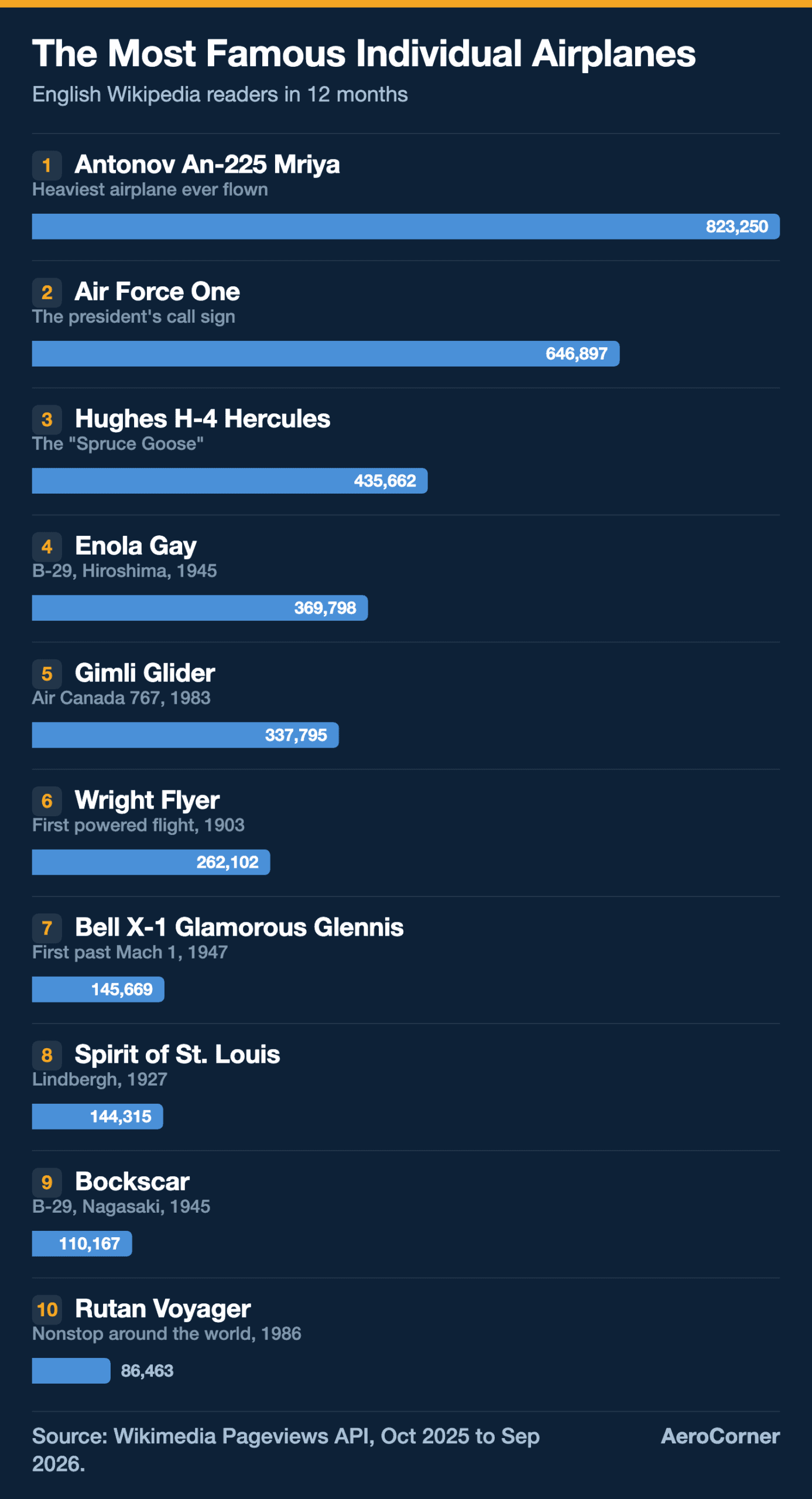
The 10 most famous airplanes with names
These are single airframes, or in two cases a call sign and a one-off, that people look up by name. Most of them can still be seen in a museum.
1. Antonov An-225 Mriya: 823,250 readers
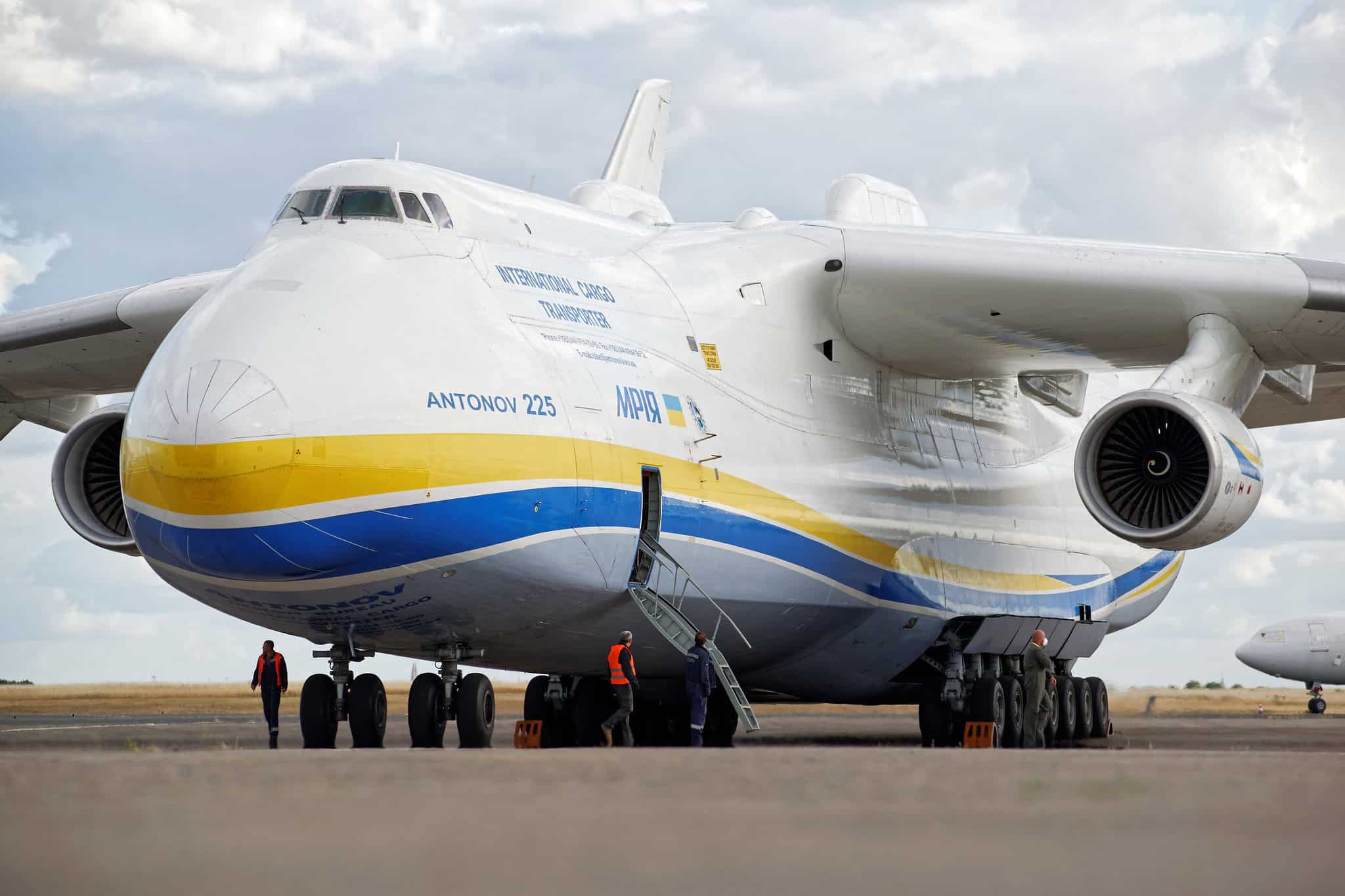
The Mriya first flew on December 21, 1988, built to carry the Soviet Buran space shuttle on its back. Only one was ever completed, registered UR-82060.
Its maximum takeoff weight of 1.4 million pounds (640 tonnes) made it the heaviest aircraft ever built. In 2001 it lifted a record 253.82 tonnes of cargo, and it held about 240 world records in all.
The airplane was parked at Hostomel airport near Kyiv when Russia invaded in February 2022. Ukrainian officials said on February 27 that it had been destroyed, and drone footage in April showed the burned forward fuselage and a broken wing.
Ukraine has promised to finish a second, partly built airframe, but Antonov paused that work in September 2024 until the war ends. Its own cost estimate is more than €500 million.
2. Air Force One: 646,897 readers

The most famous airplane name in America is not an airplane at all. Air Force One is the call sign of any US Air Force aircraft carrying the president.
It exists because of a mix-up. In 1953 an Eastern Air Lines flight numbered 8610 shared airspace over Virginia with Air Force 8610, which was carrying President Eisenhower, so a unique call sign was created in 1954 and made official in 1962.
Since 1990 the call sign has mostly belonged to two Boeing 747-based VC-25As. Their replacements, the VC-25B, were due in 2024; the Air Force now projects the first delivery by mid-2028.
In the meantime, a 747-8 given by Qatar was accepted in May 2025, and in May 2026 the Air Force said its modification and flight testing were finished. The difference between the call signs is covered in Air Force One vs Air Force Two.
3. Hughes H-4 Hercules, the “Spruce Goose”: 435,662 readers

Howard Hughes flew his giant wooden flying boat exactly once, on November 2, 1947, off Long Beach, California. It covered about 1 mile (1.6 km) at about 70 feet, still in ground effect, with 36 people aboard.
Its wingspan of 319 feet 11 inches (97.51 m) was the widest of any aircraft that had flown until Stratolaunch, with a 385-foot span, first flew on April 13, 2019. Hughes kept a crew of about 300 maintaining it until his death in 1976.
It now sits in McMinnville, Oregon. The full story is in our article on the Spruce Goose.
The Spruce Goose is not made of spruce
The H-4 was built almost entirely of birch, laminated with Hughes’ Duramold process. Hughes disliked the nickname.
4. Enola Gay: 369,798 readers
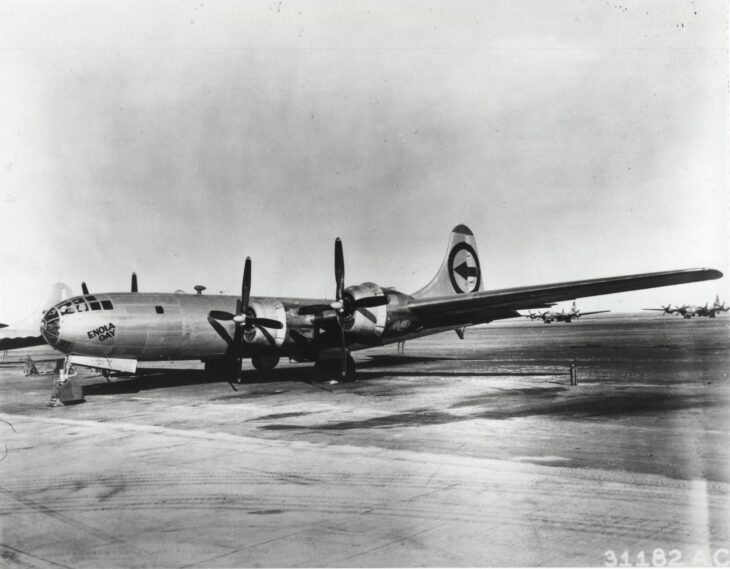

Enola Gay is the Boeing B-29 Superfortress, serial 44-86292, that dropped the atomic bomb on Hiroshima on August 6, 1945. It was commanded by Col. Paul W. Tibbets Jr.
Tibbets named it after his mother, and the name was painted on in the early hours before the mission. The airplane is displayed at the Smithsonian’s Steven F. Udvar-Hazy Center in Chantilly, Virginia.
5. Gimli Glider: 337,795 readers
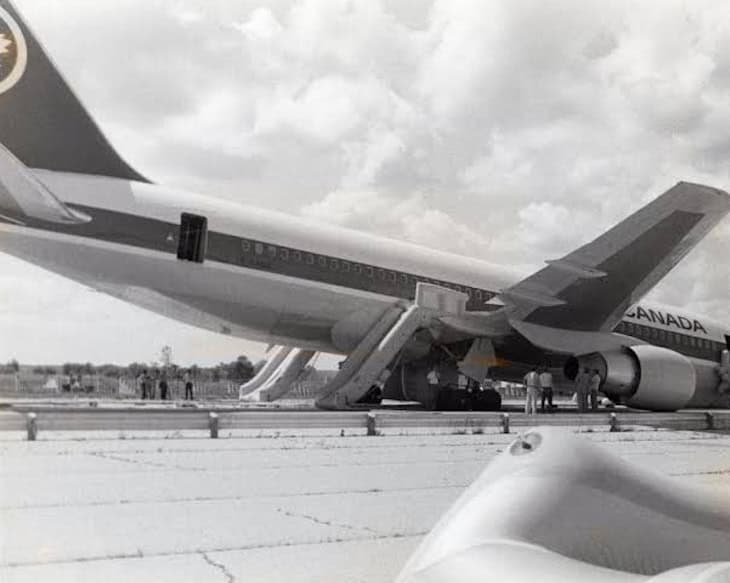
The Gimli Glider is the nickname of Air Canada Flight 143, a Boeing 767-200 registered C-GAUN, which ran out of fuel at 41,000 feet over Ontario on July 23, 1983. Its Wikipedia article carries the airplane’s nickname, which is why it counts here.
The cause was a units mix-up. The crew converted the fuel load using pounds per liter where kilograms per liter belonged, and the jet took off with about 9,250 kg of fuel while its computer showed 20,400 kg.
Captain Bob Pearson, a glider pilot, and First Officer Maurice Quintal glided it to a former air force base at Gimli, Manitoba, which was hosting a car race. All 69 people aboard survived.
6. Wright Flyer: 262,102 readers

On December 17, 1903, the Wright Flyer made four flights near Kitty Hawk, North Carolina. The site is actually Kill Devil Hills, about 4 miles south of the town that gets the credit.
Orville Wright flew first: 12 seconds and 120 feet (36 m). Wilbur flew the longest, 852 feet in 59 seconds, on the fourth flight. The site is one of the stops in our guide to aviation museums in North Carolina.
The Flyer spent two decades in London. Orville sent it there in 1928 because the Smithsonian credited Samuel Langley’s Aerodrome as the first capable airplane, and it only came home after the Smithsonian retracted that claim, going on display in Washington on December 17, 1948.
A piece of it has been to the Moon and Mars
Neil Armstrong carried wood from the Flyer’s propeller and fabric from its wing to the Moon, and a swatch of its fabric rode to Mars on the Ingenuity helicopter.
7. Bell X-1 Glamorous Glennis: 145,669 readers
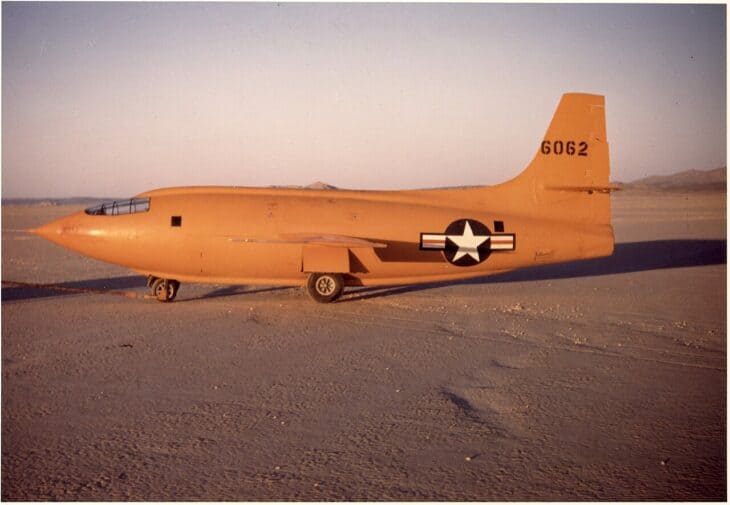
On October 14, 1947, Capt. Charles “Chuck” Yeager flew the Bell X-1, serial 46-062, to Mach 1.06 at 43,000 feet, about 700 mph (1,127 km/h). It was the first flight faster than sound in level flight.
Yeager named it Glamorous Glennis after his wife. It did not take off on its own: it was dropped from a B-29’s bomb bay, and its only runway takeoff came in January 1949.
Its readership counts the whole Bell X-1 article, since Glamorous Glennis redirects there. The airplane hangs in the Smithsonian’s Boeing Milestones of Flight Hall in Washington.
8. Spirit of St. Louis: 144,315 readers

Charles Lindbergh took off from Roosevelt Field, New York, on the morning of May 20, 1927, and landed at Le Bourget, Paris, 33 hours and 30 minutes later. The flight of about 3,600 miles (5,800 km) won the $25,000 Orteig Prize.
The Ryan NYP put its fuel tanks ahead of the cockpit, so Lindbergh had no forward view, only side windows and a periscope. Why that mattered, and why he was not the first to fly the Atlantic, is in our story on Charles Lindbergh.
9. Bockscar: 110,167 readers

Bockscar, B-29 serial 44-27297, dropped the second atomic bomb on August 9, 1945, flown by Maj. Charles W. Sweeney. Its primary target was Kokura, which was obscured, so the bomb fell on Nagasaki.
A faulty fuel pump left 640 gallons unusable, and Bockscar landed on Okinawa with two engines starved of fuel. The name, a pun on the name of Capt. Frederick C. Bock, was painted on after the mission.
10. Rutan Voyager: 86,463 readers
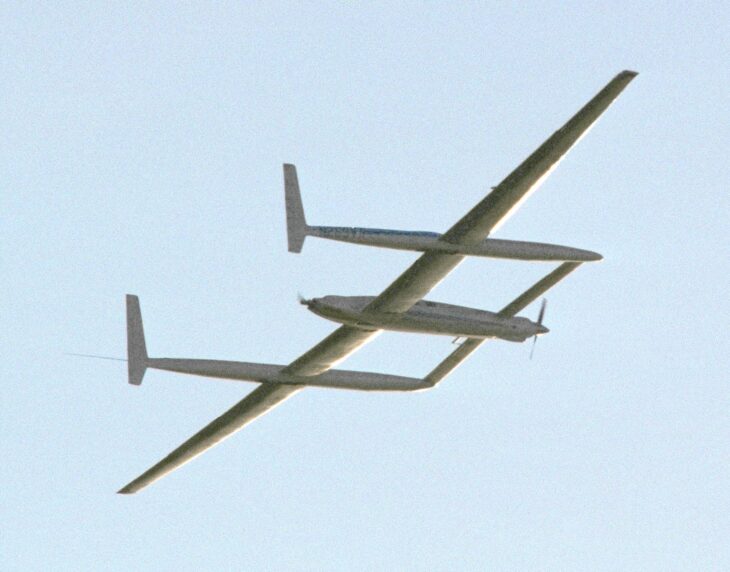

Dick Rutan and Jeana Yeager took off from Edwards Air Force Base on December 14, 1986, and landed there 9 days, 3 minutes and 44 seconds later. It was the first nonstop, unrefueled flight around the world.
They flew 26,366 statute miles (42,432 km) and landed with about 106 pounds of fuel, roughly 1.5% of the load they started with. Voyager is now displayed at the Smithsonian in Washington.
Famous airplane names just outside the top 10
Four more names drew between 40,000 and 80,000 readers. Each has a story that most lists get slightly wrong.
Memphis Belle (78,852 readers). This B-17F, flown by Capt. Robert K. Morgan, is often called the first bomber to complete 25 missions. It was one of the first; the B-17s Suzy-Q and Delta Rebel No. 2 got there earlier, and the Belle has been on display in Dayton since 2018.
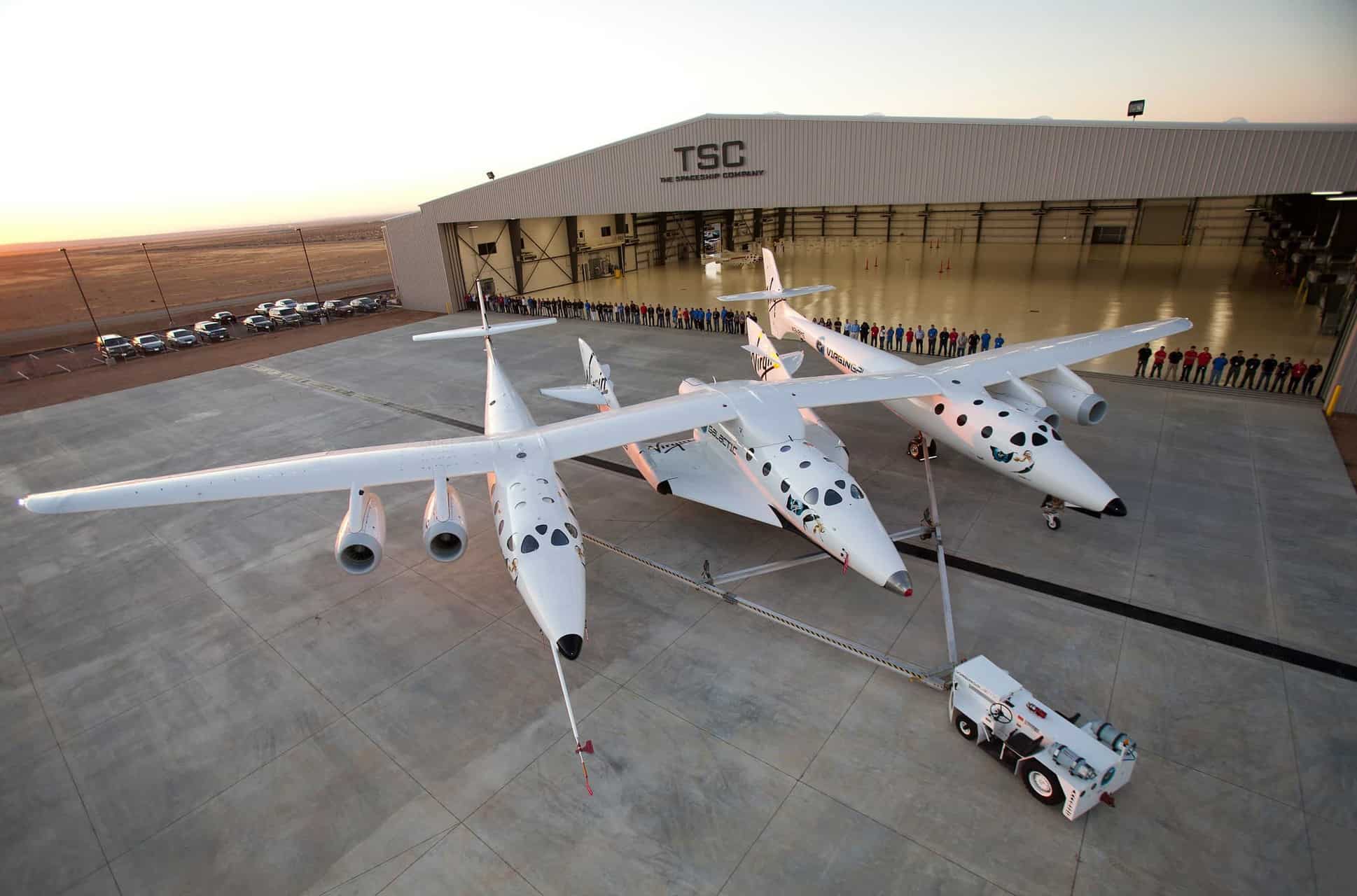
SpaceShipOne (69,239 readers). It flew to space three times in 2004, and its October 4 flight to 112 km (70 miles) won the $10 million Ansari X Prize.
Lady Be Good (68,227 readers). This B-24D vanished with nine crew after a raid on Naples on April 4, 1943. Its wreck was found in the Libyan desert in 1958 and 1959, about 440 miles (710 km) from its base, with its guns and radio still working.
Amelia Earhart’s Lockheed Vega 5B. On May 20 and 21, 1932, Earhart flew it 2,026 miles from Newfoundland to Northern Ireland in about 15 hours, the first solo nonstop Atlantic crossing by a woman. The Lockheed Vega article drew 41,830 readers, and her airplane is in the Smithsonian’s collection.

The 10 most famous aircraft types
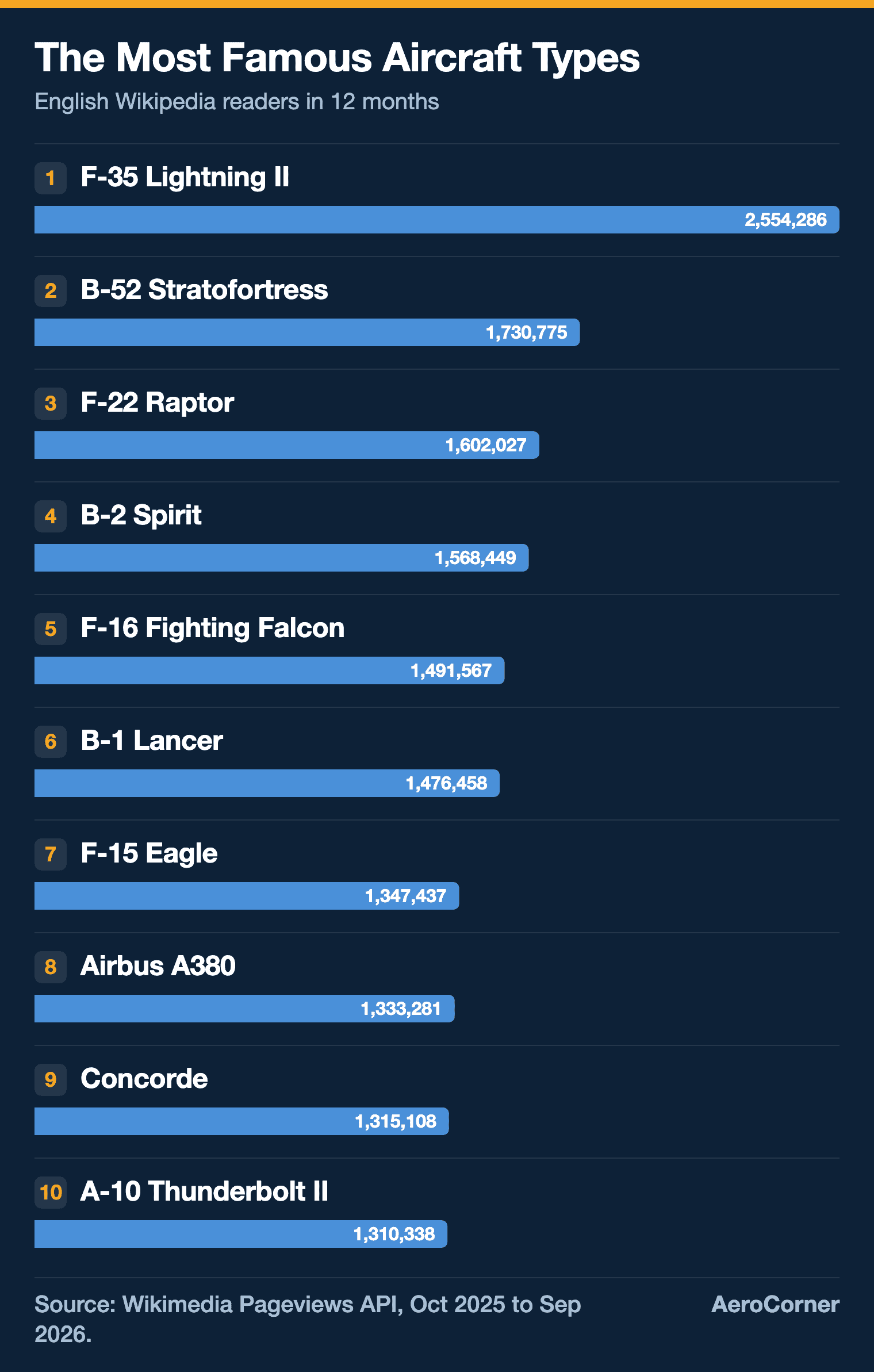
Measured as types, the most famous aircraft are overwhelmingly American warplanes that are in service and in the news. Only two airliners make it: the double-deck A380 and the supersonic Concorde.
| Rank | Aircraft type | Role | Readers, 12 months |
|---|---|---|---|
| 1 | Lockheed Martin F-35 Lightning II | Stealth fighter | 2,554,286 |
| 2 | Boeing B-52 Stratofortress | Bomber | 1,730,775 |
| 3 | Lockheed Martin F-22 Raptor | Stealth fighter | 1,602,027 |
| 4 | Northrop B-2 Spirit | Stealth bomber | 1,568,449 |
| 5 | General Dynamics F-16 Fighting Falcon | Fighter | 1,491,567 |
| 6 | Rockwell B-1 Lancer | Bomber | 1,476,458 |
| 7 | McDonnell Douglas F-15 Eagle | Fighter | 1,347,437 |
| 8 | Airbus A380 | Airliner | 1,333,281 |
| 9 | Concorde | Supersonic airliner | 1,315,108 |
| 10 | Fairchild Republic A-10 Thunderbolt II | Attack jet | 1,310,338 |
Ranked by ability rather than attention, the fighters on this list are covered in our ranking of the best fighter jets in the world.
1. F-35 Lightning II: 2,554,286 readers
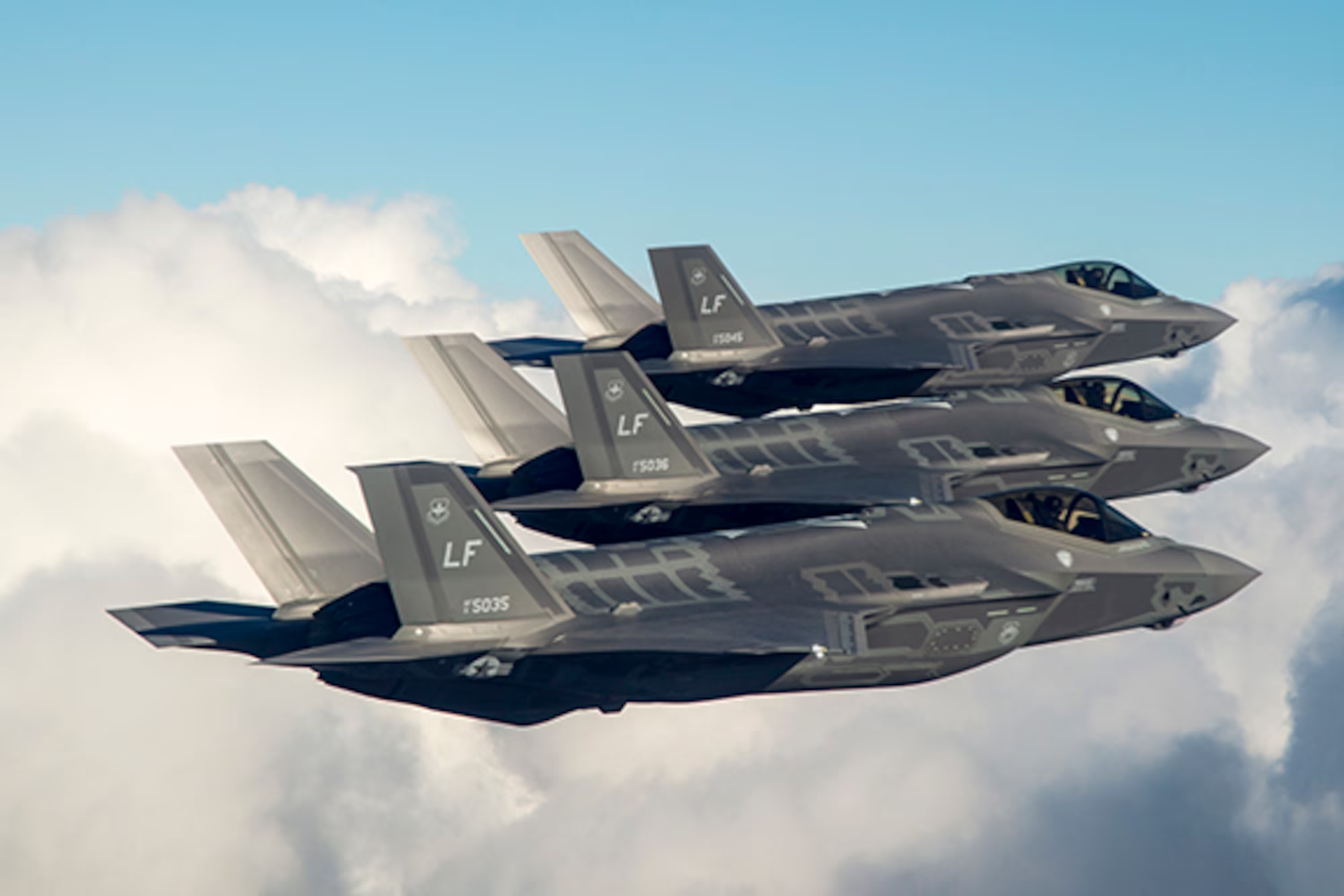
The F-35 first flew in 2006 and comes in three versions: the conventional F-35A, the short-takeoff F-35B and the carrier-based F-35C. Lockheed Martin lists more than 1,375 delivered.
The Marine Corps declared the F-35B ready for service in 2015, the Air Force followed with the F-35A in 2016 and the Navy with the F-35C in 2019.
2. B-52 Stratofortress: 1,730,775 readers

The prototype flew in 1952 and the last of 744 B-52s was delivered in October 1962. The Air Force expects to keep flying the B-52H through 2050, almost a century after the first flight.
In Desert Storm, B-52s dropped 40% of all the weapons the coalition used. The bombers are now getting new Rolls-Royce engines that will make them B-52Js.
3. F-22 Raptor: 1,602,027 readers
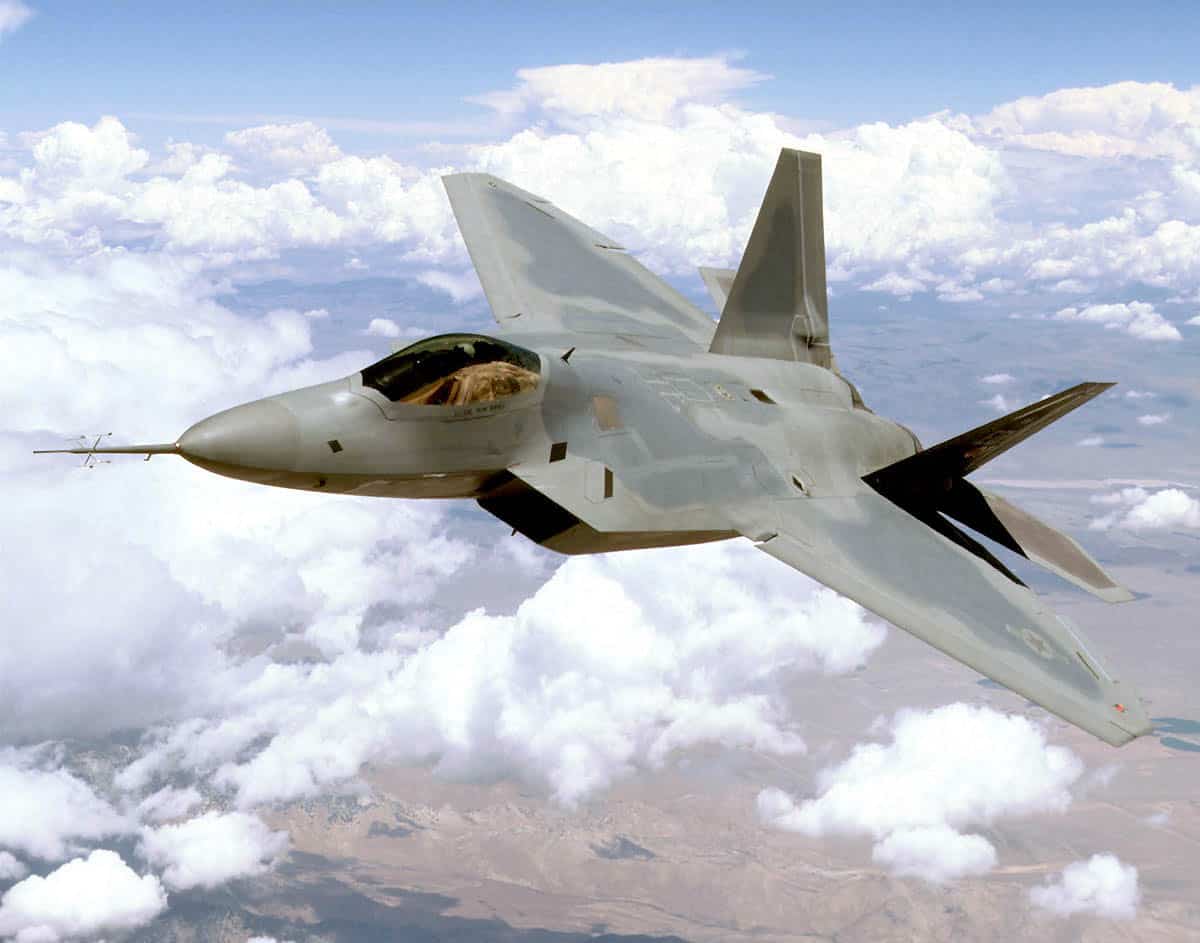
The Air Force once planned to buy 750 F-22s. Production ended at 195, with the last completed in December 2011.
It can cruise faster than Mach 1.5 without afterburner, and its production tooling was stored at the Sierra Army Depot in case the line ever restarts.
4. B-2 Spirit: 1,568,449 readers
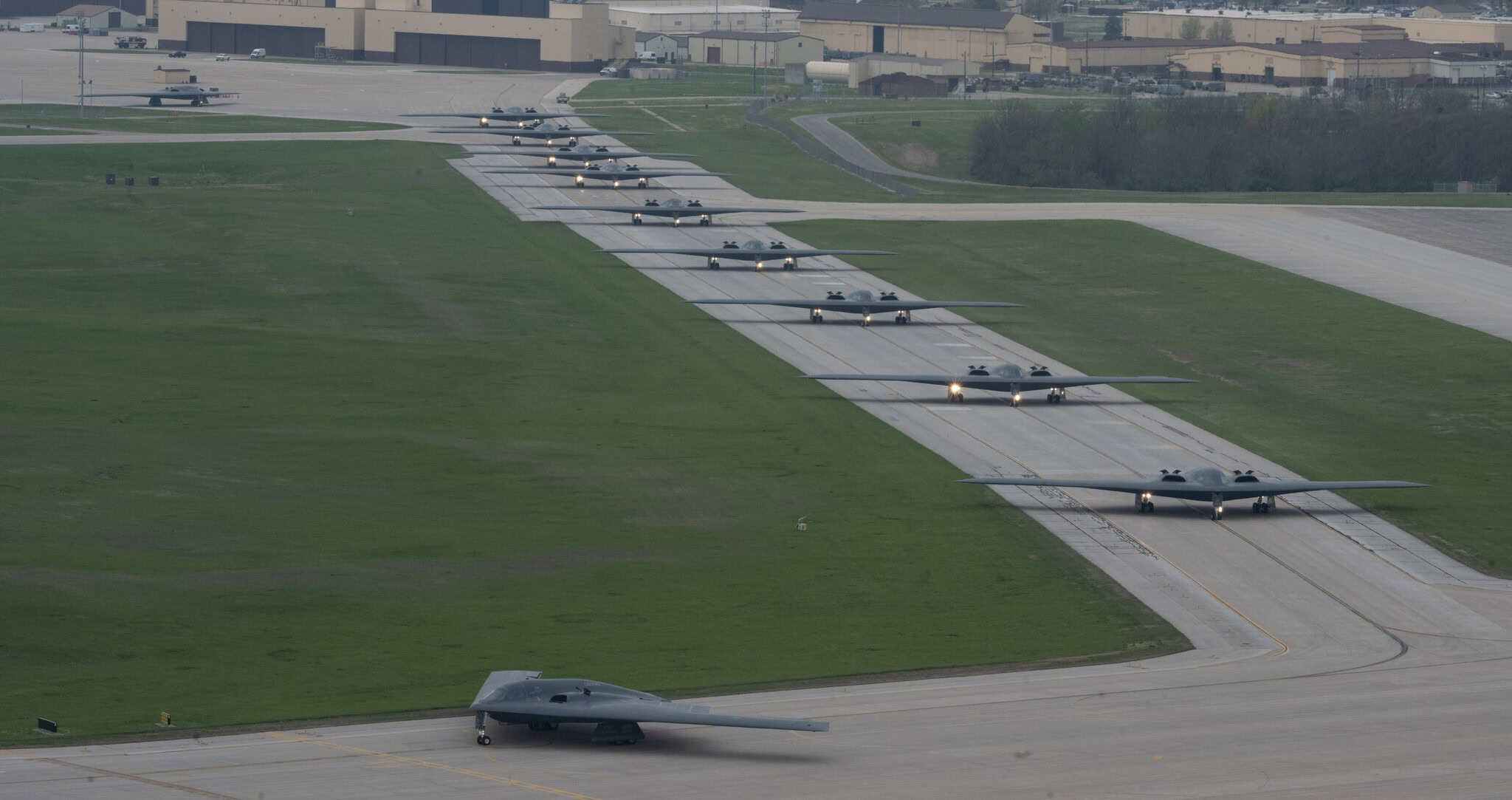

Only 21 B-2s were built, at about $1.157 billion each in 1998 dollars. On June 22, 2025, seven of them flew Operation Midnight Hammer, dropping 14 GBU-57 bunker busters on Iran’s Fordow and Natanz nuclear sites.
How many are left, and why, is in our count of how many B-2 bombers there are.
5. F-16 Fighting Falcon: 1,491,567 readers

More than 4,600 F-16s have been built since 1976, and 25 countries besides the US have bought it. Its first flight was an accident, during a high-speed taxi test on January 20, 1974; the official first flight came two weeks later.
6. B-1 Lancer: 1,476,458 readers

The swing-wing B-1B entered service in 1986, and 100 were built. It can top 900 mph and carry a 75,000-pound payload.
It was built as a nuclear bomber but lost that role in 1994. The B-21 Raider is set to replace it.
7. F-15 Eagle: 1,347,437 readers

The F-15 first flew in 1972 and has an air-combat record few fighters can touch: 104 kills with no confirmed losses in air-to-air combat through 2008. In Desert Storm, F-15Cs scored 34 of the Air Force’s 37 air-to-air victories.
One Israeli F-15D famously landed in 1983 after a midair collision tore off most of its right wing. The design lives on in the new F-15EX Eagle II.
8. Airbus A380: 1,333,281 readers
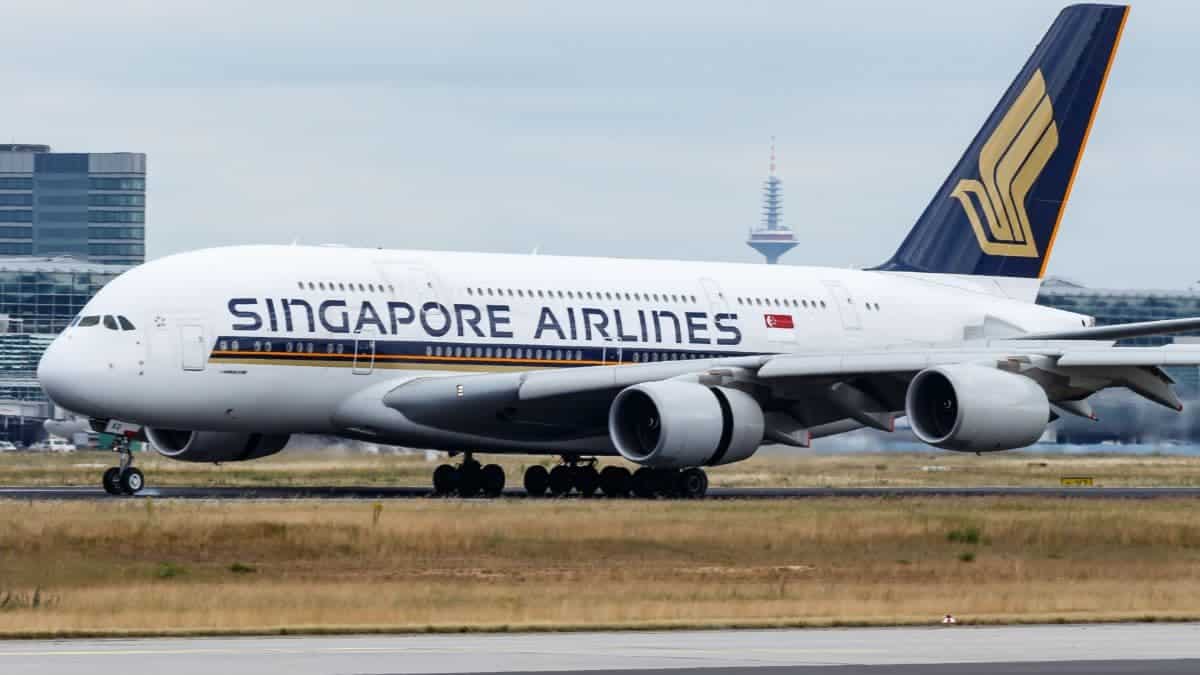
The double-deck A380 is the world’s largest passenger airliner, certified for 853 passengers. In its evacuation test, 853 passengers and 20 crew got out in 78 seconds with half the exits blocked.
Airbus built 254, including three test aircraft, and delivered the last to Emirates on December 16, 2021. It leads our list of the largest commercial airplanes.
9. Concorde: 1,315,108 readers
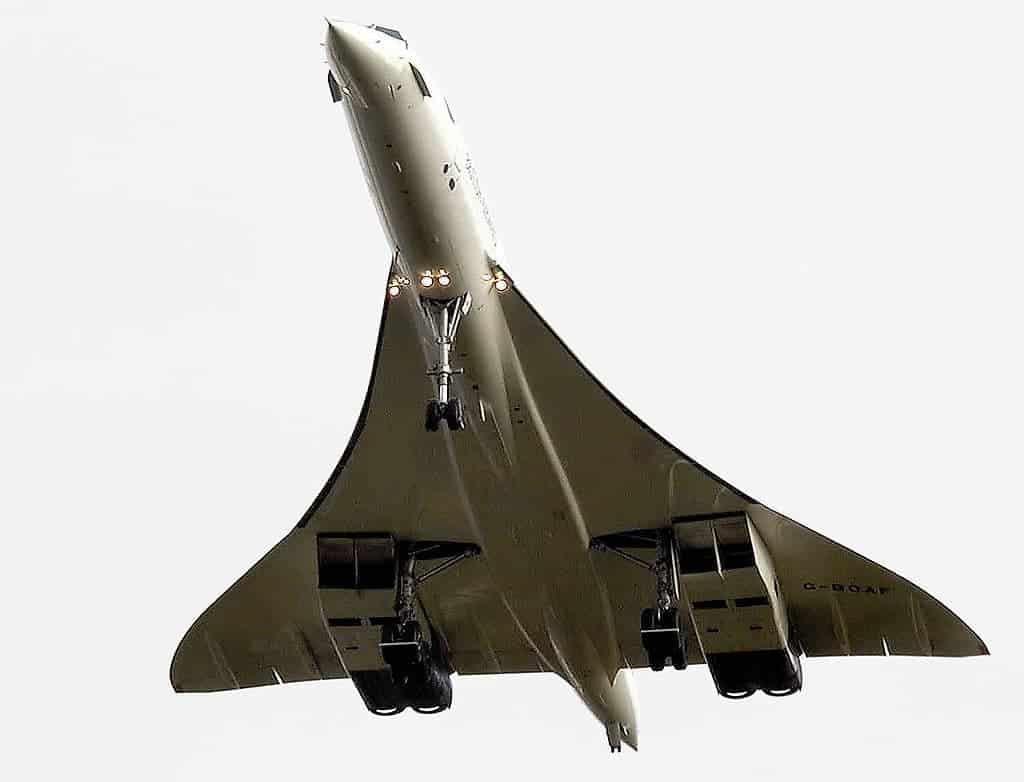
Only 20 Concordes were built, and just 14 flew for British Airways and Air France. It cruised at Mach 2.04, about 1,354 mph (2,179 km/h), from 1976 until its last commercial flight on October 24, 2003.
On February 7, 1996, G-BOAD flew New York to London in 2 hours, 52 minutes and 59 seconds, the record covered in how fast Concorde flew. Its fuselage grew as much as 12 inches (300 mm) in flight.
10. A-10 Thunderbolt II: 1,310,338 readers
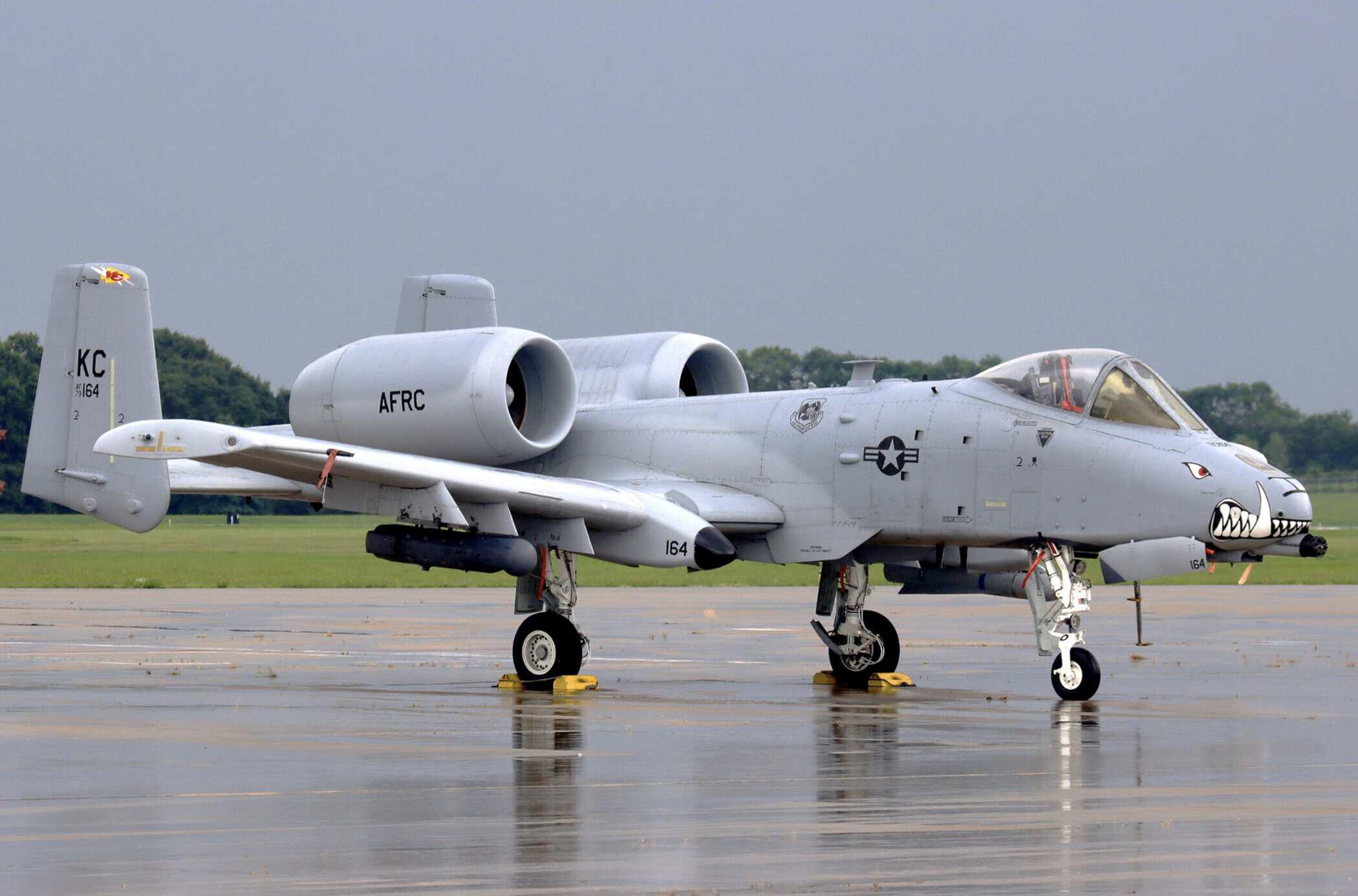
The A-10 “Warthog” is built around its GAU-8 cannon, which fires 3,900 rounds a minute. 716 were built.
Congress required the Air Force to keep 103 of them through September 2026. In April 2026 the service extended the jet to 2030, keeping two squadrons at Moody Air Force Base and one at Whiteman.
Why the classics rank lower than you would expect
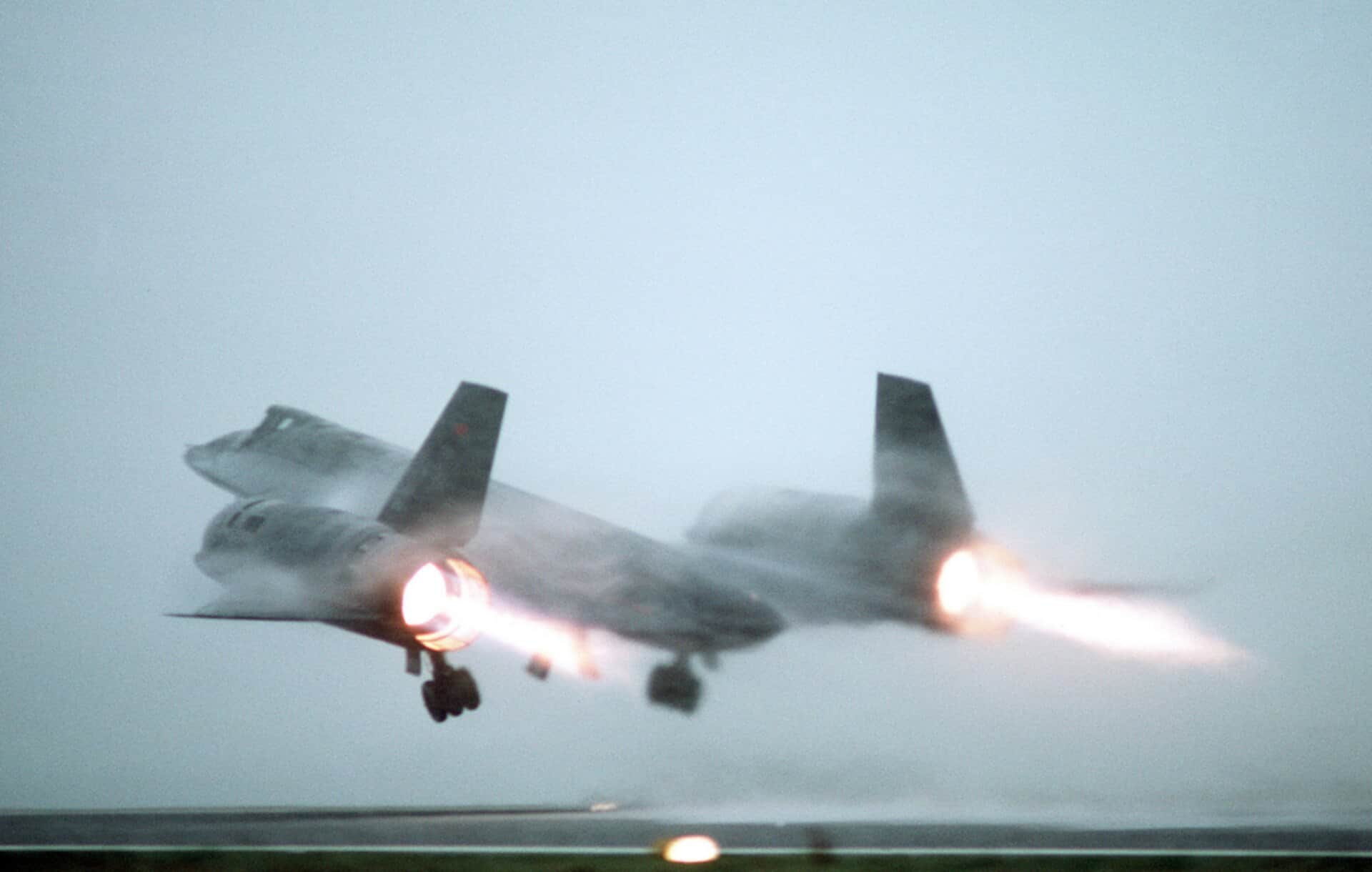
The SR-71 Blackbird just misses the top 10, in 11th place with 1,280,270 readers. Lockheed built 32, it set the jet speed record of 2,193 mph on July 28, 1976, and none was ever lost to enemy action.
The Boeing 747 is 22nd with 1,088,330 readers, 14 places behind the A380. Boeing built 1,574 747s between the first flight in 1969 and the last delivery to Atlas Air on January 31, 2023, and hundreds still fly.

The Supermarine Spitfire, with more than 20,351 built, ranks 65th of the 109 types with 532,789 readers. The P-51 Mustang (634,295) and the DC-3 (469,055) sit nearby.

That is not because people forgot them. A warplane in today’s news pulls in readers who would never look up a 1940s fighter, while the classics draw a steady crowd that rarely spikes. For the wartime icons on their own terms, see our ranking of the most famous aircraft of WWII.
What this ranking does and does not measure
Wikipedia readership measures how many people looked an airplane up in one year. It rewards aircraft in the news, so expect the types list to move as wars, deliveries and retirements change the headlines. The named-airplane list is far more stable, because those stories are finished.
FAQ
Sources and references used for research and fact-checking.
- Wikimedia Foundation, Wikimedia Pageviews API (English Wikipedia, Oct 2025 to Sep 2026)
- Smithsonian National Air and Space Museum, 1903 Wright Flyer
- Smithsonian National Air and Space Museum, Ryan NYP Spirit of St. Louis
- Smithsonian National Air and Space Museum, Boeing B-29 Superfortress Enola Gay
- Smithsonian National Air and Space Museum, Bell X-1 Glamorous Glennis
- Smithsonian National Air and Space Museum, Lockheed Vega 5B, Amelia Earhart
- Smithsonian National Air and Space Museum, SpaceShipOne
- Smithsonian National Air and Space Museum, Lockheed SR-71 Blackbird
- Wikipedia, Antonov An-225 Mriya
- Aerospace Global News, Antonov An-225 Mriya: four years after its destruction
- Wikipedia, Air Force One
- Air & Space Forces Magazine, New Air Force One delivery shifts to 2028
- The War Zone, VC-25B bridge aircraft now fully modified and flight tested
- Wikipedia, Hughes H-4 Hercules
- Smithsonian Magazine, World's widest airplane completes second test flight
- Wikipedia, Gimli Glider
- Wikipedia, Bockscar
- Wikipedia, Rutan Voyager
- Wikipedia, Memphis Belle (aircraft)
- Wikipedia, Lady Be Good (aircraft)
- Lockheed Martin, F-35 fast facts
- U.S. Air Force, B-52H Stratofortress fact sheet
- Wikipedia, Lockheed Martin F-22 Raptor
- U.S. Air Force, B-2 Spirit fact sheet
- U.S. Air Force, F-16 Fighting Falcon fact sheet
- U.S. Air Force, B-1B Lancer fact sheet
- Wikipedia, McDonnell Douglas F-15 Eagle
- Wikipedia, Airbus A380
- Wikipedia, Concorde
- Military Times, US Air Force extends A-10 Warthog through 2030
- Wikipedia, Lockheed SR-71 Blackbird
- Wikipedia, Boeing 747
- Wikipedia, Supermarine Spitfire
Get the Newsletter
The latest aviation news and stories sent to your inbox.
About the Author

Tim is the owner and lead editor of AeroCorner since 2019, overseeing aviation content covering aircraft, airlines, airports, and the broader aviation industry. Through years of researching, writing, editing, and publishing aviation-focused content, he has developed extensive practical knowledge of commercial aviation and air travel. Based in Asia and a frequent traveler himself, Tim also brings firsthand passenger experience to AeroCorner’s coverage. Outside of publishing, he has also explored aviation firsthand through hands-on flight training in New Zealand.