Mid Size Passenger Jets
Embraer E190-E2
ICAO: E290
The supersonic airliner that redefined speed in commercial aviation
The latest aviation news and stories sent to your inbox.
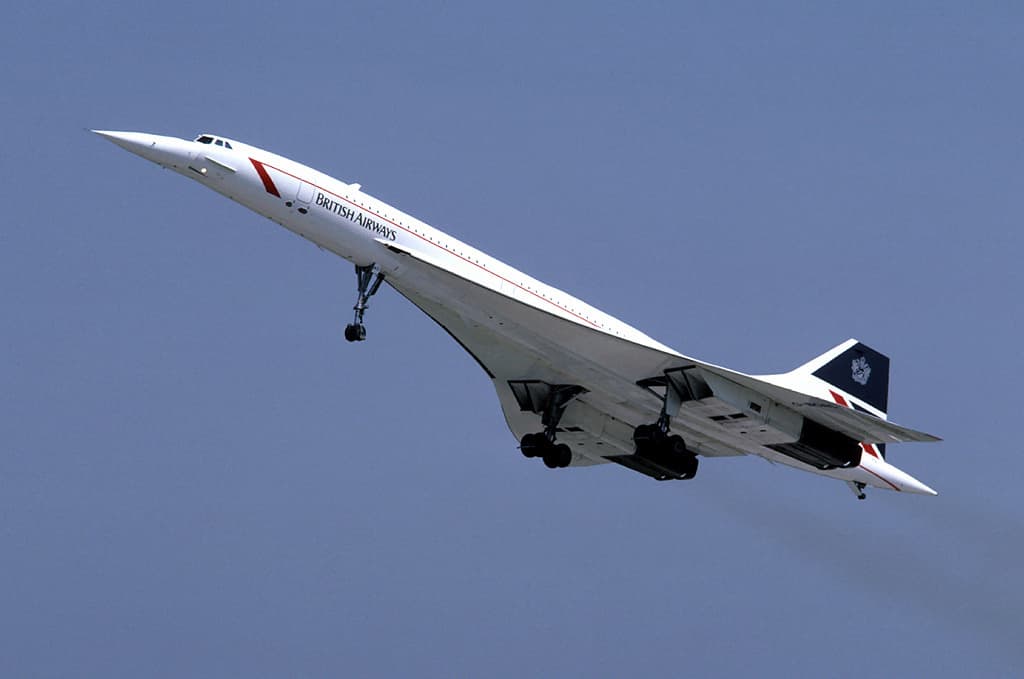
The Aérospatiale-BAC Concorde was the world’s first supersonic passenger airliner to enter sustained commercial service. Developed jointly by France and the United Kingdom, it allowed travelers to cross the Atlantic in roughly half the time of conventional jets. Sleek, fast, and unmistakable in profile, Concorde became an icon of technological ambition and prestige.
Live Fleet Activity (CONC)
Fetching live data…


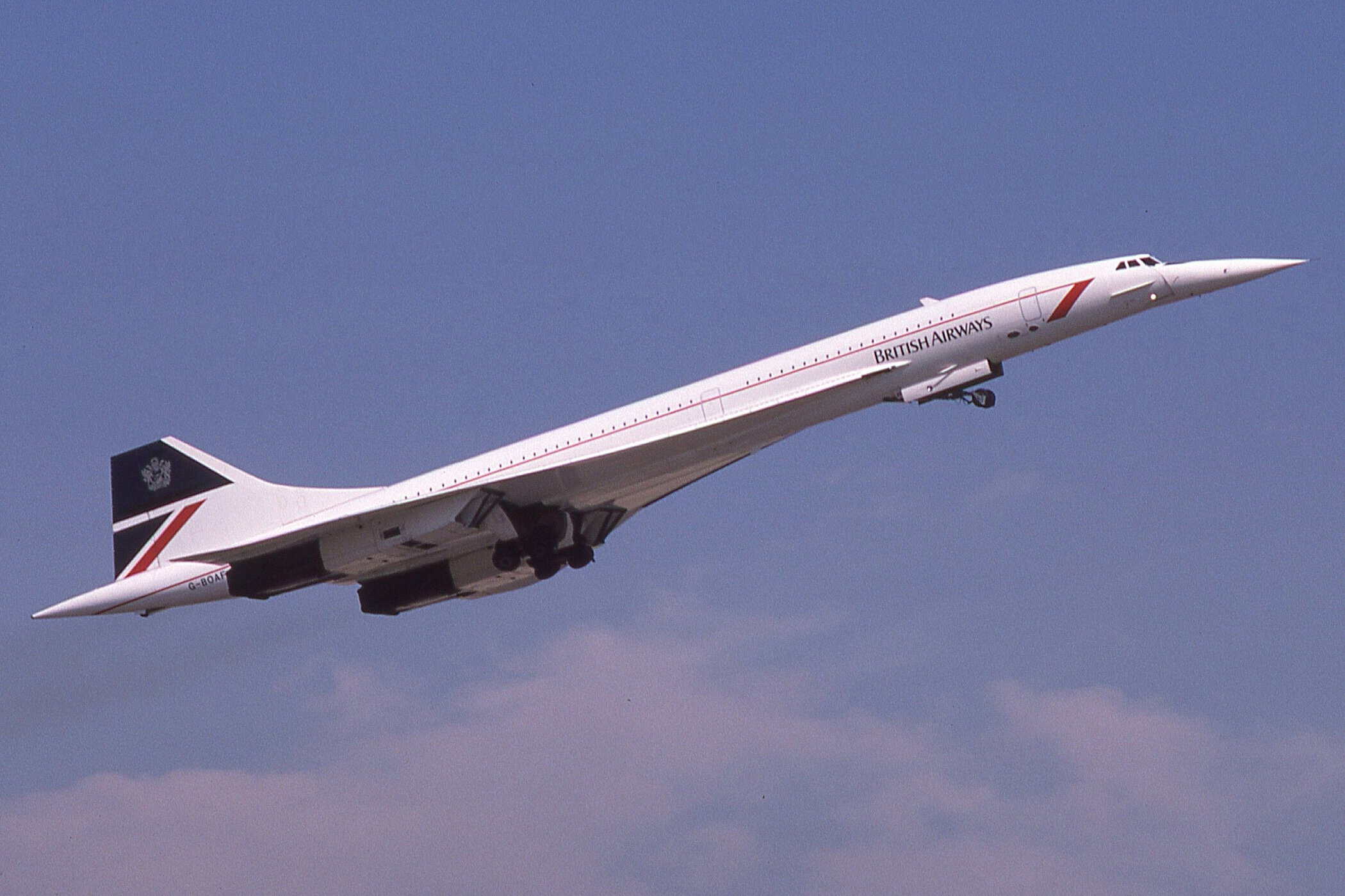


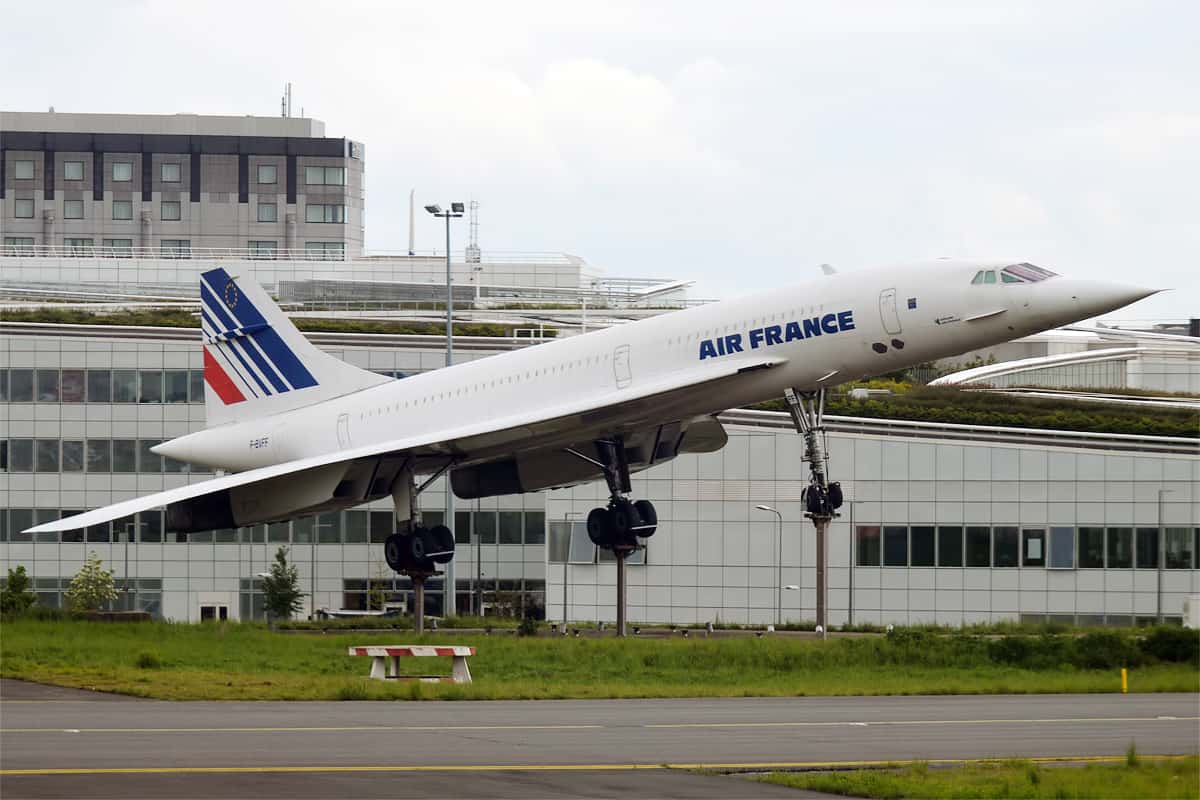
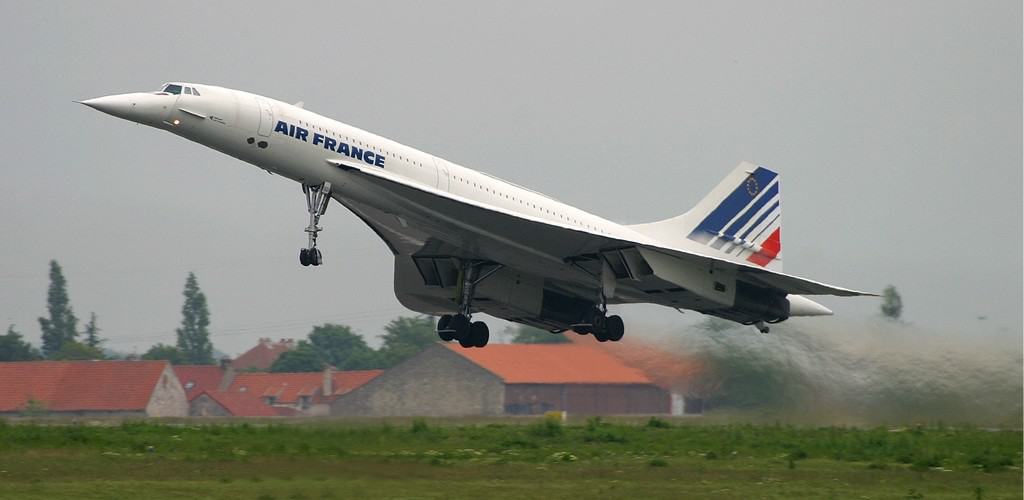


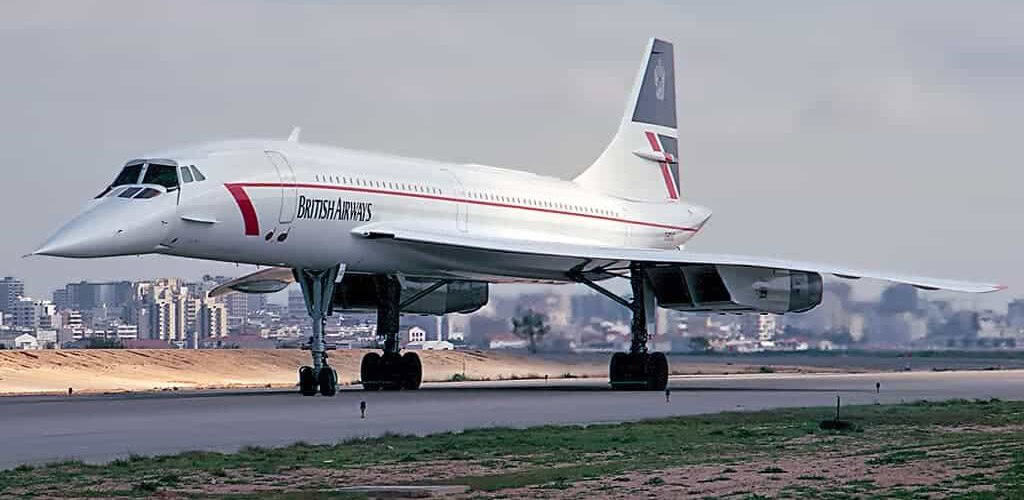
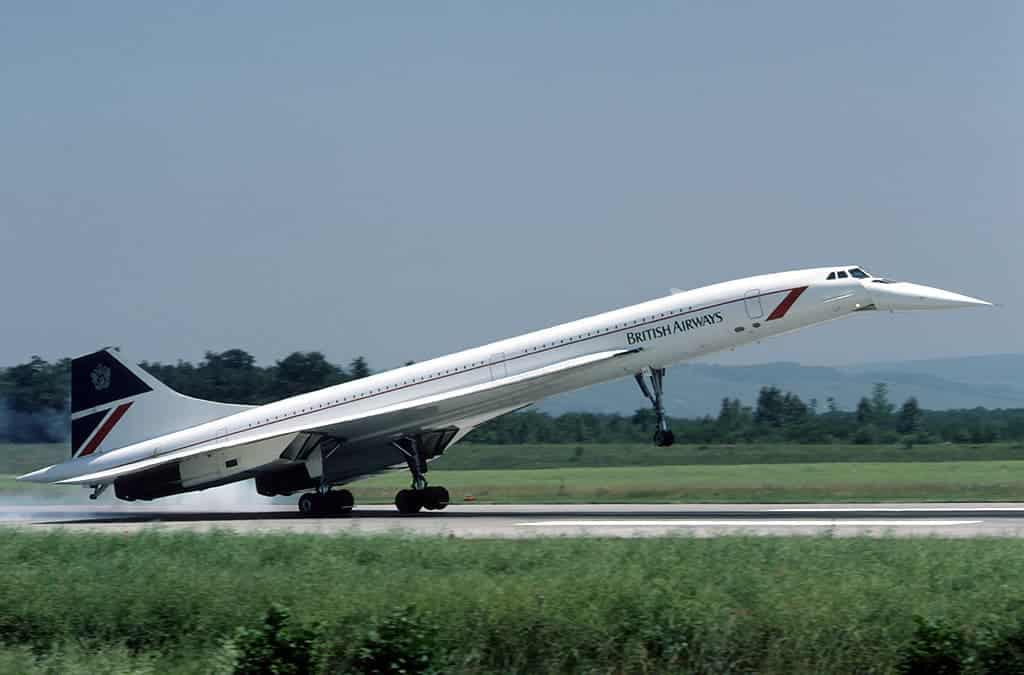
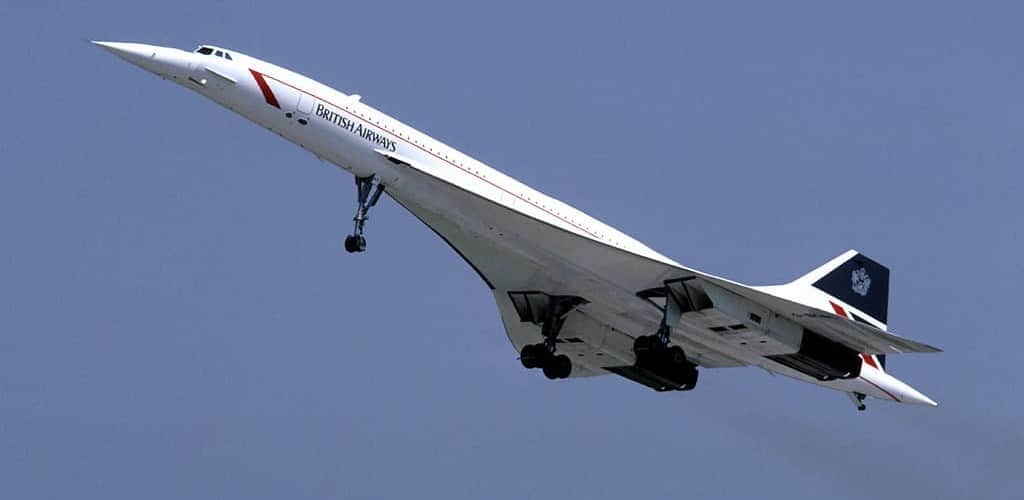


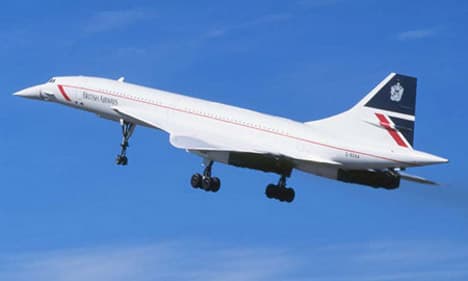
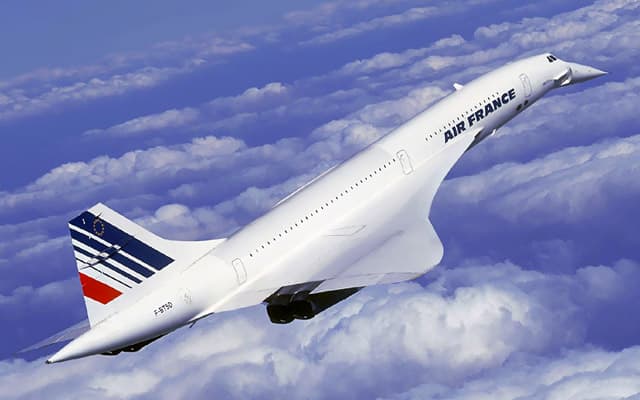
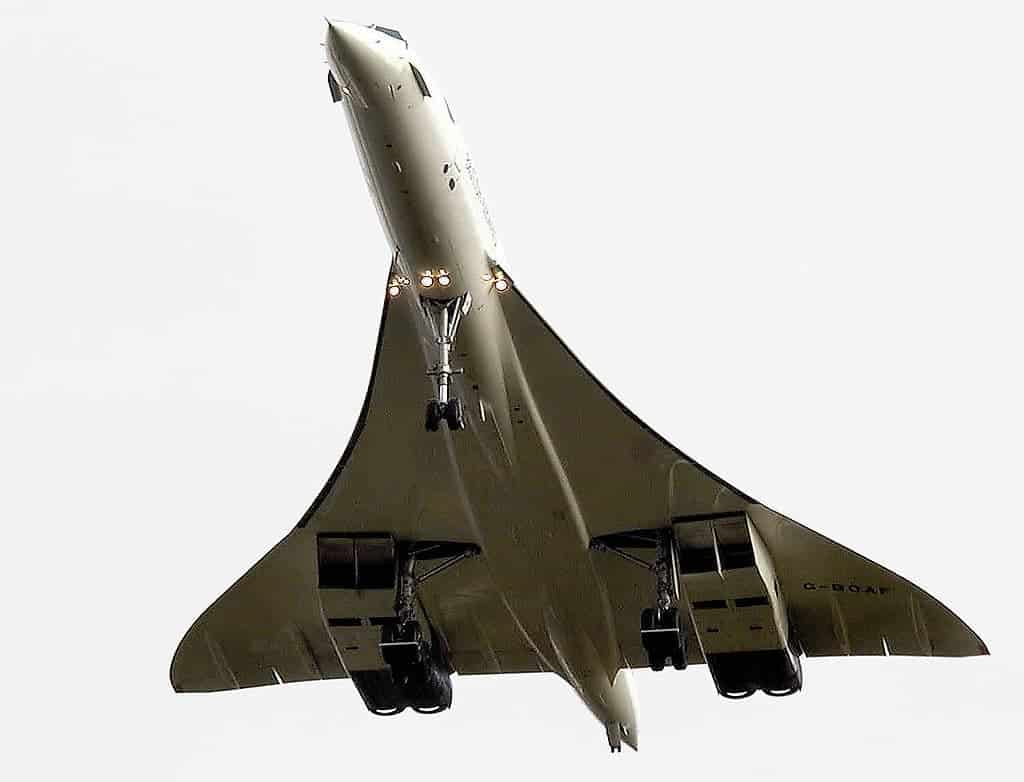
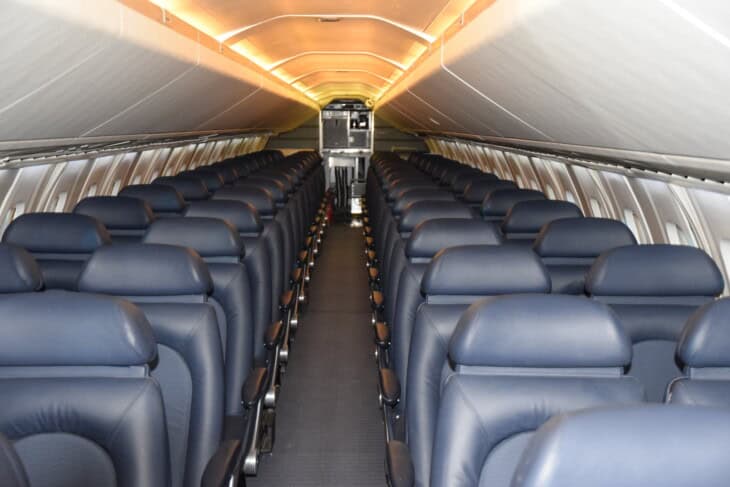
The Concorde program began in the 1960s as a collaborative effort between Aérospatiale of France and the British Aircraft Corporation. The aircraft first flew in 1969 and entered commercial service in 1976 with Air France and British Airways. It was designed to cruise at speeds above Mach 2, reducing transatlantic flight times to around three and a half hours.
Powered by four Rolls-Royce/Snecma Olympus 593 turbojet engines equipped with afterburners for takeoff and acceleration through the sound barrier, Concorde operated at altitudes of approximately 60,000 feet. Its slender delta wing and droop-nose design were engineered to manage aerodynamic demands at supersonic speeds while maintaining acceptable low-speed handling for takeoff and landing.
Despite its technological success, Concorde faced economic and environmental challenges. High fuel consumption, limited seating capacity of around 100 passengers, noise restrictions, and sonic boom concerns restricted its route network primarily to transatlantic services. The fleet remained small, with only 14 aircraft entering airline service.
Concorde’s operational career ended in 2003 following a fatal accident in 2000, rising maintenance costs, and declining passenger demand after global travel downturns. Although short-lived compared to conventional airliners, Concorde remains one of the most iconic aircraft ever built, symbolizing a unique period when commercial aviation briefly surpassed the speed of sound.
Concorde originated from parallel supersonic transport studies in the late 1950s and early 1960s conducted by British and French teams. Bilateral negotiations produced an agreement to pool design and manufacturing resources, with formal program governance allocating design responsibilities and industrial workshare between the two nations. The program intent was to produce a commercially viable supersonic transport that met both civil certification and airline operating requirements.
Two full-scale prototype aircraft were built to validate aerodynamics, structure, and systems integration under flight conditions. These prototypes conducted an extensive test program that addressed handling across speed regimes and explored high-altitude environmental control issues. Development testing also examined structural thermal effects from sustained supersonic cruise and established acceptable fatigue margins for skin and primary structure.
Certification testing encompassed aerodynamic, structural, and systems evaluations under both supersonic and subsonic conditions. The flight-test program refined inlet and anti-icing systems, landing gear behavior at high sink rates, and cabin environmental control for high-altitude operations. Production context included serial manufacture by separated French and British assembly lines, with specialized suppliers also distributed across both countries to fulfill complex component requirements.
Program funding and industrial coordination required sustained intergovernmental support and recurring negotiations over export, pricing, and support arrangements. Supply chain complexity and the need for specialized tooling influenced production rates and logistics planning. The program management maintained separate airline acceptance processes for the two national carriers that would later operate the type in scheduled service.
Concorde uses a slender fuselage and a pointed nose profile that supports long-range, high-speed aerodynamics while minimizing wave drag at cruise. The delta wing provides a large area for lift at high speeds and retains adequate low-speed characteristics through a high wing loading and cambered sections. Structural design incorporates thin skin panels with stiffened frames and stringers to meet bending and torsional loads characteristic of supersonic flight.
Thermal expansion from aerodynamic heating influenced many design choices. The structure was sized to tolerate temperature-induced dimensional changes between ambient ground conditions and hot supersonic cruise. Fuel system routing and tank venting were designed so that thermal expansion of fuel and structure could be accommodated without compromising structural integrity or flight controls.
Intake and engine integration use variable-geometry features to control airflow through the engine face at varying Mach numbers. The aircraft also employs carefully tuned flight controls and high-lift devices to manage lift and trim across transitions from takeoff to high-altitude cruise. Landing gear and brakes were designed for the higher approach speeds and runway energy encountered by a slender, high-performance airframe.
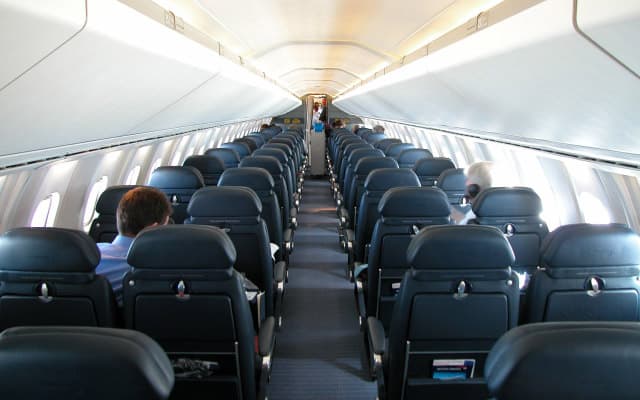
Avionics philosophy balances conventional analog and early digital systems suited to long-range navigation and high-altitude flight. Environmental control systems maintain pressure and temperature at cruise altitudes, and fuel is used as a heat sink in several subsystems. Cabin layout emphasizes limited passenger capacity with a narrow cross section optimized for supersonic aerodynamics rather than maximum seating density.
The aircraft achieves sustained supersonic cruise that reduces transoceanic block times relative to contemporary subsonic transports. High-altitude cruise provides thinner air, which lowers aerodynamic drag and supports efficient high-speed flight profiles. Fuel consumption per hour at cruise is substantially higher than subsonic widebody transports, producing a distinct payload-range tradeoff for long missions.
Climb performance is characterized by prolonged acceleration through transonic regimes and climb to stratospheric cruise altitudes that are uncommon for subsonic airliners. Typical mission profiles include an acceleration phase through the sound barrier, a long supersonic cruise segment, and subsonic arrival approaches requiring different handling and systems modes. Operational limitations include noise restrictions during takeoff and overflight, and airport infrastructure constraints related to runway length and apron handling.
Range capability enables nonstop transoceanic routing, but operational economics impose limits on route selection and frequency. Cruise altitude and speed expose systems to unique environmental loads, necessitating stricter maintenance and inspection regimes than for conventional transports. Wind, headwind, and routing choices have a pronounced effect on achievable payloads and fuel reserves for a given mission.
Maintenance complexity and component life considerations affect availability and utilization. Turnaround operations involve longer ground servicing for systems that operate at extreme temperatures and pressures during cruise. Airport noise and environmental procedures constrain allowable departure and arrival procedures, which in turn affect operational scheduling and airline planning.
Prototype and preproduction airframes served distinct test and development roles from the later production series. The prototype pair incorporated instrumentation and flight-test modifications not present on customer aircraft. Subsequent preproduction aircraft carried incremental systems refinements derived from data collected during early test flights and validation programs.
Production aircraft incorporated standardized interiors and airline-specific fitments that differed between operators. Structural and systems differences between early production and later serial aircraft reflect iterative modifications to inlet control, environmental systems, and flight-deck instrumentation. Proposed derivative concepts were studied but did not proceed to manufacture.
Operational retrofit programs introduced avionics upgrades and cabin refurbishments to align with evolving regulatory and passenger-service requirements. Those retrofit efforts focused on maintainability, spares commonality, and improved crew interfaces while preserving the aerodynamic and structural baseline.
Commercial operators deployed the type on premium long-haul routes where travel time savings justified higher fares. Scheduled services concentrated on transoceanic corridors connecting major financial and political centers. Airports selected for service required approval for operations that complied with noise and community impact restrictions.
Airline operations emphasized premium cabin service and limited frequency schedules. Operational planning included contingencies for diversion due to range and overflight constraints and for maintenance-intensive periodic inspections. Crews required specialized training for handling high-altitude procedures, supersonic acceleration, and systems unique to the type.
Fleet support relied on a binational maintenance and spares network coordinated between the manufacturer and operators. Heavy maintenance checks demanded facilities capable of addressing thermal-stressed structure and unique components. Availability of replacement parts, specialist tooling, and trained technicians influenced dispatch reliability and operating cost profiles.
Passenger experience centered on shorter journey times and a distinctive onboard environment at stratospheric altitudes. Load factors and fare structures reflected the aircraft’s positioning as a premium product and shaped airline commercial deployment choices. Regulatory permissions for overflight and sonic-boom footprints shaped route economics and scheduling.
Airlines scheduled services on routes where time savings offered a clear market advantage for business and premium travelers. Ticket pricing and limited seat inventory contributed to a market niche rather than mass-market adoption. Airport and airspace approvals further limited the number of viable route options and departure times.
Operational constraints required deliberate network planning and allowed high load factors on selected flights. Ground operations included extended turnaround windows for inspection and servicing. Crew rostering accounted for extended mission cycles and the specialist skill set required to operate and maintain the type.
Operators adapted ancillary services, such as dedicated maintenance facilities and bespoke passenger handling, to reflect operational and commercial realities. The combination of service positioning and infrastructure requirements influenced how and where the aircraft was scheduled.
National flag carriers from the nations involved in the program were principal operators, with services routed to major international airports meeting operational and regulatory criteria. Each operator implemented distinct cabin layouts and service concepts suited to premium traveler demand and route structures. Technical support and spares provisioning were coordinated through joint manufacturer and airline arrangements to maintain airworthiness.
Concorde demonstrated that sustained commercial supersonic flight was technically achievable and highlighted the engineering challenges of thermal effects, engine integration, and high-altitude systems. The program produced practical knowledge on aerodynamics at supersonic speeds, intake design, and materials behavior under repeated thermal cycling that informed later research into high-speed flight.
Operational experience clarified market and regulatory constraints affecting supersonic transport viability, particularly regarding community noise, sonic-boom management, and operating economics. Those lessons shaped subsequent regulatory frameworks and industry assessments for future high-speed concepts.
Maintenance, certification, and airline support models developed during the program provided a reference for managing complex, low-production-run platforms. The aircraft’s development and service record continues to be studied for insights into the intersection of advanced aerodynamics, systems engineering, and commercial airline operations.
Sources and references used for research and fact-checking.