Future
The next-generation supersonic airliner built to restore faster global travel.
The latest aviation news and stories sent to your inbox.
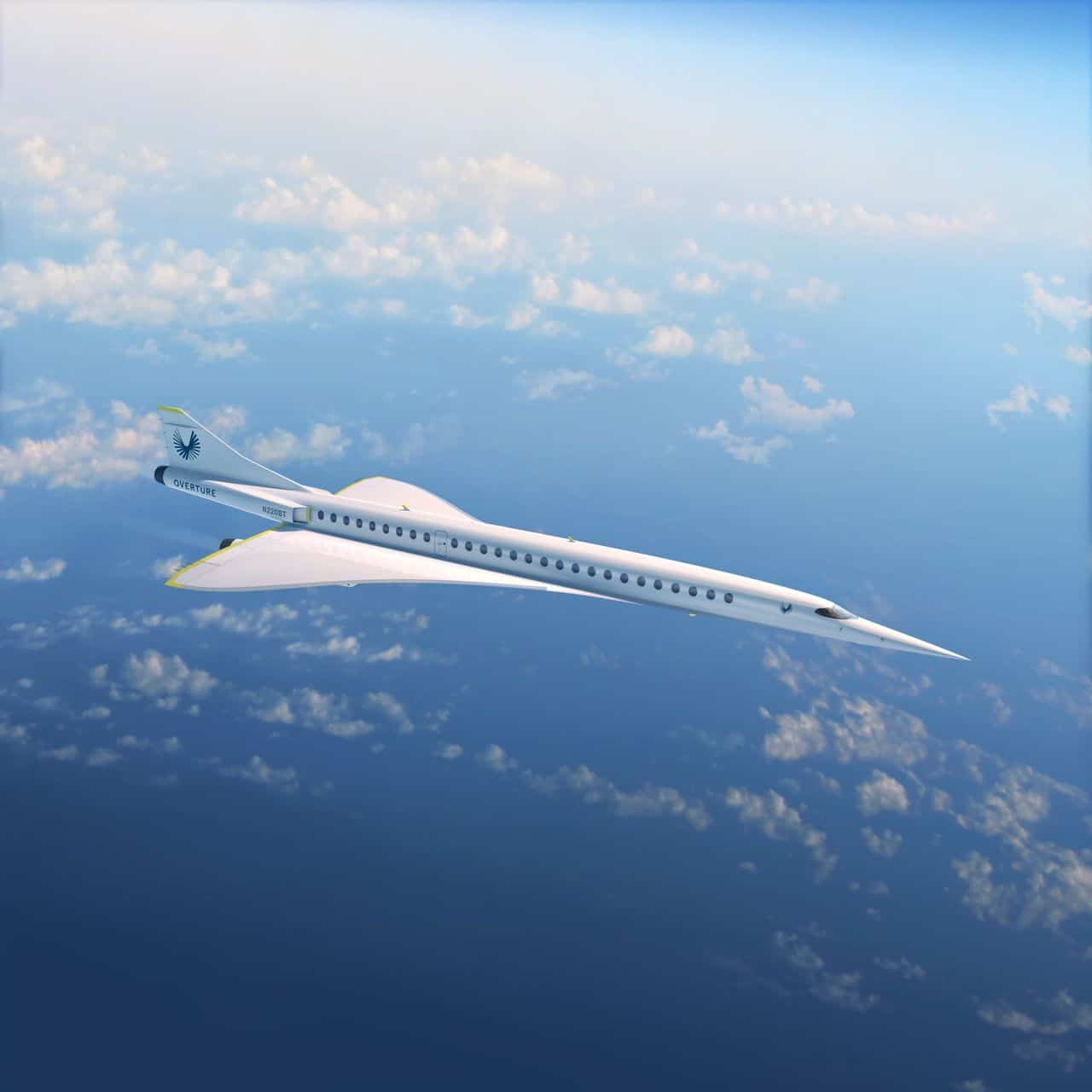
The Boom Overture is a proposed supersonic commercial airliner designed to reintroduce faster-than-sound passenger service. Developed by Boom Supersonic, it aims to combine modern materials with improved efficiency. The program follows the XB-1 demonstrator and targets entry into service in the 2030s.
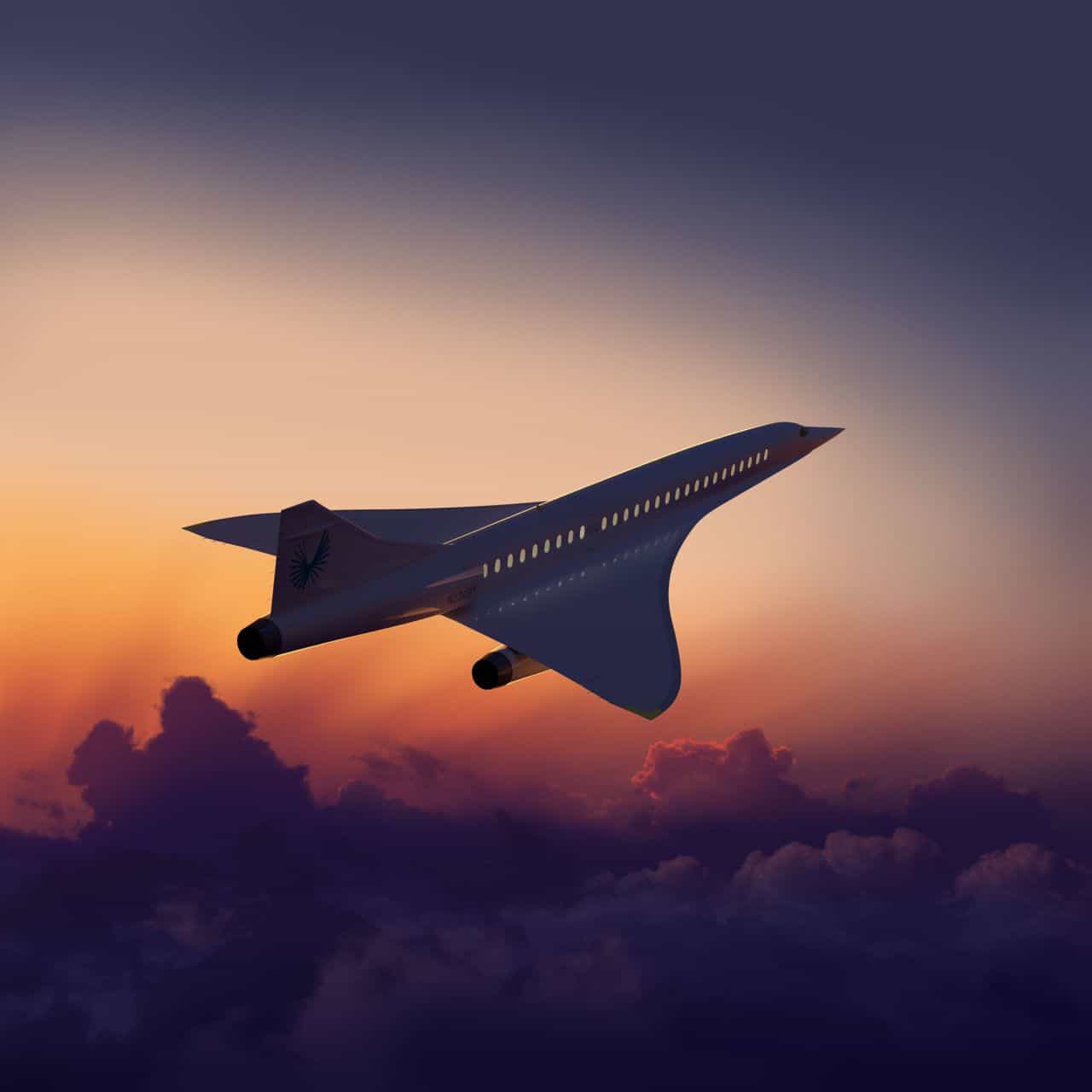
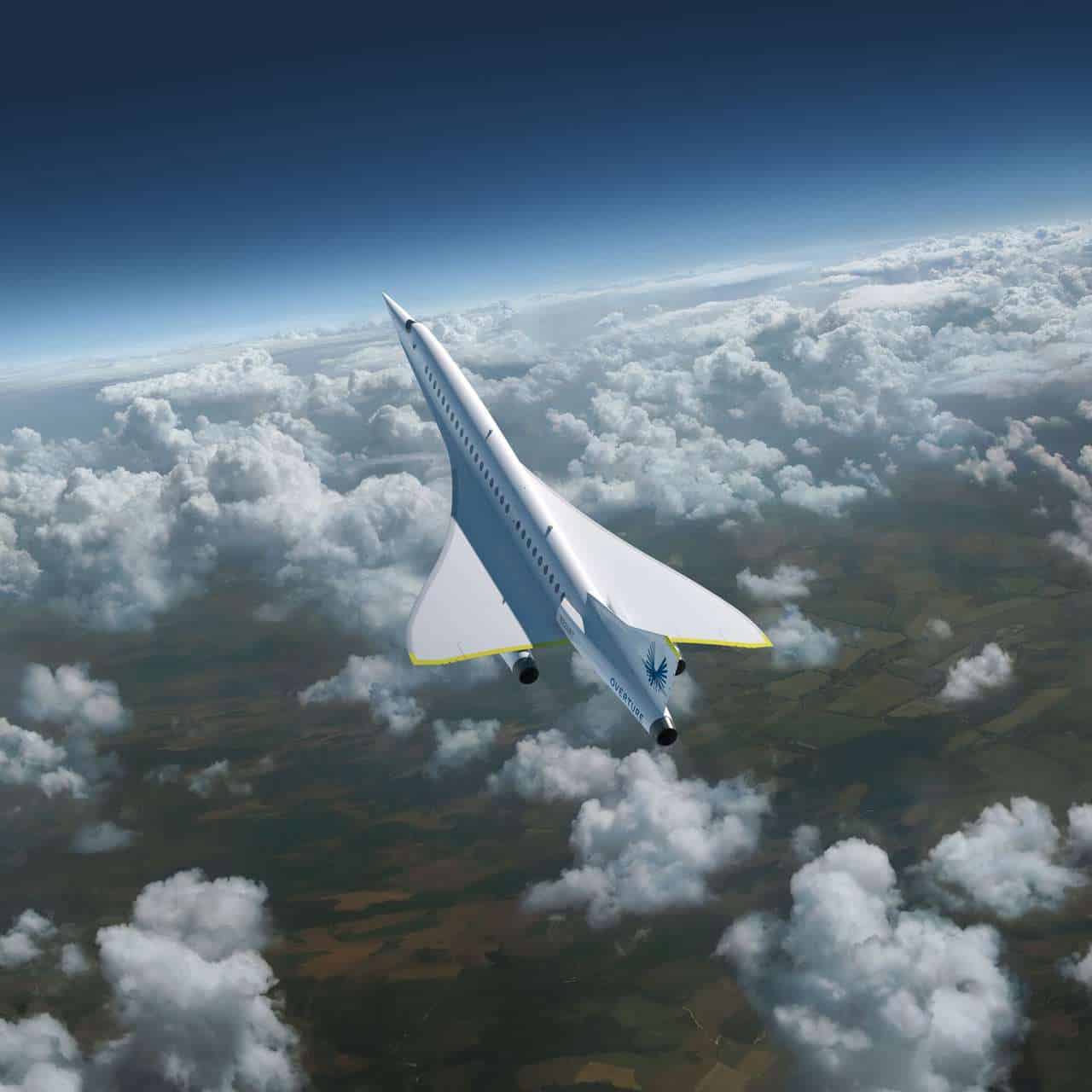
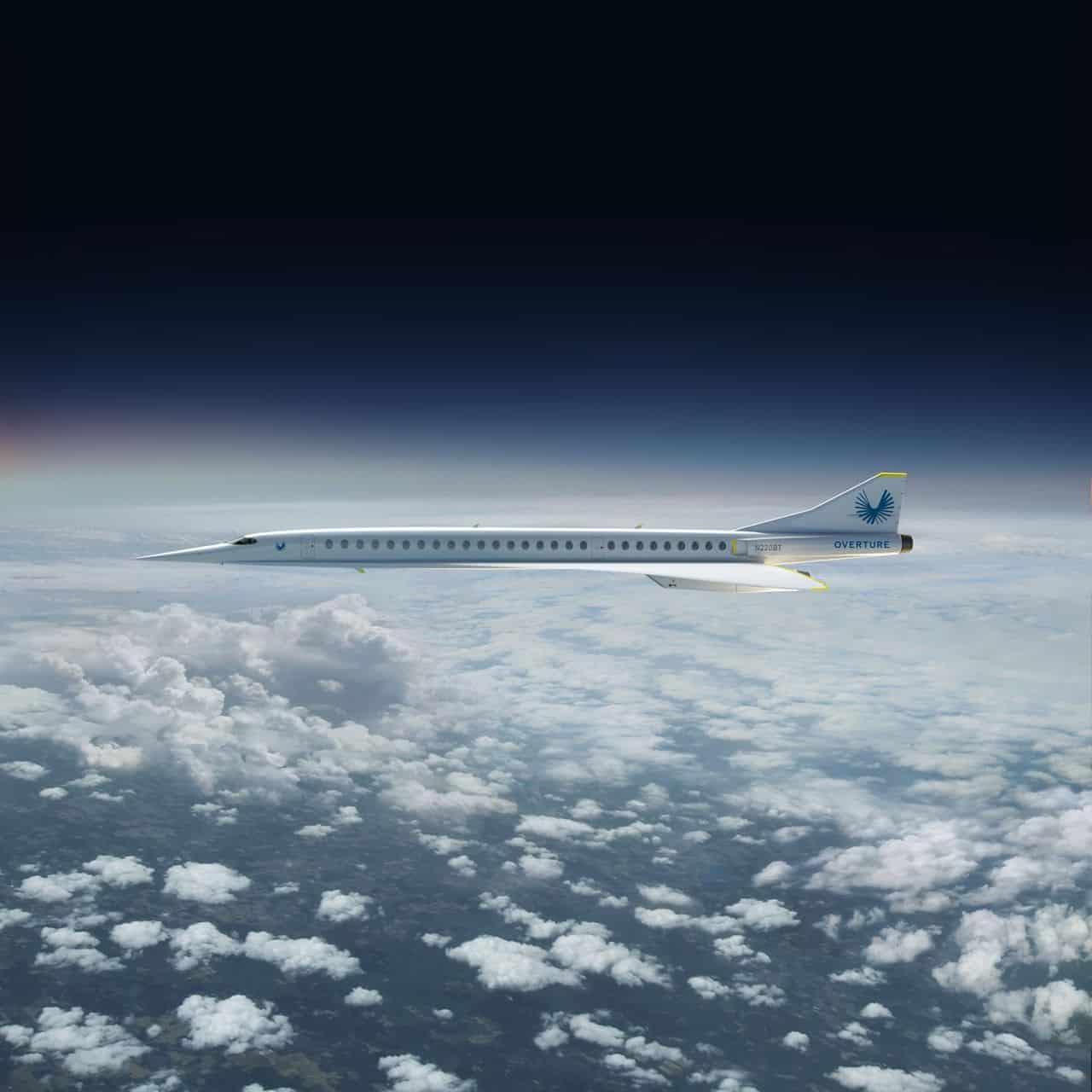
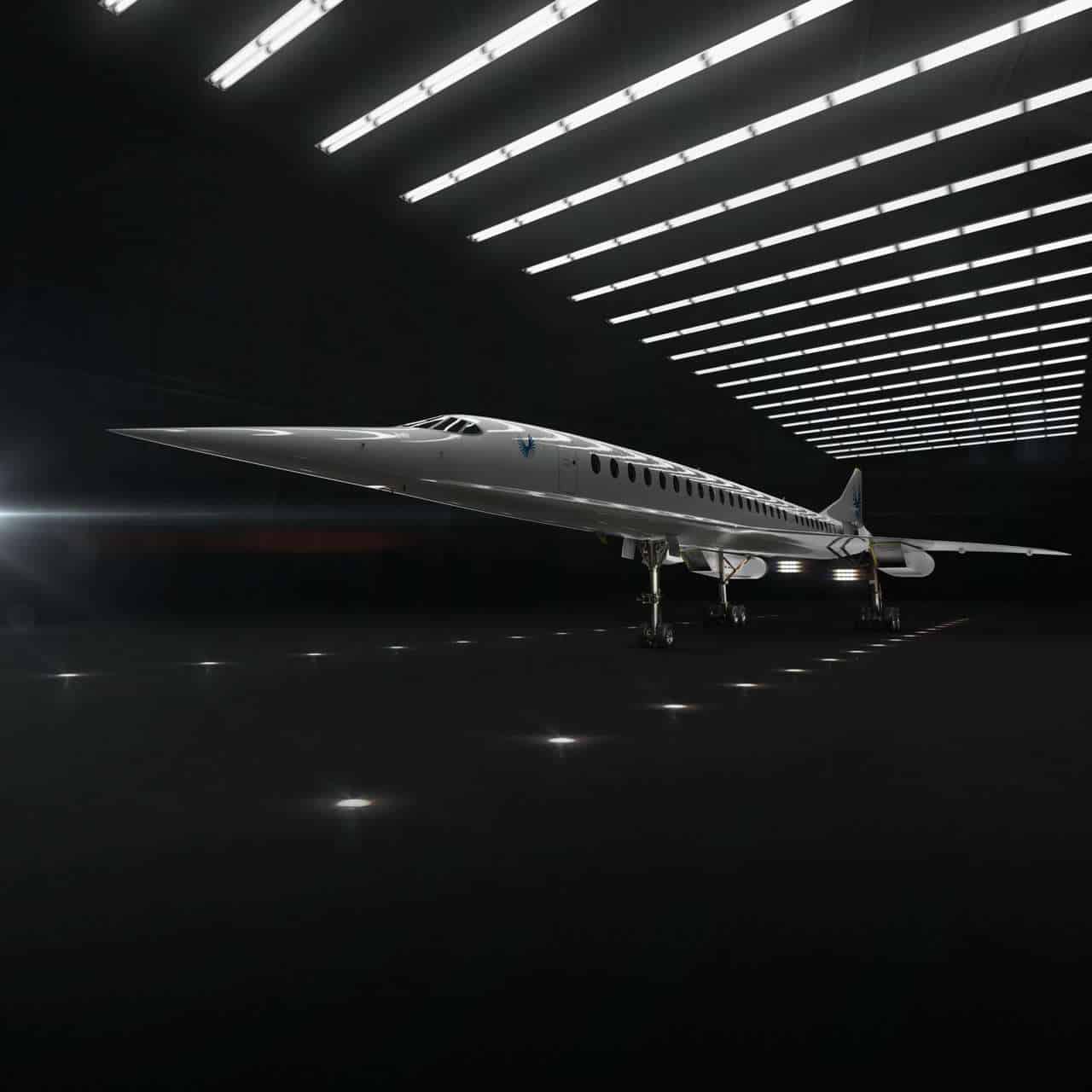
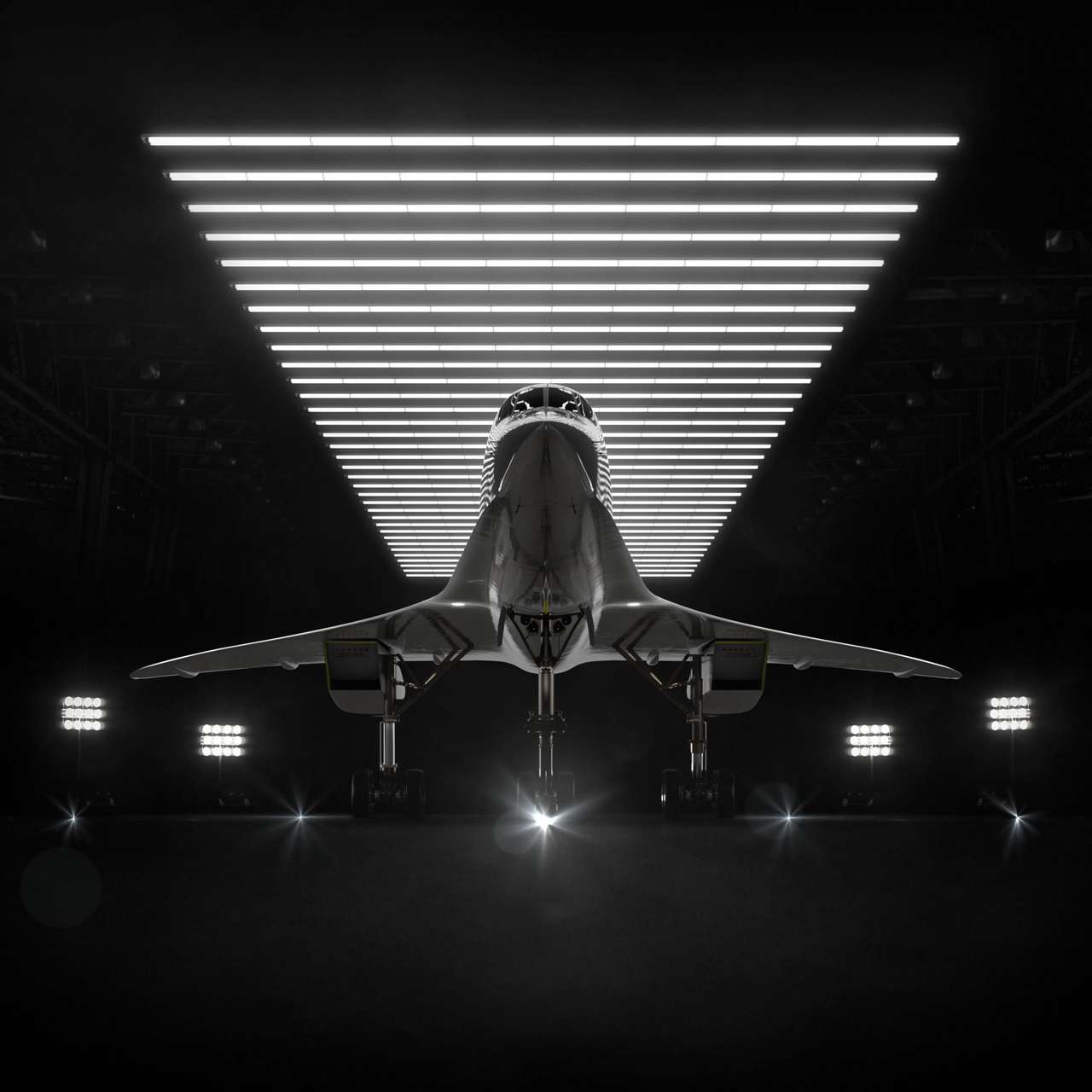
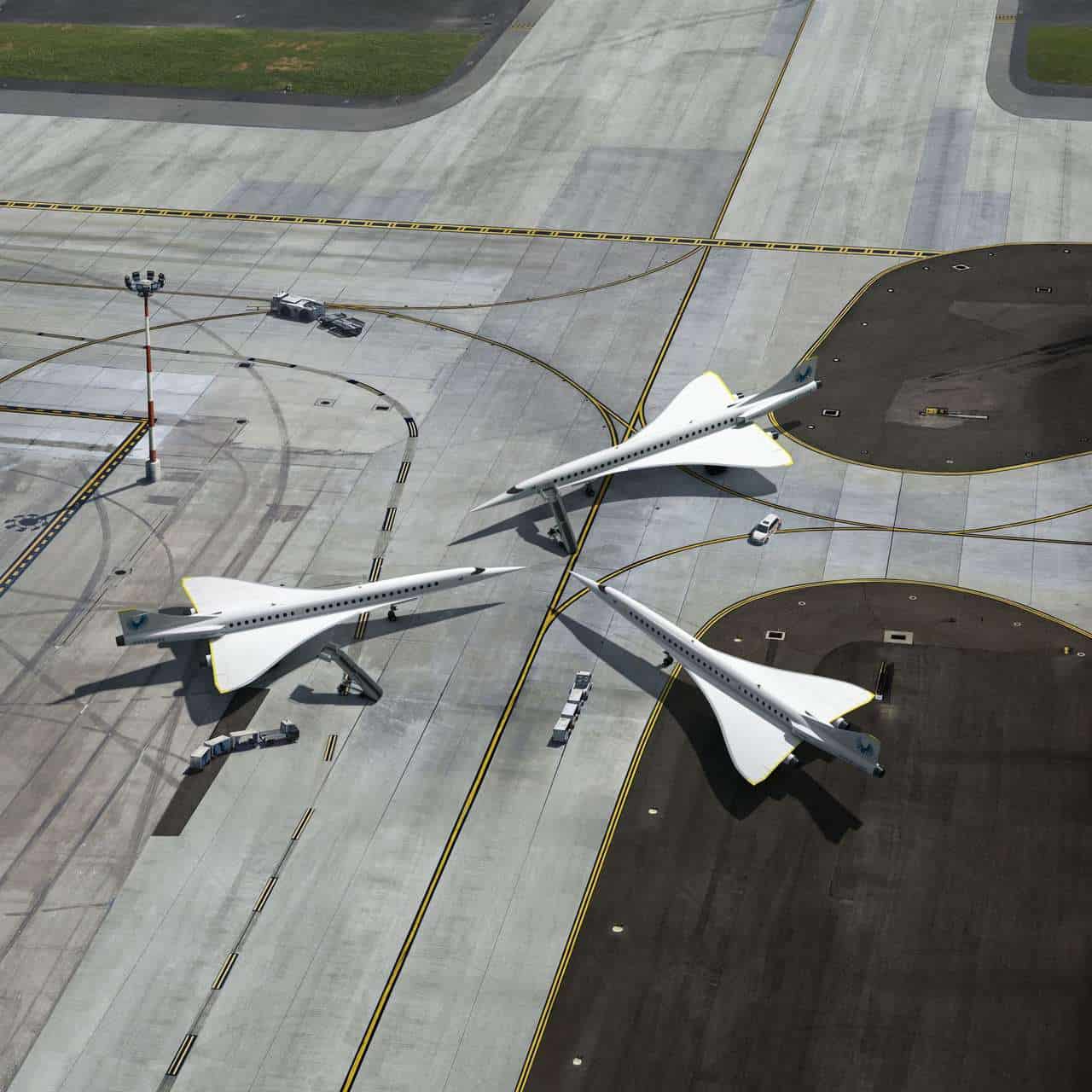
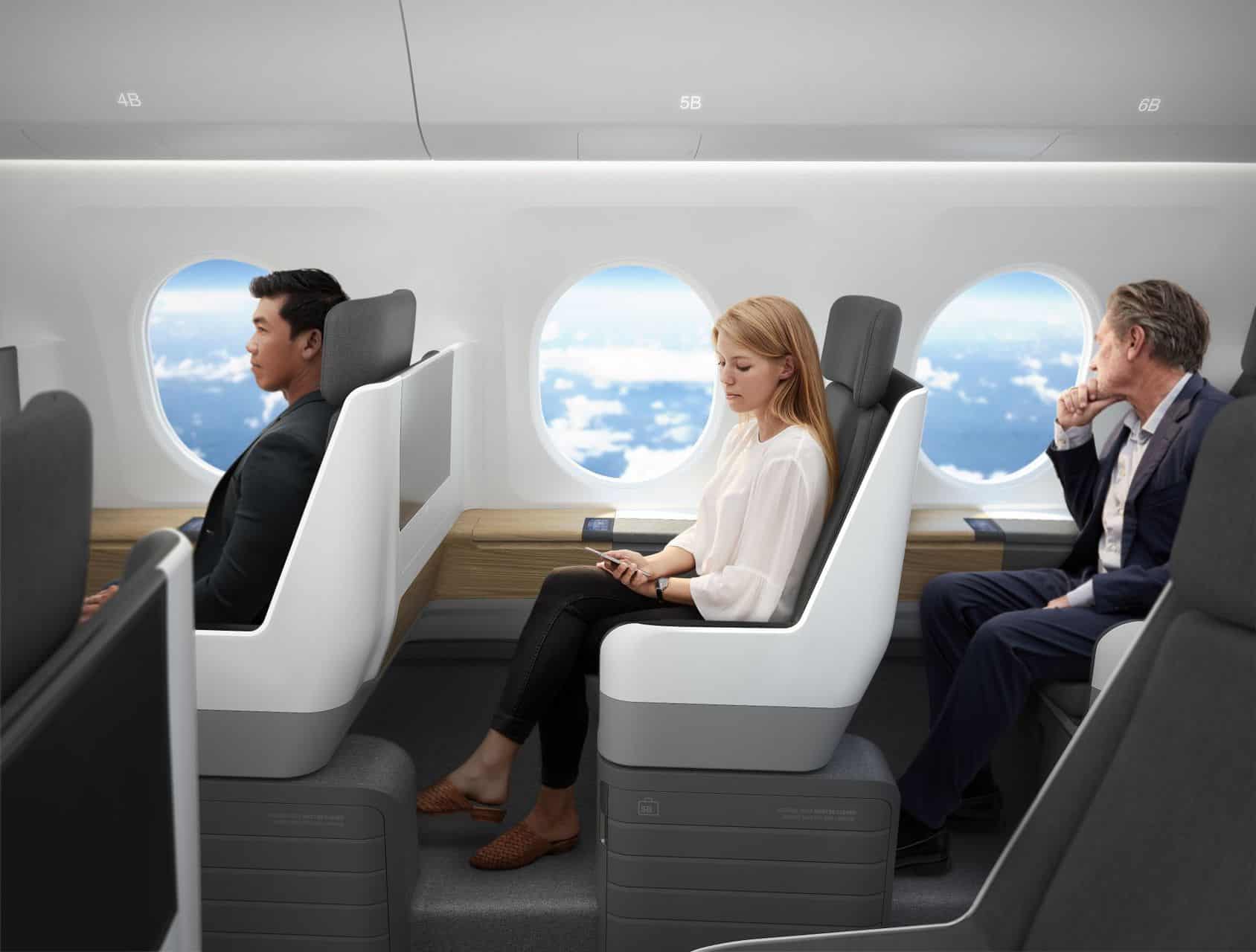
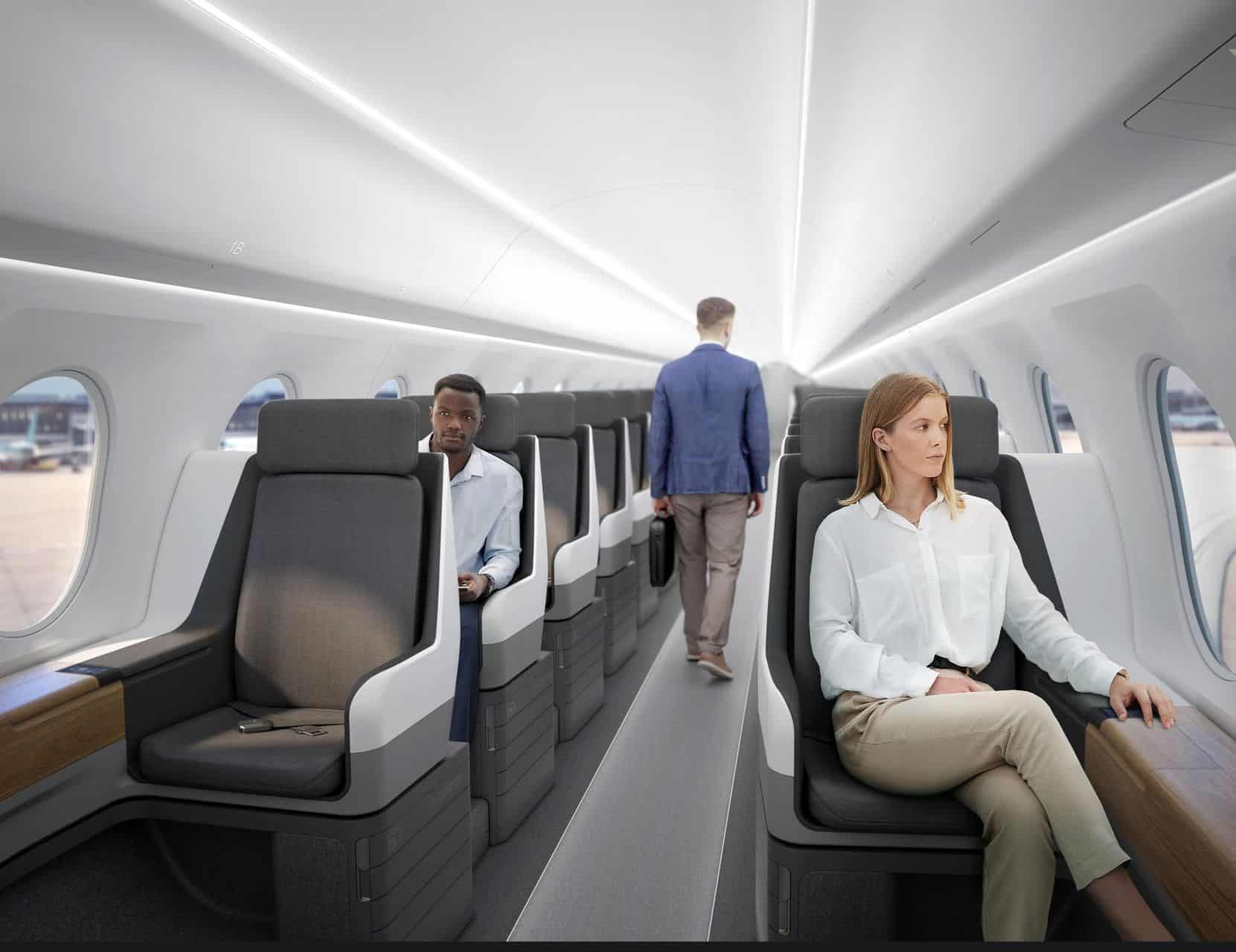
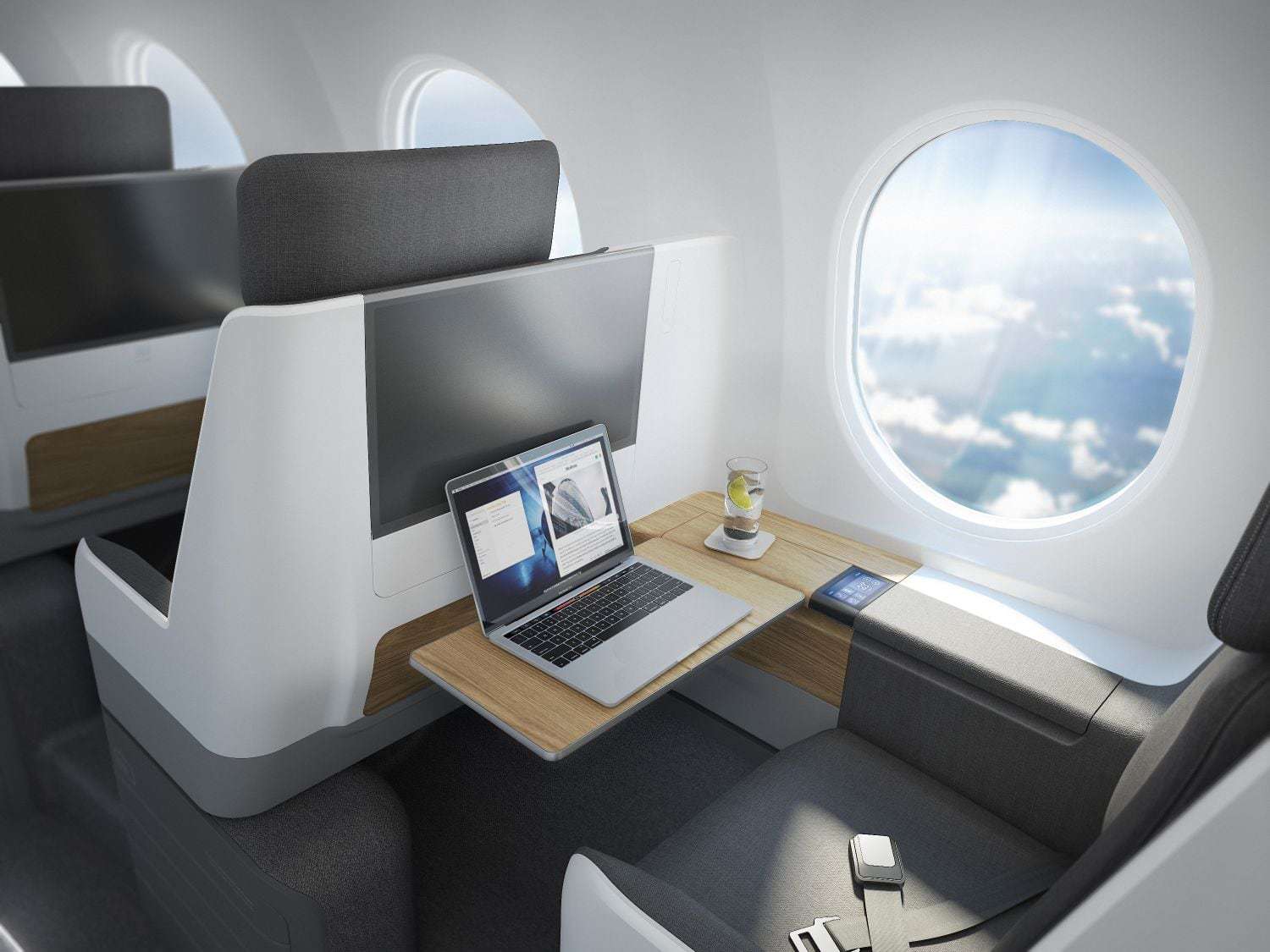
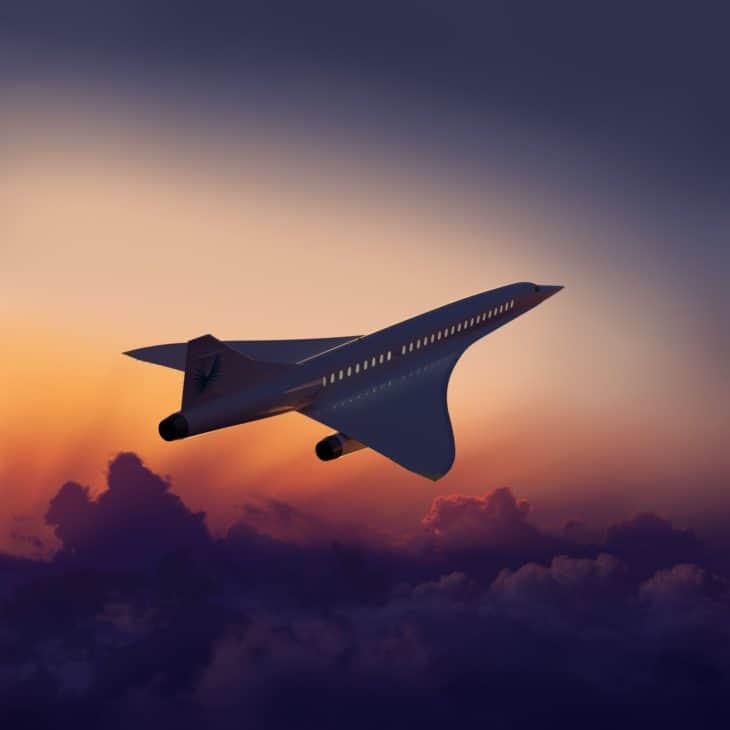
Overture is being developed as a clean-sheet supersonic transport intended for transoceanic routes. The design features a slender fuselage, delta wing, and four underwing-mounted engines. It is optimized for cruise at speeds above Mach 1 over water while complying with current noise and efficiency standards. The aircraft remains in development as of the mid-2020s.
Projected cruise speed is approximately Mach 1.7, equivalent to roughly 990 knots (1,830 km/h). Planned seating capacity is around 65 to 80 passengers depending on configuration. Maximum takeoff weight and final engine selection have not been publicly finalized, though the aircraft is expected to use modern medium-thrust turbofan engines designed for supersonic operation.
Overture represents renewed commercial interest in supersonic travel decades after Concorde. The program emphasizes sustainable aviation fuel compatibility and improved operating economics. If successful, it would mark the return of routine supersonic passenger service on selected long-distance routes.
Sources and references used for research and fact-checking.