
Future
The supersonic demonstrator built to test next-generation commercial flight concepts.
The latest aviation news and stories sent to your inbox.
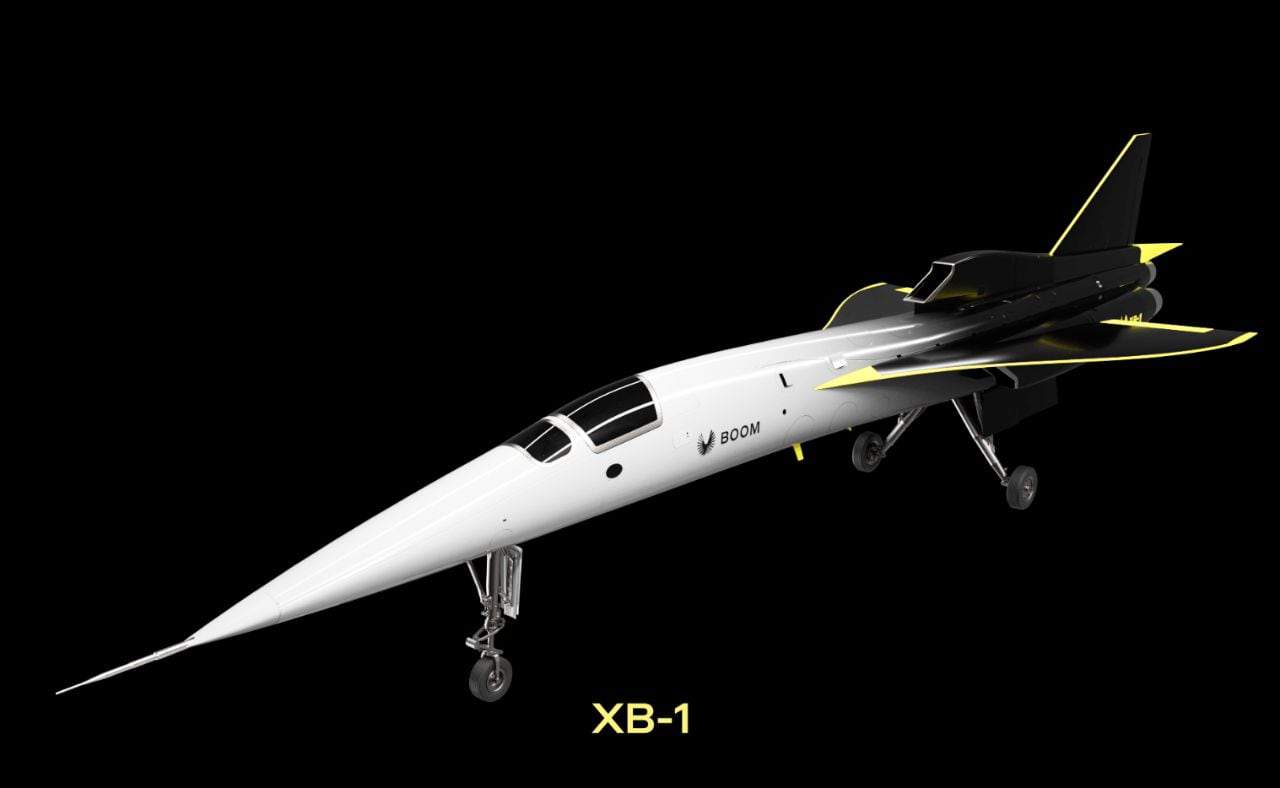
The Boom XB-1 is a small supersonic demonstrator developed to validate technologies for future commercial supersonic aircraft. Designed with modern aerodynamics and materials, it serves as a test platform. The aircraft represents renewed interest in civil supersonic travel.
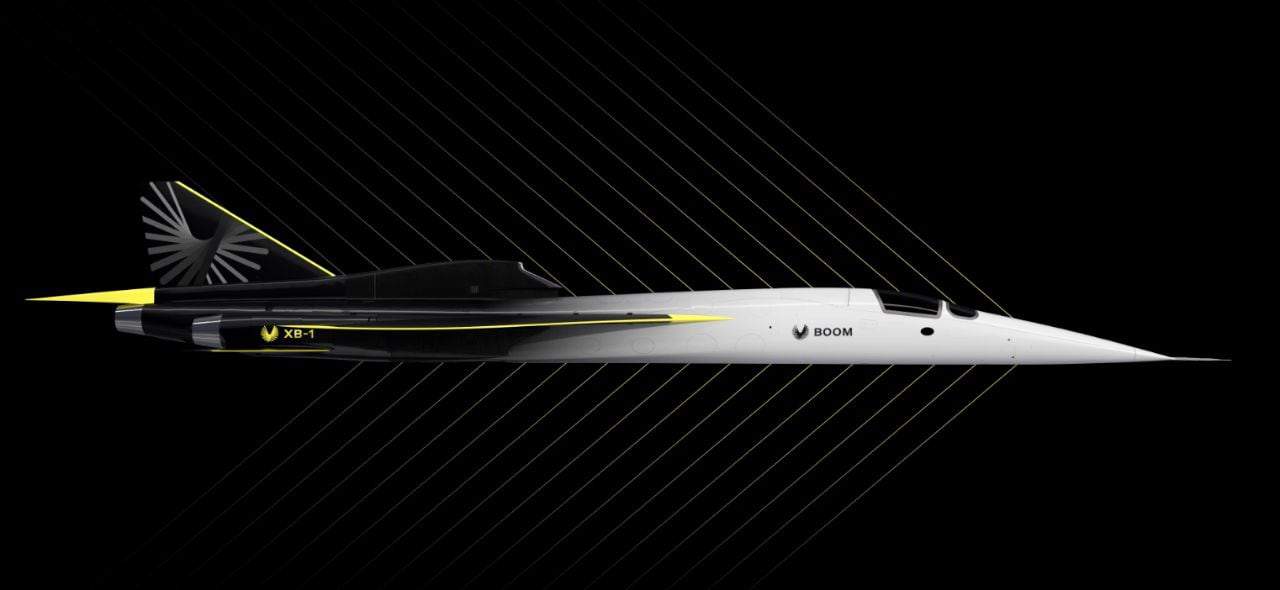





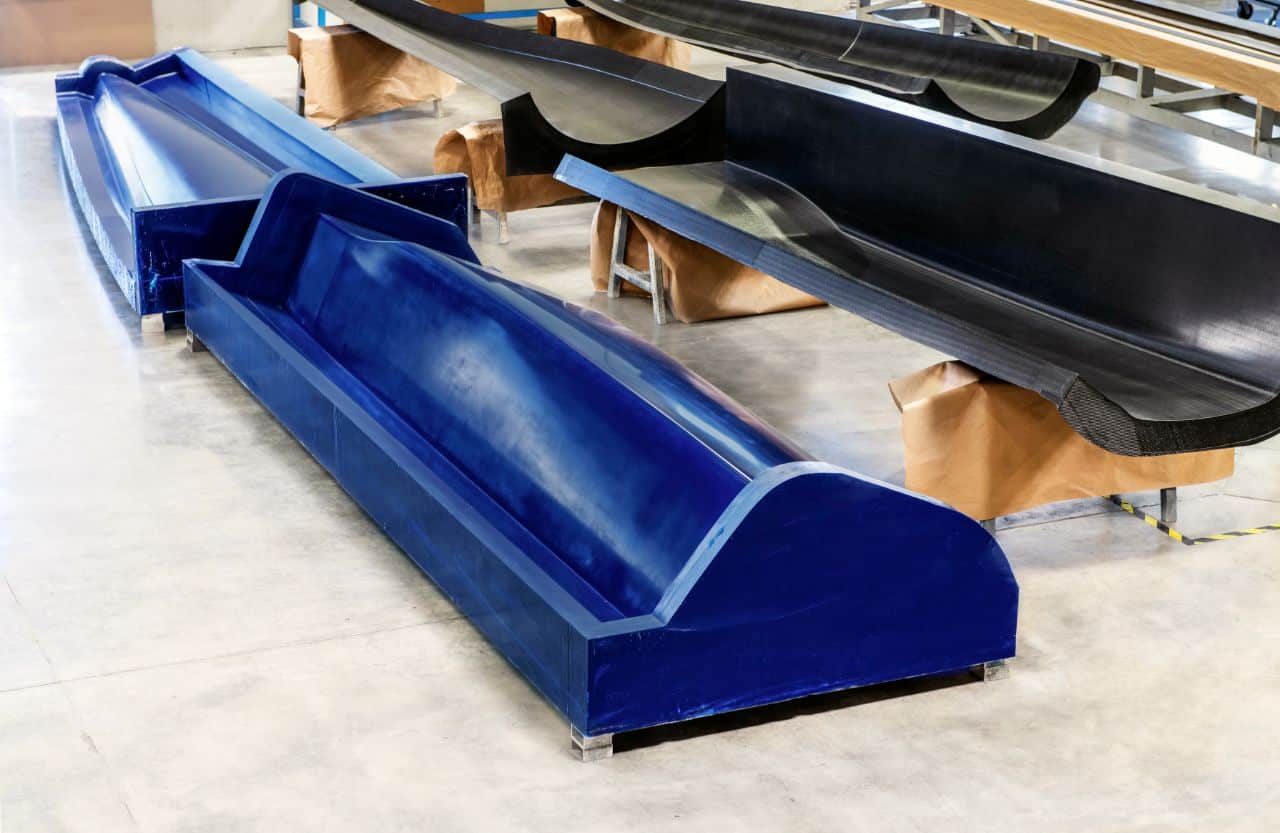

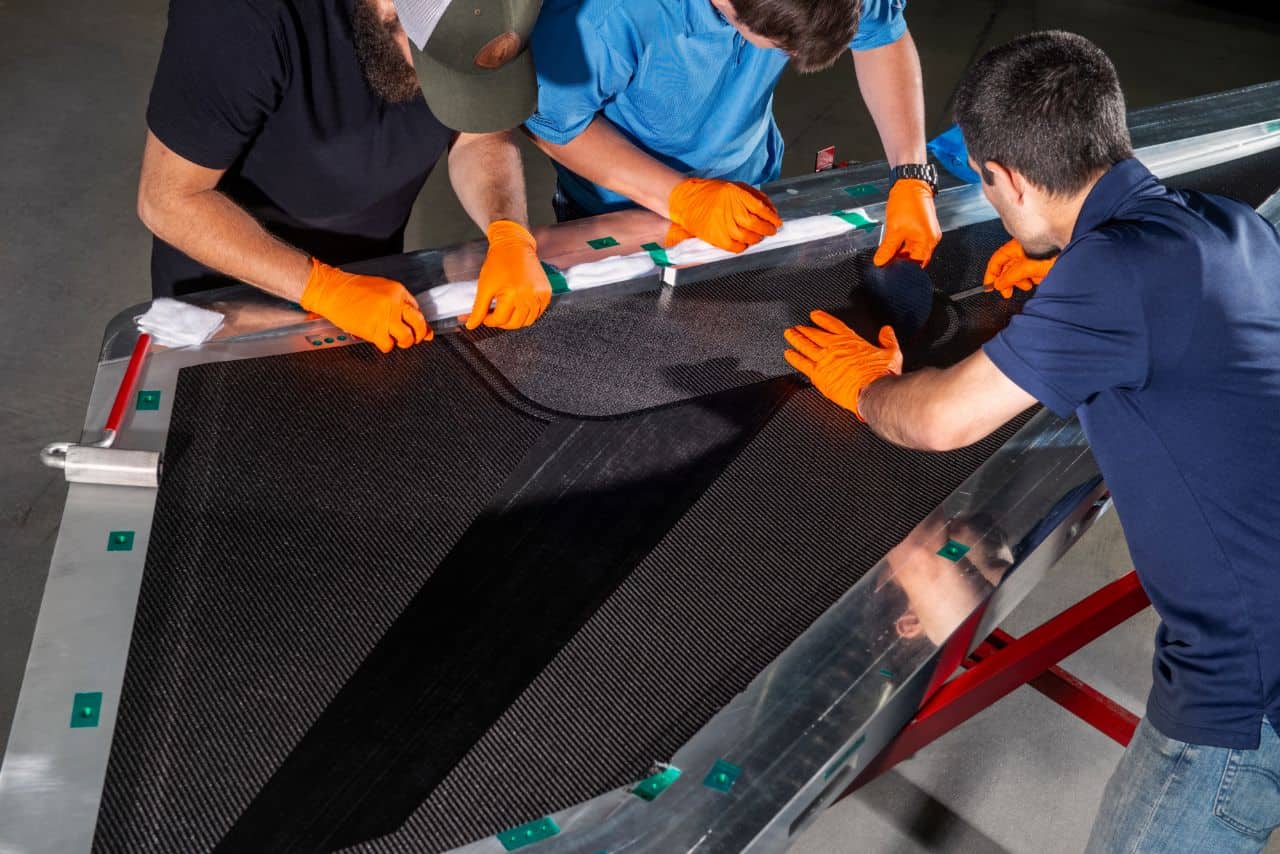
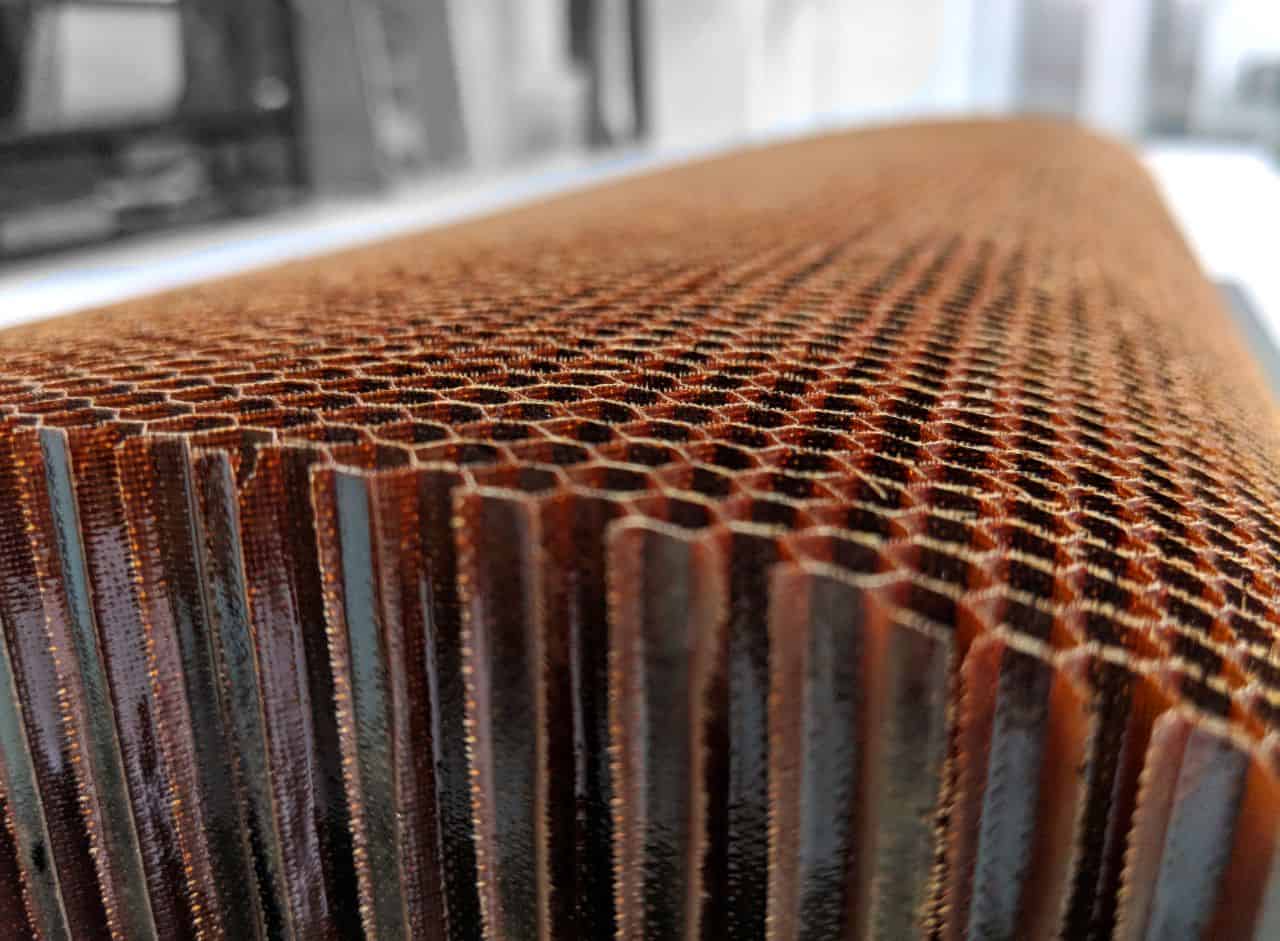
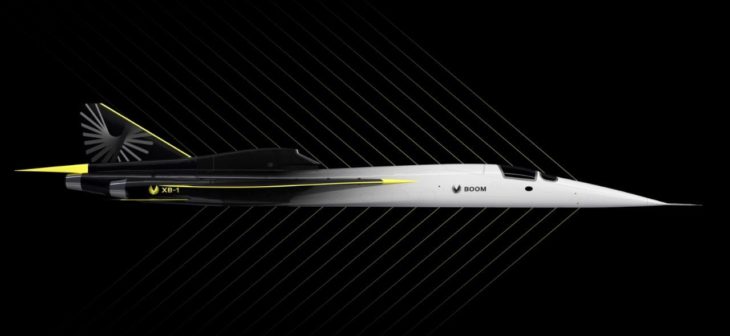
The XB-1 first flew in 2024 as part of a program to develop a larger supersonic airliner. The aircraft features a slender fuselage and delta wing optimized for high-speed flight. It incorporates composite construction and modern flight control systems.
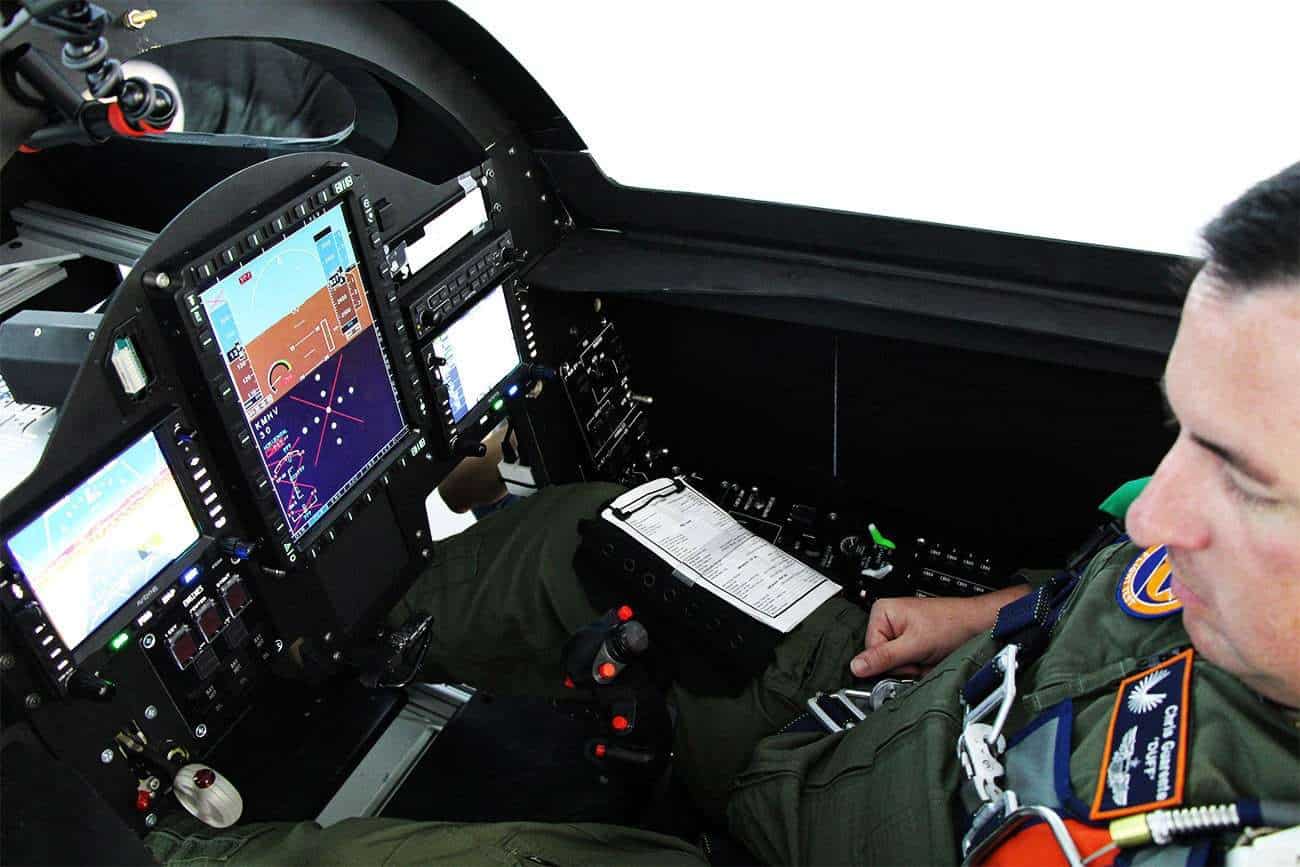
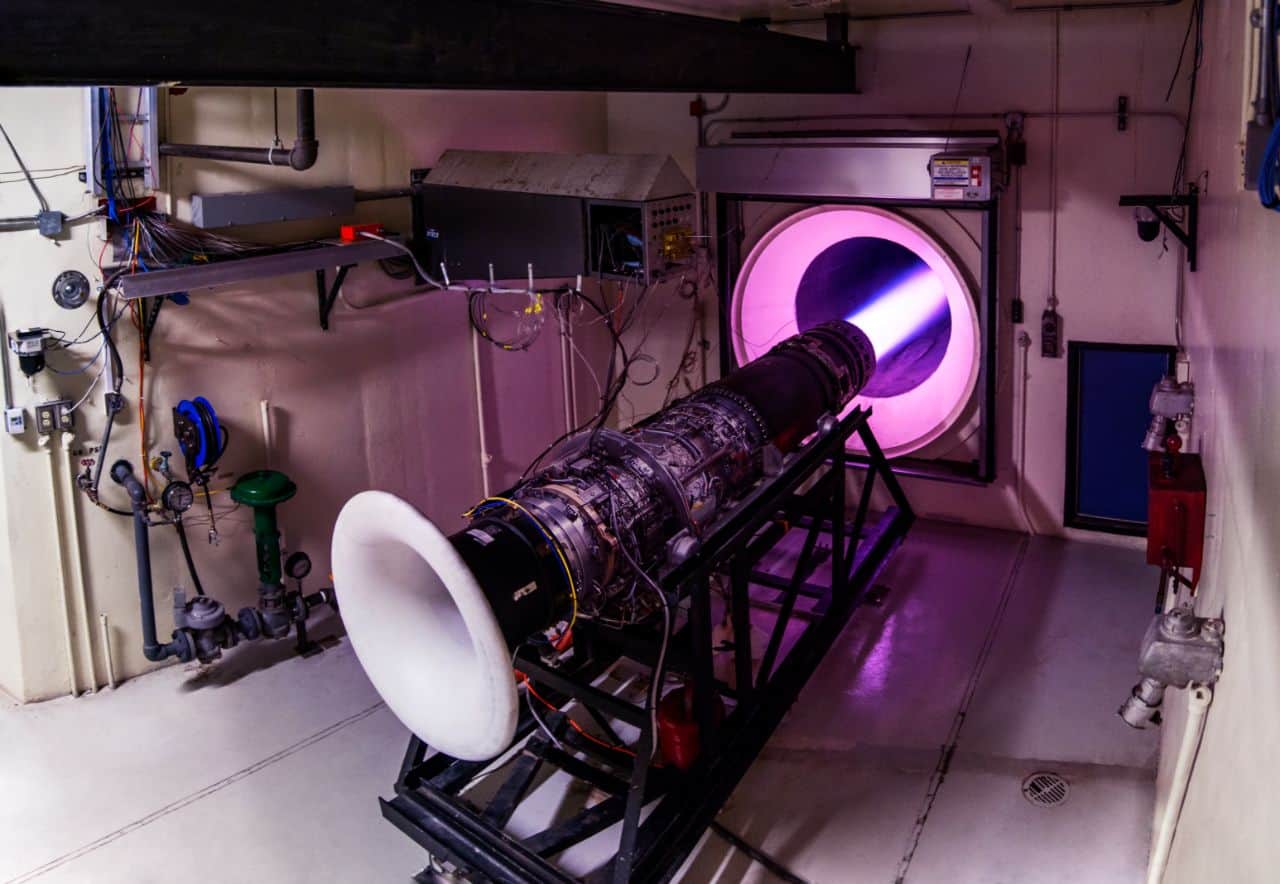
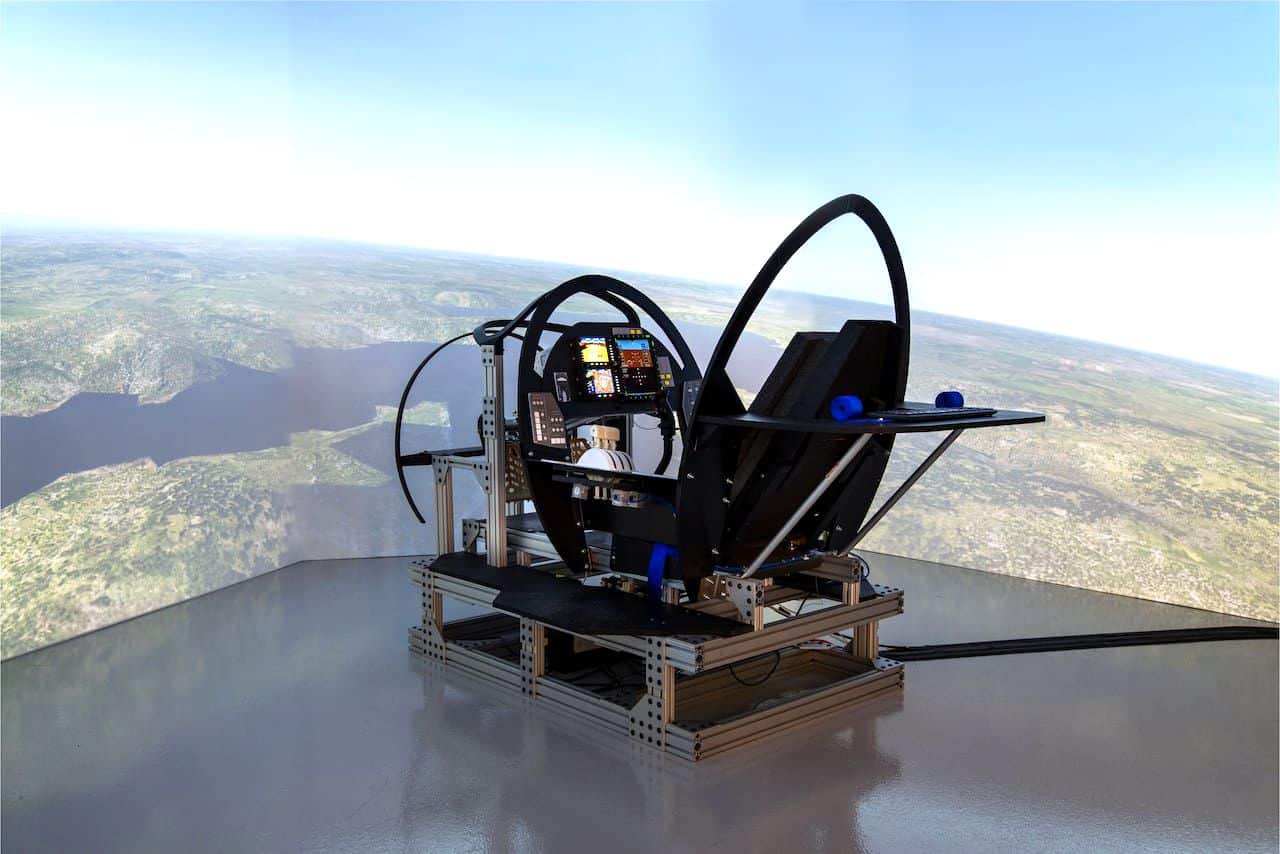
Powered by three turbojet engines in the 4,000 to 5,000 pound thrust (18 to 22 kN) class each, the XB-1 is designed to exceed Mach 1. Maximum takeoff weight is significantly lower than commercial airliners due to its demonstrator role. The cockpit and systems are focused on data collection and validation.
The XB-1 program aims to reduce technical risk for future supersonic passenger aircraft. It marks a new phase in commercial supersonic research decades after Concorde. The aircraft’s test campaign will shape the feasibility of next-generation supersonic transport.
Sources and references used for research and fact-checking.