Future
The high-speed rotorcraft concept built to break conventional helicopter limits
The latest aviation news and stories sent to your inbox.
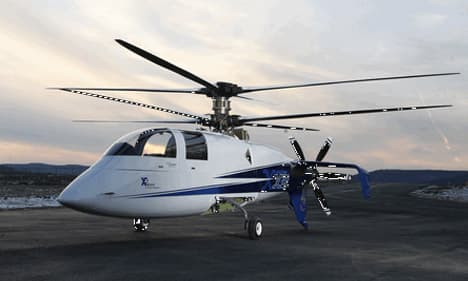
The Sikorsky X2 Technology demonstrator was developed to explore high-speed compound helicopter flight. It aimed to significantly exceed traditional helicopter cruise speeds while retaining vertical takeoff capability. The aircraft validated several advanced rotorcraft concepts.

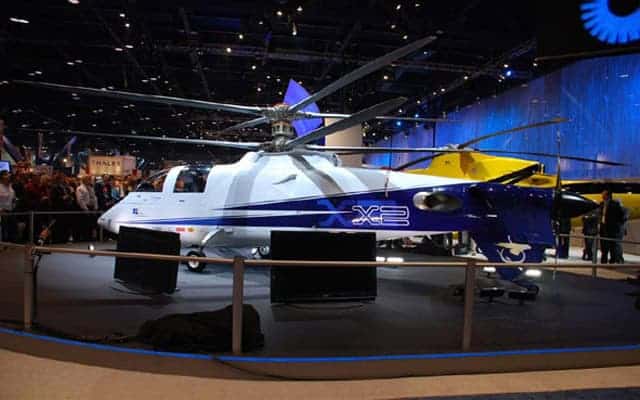
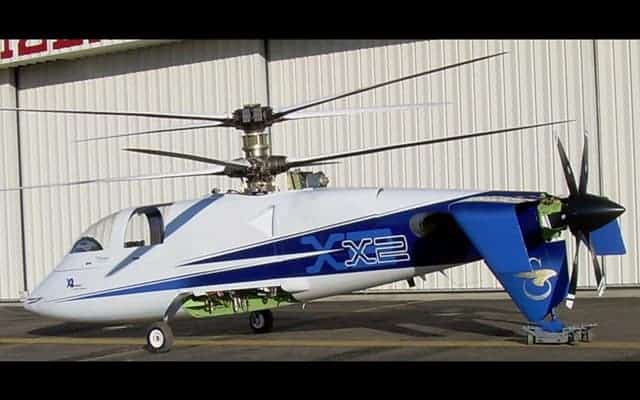

The Sikorsky X2 first flew in 2008 as a technology demonstrator combining coaxial rigid rotors with a pusher propeller. This configuration allowed the aircraft to offset retreating blade stall limitations that constrain conventional helicopters. The program sought to achieve cruise speeds beyond 250 knots (460 km/h).
Powered by a single turboshaft engine driving both the coaxial rotor system and rear propulsor, the X2 ultimately reached speeds exceeding 250 knots in level flight. The coaxial rotor arrangement eliminated the need for a tail rotor while improving lift efficiency. Advanced fly-by-wire controls helped manage the complex aerodynamic interactions at high speed.
The X2 program concluded in the early 2010s after achieving its design goals. The technology directly influenced later Sikorsky designs such as the S-97 Raider and SB-1 Defiant. It demonstrated that compound rotorcraft can significantly expand the performance envelope of vertical lift aircraft.