
Aerobatic
Sukhoi Su-29
ICAO: SU29
The light trainer built for primary flight instruction.
The latest aviation news and stories sent to your inbox.
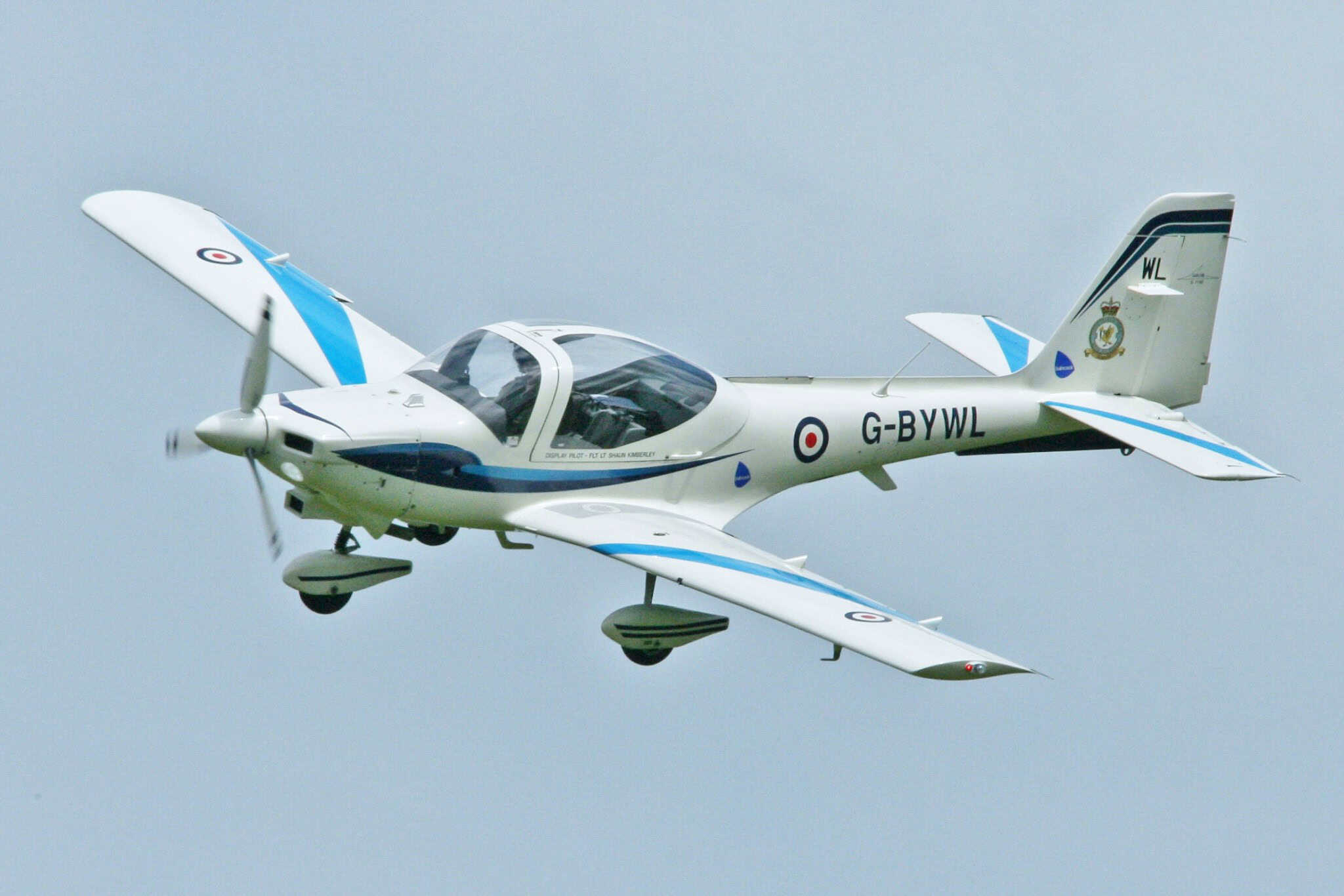
The Grob G-115 is a lightweight training aircraft introduced in the 1980s. Designed for civilian and military flight schools, it emphasizes simple handling and low operating costs. The aircraft has seen broad international adoption.
Live Fleet Activity (G115)
Fetching live data…
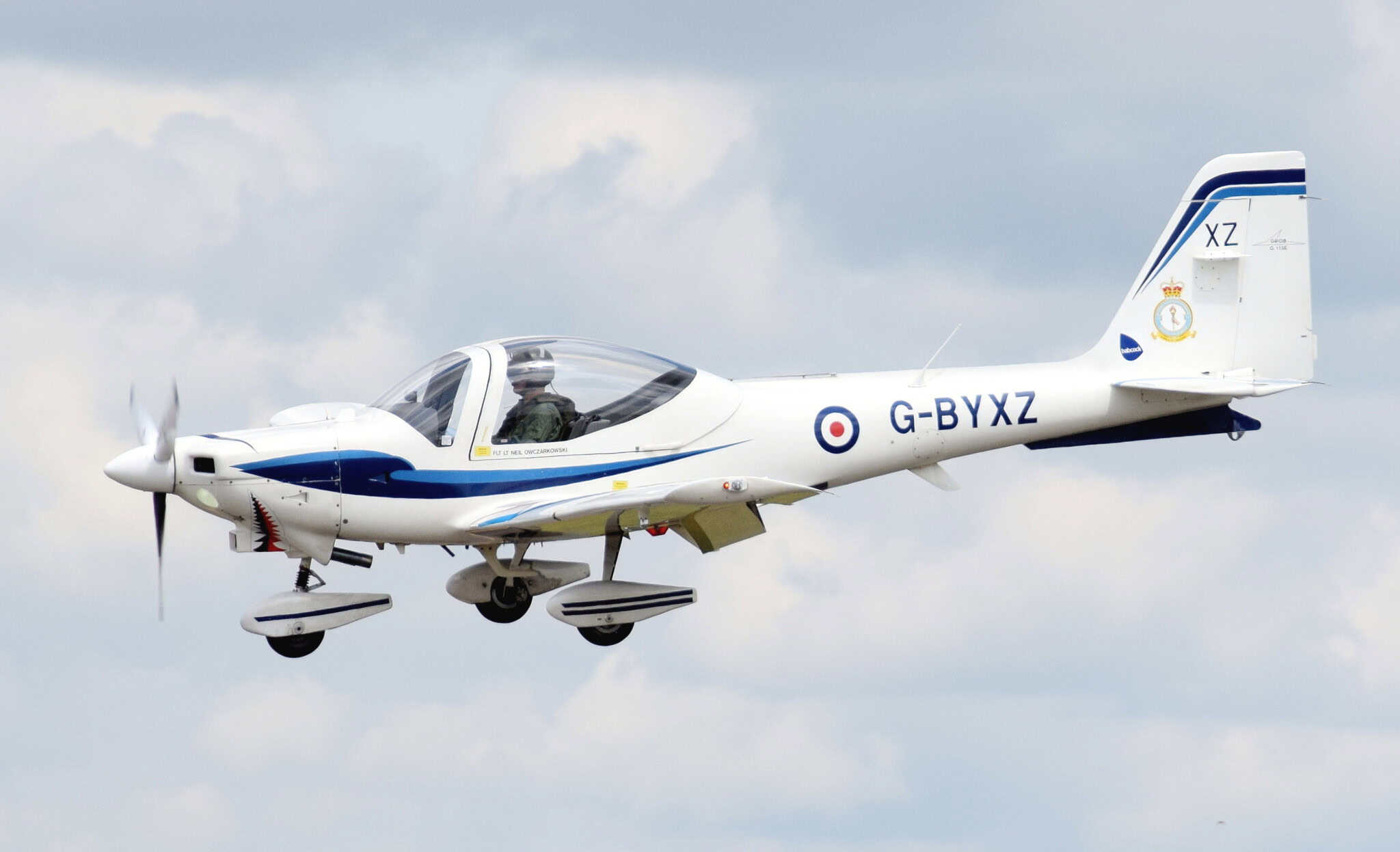


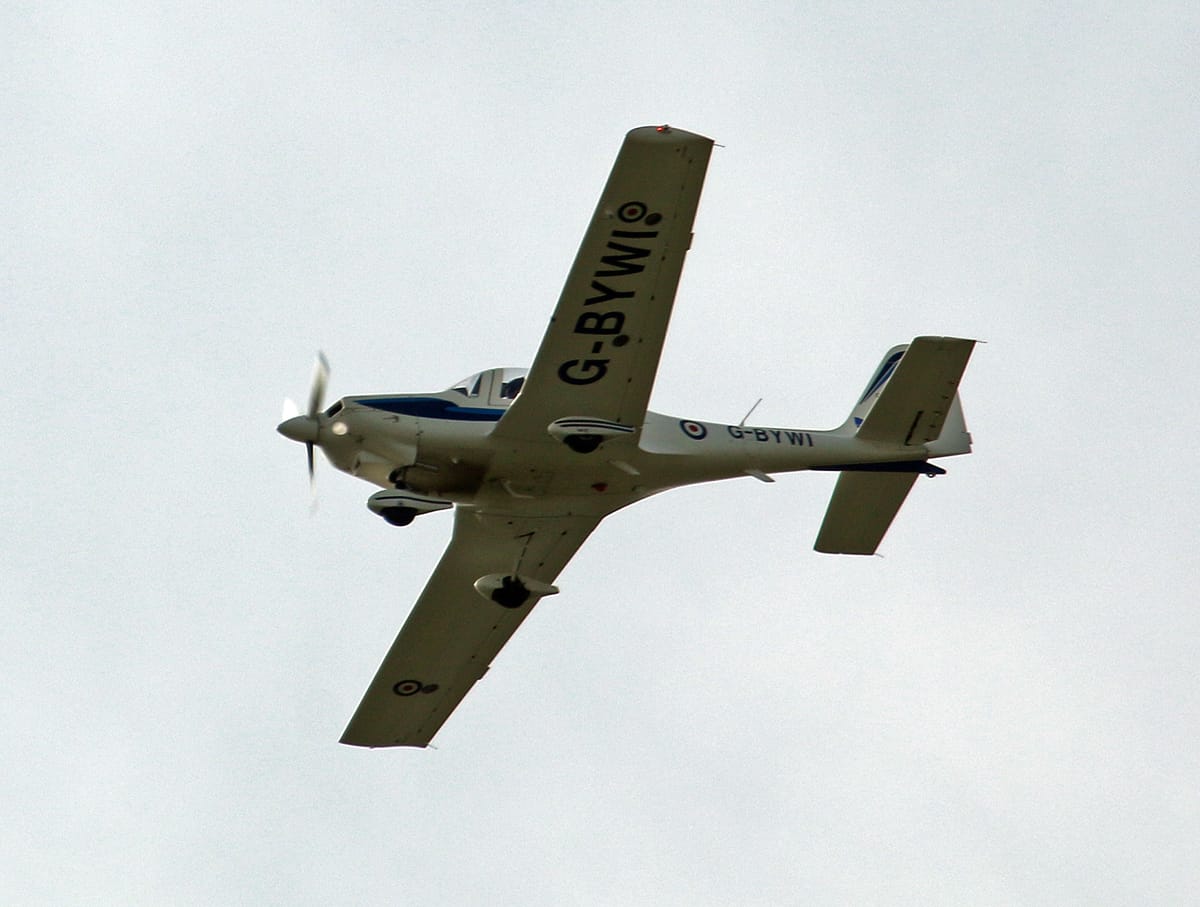
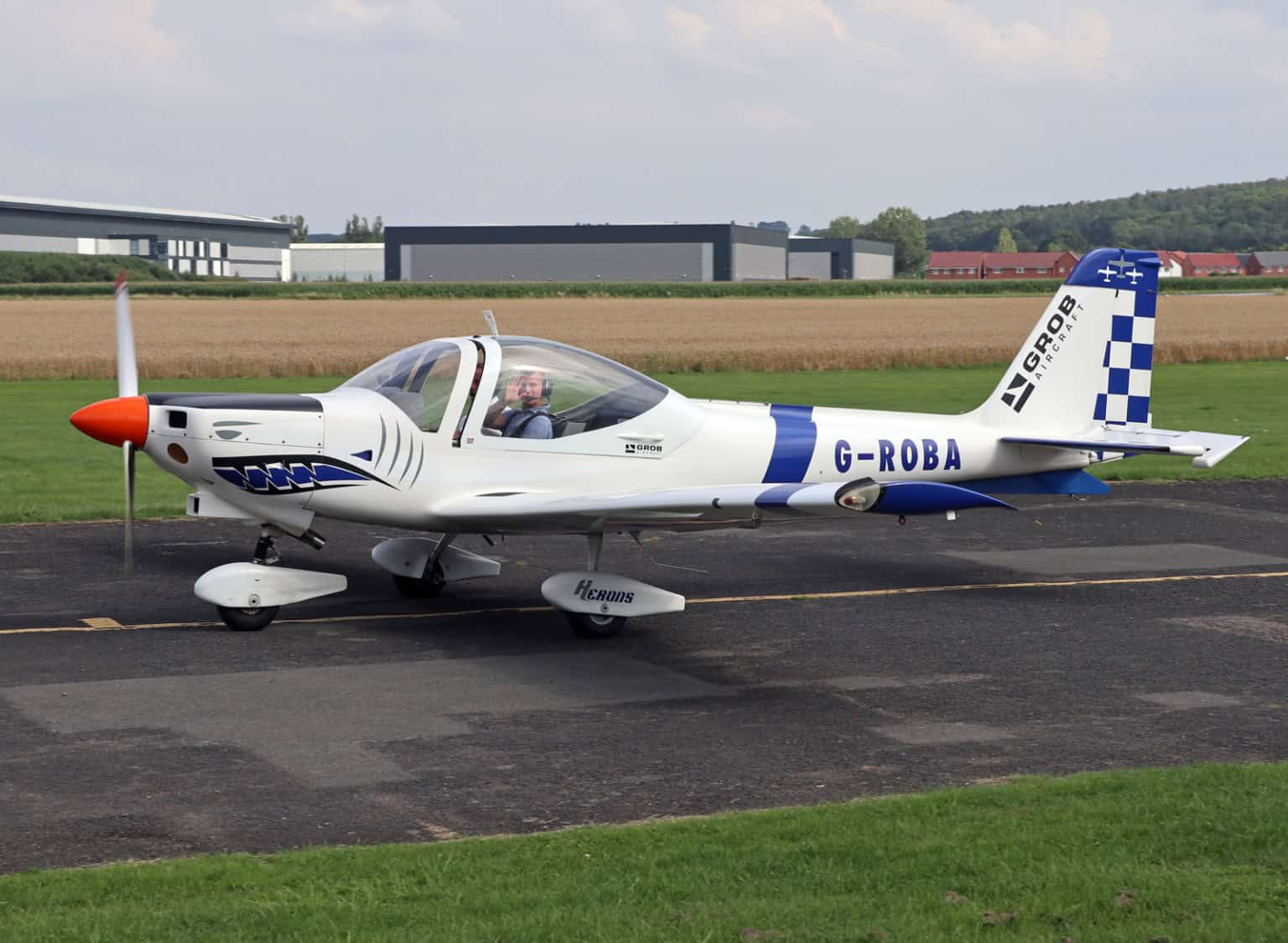
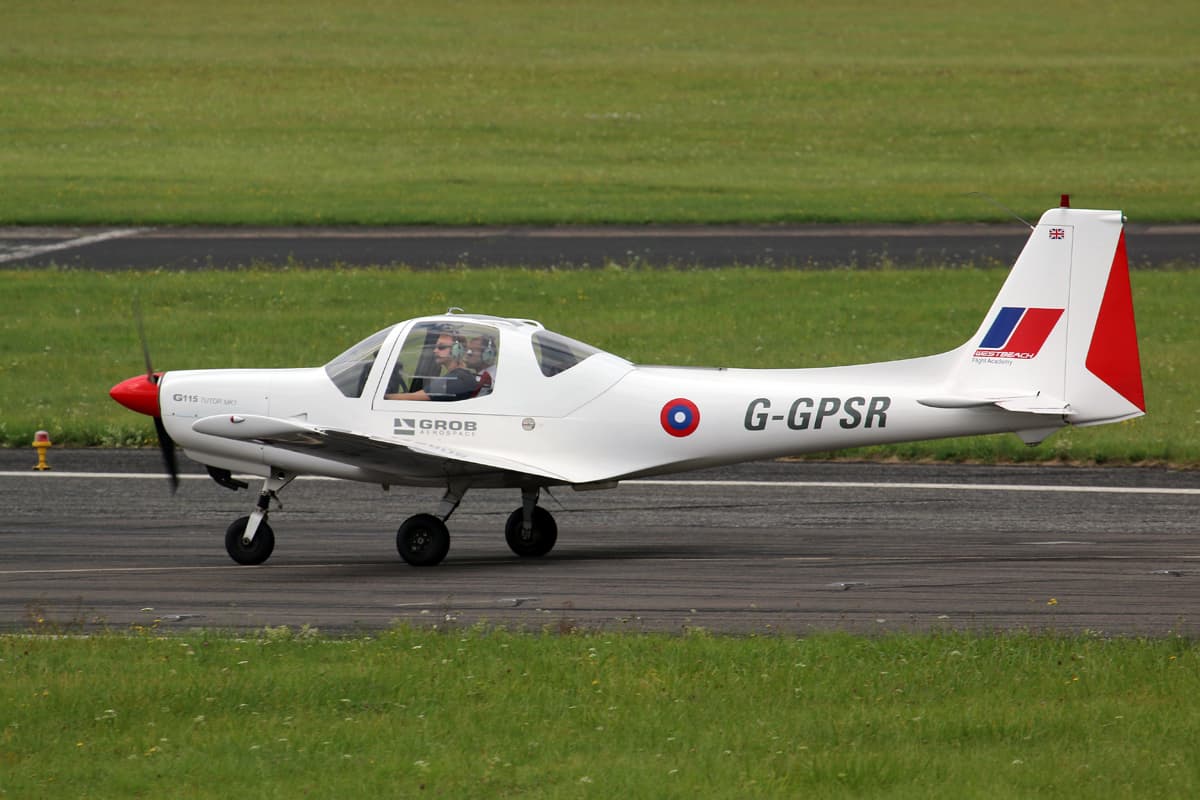
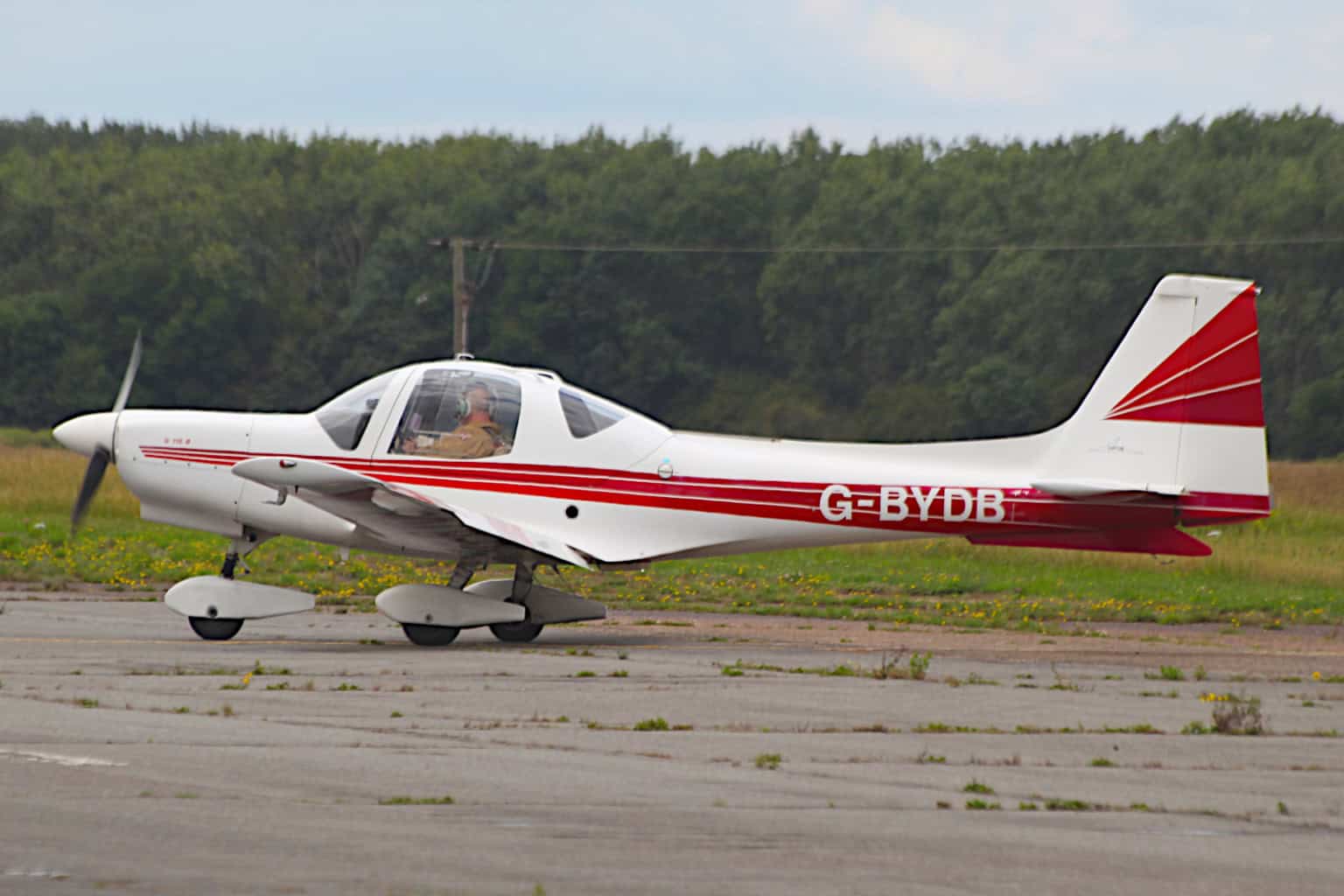

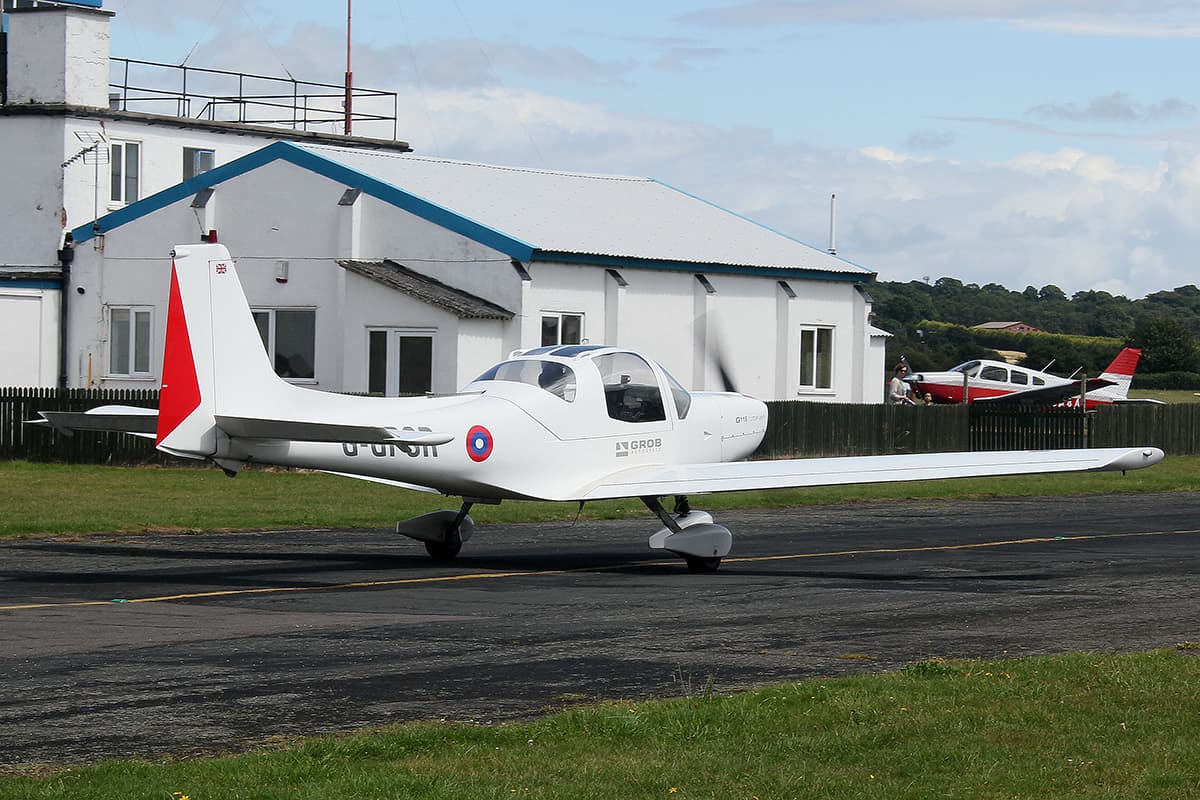

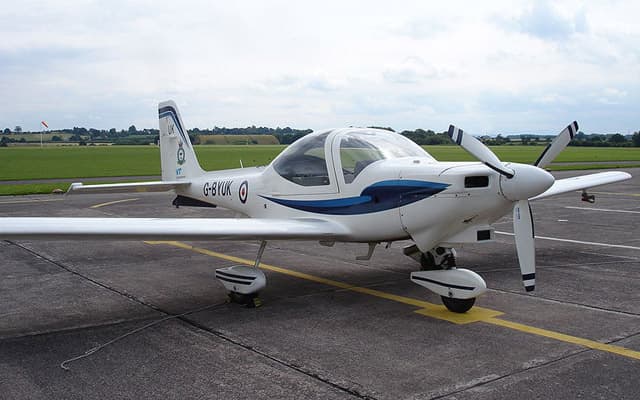


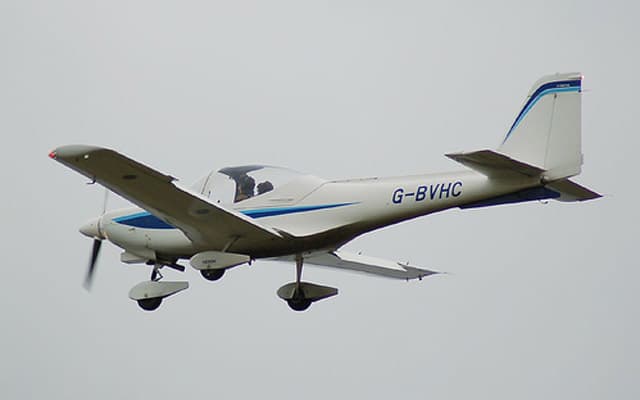
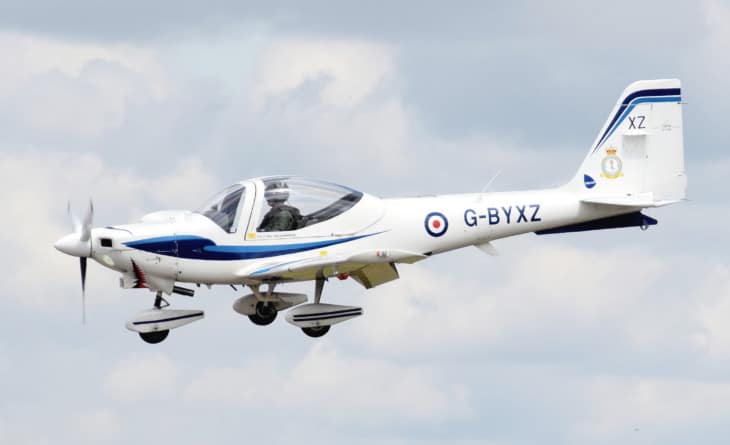
The G-115 first flew in 1985 and entered service shortly afterward. It features composite construction and a low-wing layout. The aircraft was designed to provide predictable handling for student pilots.
A single piston engine producing approximately 160 horsepower powers the aircraft. Cruise speed approaches 120 knots (222 km/h). Maximum takeoff weight exceeds 2,200 pounds (998 kg).
The G-115 has been used extensively in flight training programs, including military cadet instruction. Its durability and efficiency have supported long-term service. The aircraft remains active in training fleets.
Sources and references used for research and fact-checking.