Large Helicopters
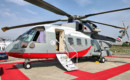
Agusta Westland AW101 VVIP
ICAO: EH10
The super-medium helicopter built for offshore transport and search and rescue.
The latest aviation news and stories sent to your inbox.
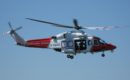
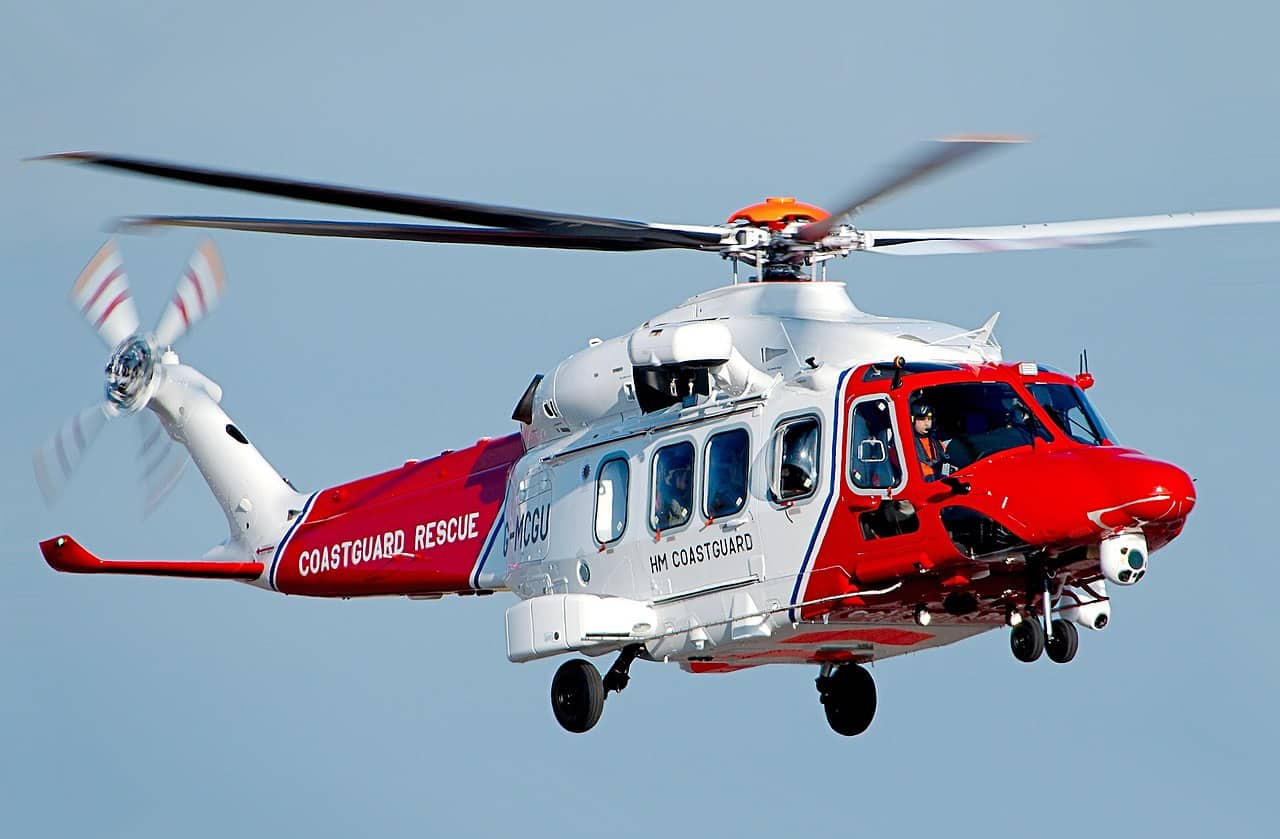
The AgustaWestland AW189 is a super-medium twin-engine helicopter developed for long-range missions. Designed primarily for offshore oil and gas transport and search and rescue, it entered service in the mid-2010s. The aircraft emphasizes cabin volume and endurance.
Live Fleet Activity (A189)
Fetching live data…
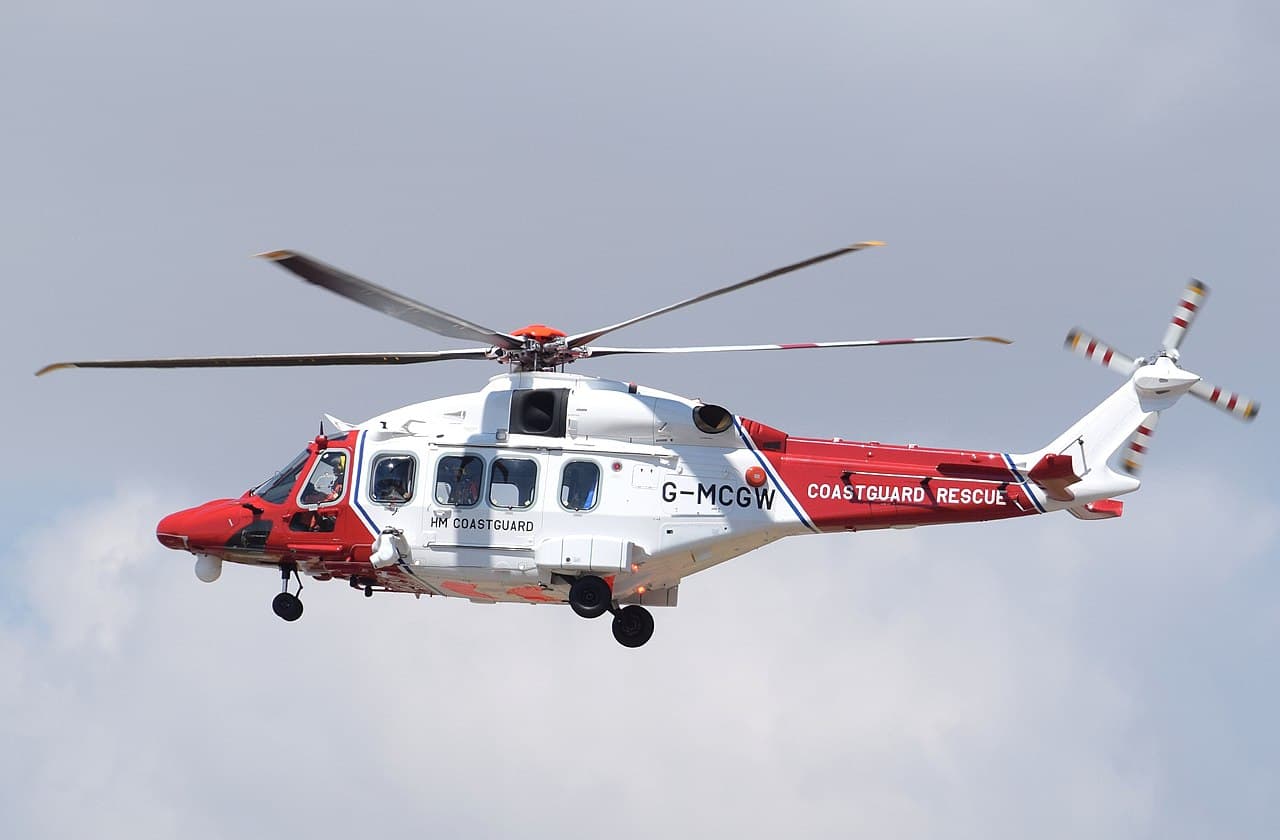
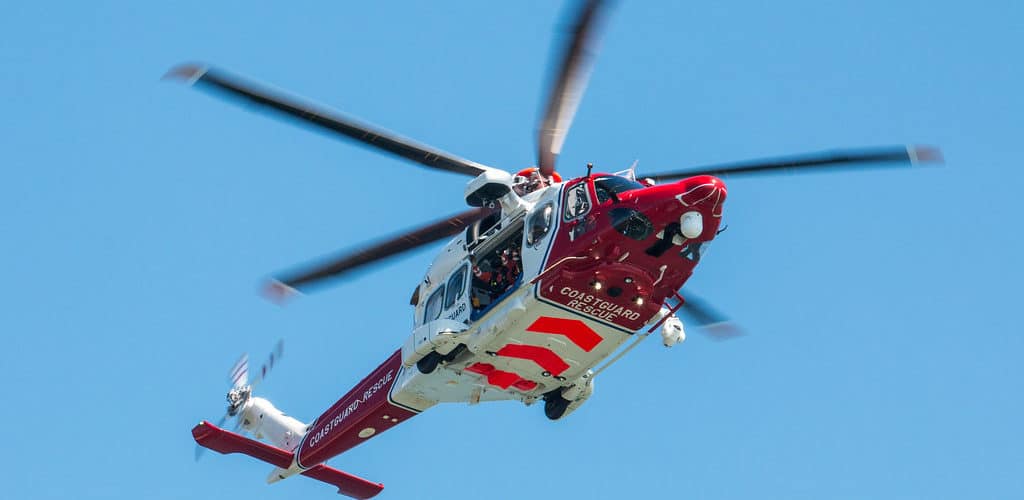
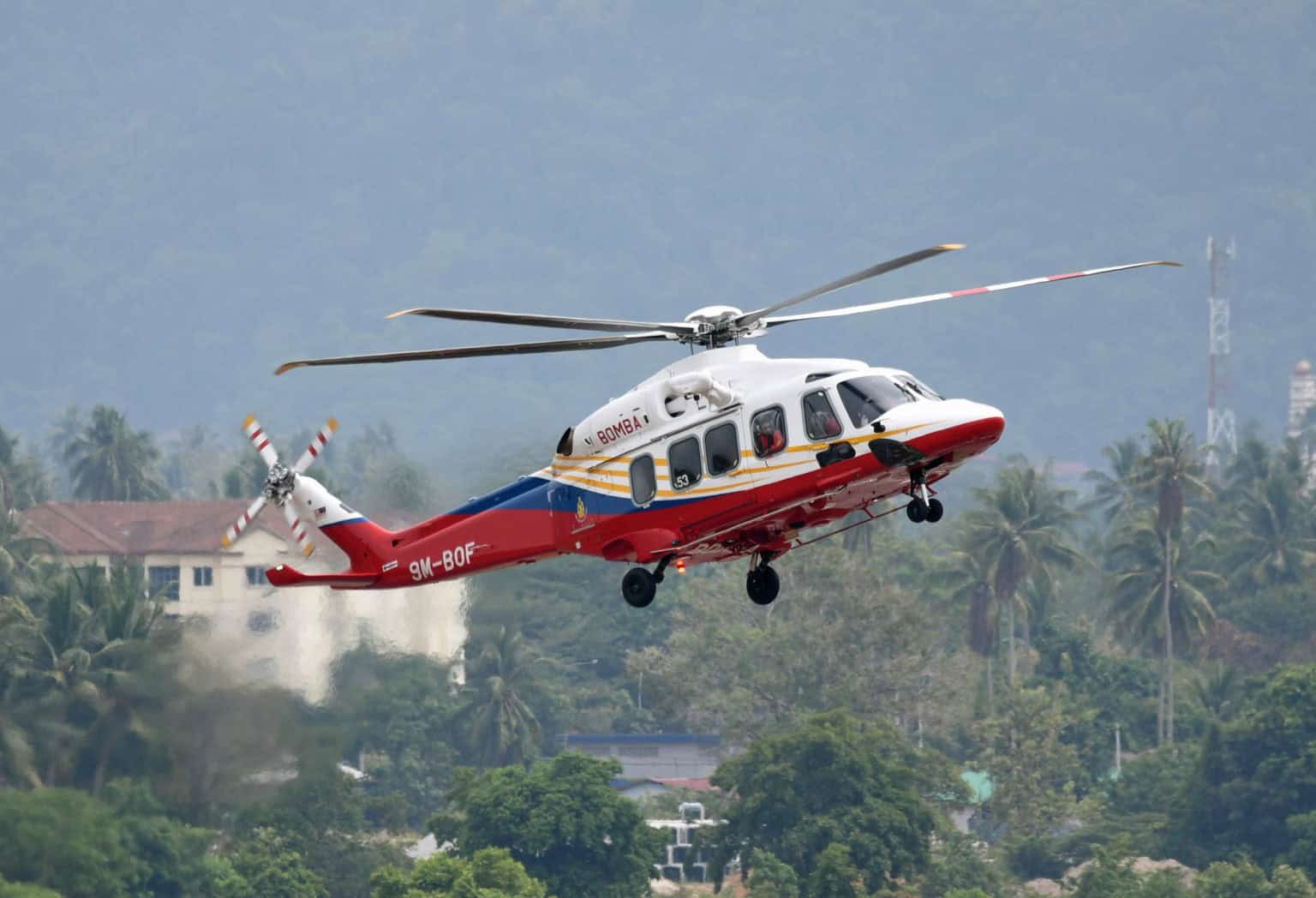
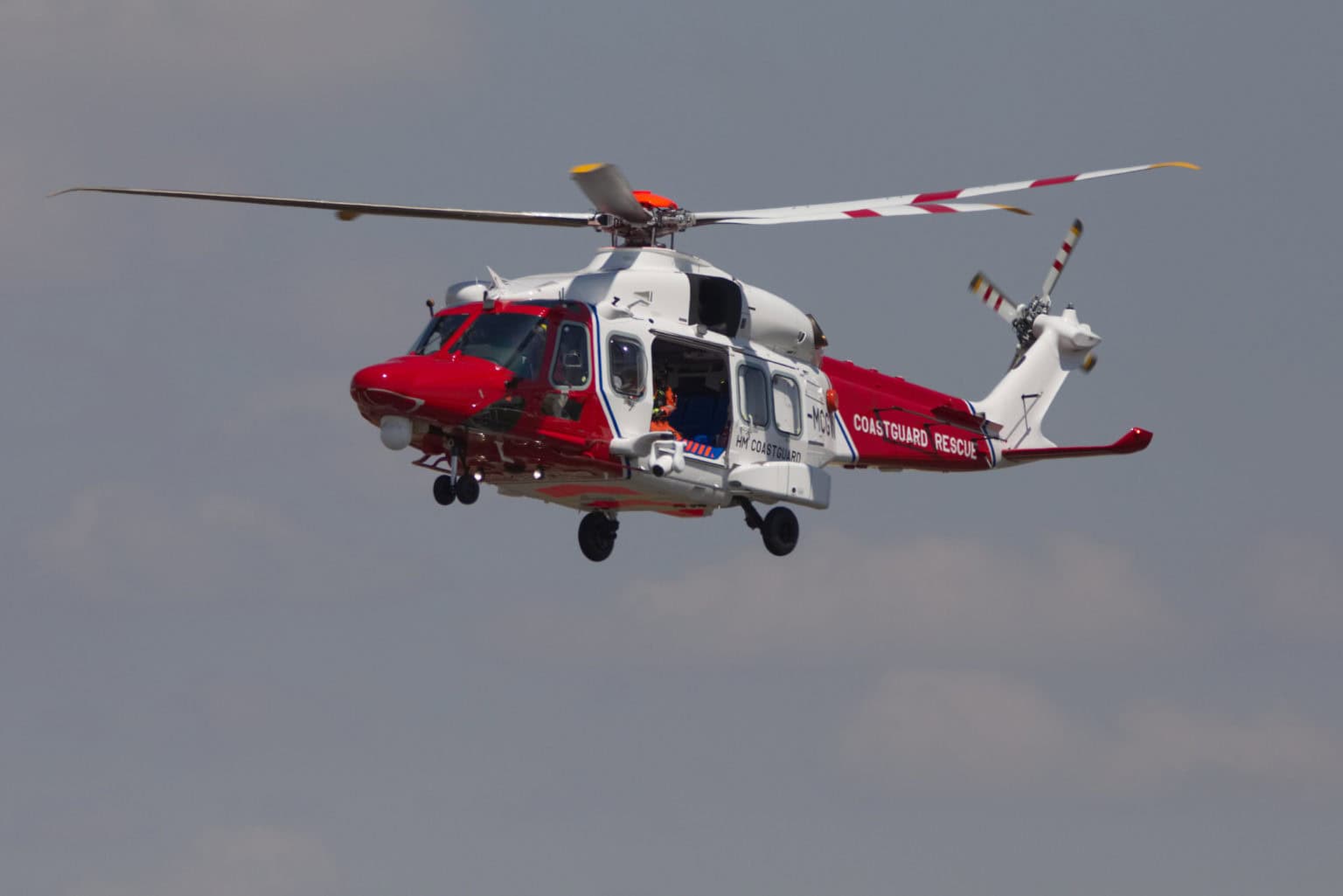
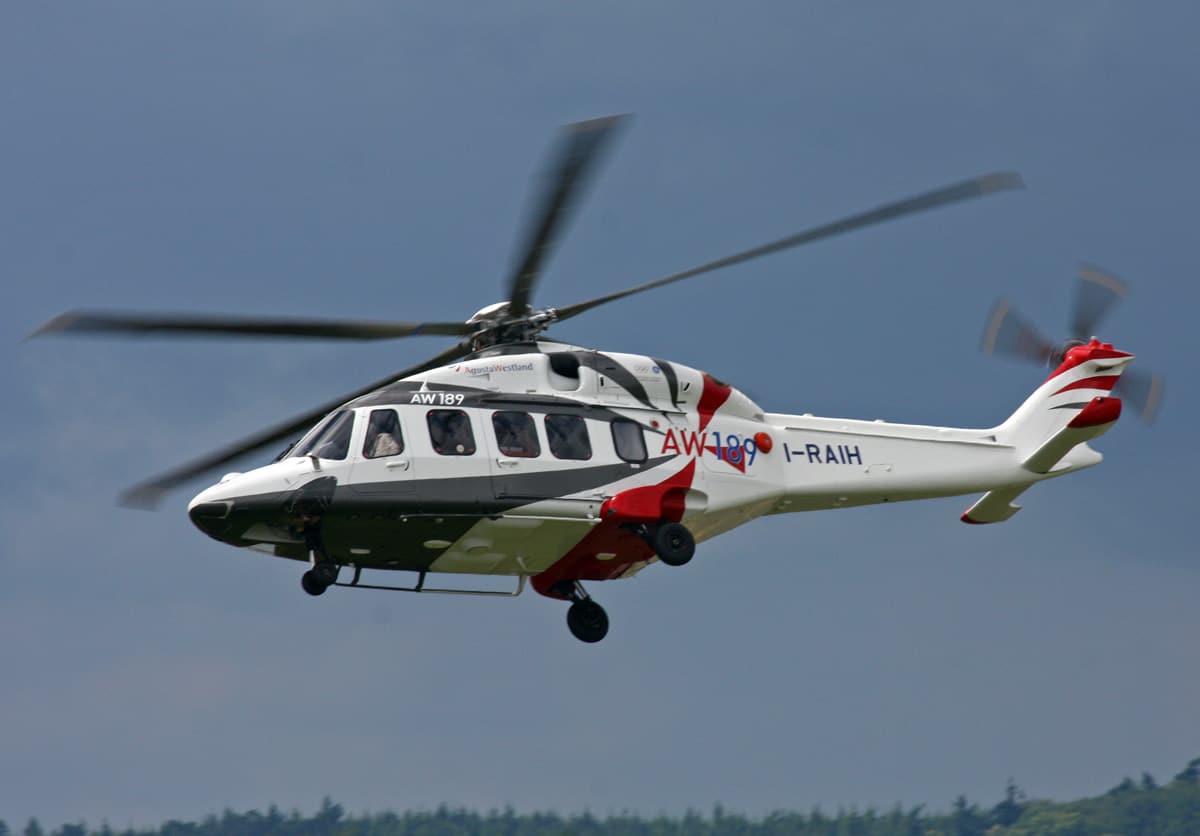

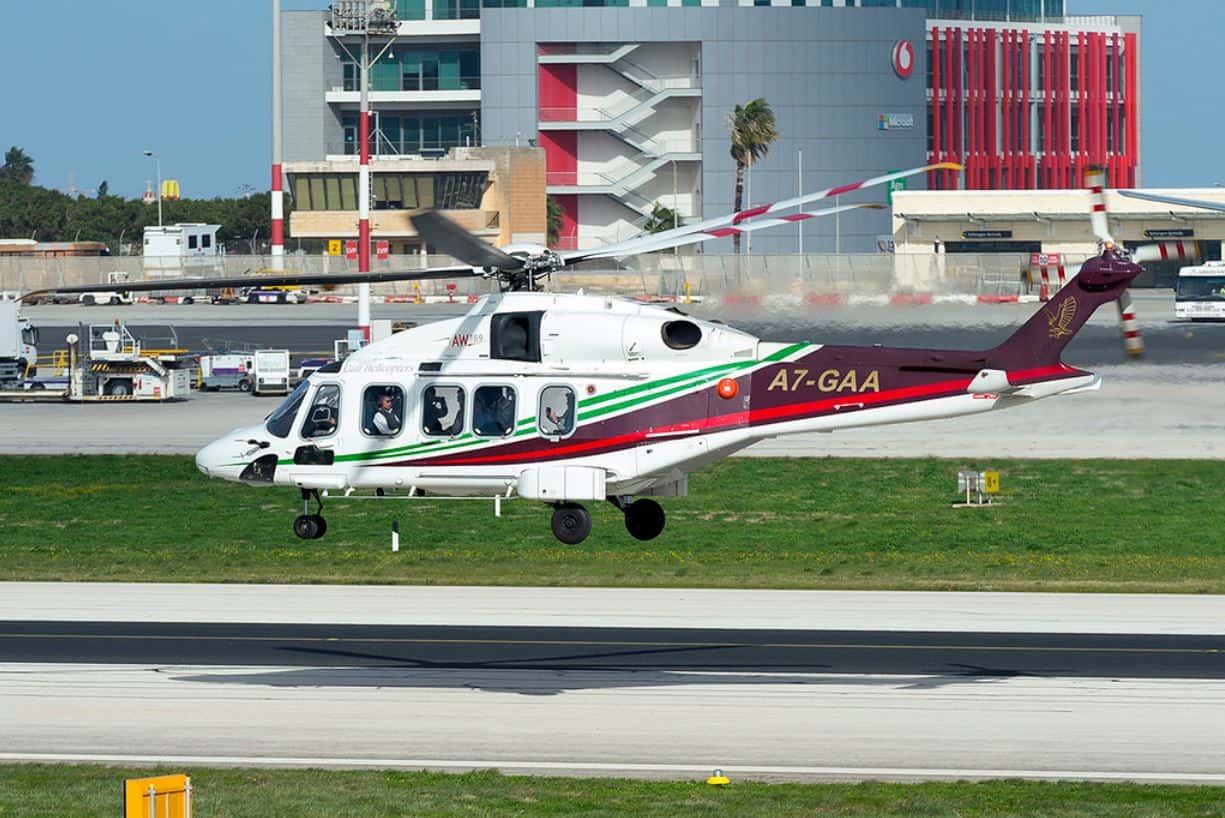
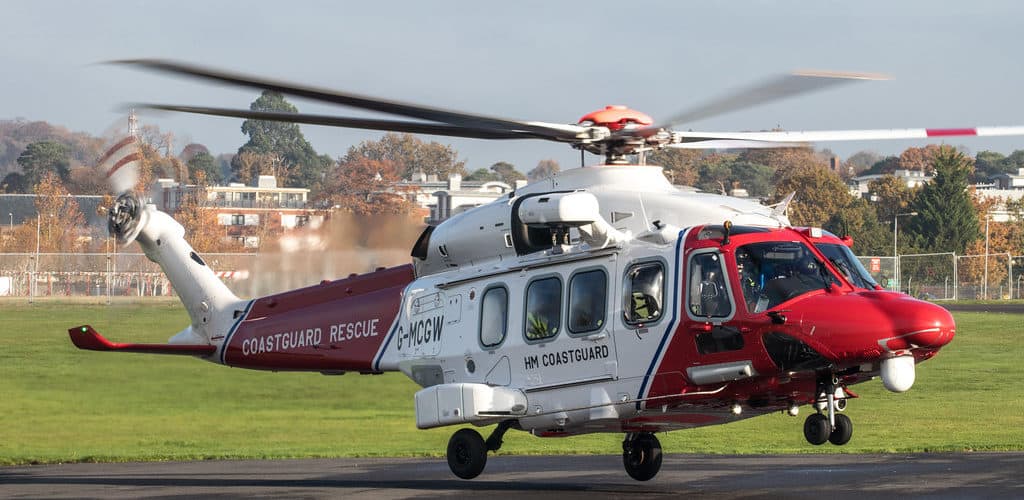
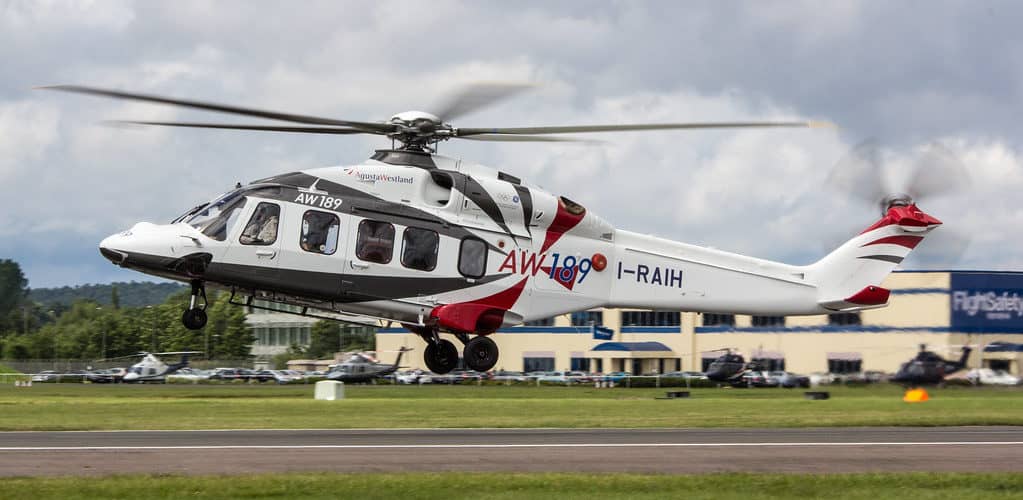
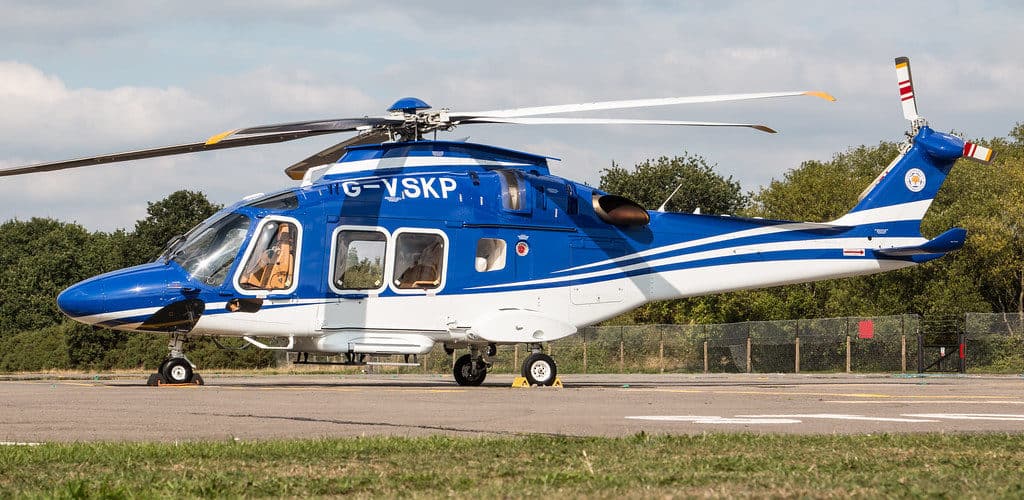

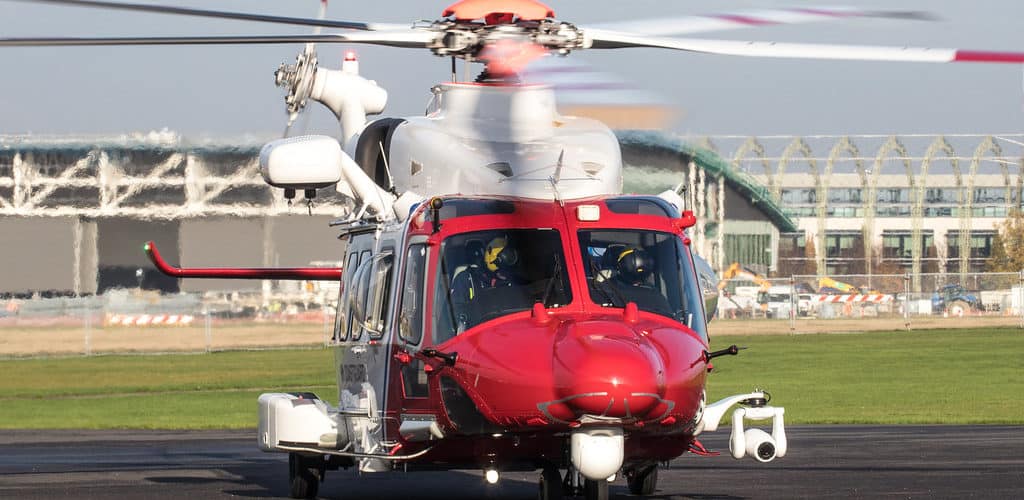
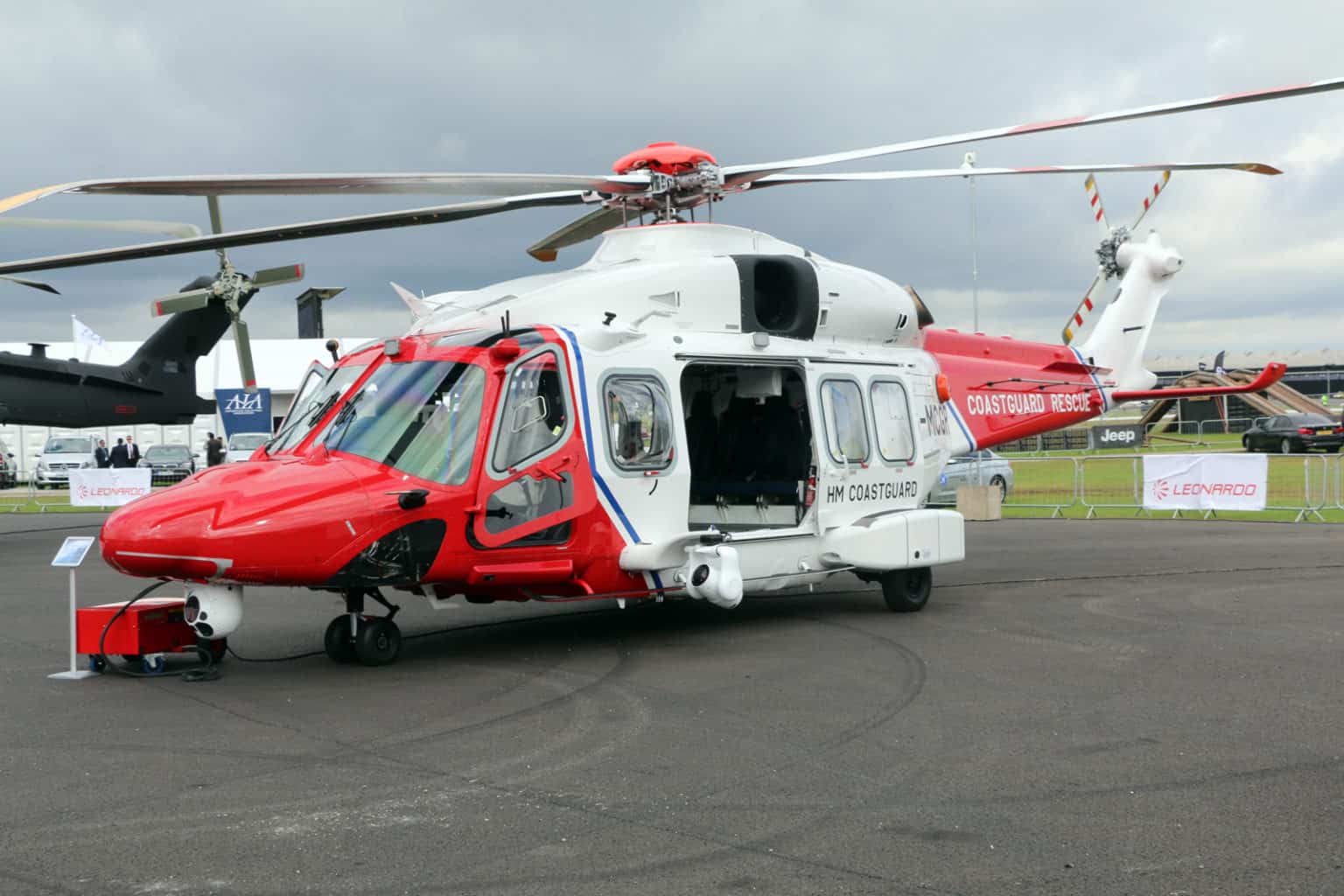
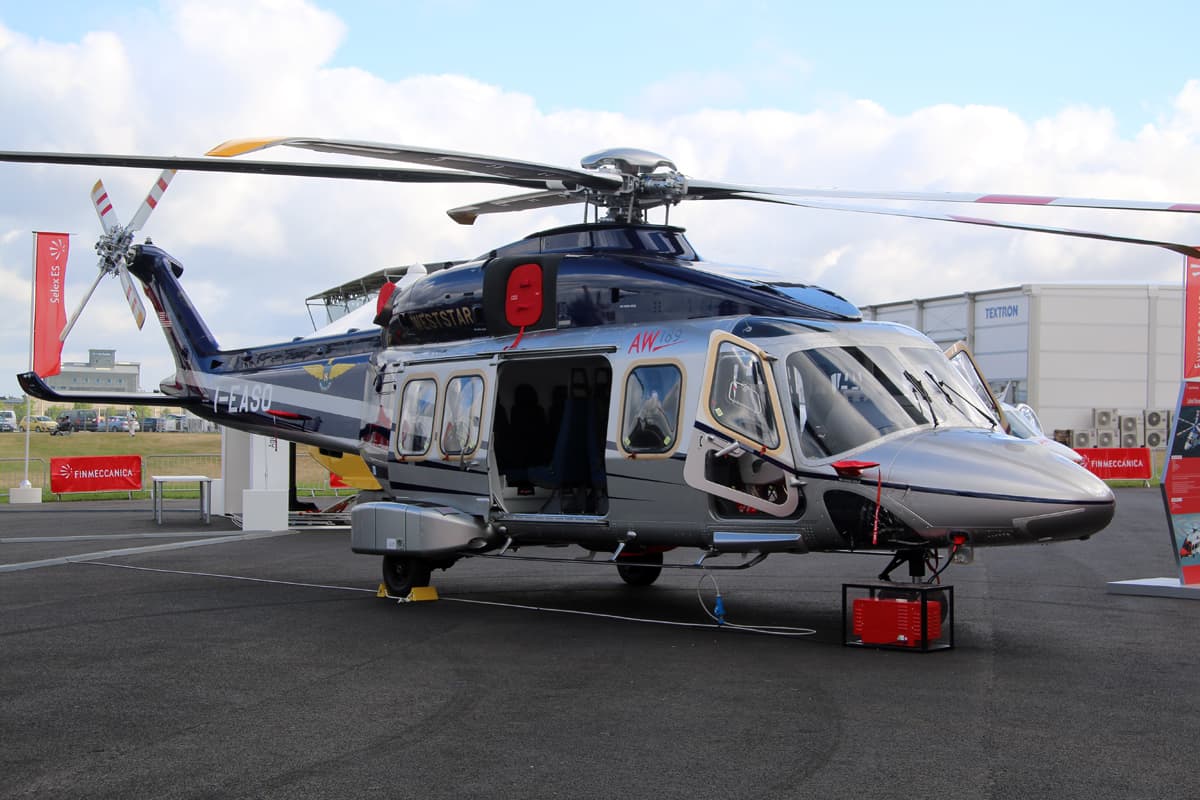
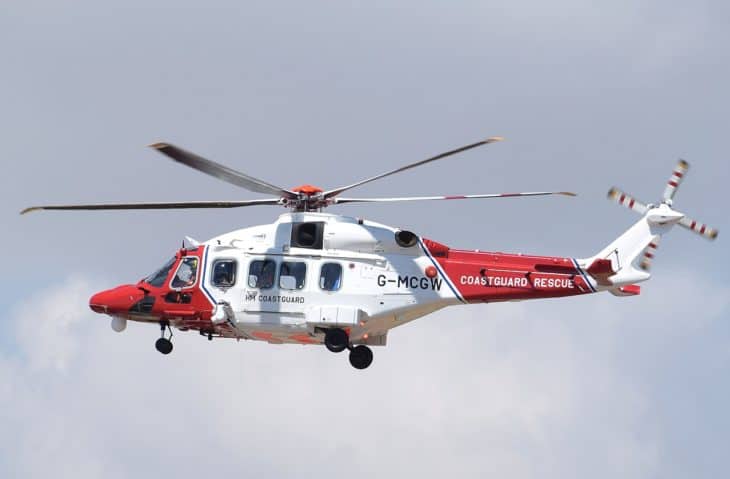
The AW189 first flew in 2011 and entered service in 2014. It shares design philosophy and systems commonality with the AW169 and AW139. The helicopter features a five-blade main rotor and large cabin optimized for passenger comfort and mission equipment.
Powered by two General Electric CT7-2E1 turboshaft engines producing approximately 2,000 shaft horsepower each, the AW189 cruises at around 150 knots (278 km/h). Maximum takeoff weight exceeds 18,700 pounds (8,500 kg). It can carry up to 19 passengers in offshore configuration.
The AW189 is widely used in offshore transport and government search and rescue roles. Its range and payload allow extended overwater operations. The aircraft forms part of Leonardo’s super-medium helicopter portfolio.
The AgustaWestland AW189 was launched at the Paris Air Show in June 2011. The original model of the aircraft successfully finished its maiden flight at the Cascina Costa plant in late 2011in Italy. The initial production model of this helicopter made its initial flight way back in October 2013 at the company’s Vergiate plant in Italy.
Generally, the AgustaWestland AW189 was built for different applications, which include search and rescue missions, passenger transport, offshore transport, and parapublic missions as well.
Life Flight Network ordered fifteen AW189 to conduct air medical transportation in Idaho, Washington, and Oregon. The first aircraft was delivered in March 2013, and the rest were delivered in September 2015. Two extra helicopters were ordered by the company in November 2016.
Other companies that ordered AW189 are Wagners Development Company (1), Life Link II (six), New York City Department of Environmental Protection Police (1), and the Portuguese Ministry of Defense (5).
The AgustaWestland AW189 is a medium-sized, twin-engine aircraft along with a five-bladed main rotor. It also features a four-bladed tail rotor and a retractable tricycle landing gear.
The aircraft itself can endure a single-engine failure at any time, throughout the entire flight envelope without risk period, compared to the older designs. The AgustaWestland AW189 also complies with the newest reactive safety measures like crash attenuating seats for every occupant.
The best thing about it is that there are upper body restraints, along with the undercarriage taking the most impact of an excessively heavy landing, then followed by the belly and seats.
The helicopter was powered by two GE CT7-2E1 engines. Every engine has a rate of 1,625shp of power at takeoff. It’s worth mentioning that it’s geared with full authority digital engine control as well as built-in particle separators.
AgustaWestland AW189’s cruising speed ranges from 267 kilometers per hour to 278 kilometers per hour. The aircraft’s main gearbox features a thirty-minute dry run capacity and provides low seat-mile costs and low fuel burn.
The cabin can endure 16g longitudinally, 8g laterally, and 20g vertically. What’s more, the seats are built to accept such loads. The pilot’s seat feature five-point harnesses, and there are big windows and doors to allow easy and quick exit during an emergency.
The comfort of the passenger is always a priority with low vibration and internal noise levels. The big windows and doors offer every occupant great visibility and a good atmosphere. In addition, the door enables cargo pallets and other bulky items to be loaded effortlessly. You can also find 19-, 18-, and 12-seat configurations.
With its excellent engines, tail rotor, and modern main design, as well as decent performance, the AgustaWestland AW189 is highly efficient across the world, whether in heavy and high or icy conditions.
Thanks to its cutting-edge main rotor blades, it’s highly fuel-efficient. It burns at least 400 kilograms per hour and takes a standard full fuel load of 1,600 kilograms. That offers the aircraft a perfect range and a low cost per seat-mile.
Sources and references used for research and fact-checking.