Large Helicopters
AgustaWestland AW189
ICAO: A189
The medium twin helicopter built for offshore, rescue, and executive transport
The latest aviation news and stories sent to your inbox.
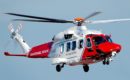
The AgustaWestland AW139 is a medium twin-engine helicopter developed for civil and government operations. Designed to bridge the gap between light twins and larger transport helicopters, it offers strong performance and cabin flexibility. The aircraft has become one of the most successful helicopters in its class.
Live Fleet Activity (A139)
Fetching live data…

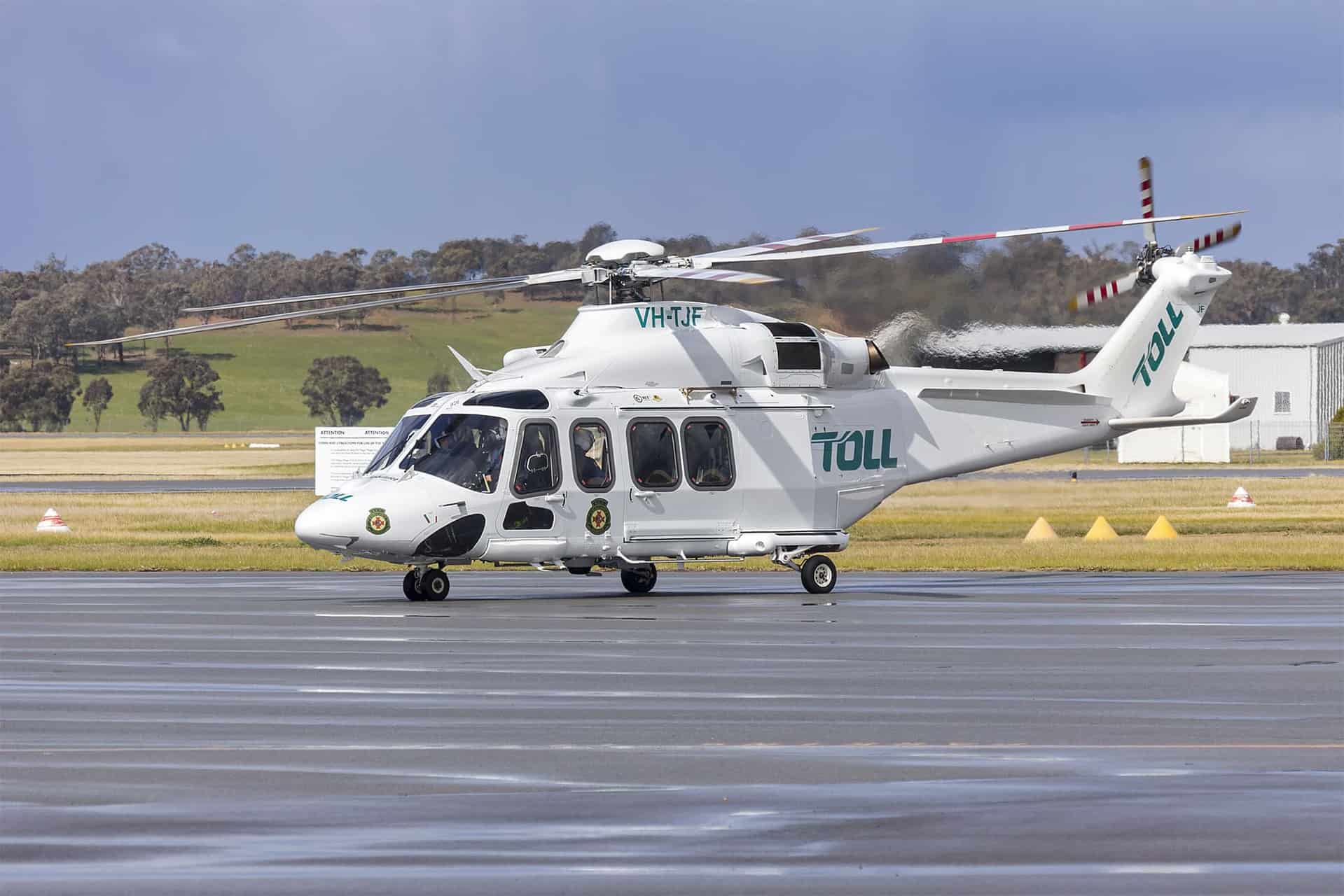

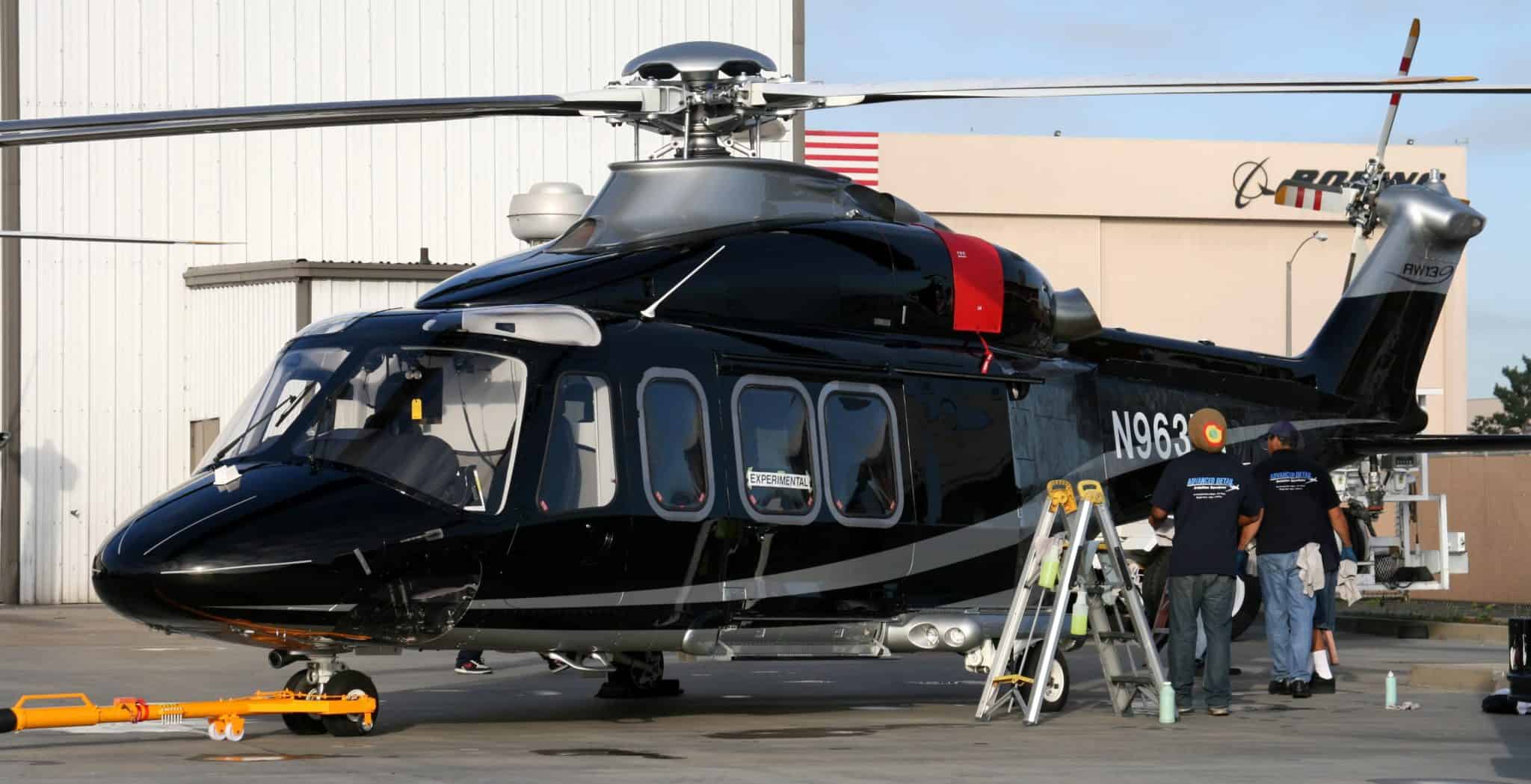
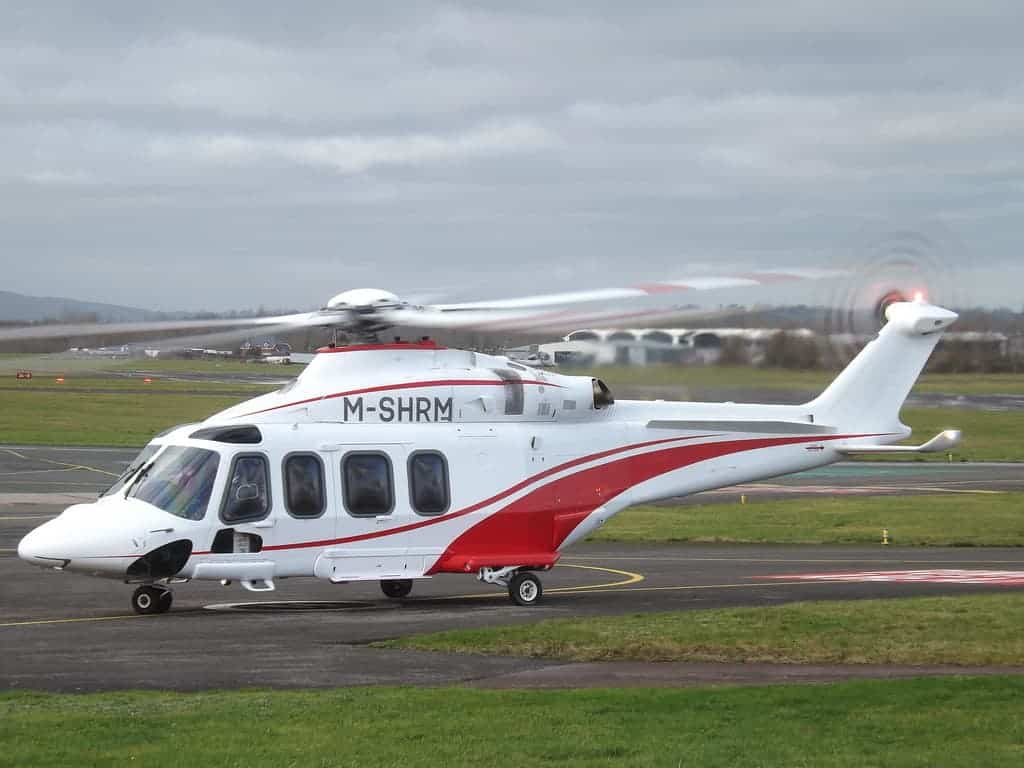
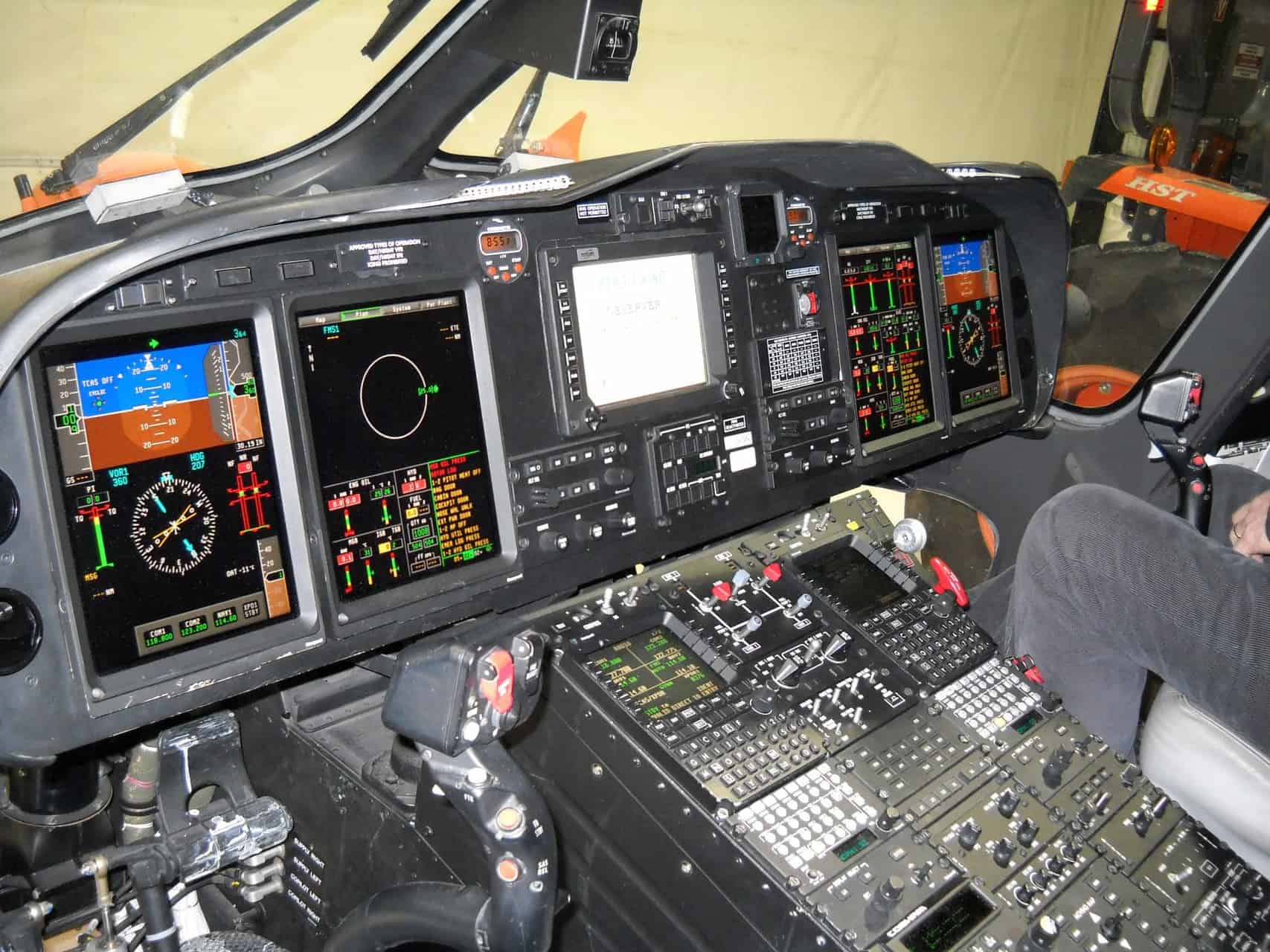


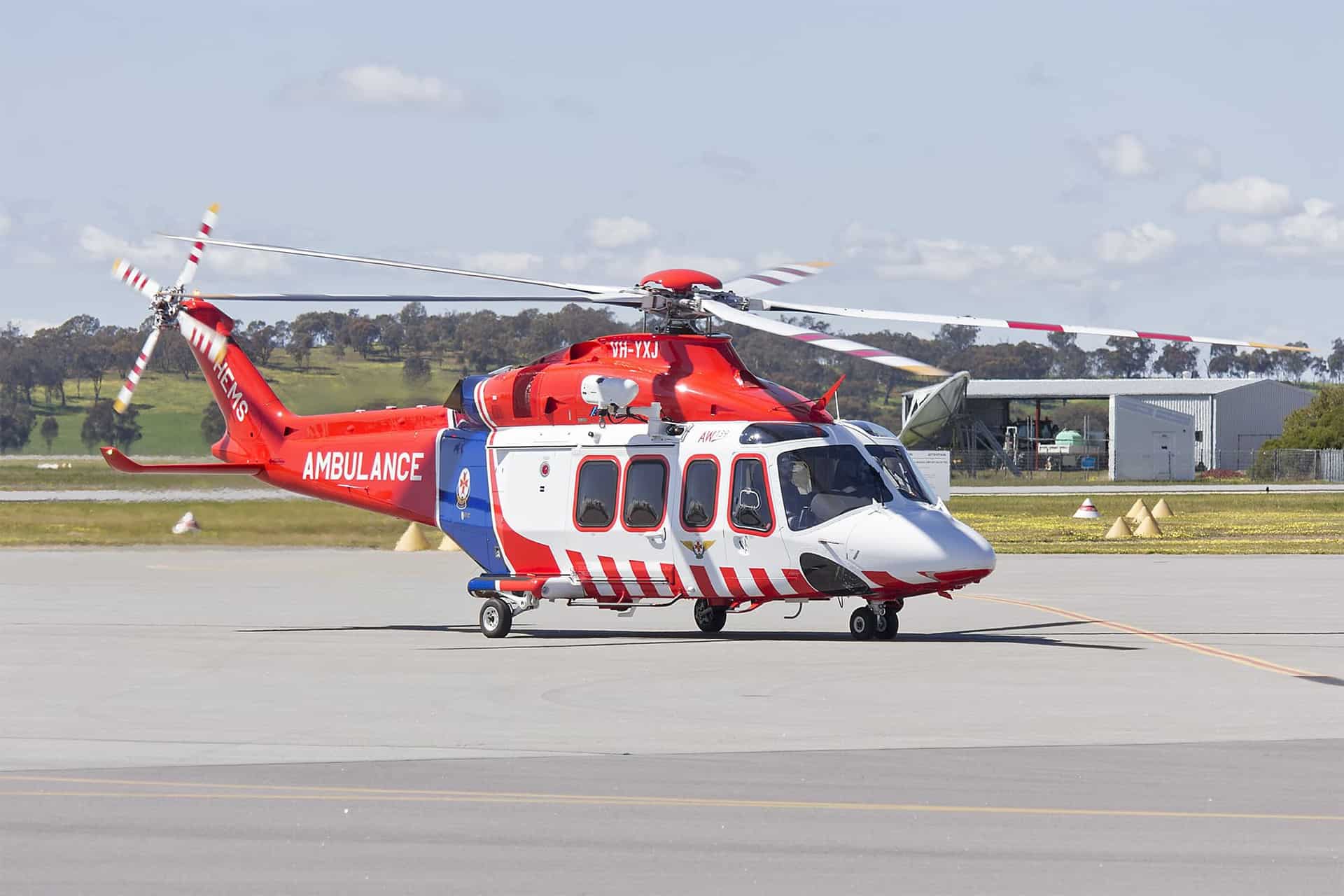
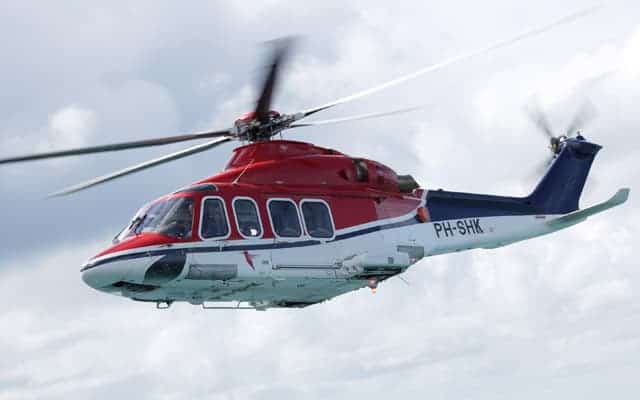
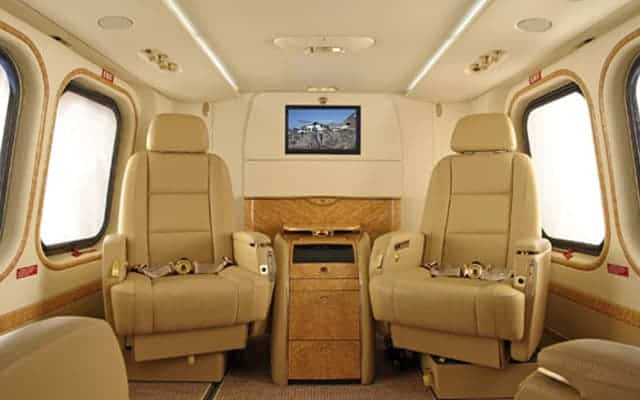
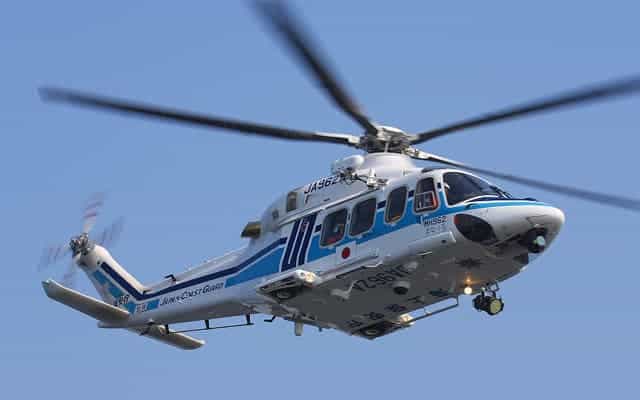

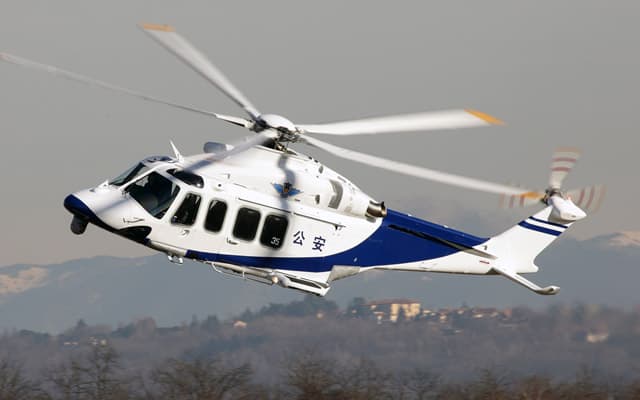
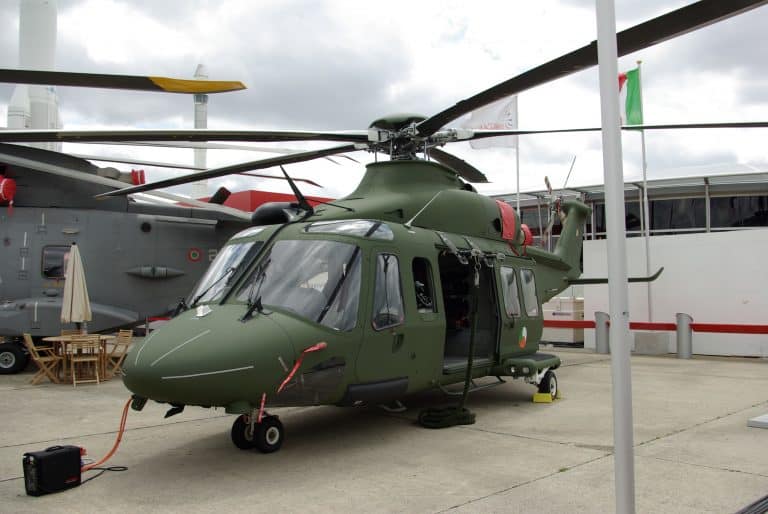
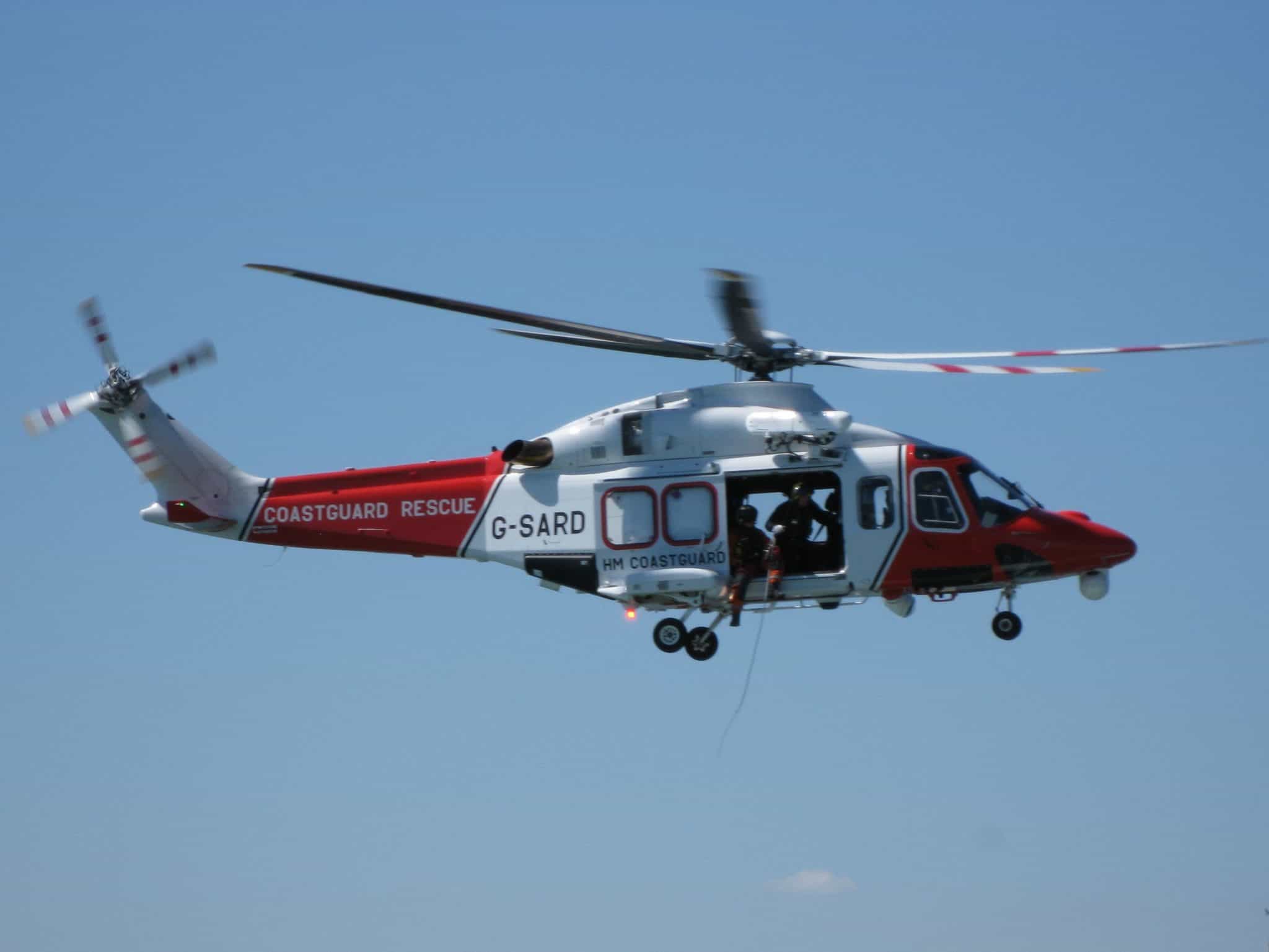
The AW139 program was launched in the late 1990s as a joint venture between Agusta and Bell, with the prototype first flying in 2001. The helicopter entered service in 2003 and was later fully integrated into AgustaWestland’s product line. It was designed to meet growing demand for offshore transport, search and rescue, and corporate missions requiring greater range and cabin capacity than light twins.
Powered by two Pratt & Whitney Canada PT6C-67C turboshaft engines, each producing roughly 1,700 shaft horsepower, the AW139 cruises at approximately 165 knots (305 km/h). It has a maximum takeoff weight of around 15,500 pounds (7,000 kg) and can typically carry 12 to 15 passengers depending on configuration. Range is approximately 570 nautical miles (1,055 km) with standard reserves.
The type quickly gained widespread adoption among offshore energy operators, emergency medical services, and government agencies. Its large cabin, modern avionics, and strong hot-and-high performance contributed to strong global sales. The AW139 remains in active production and has established itself as a benchmark in the medium twin helicopter market.
The AW139 originated from a program intent to produce a medium-twin helicopter that combined higher cruise speed, expanded cabin volume, and improved payload capability compared with existing light twins. Program planning emphasized a clean-sheet approach to meet civil and government requirements for offshore transport, search and rescue, and corporate roles.
Prototype flight testing included envelope expansion, handling evaluations, and systems reliability trials. Flight test activity focused on multi-engine procedures, autorotation characteristics, and evacuation drills with representative cabin loads. Type certification testing encompassed both airworthiness and role-specific approvals for instrument operations and single-pilot IFR where required.
Production planning sought a flexible manufacturing approach to allow variant-specific outfitting. Early program documentation allocated workshare to multiple facilities for airframe, systems integration, and final assembly to support global customer delivery schedules. Certification authorities required demonstration of systems redundancy and crashworthiness features during testing.
The AW139 features a conventional single main rotor and tail rotor arrangement with a medium-diameter, high-inertia main rotor that supports smooth flight characteristics and reduced vibration. The airframe uses a semi-monocoque fuselage with extensive use of composite components for nonprimary structures. Cabin volume is organized to permit rapid reconfiguration between passenger, medevac, and utility layouts.
Landing gear is retractable in transport configurations and fixed in some utility and SAR fits. Fuel system design emphasizes crash-resistant tanks and separation from the cabin to reduce post-impact hazards. The fuselage incorporates large sliding doors and multiple cargo tie-down points to facilitate loading and inland and shipboard operations.
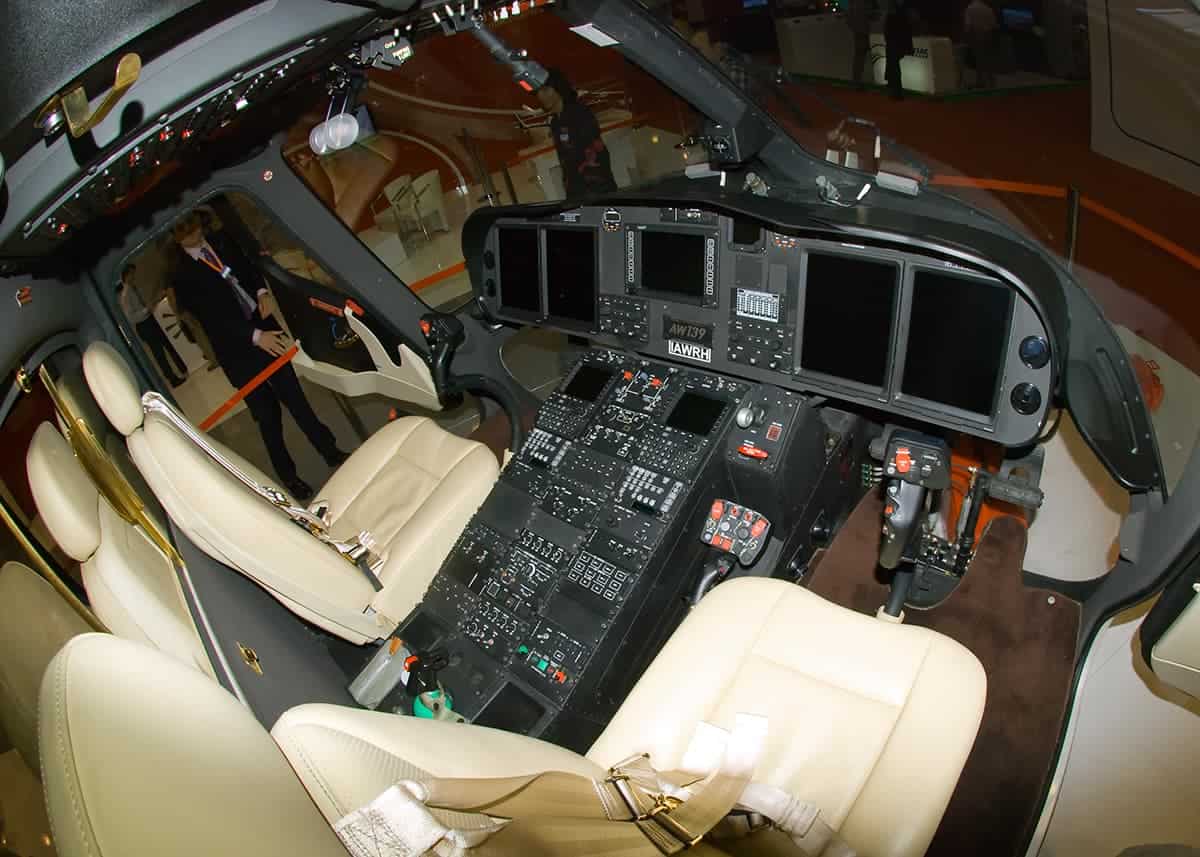
Avionics philosophy centers on an integrated, glass-cockpit architecture with multifunction displays, integrated navigation and communications, and provisions for autopilot and flight director packages. Engine controls employ full authority digital engine control for simplified power management and cross-monitoring between engines. Modular avionics bays permit retrofit of advanced mission systems without major structural alteration.
Distinguishing external features include a tall cabin profile that eases side loading and a relatively short tail boom to balance shipboard stowage needs with stability. Structural design emphasizes crashworthy seating and energy-attenuating elements in the cabin floor and seats to meet civil and military occupant-protection standards. Provisioning for hoist and cargo hook installations is integral to many mission fits.
The aircraft delivers cruise performance that places it toward the upper end of the medium twin class, enabling transit speeds that support offshore shuttle and time-critical rotary missions. Climb capability is robust for its category, aiding operations from elevated helipads and in hot-and-high environments compared with lighter helicopters.
Range and endurance are sufficient for extended offshore rotations and long-range medevac missions when equipped with optional auxiliary tanks or ferry provisions. Payload capability supports a full complement of passengers with baggage, or multiple stretchers and attendant medical equipment in emergency medical configurations, depending on interior layout choices.
Service ceiling and operational ceiling permit operations in mountainous regions for search and rescue, with available engine power margins allowing safe single-engine performance scenarios as required by applicable certification and operational regulations. Fuel consumption and endurance trade-offs depend on mission equipment and reserve requirements specified by operators.
The type spawned a range of role-focused variants that share the same basic airframe and systems architecture while differing in mission equipment and certification standards. Military and law enforcement variants incorporate mission radios, defensive aids or tactical sensors as required. Civil SAR and EMS variants add specialized rescue hoists, internal medical fittings, and mission consoles.
Special mission packages include corporate-configured interiors with executive furnishings and avionics layouts tailored for single-pilot operations. Offshore transport configurations emphasize corrosion protection and ship-automation interfaces. The base airframe remains common across variants to simplify maintenance and logistics for mixed fleets.
The helicopter entered widespread service with a variety of governmental and commercial operators who use it for offshore energy support, search and rescue, emergency medical services, and VIP transport. Fleet operators typically report deployment across maritime and land-based theaters with adaptations to local environmental and regulatory conditions. Maintenance programs evolved to include extended-life components and improved corrosion-control practices for maritime use.
Operational use emphasizes routine long-distance transits to oil and gas platforms, shipboard operations, and inland EMS missions launched from hospitals and municipal bases. Commercial operators adapted cabin layouts for high-density passenger carriage or medically focused interiors. Shipboard operations required integration with deck handling equipment and ship-motion compensation procedures.
Operators report common retrofit activity to avionics and cabin systems as mission requirements change. Mid-life upgrades often include enhanced mission consoles, satellite communications, and updated navigation sensors to maintain interoperability with evolving air traffic systems. Maintenance philosophies favor condition-based replacement and scheduled structural inspections in corrosive environments.
Search and rescue missions employ the helicopter’s cabin volume and long-range capability to carry rescue swimmers and medical teams while supporting hoist operations from ships or terrain. MedEvac operators configure cabins to carry multiple stretchers, onboard life-support equipment, and attendant seating for long-range patient transfers.
Offshore transport roles focus on reliable transport of personnel and cargo between shore bases and offshore installations under instrument meteorological conditions and at night. Maritime patrol and law enforcement fits include mission consoles and sensor packages for surveillance, boarding support, and interdiction tasks.
Corporate and executive transport emphasizes noise reduction measures, comfortable cabin layouts, and single-pilot IFR capability where permitted. Utility and cargo roles use hook and sling systems, rapid-change interiors, and external lighting packs for night operations.
Civilian users include offshore operators, private aviation companies, emergency medical services, and utility contractors across multiple regions. Government users include coast guards, police aviation units, and armed services that operate configured military and maritime patrol versions. Operators range from single-aircraft private fleets to multi-aircraft government squadrons adapting the airframe to specific mission sets.
National aviation authorities and operator training organizations developed type-specific training syllabi and simulator curricula to support safe, mission-ready crews. Maintenance and spares support networks expanded alongside operator bases to reduce aircraft downtime and improve logistical support for dispersed fleets.
International leasing houses have included the type in their rotorcraft portfolios, allowing short-term fleet expansion for operators handling peaks in offshore demand or temporary SAR coverage. Leasing arrangements often include support packages covering logistics and technical assistance.
The program demonstrated the commercial viability of a medium twin that balances cabin volume, speed, and adaptability for mixed civil and government markets. The airframe’s modular systems approach encouraged aftermarket upgrades and role-specific conversions without fundamental redesign. Manufacturers and operators derived maintenance and logistics practices that prioritize corrosion control and avionics modularity.
Operational experience informed certification authorities and operators about standards for crashworthiness, single-engine performance margins, and mission-fit integration. The helicopter’s lifecycle management practices influenced subsequent procurement strategies for mixed-use rotorcraft fleets. Continued updates to avionics and mission systems illustrate a pragmatic approach to extending service life in diverse operating environments.
Sources and references used for research and fact-checking.