Aerobatic
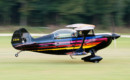
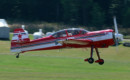
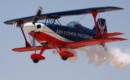
Aviat Pitts S-2C
ICAO: PTS2
The single-seat biplane built for pure aerobatic precision.
Updated: by Tim de Vries

The latest aviation news and stories sent to your inbox.
The Aviat Pitts S-1 traces its lineage to Curtis Pitts’ compact aerobatic designs of the 1940s. Known for its short wingspan and high roll rate, the aircraft became a staple of competitive aerobatics. It remains closely associated with American sport flying.
Live Fleet Activity (PTS1)
Fetching live data…

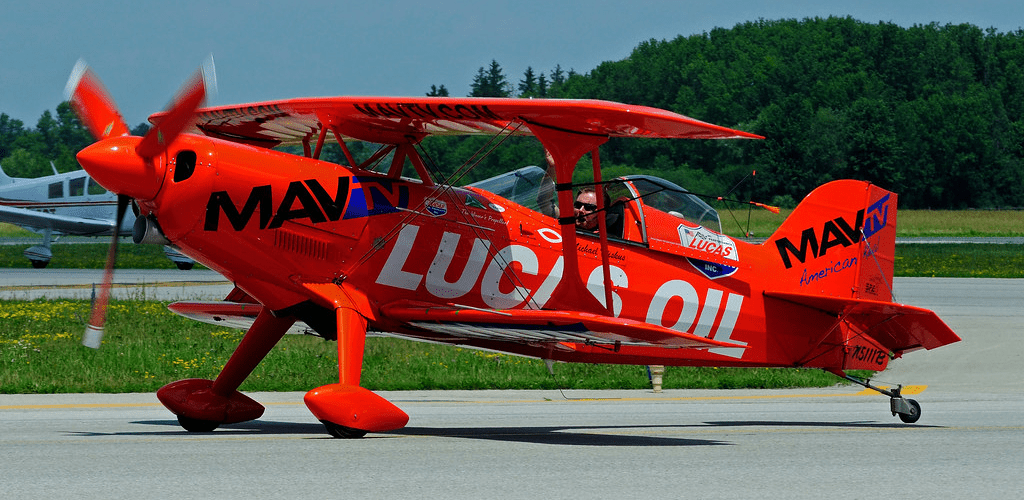


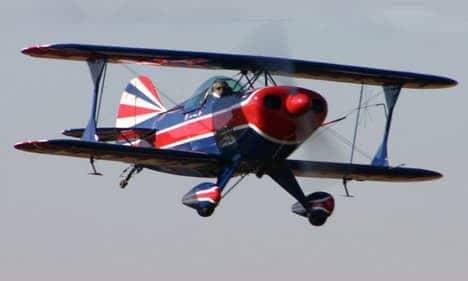
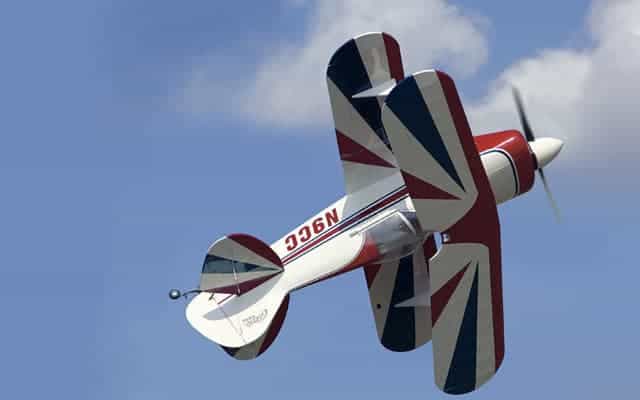
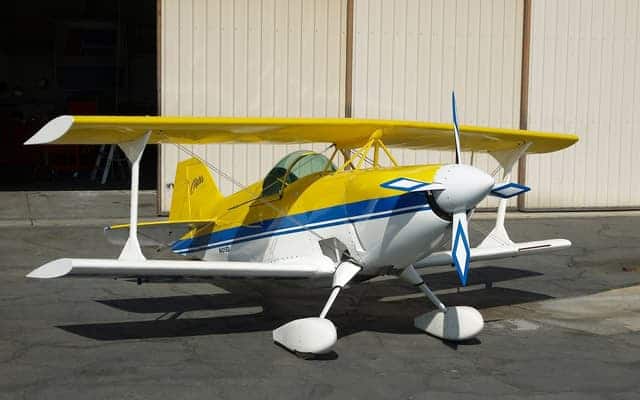

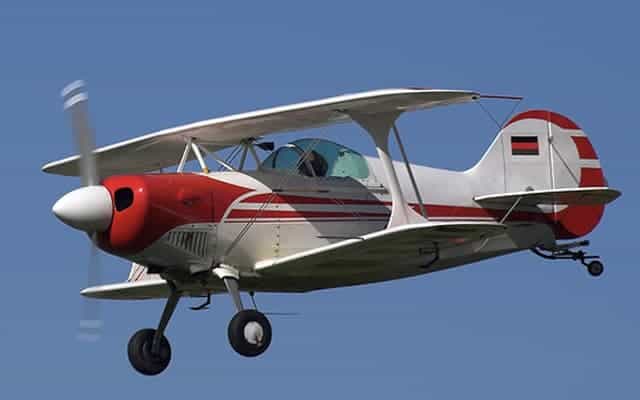
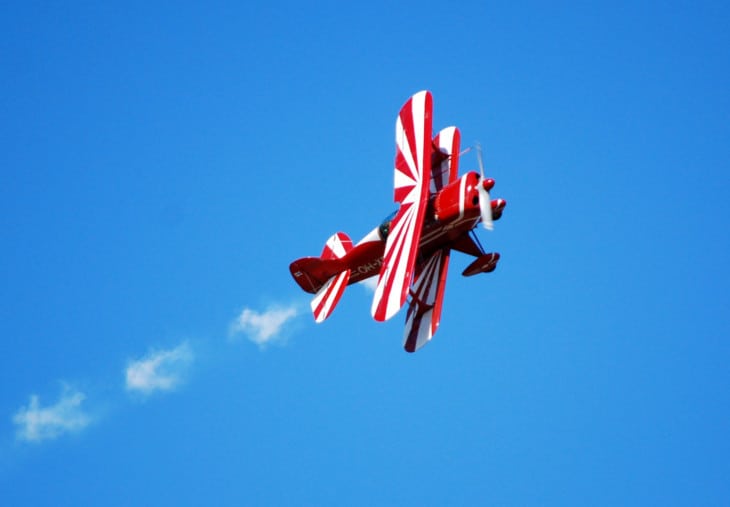
The original Pitts Special first flew in 1944, with production S-1 variants entering service in the 1960s. Its steel tube fuselage and fabric covering kept weight low while maintaining structural strength. The aircraft’s compact biplane configuration delivers rapid control response.
Most S-1 versions are powered by a Lycoming piston engine producing between 180 and 200 horsepower. Cruise speed typically approaches 120 knots (222 km/h). Maximum takeoff weight is approximately 1,100 lb (500 kg), reflecting its focused aerobatic role.
The S-1 became dominant in aerobatic competitions during the 1960s and 1970s. Its handling characteristics reward experienced pilots and precise control inputs. Production continues in limited numbers through Aviat Aircraft, preserving the Pitts legacy.
Sources and references used for research and fact-checking.