

Overview
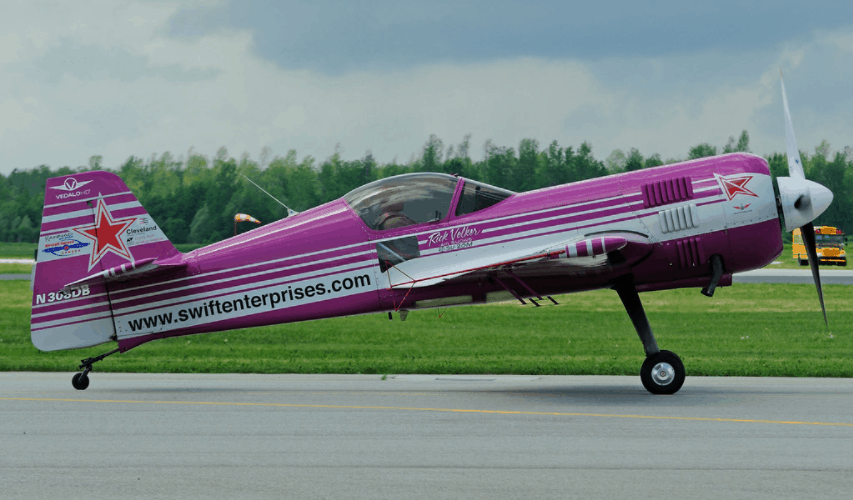
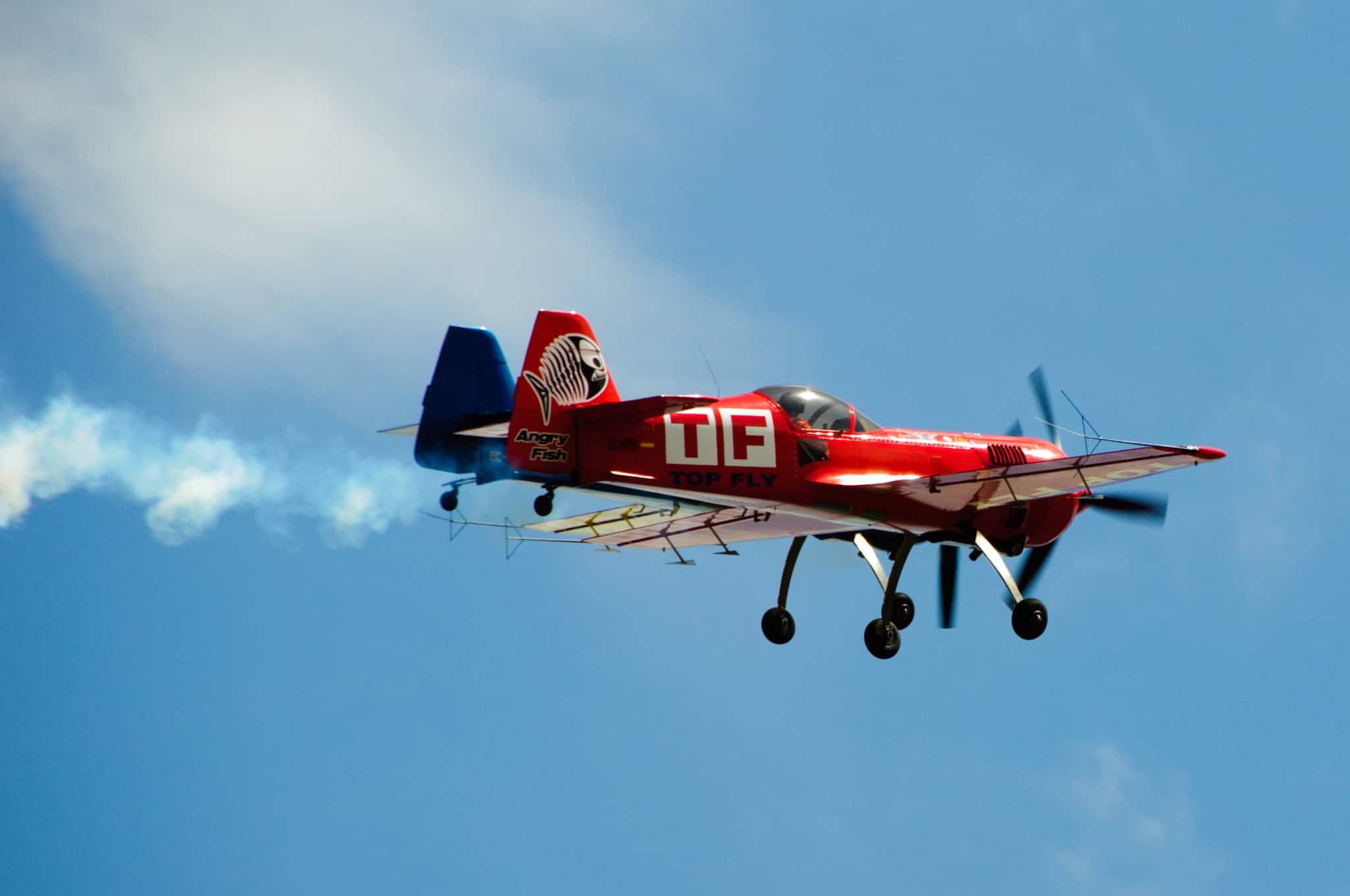
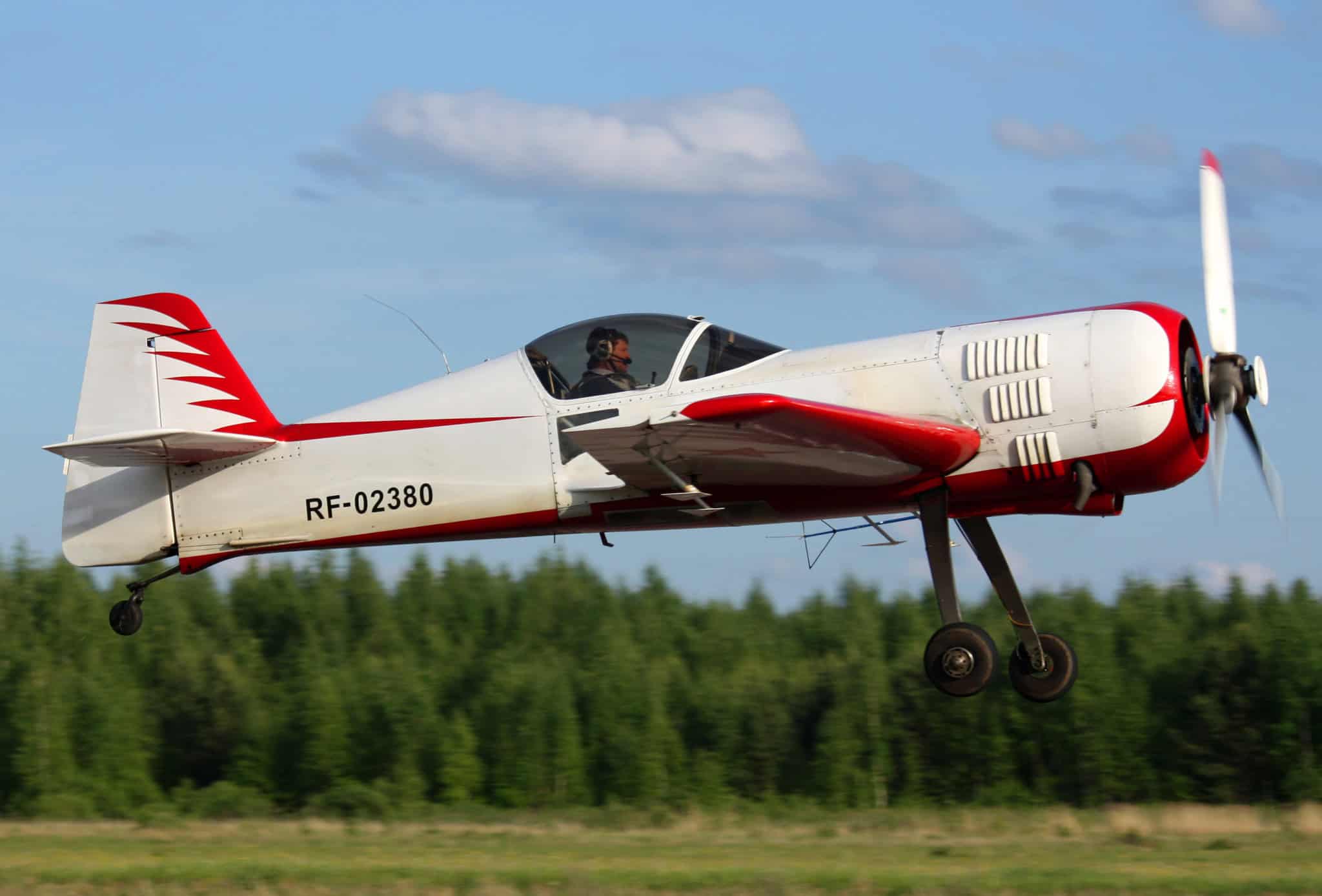
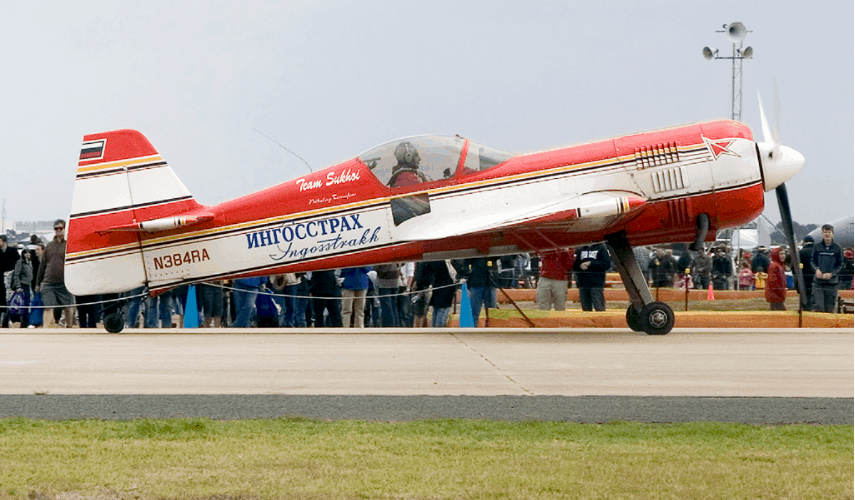
The Sukhoi Su-26 M3 is the late-production version of the Su-26, the single-seat aerobatic aircraft Sukhoi first flew in June 1984. It swaps the original 360-hp M-14P radial for the 430-hp M-9F and kept the composite, +12 G airframe that made the family a staple of unlimited competition.
Live Fleet Activity (SU26)
📡
Fetching live data…
Specifications
- Engine
- 1 × Vedeneyev M-9F radial engine
- Engine type
- Piston
- Power
- 430 hp · 321 kW
- Avionics
- Sukhoi system SKS-94M
- Wing tips
- No winglets
- Seats
- 1
- Crew
- —
- Cabin width
- —
- Cabin height
- —
- Cabin length
- —
- Exterior length
- 22 ft 5 in · 6.83 m
- Tail height
- 9 ft 6 in · 2.90 m
- Fuselage diameter
- —
- Wing span
- 26 ft 11 in · 8.20 m
- Baggage volume
- —
- Gross weight
- —
- Empty weight
- —
- Max takeoff weight
- 2,100 lb · 950 kg
- Max landing weight
- —
- Max payload
- 850 lb · 400 kg
- Fuel capacity
- 70 gal · 300 L · 200 kg (AvGas)
- Max cruise speed
- 168 kt · 193 mph · 311 km/h
- Maximum speed
- —
- Cruise speed
- —
- Approach speed
- 62 kt · 71 mph · 115 km/h
- Range
- 648 nm · 750 mi · 1,200 km
- Fuel burn
- 22.89 nm/gal · 11.20 km/L
- Ceiling
- 13,000 ft · 4,000 m
- Rate of climb
- 3,500 ft/min · 18 m/s
- Takeoff distance
- 360 ft · 110 m
- Landing distance
- 980 ft · 300 m
Gallery




(/)
tap to zoom
(/)

Live fleet activity details
📡
Operational Context
Table of Contents
What is the Sukhoi Su-26 M3?
The Su-26 M3 is the late-production version of the Sukhoi Su-26, a single-seat aerobatic aircraft built for unlimited competition. It is powered by a single Vedeneyev M-9F radial piston engine rated at 430 hp · 321 kW.
It is not a military aircraft and has nothing to do with the Su-26 self-propelled gun that some search results mix in. Sukhoi, better known for the Su-27 and Su-25 fighters, designed this one purely for the aerobatic box.
Development history
Sukhoi designed the Su-26 in 1983 for unlimited aerobatic competition, and it first flew in June 1984. The Soviet team flew it at the World Aerobatic Championships in Hungary that August.
The Su-26M followed with a squared-off tail and less glazing along the fuselage sides. The Soviet team won the team prize with it at the 1986 world championships in the United Kingdom.
The Su-26 M3 added the 430-hp M-9F in place of the original 360-hp M-14P. It dominated the 2003 and 2005 World Aerobatic Championships and the 2004 European Championships, according to Wikipedia.
The design also led to the two-seat Su-29 and the Su-31, so the Su-26 is the root of Sukhoi’s whole aerobatic family.
Design and construction
The airframe is a mid-wing monoplane with a symmetrical wing section and fixed tailwheel landing gear. The main gear sits on a titanium arch.
The Smithsonian says composites make up more than half of the structure. It was built to handle loads from +12 G to -10 G.
The pilot sits in a seat inclined at 45 degrees, which helps resist blackout under high G. The aircraft can fly gyroscopic maneuvers and rapid multiple snap rolls.

Explaining the numbers
The full specification table for the aircraft is on this page. A few figures need context.
The 430 hp · 321 kW rating is what separates the M3 from earlier Su-26s, which used a 360-hp M-14P. Most published data sheets still list the older engine, so check which version a figure describes.
The wing span and weights in published sources mostly describe the original Su-26, and they vary between sources. Treat any single-source M3 figure with caution.

Competition record and where to see one
Pilots including Svetlana Kapanina and Nikolai Timofeev flew Su-26s for the Soviet national team, according to the Smithsonian. The Su-26 has been exported since the early 1990s and is common at international aerobatic contests.
The Smithsonian National Air and Space Museum displays a Su-26M, serial number 02-05, at the Udvar-Hazy Center in Chantilly, Virginia. It was built in 1990 and later flown by American pilot Gerry Molidor in a Bud Light paint scheme.

Frequently Asked Questions
What does SU stand for in aircraft?
Su is the abbreviation of Sukhoi, the Russian design bureau that built this aircraft. Aircraft carry the Su prefix followed by a number, as in Su-26 or Su-27.
What does Su-26 mean?
Su-26 is Sukhoi’s design number for this single-seat aerobatic aircraft. The same number is used for an unrelated self-propelled gun, so check the context.
Which country has Sukhoi jets?
Sukhoi aircraft are designed in Russia and have been exported to many countries. The Su-26 aerobatic aircraft has been exported since the early 1990s.
What are the different models of Sukhoi aerobatic aircraft?
The family includes the Su-26, Su-26M and Su-26 M3, the two-seat Su-29 and the single-seat Su-31.
Sources and references used for research and fact-checking.