

Overview
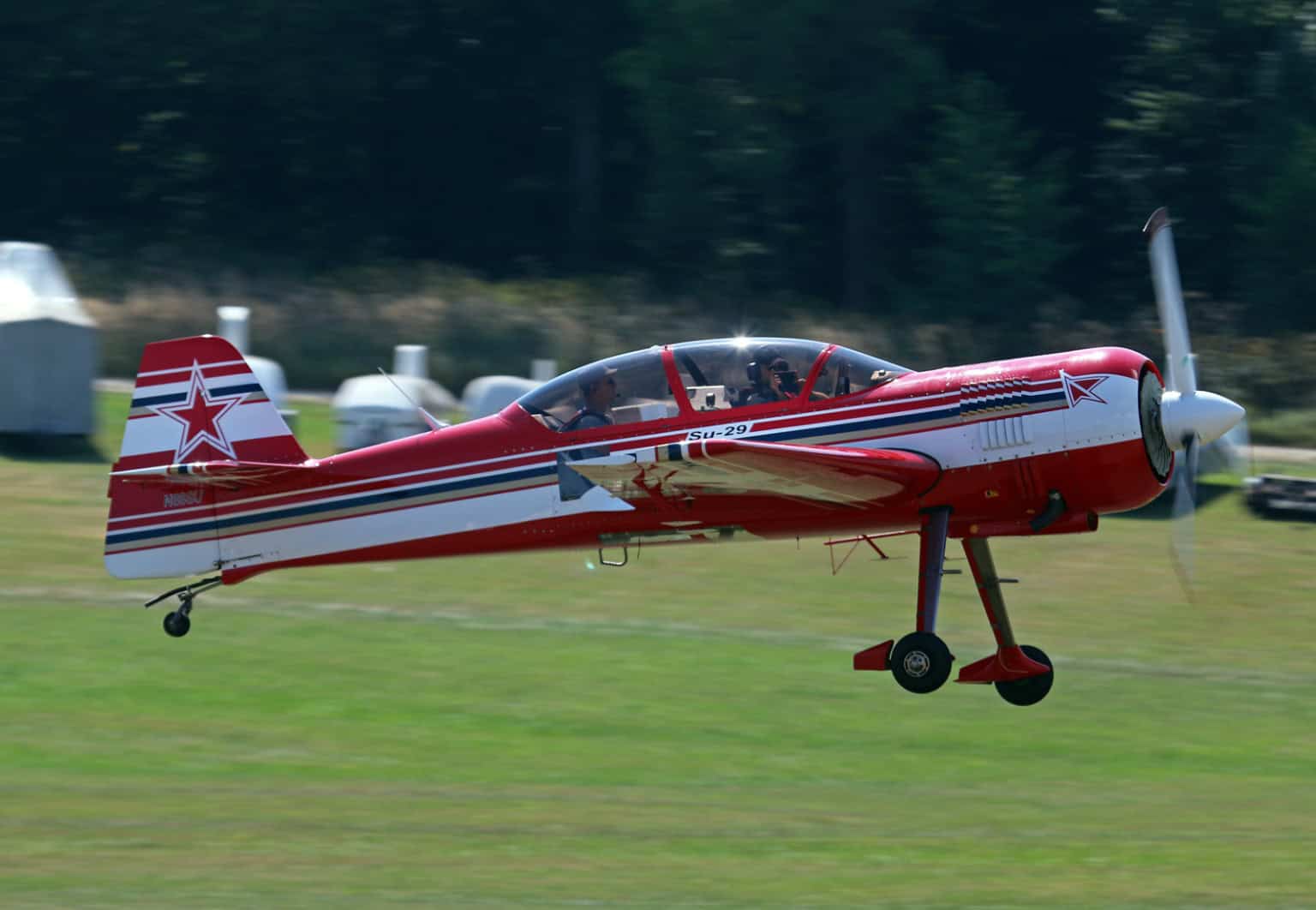
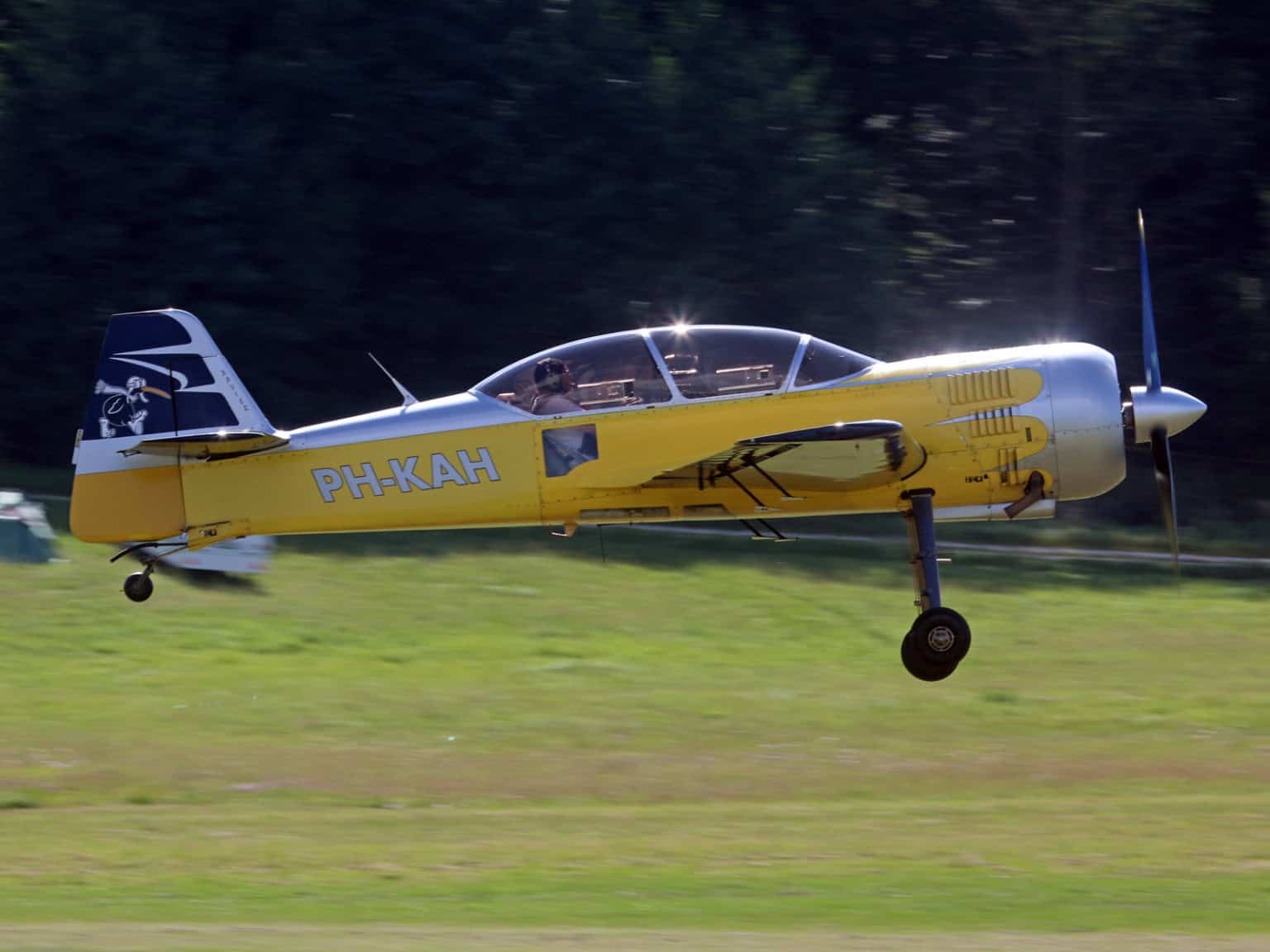
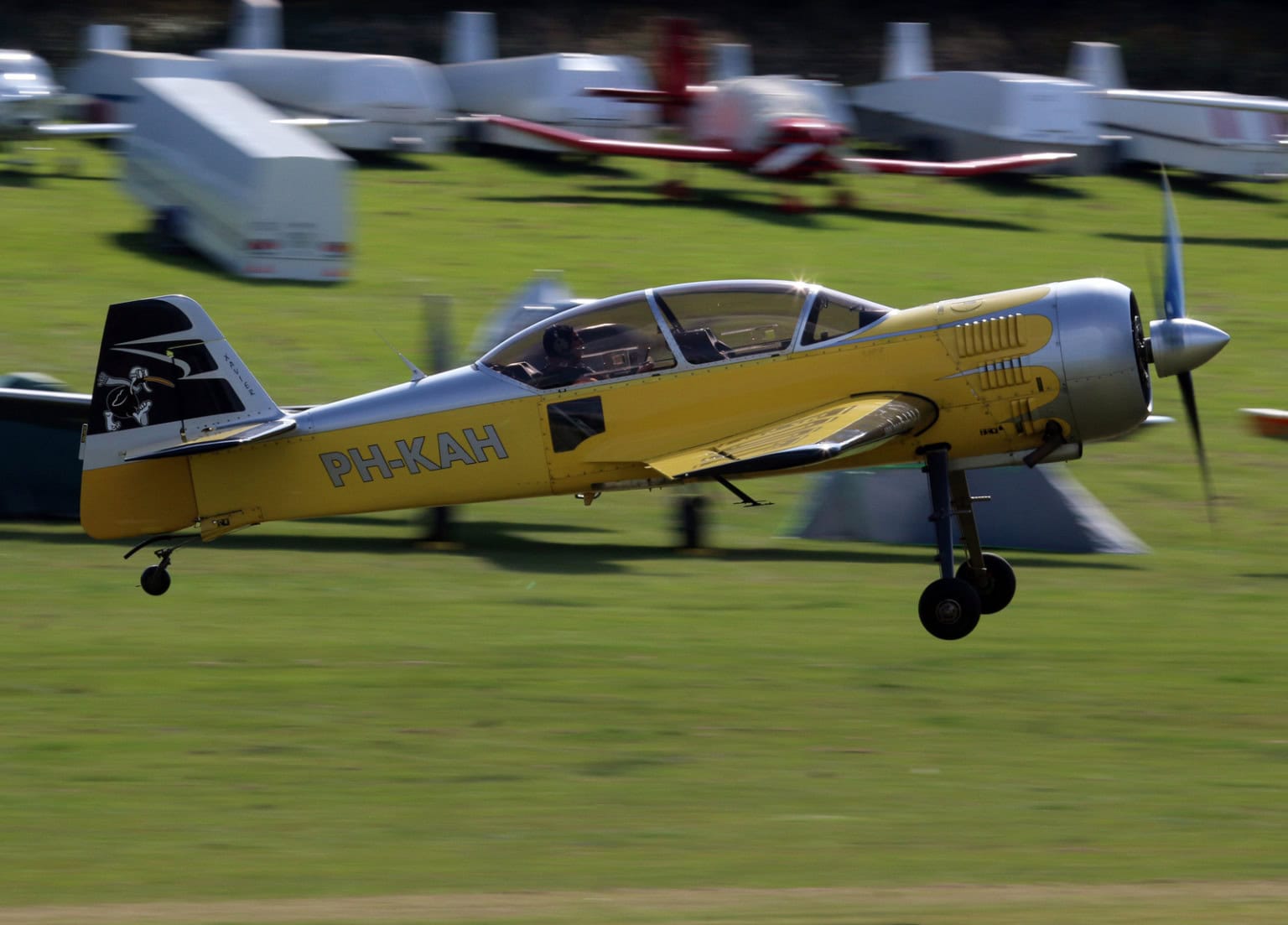
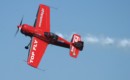
The Sukhoi Su-29 is a two-seat aerobatic aircraft from Russia, designed from the single-seat Su-26 so pilots could be coached from the second cockpit. It first flew in 1991 and relies on a composite structure to keep the extra seat from adding much weight. Display teams, test pilot schools and aerobatic pilots have flown it on several continents.
Live Fleet Activity (SU29)
📡
Fetching live data…
Specifications
- Engine
- 1 × Vedeneyev M-14P
- Engine type
- Piston
- Power
- 360 hp · 268 kW
- Avionics
- —
- Wing tips
- No winglets
- Seats
- 2
- Crew
- —
- Cabin width
- —
- Cabin height
- —
- Cabin length
- —
- Exterior length
- 23 ft 11 in · 7.29 m
- Tail height
- 9 ft 5 in · 2.87 m
- Fuselage diameter
- —
- Wing span
- 26 ft 11 in · 8.20 m
- Baggage volume
- —
- Gross weight
- —
- Empty weight
- —
- Max takeoff weight
- 2,700 lb · 1,200 kg
- Max landing weight
- —
- Max payload
- —
- Fuel capacity
- 80 gal · 300 L · 200 kg (AvGas)
- Maximum speed
- 240 kt · 276 mph · 444 km/h
- Cruise speed
- —
- Approach speed
- —
- Range
- 672 nm · 770 mi · 1,240 km
- Fuel burn
- 9.67 nm/gal · 4.73 km/L
- Ceiling
- 13,120 ft · 4,000 m
- Rate of climb
- 3,500 ft/min · 18 m/s
- Takeoff distance
- 390 ft · 120 m
- Landing distance
- 1,250 ft · 380 m
Gallery




(/)
tap to zoom
(/)

Live fleet activity details
📡
Operational Context
Table of Contents
Overview of the Sukhoi Su-29
The Su-29 is a two-seat aerobatic aircraft built by Sukhoi in Russia. It was designed from the single-seat Su-26, the unlimited competition aircraft that Sukhoi had already made famous.
The aim was simple: keep the Su-26’s strength and agility, and add a second cockpit so an instructor can fly with a student. The result first flew in 1991.

Development: from Su-26 to Su-29
The Su-29 shares most of its design and technical features with the Su-26. Both use the same nine-cylinder Vedeneyev M-14P radial engine.
Composites make up as much as 60% of the airframe. Because of that, empty weight rose by only about 110 lb (50 kg) over the single-seat Su-26, according to Wikipedia’s account of the design.
AOPA Pilot tested the aircraft in 1992. It described carbon fiber spars, composite skins, an all-composite tail and a three-bladed composite propeller.
The prototype flew in 1991, and Sukhoi later developed the type further into the Su-31 single-seater.
Flying the Su-29
AOPA’s test pilot found the controls very sensitive. New pilots tend to get a back-and-forth bobble until they learn to use tiny inputs.
Forward visibility is poor on the ground and in the flare, so pilots weave in S-turns while taxiing. Spins recover crisply, and the aircraft needs only a modest pull to loop.
The engine starts from a bottled compressed-air system, and the mixture is automatic. Wingtip sighting devices help pilots line up manoeuvres.

G limits and aerobatic ability
The Su-29 is stressed for +11 and -9 g, according to Wikipedia’s Jane’s-based data. AOPA’s report gives those limits for solo flight and +9 and -7 g with two people aboard.
Roll rate is above 360 degrees per second. AOPA’s author noted that a pilot usually reaches his own limit before the airframe does.
Explaining the numbers
The full specification table for the aircraft is on this page, so only the figures that need context are covered here.
Published speeds for the Su-29 vary by source. Cruise figures depend on whether one or two people are aboard and on power setting, and the panel’s top speed follows Wikipedia’s Jane’s-based data.
The range in the table is a ferry range. With smoke on and aerobatic power settings, real sorties are far shorter, and the aircraft is not a cross-country machine.
Operators
The Su-29 has flown with display teams, schools and clubs in several countries. Wikipedia lists the Argentine Air Force, which ordered eight Su-29ARs for its Cruz del Sur aerobatic team.
It also lists Flying Bulls in Austria, the International Test Pilots School in Canada, a Czech aerobatic team and DOSAAF in Russia.


Frequently Asked Questions
When was the Su-29 made?
The Su-29 first flew in 1991, according to Wikipedia and flugzeuginfo.net, which gives the date as 9 August 1991. It was developed from the single-seat Su-26.
How fast is the Su-29?
Wikipedia, citing Jane’s, gives a top speed of 240 kt (276 mph). Other data sheets list a similar never-exceed speed, and cruise speeds depend on load and power setting.
Who makes the Su-29?
Sukhoi, the Russian design bureau, built the Su-29. It is a piston-powered aerobatic aircraft and is unrelated to the jet fighters in the Su-27 family.
Is the Su-29 related to the Su-30 or MiG-29?
No. The Su-30 is a twin-engine jet fighter and the MiG-29 is a Mikoyan jet fighter. The Su-29 is a two-seat piston aerobatic aircraft derived from the Su-26.
Which is the best Sukhoi jet?
That depends on the role, and the Su-29 is not a jet. For the military fighters, see our best fighter jets in the world ranking.
Sources and references used for research and fact-checking.