Aerobatic
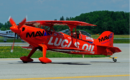
The two-seat Pitts built for advanced aerobatic training and performance.
The latest aviation news and stories sent to your inbox.
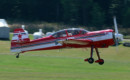
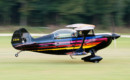
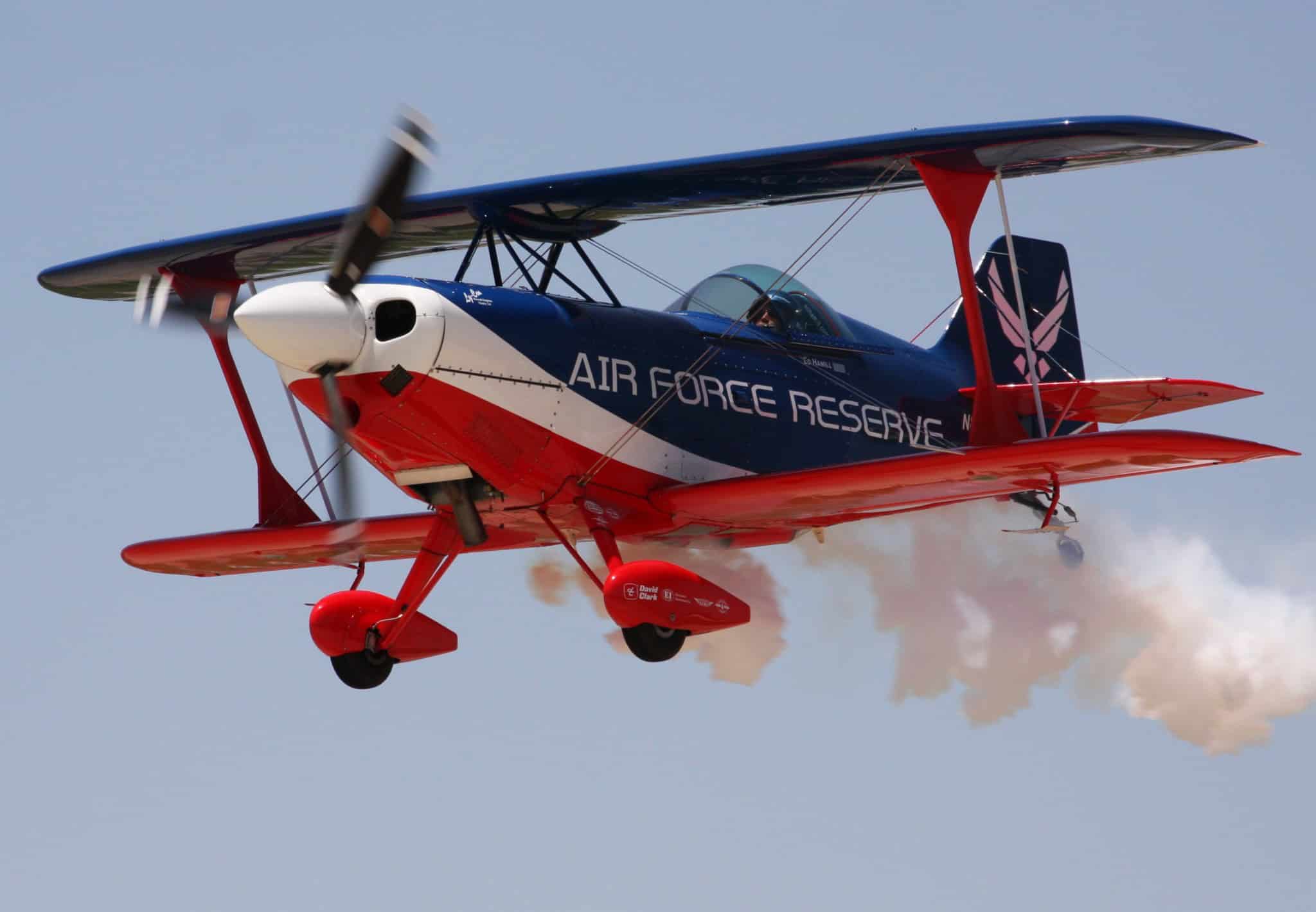
The Aviat Pitts S-2C is a modernized two-seat development of the original Pitts design. Intended for aerobatic instruction and competition, it combines classic biplane agility with updated systems. The aircraft remains active in sport aviation worldwide.
Live Fleet Activity (PTS2)
Fetching live data…
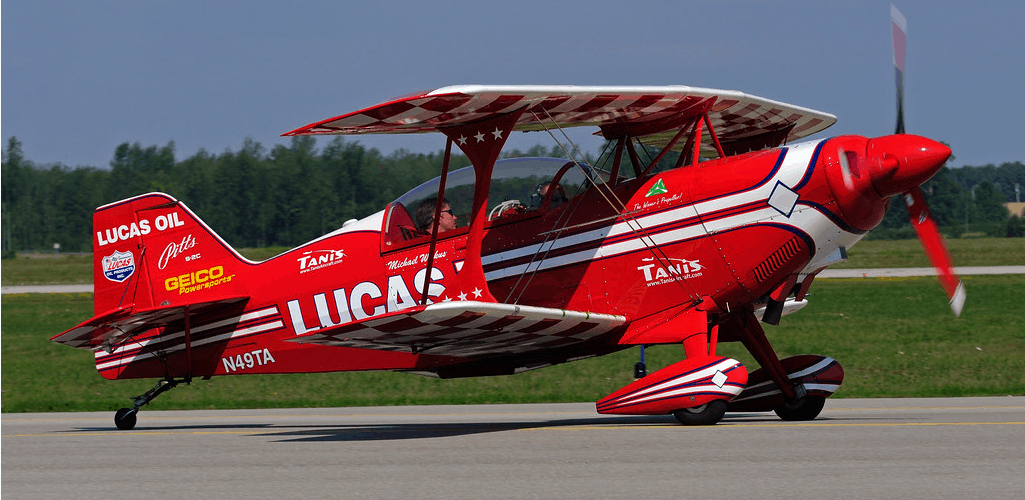

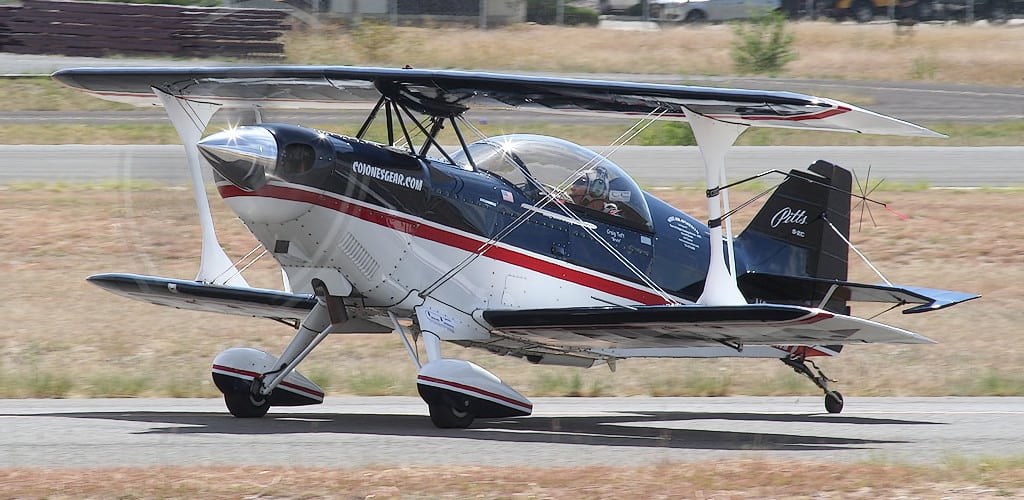


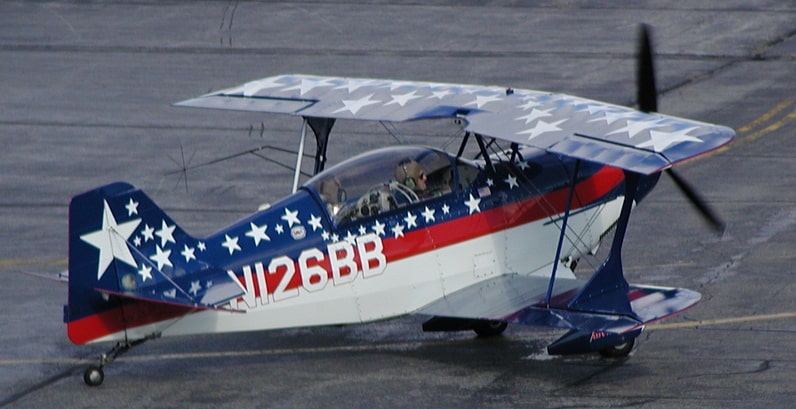

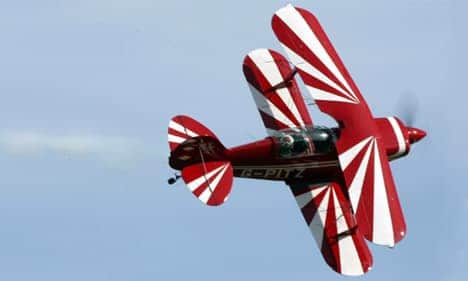
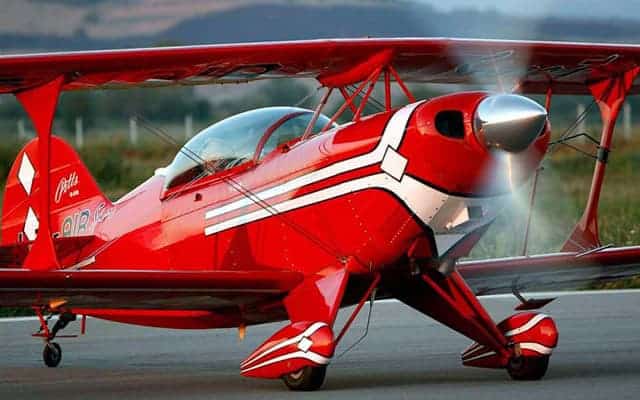
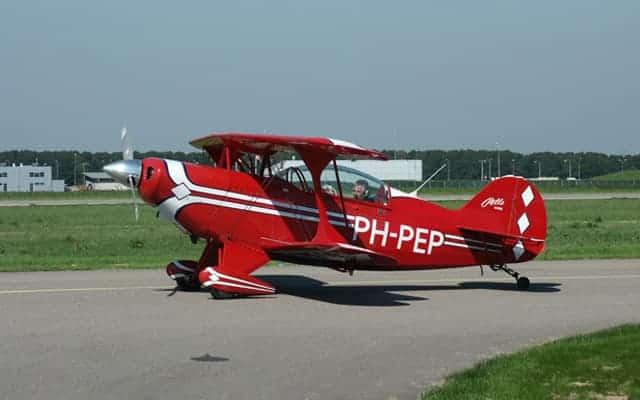
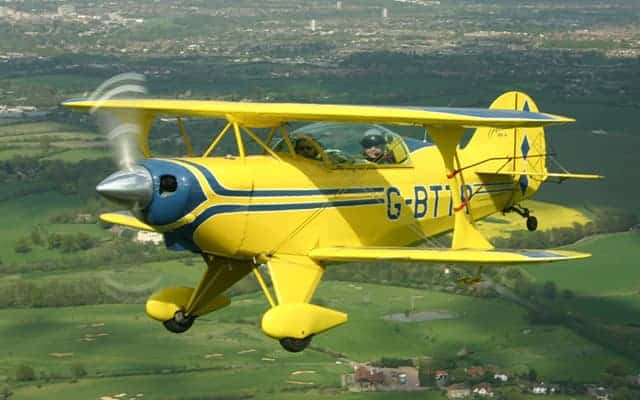
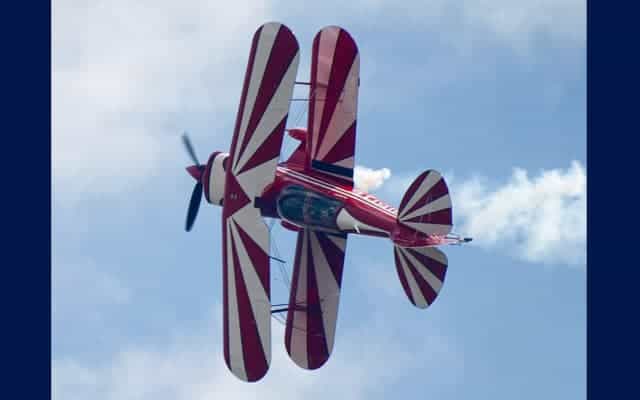
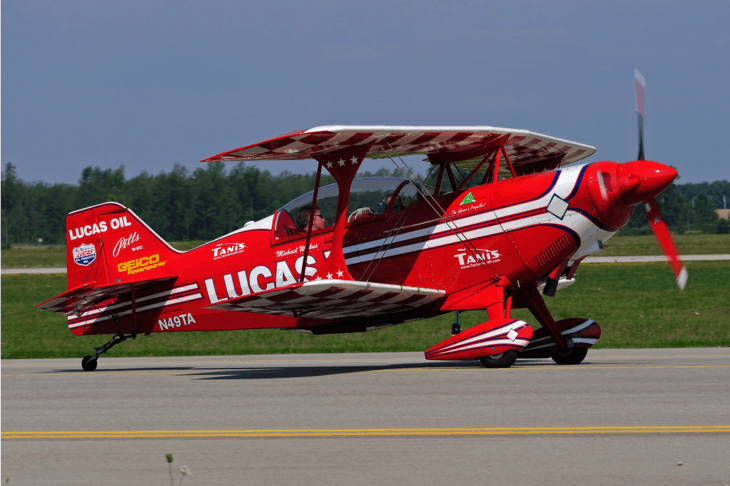
The S-2 series entered production in the late 1960s, with the S-2C variant introduced in the 1990s. Structural refinements and a symmetrical airfoil support sustained inverted flight. The aircraft retains the compact dimensions characteristic of the Pitts lineage.
A Lycoming piston engine producing approximately 260 horsepower powers the S-2C. Cruise speed approaches 140 knots (259 km/h). Maximum takeoff weight is roughly 1,700 pounds (771 kg), providing capacity for instructor and student.
The S-2C is widely used for aerobatic training and airshow performances. Its robust airframe allows high load factors. Aviat continues production, maintaining the Pitts name in contemporary aerobatics.
Sources and references used for research and fact-checking.