Aerobatic
Aviat Pitts S-2C
ICAO: PTS2
The aerobatic biplane built for competitive performance.
The latest aviation news and stories sent to your inbox.
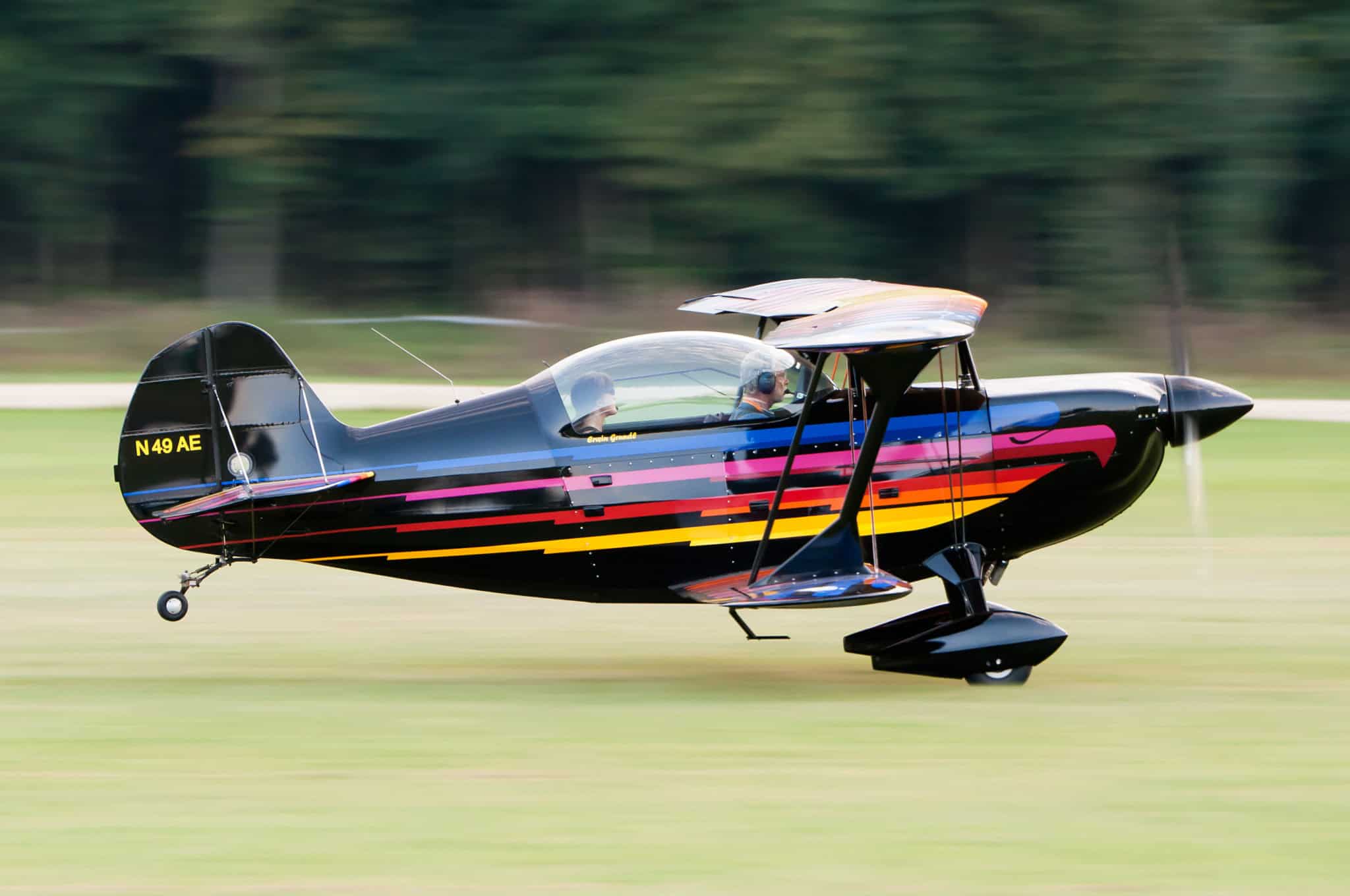
The Aviat Eagle II is a two-seat aerobatic biplane introduced in the 1990s. Designed for competition and recreational aerobatics, it emphasizes structural strength and agility. The aircraft remains popular in aerobatic communities.
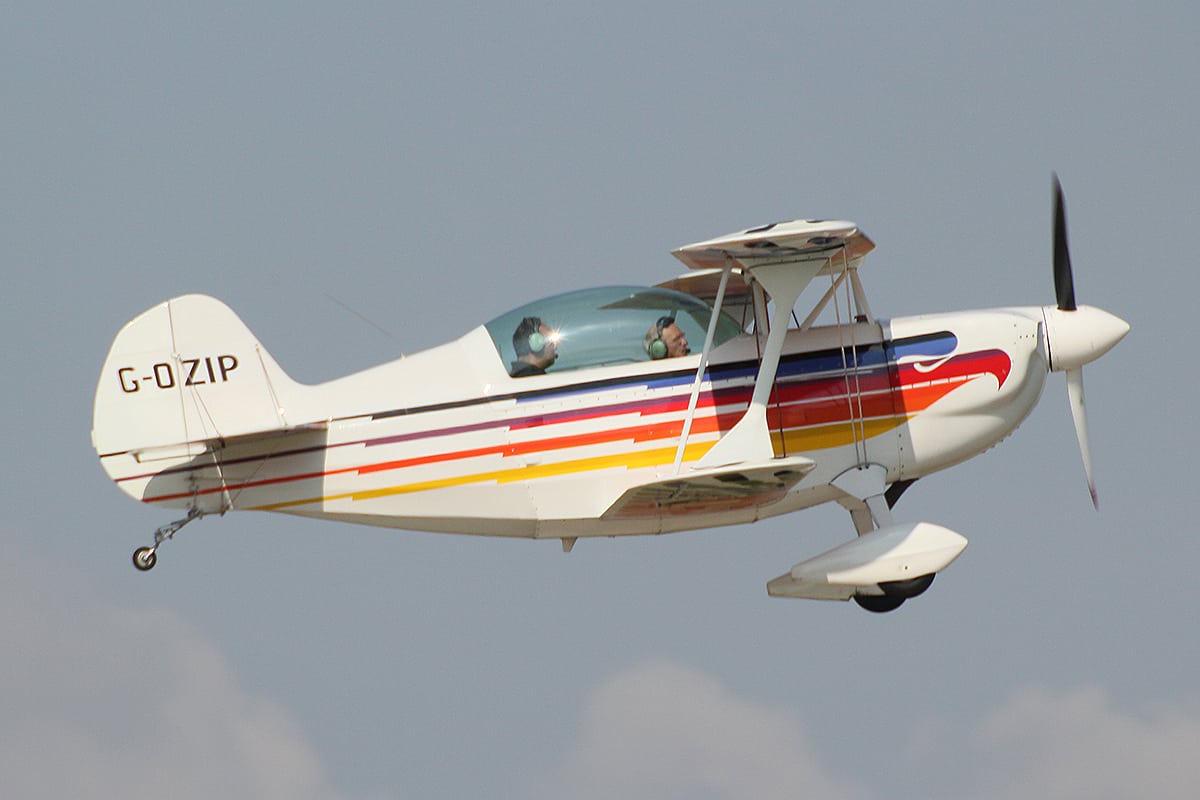


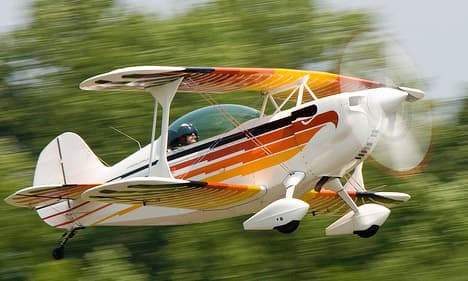
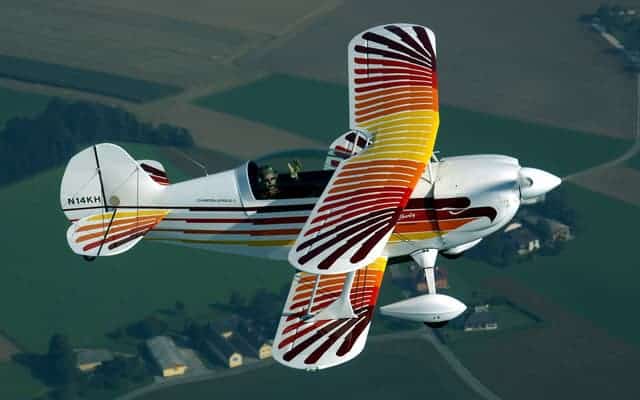
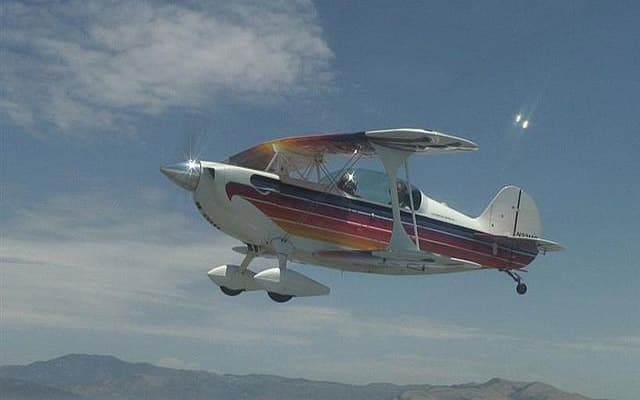
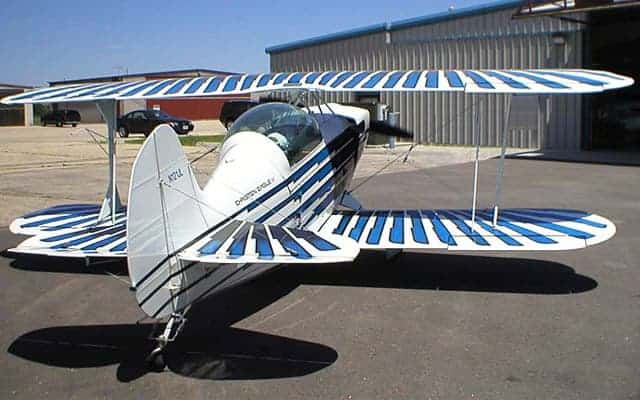
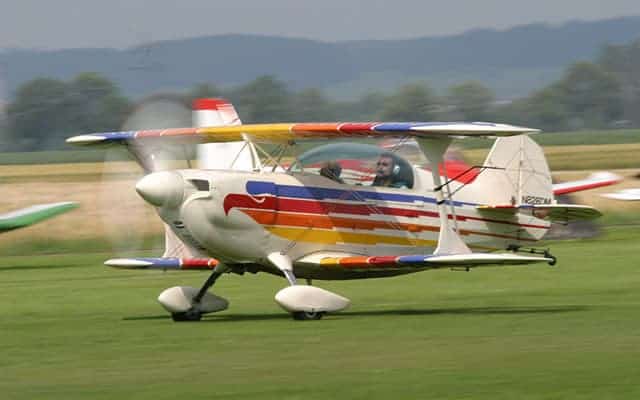
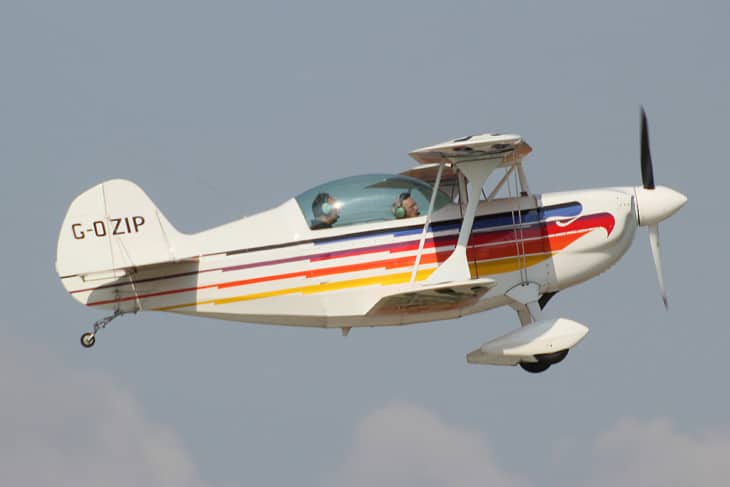
The Eagle II entered service in the early 1990s as an evolution of earlier Pitts designs. It features a steel tube fuselage and fabric covering. The aircraft was engineered for advanced aerobatic maneuvers.
A piston engine producing approximately 200 horsepower powers the aircraft. Cruise speed approaches 130 knots (241 km/h). Maximum takeoff weight exceeds 1,800 pounds (816 kg).
The Eagle II has competed in aerobatic championships and remains in production. Its handling characteristics suit experienced pilots. The aircraft continues a long tradition of American biplane aerobatic design.
Sources and references used for research and fact-checking.