Private Single Engine
The utility taildragger built for backcountry flying.
The latest aviation news and stories sent to your inbox.
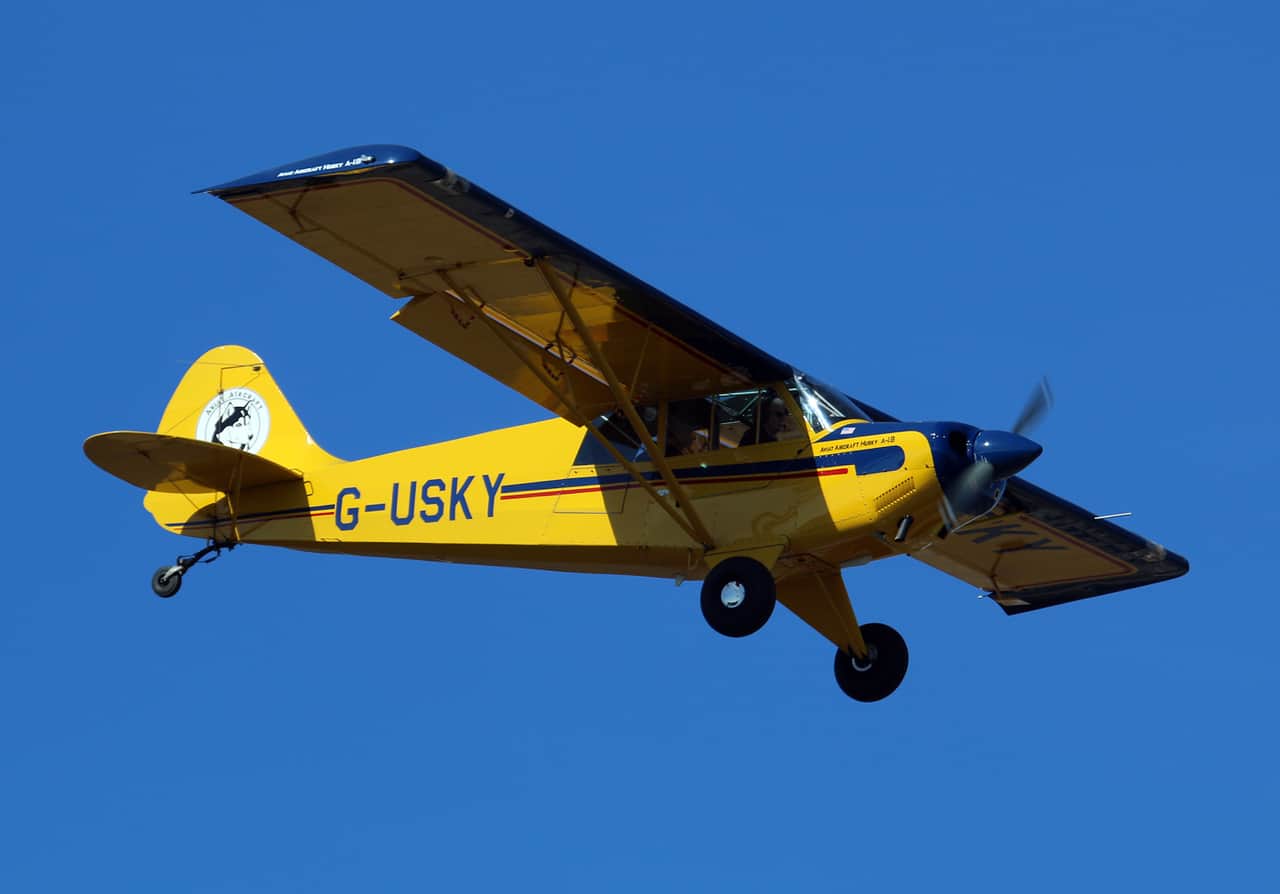
The Aviat Husky is a high-wing tailwheel aircraft introduced in the 1980s. Designed for short-field and backcountry operations, it emphasizes durability and simplicity. The aircraft remains in production.
Live Fleet Activity (HUSK)
Fetching live data…
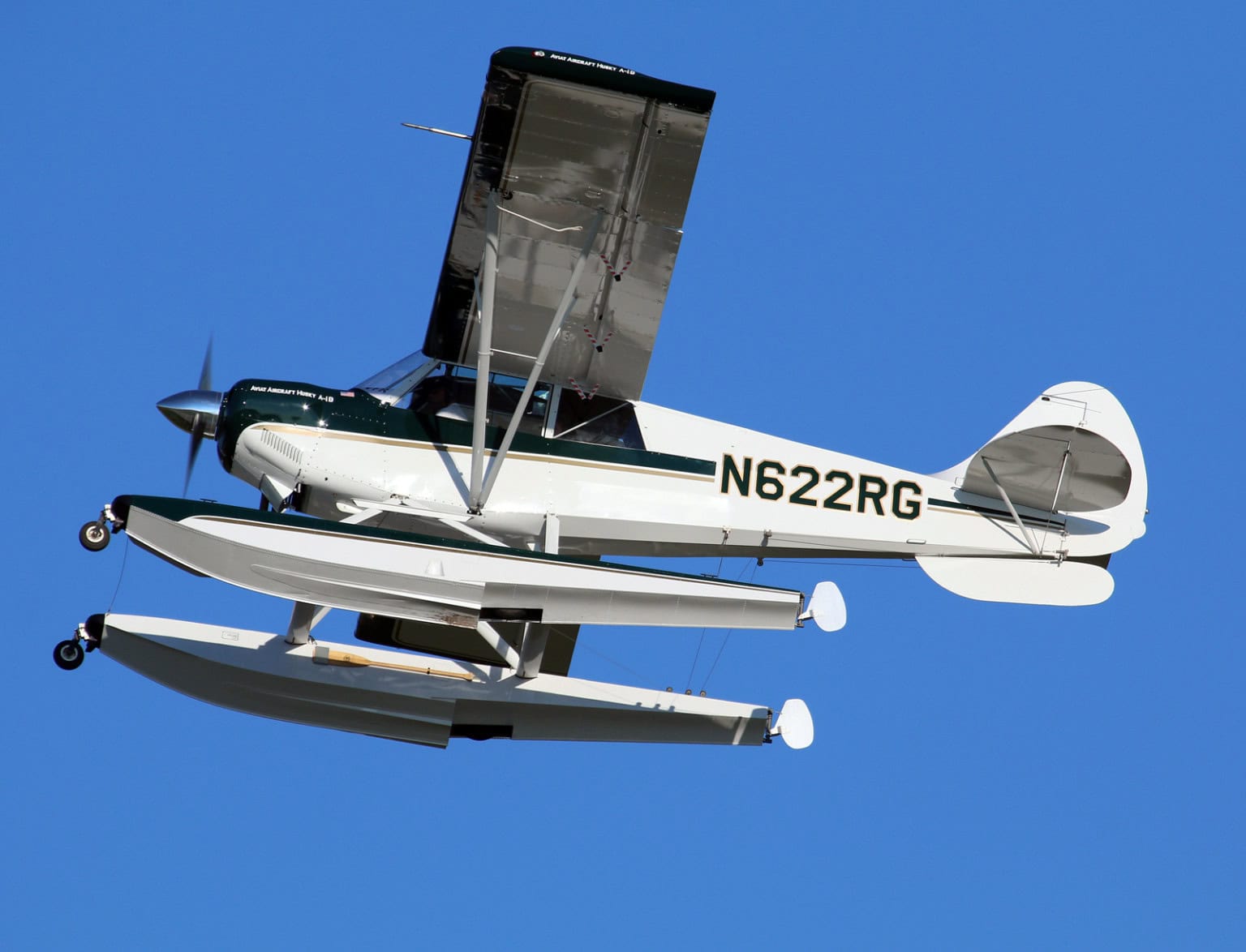
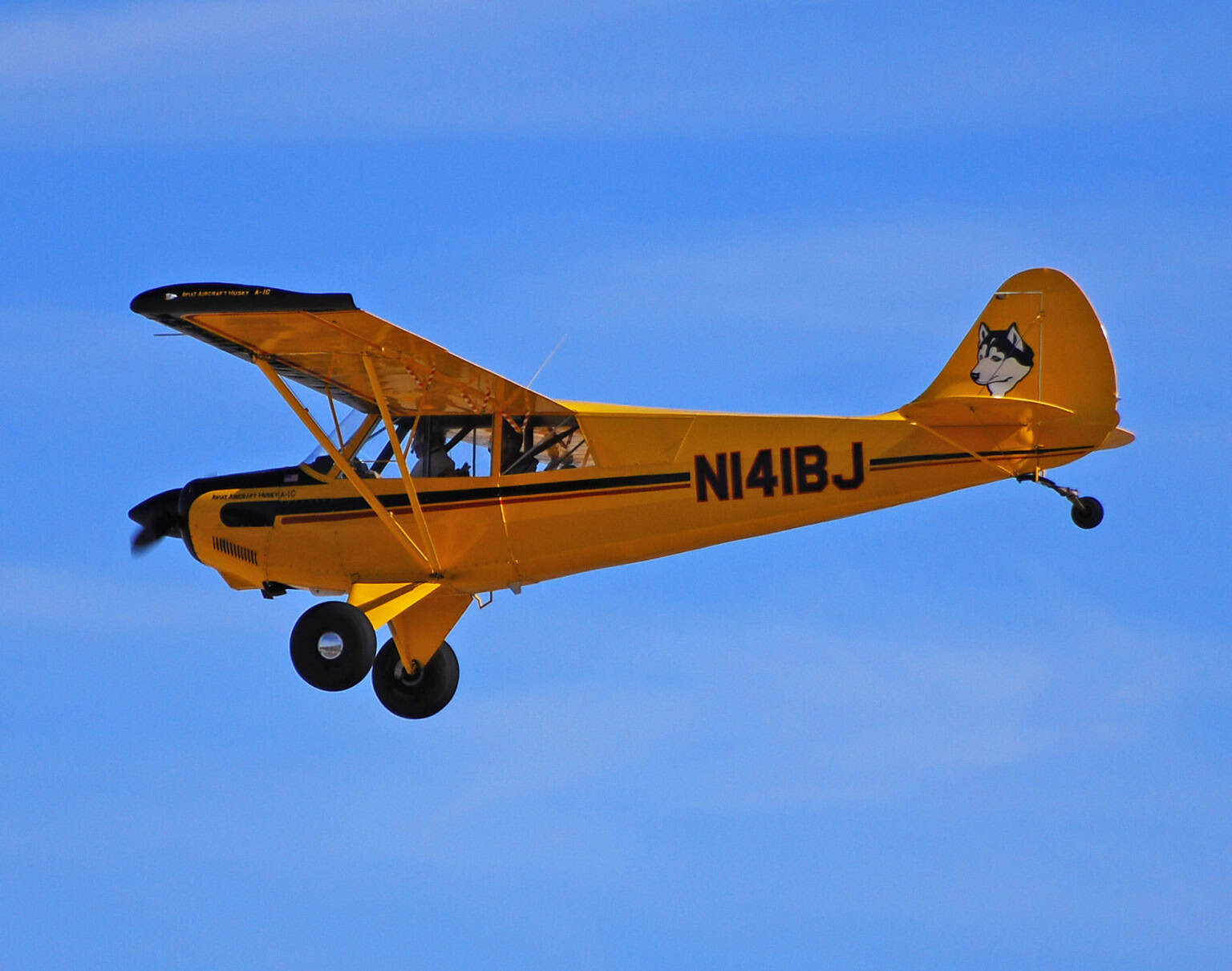
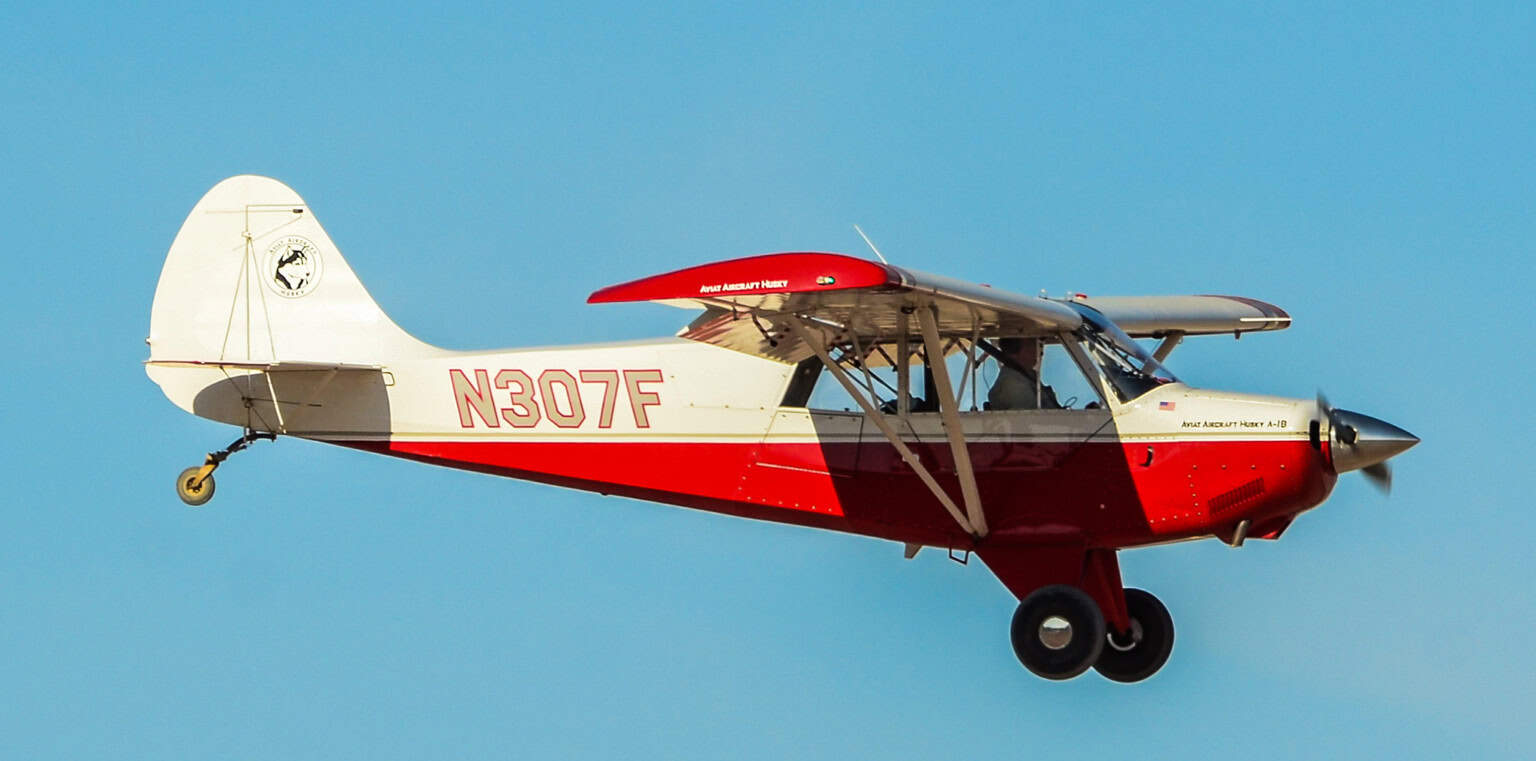
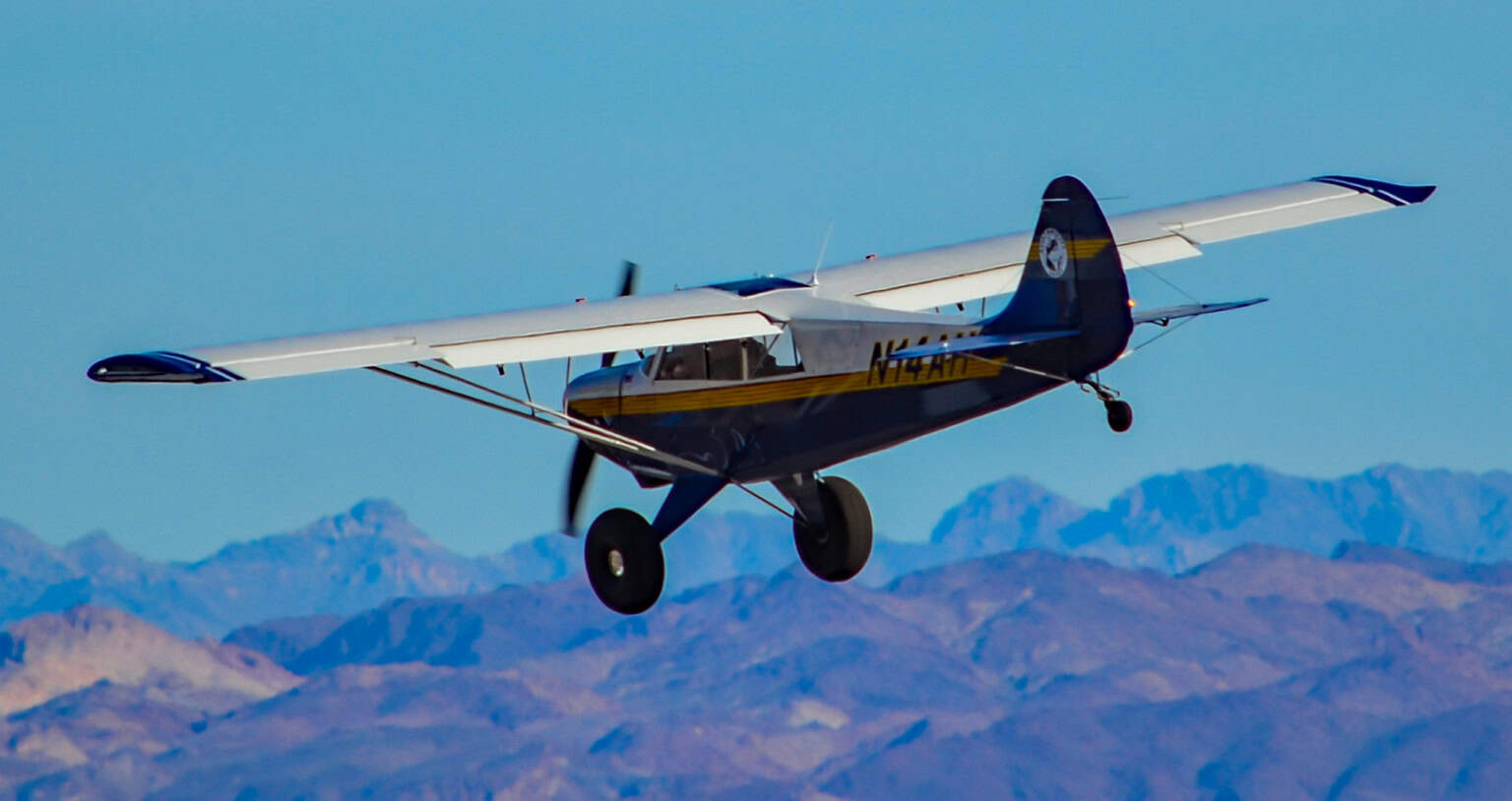

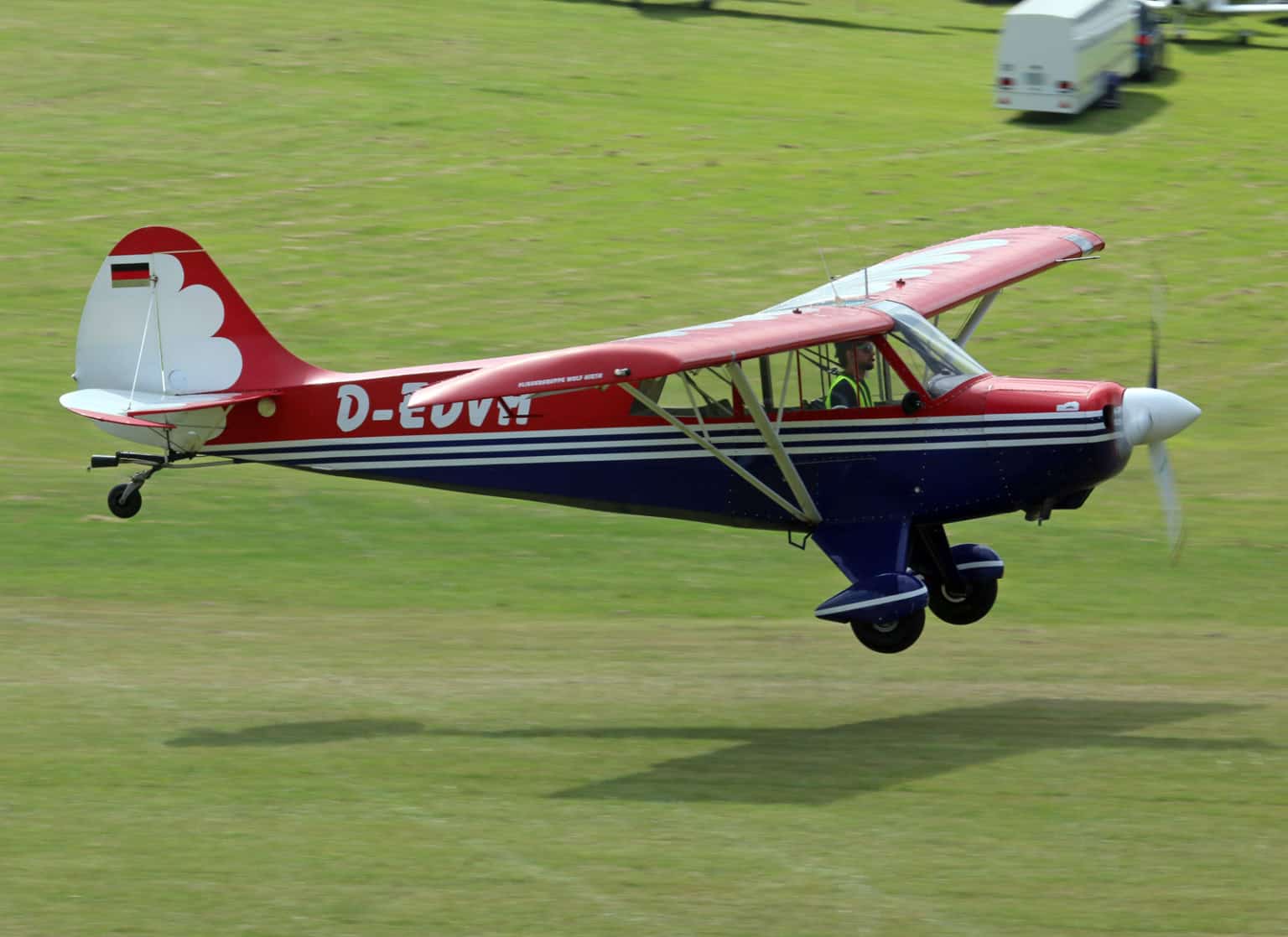
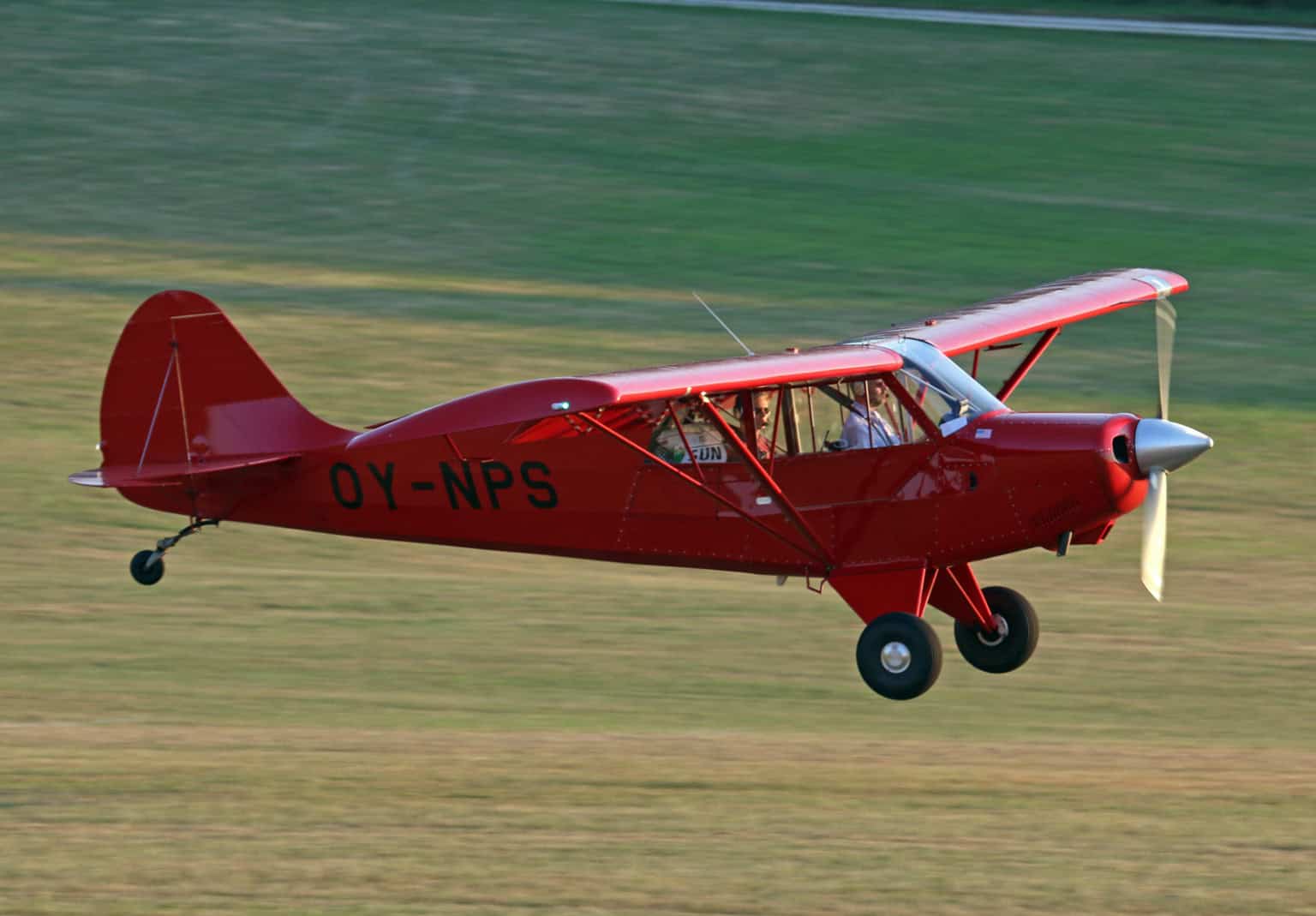
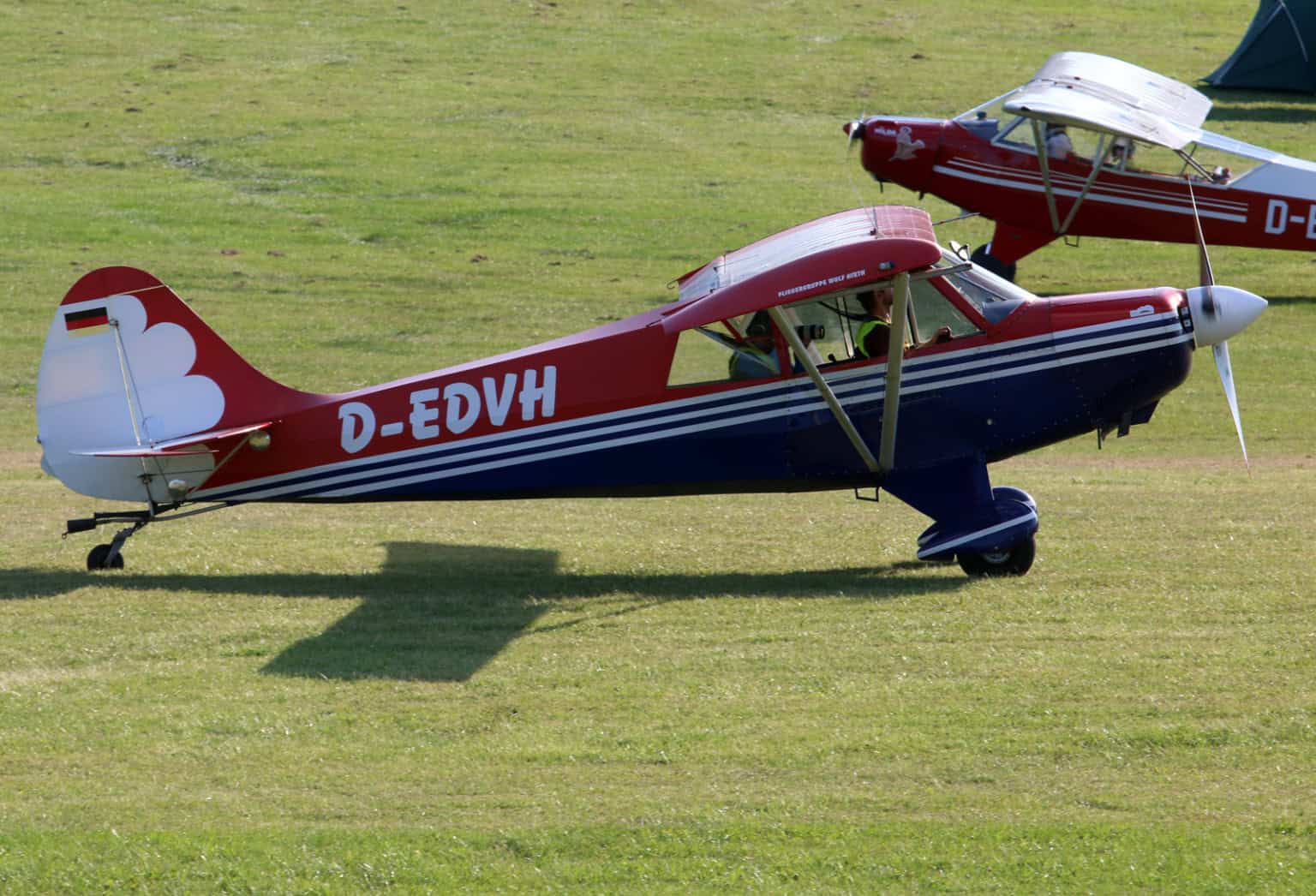

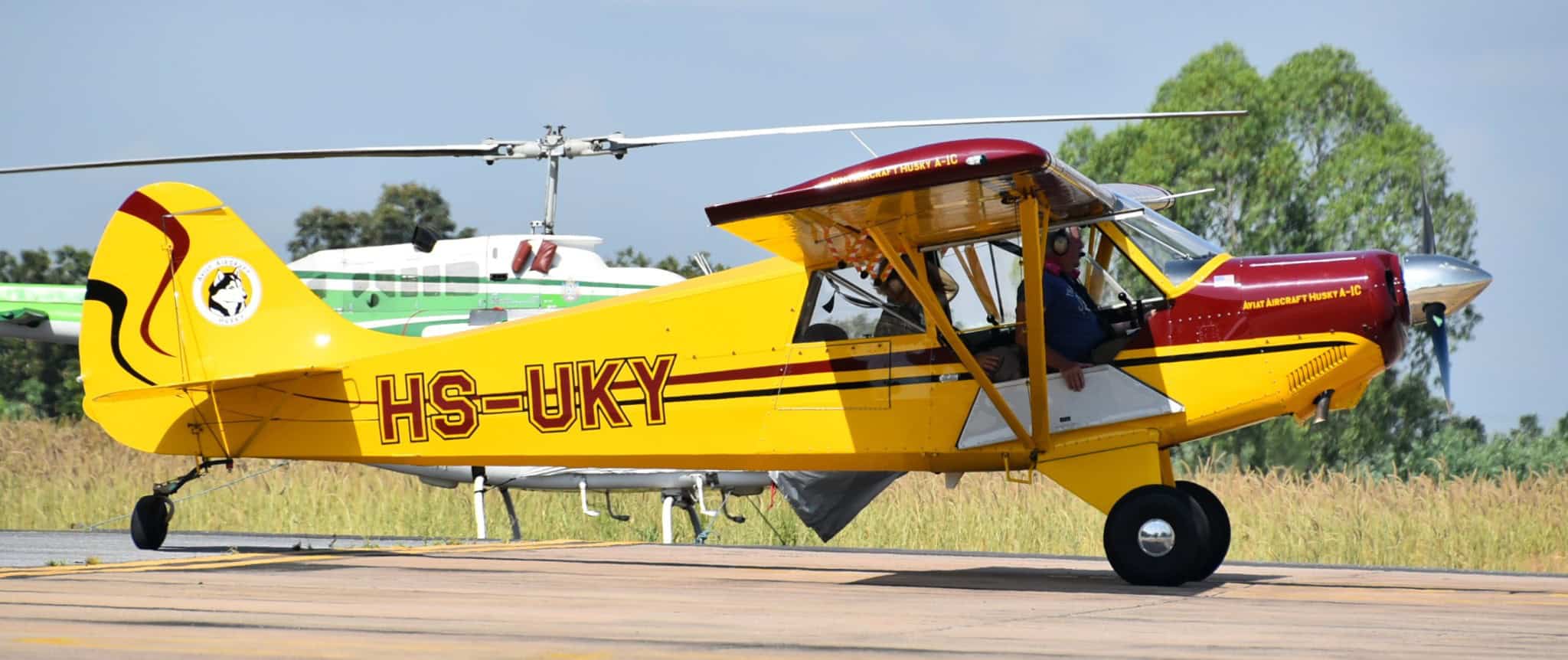

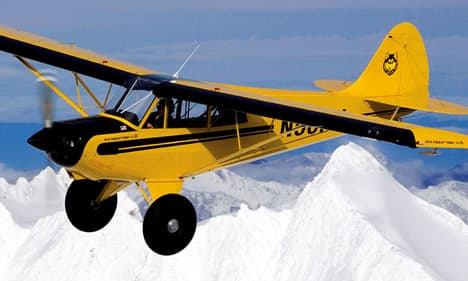
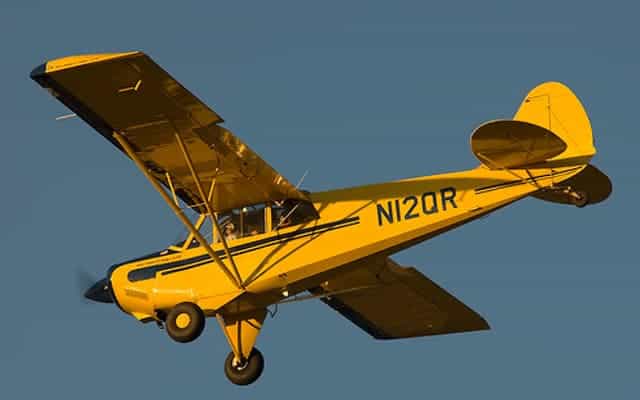
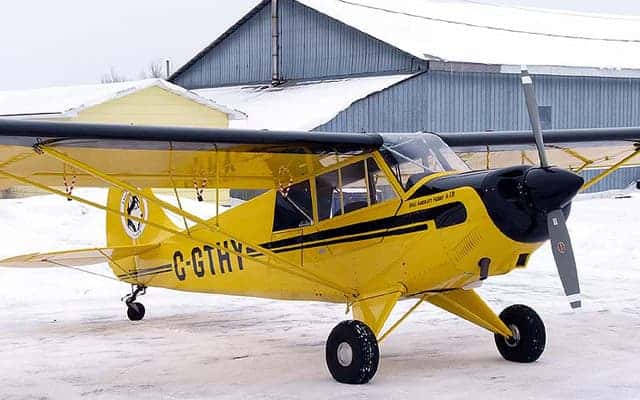
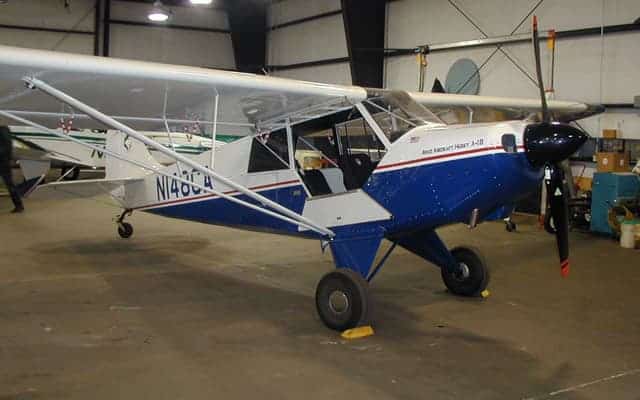
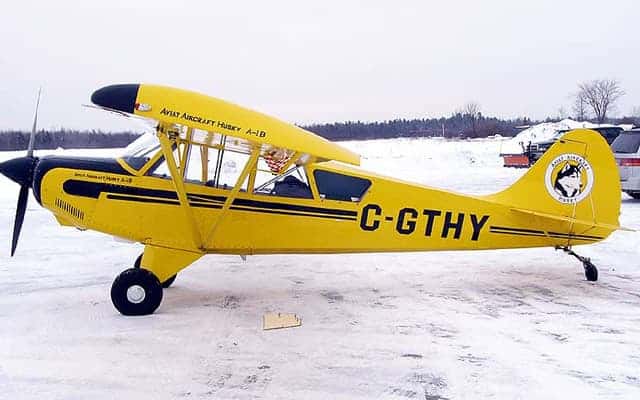
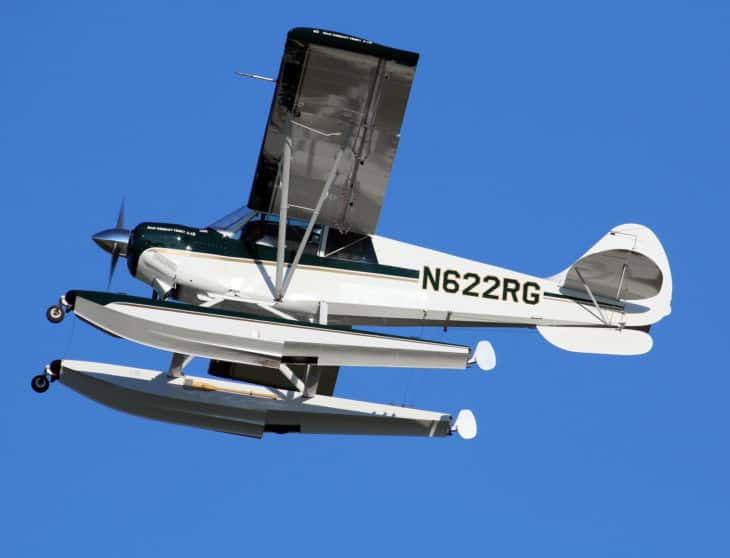
The Husky first flew in 1986 and entered service shortly thereafter. It features a fabric-covered fuselage and fixed landing gear. The aircraft is optimized for rugged terrain and remote strips.
A piston engine producing approximately 180 horsepower powers the aircraft. Cruise speed approaches 120 knots (222 km/h). Maximum takeoff weight exceeds 2,200 pounds (998 kg).
The Husky is popular among bush pilots and recreational flyers. Its STOL performance supports operations in challenging environments. Production continues in updated variants.
Sources and references used for research and fact-checking.