Private Single Engine
The backcountry legend built for simplicity and rugged access
The latest aviation news and stories sent to your inbox.
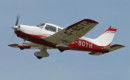
The Piper PA-18 Super Cub is one of the most respected light utility aircraft ever built. Designed for short takeoff and landing performance, it became a favorite among bush pilots, flight schools, and private owners who needed dependable access to remote airstrips. Its straightforward construction and excellent low-speed handling made it an enduring icon of backcountry aviation.
Live Fleet Activity (PA18)
Fetching live data…

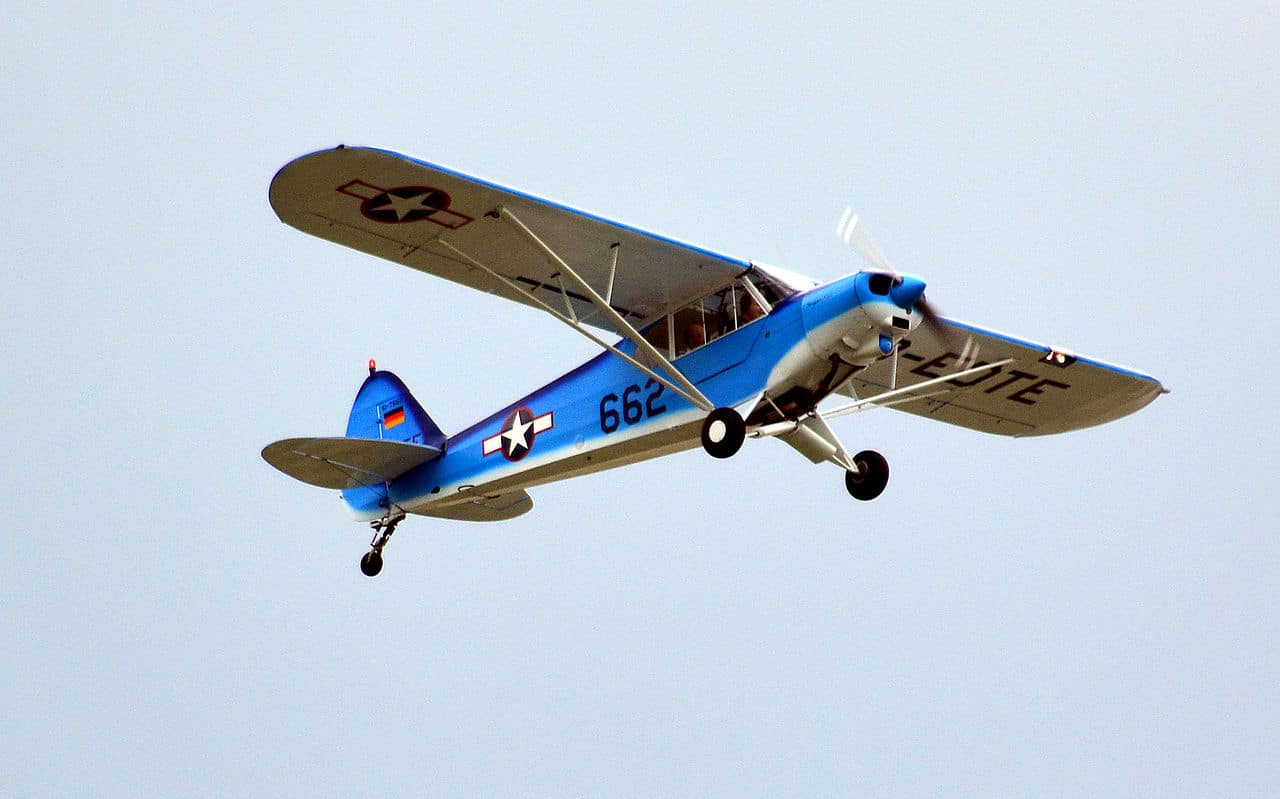
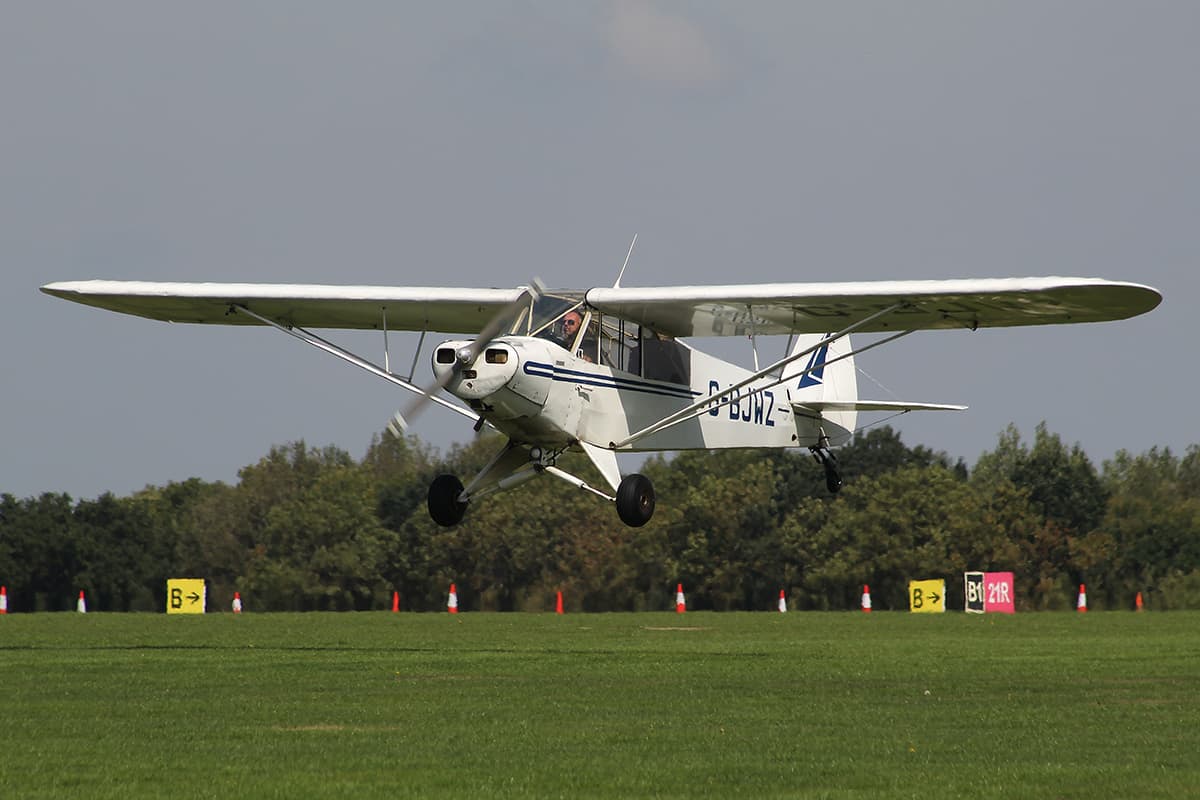


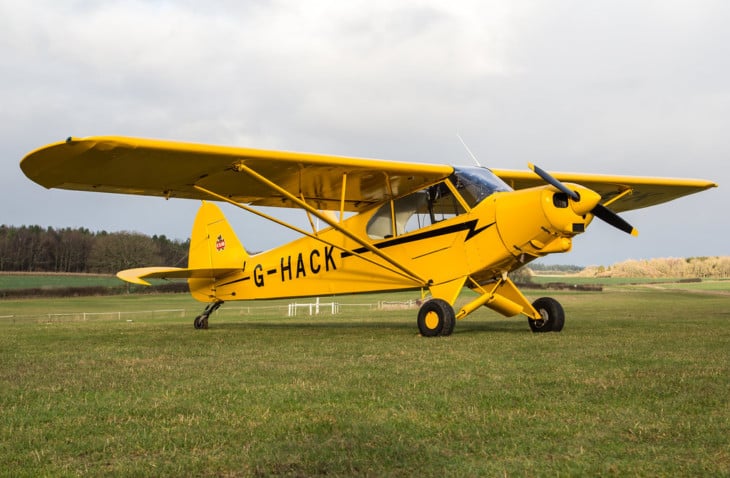
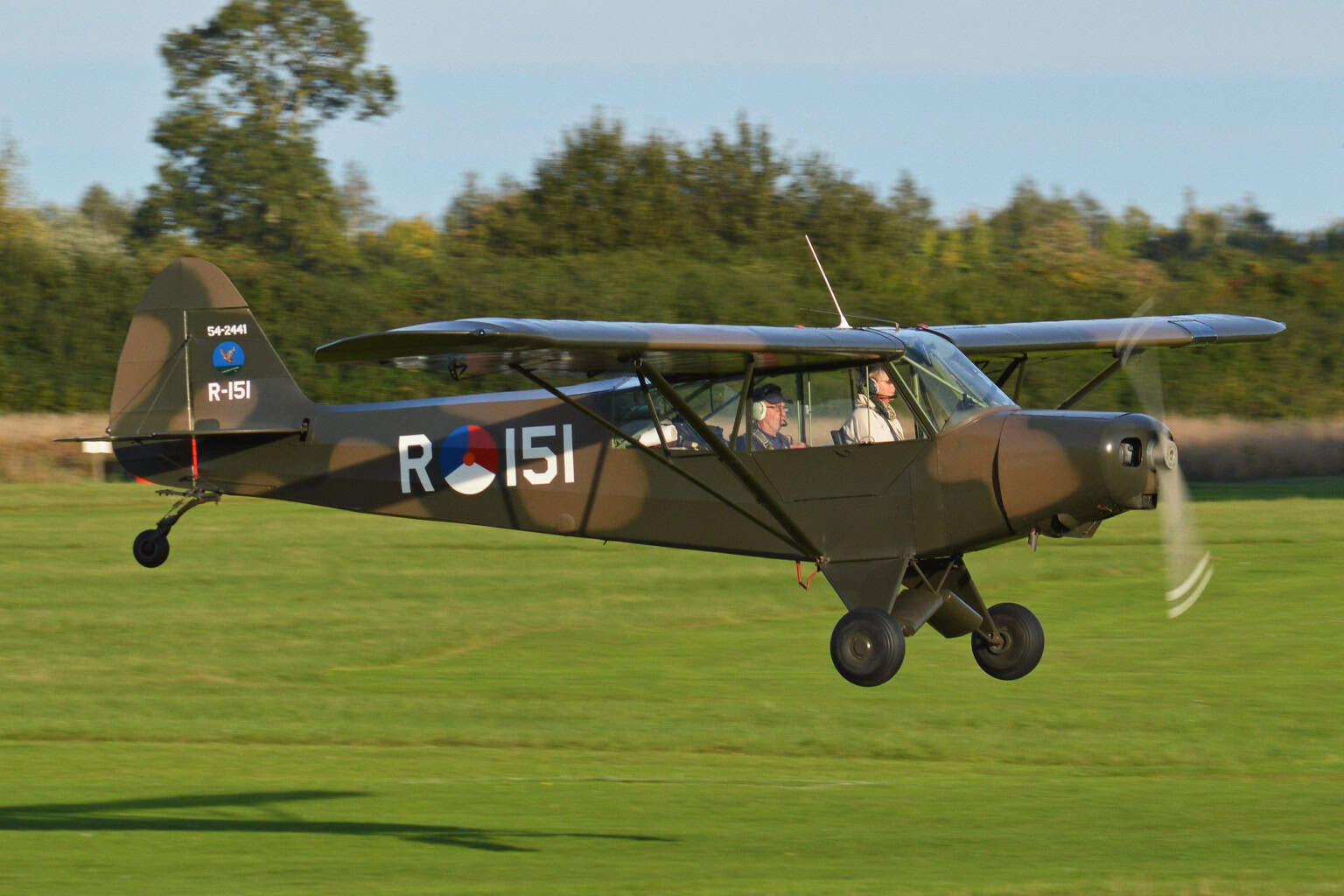
The Piper PA-18 Super Cub was introduced in 1949 as an improved successor to the earlier Piper Cub models. Featuring a strengthened airframe and more powerful engines, it was engineered for better climb performance and greater payload capability. Its high-wing, taildragger configuration provided excellent visibility and control at low speeds, which proved invaluable for operations from short and unimproved runways.
Powered by a variety of Lycoming piston engines, typically producing between 90 and 150 horsepower depending on variant, the Super Cub is renowned for its short-field capability. Large flaps and lightweight construction allow it to take off and land in remarkably short distances, especially when equipped with tundra tires, floats, or skis for specialized operations.
The aircraft quickly gained popularity in Alaska and other remote regions, where its durability and adaptability were essential. It has been used for bush flying, agricultural work, aerial observation, and flight training. Military variants were also produced for liaison and training roles.
Production of original PA-18 aircraft ended in the 1980s, but the type remains widely supported through rebuilds and new-production derivatives. The Super Cub’s reputation for reliability and versatility has ensured its lasting presence in both recreational and professional aviation.
The Piper PA-18 Super Cub is a 2-seater, single-engine aircraft. Further, it was created from the Piper PA-11. The original Piper Cub was the J-3, a very lightweight tandem seater aircraft designed in 1937 and 1947 by Piper Aircraft. Did you know that the initial design was the Taylor Cub? However, the company made the classic Cub version, which sold more than twenty thousand aircraft.
The overall design was relatively basic with a fabric surrounded tube frame with a strut-braced high-wing monoplane with a big-area rectangular wing. It was also powered by a 37 hp air-cooled piston engine driving a fixed-pitch propeller.
The Piper PA-18 Super Cub is a two-seater, single-engine aircraft. The aircraft was created from the Piper PA-11. In close to forty years of production, more than nine thousand were created. Super Cubs are typically seen in roles such as glider towing, banner towing, and bush flying.
Floats and skis turn the Piper PA-18 Super Cub into an all-season aircraft, and a substantial number of owners rotate wheels, floats, and skis on a yearly basis to squeeze the most amazing and fun possible out of their machine.
In addition, CubCrafters, makers of the Carbon Cub and Sport Cub, also totally recreates PA-18s and can install about any legal alteration.
Thanks to its high-lift airfoil, functional flaps, rugged landing gear, and bilk balloon tires. The 1700-millimeter Piper PA-18 Super Cub has excellent short-take-off and landing performance. That enables it to function from just about any terrain.
This aircraft also uses the newest FMS hardware and design and has pre-installed ball-link type pushrods, incorporated servo connectors in the wing structure, and can be assembled effortlessly using no glue at all.
Like all successful designs, the aircraft becomes developed along with larger engines with more capabilities and speed. As stated earlier, the PA-11 was the original Cub with a larger 65 hp Continental A65-8 piston engine. It then morphed into the 95 hp Continental C-90-8F piston engine, often called the PA-18-95.
Nonetheless, the first real Super Cub features dual fuel tanks, flaps, and an O-235 Lycoming engine generating at least 108 hp. The power was still raised until the 1954 model with a 150 hp Lycoming O-320 that is considered the Super, Super Cub.
The performance of the Piper PA-18 Super Cub is extremely fantastic. However, like a most airplanes, the lighter, the better. Some reviewers discovered that when they get more than 1,200 pounds empty, they do not fly as the lighter Cubs too. Keep in mind that weight is everything, especially in a Cub.
The aircraft is influenced by density altitude. There seem to be some aircraft that fly better with weight compared to most. The Piper PA-18 Super Cub is one of them. The general rule here is the calmer, cooler, and lighter, the better.
Sources and references used for research and fact-checking.