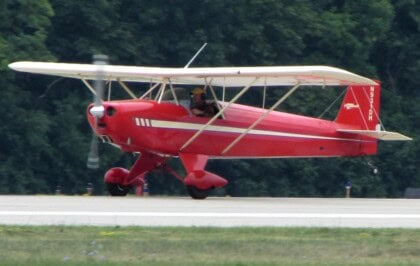
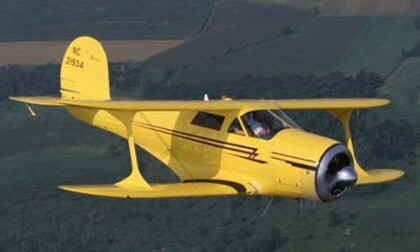
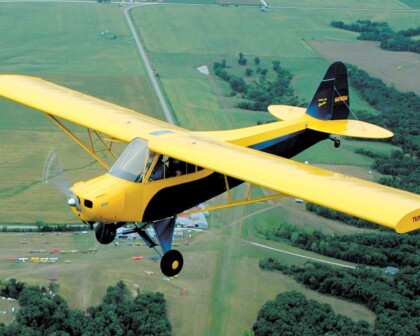
The Acro Sport Ace Junior Ace is a single-seat homebuilt biplane introduced in the 1950s. Designed for amateur construction, it emphasized simplicity and low operating cost. The aircraft remains popular among homebuilders.
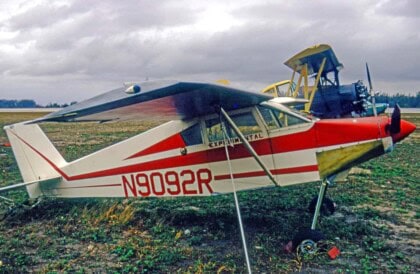
The Nesmith Cougar is a single-seat homebuilt aircraft developed in the United States during the 1970s. Intended for amateur construction, it blends straightforward fabrication with sport performance. The design reflects the experimental aviation movement’s focus on accessibility and hands-on building.
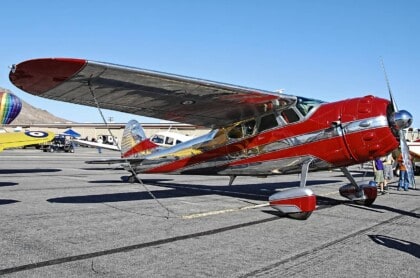
The Cessna 170 was introduced in the late 1940s as a four-seat tailwheel aircraft. Designed for personal and utility flying, it became widely used in rural regions. The model laid groundwork for later Cessna singles.
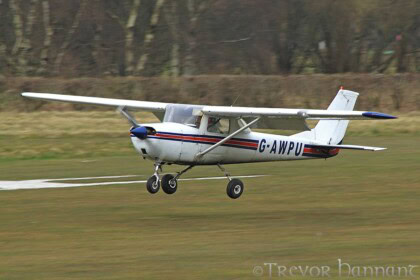
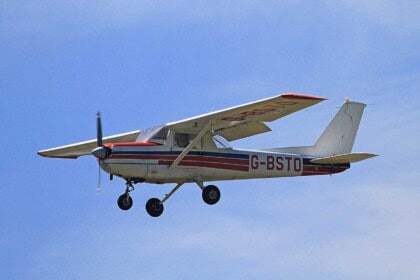
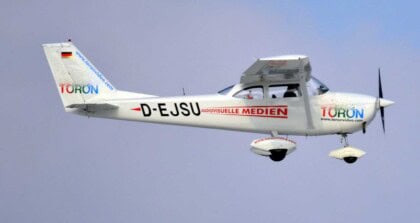
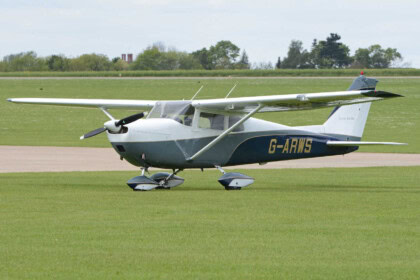
The Cessna 172 Skyhawk is the most-produced aircraft ever, with 45,000+ delivered. Every variant from the 1956 172 to the 180 hp 172S, plus range and cost.
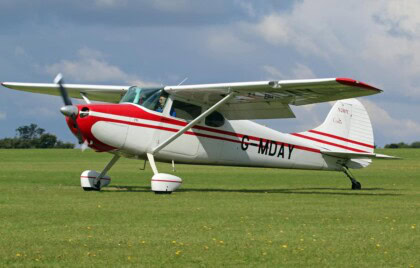
The Cessna 185 Skywagon was introduced in the early 1960s as a strengthened version of earlier high-wing singles. Designed for utility and bush roles, it offered improved payload capacity. The aircraft became widely used in remote regions.
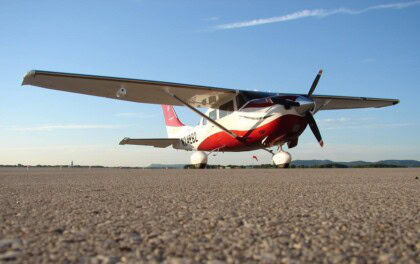
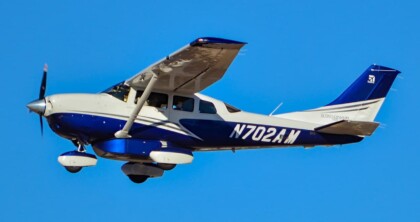
The Cessna 210 Centurion was introduced in 1960 as a high-performance single-engine aircraft. Featuring retractable landing gear, it offered greater cruise speed than fixed-gear models. The aircraft became popular among private and business pilots.
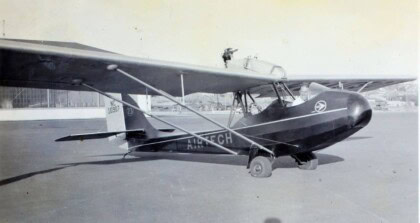
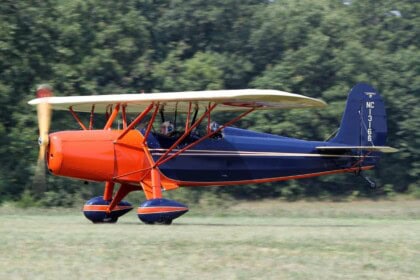
The Curtiss-Wright Junior was a small two-seat aircraft developed during the early years of American general aviation. Introduced at the start of the 1930s, it was designed as an affordable personal airplane. Its compact configuration reflected the era’s enthusiasm for private flying.
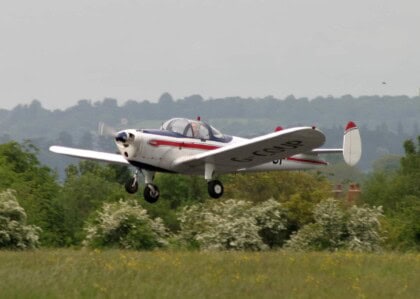
The ERCO Ercoupe was introduced in the late 1930s as a light sport aircraft. Designed with simplified controls, it aimed to make flying more accessible. The aircraft became notable for its distinctive twin-tail configuration.
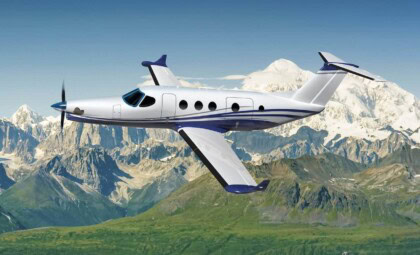
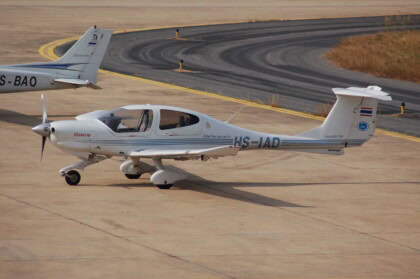
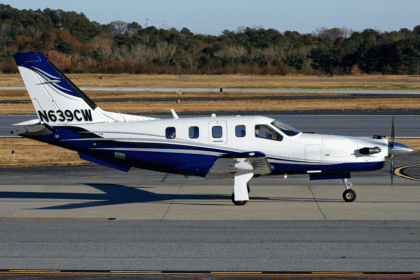
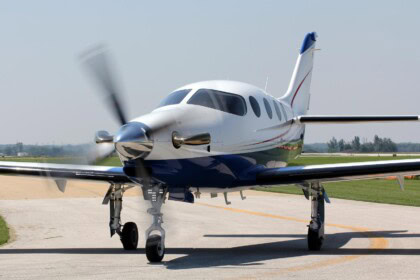
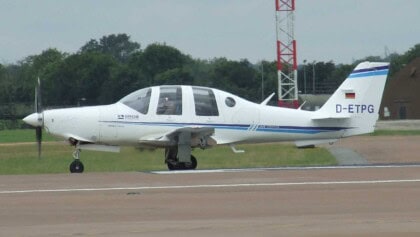
The KAI KC-100 Naraon is a four-seat light aircraft developed in South Korea. Introduced in the 2010s, it supports training and liaison missions. The aircraft reflects domestic aerospace development efforts.
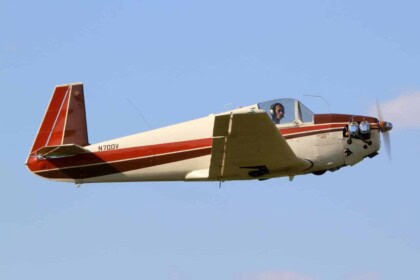
The Mooney M-18 Mite was developed in the late 1940s as a small, economical personal aircraft. Unlike later Mooney designs, it featured fixed landing gear and modest power. The model was intended to attract new pilots to the brand.
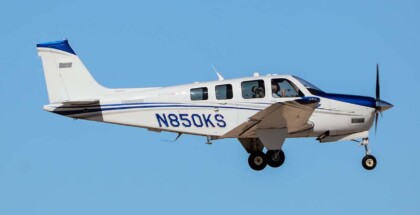
The Mooney M10 Cadet was developed in the late 1960s as a basic trainer. Unlike traditional Mooney designs, it featured fixed landing gear and simplified systems. The aircraft aimed to attract entry-level pilots.
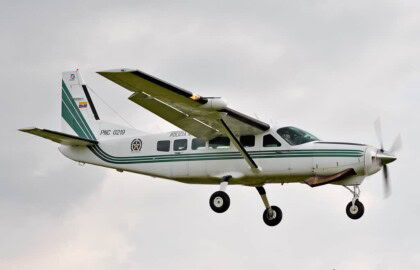
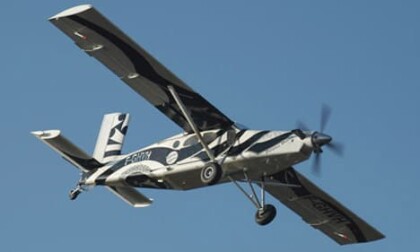
The Pilatus PC-6 Porter flew in 1959 and ended production in 2022 after about 600 built. See its STOL performance, variants, operators and record landing.
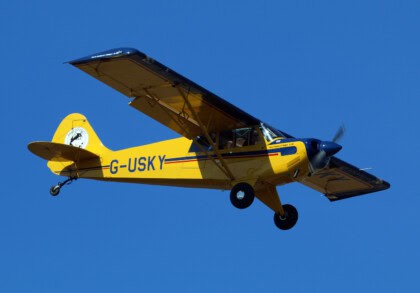
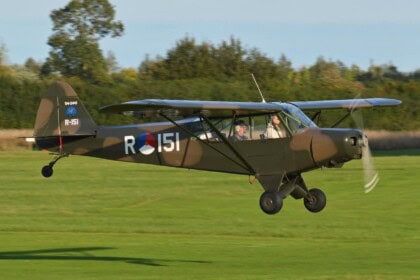
The Piper PA-12 Super Cruiser was introduced shortly after World War II as a larger derivative of earlier Piper taildraggers. Designed for family and utility flying, it added a third seat and improved performance. The aircraft became popular among bush operators.
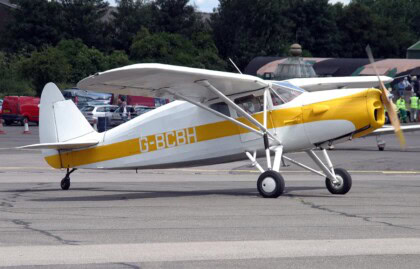
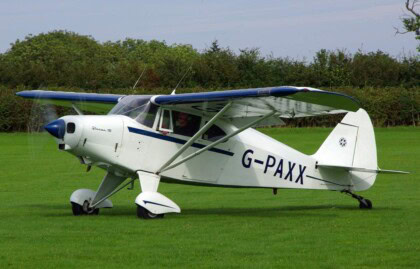
The Piper PA-14 Family Cruiser was introduced shortly after World War II. Designed as a larger derivative of earlier Piper taildraggers, it accommodated four occupants. The aircraft supported recreational and utility flying.
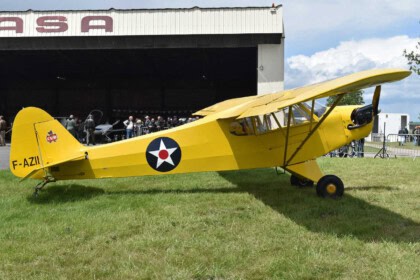
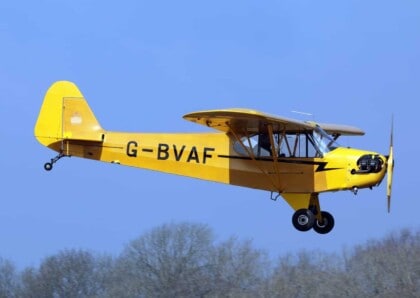
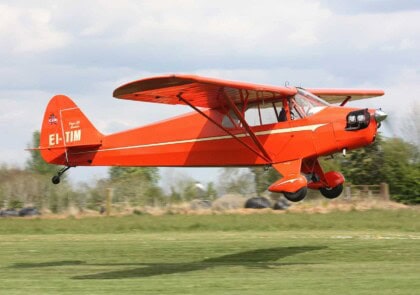
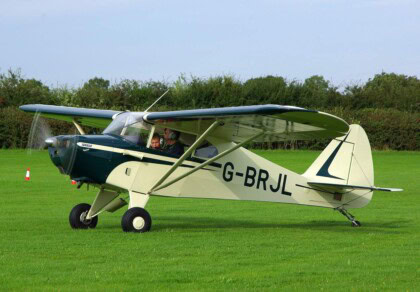
The Piper PA-15 Vagabond was introduced in the mid-1940s as an economical two-seat aircraft. Designed for private owners returning from wartime service, it emphasized simplicity. The aircraft became a stepping stone for Piper’s later designs.
The Piper PA-20 Pacer was introduced in the late 1940s as a four-seat development of earlier Piper designs. It featured a high-wing layout and conventional landing gear. The aircraft supported personal and utility flying.
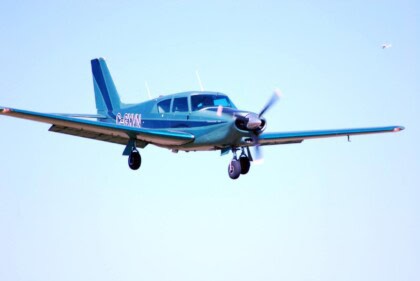
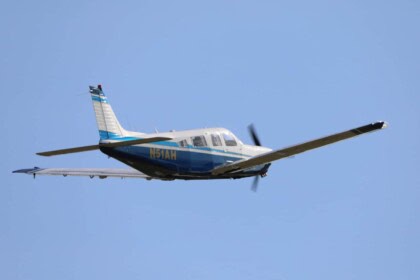
The Piper PA-24 Comanche was introduced in the late 1950s as a high-performance single-engine aircraft. Designed to compete with contemporary retractable-gear singles, it emphasized speed and range. The model gained a strong following among private pilots.
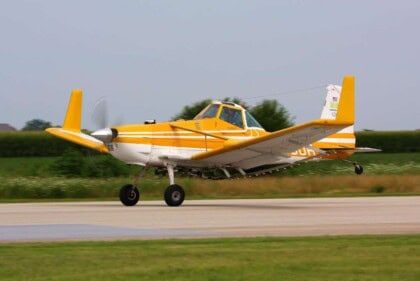
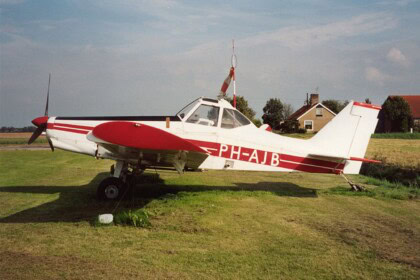
The Piper PA-25 Pawnee was introduced in the late 1950s as a purpose-built agricultural aircraft. Designed for crop spraying, it featured a reinforced structure and chemical hopper. The model became common in agricultural aviation.
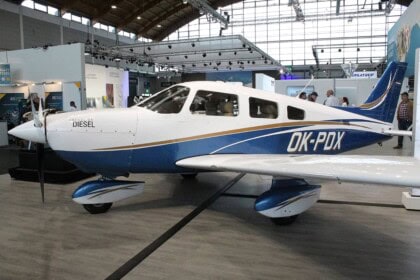
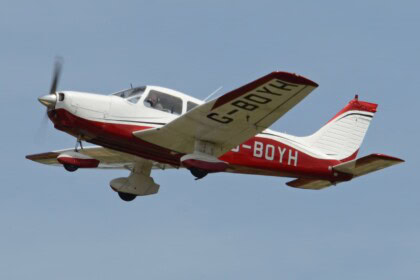
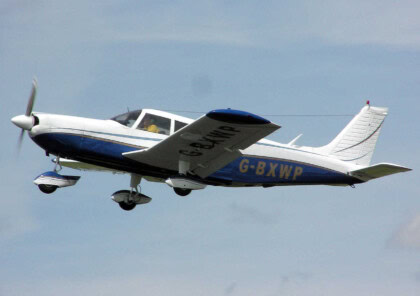
The Piper PA-28 Arrow was introduced in the late 1960s as a retractable-gear variant of the Cherokee. Designed for advanced training and cross-country flying, it offered improved performance. The model remains popular among flight schools.
The Piper PA-28 Warrior is the 160 hp Cherokee that trained a generation of pilots. See its history, Warrior II and III differences, and what it flies like.
The Piper PA-36 Pawnee Brave was developed as a purpose-built agricultural aircraft. Introduced in the 1970s, it supported crop dusting and aerial application work. The design emphasized payload and durability.