Private Single Engine
Acro Sport Ace Junior Ace
ICAO: JACE
The Nesmith Cougar is a single-seat homebuilt aircraft developed in the United States during the 1970s. Intended for amateur construction, it blends straightforward fabrication with sport performance. The design reflects the experimental aviation movement’s focus on accessibility and hands-on building.

The latest aviation news and stories sent to your inbox.
Acro Sport Nesmith Cougar — single-seat homebuilt sport aircraftThe Cougar emerged in the early 1970s as a compact low-wing design built around welded steel tubing and fabric covering. Its configuration emphasizes structural simplicity and light weight. Builders were drawn to the design because it required conventional materials and did not depend on complex manufacturing processes.Engine installations vary, but most Cougars use piston engines producing between 100 and 125 horsepower. Cruise speeds typically approach 120 knots (222 km/h), depending on configuration. Maximum takeoff weight generally remains below 1,200 pounds (544 kg), consistent with its lightweight construction and single-seat layout.The Nesmith Cougar remains active in the experimental category, with many examples still flying. Its straightforward design and responsive handling make it suitable for sport and limited aerobatic flying. The aircraft stands as a representative example of grassroots American homebuilt aviation.
Live Fleet Activity (COUG)
Fetching live data…
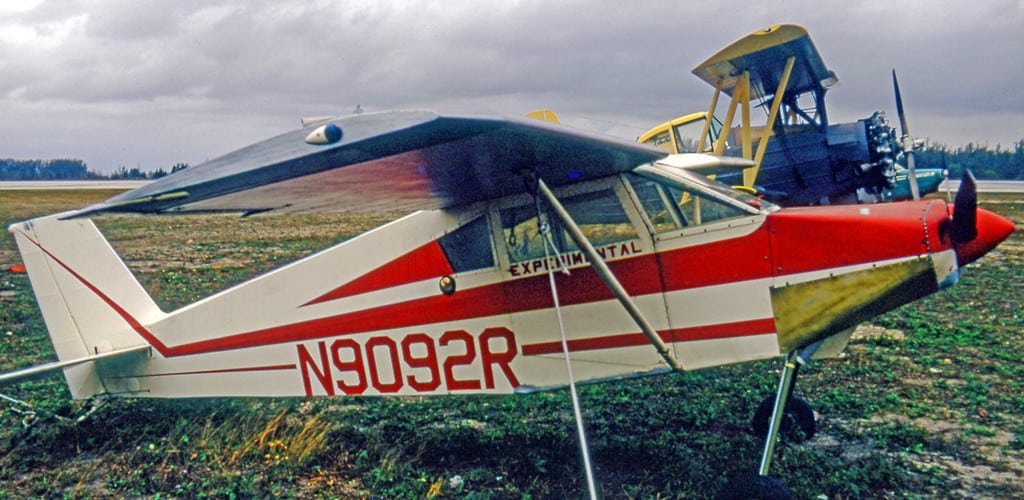
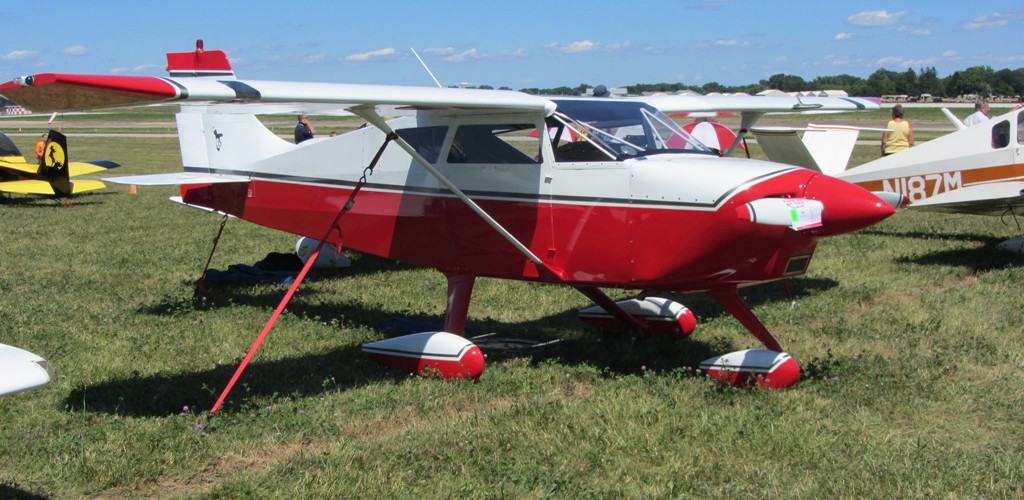
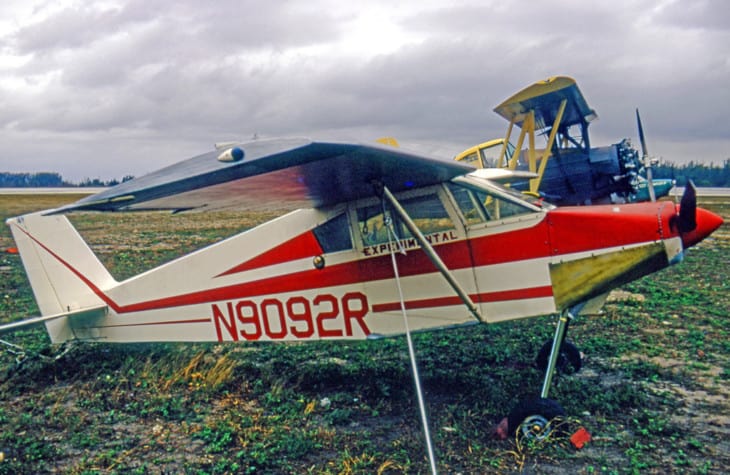
The Nesmith Cougar was developed by Robert Nesmith in the mid-1950s. During that time, he considered to enhance the Wittmand Tailwind by Steve Wittland, but it turned out that the two aircraft have the same design and are very difficult to distinguish from each other.
The first Cougar was initially marketed by Nesmith as low-cost aircraft intended for homebuilders. In 1963, the Cougar was modified by Leonard Eaves and won a competition in the Experimental Aircraft ASSOCIATION (EAA). The organization then purchased rights on the aircraft, and in due course was acquired by Acro Sport.
The Cougar featured a conventional wooden high wing with struts and has a wingspan of 6.25 meters and a wing area of 7.66 square meters. The fixed tailwheel type undercarriage has a wheelbase of 4.6 meters. The aircraft has an external length of 5.77 meters, an eternal height of 1.47 meters, a tail height of 1.68 meters, and a fuselage diameter of 0.6 meters. The tail assembly as well as the fuselage is built of steel-tube construction. The entire aircraft was covered with fabric and was equipped with a tandem configuration for a pilot and a passenger.
The Nesmith M1 Cougar is the initial design powered by 108 horsepower Lycoming engine intended for home building. The Cougar Comet is a modified version with a single Lycoming O-290D engine rated at 125 horsepower. The Chigger and Landoll’s Skydoll had was built with two designs. The first was fitted with folding wings and Culver Cadet undercarriage, known as the Chigger while the second was fitted with folding wings that featured automatic control latching.
The typical Cougar has a maximum speed of 169 knots, an economic cruise speed of 135 knots, and a stall speed of 46 knots. The travel range is 650 nautical miles. It could fly up to 13,000 feet and could climb at a rate of 1,300 feet per minute. The takeoff distance is 340 meters and the landing distance is 300 meters.
Sources and references used for research and fact-checking.