
Private Single Engine
Acro Sport Nesmith Cougar
ICAO: COUG
Classic homebuilt biplanes designed for accessible aerobatics
AeroCorner features profiles for 4 Acro Sport aircraft. This includes 2 Private Single Engine and 2 Aerobatic. Each profile includes performance data, photo galleries, dimensions, and operational history.
Acro Sport is an American designer of amateur-built aerobatic aircraft, best known for the Acro Sport I and Acro Sport II biplanes. These aircraft were created for homebuilders seeking affordable, high-performance aerobatic capability. Their classic lines, strong structures, and responsive handling have made them popular within the experimental aviation community for decades.

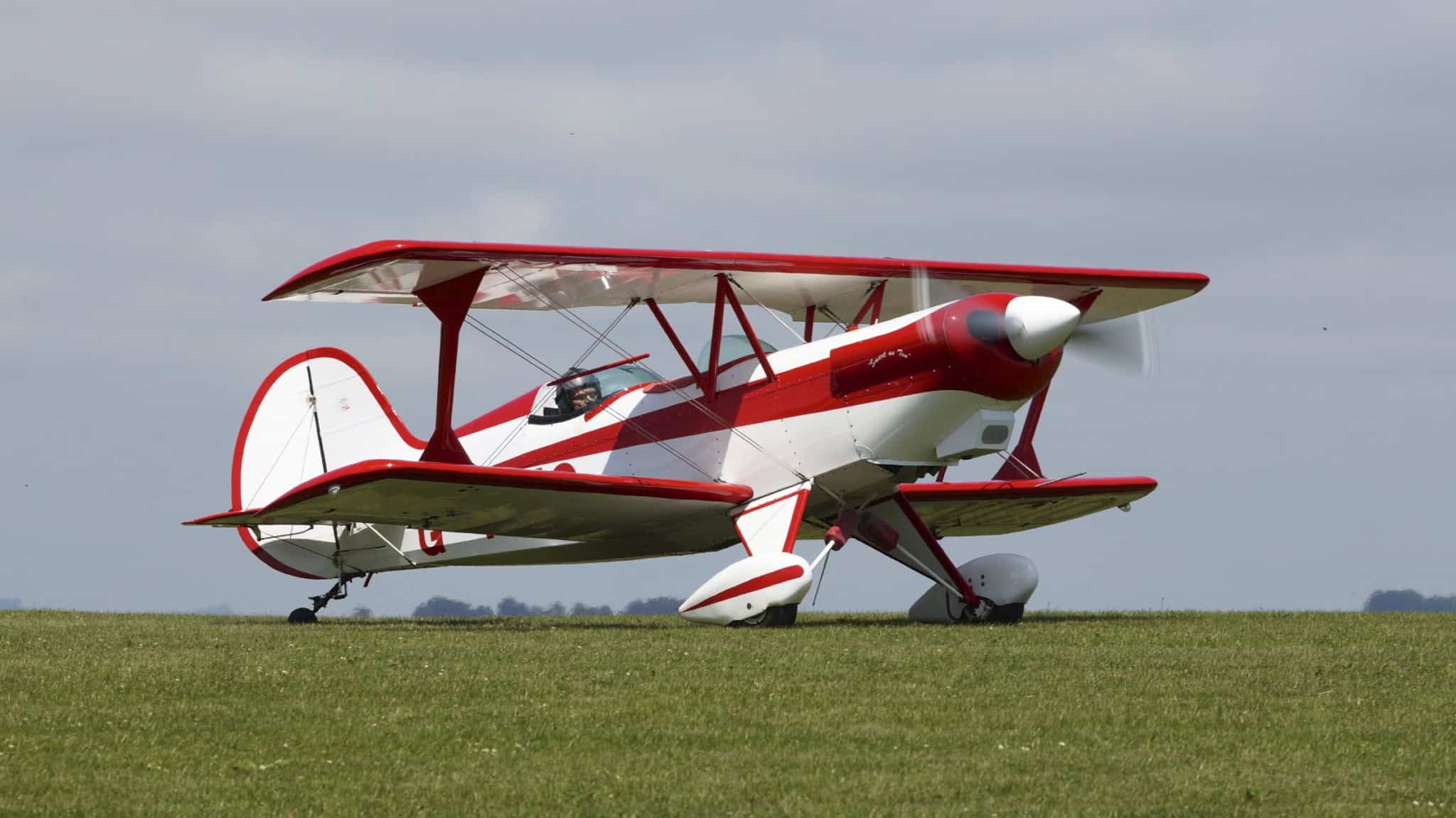
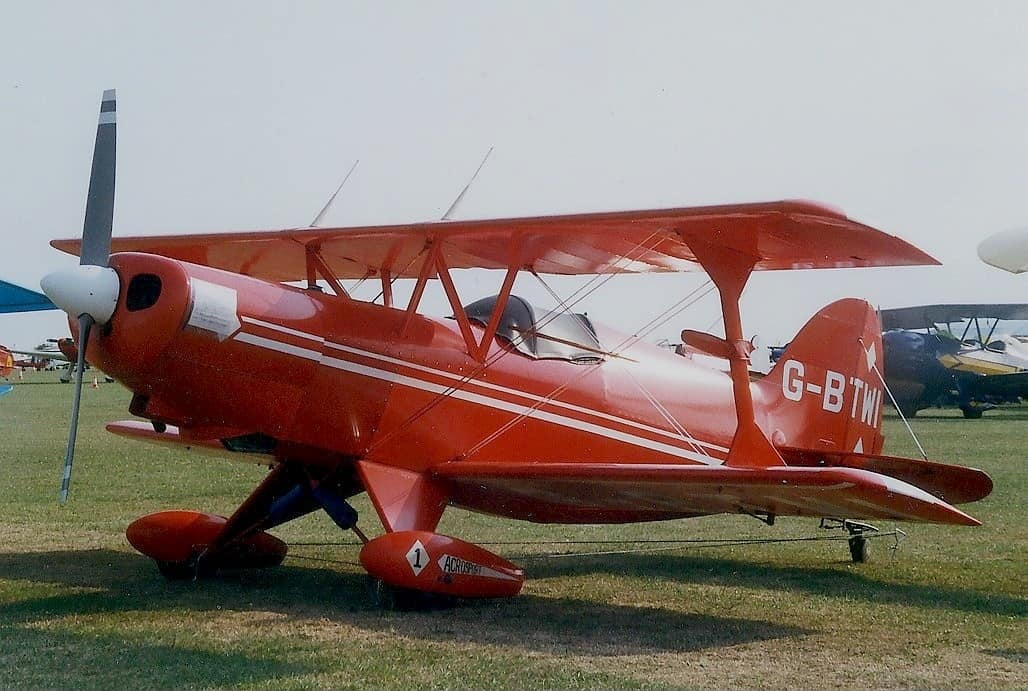


Acro Sport was founded by Paul Poberezny, the influential aviator and founder of the Experimental Aircraft Association (EAA). Designed in the early 1970s, the Acro Sport series emerged from Poberezny’s desire to provide homebuilders with straightforward, plans-built aerobatic biplanes with proven performance.
The Acro Sport I plans were released in the 1970s, followed by the larger two-seat Acro Sport II. Both designs attracted a loyal builder base thanks to detailed plans, wooden wing construction, welded steel-tube fuselages, and compatibility with a range of engines. Their performance made them suitable for sport aerobatics, flight training, and recreational flying.
Acro Sport, Inc. operated for decades as the distributor of plans and builder support materials. Today the aircraft remain plans-built designs, with active builder networks and many flying examples maintained by private owners.