Private Single Engine
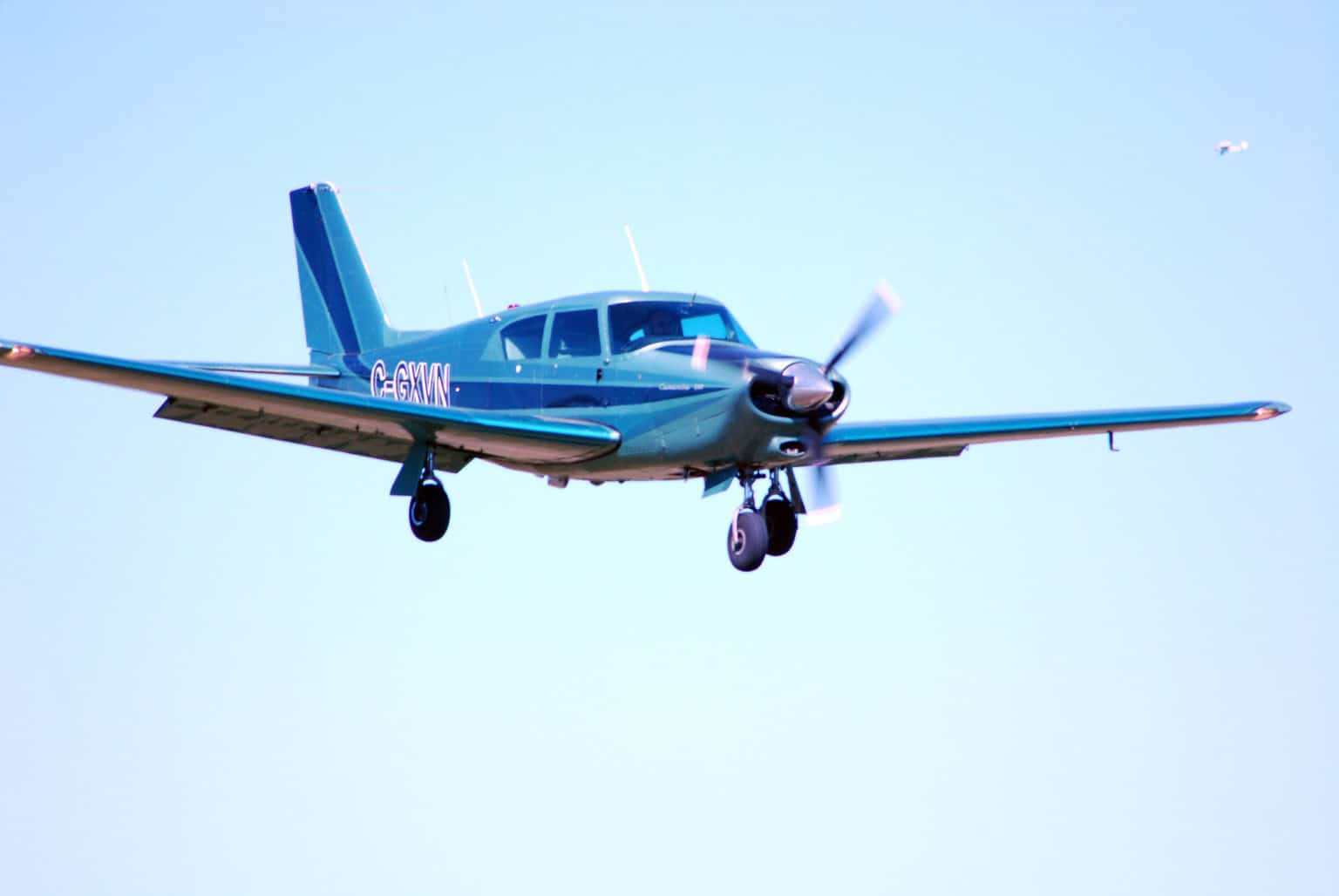
The Piper PA-24 Comanche was introduced in the late 1950s as a high-performance single-engine aircraft. Designed to compete with contemporary retractable-gear singles, it emphasized speed and range. The model gained a strong following among private pilots.
The latest aviation news and stories sent to your inbox.
Piper PA-24 Comanche — retractable-gear piston aircraftThe Comanche first flew in 1956 and entered service shortly thereafter. It featured a laminar-flow wing and retractable landing gear. The design aimed to provide improved aerodynamic efficiency.Depending on variant, piston engines produced between 180 and 260 horsepower. Cruise speeds approached 160 to 170 knots (296 to 315 km/h). Maximum takeoff weight exceeded 3,200 pounds (1,451 kg) in later models.The Comanche remained in production until the early 1970s. It became popular for cross-country travel. Many aircraft remain active in private ownership.
Live Fleet Activity (PA24)
Fetching live data…

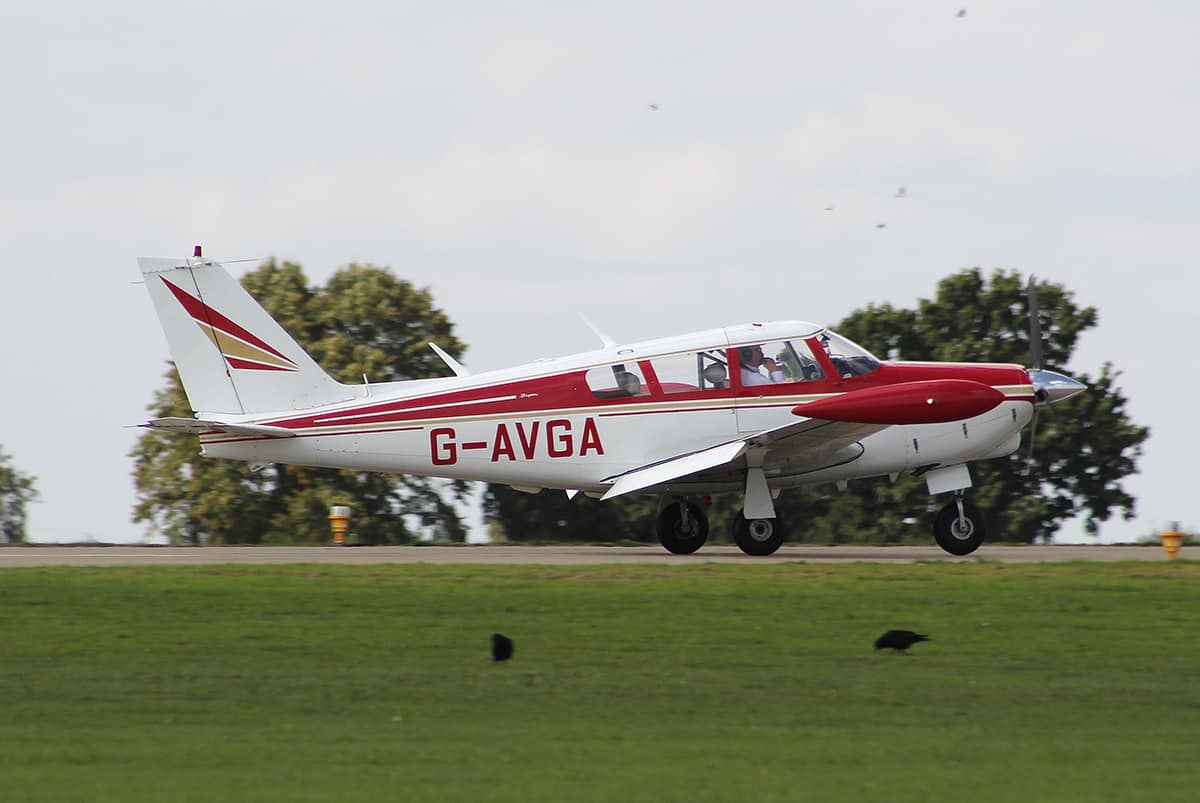


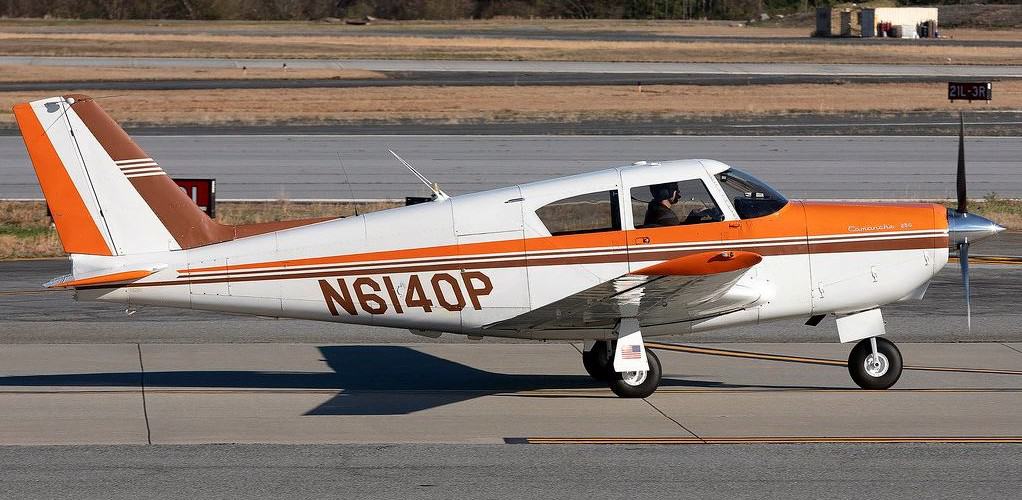


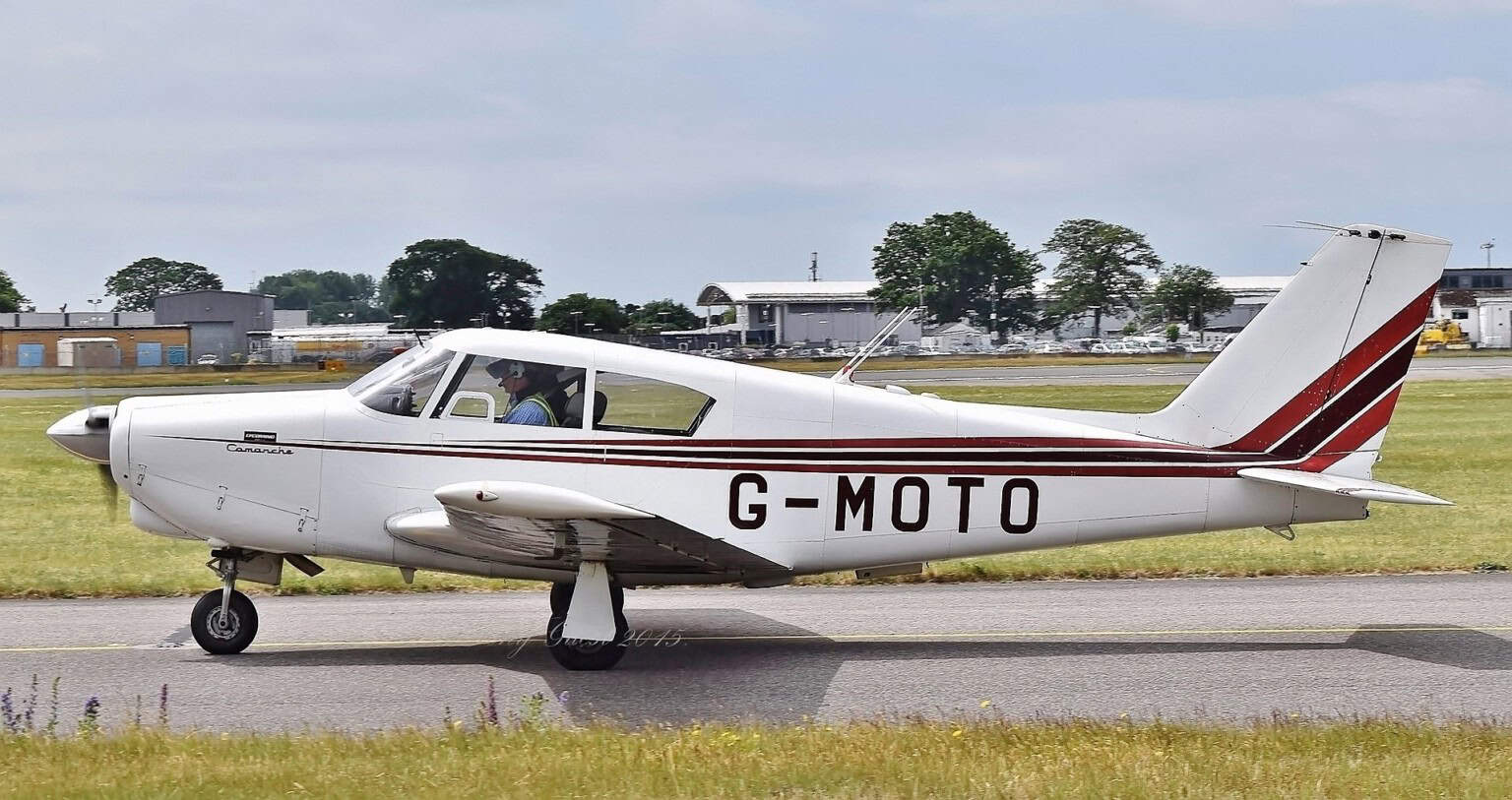
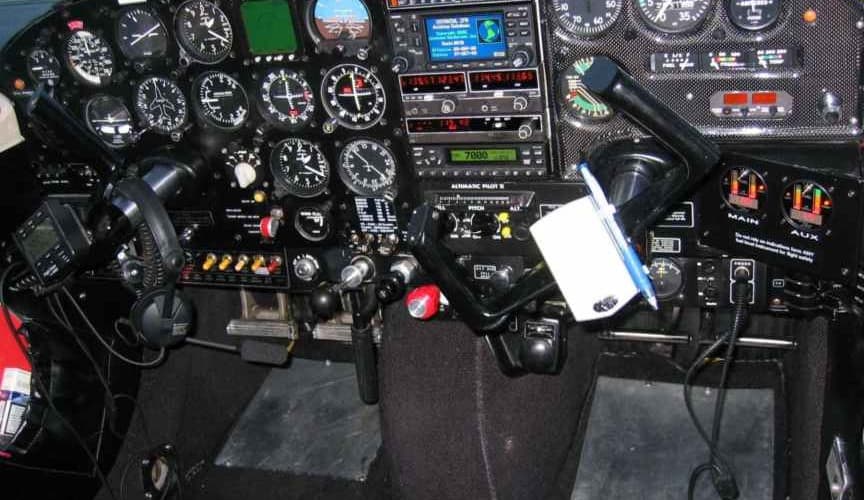
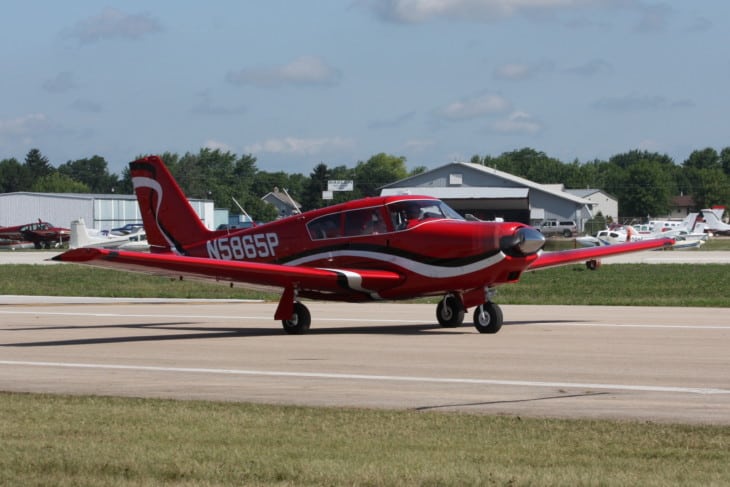
On June 20, 1956, the first of the two prototypes of the Comanche was completed. Several production versions were produced. On October 21, 1957, the initial production variant of the Comanche conducted its maiden flight.
Several production versions were Designated as PA-24-180, and were powered by a Lycoming O-360-A1A engine rated at 180 horsepower. It was designed with a swept tail, an all-moving stabilator, and manually-actuated flaps. The normal fuel capacity of the variant was 60 US gallons. The PA-24-180 had a cruise speed of 116 to 139 knots and a travel range of 700 nautical miles. 1,143 PA-24-180s were built in total.
In 1958, the second version designated as PA-24-250 was introduced. It was powered by a Lycoming O-540 engine with a maximum thrust of 250 horsepower. The variant had a maximum cruise speed of 160 knots. Early PA-25-250s were the same PA-24-180; built with manually-actuated flaps and had a fuel capacity of 60 US gallons. In 1961, newer versions were equipped with auxiliary fuel tanks. In 1962, electrically-operated flaps were developed.
In 1964, Piper Aircraft introduced the PA-24-400. The version was produced between 1964 and 1966. It was powered by the Lycoming IO-720 engine rated at 400 horsepower. The large-displacement, horizontally-opposed eight-cylinder piston engine was built specifically for the PA-24-400.
The aircraft was fitted with a three-bladed propeller and had a maximum fuel capacity of 100 to 130 US gallons. The PA-24-400 had 185 knots cruising speed and 194 knots top speed. Although similar to the other versions of the PA-24, the 400 has a tougher and firmer structure, mainly in the tail. It was designed with an additional nose rib in the vertical stabilizer and in the all-flying tail.
In 1965, the Comanche 260 was introduced. It was fitted by the Lycoming IO-540 engine with a produced thrust of 260 horsepower. 1,029 260s were sold in total.
The Piper Comanche was produced until 1972 with a total number of 4,857 aircraft built. It was widely used by private aviators and flight schools.
Sources and references used for research and fact-checking.