Private Single Engine
Cessna 350 Corvalis
ICAO: COL3
Popular bush plane
The latest aviation news and stories sent to your inbox.
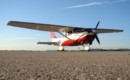
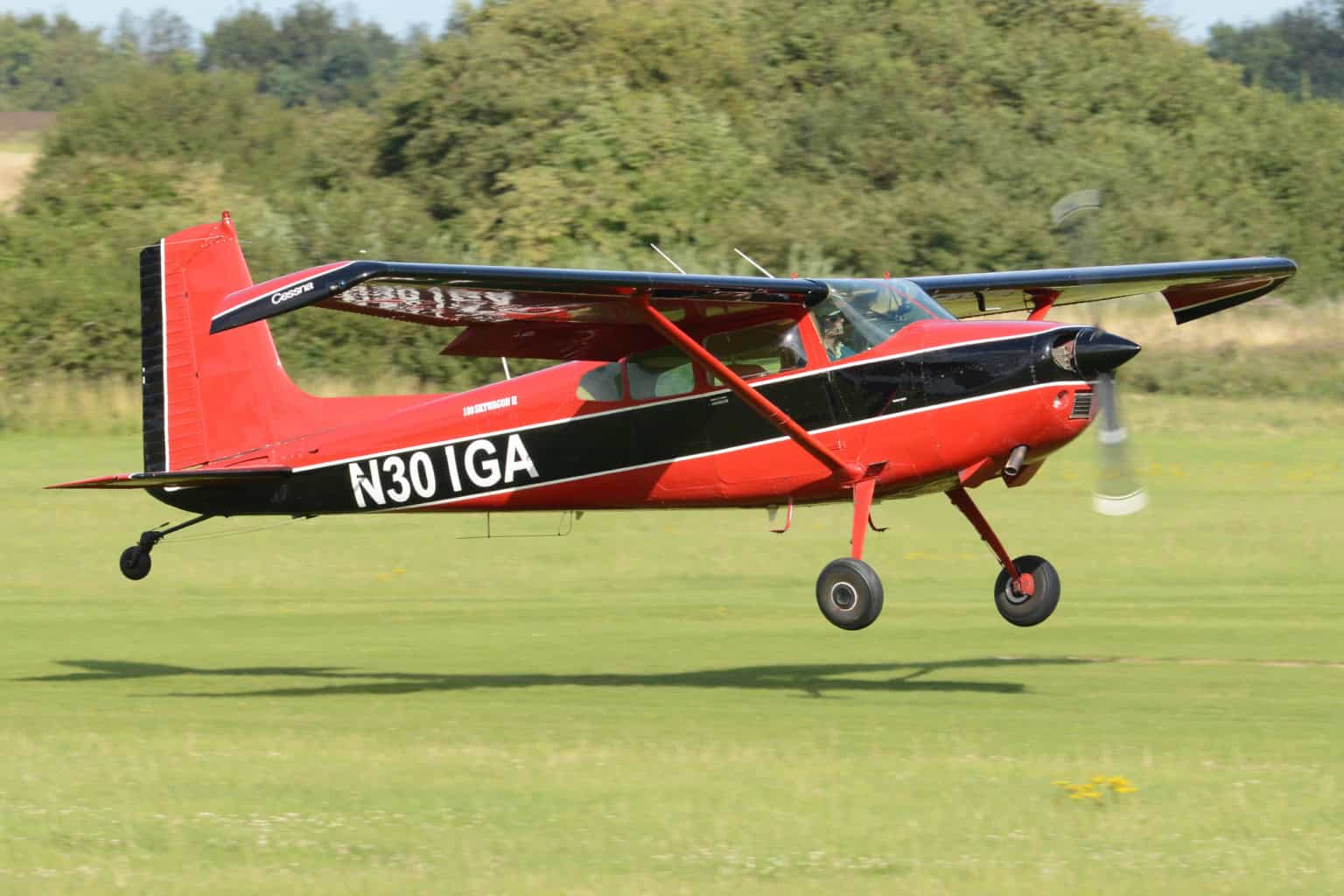
The Cessna 180 Skywagon is a four to six-seat general aviation aircraft with conventional landing gear which was produced from 1953 to 1981. Though production has ended, many Skywagons are still operational and used as personal aircraft in utility roles such as bush flying.
Live Fleet Activity (C180)
Fetching live data…

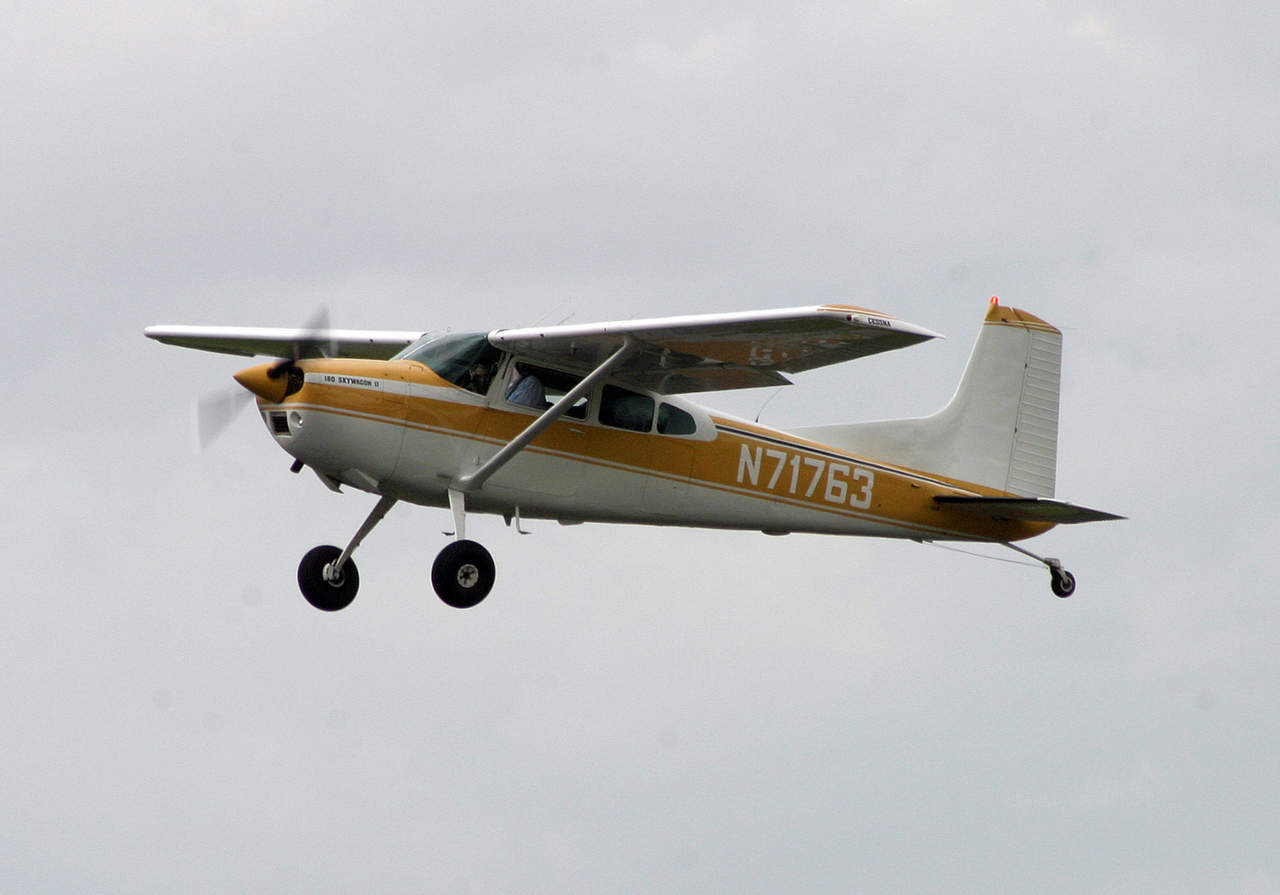

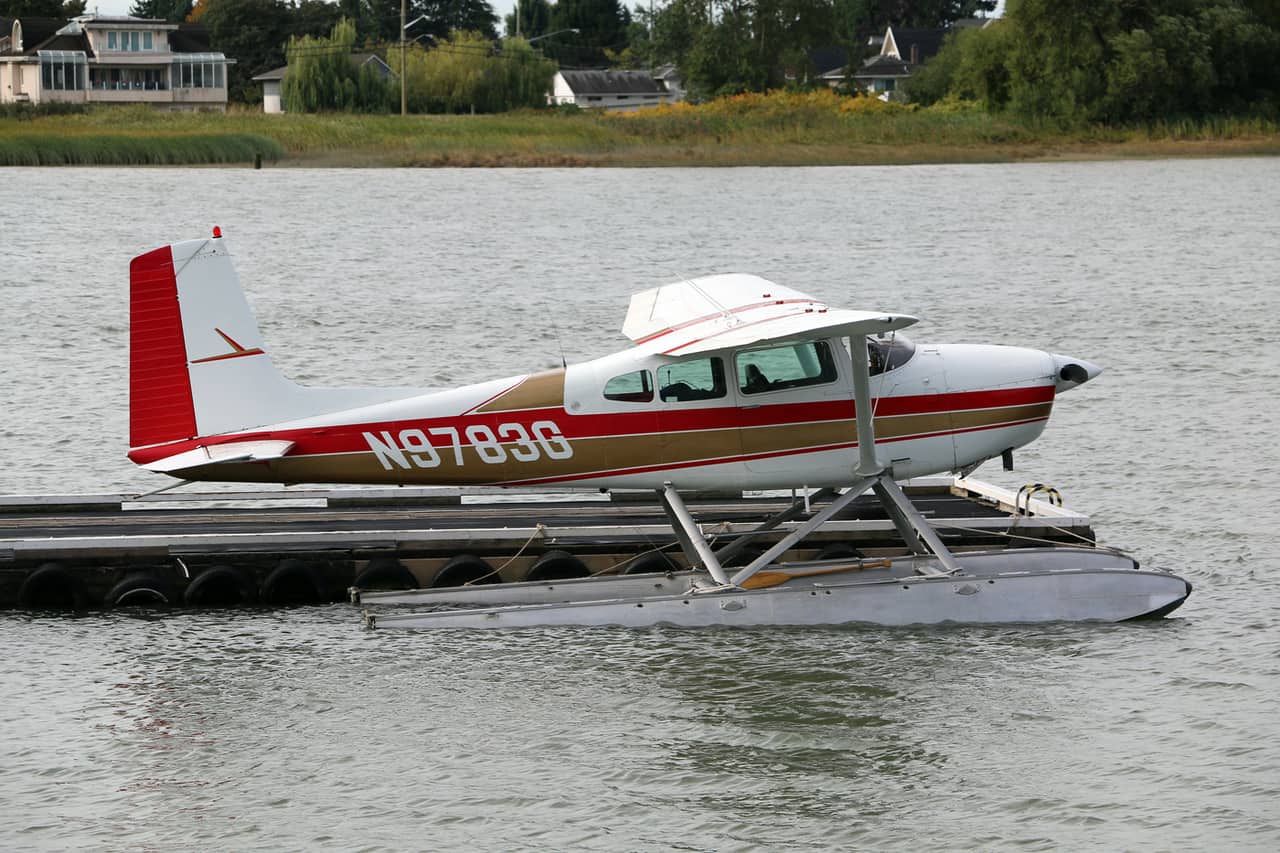


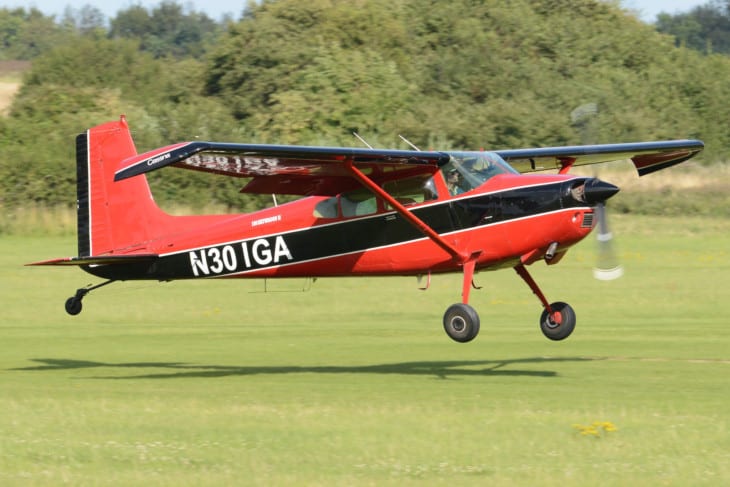
The Cessna 180 was introduced in the market as a more powerful aircraft to complement the Cessna 170. After some time, it has been designated as the Cessna 180 Skywagon. On May 26, 1952, the prototype registered N41697 conducted its first flight, piloted by William D. Thompson.
In 1964, Geraldine Mock, the first woman to fly solo around the world, used a 1953 single-engine Cessna 180 registered as N1538C, christened the Spirit of Columbus, and nicknamed Charlie. The trip started on March 19, 1964, in Columbus, Ohio, to April 17, 1964, in Columbus, Ohio, and the Cessna 180 gained recognition around the world. The Cessna factory acquired the aircraft and stored it at the manufacturing plant in Wichita, Kansas after the historical flight. The aircraft is presently on display at the National Air and Space Museum.
The Cessna 180 has an all-metal airframe, constructed of aluminum alloy. It has an external length of 7.85 meters, a height of 2.36 meters, and a fuselage diameter of 1.1 meters. The fuselage is a semi-monocoque structure. The strut-based wings have a wingspan of 10.97 meters and a wing area of 16.2 square meters. The conventional landing gear has a wheelbase of 6.8 meters, with main gear legs made of spring steel, and a steerable tailwheel attached on a steel tube. Aircraft produced from 1953 to 1963 were designed with two side windows, while later models had three side windows. The Cessna 180 can also be fitted with floats and skis.
The aircraft is powered by a Continental O-470-U piston engine with a maximum thrust of 230 horsepower. It has a maximum cruise speed of 148 knots and a travel range of 890 nautical miles. It can fly up to 17,700 feet and can climb at a rate of 1,100 feet per minute. The takeoff distance is 329 meters while the landing distance is 405 meters.
The Cessna 180 has a maximum takeoff and landing weight of 1,270 kg and 1,029 kg, respectively, and a maximum payload of 469 kg.
Sources and references used for research and fact-checking.