Private Single Engine
The Piper PA-28 Cherokee is the low-wing four-seat family that Piper built as a cheaper answer to the Cessna 172, and with more than 32,000 built it is one of the most common light aircraft in the world.
Updated: by Tim de Vries

The latest aviation news and stories sent to your inbox.
The Piper PA-28 Cherokee is a family of single-engine, low-wing, all-metal light aircraft. It first flew on January 14, 1960 and has been in production since 1961. The family covers the Cherokee, Warrior, Archer, Arrow, Dakota and Cadet, and it is flown for personal travel, flight training and air taxi work. The specification panel on this page describes the 1964 PA-28-140.
Live Fleet Activity (PA28)
Fetching live data…

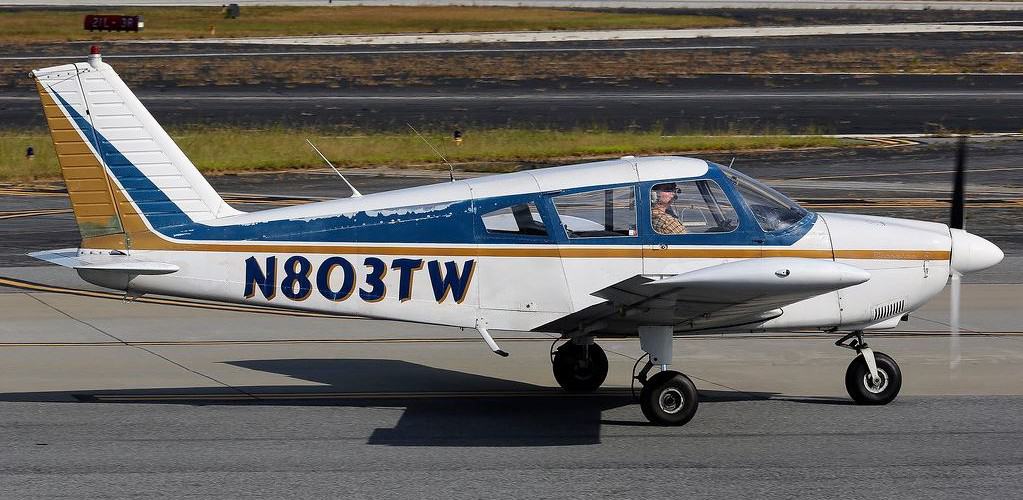

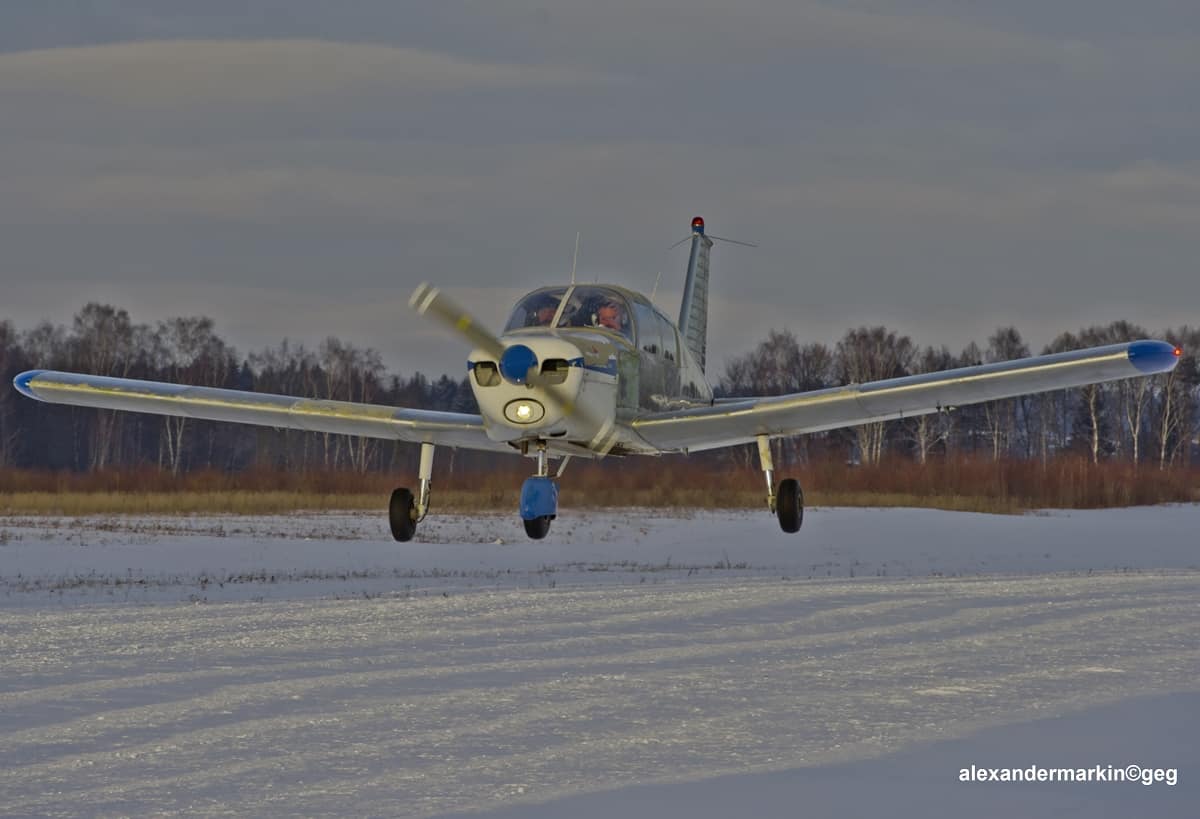


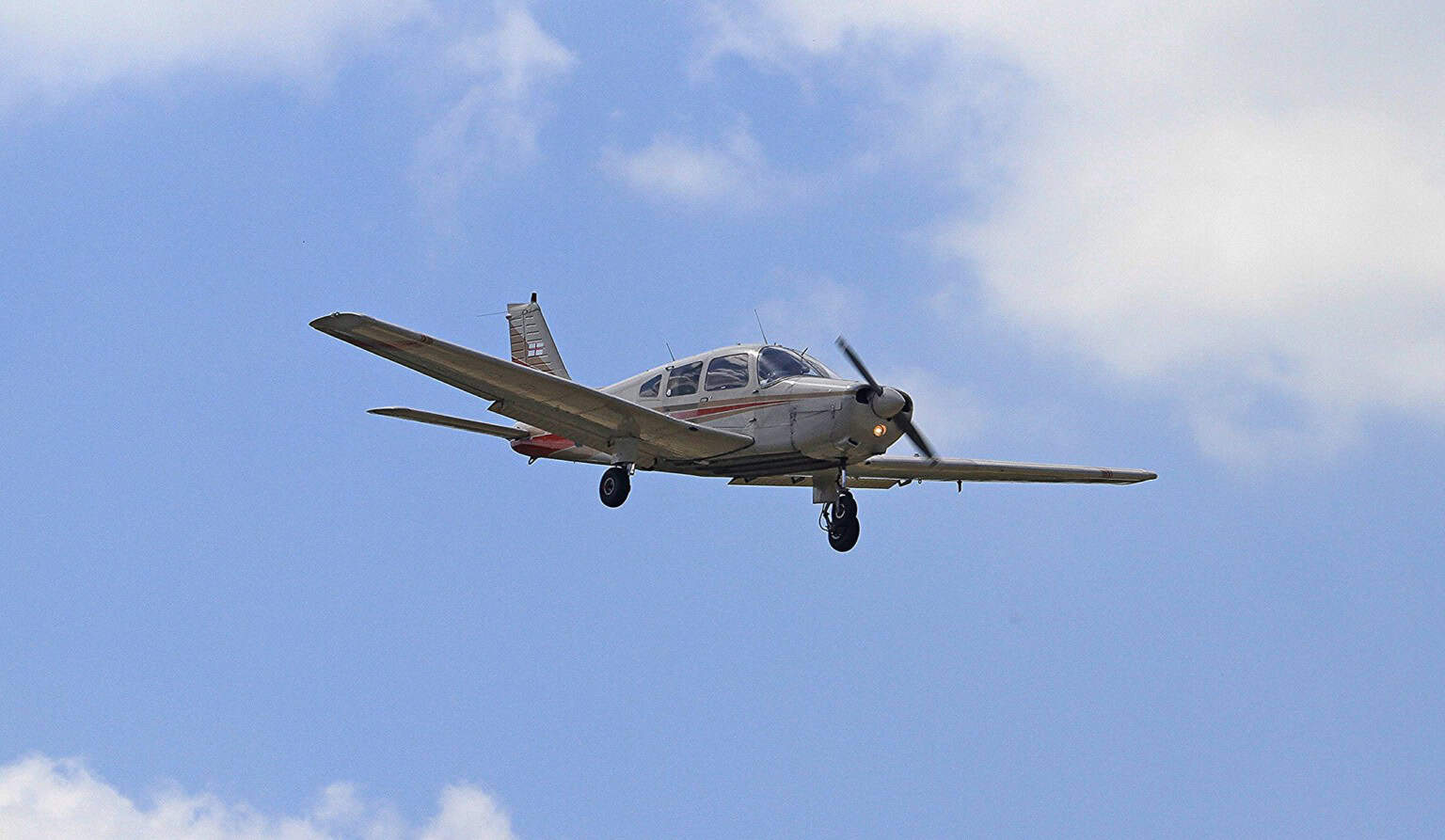


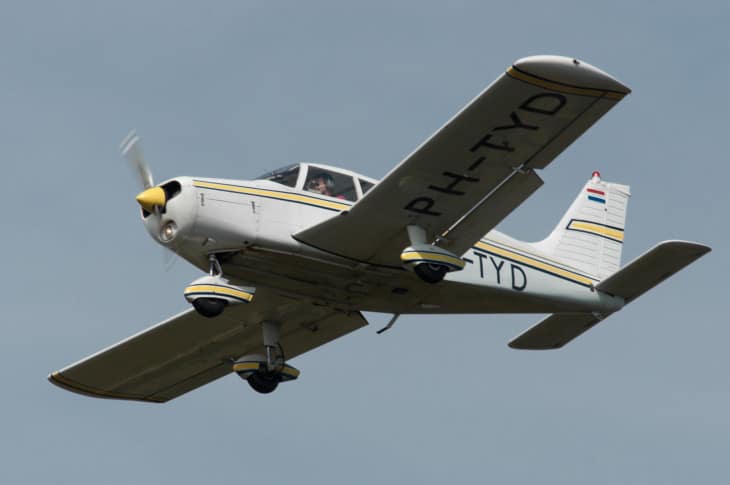
The Piper PA-28 Cherokee is a family of single-engine, low-wing, all-metal light aircraft built by Piper Aircraft. The first PA-28 flew on January 14, 1960, and production began in 1961.
More than 32,000 have been built, and the line is still in production. The current Archer and Pilot 100i trainers are direct descendants of the 1960 design.
Piper designed the Cherokee as a cheaper alternative to its PA-24 Comanche. Fred Weick, Karl Bergey and John Thorp worked on it, with Weick named as the lead designer.
It had simpler construction and lower parts costs than the Comanche. That let it compete with the high-wing Cessna 172, which dominated the four-seat market.

The first Cherokees, the PA-28-150 and PA-28-160, appeared in 1961 with Lycoming O-320 engines. The 180 hp PA-28-180 followed in 1962, and it was the first Cherokee that could comfortably carry four adults.
The PA-28-140 arrived in 1964 as a cheaper two-seat trainer, later offered as a four-seat Cruiser. Its Lycoming O-320-E2A engine is the one described in the specification panel.
A 235 hp PA-28-235 appeared in 1963, and a retractable-gear version, the PA-28R-180 Cherokee Arrow, followed in 1967. The Arrow added a constant-speed propeller as well.
The family then split into named models:

Piper still builds the family. Its current lineup includes the Archer TX and LX, which use gasoline engines, and the Archer DX and DLX, which use a Continental diesel. The Pilot 100i is sold as a trainer.
The Archer diesel models entered production in 2014. Piper lists the TX, DX and Pilot 100i as trainers and the LX and DLX for personal flying.
The full specification table for the aircraft is on this page, and it describes the 1964 PA-28-140. That matters because the family spans a wide range of engines and weights.
Later Archers and Dakotas carry more power than the 140 and a higher gross weight. Treat the panel as the baseline Cherokee, not the whole family.
The speed rows are easy to misread. The panel’s max cruise speed row holds the 140’s top speed,, and the cruise speed is listed separately.

The Cherokee’s numbers mean it appears in many accident records. Two midair collisions with airliners shaped US airspace rules.
In 1969, Allegheny Airlines Flight 853, a DC-9, collided with a PA-28R over Indiana. In 1986, Aeromexico Flight 498 collided with a PA-28-181 Archer over Cerritos, California, which led to transponder and TCAS requirements.
In 2018, a PA-28 operated by Embry-Riddle lost its left wing to metal fatigue in the spar. Wikipedia records that the accident killed two people.
The PA-28-180 was introduced in 1962 with a 180 hp Lycoming O-360 engine. The extra power let it carry four people comfortably, and the specification panel on this page describes the smaller PA-28-140 for comparison.
Yes. Piper still builds the Archer TX, Archer LX, Archer DX, Archer DLX and Pilot 100i, all descended from the PA-28.
More than 32,000 PA-28 family aircraft have been built since production began in 1961.
The Warrior is a later development with a tapered wing, while the original Cherokee uses a straight, untapered wing. Both belong to the PA-28 family.
Fred Weick led the design, working with Karl Bergey and John Thorp. It was built as a cheaper alternative to the Comanche.
Sources and references used for research and fact-checking.