
Private Single Engine
Pilatus PC-12NGX
ICAO: PC12
The latest aviation news and stories sent to your inbox.
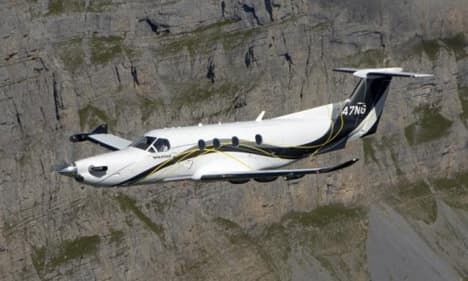
The Pilatus PC-12 NG is a single-engine turboprop aircraft designed for passenger, cargo, and special mission roles. Developed in Switzerland, it has become one of the most successful aircraft in its class. The NG variant introduced upgraded avionics and improved performance.

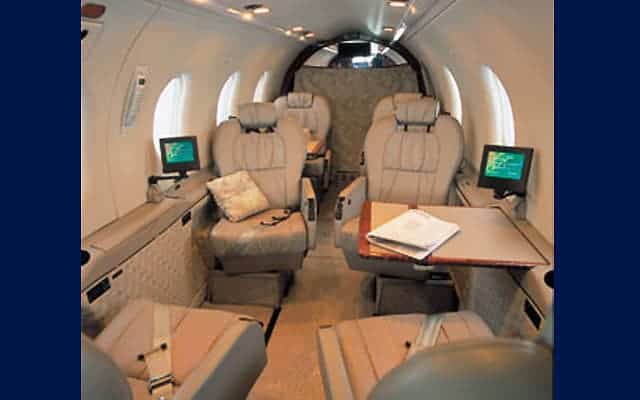
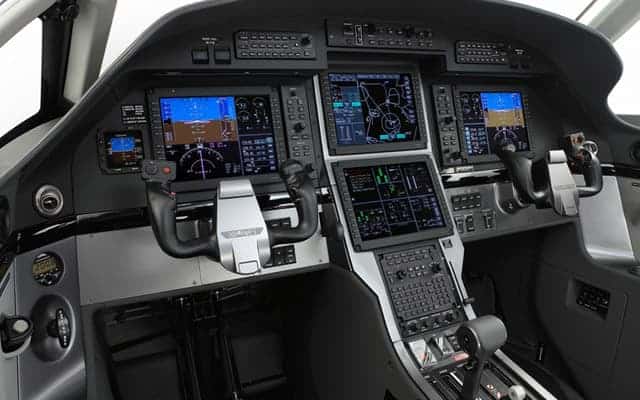
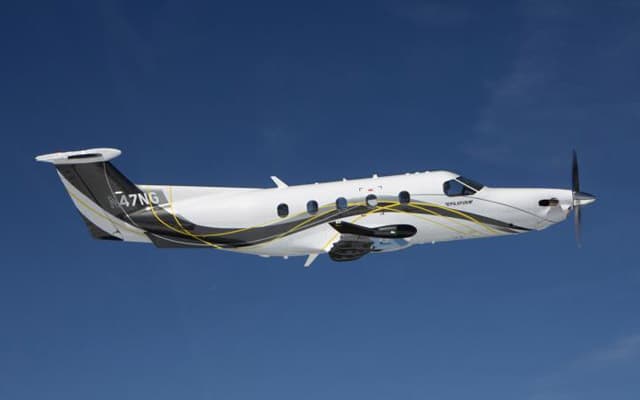
The PC-12 first flew in 1991 and entered service in 1994 as a versatile pressurized turboprop capable of operating from short and unpaved runways. The NG, or Next Generation, version was introduced in 2008 with enhanced cockpit systems and refinements to the airframe. It retained the basic layout of a low-wing monoplane with a large cargo door and retractable landing gear.
Powered by a Pratt & Whitney Canada PT6A-67P turboprop engine producing approximately 1,200 shaft horsepower, the PC-12 NG cruises at around 280 knots (520 km/h). Maximum takeoff weight is about 10,450 pounds (4,740 kg). The aircraft can carry up to nine passengers in executive configuration and has a range of roughly 1,500 nautical miles (2,780 km) depending on payload.
The PC-12 NG has been widely adopted for corporate transport, air ambulance missions, and government surveillance work. Its combination of single-engine efficiency and cabin flexibility has made it a market leader. The aircraft remains a cornerstone of Pilatus’s global success.