Private Single Engine
Cirrus SR22
ICAO: SR22
The composite trainer that introduced whole-airframe parachute safety to the mainstream
The latest aviation news and stories sent to your inbox.
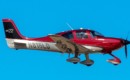
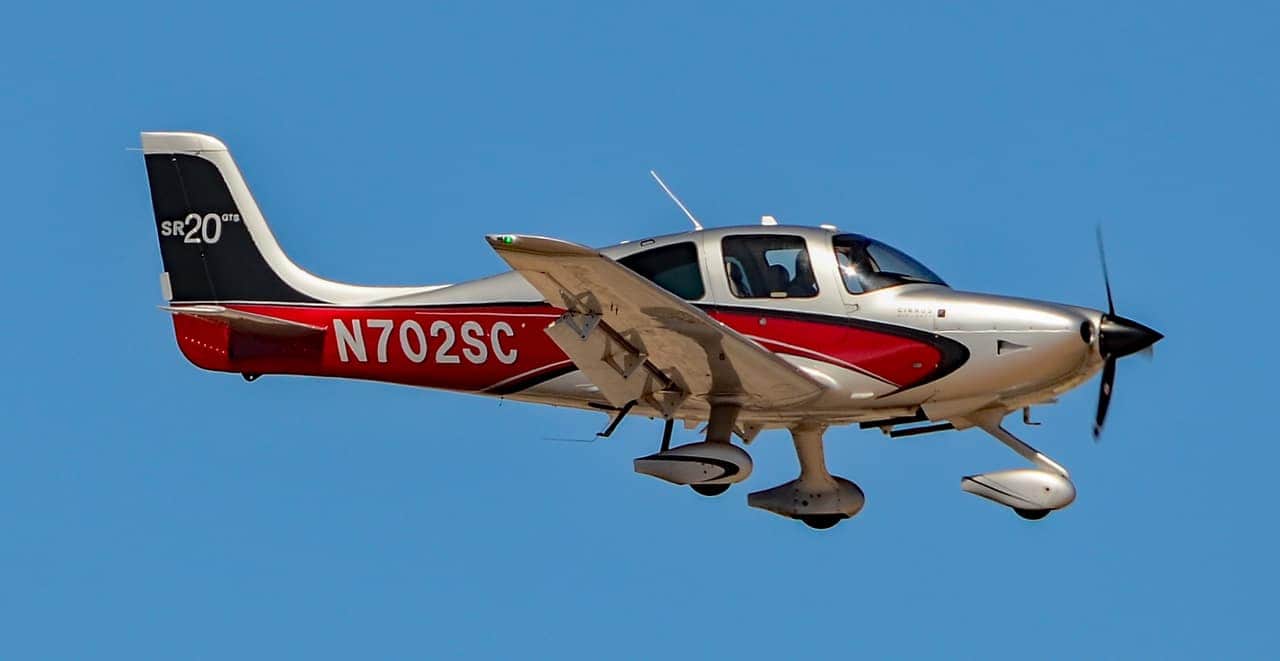
The Cirrus SR20 is a four-seat composite single-engine aircraft developed for personal and training use. It helped popularize advanced avionics and whole-airframe parachute systems in general aviation. The aircraft marked a shift toward modern safety-focused design.
Live Fleet Activity (SR20)
Fetching live data…


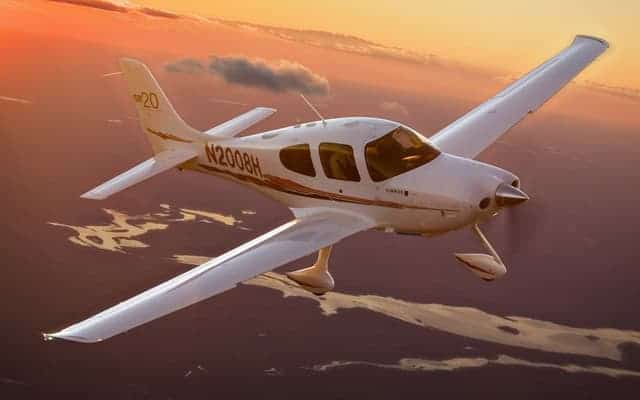
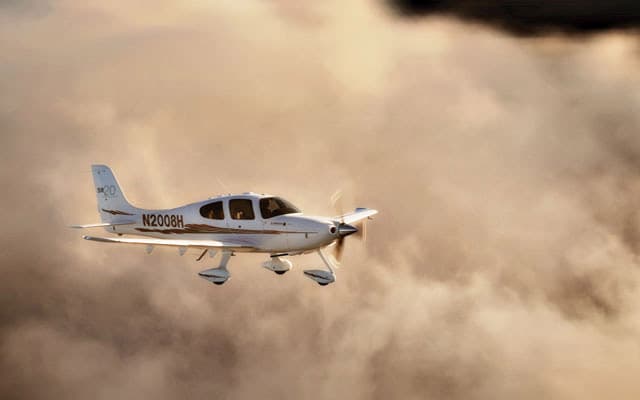

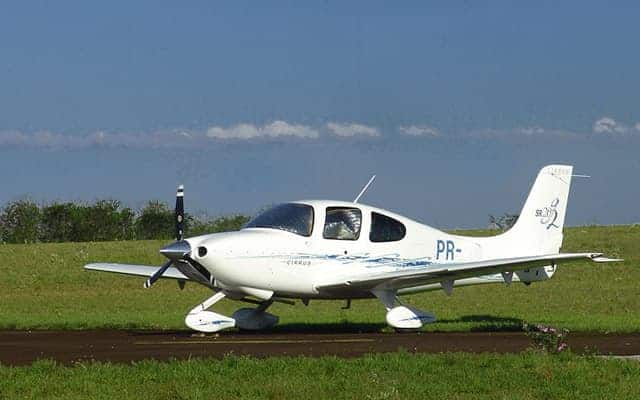
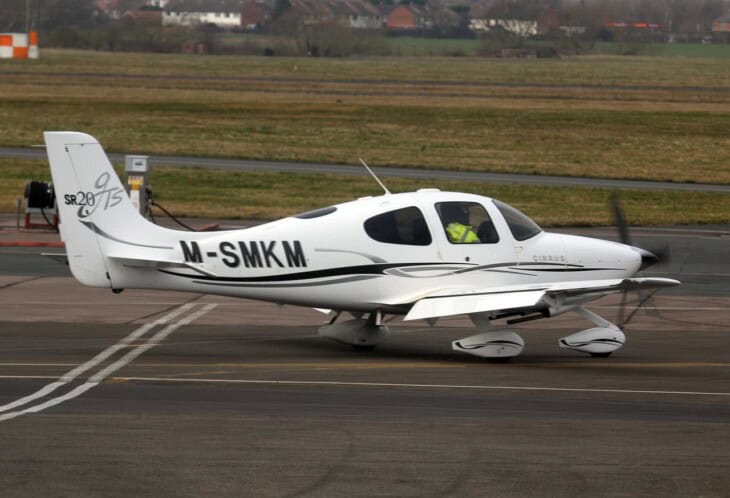
The SR20 first flew in 1995 and entered service in 1999 as Cirrus Aircraft’s initial production model. Designed with extensive composite construction, it featured a side-yoke control system and a fixed tricycle landing gear layout. One of its defining characteristics was the Cirrus Airframe Parachute System, an integrated whole-airframe recovery parachute intended to enhance occupant safety.
Powered by a Continental IO-360 piston engine producing approximately 200 horsepower, the SR20 cruises at around 155 knots (285 km/h). Maximum takeoff weight is roughly 3,050 pounds (1,380 kg). The aircraft typically seats four occupants and has a range of approximately 800 nautical miles (1,480 km) depending on configuration.
The SR20 quickly gained traction with flight schools and private owners seeking a technologically advanced platform. Its glass cockpit avionics set a new standard in the light aircraft market. The model laid the foundation for the larger and more powerful SR22, reshaping expectations in personal aviation.