Private Single Engine
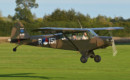
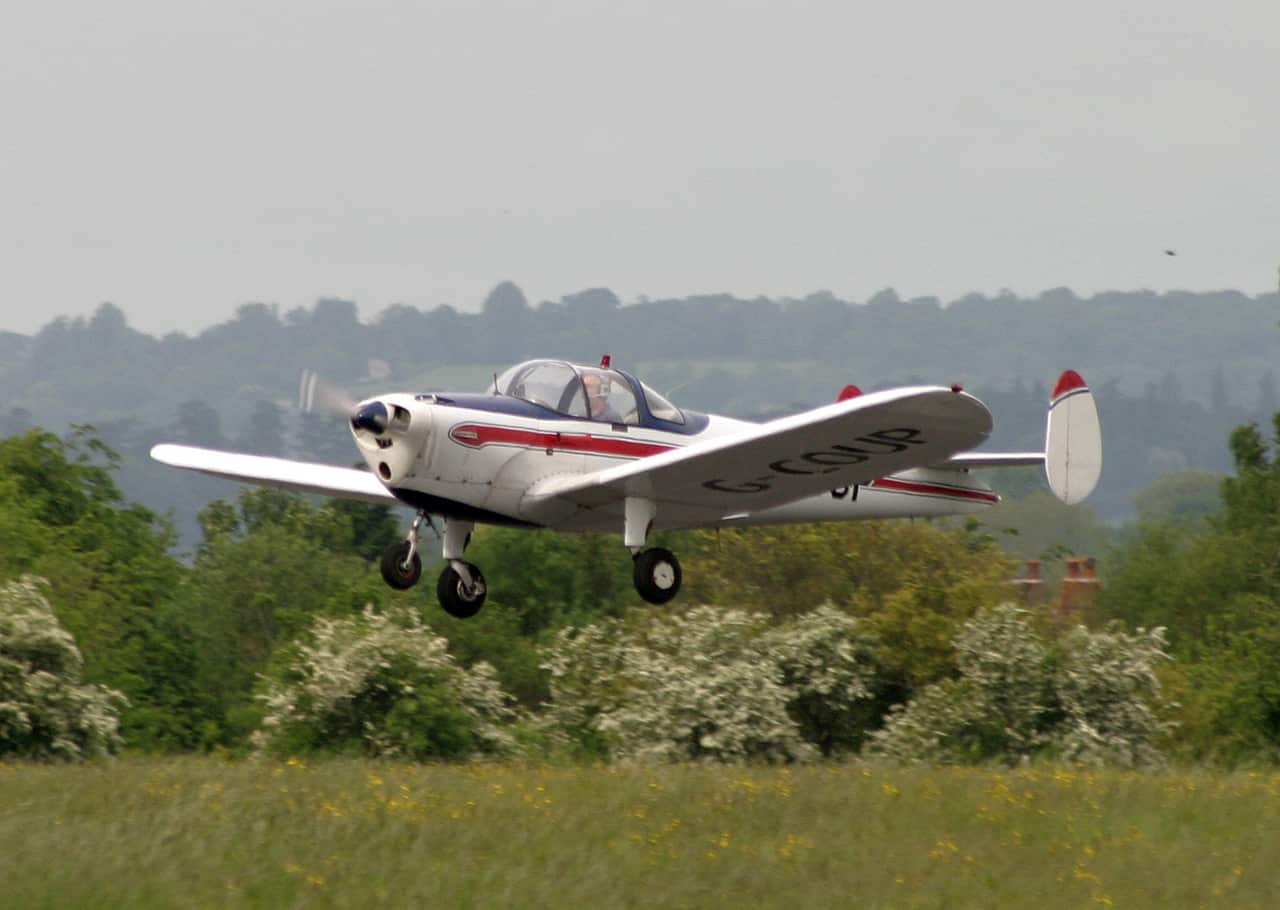
The ERCO Ercoupe was introduced in the late 1930s as a light sport aircraft. Designed with simplified controls, it aimed to make flying more accessible. The aircraft became notable for its distinctive twin-tail configuration.
The latest aviation news and stories sent to your inbox.
ERCO Ercoupe — two-seat light aircraftThe Ercoupe first flew in 1937 and entered service in 1939. It featured a low-wing configuration and interconnected controls to reduce spin risk. The aircraft was marketed as easy to fly.Powered by a Continental piston engine producing approximately 75 to 85 horsepower, cruise speed approached 100 knots (185 km/h). Maximum takeoff weight remained under 1,400 pounds (635 kg).The Ercoupe gained popularity among private pilots. Its design philosophy influenced later light aircraft safety features. Many examples remain active in recreational flying.
Live Fleet Activity (ERCO)
Fetching live data…


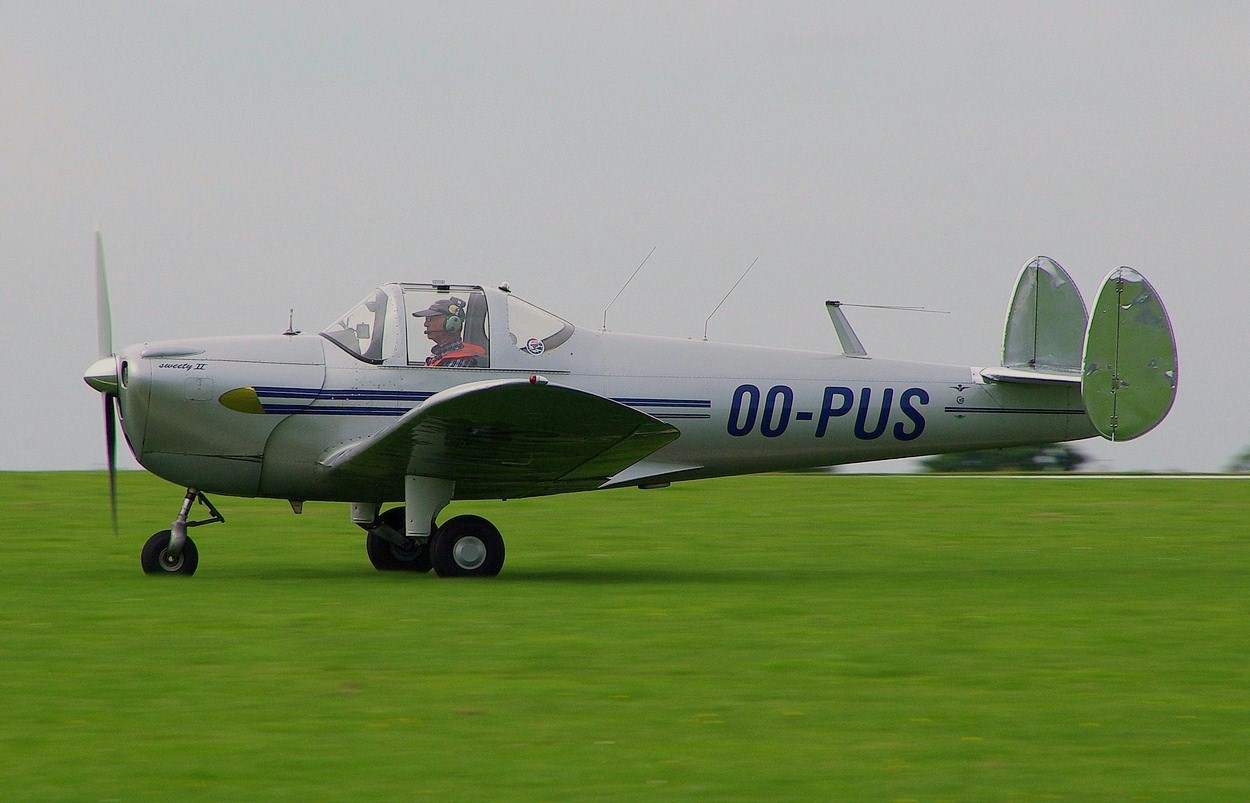

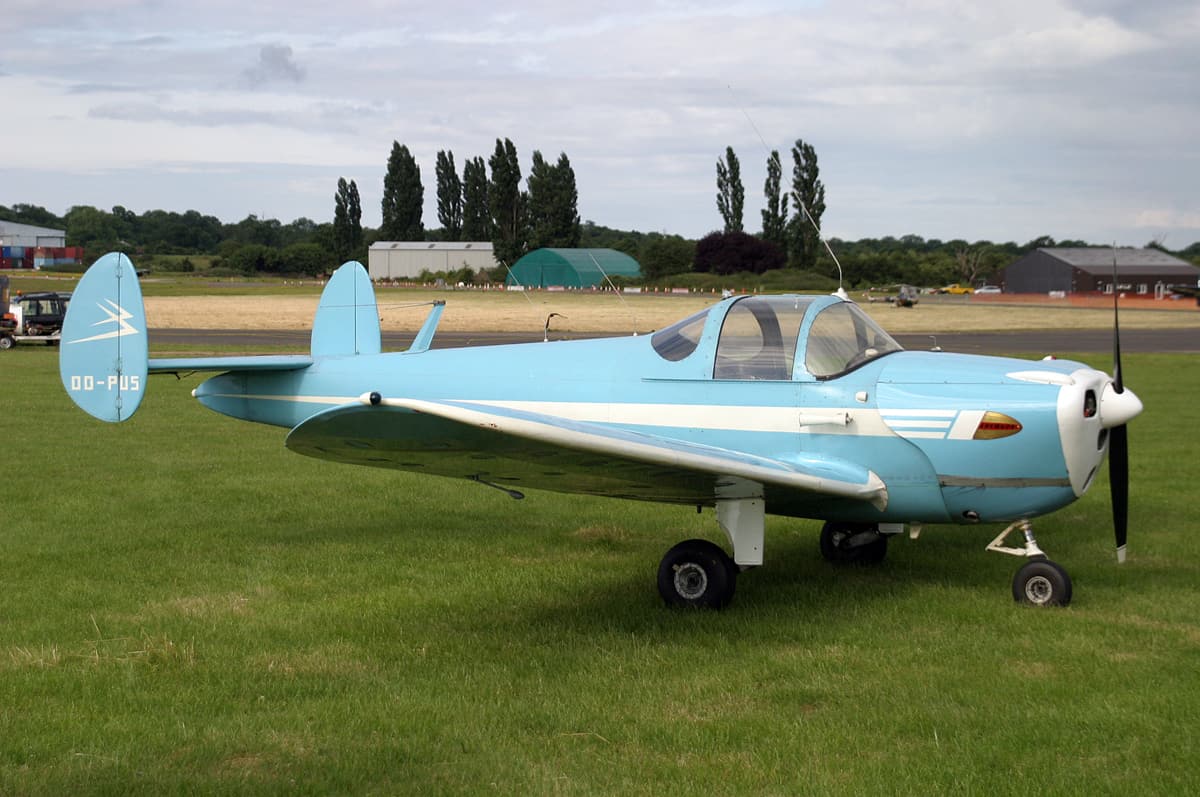


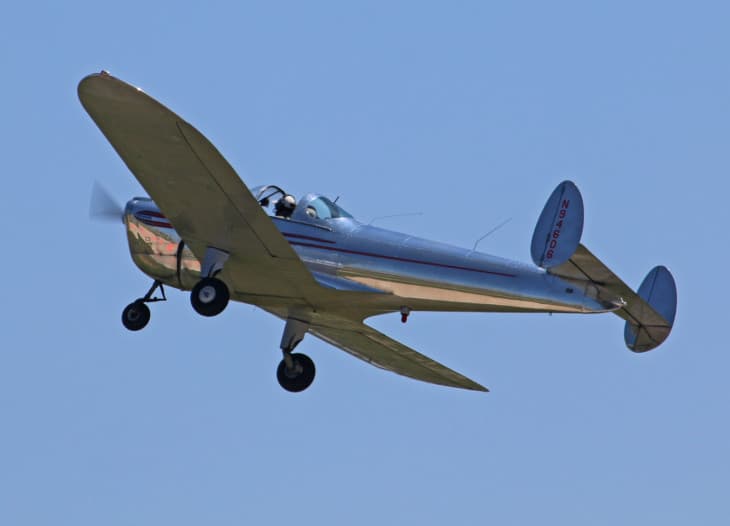
During the 1930s, Fred Weick, an aeronautical engineer of the National Advisory Committee for Aeronautics (NACA) designed an aircraft designated as W1. It was derived from the 1931 Stout Skycar light aircraft, with fabric covering, a parasol wing, a tricycle undercarriage, and a pusher configuration.
Weick became a part of the Engineering Research Company (ERCO) and modified his design to a low-wing aircraft with a tractor configuration. In October 1937, the Ercoupe 310 with a fully cowled engine took to the air for the first time. It was later designated as the Ercoupe. Aircraft production came after instantly. 112 Ercoupes were built before production ended due to the Second World War. Several aircraft manufacturers continued to produce the aircraft after the war. A total of 5,685 units were built.
The ERCO Ercoupe is a light aircraft with an external length of 6.32 meters, an external height of 1.67 meters, and a fuselage diameter of 1 meter. It has a tail height of 1.8 meters and a wheelbase of 1.7 meters. It is a low wing monoplane with a wingspan of 9.14 meters and a wing area of 13.25 square meters. The maximum takeoff weight is 572 kg, the maximum payload is 233 kg, and the fuel tank capacity is 24 US gal. The aircraft has a takeoff and landing distance of 290 meters and 310 meters, respectively.
The Ercoupe is powered by a single Continental C75-12 engine. It is a four-cylinder air-cooled horizontally opposed piston engine that produces a maximum thrust of 75 hp and drives a two-bladed variable-pitch propeller. The Ercoupe has a maximum speed of 96 knots and a cruise speed of 83 knots. The stall speed is 42 knots and the never exceed speed is 125 knots. It has a travel range of 260 nautical miles. The aircraft can fly up to 13,000 feet and can climb at a rate of 550 feet per minute.
Sources and references used for research and fact-checking.