Private Single Engine
The turboprop trainer built for modern military instruction
The latest aviation news and stories sent to your inbox.
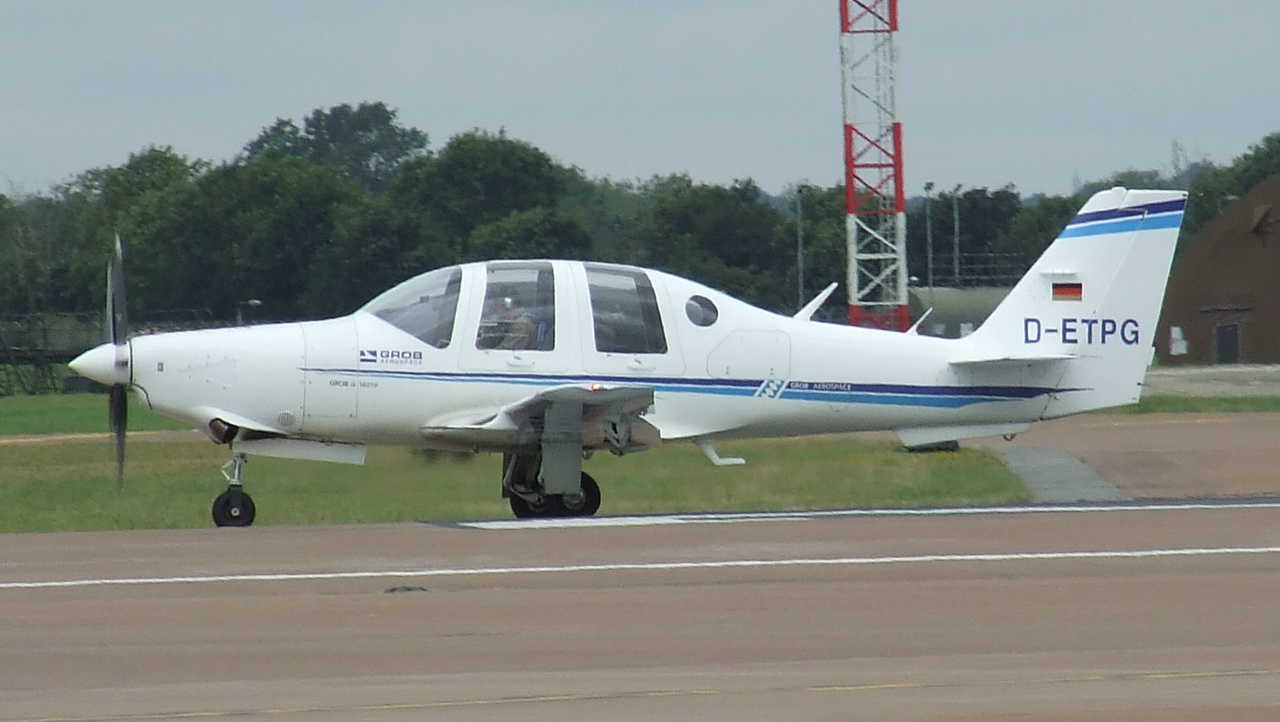
The Grob G 140TP is a turboprop training aircraft developed for military pilot training programs. Designed to bridge the gap between basic piston trainers and advanced jet trainers, it offers modern avionics and economical operation. The aircraft supports ab initio and advanced training phases.
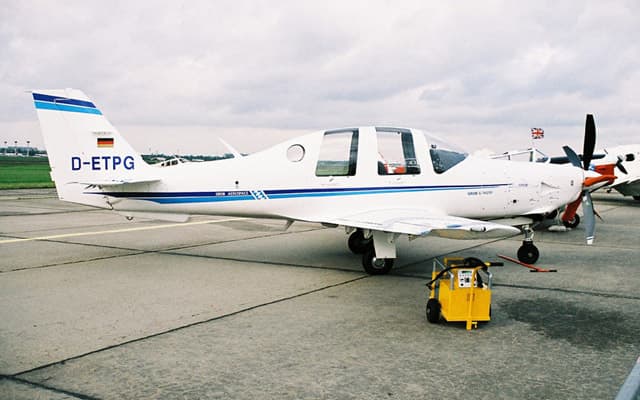
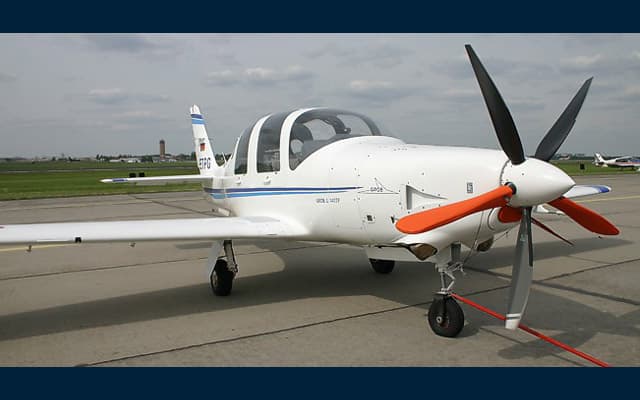
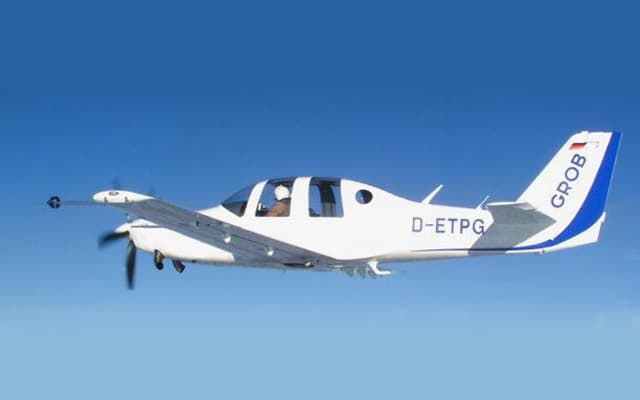
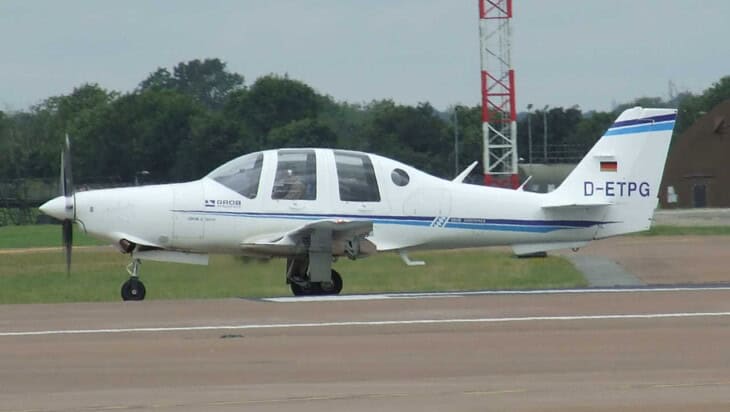
The G 140TP was introduced in the 2010s as a turboprop development of Grob’s composite training aircraft lineage. It features a low-wing configuration and composite construction to reduce weight and maintenance requirements. The aircraft was selected by several air forces seeking cost-effective modern training solutions.
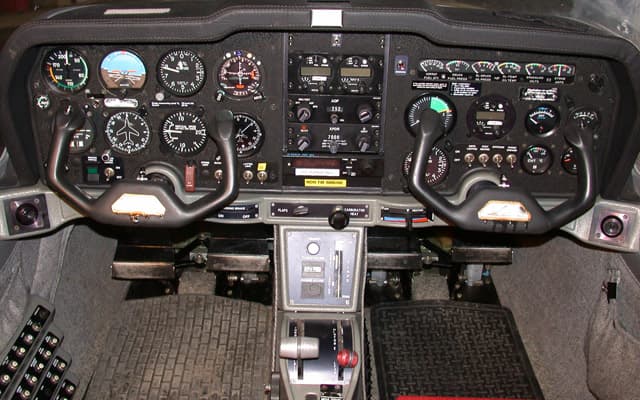
Powered by a Rolls-Royce M250 turboprop engine producing approximately 450 shaft horsepower, the G 140TP cruises at around 230 knots (425 km/h). Maximum takeoff weight is about 3,200 pounds (1,450 kg). The cockpit incorporates glass avionics similar to those found in advanced trainers.
The aircraft allows student pilots to gain experience with turbine power and modern instrumentation before transitioning to jet aircraft. Its operating costs are lower than those of jet trainers while offering comparable avionics exposure. The G 140TP reflects the evolving approach to military pilot training.