Private Single Engine
Beechcraft Bonanza G36
ICAO: BE36
The clean-sheet turboprop built to compete in the high-performance single-engine market.

The latest aviation news and stories sent to your inbox.
The Cessna Denali is a single-engine turboprop developed as a competitor in the high-performance utility segment. Announced in the 2010s, it introduces a new engine and modern avionics. The aircraft is intended for corporate and regional operations.


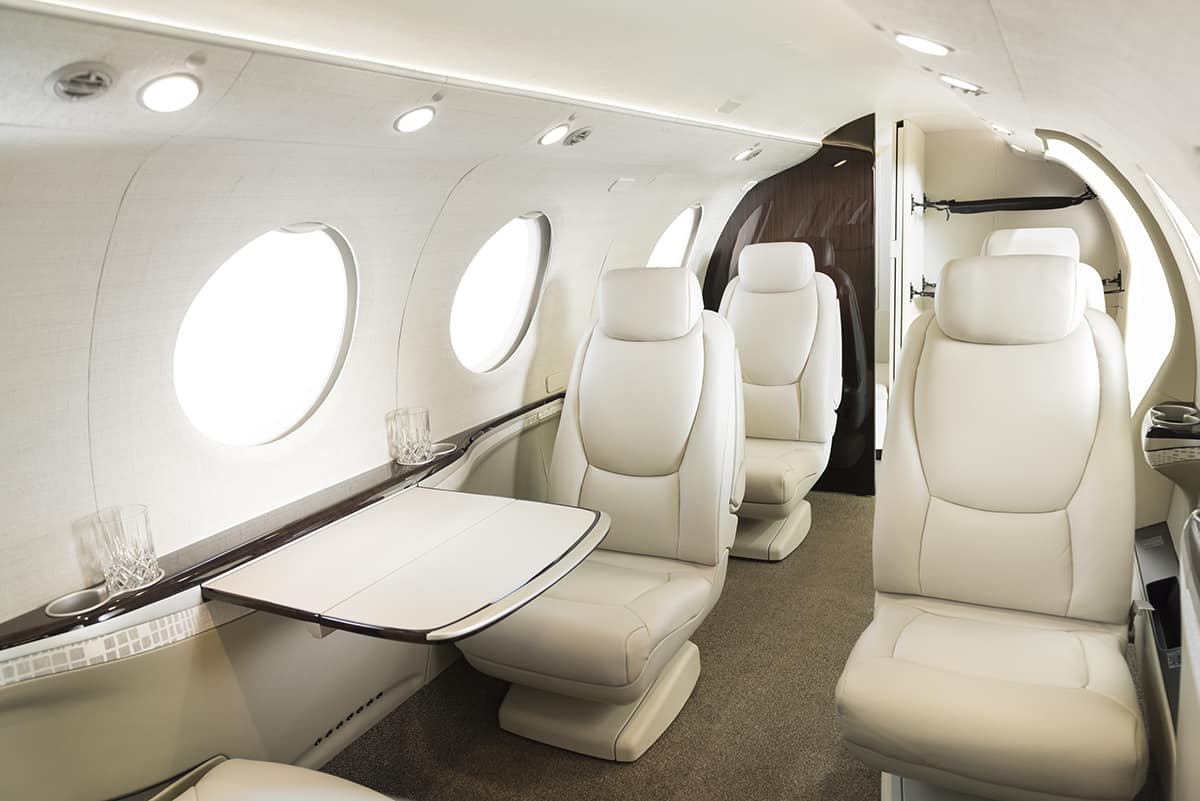

The Denali first flew in 2021 and is undergoing certification. It features a composite wing and advanced Garmin avionics suite. The aircraft was designed to compete with established single-engine turboprops in the executive and utility markets.
Powered by a General Electric Catalyst turboprop engine producing approximately 1,300 shaft horsepower, the Denali is projected to cruise at around 285 knots (528 km/h). Maximum takeoff weight exceeds 8,000 pounds (3,629 kg). Seating typically accommodates up to nine occupants.
The Denali represents Textron Aviation’s return to clean-sheet turboprop development. It aims to offer competitive speed and cabin comfort. Certification and entry into service are ongoing.
Sources and references used for research and fact-checking.