Private Single Engine
The third single-engine piston pressurized aircraft
The latest aviation news and stories sent to your inbox.
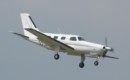
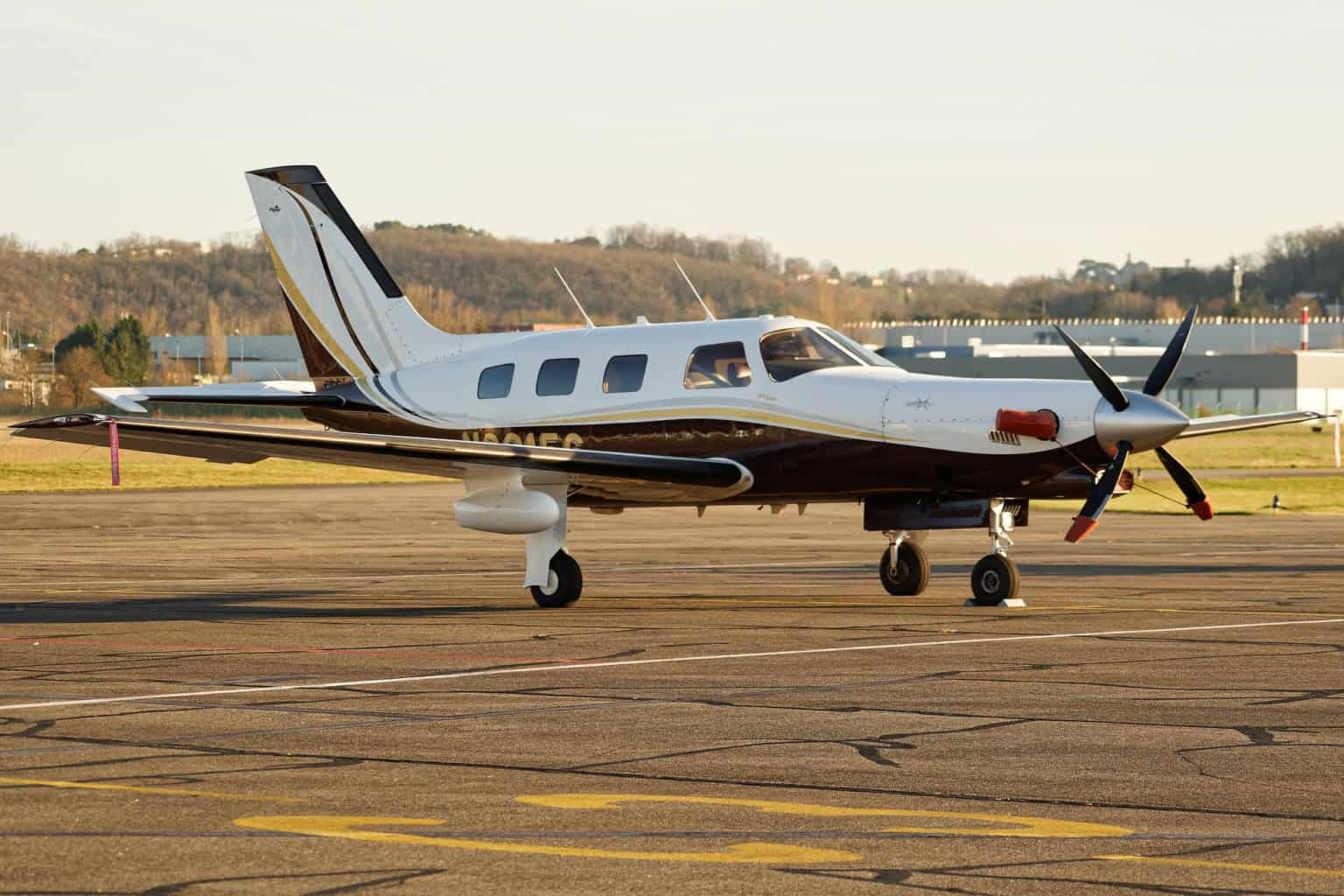
The Piper PA-46 Malibu is designed by Piper Aircraft as a single-engine light aircraft that can carry one pilot and up to five passengers. It was produced from 1979 to the present and was the third single-engine piston aircraft designed with a pressurized cabin to enter the aviation market.
Live Fleet Activity (PA46)
Fetching live data…


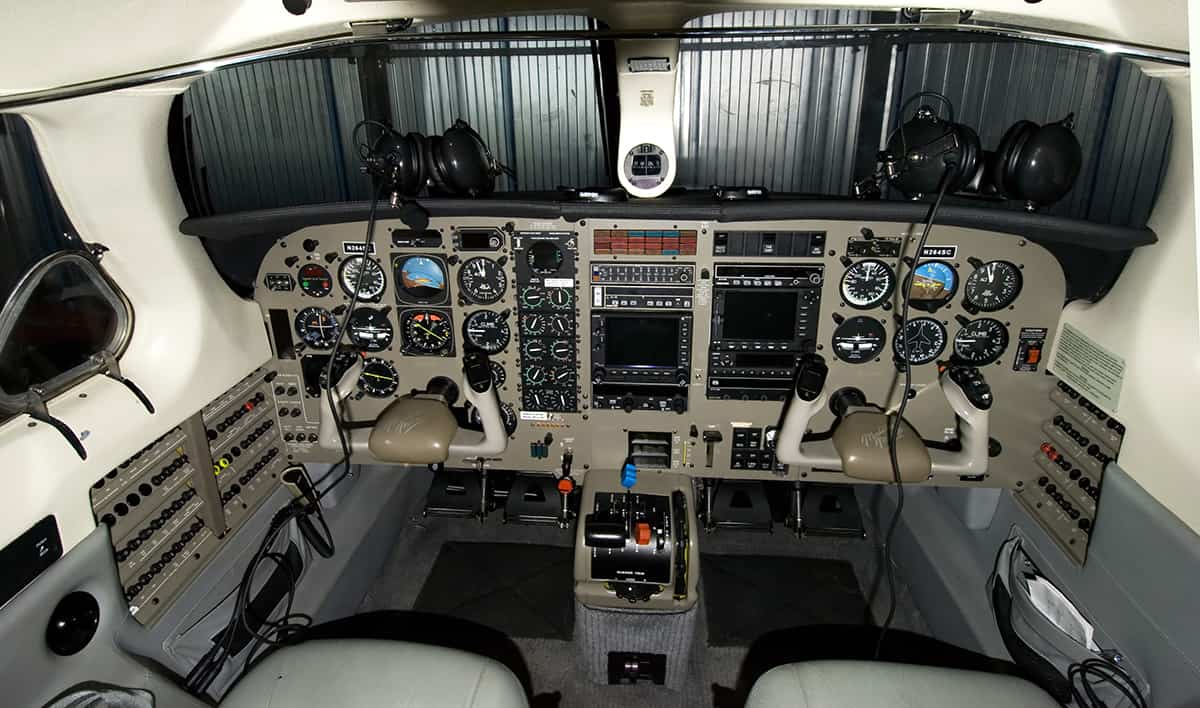


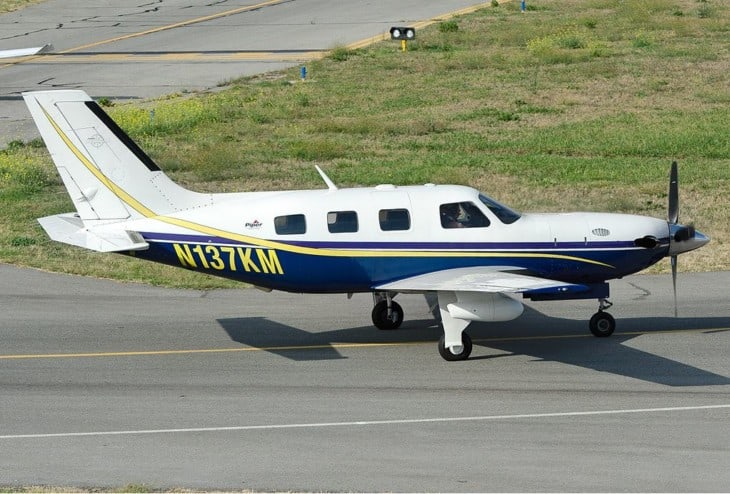
In the late 1970s, developmental work on the Piper Pa-46 started. On November 30, 1979, the first prototype designated as PA-46-300T took to the sky for the first time. In August 1982, the first production variant designated as PA-46-310P Malibu conducted its maiden flight and in November of the same year, the aircraft was announced to the public.
The PA-46 was developed to rival against the P210 Centurion of Cessna. In September 1983, the PA-46 was awarded its Federal Aviation Administration certificate. After two months, aircraft deliveries started. A total of four hundred and four PA-46-310Ps powered by Continental TSIO-520 engines were produced before it was taken over by the PA-46-350Ps in production.
The Continental engine of the PA-46-310P produces a maximum thrust of 310 horsepower. It features lesser fuel consumption, extended range, and the capability to cruise while burning fuel with an excess of air in an internal combustion engine.
The version has 1,055 nautical miles of cruising range and has obtained different world records in terms of speed. On November 23, 1987, it flew from Seattle to New York at 225 knots; on January 4, 1989, from Detroit to Washington DC at 344 knots and on January 8 from Chicago to Toronto at 382 knots.
The aircraft has a service ceiling of 30,000 feet and a rate of climb of 1,556 feet per minute. The takeoff distance is 743 meters while the landing distance is 643 meters. The PA-46-310P has a maximum takeoff and landing weight of 2,310 kg and 2,199 kg, respectively. It has a maximum payload of 660 kg and a fuel capacity of 120 gallons.
The PA-46-310P Malibu has an exterior length of 8.6 meters, an exterior height of 2.1 meters, a tail height of 3.4 meters, and a fuselage diameter of 1.3 meters. It has a wheelbase of 2.4 meters and a wingspan of 13.1 meters. The cabin height is 1.19 meters, the cabin width is 1.24 meters, and the cabin length is 3.7 meters.
Sources and references used for research and fact-checking.