Private Single Engine
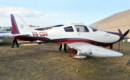
Cessna 350 Corvalis
ICAO: COL3
The trainer that taught generations to fly
The latest aviation news and stories sent to your inbox.
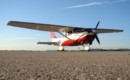
The Cessna 150 became one of the most popular training aircraft in aviation history. Simple, economical, and forgiving in flight, it introduced thousands of student pilots to the fundamentals of powered flight and remains a familiar presence at small airports around the world.
Live Fleet Activity (C150)
Fetching live data…

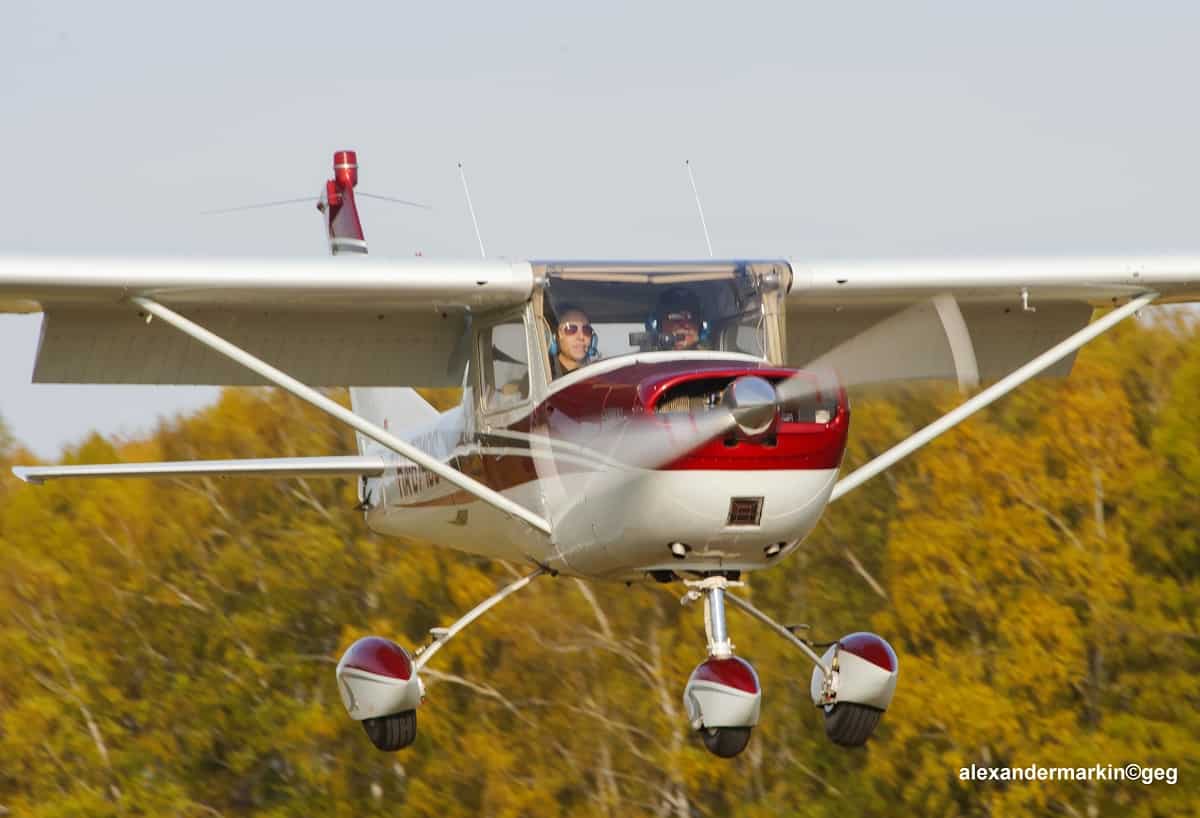


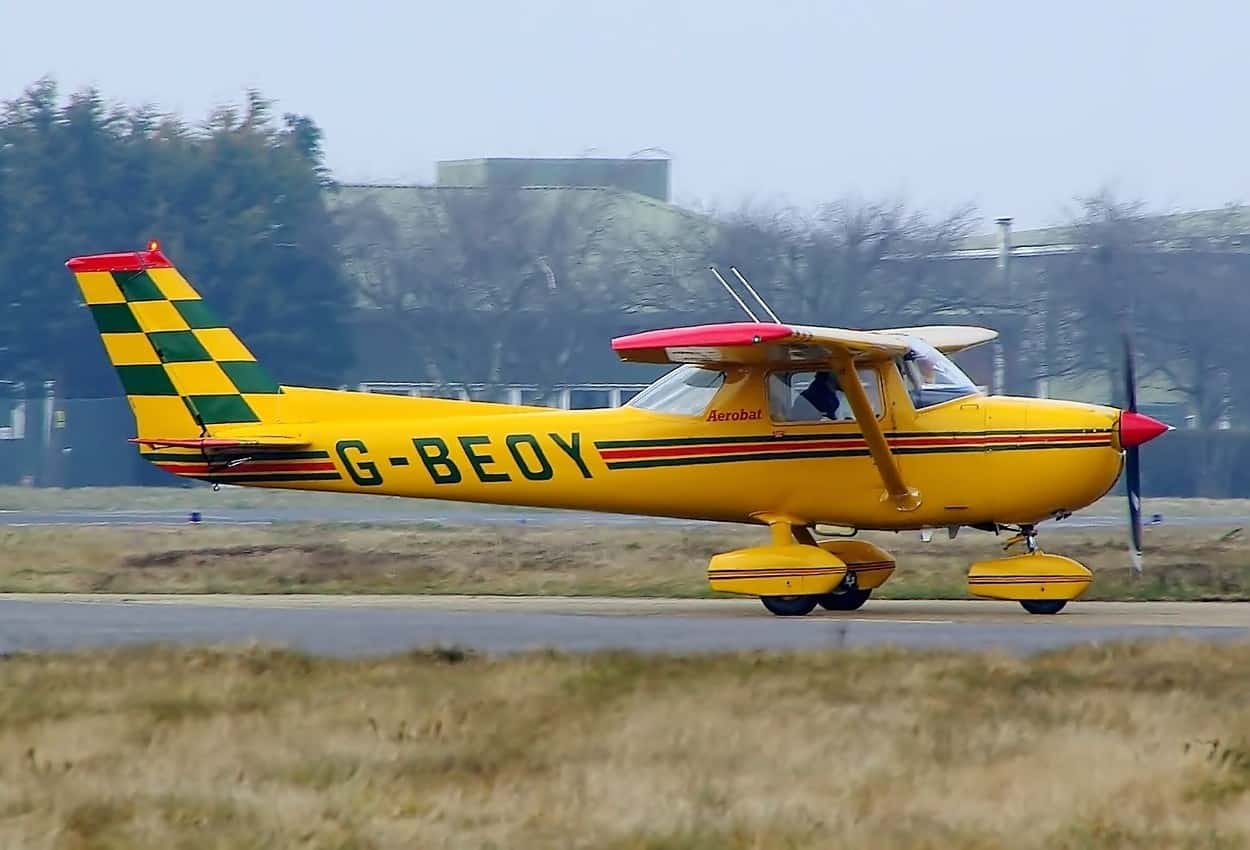


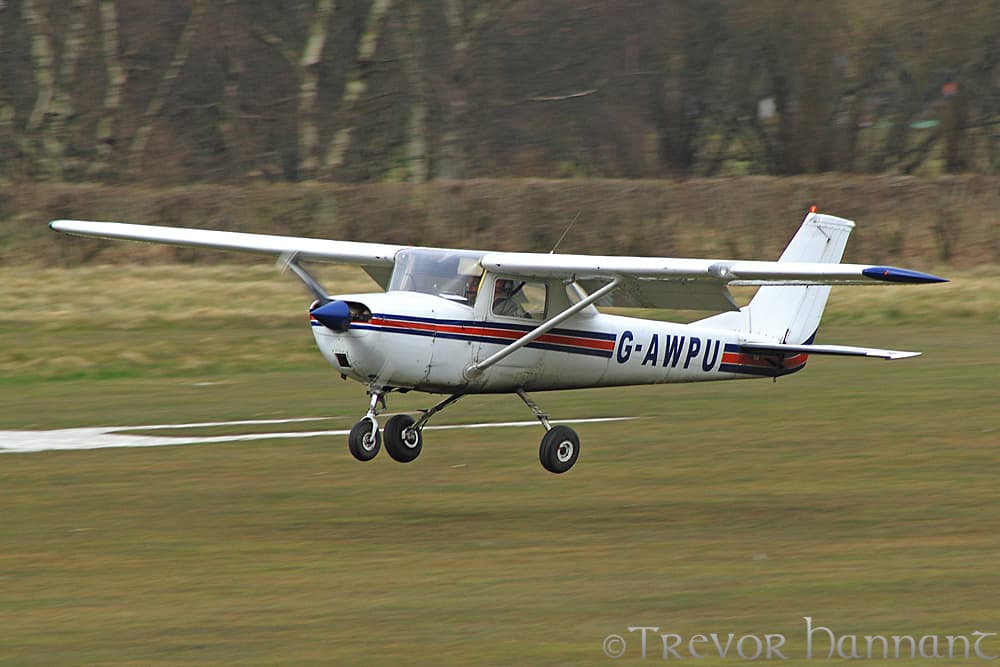
The Cessna 150 was introduced in 1958 as a two-seat, single-engine light aircraft designed primarily for pilot training and personal use. Developed as a successor to the Cessna 140 taildragger, it featured a tricycle landing gear configuration that made ground handling easier for student pilots. The aircraft quickly gained popularity with flight schools thanks to its stable flight characteristics and low operating costs.
Powered by a Continental four-cylinder piston engine producing around 100 horsepower, the Cessna 150 offered modest cruise speeds but dependable performance. Its high-wing design provided good visibility and inherent stability, traits that made it well suited for teaching basic maneuvers, takeoffs, and landings.
Over its production run, which lasted until 1977, more than 23,000 units were built, making it one of the most widely produced light aircraft in history. Minor improvements were introduced over the years, including increased gross weight and refined avionics options, but the aircraft retained its core simplicity.
Although later succeeded by the Cessna 152, the Cessna 150 remains active in private ownership and training roles. Its straightforward design and proven reliability secured its reputation as one of the defining primary trainers of the modern era.
Cessna initiated the program to supply a low-cost, easy-to-maintain trainer and personal aircraft that could be operated by small flight schools. The intent emphasized predictable handling, straightforward systems, and compatibility with existing pilot training syllabi. Marketing targeted the expanding civil aviation training market and owner-operators seeking low acquisition cost.
Initial airframes were used to validate handling qualities, structural loads, and manufacturing processes. Flight testing concentrated on stall behavior, control harmony, and ground handling under student-pilot conditions. Structural testing examined load paths and the effects of repetitive training use on airframe fatigue life.
Manufacturing practices emphasized simple assembly and parts commonality with other Cessna products of the era. Subcontractor networks supplied basic systems and fittings, allowing relatively quick replacement of serviceable components. Support infrastructure for maintenance and spare parts grew in parallel with operator demand.
The airframe uses conventional metallic construction with external control surfaces and a straightforward attachment method for wing bracing. The cockpit layout places primary flying controls within close reach to facilitate instruction, with a modest baggage space behind the seats. Interior finishes were utilitarian, favoring durability over comfort.
Flight controls use conventional cable and pushrod linkages routed for accessible maintenance. Landing gear is fixed with shock absorption designed for frequent short-field cycles. The propeller system on production aircraft is a simple, maintenance-friendly design intended to limit downtime in training operations.
Avionics installation in early examples reflected basic visual flight requirements. The instrument stack left space for upgrades, and many operators later installed radios, transponders, navigation aids, and modern GPS units. Electrical and vacuum systems were kept minimal to reduce failure modes during initial instruction.
Distinctive features include generous glazing for visual reference during instruction and large access panels to simplify routine inspections. The structural approach prioritized straightforward repairability, enabling airframe and skin panel replacement without complex jigs or factory intervention in many cases.
Piloting characteristics emphasize low-speed controllability and a forgiving stall regime, facilitating student recovery training. Cruise performance is adequate for local training flights and short cross-country lessons, but not optimized for high-speed transit. Fuel consumption and endurance match typical sortie lengths used by primary schools.
Rate of climb is sufficient for pattern work and normal training missions, though performance diminishes with full load and at high-density altitude airports. The aircraft operates most effectively from paved or well-maintained grass strips; soft-field operations require careful loading and technique.
Service ceiling and pressurization are not features of the design, keeping operations within the lower-altitude environment of primary instruction. Payload capacity limits the number of occupants and baggage that can be carried when full fuel is used, shaping mission planning for dual instruction versus solo flights.
Operational limitations include the absence of advanced systems such as anti-ice or complex powerplants, which confines typical use to non-icing conditions unless specifically modified. Engine-out procedures and forced-landing planning form part of standard training syllabi using this type.
The production line encompassed multiple series with incremental equipment and structural changes intended to address operator feedback. Later blocks incorporated improved interior appointments, optional equipment packages, and modest airframe reinforcements to extend useful service life in demanding training environments. Changes were evolutionary rather than radical.
One factory-offered derivative was strengthened for limited aerobatic maneuvers, with additional structural reinforcement and specific equipment to support negative-g or inverted attitudes within approved limits. That model carried restrictions in operating envelope and required distinct pilot qualification for aerobatic instruction.
Special-installation and aftermarket modifications created further subtypes, including improved avionics packages, alternate propeller choices, and refinements to cabin ergonomics. Several approved supplemental type certificates allowed conversion for specialized roles while retaining the basic airframe and handling characteristics.
Flying schools and rental operations adopted the type for ab-initio syllabi, pattern work, and navigation training. Clubs and private owner-operators found the aircraft economical to operate for short hops and recurrent instruction. International civil operators used it where light, simple trainers were required.
Maintenance histories highlight routine corrosion control and attention to hinge and attachment areas subjected to training cycles. The availability of replacement components and a broad maintenance knowledge base reduced downtime for many operators. Airframes frequently undergo periodic refurbishment to extend serviceability.
Fleet use emphasized predictable scheduling for repeated short flights, a high frequency of takeoff and landing cycles, and intensive airframe inspection regimes. Operators often standardized training syllabi around the type, simplifying instructor transition and student progression from initial dual instruction to supervised solo flights.
Common commercial adoption patterns saw flight schools pairing this aircraft with advanced trainers to create a complete progression for pilot education. Many clubs retained examples for decades, using them for proficiency flights and basic instrument practice where appropriately equipped.
The design demonstrated the viability of a low-cost, easily maintained primary trainer that met broad civil pilot training needs. Its durable construction and simplicity informed expectations for basic trainer performance and maintenance workload in general aviation training fleets.
Aftermarket support and a large technician community evolved to sustain long-term operation, illustrating how commonality and serviceability contribute to fleet longevity. The airframe served as a practical case study in balancing acquisition cost, operating economy, and training effectiveness.
The program highlighted the importance of providing straightforward upgrade paths for avionics and minor structural improvements, enabling operators to keep airframes relevant as training standards and equipment requirements changed. The aircraft’s continued presence in private hands reflects the practical advantages of a design optimized for basic instruction and low operating complexity.
Sources and references used for research and fact-checking.