Private Single Engine
Mooney M20TN Acclaim / Type S
ICAO: M20T
The Mooney M10 Cadet was developed in the late 1960s as a basic trainer. Unlike traditional Mooney designs, it featured fixed landing gear and simplified systems. The aircraft aimed to attract entry-level pilots.
The latest aviation news and stories sent to your inbox.
Mooney M10 Cadet — single-engine piston trainerThe M10 entered service in 1968 as Mooney sought to expand into the training market. It featured a low-wing configuration but lacked the retractable gear typical of other Mooney models. The aircraft emphasized lower acquisition and maintenance costs.Power was provided by a Continental piston engine producing roughly 100 horsepower. Cruise speed was around 110 knots (204 km/h). Maximum takeoff weight was under 1,600 pounds (726 kg), suitable for two-seat training missions.The Cadet saw limited production and was discontinued after only a few years. Despite its short run, it represents an unusual chapter in Mooney’s product history. Surviving aircraft are now rare examples of the company’s diversification efforts.
Live Fleet Activity (M10)
Fetching live data…

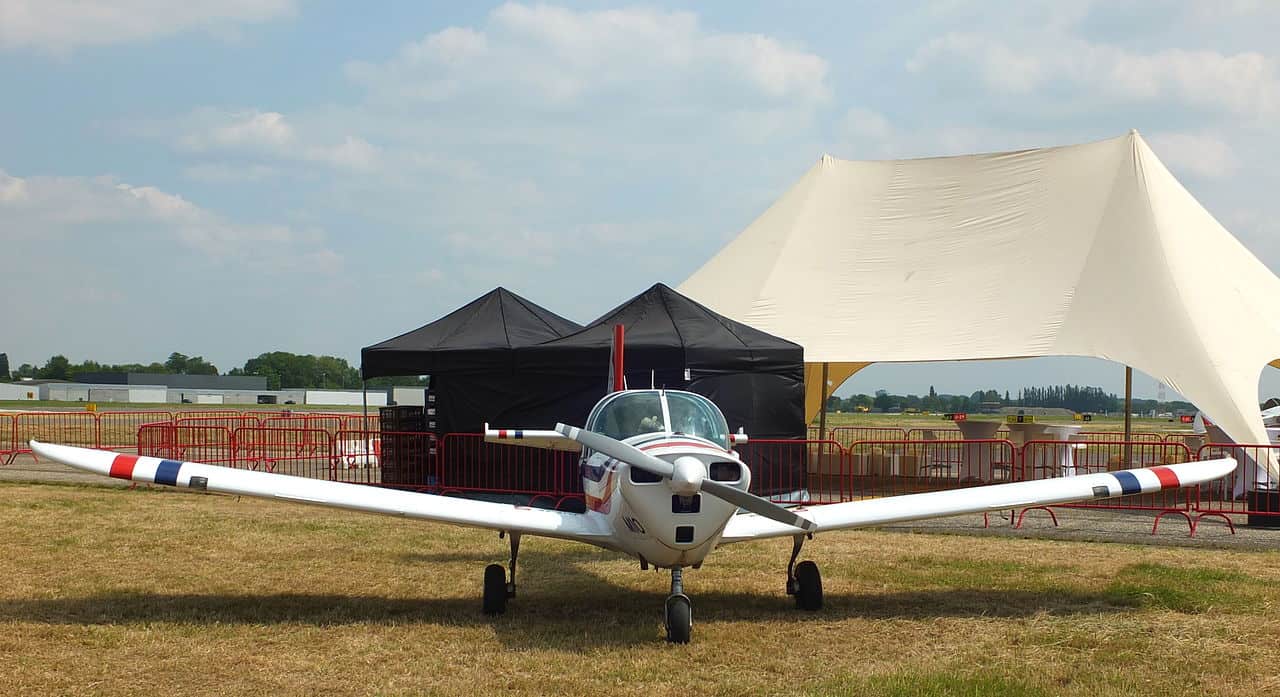


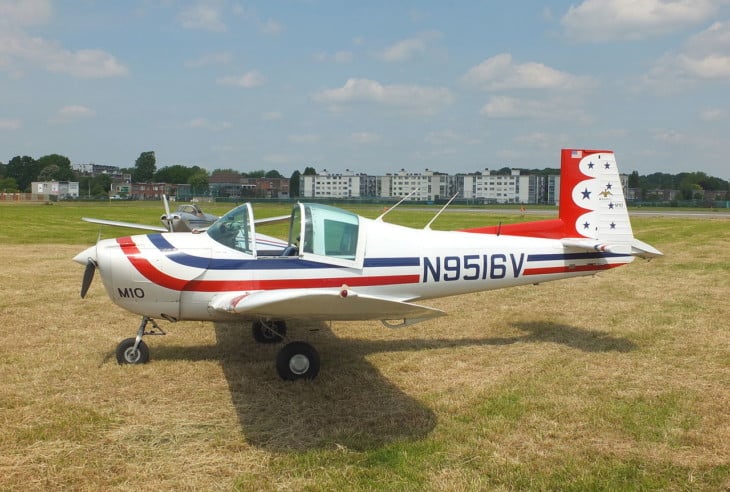
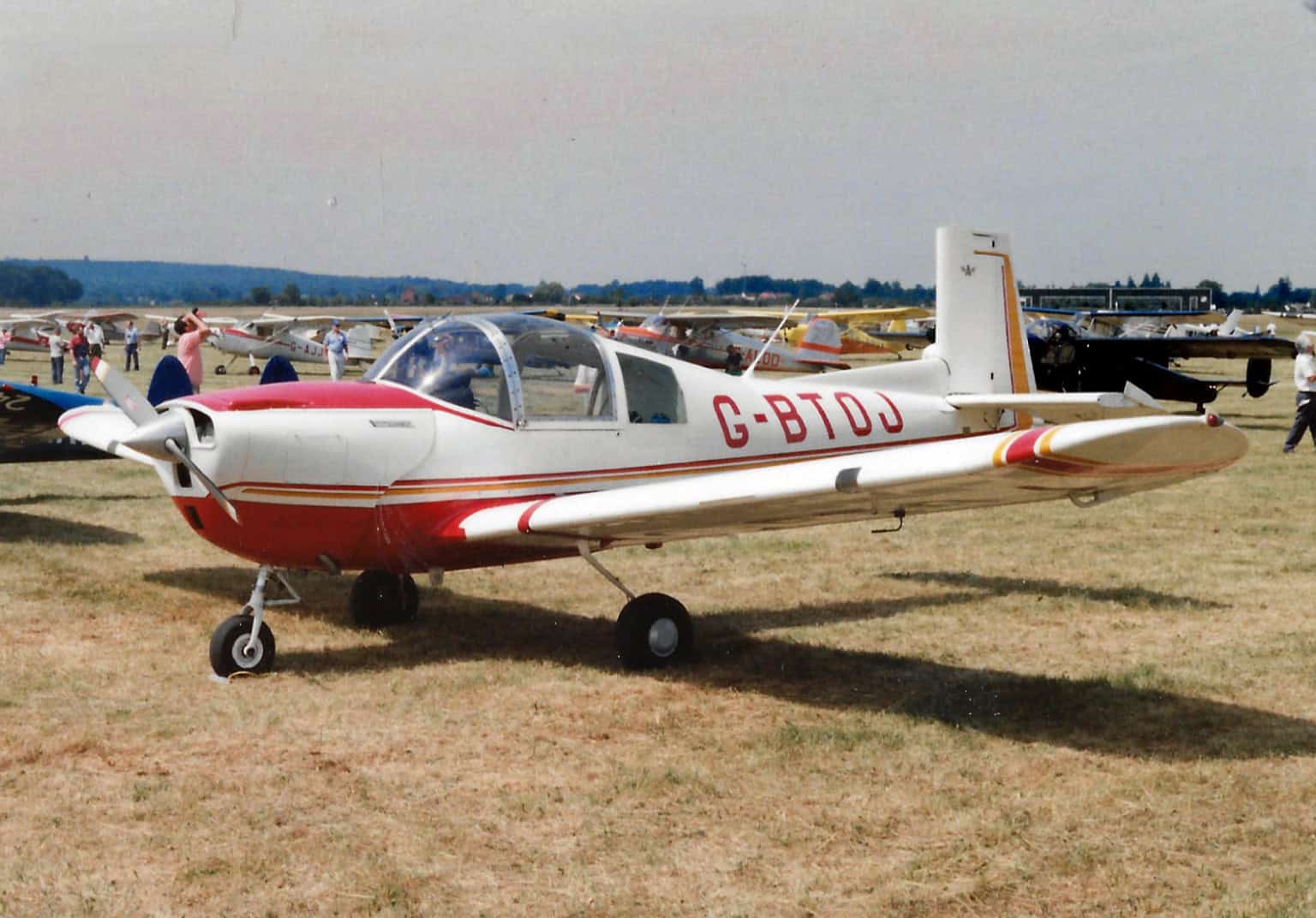
The Mooney M10 is almost identical to the Alon A2-A besides its new empennage, ailerons, as well as fuel tank vent valves. The most apparent distinction is the removal of the famous Ercoupe-style dual fin and changed it with a tail built to enable the aircraft to spin. Modifications made with the ailerons, together with the substitution of the tail of A2-A, were inspired by the intention of the company to sell a trainer M10 aircraft. The aircraft took to the air for the first time on February 23, 1968. It was manufactured from 1969 to 1970 with a total number of 59 aircraft built.
The M10 Cadet has an external length of 6.3 meters and a tail height of 2.3 meters. It has a wingspan of 9.1 meters and a wing area of 13.2 square meters. It has a 227 kg capacity of useful load. The empty weight is 431 kg, the gross weight is 658 kg, and the maximum takeoff weight is 658 kg. The fuel tank capacity is 24 US gal. The aircraft is fitted with a Narco avionics MK 12D NAV/COM with a bright gas-discharged display and automatic dimming. It features an internal VOR/LOC converter, a remote DME channeling, an automatic audio leveling, and an automatic squelch. The aircraft is also installed with a Narco AT-150 transponder.
The aircraft is fitted with a single Continental C-90-16F engine. It is a four-cylinder, air-cooled, horizontally-opposed piston engine with a vacuum pump drive provisions and a Marvel Schebler carburetor fuel system. The engine produces a maximum takeoff thrust of 90 horsepower. The M10 Cadet has a maximum speed of 103 knots and a cruise speed of 96 knots. The stall speed is 40 knots and the never exceed speed is 125 knots. It has a maximum range of 484 nautical miles. It can fly up to 12,500 feet and can climb at a rate of 835 feet per minute. The takeoff and landing distances are 290 meters and 310 meters, respectively.
Sources and references used for research and fact-checking.