

Private Single Engine
Cessna 350 Corvalis
ICAO: COL3
The single-engine turboprop built for cargo and regional passenger service.
The latest aviation news and stories sent to your inbox.
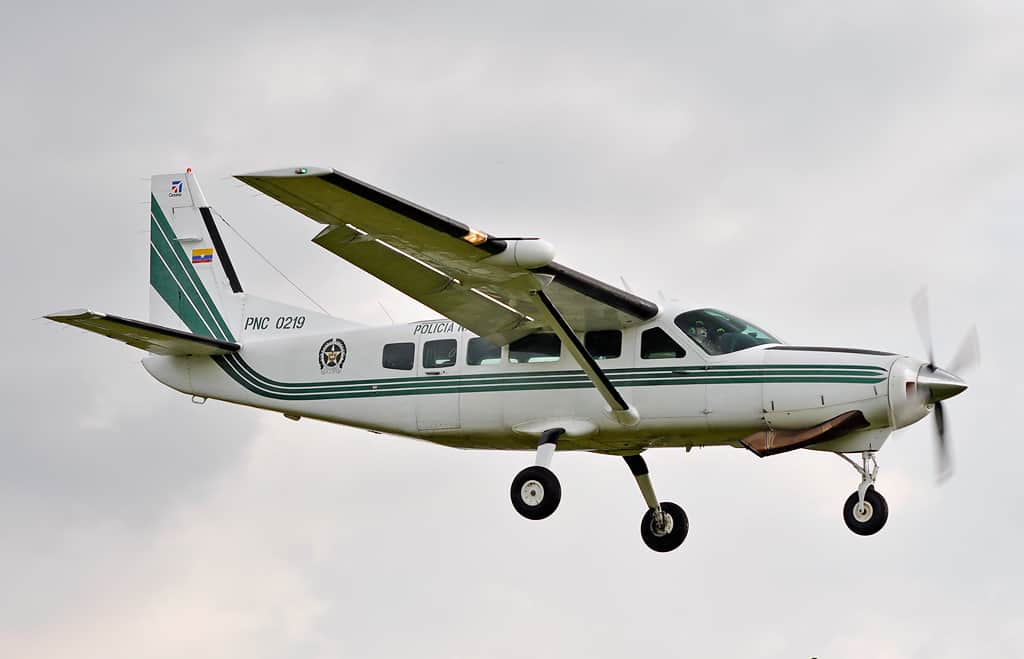
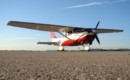
The Cessna 208 Caravan is a high-wing single-engine turboprop introduced in the 1980s. Known for durability and versatility, it serves cargo, commuter, and special mission operators. The aircraft is widely used in remote environments.
Live Fleet Activity (C208)
Fetching live data…
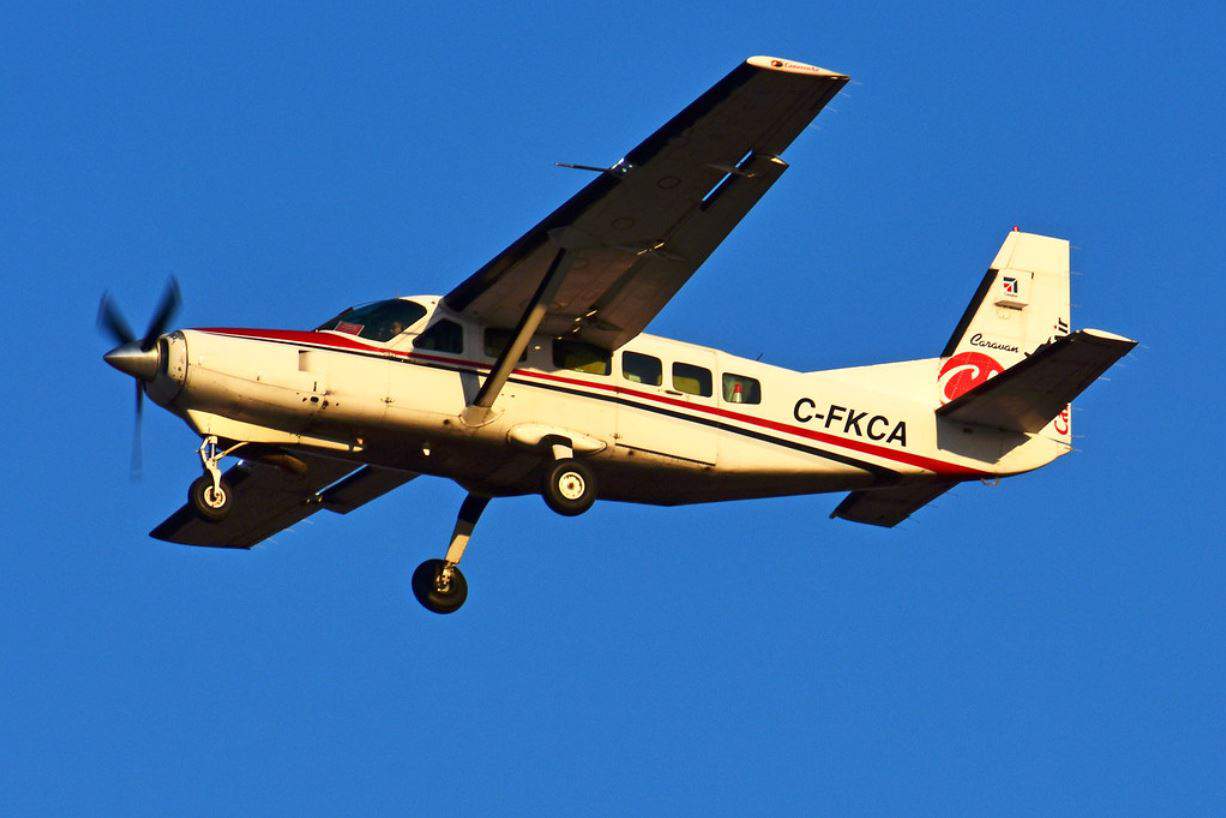
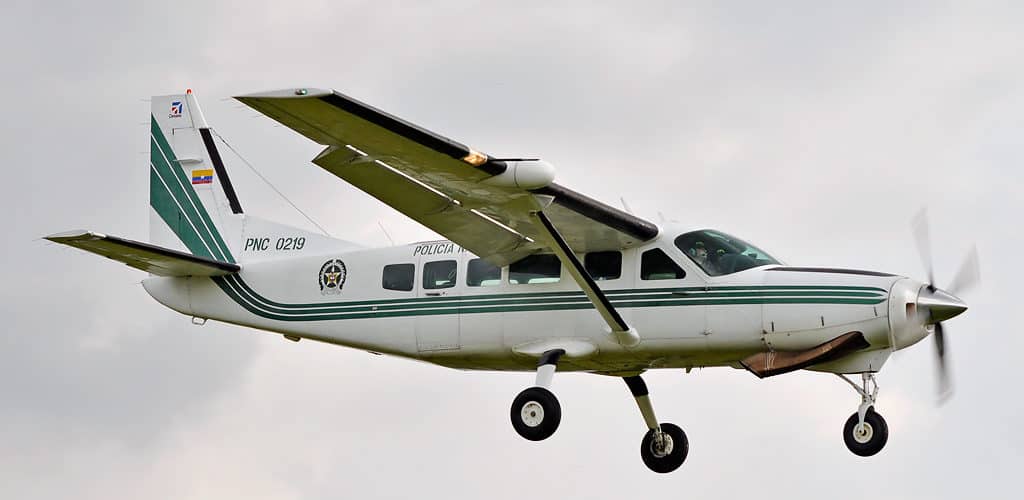
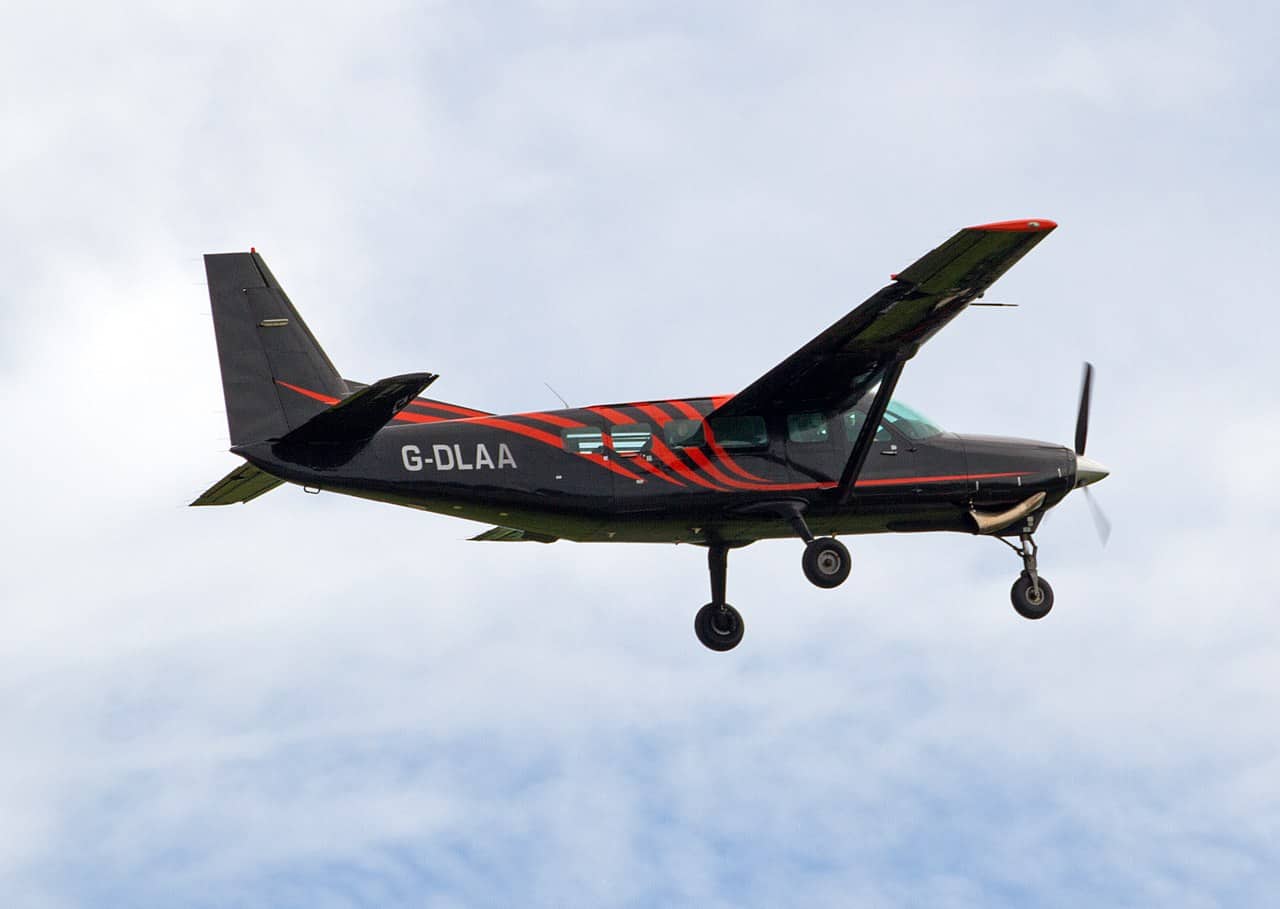
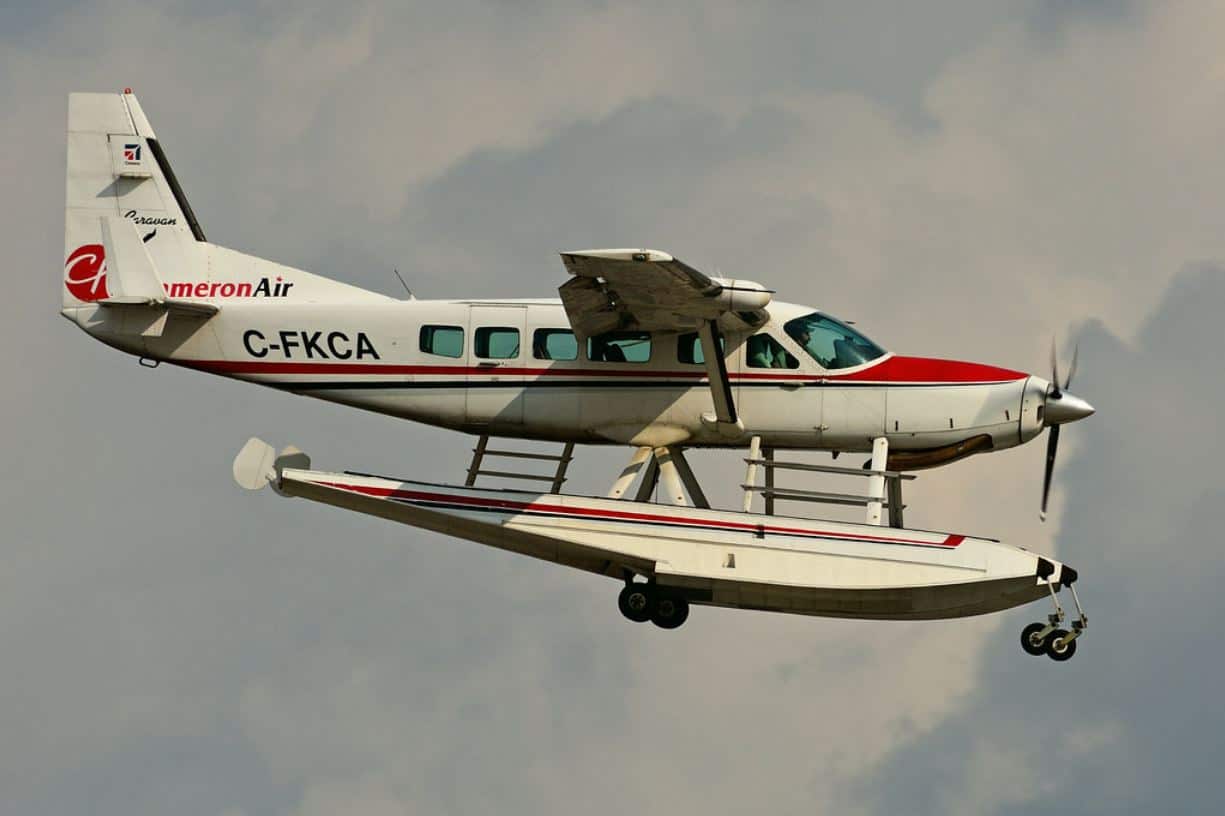


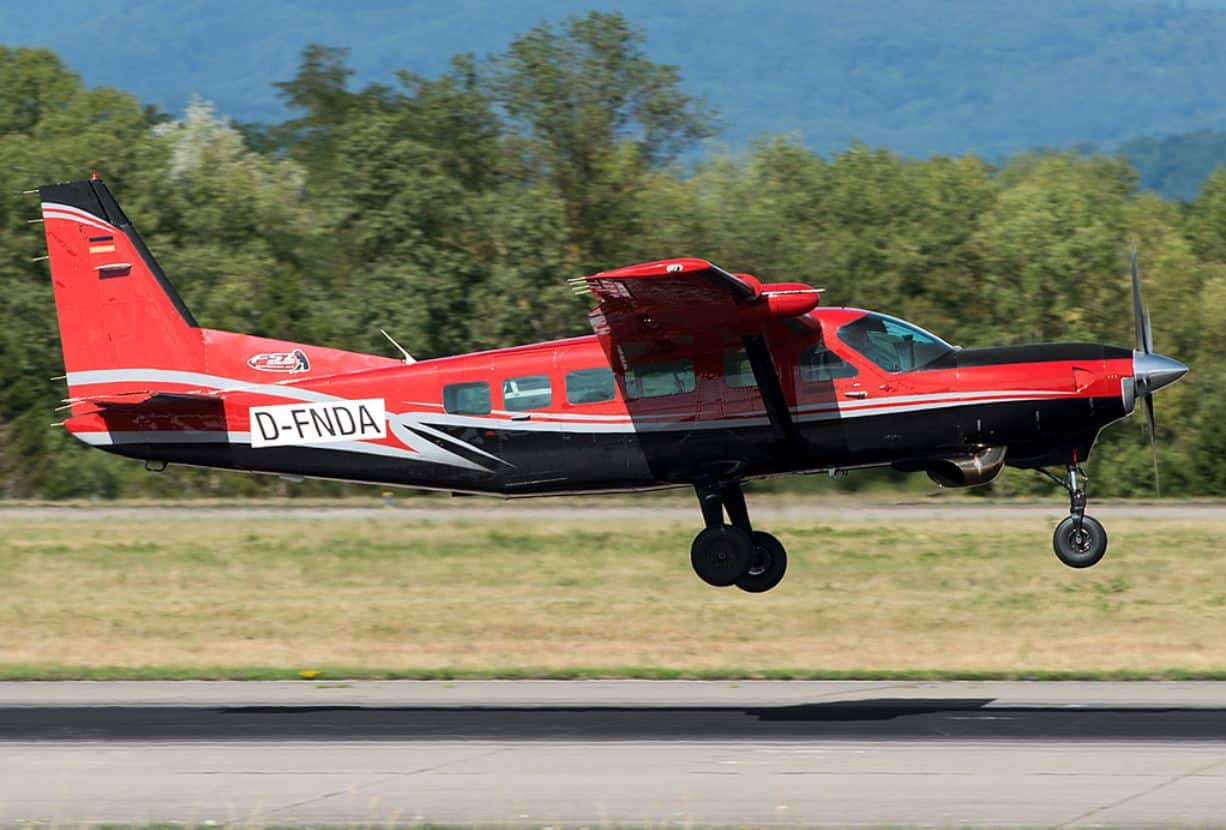


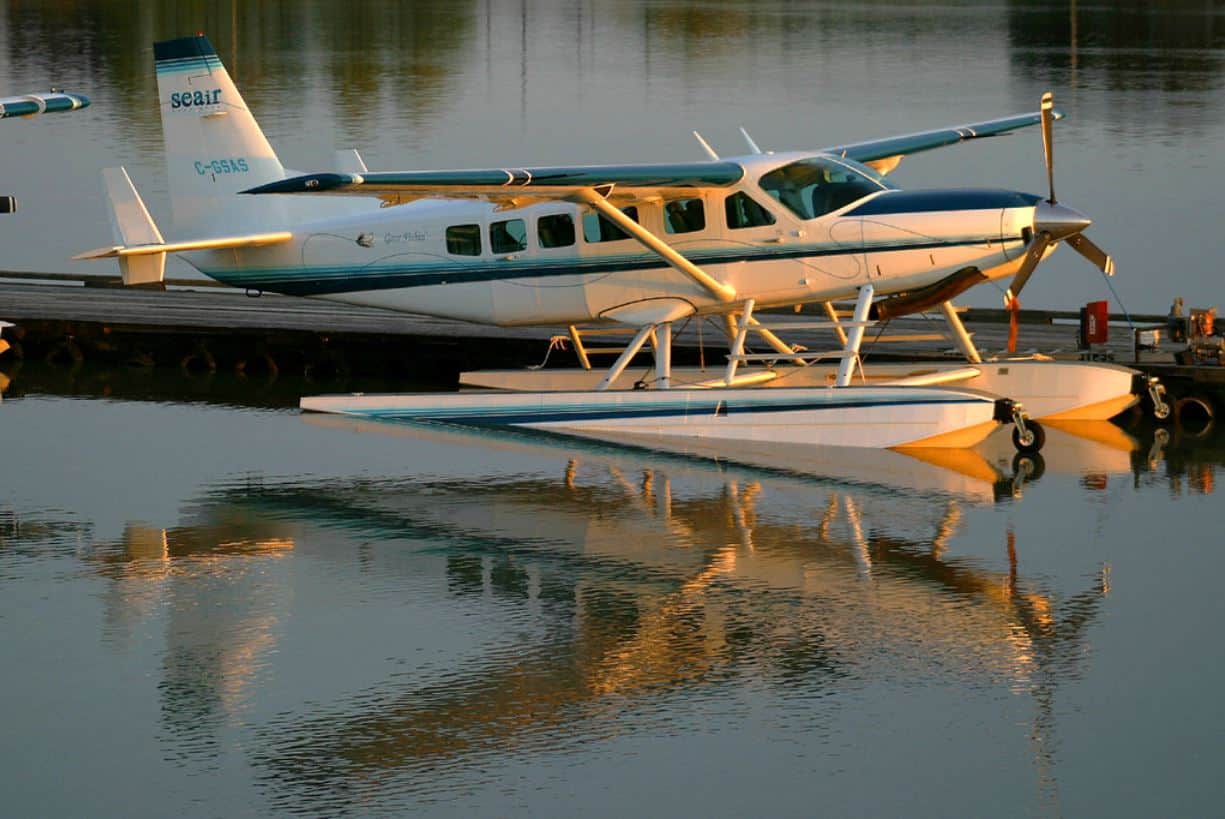
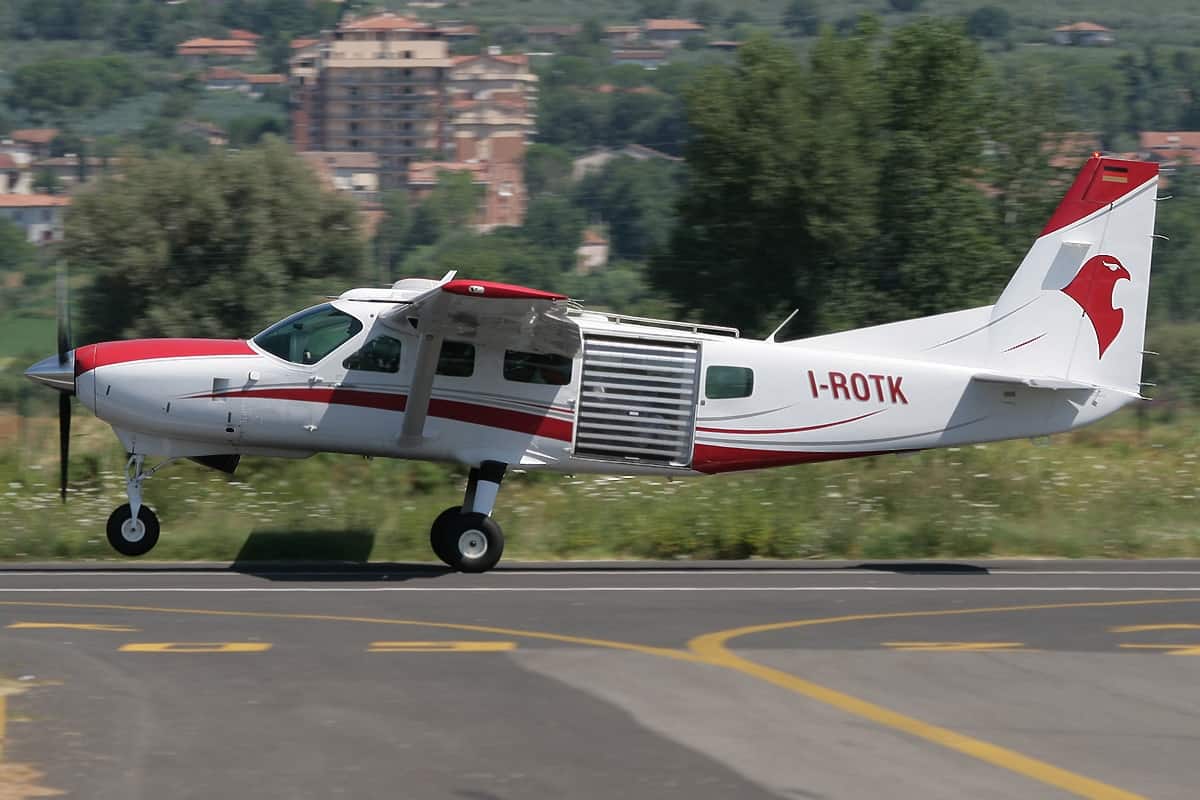
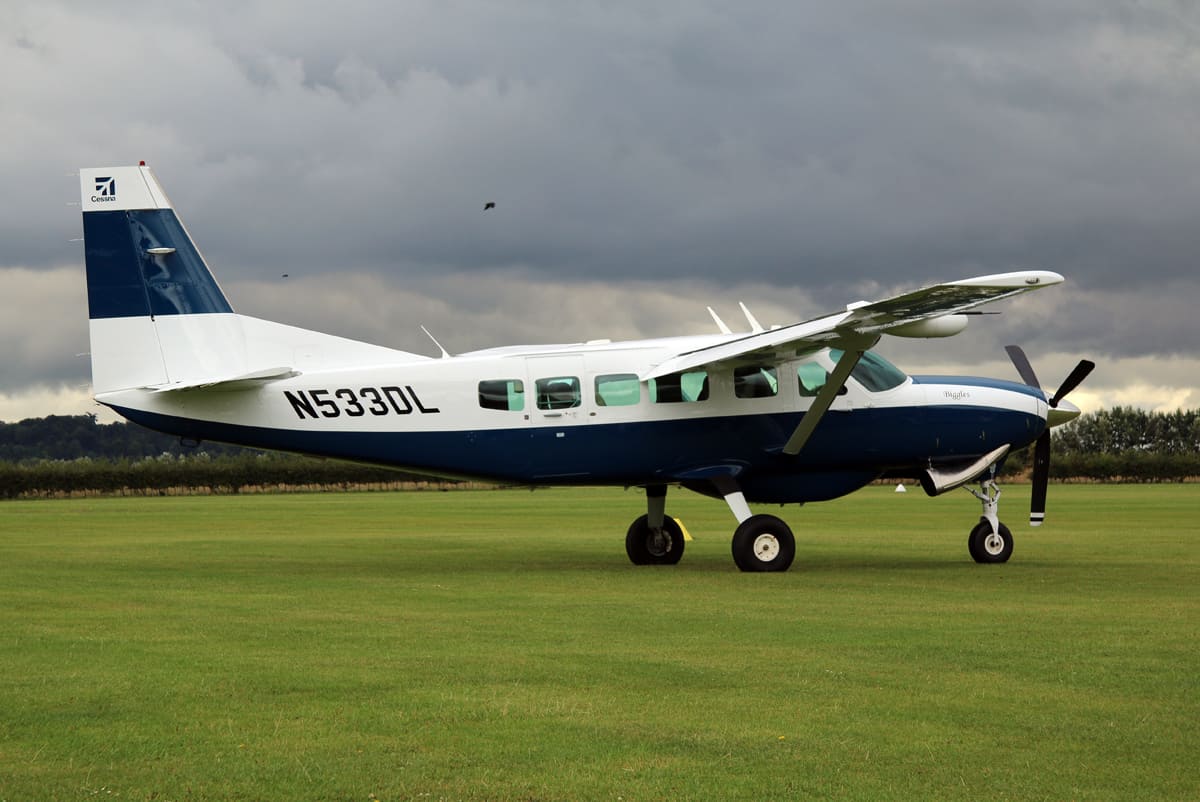

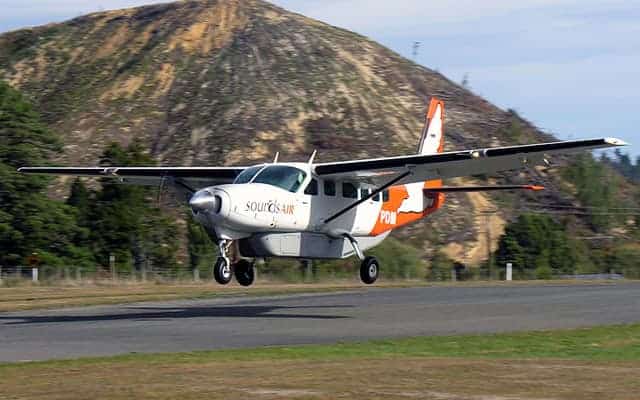
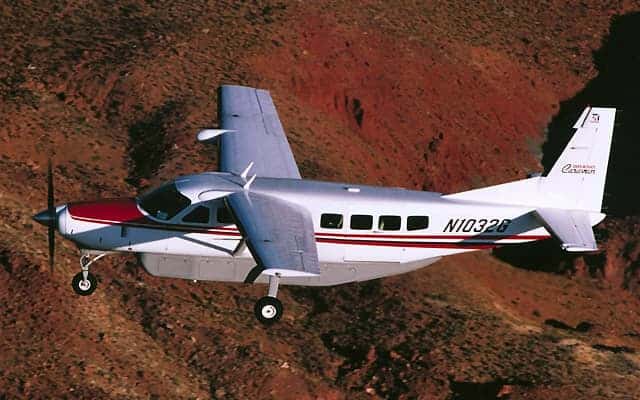
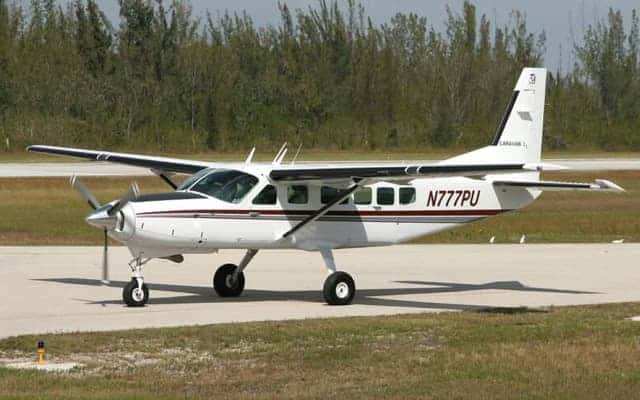
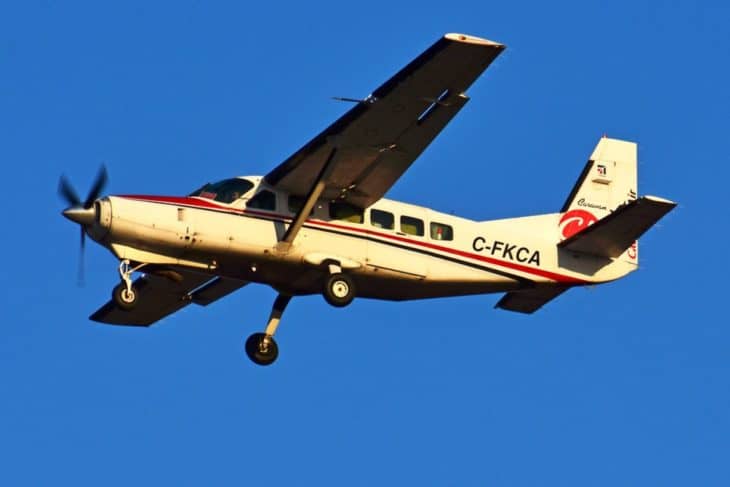
The Caravan first flew in 1982 and entered service in 1984. It features a high-wing design, fixed landing gear, and large cargo door. The aircraft was designed for rugged operations from short or unpaved runways.
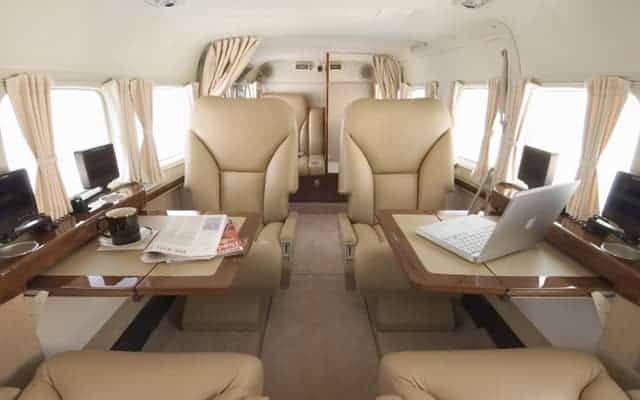
Powered by a Pratt & Whitney Canada PT6A turboprop engine producing approximately 675 shaft horsepower, the Caravan cruises at around 180 knots (333 km/h). Maximum takeoff weight exceeds 8,000 pounds (3,629 kg). Seating typically ranges up to nine passengers, with cargo variants carrying substantial freight loads.
The Caravan has been produced in large numbers and exported globally. It is widely used for freight, commuter, and humanitarian missions. Continuous improvements have kept the model competitive.
Sources and references used for research and fact-checking.

.jpg)