Private Single Engine
Beechcraft Bonanza G36
ICAO: BE36
The latest aviation news and stories sent to your inbox.
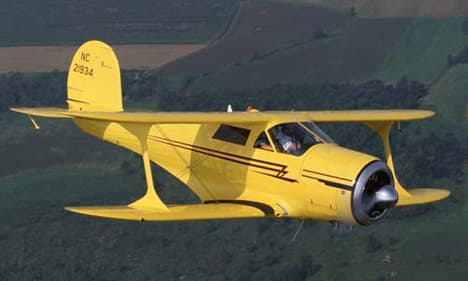
The Beechcraft Staggerwing C-17 was a high-performance cabin biplane developed in the 1930s. Designed to provide executive comfort and speed, it stood out for its distinctive negative stagger wing arrangement. The aircraft became one of the most advanced civil transports of its era.
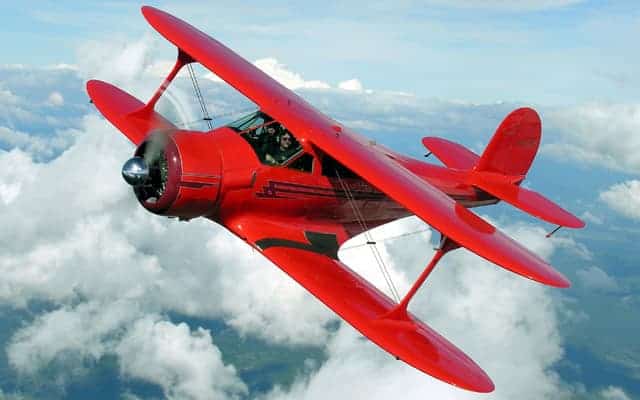
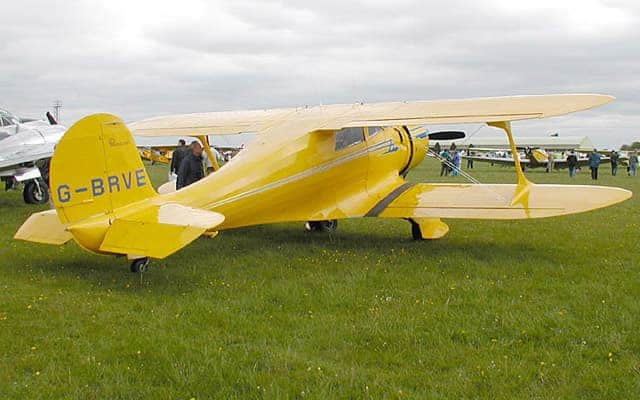


The Staggerwing series first flew in 1932 under the designation Model 17. The C-17 variant was among several improvements made during the aircraft’s production run. Its design featured a retractable landing gear system and an enclosed cabin, uncommon for biplanes of the period.
Powered by a radial piston engine typically producing between 420 and 450 horsepower depending on configuration, the Staggerwing cruised at approximately 160 knots (300 km/h). Maximum takeoff weight was around 4,250 pounds (1,930 kg). The cabin accommodated up to four passengers in comfort.
The Staggerwing served business leaders, military operators, and private owners before and during World War II. Its blend of speed, luxury, and craftsmanship set a high standard for executive aircraft of the era. Today it remains one of the most iconic prewar American aircraft designs.