

Aerobatic
Sukhoi Su-29
ICAO: SU29
The single-seat aerobatic aircraft built for unlimited competition
The latest aviation news and stories sent to your inbox.
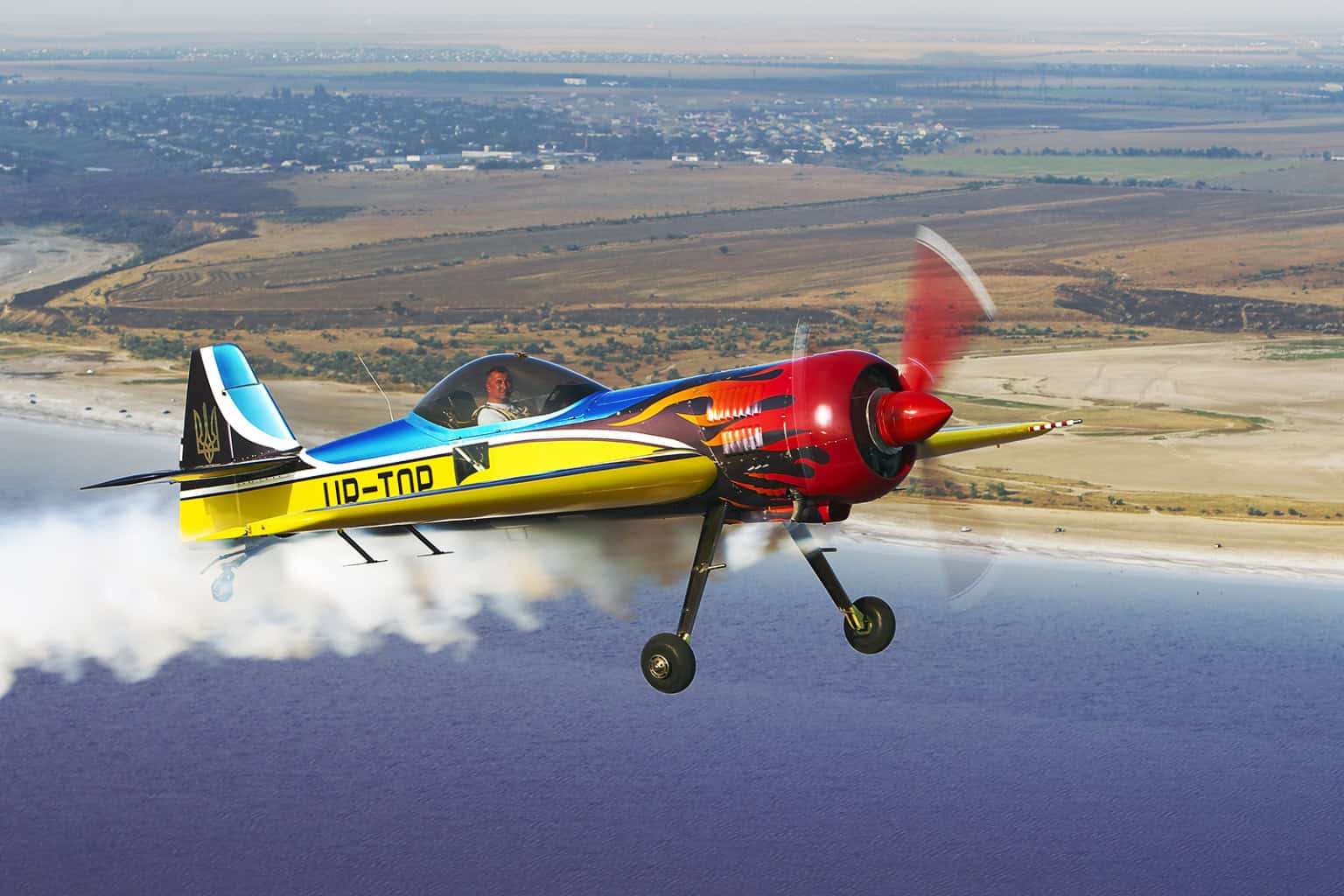
The Sukhoi Su-31 is a single-seat aerobatic aircraft developed for international competition. Built with a focus on power and agility, it has been flown by world-class aerobatic pilots. The aircraft continues the Sukhoi tradition of high-performance aerobatic design.
Live Fleet Activity (SU31)
Fetching live data…

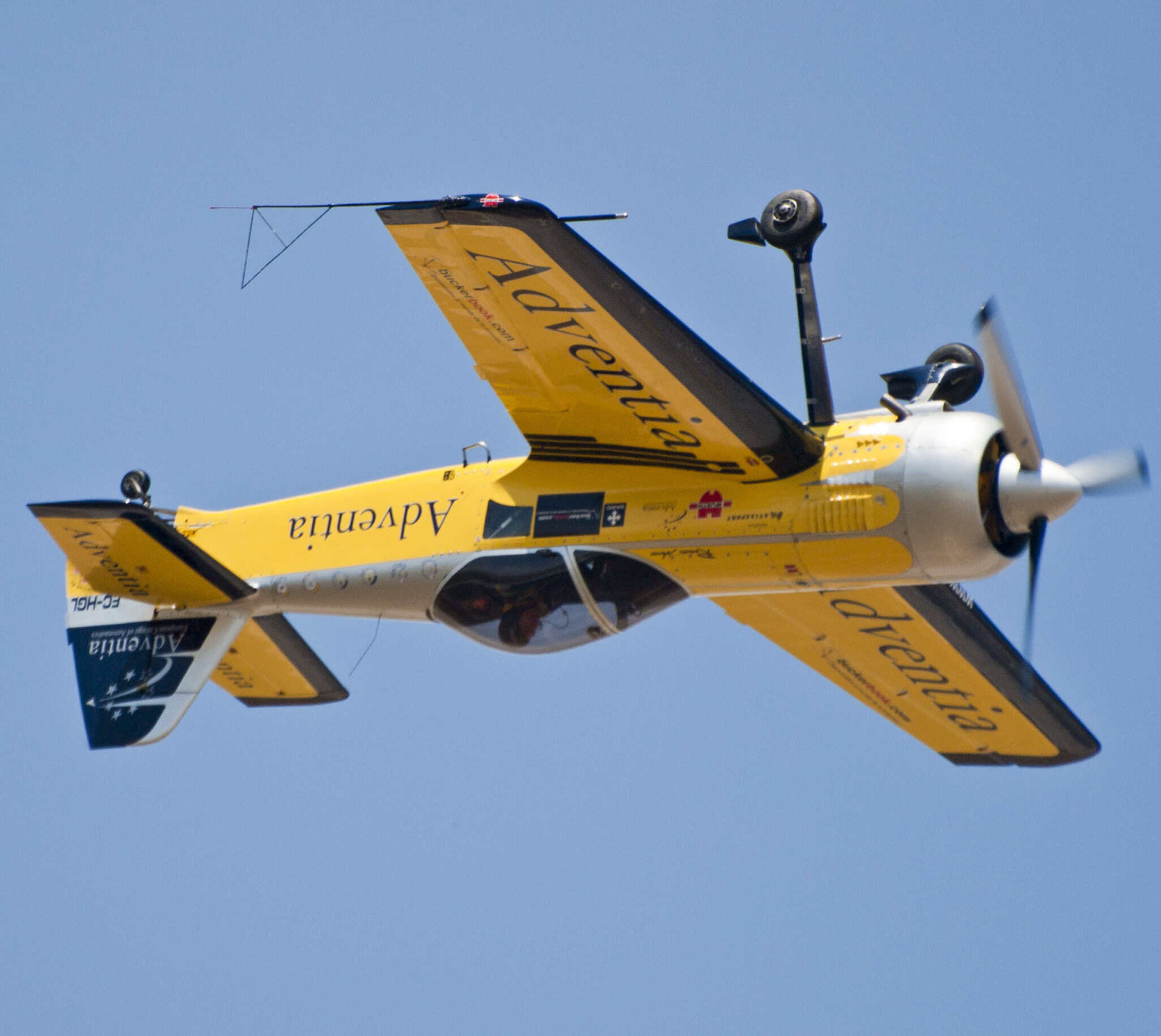

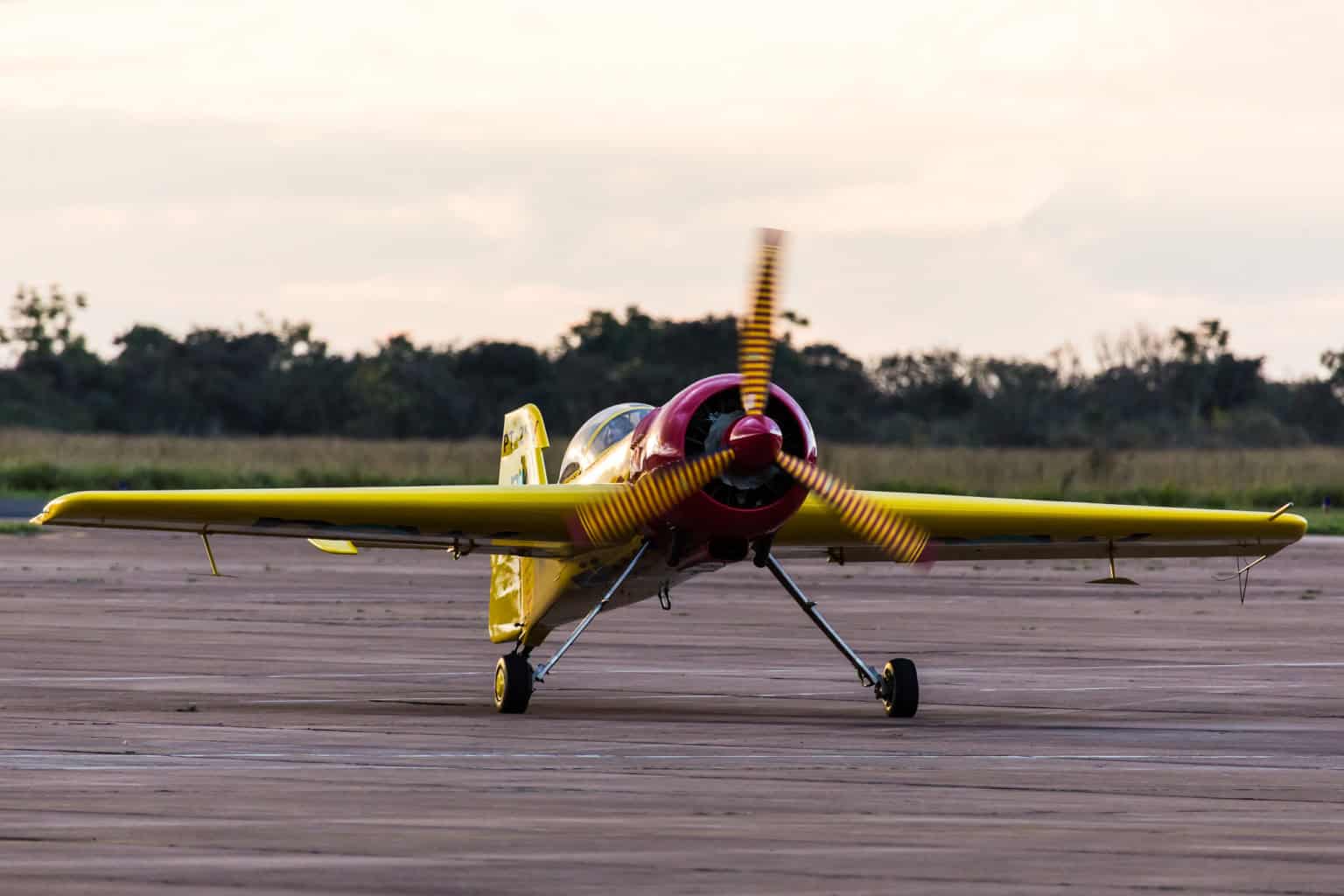


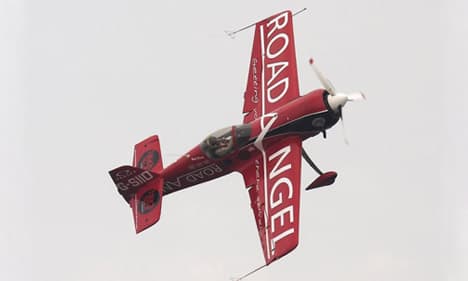


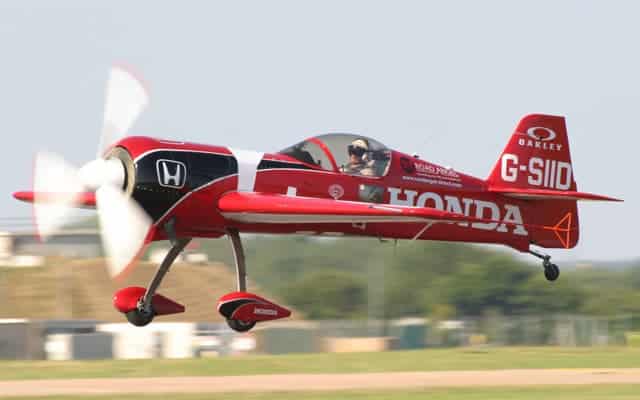

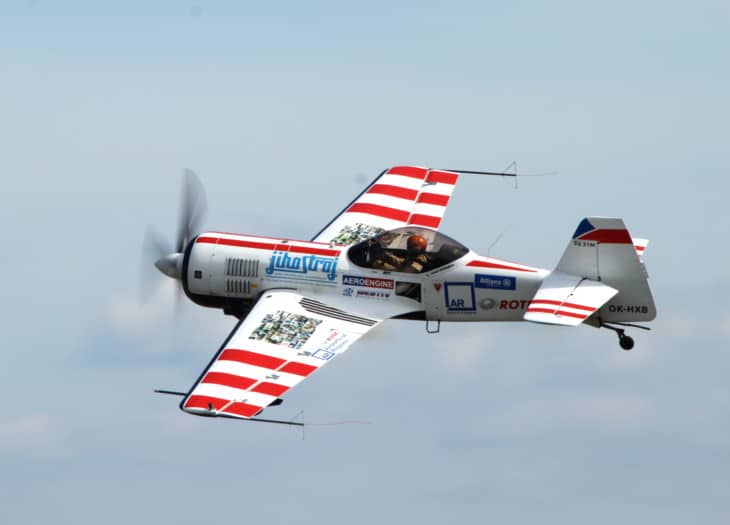
The Su-31 was introduced in the early 1990s as a development of the earlier Su-26 aerobatic aircraft. It featured refinements to aerodynamics and structure to enhance performance in unlimited competition. The aircraft employs composite materials and a steel tube fuselage core for strength.
Powered by a Vedeneyev M14P radial engine producing approximately 360 horsepower, the Su-31 is capable of roll rates exceeding 400 degrees per second. Maximum takeoff weight is roughly 2,100 pounds (950 kg). The airframe is stressed for high positive and negative g loads typical of unlimited aerobatics.
The Su-31 has been used in world championships and advanced aerobatic displays. Its combination of power and structural resilience made it competitive at the highest levels. The design remains a prominent example of post-Soviet aerobatic engineering.
Sources and references used for research and fact-checking.
_above_Liman,_Ukraine.jpeg)