


Table of Contents
Fifteen notable passenger and transport aircraft are still missing today, in the strict sense that the airframe itself has never been located. The most recent is Malaysia Airlines Flight MH370, which vanished on 8 March 2014 with 239 people aboard and is still being searched for in 2026.
That measure matters, because most lists of “planes that vanished forever” quietly include aircraft that were found. Air France 447 was recovered in 2011. The BSAA Star Dust turned up on a glacier in 1998, fifty years late.
Below, the aircraft that were genuinely never found, listed newest first. The order tells the real story: airliners have almost stopped disappearing, and the list runs out in the 1960s for a reason.
| Aircraft or flight | Date | Aboard | Status |
|---|---|---|---|
| Malaysia Airlines MH370 | 8 Mar 2014 | 239 | Never found |
| Pakistan Int’l Airlines 404 | 25 Aug 1989 | 54 | Never found |
| Flying Tiger Line 739 | 16 Mar 1962 | 107 | Never found |
| Garuda Indonesian 542 | 3 Feb 1961 | 26 | Never found |
| Pan Am Flight 7 | 8 Nov 1957 | 44 | Debris only |
| Atlantic R6D-1 | 10 Oct 1956 | 59 | Debris only |
| Skyways Avro York | 2 Feb 1953 | 39 | Never found |
| Canadian Pacific 3505 | 21 Jul 1951 | 37 | Never found |
| Northwest Orient 2501 | 23 Jun 1950 | 58 | Debris only |
| Star Ariel (BSAA) | 17 Jan 1949 | 20 | Never found |
| Airborne Transport DC-3 | 28 Dec 1948 | 32 | Never found |
| Air France 072 | 1 Aug 1948 | 52 | Debris only |
| Star Tiger (BSAA) | 30 Jan 1948 | 31 | Never found |
| Hawaii Clipper | 28 Jul 1938 | 15 | Never found |
| Earhart’s Electra 10E | 2 Jul 1937 | 2 | Never found |
| Star Dust (BSAA) | 2 Aug 1947 | 11 | Found 1998 |
| Air France 447 | 1 Jun 2009 | 228 | Found 2011 |
| K2 Airways 1732 | 7 Jul 2026 | 5 | Found in 12 hours |
How this list is measured
An aircraft counts as missing here only if the airframe has never been located. Floating seats, an oil slick or a recovered flaperon do not close a case: they confirm a crash without revealing where the aircraft came to rest. That is why several entries below have physical evidence attached and are still, correctly, listed as missing.
1. Malaysia Airlines Flight MH370 (2014)
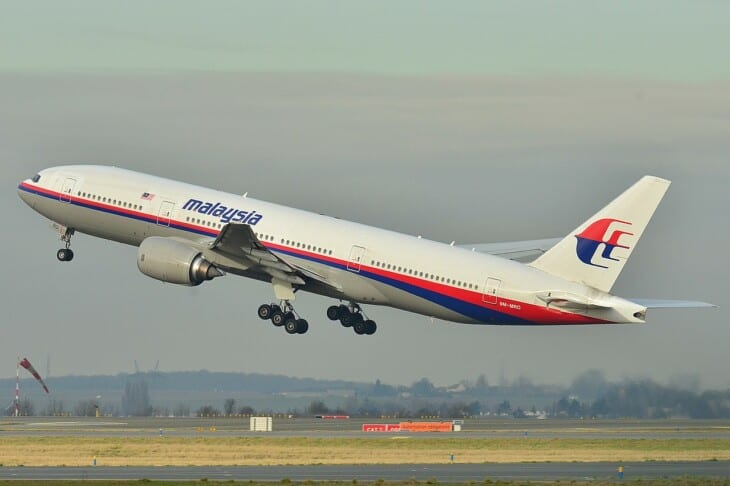
MH370 left Kuala Lumpur for Beijing late on 7 March 2014 with 227 passengers and 12 crew aboard. The passengers came from 14 countries, with 153 Chinese and 50 Malaysian nationals the largest groups.
The last words from the cockpit came at 01:19 local time: “Good night. Malaysian three seven zero.” Minutes later the Boeing 777-200ER stopped transmitting and turned back across the Malay Peninsula.
Military radar tracked it west, then satellite handshakes placed it on a long southern arc into the Indian Ocean. Why it turned has never been established, and Malaysia’s 2018 final report was inconclusive.
Debris settled the crash beyond doubt. A flaperon washed ashore on Réunion Island on 29 July 2015, and further parts followed from South Africa and Tanzania. None of it revealed a location.
2014
The largest search in aviation history begins. Australia leads an underwater hunt covering 46,000 square miles (120,000 sq km) of seabed.
July 2015
The flaperon appears on Réunion. The first confirmed piece of MH370, found 16 months later and thousands of miles from the search zone.
January 2017
The official search is suspended. Three governments stand down with nothing found.
2018
Ocean Infinity tries first. The private seabed firm covers a further 43,000 square miles (112,000 sq km) on a no-find, no-fee basis, and also fails.
March 2025
The search resumes after eight years. Ocean Infinity returns to the southern Indian Ocean under a new agreement with Malaysia.
23 January 2026
The latest phase ends empty. Ocean Infinity departs the search area having spent 151 days at sea since 2018 and mapped more than 54,000 square miles (140,000 sq km) of seafloor.
June 2026
Malaysia extends the contract to 30 June 2027. Roughly 2,870 square miles (7,429 sq km) of the designated zone remain unsearched.
The search is not over. In June 2026 the Malaysian cabinet extended its agreement with Ocean Infinity for a further 12 months, to 30 June 2027, still on no-find, no-fee terms with a US$70 million payment due only if the wreck is located.
Transport minister Anthony Loke said the vessels must be redeployed to other commercial work from November 2026 until April 2027, which also aligns the next attempt with calmer seas.
Ruling out the ocean is itself a result
Ocean Infinity chief executive Oliver Plunkett put it plainly when the 2026 phase ended: the company had not found MH370, but “we can say with confidence that it isn’t where we looked. That matters, it brings clarity.” Twelve years of searching has mostly produced an extremely well-mapped patch of empty seabed.
2. Pakistan International Airlines Flight 404 (1989)
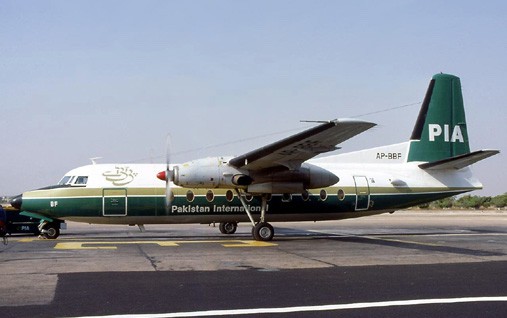
Flight 404 is the most recent airliner on this list before MH370, and the gap between them is 25 years. The Fokker F27 Friendship left Gilgit for Islamabad on 25 August 1989 with 49 passengers and 5 crew.
It disappeared into some of the most hostile terrain on earth, the mountains around Nanga Parbat. Pakistani C-130s and helicopters searched from the air while ground parties combed the valleys.
The Indian Air Force searched its side of the Line of Control. Nothing was found then, and nothing has been found since.
3. Flying Tiger Line Flight 739 (1962)
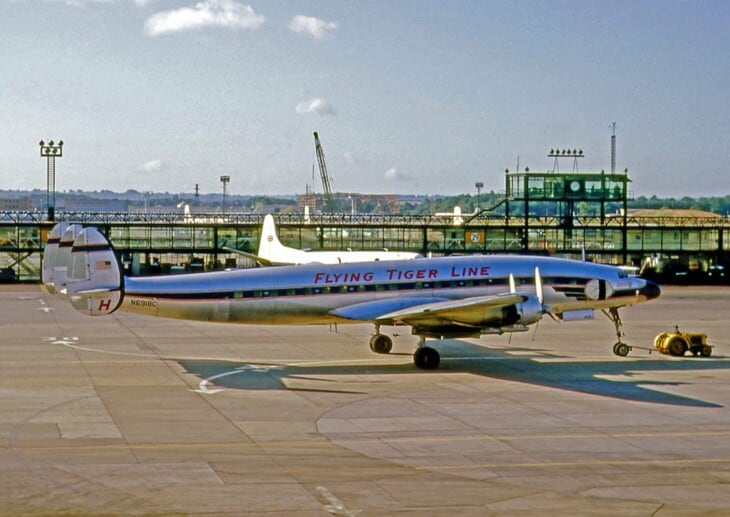
This is the deadliest unsolved disappearance on the list after MH370. A Lockheed L-1049H Super Constellation left Guam for the Philippines on 16 March 1962 carrying 107 people.
Aboard were 11 American crew and 96 military passengers, including 93 US Army communications specialists and three South Vietnamese personnel. None was ever seen again.
The crew of a Liberian tanker reported a bright light in the sky and two fireballs falling into the sea. They searched the water and found nothing.
An eight-day operation covered more than 200,000 square miles (518,000 sq km) of ocean without recovering a single piece of debris. The Civil Aeronautics Board concluded the aircraft was destroyed in flight but said it could not state the cause with any certainty.
4. Garuda Indonesian Airways Flight 542 (1961)
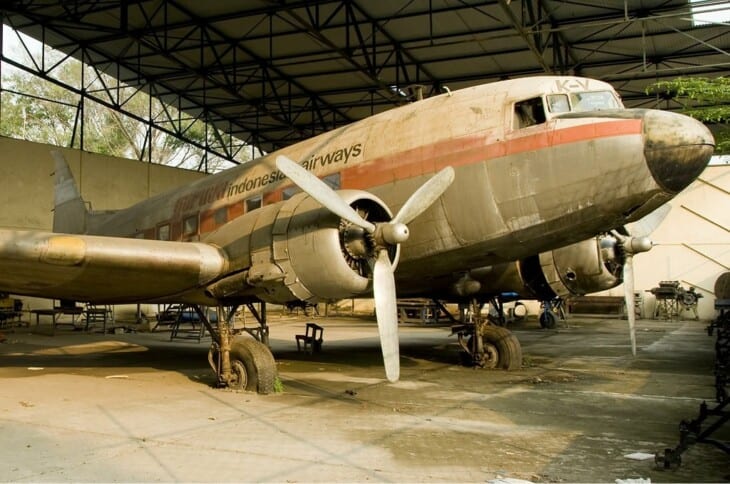
Flight 542 left Surabaya late on 3 February 1961 for Balikpapan, carrying 21 passengers and 5 crew. The Douglas DC-3 simply dropped off the radar screens at cruising altitude.
No distress call was made. Indonesian search teams found no wreckage, and the aircraft is presumed to lie somewhere in the Java Sea.
With no evidence to examine, investigators could not determine a cause. All 26 people aboard are presumed dead.
5. Pan Am Flight 7 (1957)
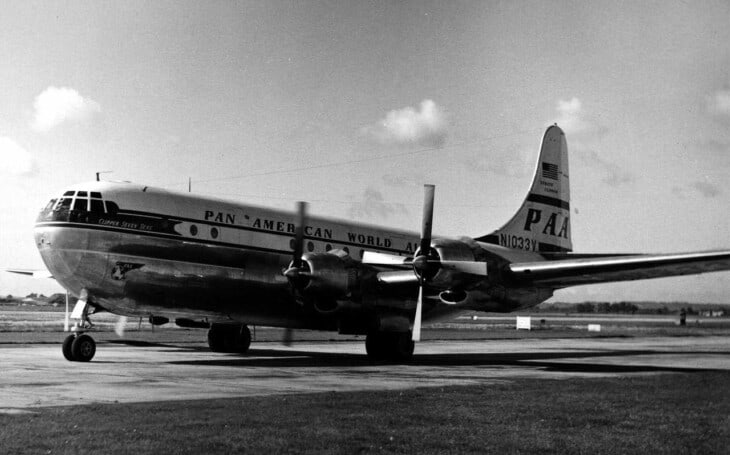
The Boeing 377 Stratocruiser Clipper Romance of the Skies left San Francisco for Honolulu on 8 November 1957 with 36 passengers and 8 crew. It never reported an emergency.
A week of searching found 19 victims and floating debris scattered across 33 square miles (85 sq km) of ocean, roughly 900 nautical miles northeast of Honolulu.
The main wreckage lies under about 16,500 feet of water and has never been recovered. The Civil Aeronautics Board found it had insufficient evidence to determine a cause.
Investigators also concluded the aircraft had not hit the water steeply. It came close to a successful ocean landing before the starboard wing dug in.
The detail nobody can explain
Pathologists found possibly disabling levels of carbon monoxide in 14 of the 19 bodies recovered from Flight 7. The gas could have come from an engine failure, or it could have been introduced deliberately, and decomposition after the crash could not be ruled out as the source either. Without the wreckage, the question has stayed open since 1957.
6. Atlantic R6D-1 (1956)
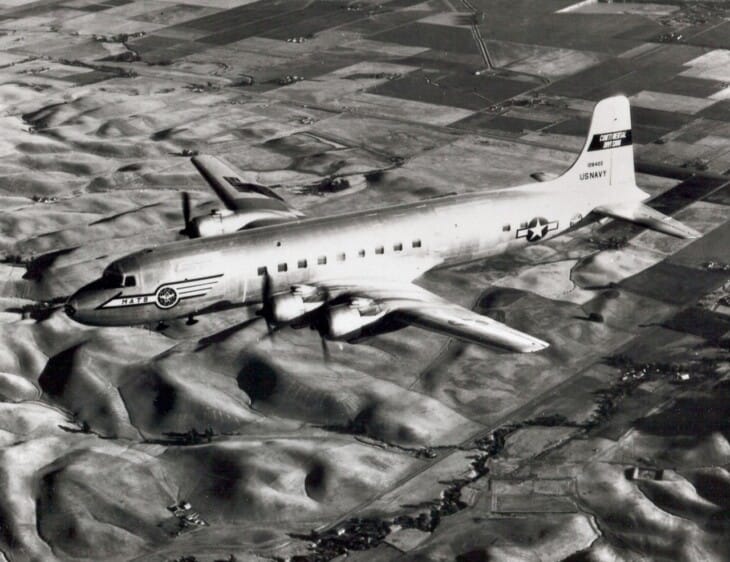
On 10 October 1956 a US Navy R6D-1 Liftmaster, the military version of the Douglas DC-6, left RAF Lakenheath for the Azores with 50 passengers and 9 crew.
The passengers were US Air Force personnel heading home after temporary duty in Britain. The aircraft disappeared roughly 370 miles (596 km) southwest of Land’s End.
A 14-day search recovered only four wheels and a life raft. No trace of the 59 people aboard was ever found, and the cause remains undetermined.
7. Skyways Avro York (1953)
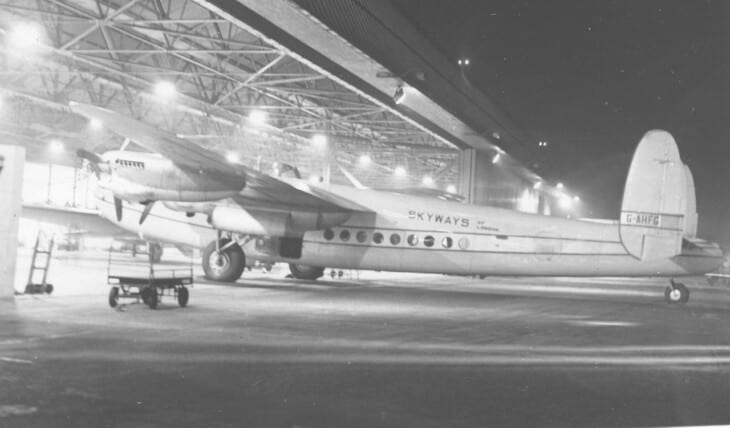
Avro York G-AHFA was a trooping flight from Stansted to Jamaica, routing via the Azores. It carried 6 crew and 33 passengers, including soldiers travelling with their families and 13 children.
At 05:31 on 2 February 1953 Gander received an urgency signal, then “SOS, SOS, SOS”, then silence. The position given was in the mid-Atlantic.
The USCGC Campbell later reported oil patches and dye markers about 120 miles (193 km) southwest of that last position. The aircraft was never located.
The inquiry closed in December 1953 with the cause recorded as unascertainable, though an uncontrollable engine fire was considered possible.
8. Canadian Pacific Air Lines Flight 3505 (1951)
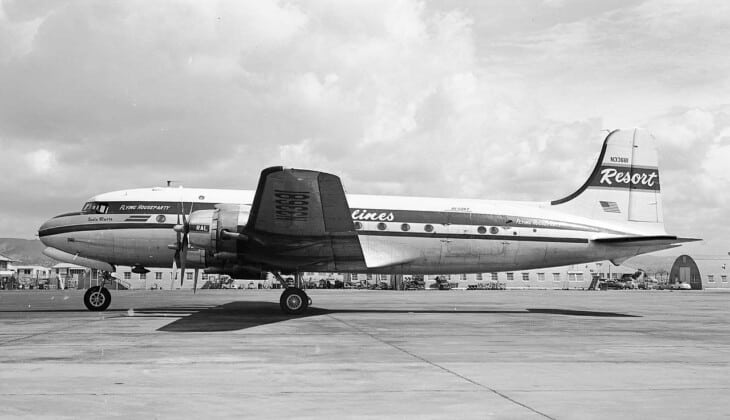
Flight 3505 left Vancouver on 21 July 1951 for Anchorage, en route to Tokyo in support of the Korean War airlift. The Douglas C-54A Skymaster carried 6 Canadian crew and 31 passengers.
Among them were 26 US military personnel, 2 Royal Canadian Navy sailors and 3 American civilians. The aircraft reported normally, then fell silent near Yakutat, Alaska.
American and Canadian air forces searched until 31 October 1951 and found nothing. Heavy rain and icing were present in the area, but the official cause remains undetermined.
9. Northwest Orient Airlines Flight 2501 (1950)
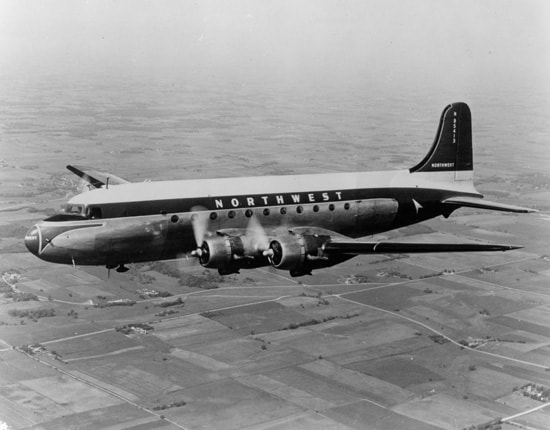
Flight 2501 was a Douglas DC-4 flying New York to Seattle on 23 June 1950 with 55 passengers and 3 crew. It vanished over Lake Michigan after requesting a descent.
At the time it was the worst commercial air disaster in United States history. The Coast Guard recovered light debris, upholstery and human remains from the surface.
The wreck itself has never been located, so the cause has never been determined. This is the one case on the list where someone kept looking for decades.
Author Clive Cussler and the Michigan Shipwreck Research Association began searching in 2004. MSRA continued every year through 2024, covering around 600 square miles (1,550 sq km) and finding nine previously unknown shipwrecks, but never the DC-4.
The 20-year search was suspended in June 2025. The searchers’ conclusion was that the aircraft broke into small pieces and sank into the lakebed muck.
10. Star Ariel, British South American Airways (1949)
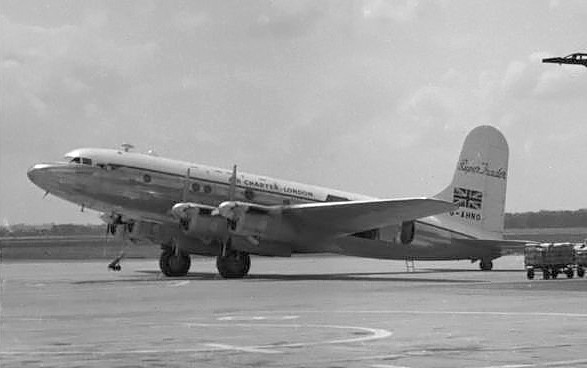
The Star Ariel, an Avro Tudor IV, left Bermuda for Kingston, Jamaica on 17 January 1949 with 20 people aboard. The weather was good and no distress call was made.
Nothing was ever found. It was the second BSAA Tudor to disappear on the Bermuda routes in under a year, and the airline withdrew the type from passenger service.
11. Airborne Transport DC-3 NC16002 (1948)

This DC-3 left San Juan for Miami on 28 December 1948 with 29 passengers and 3 crew. It is one of the cases that built the Bermuda Triangle legend, and the least mysterious of them on inspection.
The aircraft departed with batteries that the pilot knew were discharged and low on water, intending to recharge them in flight. It was also about 118 pounds (54 kg) over its allowable weight.
A change in wind direction was never confirmed as received, which would have pushed the aircraft off course. With weak batteries, the crew may not have heard it.
Two bodies surfaced near Guantánamo Bay a week later but were never linked to the flight. The aircraft has never been found.
12. Air France Flight 072 (1948)
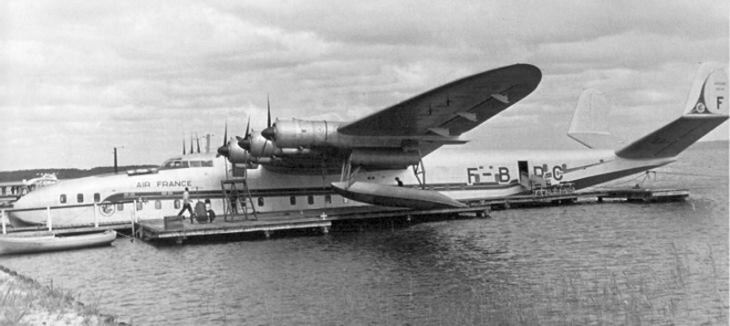
The Latecoere 631 flying boat Lionel de Marnier left Fort-de-France, Martinique on 31 July 1948 for Port-Etienne in French West Africa. Aboard were 40 passengers and 12 crew.
A mayday distress signal was picked up just after midnight, placing the aircraft roughly 1,100 nautical miles north of the Cape Verde Islands.
The USCGC Campbell later found two of the aircraft’s seats 1,570 nautical miles east of Puerto Rico, with more debris about 15 nautical miles away. The flying boat itself was never located.
It was the worst accident ever suffered by the Latecoere 631, and Air France withdrew the type from service afterwards.
13. Star Tiger, British South American Airways (1948)
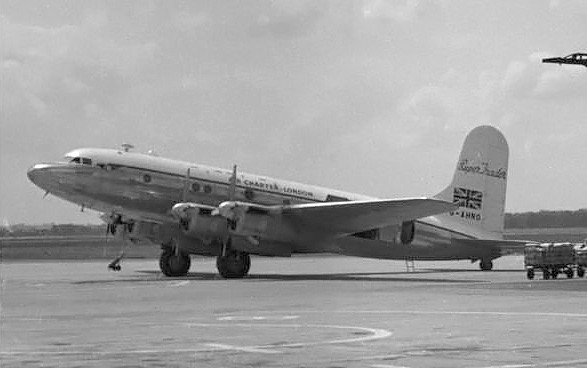
The Star Tiger was flying from Santa Maria in the Azores to Bermuda on 30 January 1948 with 6 crew and 25 passengers. It disappeared without a distress call.
A search aircraft sighted boxes and an oil drum northwest of Bermuda two days later, but nothing was ever confirmed as coming from the Tudor.
The Court of Investigation criticised a want of care and attention to detail in the flight planning, but could not establish what happened. Its closing line has outlived the case: “What happened in this case will never be known and the fate of Star Tiger must remain an unsolved mystery.”
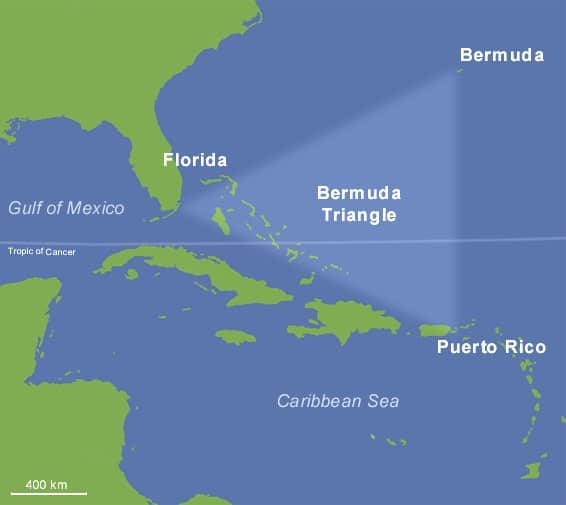
The Bermuda Triangle did not take these aircraft
Star Tiger, Star Ariel and the Airborne Transport DC-3 are cited as Bermuda Triangle cases, but the label was attached years afterwards by writers, not by investigators. All three were piston airliners flying long overwater legs with no radar coverage, no satellite tracking and, in the DC-3’s case, batteries the pilot already knew were failing. The stretch of ocean is one of the busiest in the world, and busy airspace produces accidents without needing an explanation.
That area is not unusually deadly by the numbers, a point we cover in detail in our look at whether planes still fly over the Bermuda Triangle.
14. The Hawaii Clipper (1938)
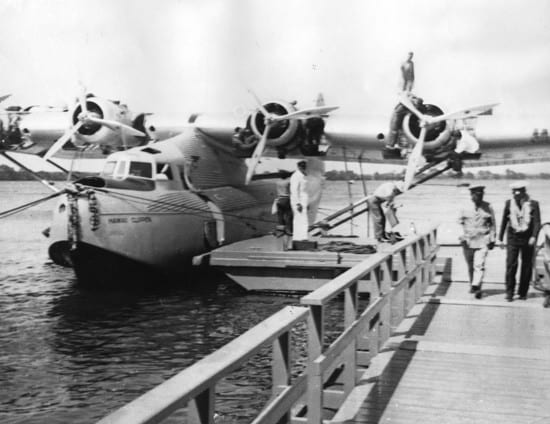
Pan Am’s Martin M-130 flying boat Hawaii Clipper vanished on 28 July 1938 between Guam and Manila with 6 passengers and 9 crew aboard.
The aircraft reported flying through cloud layers and moderately rough air, then stopped transmitting. It was one of the flagships of trans-Pacific air travel at the time.
The transport USAT Meigs found an oil slick along the route about 500 miles (800 km) from Manila. Testing found no connection to the aircraft, though the methods of the day were not conclusive.
The search was called off on 5 August 1938. The Hawaii Clipper has never been found.
15. Amelia Earhart’s Lockheed Electra 10E (1937)
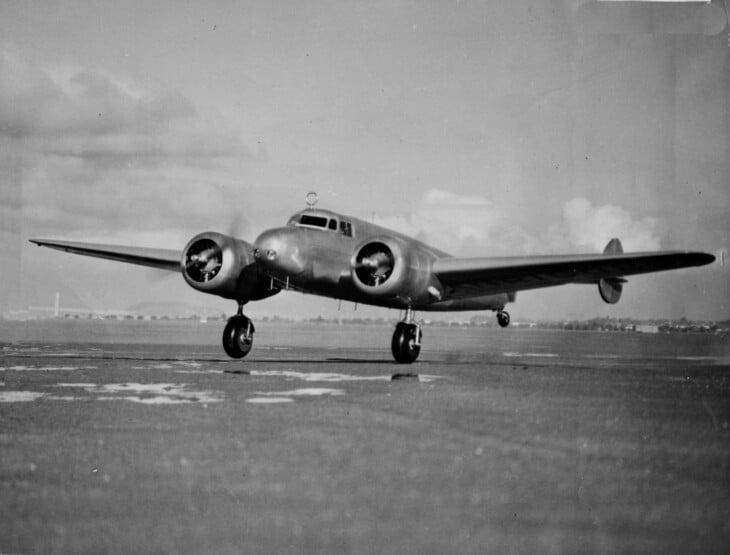
The oldest case here is also the most famous. Amelia Earhart and navigator Fred Noonan disappeared on 2 July 1937, flying from New Guinea to Howland Island on a round-the-world attempt.
Their Lockheed Electra 10E has never been found, and the case has attracted more theories than evidence over nearly 90 years.
It is also the only case on this list with a search actively departing right now. In October 2026 the Archaeological Legacy Institute and Purdue Research Foundation sail for Nikumaroro in the Republic of Kiribati.
Team members leave Purdue on 3 October, gather in Tarawa on 6 October and sail on 7 October, covering roughly 830 nautical miles to the island.
Their target is the Taraia Object, an anomaly visible in satellite and drone imagery of the island’s lagoon. The plan is imaging, then magnetometers and sonar, then a hydraulic dredge to expose whatever is there.
A 1937 case could close in 2026
The expedition rests on the Nikumaroro hypothesis, the idea that Earhart and Noonan landed on the reef and were marooned rather than going straight into the sea. The team has been careful not to predict what the Taraia Object is, saying only that they will follow the evidence. If it is the Electra, the oldest entry on this list becomes the next one to be struck off.
The ones that were found, sometimes 50 years later
These three are routinely listed as planes that vanished forever. They did not, and the difference is the most useful thing on this page.
Star Dust, found on a glacier in 1998
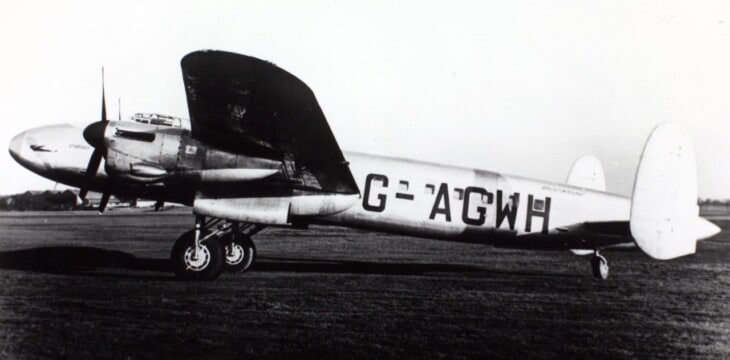
The Avro Lancastrian Star Dust disappeared on 2 August 1947 flying from Buenos Aires to Santiago with 5 crew and 6 passengers. Its last Morse transmission ended with the word STENDEC, repeated twice and never explained.
Searchers covered the route and found nothing. In 1998, Argentine mountaineers found engine parts on the glacier of Mount Tupungato, and an army expedition recovered propellers and wheels at 15,000 feet in 2000.
The explanation was the jet stream, barely understood in 1947. Flying high in thick cloud against winds nobody had accounted for, the crew believed they had crossed the Andes and began a descent while still behind the peaks.
The wreckage had been buried in ice for fifty years, a few thousand feet from where the aircraft was always assumed to be.
Air France 447, found in 2011
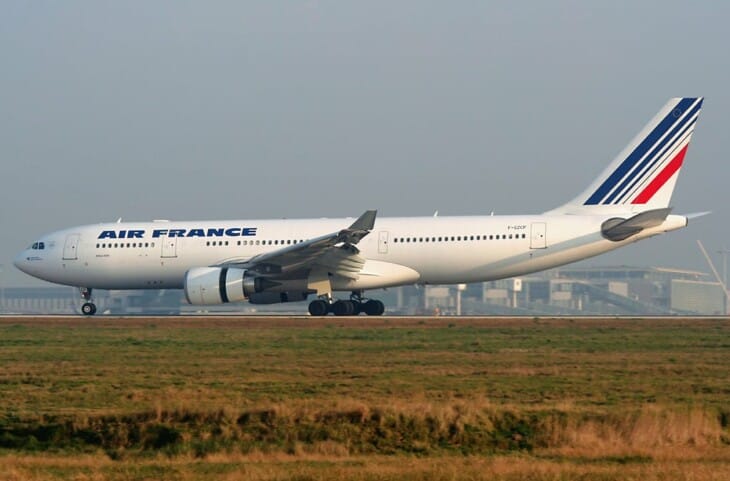
The Airbus A330 went down in the Atlantic on 1 June 2009 en route from Rio de Janeiro to Paris with 216 passengers and 12 crew. For two years it was the modern vanishing aircraft.
The main debris field was located on 3 April 2011 during a fourth search phase, at 13,050 feet (3,980 m). The flight recorders came up on 1 and 2 May.
They showed ice crystals had blocked the pitot tubes, feeding the crew unreliable airspeed and dropping the autopilot out. Repeated nose-up inputs stalled the aircraft, and it never recovered.
In total 154 bodies were recovered and 74 people were never found. That is why AF447 still appears on lists like this one, and why it does not belong there. We cover the investigation in full in our piece on what brought down Air France 447.
K2 Airways 1732, found in 12 hours
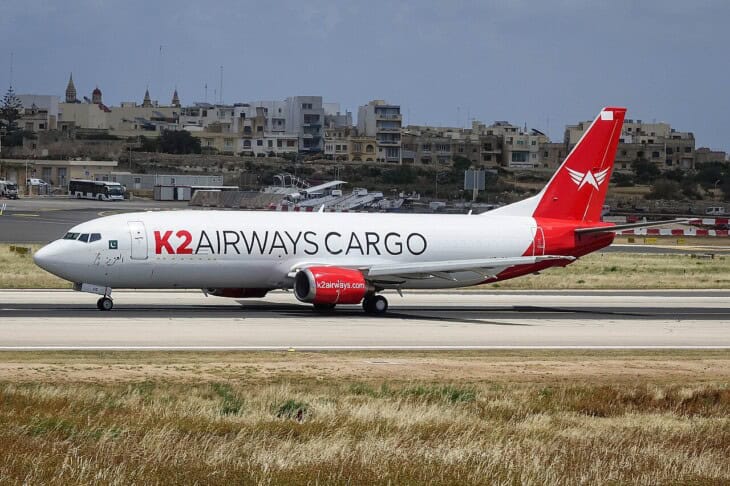
On 7 July 2026 a Boeing 737-400 freighter, registration AP-BOI, left Sharjah for Karachi with 5 crew aboard. Over the Arabian Sea the crew reported a navigation system problem.
Three minutes later radar showed a rapid descent and a large heading change. The last transmission was “rolling or floating, 1732”, about 155 nautical miles west of Karachi.
The wreckage was located 12 hours later, 53 nautical miles south of Ormara. All five crew are presumed dead and the flight recorders have not been recovered.
It is a grim illustration of the pattern. A modern aircraft went missing over open ocean in 2026 and was found the same day, because transponders, satellite tracking and radar left a trail to follow.
Why planes stopped disappearing
Look again at the dates. Nine of the 15 still-missing aircraft were lost between 1937 and 1957, and only two since 1962.
Those aircraft flew long ocean legs beyond radar cover, navigating by dead reckoning and radio bearings, reporting position by voice at intervals. A gap of an hour was routine, so the search area was already enormous before anyone started looking.
Modern airliners are tracked continuously by transponder, satellite datalink and ground radar. When one is lost, investigators usually have a position accurate to a few miles within minutes.
MH370 is the exception that proves the rule, and it is an exception because the tracking equipment stopped transmitting rather than because it did not exist.
The Aviation Safety Network counted 85 passenger, cargo and military transport aircraft that had gone missing without trace since 1948, alongside 8 maritime patrol aircraft, 5 corporate jets and 6 air taxis, in a tally reported in 2015. The overwhelming majority are small aircraft, and the overwhelming majority are old.
FAQ
Sources and references used for research and fact-checking.
- Ocean Infinity, Conclusion of the search for Malaysian Airlines flight MH370
- The Star, Govt extends deal with Ocean Infinity to search for MH370 wreckage
- Wikipedia, Malaysia Airlines Flight 370
- Wikipedia, Search for Malaysia Airlines Flight 370
- Purdue University, ALI, Purdue expedition to search for Amelia Earhart's plane will depart in October
- Wikipedia, Pakistan International Airlines Flight 404
- Wikipedia, Flying Tiger Line Flight 739
- Wikipedia, Garuda Indonesia Flight 542
- Wikipedia, Pan Am Flight 7
- Wikipedia, 1956 Atlantic R6D-1 disappearance
- Wikipedia, 1953 Skyways Avro York disappearance
- Wikipedia, Canadian Pacific Air Lines Flight 3505
- Wikipedia, Northwest Orient Airlines Flight 2501
- Wikipedia, BSAA Star Tiger disappearance
- Wikipedia, 1948 Airborne Transport DC-3 (DST) disappearance
- Wikipedia, Air France Flight 072
- Wikipedia, Hawaii Clipper
- Wikipedia, 1947 BSAA Avro Lancastrian Star Dust accident
- Wikipedia, Air France Flight 447
- Wikipedia, K2 Airways Flight 1732
- Wikipedia, List of missing aircraft
- Fox News, No answers in missing Flight 370, just one of dozens of vanished planes
Get the Newsletter
The latest aviation news and stories sent to your inbox.
About the Author

Salomon has been interested in aviation ever since his parents took him on a Boeing 720 to see his relatives. When he’s not writing his latest aviation article, he can be found planespotting, reading up on on aviation news or in the cockpit of his favorite aircraft!